
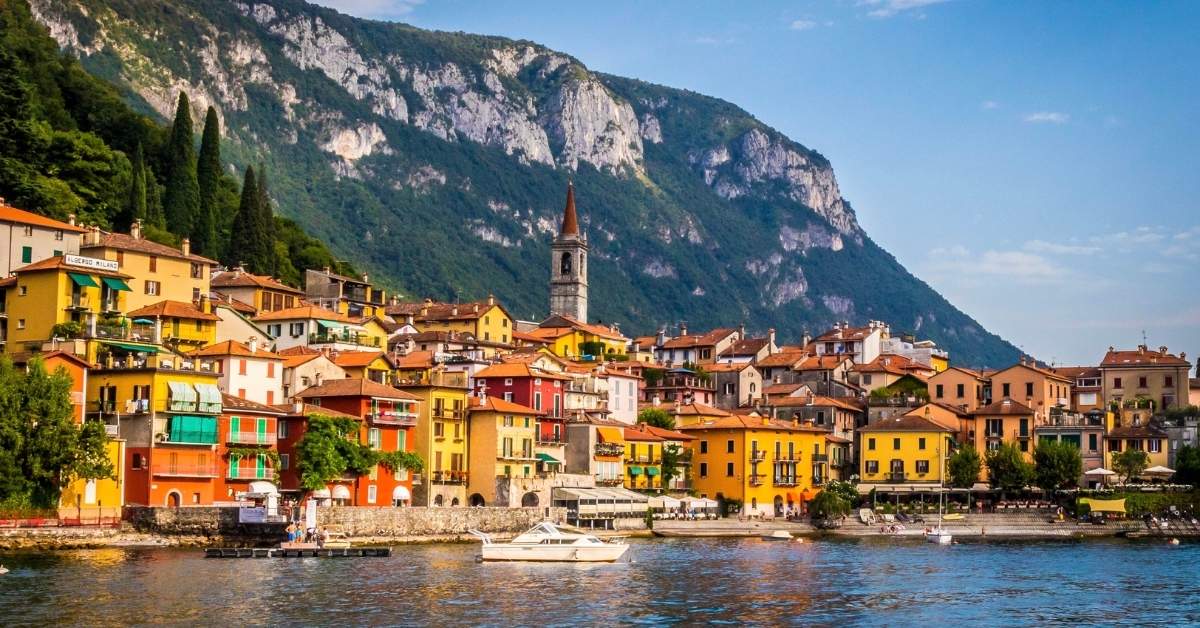
There is a particular kind of disappointment that comes from arriving somewhere beautiful and realising you’ve done it all wrong. I’ve felt it. You’ve probably felt it too. That sinking sensation when you’re standing in a place you’ve dreamed about for years, and instead of magic, you’re feeling rushed, confused, or just plain uncomfortable.
Lake Como is one of those destinations that seems simple on the surface. It’s a lake. There are villas. There are mountains. How hard could it be to get right?
The answer, as I discovered, is surprisingly hard.
The lake is vast, the towns are scattered, the transport is quirky, and the whole place operates on a rhythm that isn’t immediately obvious to the first-time visitor. Get it wrong, and you’ll spend your holiday waiting on platforms, sitting in traffic, or staring at a view that’s lovely but not quite what you came for. Get it right, and you’ll understand why George Clooney bought a house here and why people have been writing poetry about this place for centuries.
Here is everything I wish someone had told me before I went. Consider it the cheat sheet I never had.
The Planning Mistakes
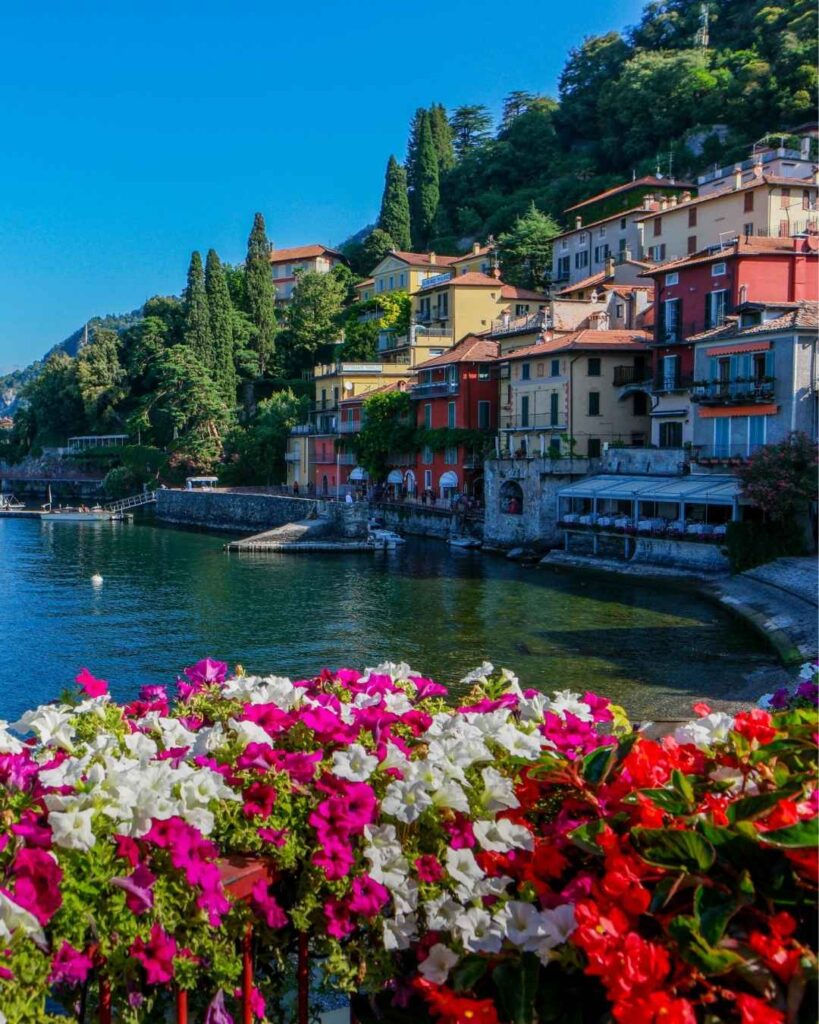
Let’s start with the most fundamental misunderstanding people have about Lake Como. It’s not a single destination. It’s a sprawling, twenty-eight-mile-long body of water with dozens of towns scattered around its perimeter, and every single one of them is different.
The most common mistake is trying to use the lake as a day trip from Milan or, worse, from somewhere even further away. Yes, you can theoretically take the train from Milan, spend a few hours in Bellagio, and head back. But that’s not visiting Lake Como. That’s glimpsing Lake Como through a train window and pretending you’ve experienced it.
You need at least three days to properly explore this place. Four is better. A week is ideal. Anything less, and you’re just scratching the surface.
The second mistake is choosing the wrong town as your base. Most first-time visitors gravitate towards Bellagio because it’s the famous one, the postcard town, the place everyone has heard of. And Bellagio is beautiful. It’s also overrun with day-trippers during the summer months, ridiculously expensive, and so vertical that you’ll get a workout just walking from the ferry to your hotel.
The smarter approach is to base yourself somewhere that offers better value and easier logistics while keeping you close to the highlights. Varenna is my personal recommendation. It’s smaller than Bellagio, more peaceful, and it has a train station that connects directly to Milan and the rest of Italy. Menaggio and Cernobbio are also excellent options. They’re quieter, more affordable, and they still give you access to everything the lake has to offer.
And while we’re talking about where to stay, here’s a piece of advice that seems obvious but that I ignored to my regret. Pay attention to the stairs. The towns around Lake Como are built on steep hillsides, and many hotels and apartments are only accessible by climbing dozens or even hundreds of steps. The view from the top is spectacular. The climb to reach it, carrying your suitcase, is less so. Ask about access when you book, and pack light enough that you can carry your bag up a few flights without wanting to weep.
The Timing Mistakes
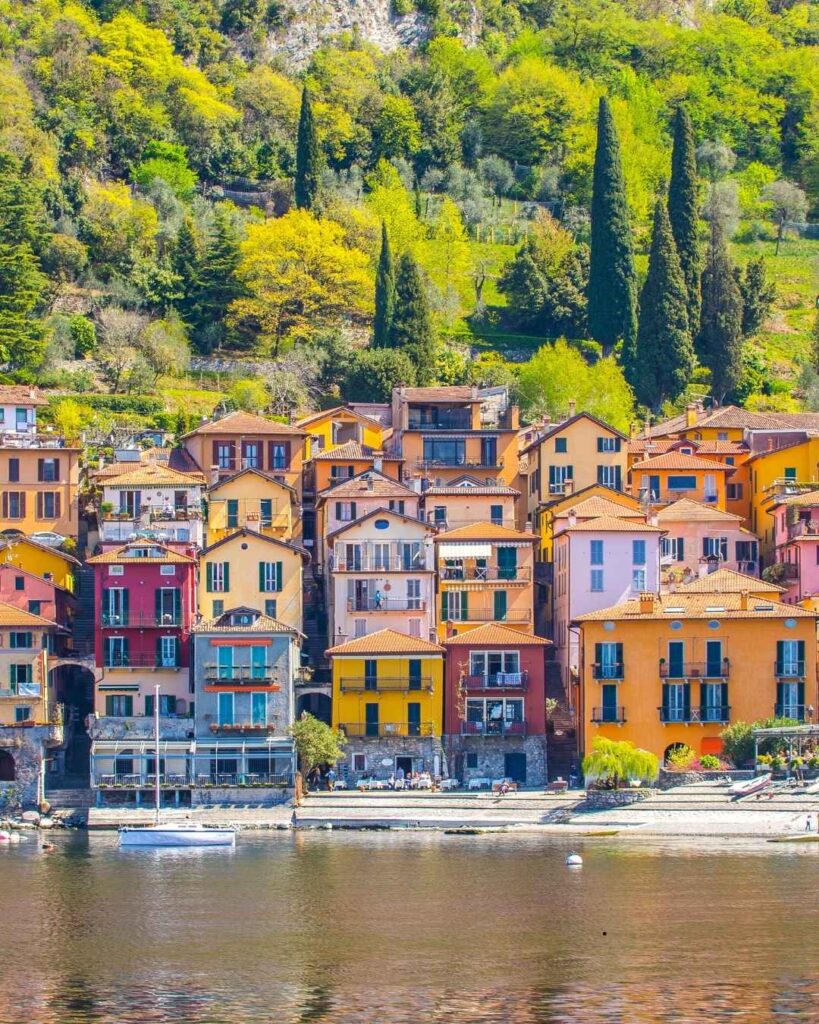
When you visit Lake Como matters enormously. July and August are stunning and also deeply unpleasant. The heat is oppressive, the crowds are overwhelming, and the prices are at their absolute peak. You’ll queue for ferries, struggle to find restaurant tables, and share every viewpoint with a hundred other people who had the same idea.
The shoulder seasons are where the magic happens. April to early June is glorious. The wildflowers are blooming, the temperatures are comfortable, and the crowds haven’t yet arrived in force. September to October is equally wonderful. The water is still warm enough for swimming, the light is soft and golden, and the summer tourists have gone home.
Winter is a different beast entirely. Many restaurants and hotels close between November and March, and the lake takes on a moody, atmospheric quality that some people love and others find dreary. If you’re looking for alpine skiing, you’d be better off heading further north. But if you want quiet, solitude, and a completely different perspective on the lake, winter has its charms.
One thing that catches people out every year is the weather. Lake Como sits in a valley surrounded by mountains, and the weather can change with astonishing speed. You might wake up to brilliant sunshine and find yourself caught in a thunderstorm two hours later. Always carry a light jacket and a decent umbrella, regardless of the forecast. And remember that the ferry schedule is subject to change based on weather conditions. If a storm blows in, the boats stop running, and you might find yourself stranded in a different town than the one you planned to sleep in.
The Transport Mistakes
Let me be direct about this. Driving around Lake Como is a nightmare.
The roads are narrow, winding, and frequently blocked by tour buses that have no business being on them. Parking is scarce, expensive, and often requires a hike from wherever you manage to squeeze your car. The local drivers operate with a level of aggression that makes Roman traffic look sedate.
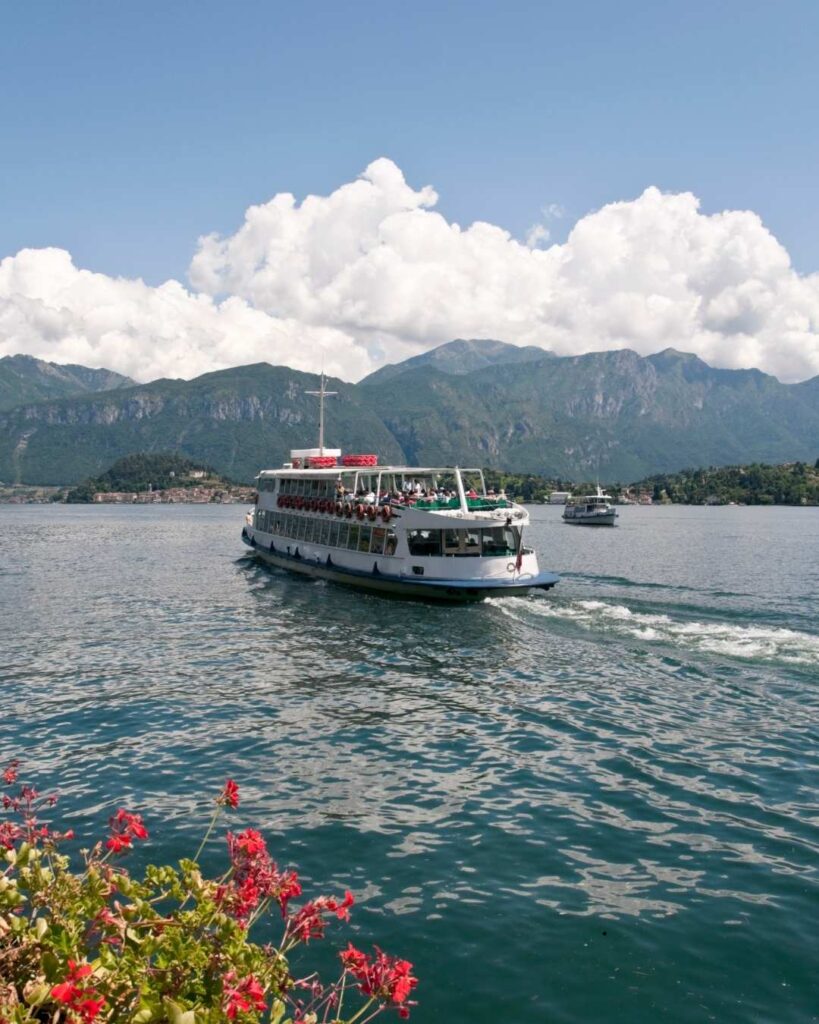
If you’re arriving from outside Italy, rent your car, park it somewhere sensible like the town of Como itself or Varenna, and leave it there for the duration of your stay. Use the ferries to get around the lake. They’re slower than driving, but they’re also infinitely more pleasant, and the views from the water are part of the experience.
The ferry system takes some understanding. There are two main types of boats. The fast hydrofoils connect the major towns quickly but don’t stop everywhere. The slower ferries potter along the shoreline, stopping at every tiny village, and they’re perfect for a leisurely day of exploration. Buy tickets in advance during peak season, especially if you want to travel in the morning or the late afternoon. The queues can be brutal, and nothing wastes a morning like standing in line while the boats sail away without you.
There’s also a bus service that runs around the lake, but I don’t recommend it for sightseeing. The buses are cramped, the roads are torturous, and you’ll spend more time staring at the back of someone’s head than you will looking at the views.
One final transport tip that I learned the hard way. The last ferry of the day leaves surprisingly early, often around sunset. If you’re spending an afternoon in a different town, keep a very close eye on the time. Missing the last ferry is an expensive lesson in Italian taxi prices.
The Exploration Mistakes
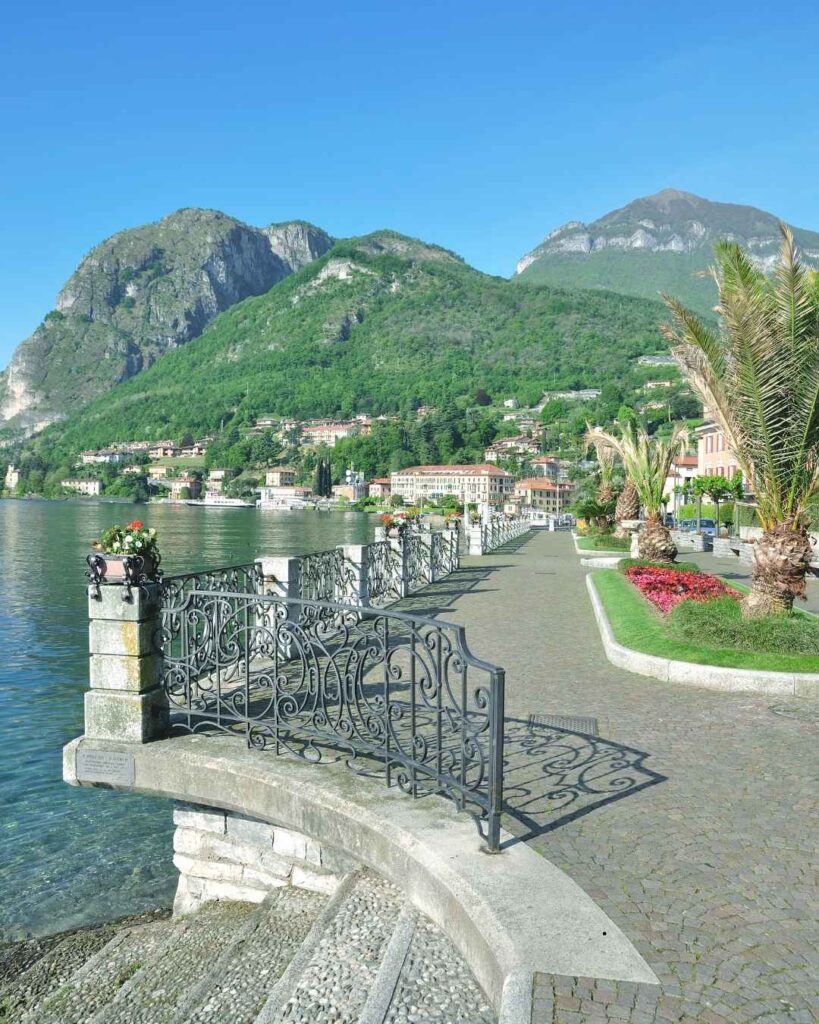
The biggest exploration mistake is rushing. Lake Como is not a checklist. You cannot see it all, and you shouldn’t try. The beauty of this place is in the slow discovery, the unexpected corners, the views that reveal themselves when you’re not looking for them.
Most visitors spend their time in the central triangle of Bellagio, Varenna, and Menaggio. These towns are lovely, and they deserve your attention. But they’re also the most crowded, the most touristed, and the least authentic. The real magic of Lake Como lies further south, in towns like Lecco, or further north, where the lake narrows and the mountains close in.
Take the time to explore the less-visited western shore. Visit Lenno and the stunning Villa del Balbianello. Go to Tremezzo and wander the gardens of Villa Carlotta. Take the funicular up to Brunate and watch the sun set over the lake from above. These experiences require more effort than just hopping on the ferry to Bellagio, but they’re the moments you’ll remember.
And speaking of villas, let’s talk about the garden season. The grand villas around Lake Como have spectacular gardens that burst into bloom at different times of the year. Villa Carlotta is famous for its rhododendrons and azaleas in spring. Villa Melzi has stunning camellias and Japanese maples. Villa del Balbianello is at its most dramatic in late spring and early autumn. Check what’s in season before you visit, and time your trips accordingly. There’s nothing worse than arriving at a world-famous garden only to find it looking brown and tired.
The Dining Mistakes
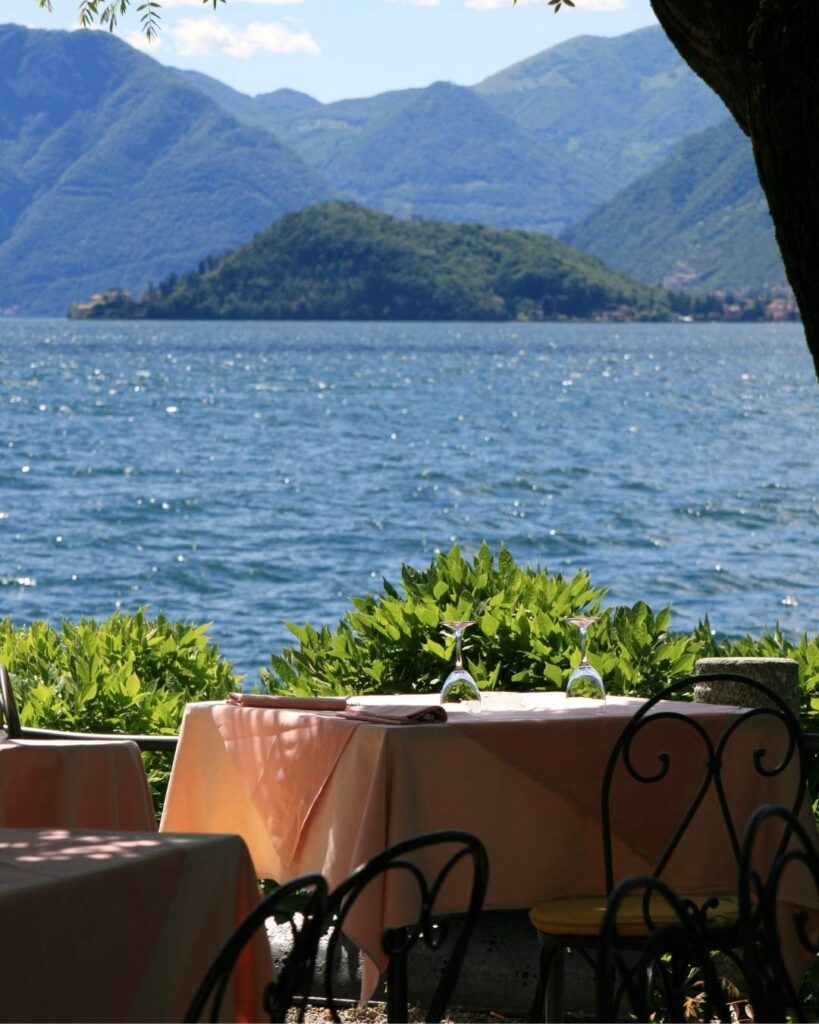
Italian food is one of the great joys of travel, but Lake Como has its own culinary identity that catches some visitors off guard. This is not Rome. This is not Florence. The food here is influenced by the lake and the mountains, and it’s different from what you might expect.
The most common mistake is ordering the wrong thing. Risotto with perch is the local specialty, and it’s excellent. You’ll also find polenta, served with cheese or meat, and freshwater fish from the lake itself. The meats are hearty, the cheeses are rich, and the wines come from nearby Lombardy and Piedmont.
What you won’t find, at least not done well, is the heavy red sauces of the south. Save your carbonara cravings for Rome. Embrace what’s here instead.
Another mistake is eating in the wrong places. The restaurants right on the lakefront have the best views and the worst value. Walk ten minutes into the hills, and you’ll find places that are half the price and twice as authentic. The locals eat there, and that’s always the best endorsement.
Reservations are essential in summer, even for lunch. The popular spots book up days or weeks in advance, and showing up without one is a gamble you’ll probably lose. Ask your hotel to make the reservation for you if you’re nervous about the language. They’re usually happy to help, and they’ll know which places are genuinely good rather than just tourist-friendly.
The Practical Mistakes
Let’s cover the small things that make a big difference.
Bring cash. Yes, Italy has embraced card payments more than it used to, but smaller restaurants, cafes, and shops still prefer cash. The ATMs at the train stations and ferry ports have long queues and occasionally run out of money. Carry enough to get through a day of wandering without relying on plastic.
Pack for the weather, but pack for changeable weather specifically. A summer day in Como can start with brilliant sunshine and end with a thunderstorm that cools everything down dramatically. Bring layers, and bring a raincoat that doesn’t look like a bin bag. You’ll thank yourself when everyone else is huddling under shop awnings.
Book your accommodation well in advance. Lake Como is not a spontaneous destination in summer. The best places are booked months ahead, and the prices only go up as availability goes down. If you’re planning to visit between June and September, have your accommodation sorted by Easter at the latest.
Related post: The best area to base yourself in Lake Como
And please, for the love of everything, do not schedule your visit during a major Italian holiday. The first of May is a national holiday, and the ferries and trains are packed with Italians heading for the lake. August fifteenth is Ferragosto, another national holiday, and the chaos is even worse. Check the Italian holiday calendar before you book, and adjust your dates accordingly.
The Hidden Mistakes
Here are the mistakes that nobody warns you about.
The mosquitos. Lake Como is in a valley, it’s surrounded by water, and the mosquitos are persistent and aggressive. Bring repellent, and use it. The locals laugh at tourists who forget this, and they’re right to.
The hills. This seems obvious, but it catches people out constantly. The towns around Lake Como are built on slopes that would challenge a mountain goat. Even a short walk from the ferry to a restaurant can involve a serious climb. Wear comfortable shoes, and don’t underestimate how much walking you’ll actually do.
The shop closures. Many shops and restaurants close on Monday afternoons and Tuesday mornings, and some close entirely for a few weeks in November or January. If you’re visiting outside summer, check opening hours before you plan your day. Nothing is more frustrating than arriving somewhere and finding it shuttered.
The ferry queues. In summer, the queues for ferries can stretch for hundreds of meters. The hydrofoils have limited capacity, and if you’re not near the front, you might wait for the next one. Get to the port early, and don’t assume you’ll get on the boat you want just because you bought a ticket.
The Mindset
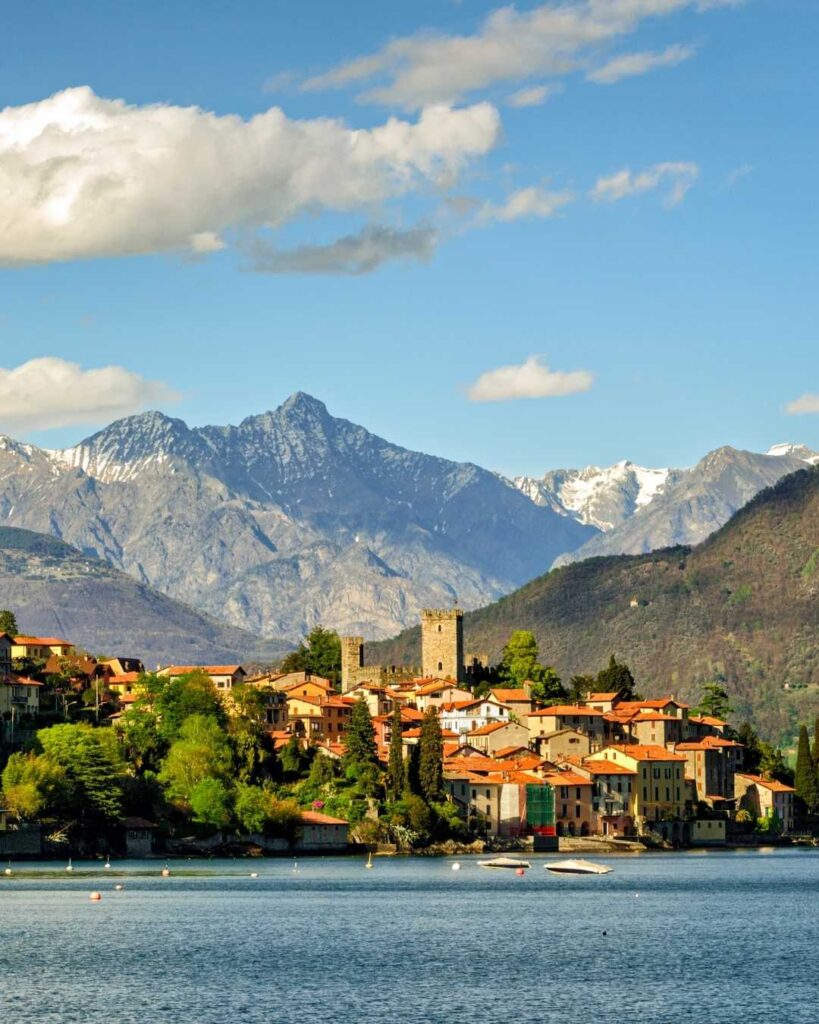
Here’s the truth about Lake Como that nobody really tells you. It’s not about the villas or the gardens or the views, although all of those things are spectacular. It’s about the rhythm. The slow pace of life. The way time seems to stretch and soften when you’re sitting by the water.
If you come here with a checklist, you’ll leave feeling like you failed. You can’t see everything. You can’t do everything. The lake is too big and the towns are too many and the days are too short.
The secret is to let go of the need to see it all. Choose two or three towns. Spend a whole day in each. Walk until you’re lost. Sit in a cafe and watch the boats go by. Eat dinner slowly and let the conversation drift.
When I visited with my wife, we made almost every mistake on this list. We tried to do too much. We rushed from place to place. We arrived at restaurants without reservations and stood in ferry queues for what felt like hours. We were exhausted by the end of the first day, and we sat on a bench in Varenna and asked each other what we were doing wrong.
The answer was that we were trying too hard.
We slowed down after that. We cancelled half our plans. We spent an entire afternoon doing nothing but swimming in the lake and reading in the shade of a tree. We walked from our hotel to the ferry with no particular destination in mind. We ate at a tiny restaurant up a steep hill that had no view but served the best risotto I’ve ever tasted.
That’s when the magic happened.
Lake Como rewards the patient. It rewards the curious. It rewards the person who’s willing to climb an extra flight of stairs or take a longer walk than they planned. It punishes the rushed, the scheduled, the person who sees a beautiful place as something to be conquered rather than experienced.
NOTE BEFORE YOU GO: Italy rewards travelers who go prepared. And it is easy to ruin your trip. I have a checklist for you of things you should never go to Italy without. CHECK IT OUT HERE. I have also curated a list of some of the best hotels in Italy. I would highly recommend checking them out before booking. THESE ARE THE BEST HOTELS IN ITALY. And for unique experiences, attractions, and tours, don’t book before CHECKING THIS OUT. Thank me later!