
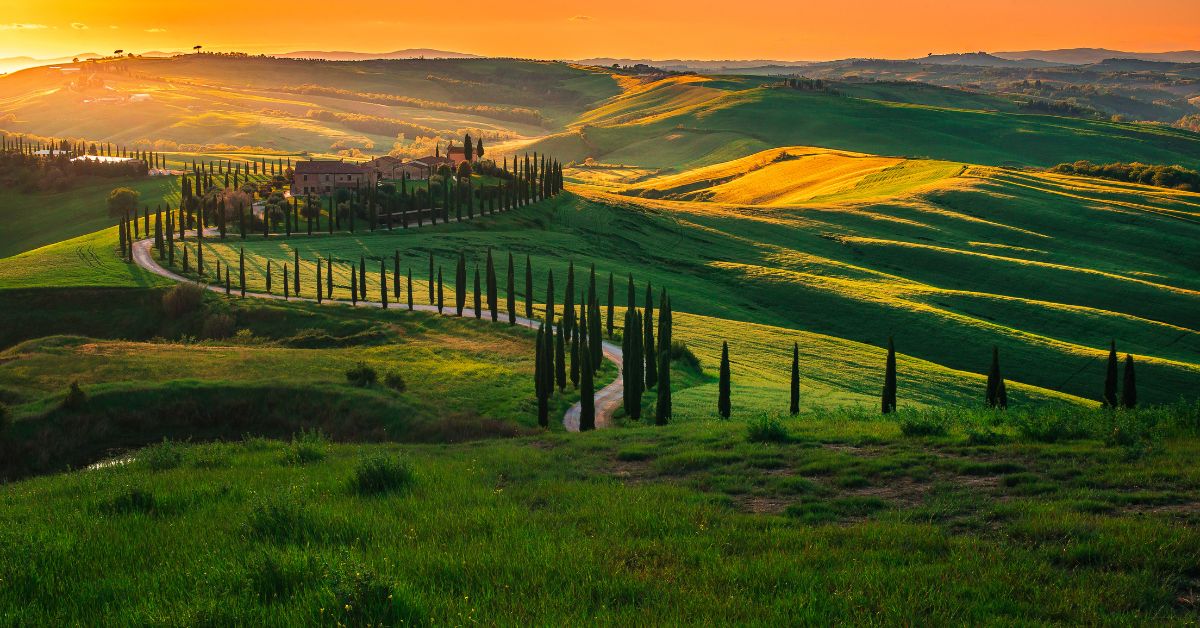
Tuscany is one of those places that looks like a postcard come to life. Rolling hills, cypress trees, incredible art, and wine that costs less than water. But it is also surprisingly easy to get wrong. A few small mistakes can cost you time, money, or a good deal of frustration. Here are the twelve common mistakes and how to avoid them.
1. Renting a car without understanding ZTL zones
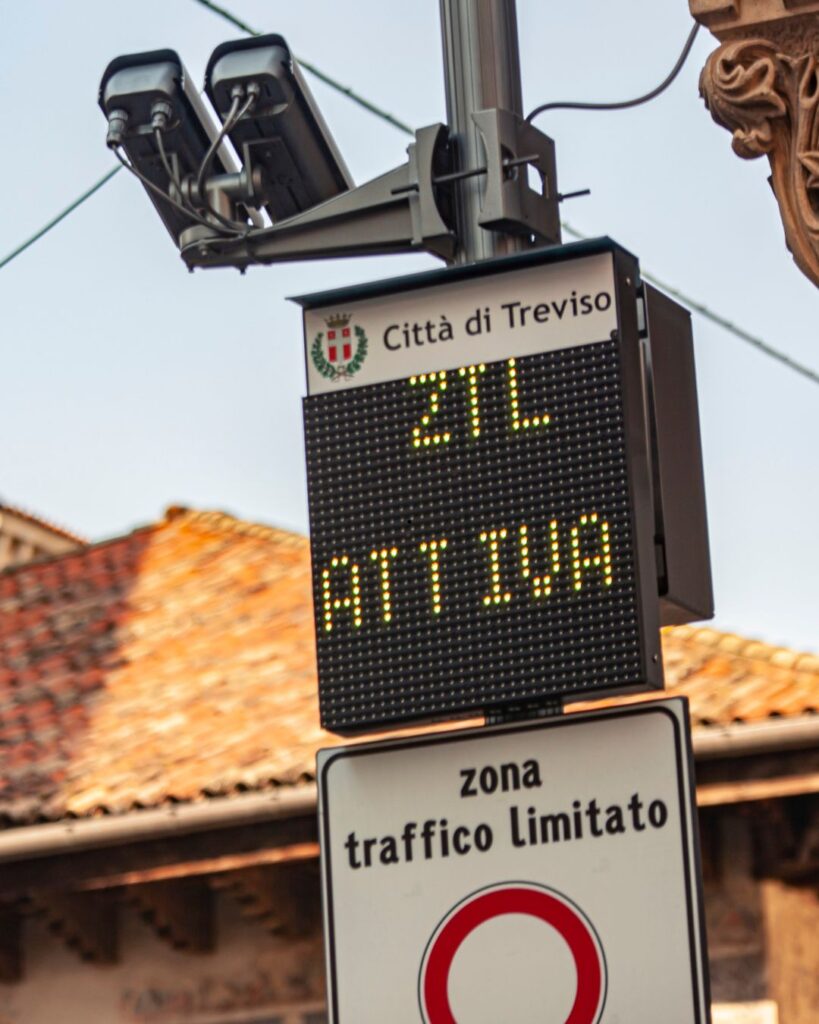
One of the costliest mistakes you can make in Tuscany is driving into a ZTL, which stands for Zona a Traffico Limitato. These are restricted traffic zones found in almost every historic town center, from Florence and Siena down to tiny hilltop villages. Cameras automatically photograph your license plate the moment you enter, and you will not know about it until weeks after you return home, when a letter from the rental car company arrives with a fine of fifty to one hundred fifty euros.
The fix is simpler than you might think. Ask your hotel or agriturismo to register your license plate before you drive anywhere near a center. Alternatively, just park outside the historic area and walk in. Tuscan towns are small and incredibly walkable. That ten minute walk from a free parking lot to the main square will save you a lot of money and stress.
2. Staying only in Florence for your entire trip
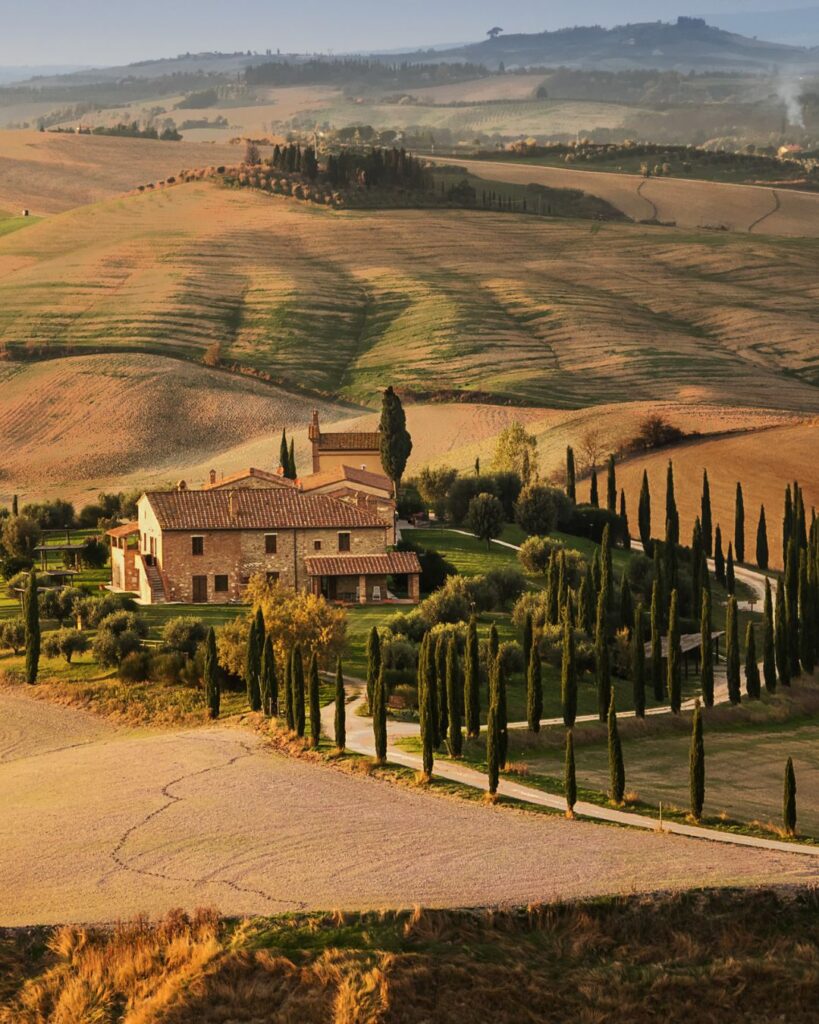
Florence is stunning, and it is tempting to use it as a home base for the whole vacation. But Tuscany truly comes alive in the countryside. By staying only in Florence, you miss the quiet evenings on a vineyard terrace, the silence of a medieval village at sunset, and the experience of waking up to nothing but olive groves and birdsong. Day trips from Florence mean you spend hours on trains or stuck in traffic rather than actually being in the landscape.
A much better approach is to split your stay. Spend three or four nights in Florence to see the art and architecture. Then move to an agriturismo or small town hotel in places like the Chianti region, the Val dOrcia near Montalcino, or the hills around Montepulciano. That way you get both the city energy and the rural calm.
Check out the list of the most beautiful Tuscan villages here.
3. Visiting Tuscany in August
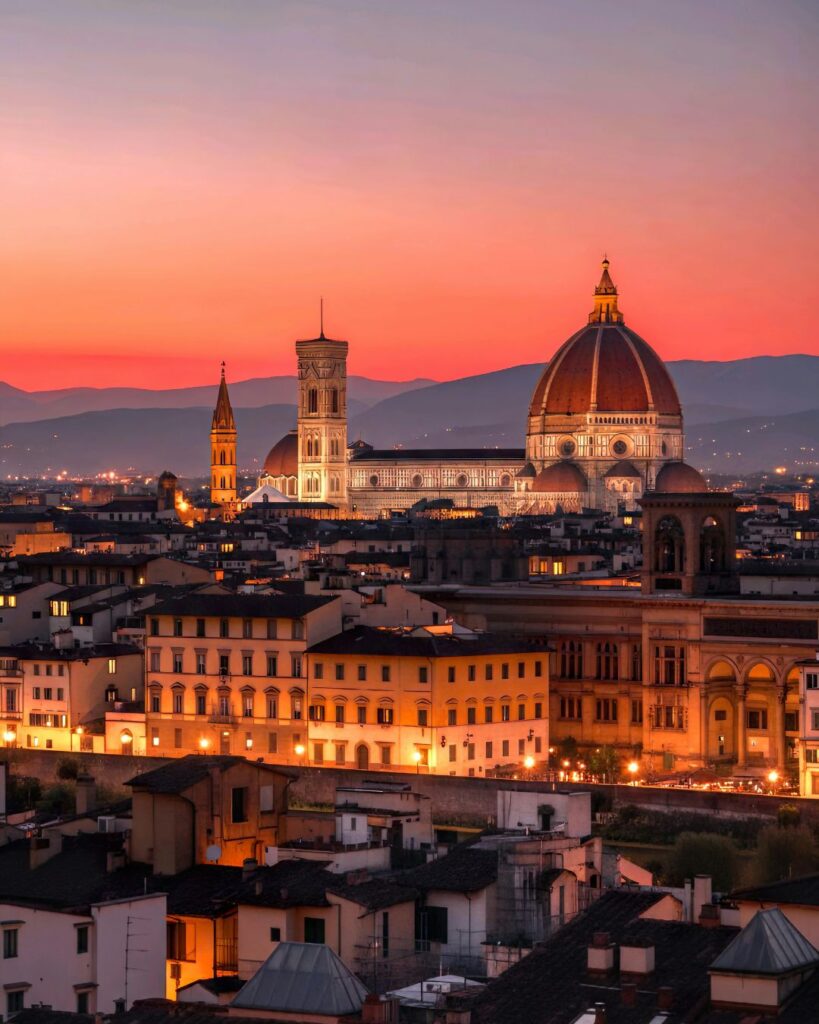
August feels like the right time for a summer Italian holiday, but it is actually the worst month to visit Tuscany. The weather is brutally hot, with Florence often reaching over thirty five degrees Celsius. The crowds are at their absolute peak, and prices for accommodation double or even triple. On top of that, many small family-run shops, restaurants, and wineries close for two or three weeks because Italians themselves go on vacation for ferragosto.
The smart traveler comes in May, June, September, or October. The temperatures are warm but comfortable, usually between twenty and twenty eight degrees. The crowds thin out significantly, especially after mid September. You will find better availability at hotels and restaurants, and the light for photography in the vineyards and cypress hills is absolutely golden.
4. Buying museum tickets at the door
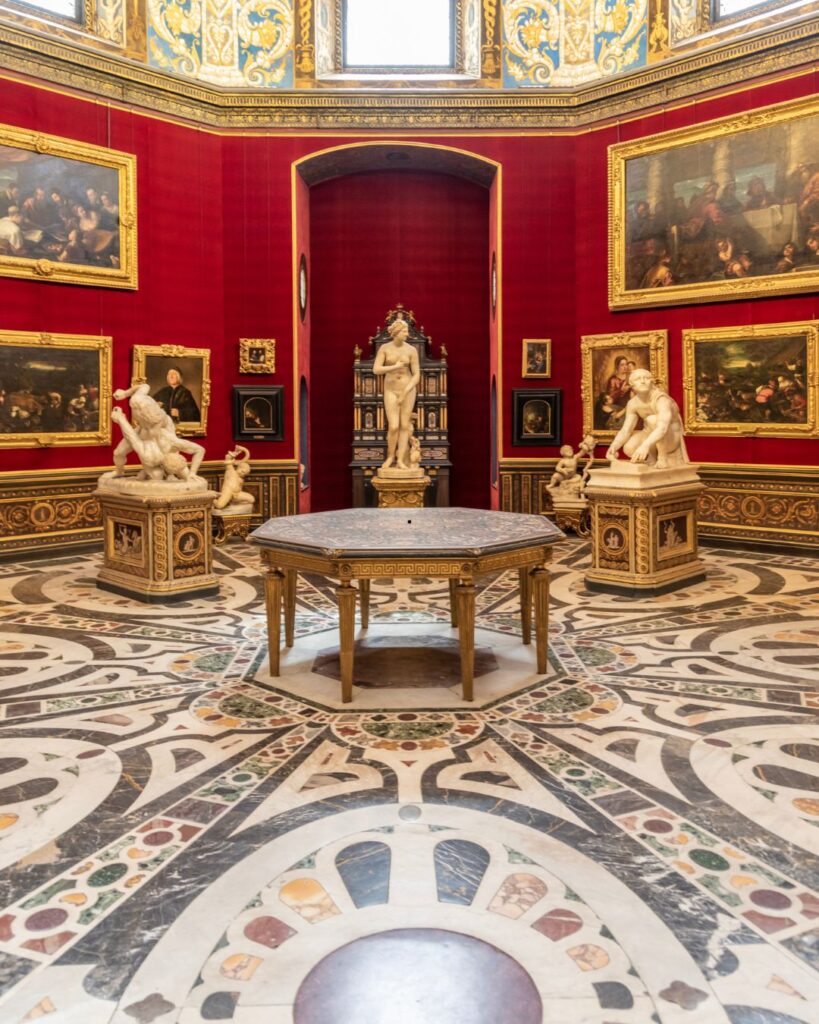
Walking up to the Uffizi or Accademia gallery without a pre-booked ticket is a mistake you will regret within minutes of joining the line. Both museums use timed entry, and same-day tickets usually sell out by ten in the morning. You will stand in the hot sun for two hours or more, watching people with reservations walk straight past you. The frustration is entirely avoidable.
Book your tickets online two to four weeks before your trip. You will pay a small booking fee of around four to six euros per ticket, but that fee buys you a reserved time slot and the ability to walk right in. Do this for the Uffizi, the Accademia to see David, and also for the Duomo climb if you want to go to the top of Brunelleschis dome. It takes five minutes online and saves half a day of waiting.
Tip: If possible, buy the early morning tickets so that you are among the first people to enter the museum, especially Uffizi, before the crowds starts filling in.
5. Chasing Instagram-famous photo spots
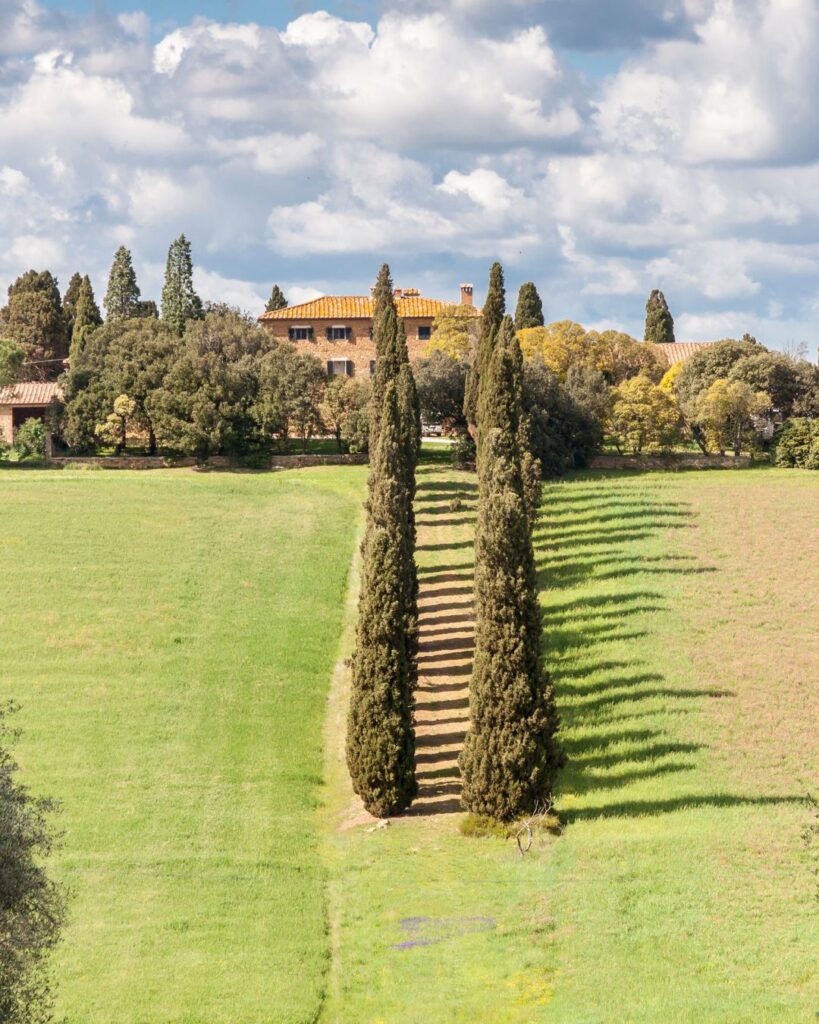
Social media has made a handful of Tuscan locations famous, especially the curved cypress road near San Quirico dOrcia and the Val dOrcia viewpoint from the movie Gladiator. The problem is that everyone else wants the same photo. You will drive forty five minutes expecting a peaceful countryside scene and instead find fifty people waiting in line with tripods and drones. The magic disappears when you are surrounded by strangers doing the same pose.
The secret is that Tuscany is full of equally beautiful roads and viewpoints. Most of them have no name and no Instagram tag. Instead of following online maps to famous spots, drive the back roads between Pienza and Monticchiello, or explore the lesser known hills around Crete Senesi. Stop whenever you see something that moves you. Take your own photo. It will be more original and more meaningful.
6. Skipping the smaller, lesser-known towns
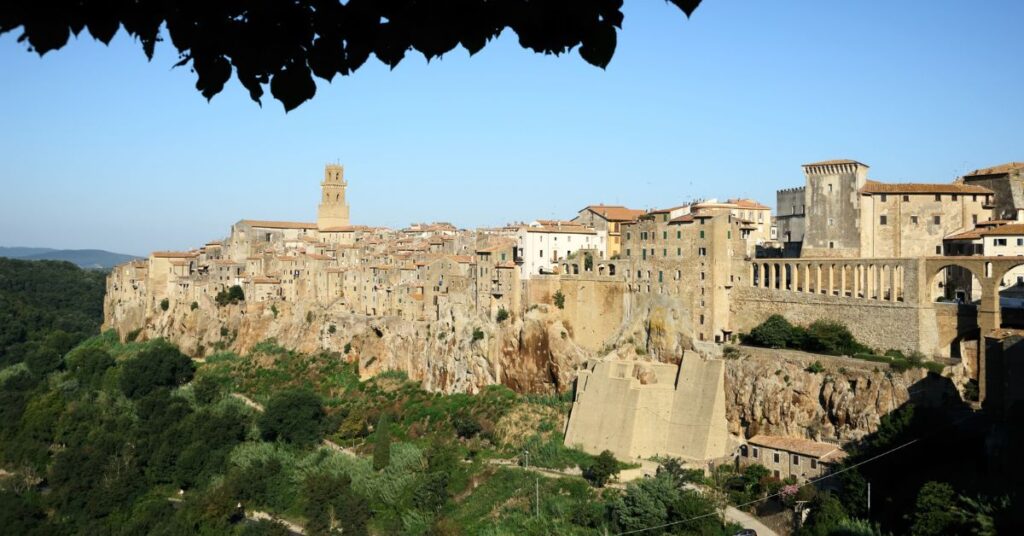
Many first-time visitors only see the big five of Tuscany: Florence, Siena, Pisa, Lucca, and San Gimignano. These cities are wonderful, but they represent only a fraction of what the region offers. By skipping the smaller towns, you miss the quiet, unpolished charm that makes Tuscany feel like a discovery rather than a checklist. You also share every single street with thousands of other tourists.
Try adding places like Pitigliano, a stunning town carved into tufa rock often called little Jerusalem because of its Jewish history. Visit Lucignano, which has a perfectly elliptical medieval center and a famous golden tree of life. Or go to Barga, a hilltop town with an unusual Scottish-Italian heritage. For every famous town on your itinerary, add one unknown one. You will be surprised which one you end up loving more.
7. Eating at restaurants right next to landmarks
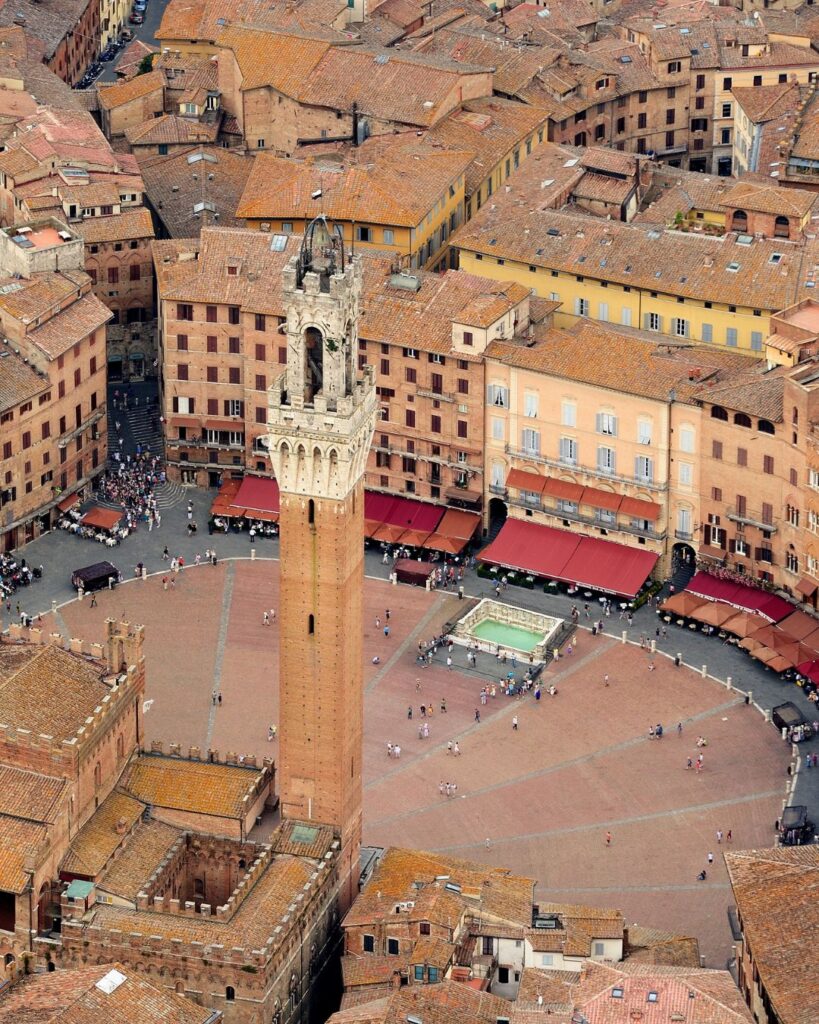
The piazzas in front of the Florence Duomo or the Siena Campo are lined with restaurants that look charming from a distance. But almost all of them serve overpriced, mediocre food aimed at tourists who will never come back. The menus often have photos, which is always a bad sign, and the waiters stand outside trying to pull you in. You will pay twenty five euros for a frozen lasagna and a microwaved steak that tastes like nothing.
Walk two or three streets away from any major landmark. Look for a trattoria or osteria with a handwritten menu, no English translations plastered on the window, and people speaking Italian inside. Those places rely on repeat customers and local reputation. The food will be better, the prices lower, and the experience infinitely more authentic. A good rule is that if the waiter has to call out to you, keep walking.
8. Ordering a cappuccino after 11 AM
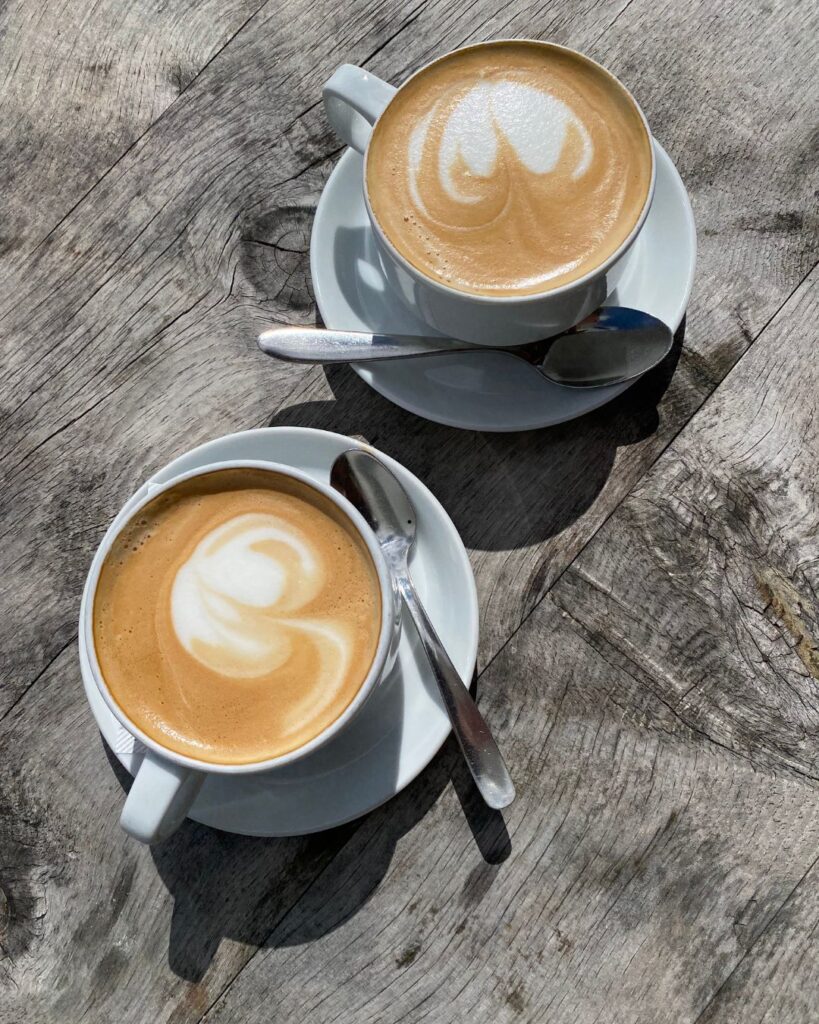
Cappuccino is a breakfast drink in Italy. Ordering one after a meal or in the afternoon marks you immediately as a tourist who does not understand local food culture. Italians believe that milk after a meal interferes with digestion, and no self-respecting barista will hide their disappointment when you ask for a foamy coffee at four in the afternoon. You might even get a quiet sigh or a gentle correction.
After eleven in the morning, switch to espresso, which is simply called a caffè. If you want just a little milk, order a macchiato, which is espresso with a drop of steamed milk. On a hot summer afternoon, try a shakerato, which is espresso shaken vigorously with ice and a touch of sugar. These are the drinks locals order, and they taste much better at the right time of day anyway.
9. Buying cheap souvenir wine in a straw bottle
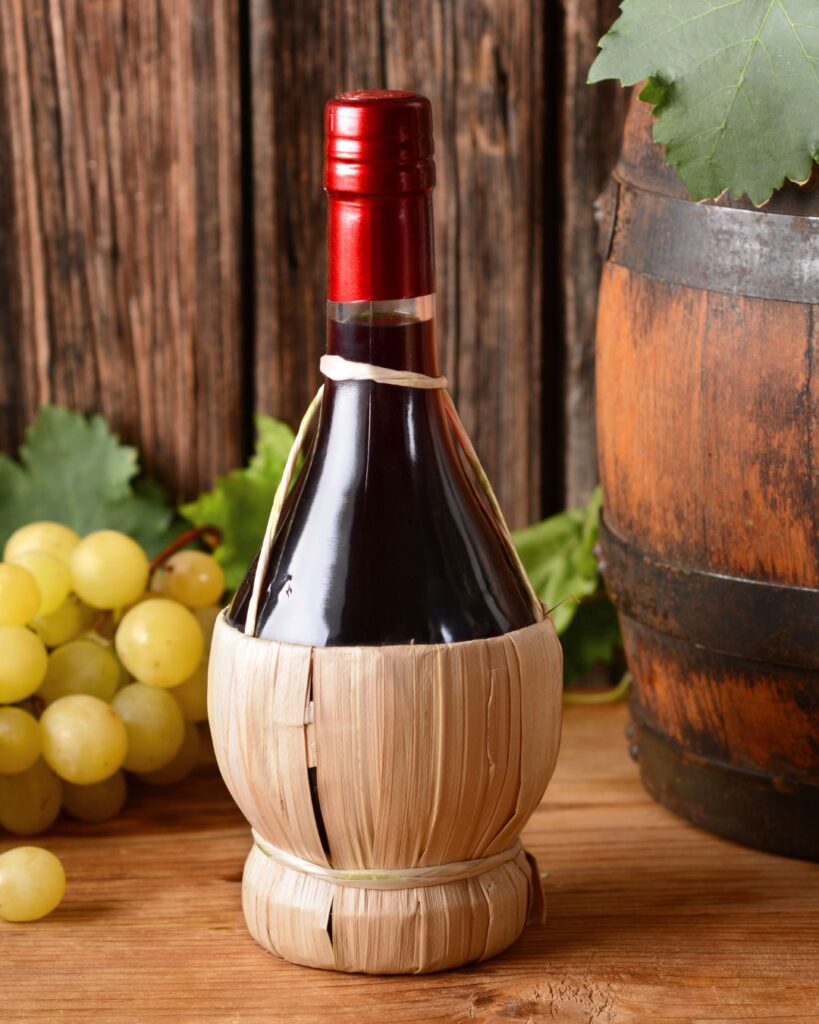
Those little straw-covered flasks of Chianti sold in souvenir shops are one of the biggest tourist traps in Tuscany. The wine inside is industrial grade, often made from concentrate or low-quality grapes that locals would not even cook with. It tastes harsh, thin, and nothing like the beautiful wines this region is famous for. You buy it thinking you are getting a charming souvenir, but you end up with something undrinkable.
Instead, find a local enoteca, which is a wine shop that specializes in regional producers. For ten to fifteen euros you can buy a genuine Chianti Classico, a Morellino di Scansano, or a Rosso di Montalcino. For eight euros you can get a fantastic everyday table wine from a small family vineyard. Ask the shopkeeper for advice. They will be happy to help you find something delicious that also costs less than the souvenir garbage.
Also, be careful when shopping for leather products in Florence as the San Lorenzo Market is full of fake products from China
10. Dressing too casually for churches
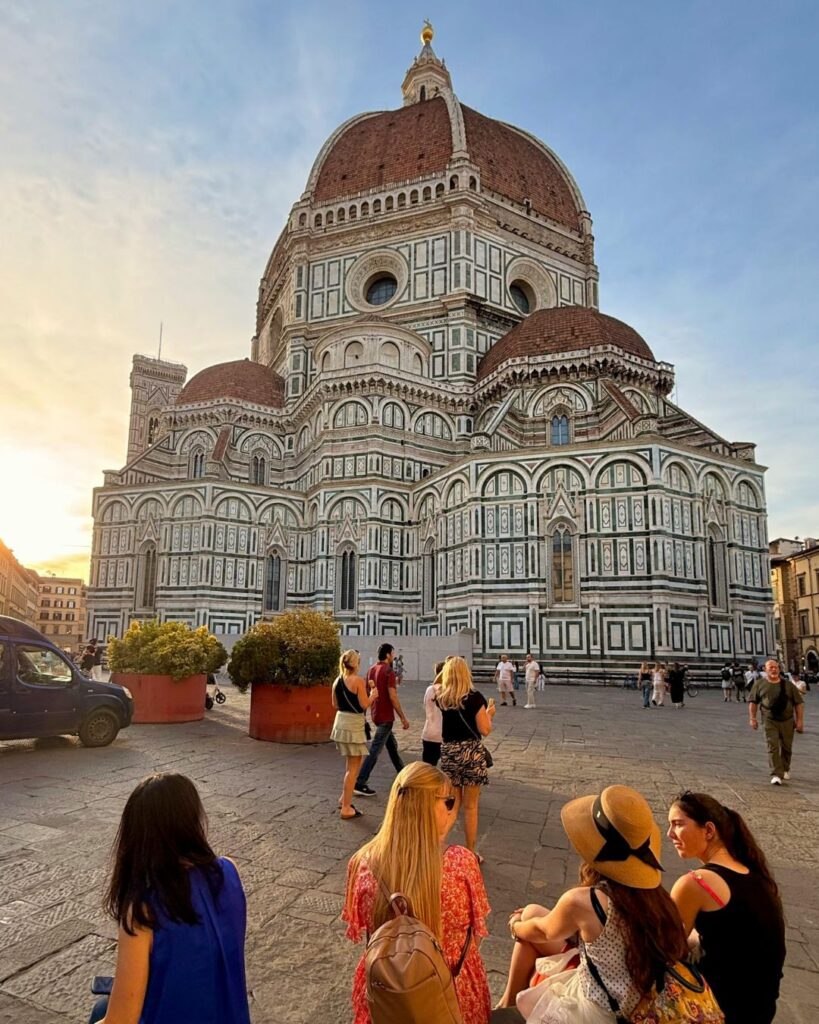
Tuscany has some of the most magnificent churches in the world, including the Florence Duomo, Siena Cathedral, and the Basilica of Santa Croce. But these are active places of worship, not just tourist attractions. Guards at the entrances enforce a dress code strictly. If you are wearing shorts, a tank top, or muddy hiking boots, you will be turned away at the door. I have seen it happen to dozens of frustrated travelers.
The rules are simple. Keep your shoulders covered and your knees covered. A light scarf or a cardigan in your day bag solves almost every problem. You can wear your shorts and sleeveless top while walking around town, then throw on the scarf before entering a church. Flip-flops are fine for the street but not for churches. A pair of comfortable but presentable walking shoes will serve you well.
11. Touching produce at outdoor markets
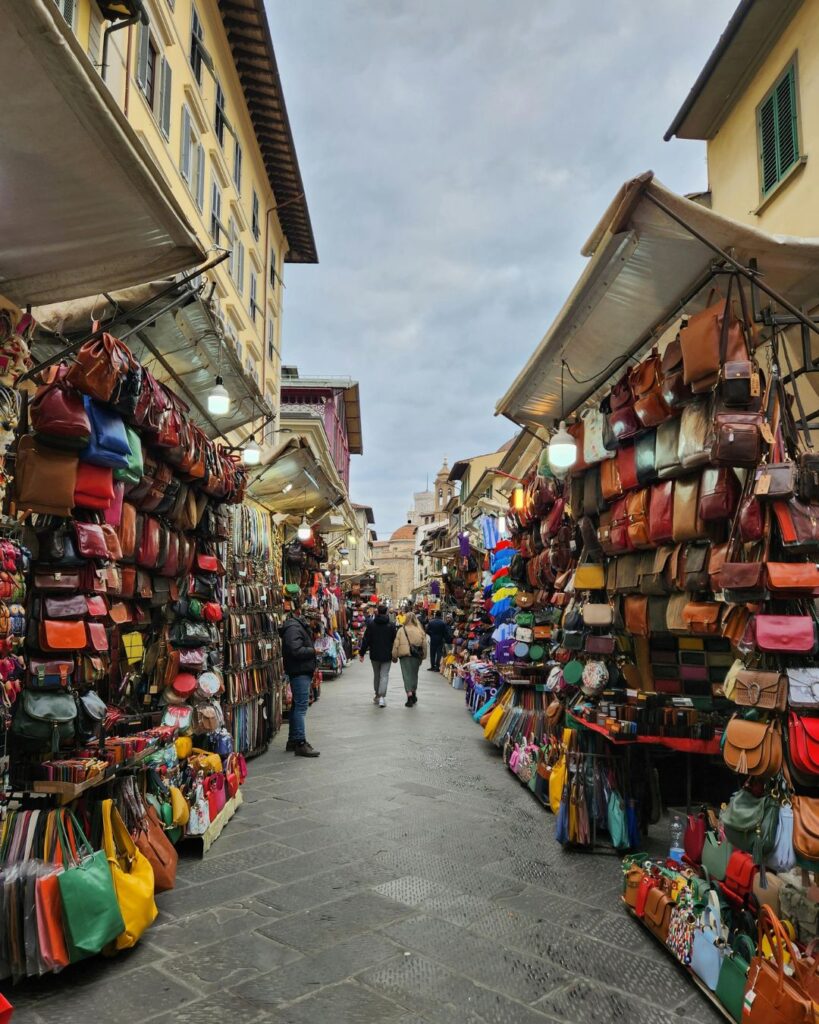
Visiting a street market like the San Lorenzo Market in Florence or the weekly market in a small town is a wonderful experience. The piles of ripe peaches, glossy tomatoes, and fresh herbs look incredibly inviting. But reaching out to touch or squeeze the produce is a serious mistake. Italian market sellers choose the produce for you. They consider it rude and distrustful for customers to handle the goods themselves, and you can damage delicate fruit by squeezing it.
The correct way is to point at what you want and say Posso avere due pesche, which means can I have two peaches, or simply due, per favore, which means two, please. The seller will select the fruit and hand it to you. Only then can you inspect it. If something looks bad, you can politely ask for a different one. This system keeps the produce from getting bruised by dozens of hands and maintains a respectful relationship between buyer and seller.
12. Failing to validate train and bus tickets
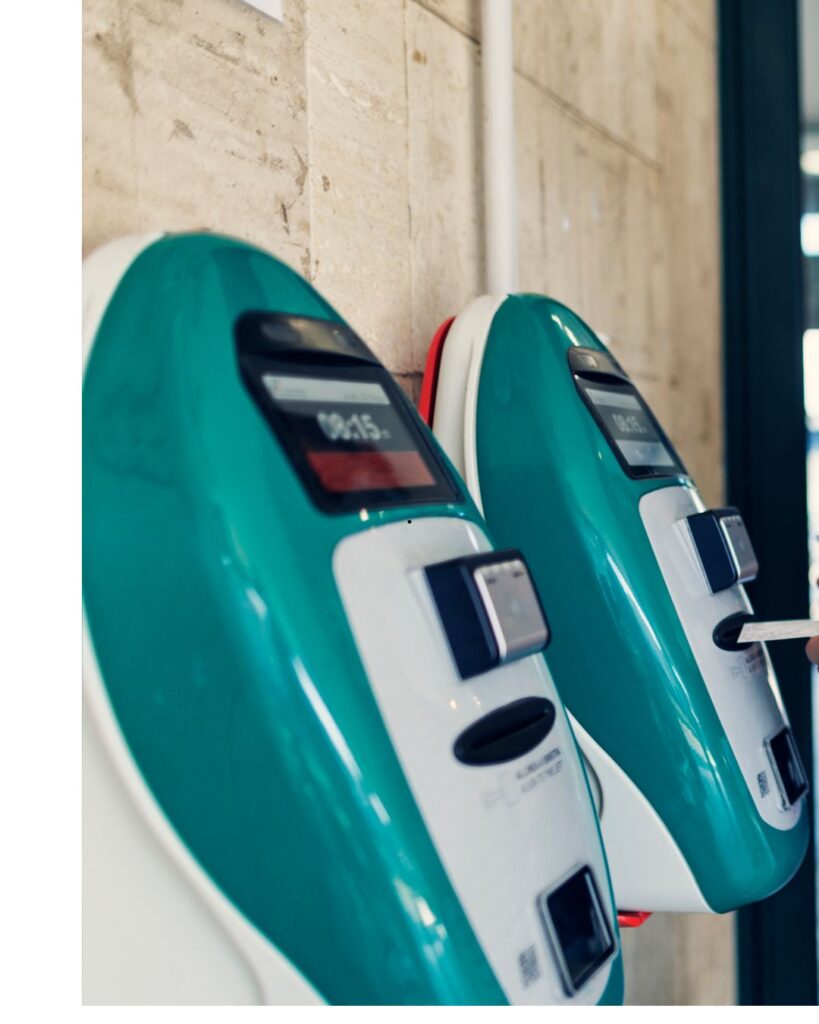
This mistake catches more tourists by surprise than almost any other. You buy a train ticket from a machine or a tabacchi shop, board a regional train, and then a conductor asks to see your ticket. You hand it over confidently, and then they tell you that you owe a fifty to two hundred euro fine. The ticket is valid, but it was never activated. Regional train tickets and bus tickets in Italy are not pre-stamped. The clock only starts when you validate them.
On a regional train, find the small green or yellow validation machine on the platform before you board. Insert your ticket until you hear a click and see a timestamp printed. On a bus, stamp your ticket immediately after stepping aboard using the machine near the driver or the doors. High-speed trains like Frecciarossa work differently; those have assigned seats and do not require validation. But for slow regionale trains and all city buses, always validate. That ten second habit will save you a painful fine and a very uncomfortable conversation with a conductor.
And that’s it. What else can you think of that should be on this listen. Leave a comment. Thank you!
NOTE BEFORE YOU GO: Italy rewards travelers who go prepared. And it is easy to ruin your trip. I have a checklist for you, of things you need to know and pack before you go. CHECK IT OUT HERE. Also, if you enjoy my work and wouldn’t mind supporting me, you can book your accommodation through my link: BOOKING.COM. This are affiliate links. I may earn a commission on qualifying sales or bookings, at no extra cost to you. Thank You!