
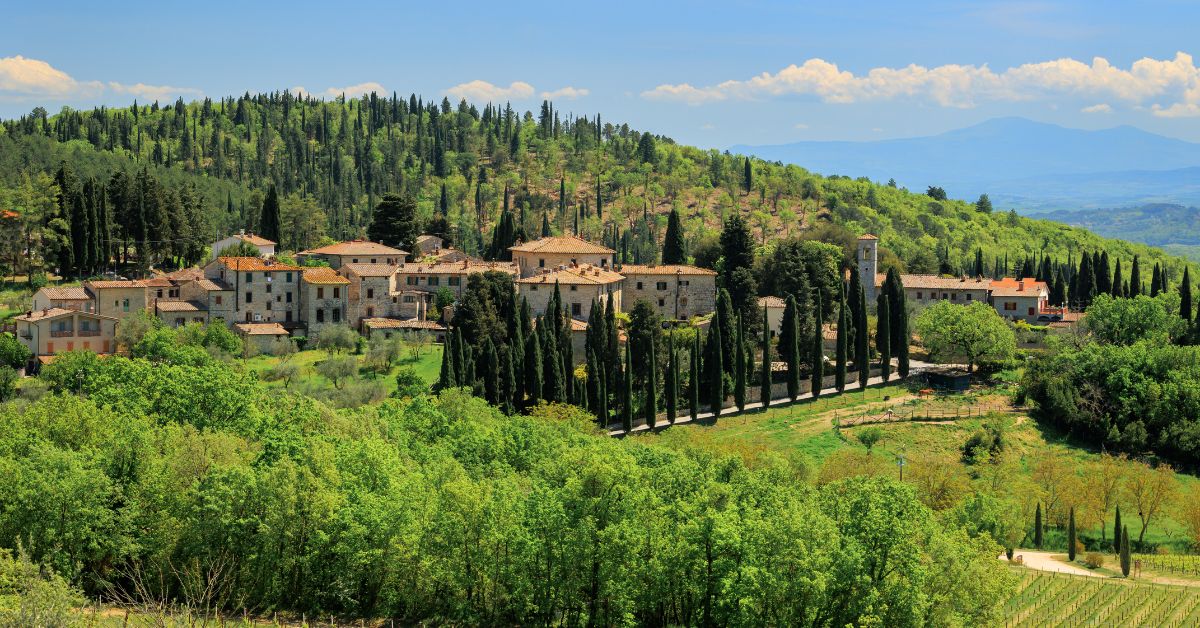
Tuscany is the heart of the Italian Renaissance, a region where rolling hills, cypress trees, and vineyards stretch to the horizon. While cities like Florence and Siena steal the headlines, the true magic of Tuscany lies hidden in its ancient villages.
These are places where time moves slowly, where stone walls whisper medieval secrets, and where every cobblestone lane leads to a breathtaking view. For travelers seeking authentic beauty away from the crowds, these hilltop gems offer an unforgettable journey into the soul of Italy.
Each village on this list has its own personality—some are famous for wine, others for dramatic cliffs or untouched medieval architecture. From the famous towers of San Gimignano to the tufa caves of Pitigliano, you will discover a blend of history, culture, and la dolce vita.
To help you plan your Tuscan road trip, we have explored every corner of the region. Below, we present sixteen of the most beautiful villages in Tuscany, complete with the best hotel recommendations for an authentic stay.
San Gimignano
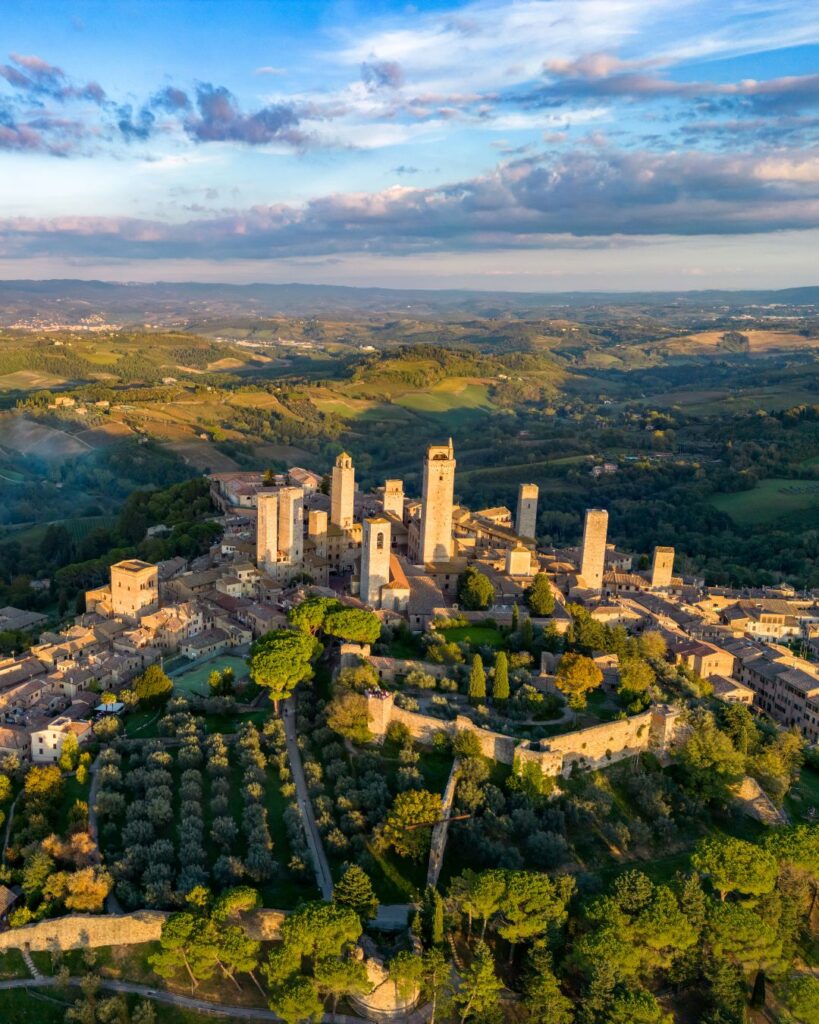
What makes San Gimignano special is its unmistakable skyline. Known as the “Medieval Manhattan,” this village still boasts 14 ancient tower houses that soar above the Val d’Elsa. Walking through the well-preserved streets feels like stepping back into the 13th century.
The Piazza della Cisterna is a triangular square perfect for people-watching, and the town is famous for its award-winning Vernaccia white wine. Do not miss the frescoes in the Collegiate Church or the panoramic view from the top of Torre Grossa. Best hotel to stay in: Hotel La Cisterna, which offers rooms with direct views of the medieval square and the surrounding countryside.
Tip: I had the best gelato of my life right there in San Gimignano, in Gelateria Dondoli. It is a must-try
Pitigliano
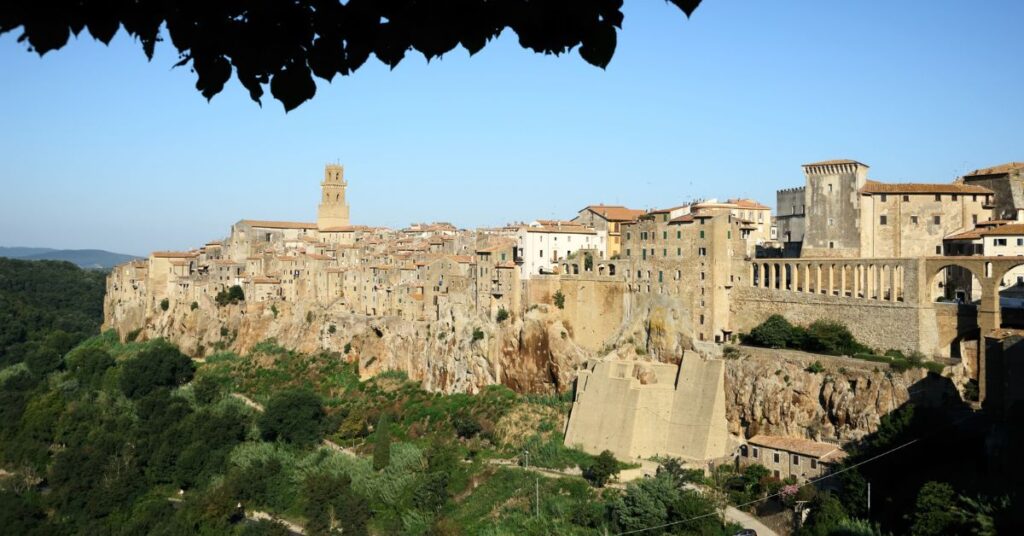
Pitigliano is one of the most dramatic villages in all of Italy, carved entirely from volcanic tufa rock. Nicknamed “Little Jerusalem” due to its historic Jewish community, the village appears to grow organically from the cliff edge.
Walk through the ancient Jewish ghetto, visit the synagogue, and explore the underground cellars and tunnels that run beneath the houses. The views from the valley floor looking up at Pitigliano at sunset are simply unforgettable. Best hotel to stay in: Casa del Ghetto
Montepulciano
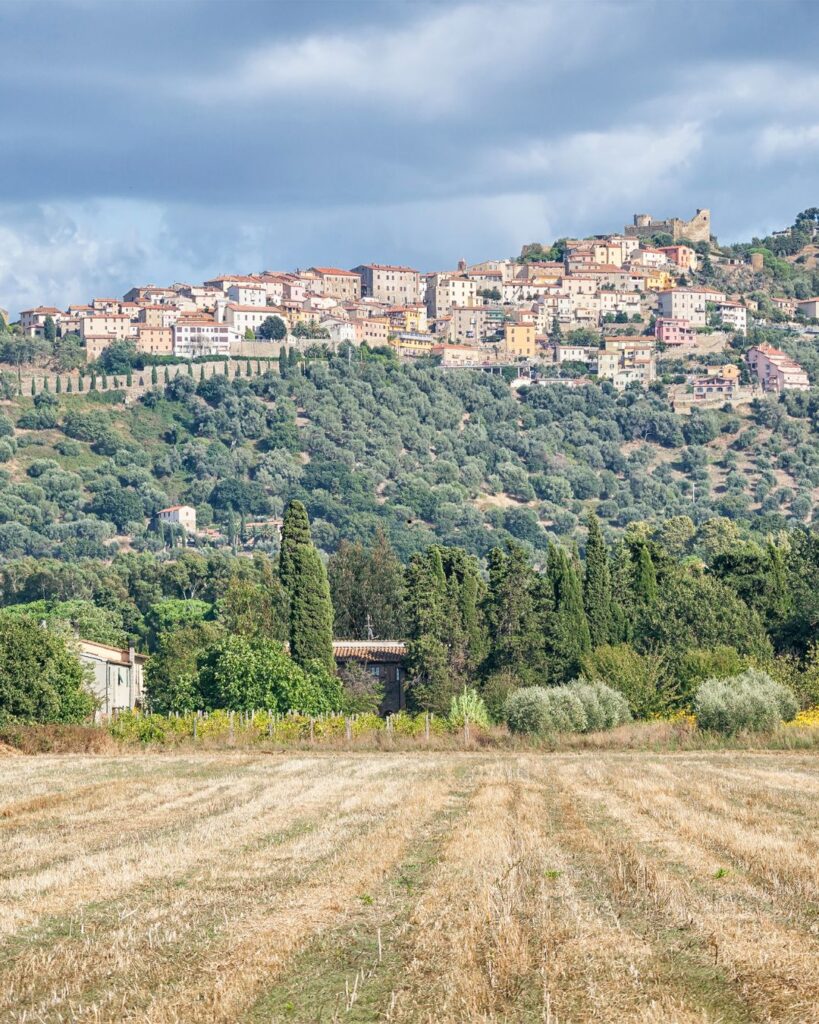
Montepulciano sits high on a limestone ridge and is famous for producing Vino Nobile, one of Italy’s finest red wines. The main street climbs steeply from the town gates to the Piazza Grande, surrounded by Renaissance palaces and a beautiful cathedral.
You can taste wine at ancient cellars hidden beneath historic buildings, including the famous Contucci winery. The views from the town walls stretch across Lake Trasimeno and the Val d’Orcia. Best hotel to stay in: Palazzo Carletti, a luxurious boutique hotel in a restored Renaissance palace with elegant suites and a rooftop terrace.
Pienza
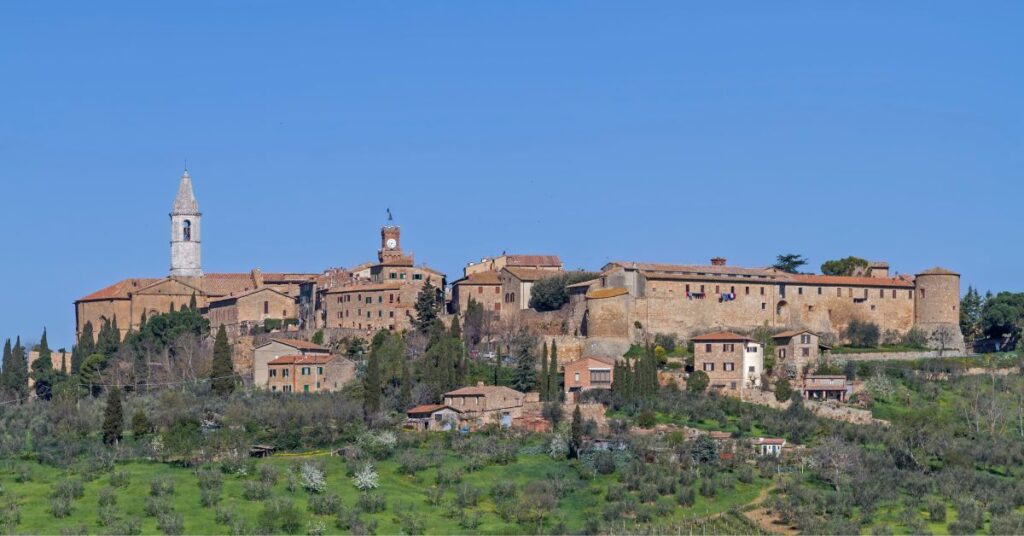
Pienza is considered the perfect example of Renaissance town planning. Designed by Pope Pius II as an “ideal city,” this small village is a UNESCO World Heritage site. The main square, Piazza Pio II, is surrounded by harmonious palaces and the beautiful Duomo.
Pienza is also known as the home of pecorino cheese, and you will find shops everywhere offering tastings of this tangy sheep’s milk cheese. The views from the town’s southern edge over the Val d’Orcia are postcard-perfect. Best hotel to stay in: Hotel Corsignano, a family-run hotel with a garden, pool, and spectacular views of the surrounding valley.
Montalcino
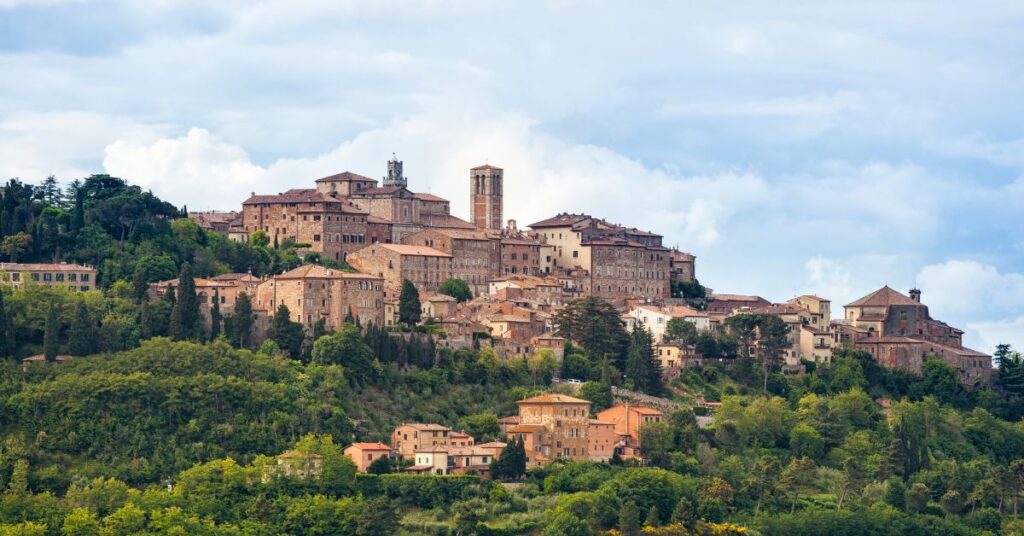
Montalcino is the undisputed home of Brunello di Montalcino, one of Italy’s greatest red wines. The village is dominated by a massive 14th-century fortress, which you can walk along the ramparts for 360-degree views. The narrow streets are lined with wine shops offering tastings of Brunello and Rosso di Montalcino.
The Abbey of Sant’Antimo, located just outside the village, is a stunning Romanesque church where monks still sing Gregorian chants. Best hotel to stay in: Porta Castellana B&B – Apartment
Volterra

Volterra is famous for its Etruscan origins and its well-preserved Roman theater. Unlike many Tuscan villages, Volterra sits high on a mountain plateau and has been continuously inhabited for over 3,000 years. The town is also known for alabaster carving, and you can visit workshops where artisans still practice this ancient craft.
The medieval walls and the Medici fortress add to the dramatic atmosphere, and the views across the rolling hills are stunning. Best hotel to stay in: Hotel San Lino, set within a former convent and featuring a beautiful garden terrace and a pool.
Cortona
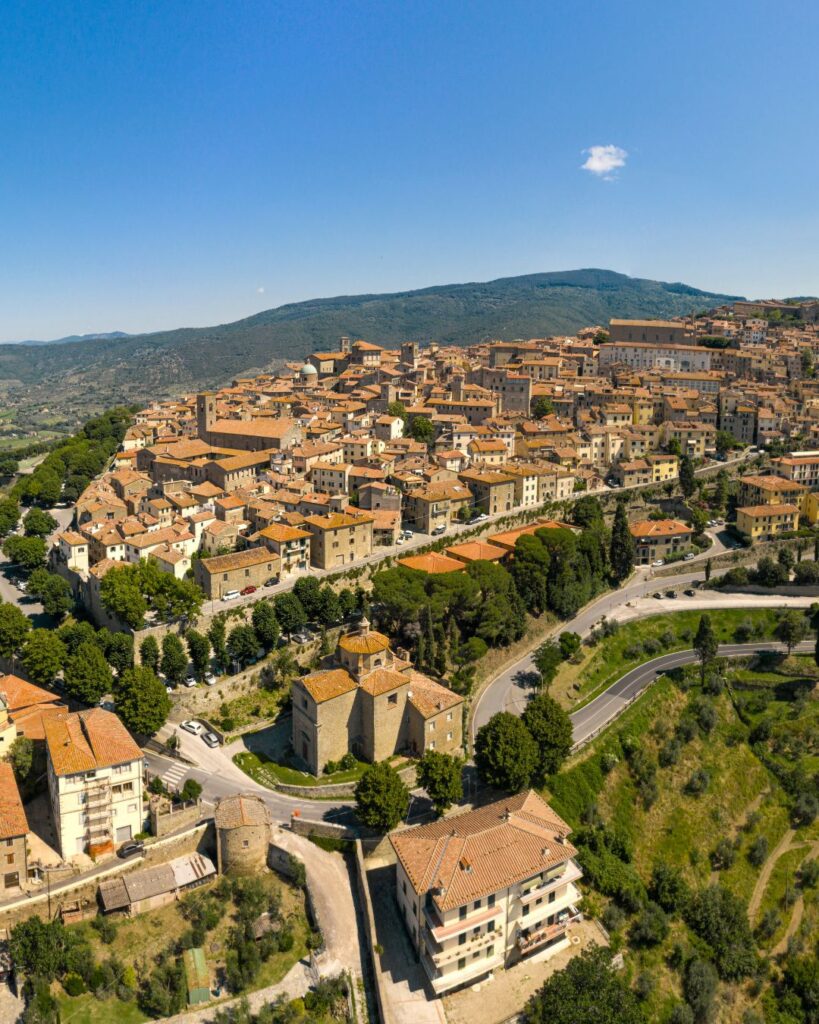
Cortona was brought to international fame by the book and film “Under the Tuscan Sun.” This Etruscan hill town offers steep, narrow lanes that climb dramatically from the valley floor. The Diocesan Museum houses works by Fra Angelico and Luca Signorelli, and the views from the Girifalco fortress stretch all the way to Lake Trasimeno.
Cortona feels less commercial than some other Tuscan villages, making it perfect for a peaceful stay. Best hotel to stay in: Villa Marsili, a refined hotel inside a 17th-century palace, offering elegant rooms and a terrace with panoramic valley views.
Lucca
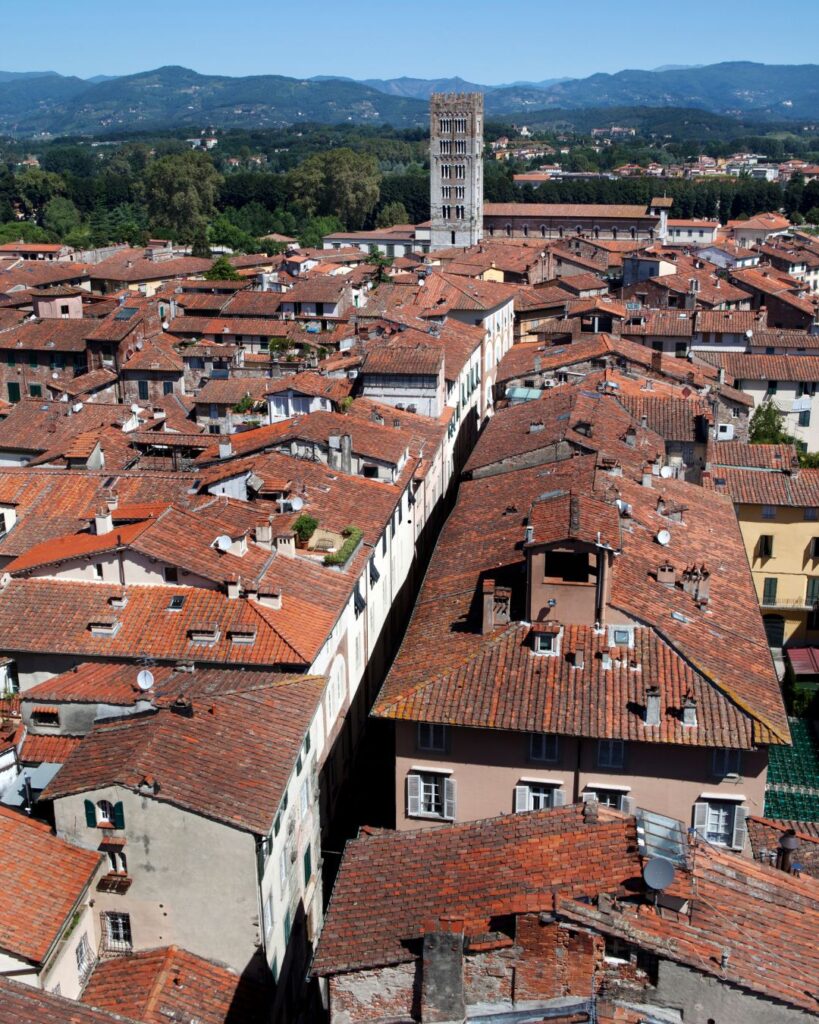
Lucca is unique for its fully intact Renaissance walls, which have been converted into a tree-lined pedestrian park. You can rent a bicycle and ride the four kilometers along the top of the walls for a truly special experience. Inside, the streets are lined with beautiful churches, including the circular San Michele in Foro.
Lucca is also the birthplace of the composer Giacomo Puccini, and you can visit his childhood home. The charming amphitheater square, Piazza dell’Anfiteatro, is perfect for an evening glass of wine. Best hotel to stay in: Hotel Palazzo Alexander, a boutique hotel set inside a historic palace with antique furnishings and a central location.
Castiglione della Pescaia
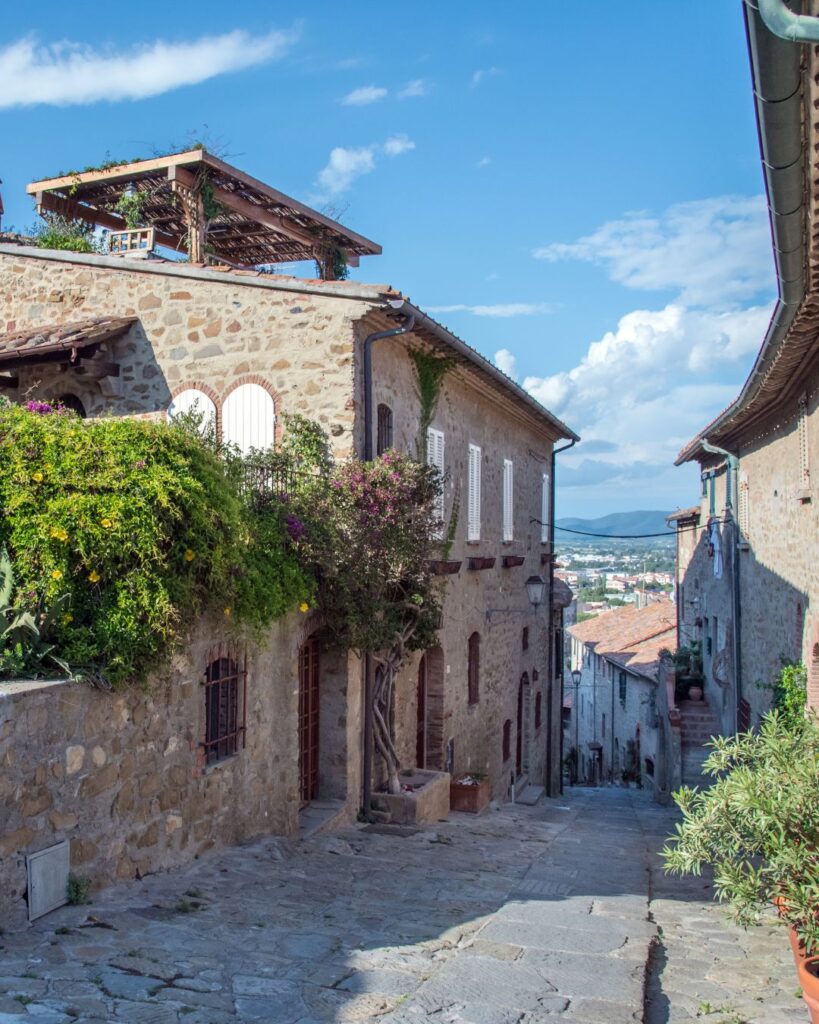
Castiglione della Pescaia is a rare coastal gem in Tuscany. This medieval village sits on a hilltop directly overlooking the sea, with a beautiful sandy beach stretching below. The town is often voted one of Italy’s best places to live thanks to its clear waters and relaxed atmosphere.
The old village, known as the “Rocca,” is a maze of tiny streets leading up to a medieval castle with stunning views over the Tuscan Archipelago. Best hotel to stay in: Roccamare Resort – Hotel Casa di Ponente
Populonia
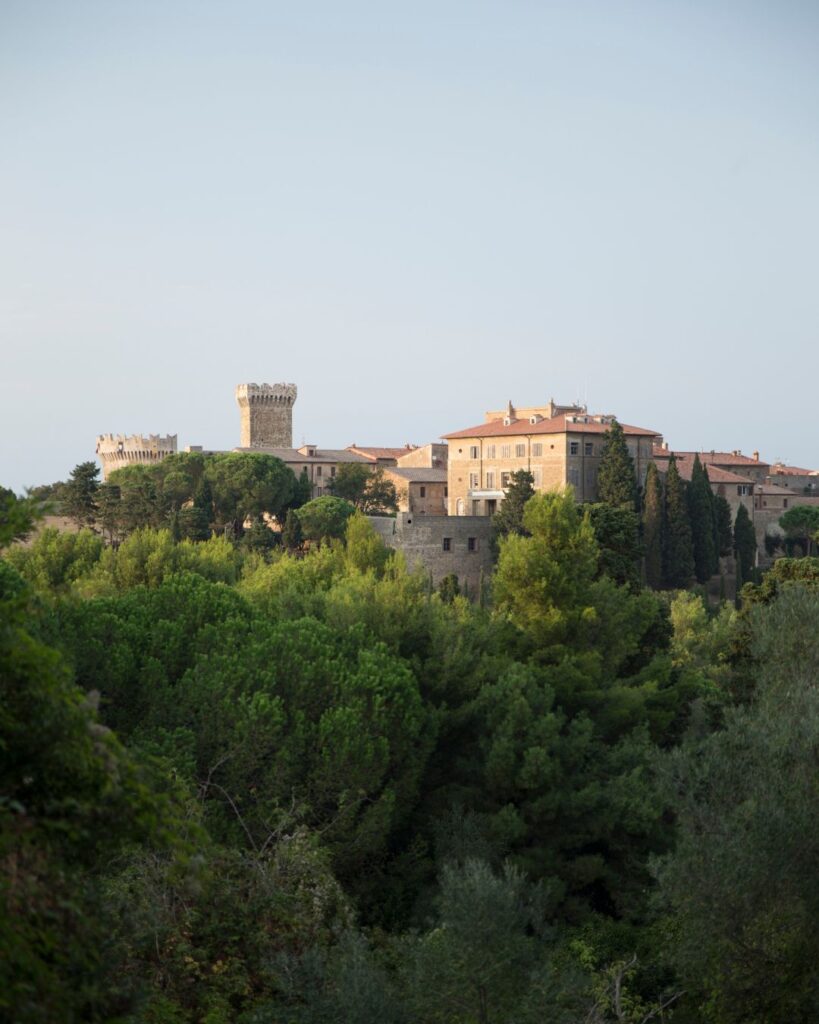
Populonia is the only Etruscan village built directly on the coast. Located on the Gulf of Baratti, this small town sits within a larger archaeological park. You can visit the remains of Etruscan necropolises, ancient quarry roads, and a medieval fortress.
The views from the acropolis over the turquoise waters of the gulf are breathtaking. Populonia feels wild and ancient, far removed from the crowds of central Tuscany. Best hotel to stay in:Torre di Baratti Bio Resort
Sorano
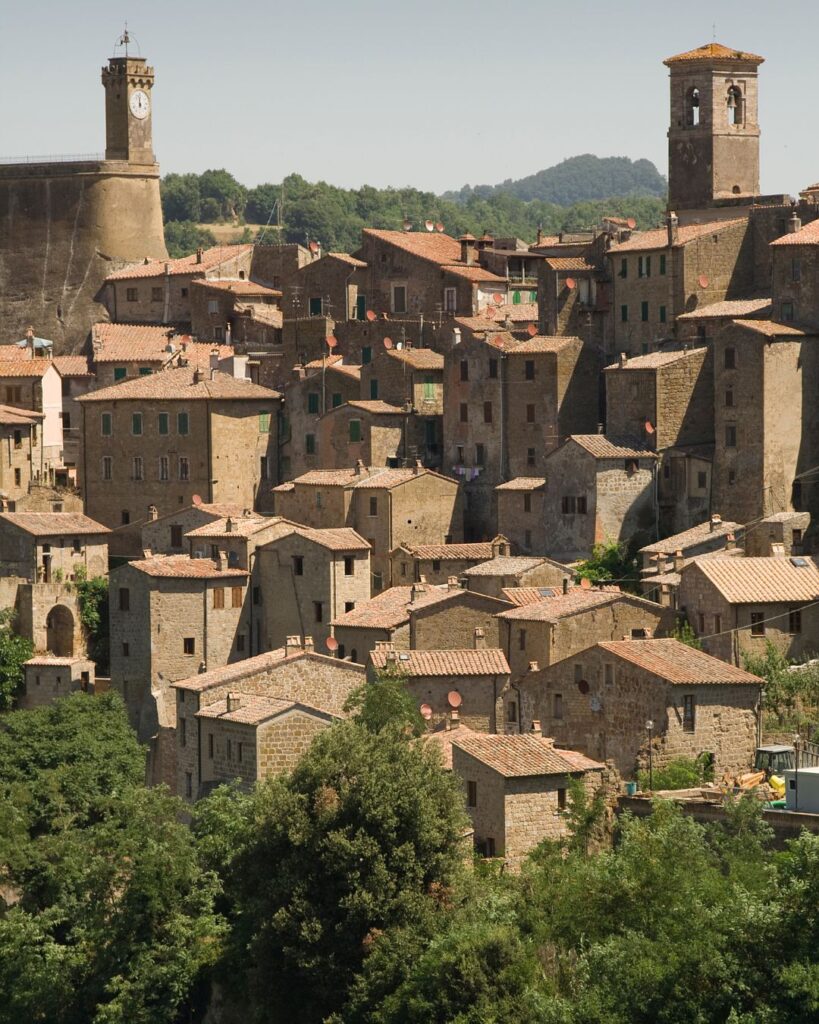
Sorano is another stunning tufa village, often called the “Matera of Tuscany” for its cave dwellings and underground passages. The village sits on a narrow spur of rock, with medieval houses seemingly stacked on top of each other. The most famous attraction is the Masso Leopoldino, a fortified rock complex with ancient tunnels.
You can also explore the nearby Vie Cave, mysterious deep Etruscan roads carved entirely into the rock. Best hotel to stay in: La Corte del Sole, a boutique hotel offering cave-style rooms with modern amenities and a peaceful garden.
Barga
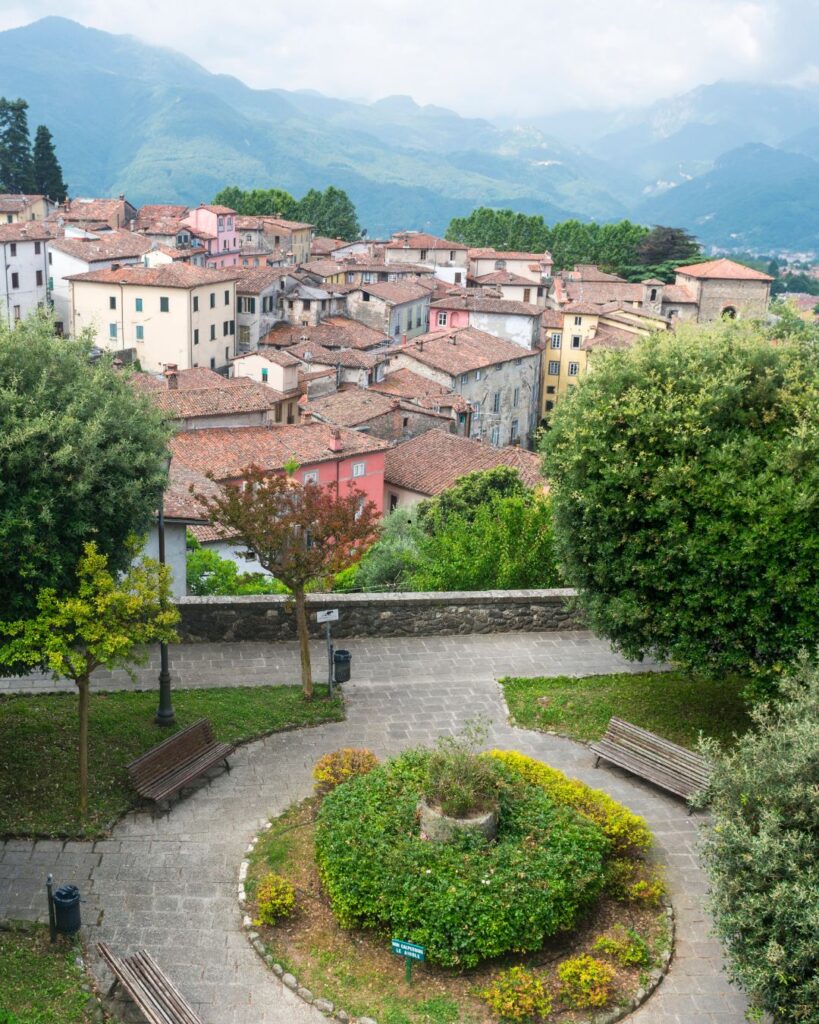
Barga is a hidden gem in northern Tuscany, known as the “most Scottish town in Italy” due to historic emigration patterns. The village is crowned by a stunning Romanesque Duomo with beautiful carved pulpits and sweeping views of the Apuan Alps.
Barga is also a food lover’s paradise, famous for its chestnuts, porcini mushrooms, and extra virgin olive oil. The steep medieval streets are quiet and authentic, with almost no tourist crowds. Best hotel to stay in: The Liberties – Luxury Villa in Barga Old Town
Anghiari
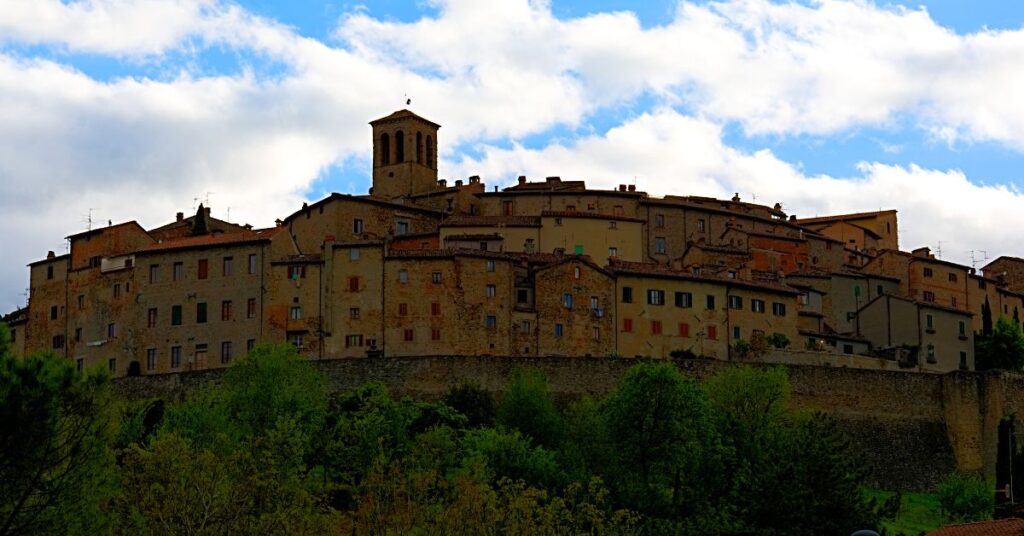
Anghiari is often described as one of Italy’s most beautiful villages, and for good reason. This perfectly preserved medieval town sits on a ridge overlooking the Tiber Valley. The main street is a straight line of Renaissance palaces, and the town walls are still completely intact.
Anghiari is famous for the Battle of Anghiari, a lost Leonardo da Vinci fresco. The atmosphere here is exceptionally peaceful, with local artisans and small workshops hidden on every side street. Best hotel to stay in: Agriturismo Podere Tovari
Cetona
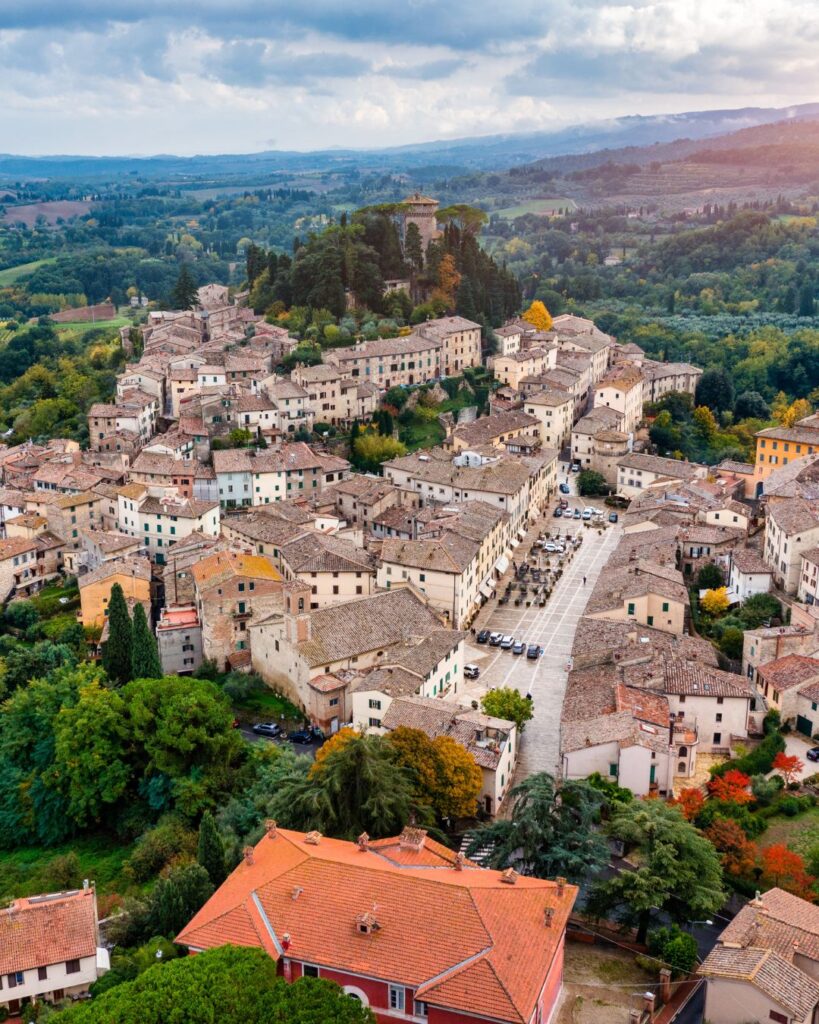
Cetona sits at the foot of Monte Cetona, surrounded by olive groves and forests. The village has a beautifully preserved medieval center with a central piazza lined with stone buildings and a small church. What makes Cetona special is its relaxed pace and authentic local feel.
The nearby Belverde park offers prehistoric caves to explore, and the surrounding countryside is perfect for hiking and cycling. Cetona feels like Tuscany without the crowds. Best hotel to stay in: La Gustea Hotel & Cucina, a stylish boutique hotel offering modern design, excellent local cuisine, and a peaceful location near the village gate.
Monticchiello
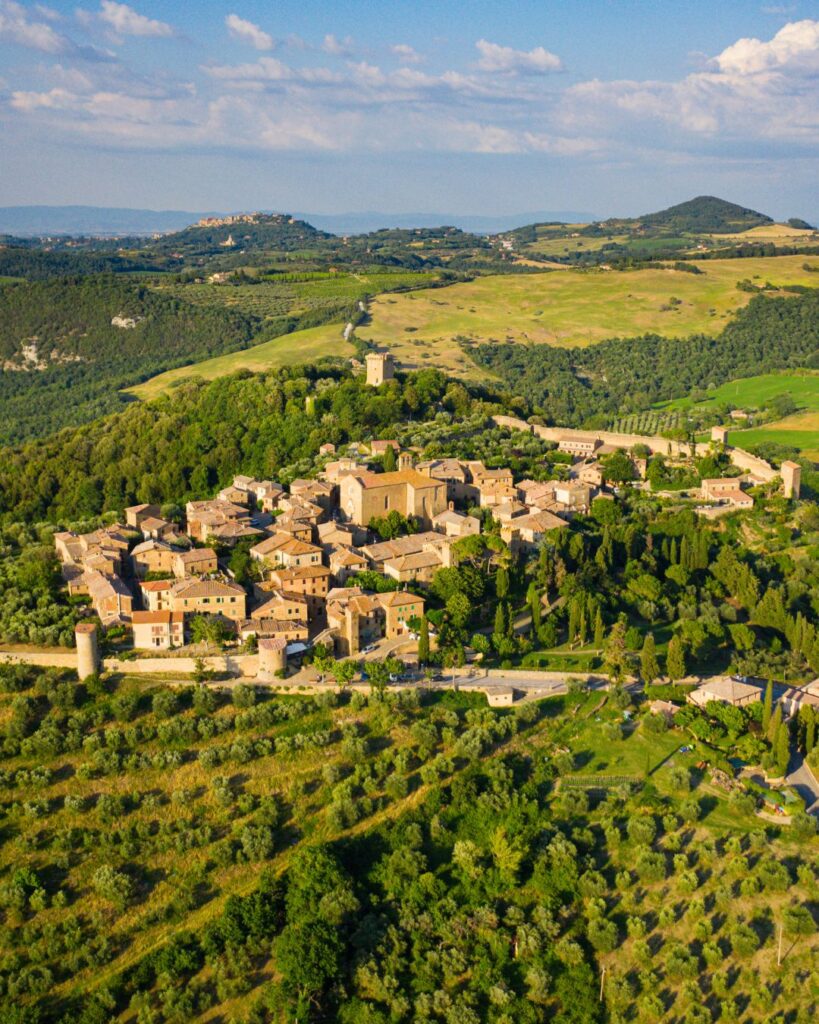
Monticchiello is a tiny hamlet within the Val d’Orcia, often overlooked by tourists heading to nearby Pienza. This walled village has just a few streets, a small church, and a single gate. But its magic lies in its silence and authenticity.
The village is famous for its unique “Teatro Povero,” a community-run theater where locals perform their own plays. The views from the village walls over the iconic cypress-tree hills of the Val d’Orcia are absolutely perfect for photography. Best hotel to stay in: Agriturismo Lunadoro
Lucignano
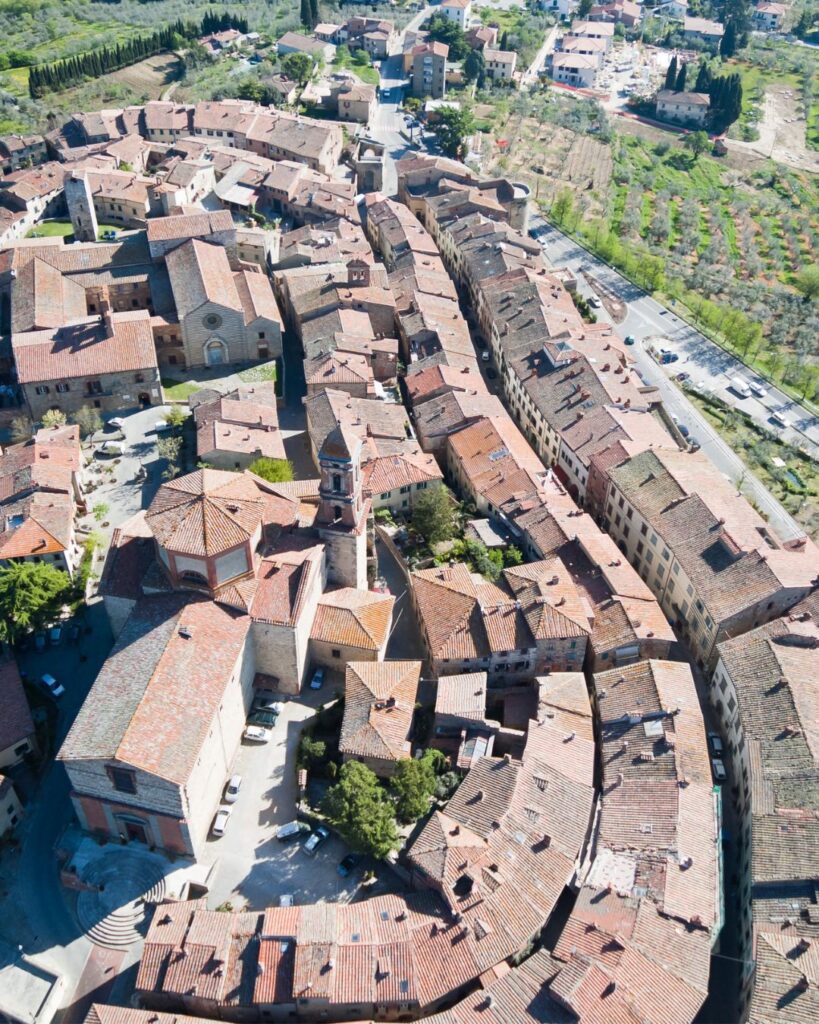
Lucignano is famous for its unique elliptical layout. The village is built in concentric oval rings, and the main street curves gracefully around the hilltop. The centerpiece is the Collegiate Church, which houses a golden reliquary tree known as the “Tree of Life.” Lucignano is also known for its annual antique fair and its peaceful, untouristed atmosphere. Walking the curved streets feels like discovering a secret Tuscany that time forgot. Best hotel to stay in: Casa Montalgallo
Again, feel free to go through the list below of my Italy recommendations that I have crafted after years of travel to this beautiful country:
- Packing List: Things Not to Go to Italy Without
- Must-Do Things: Unforgettable Experiences
- Where to Stay: Best Hotels in Italy.
- Where to Stay in Rome: Rome’s Best Neighborhoods
- Where to Stay in Florence: Picking the Best Area
- Where to Stay in Venice: Venice’s Best Districts
- Italy’s Cobblestone Streets: Best Shoes For the Job
- Backpack or Suitcase?: Italy Luggage Guide
- Travel Insurance: Always Be Covered
- E-Sim: Be Connected At All Times