
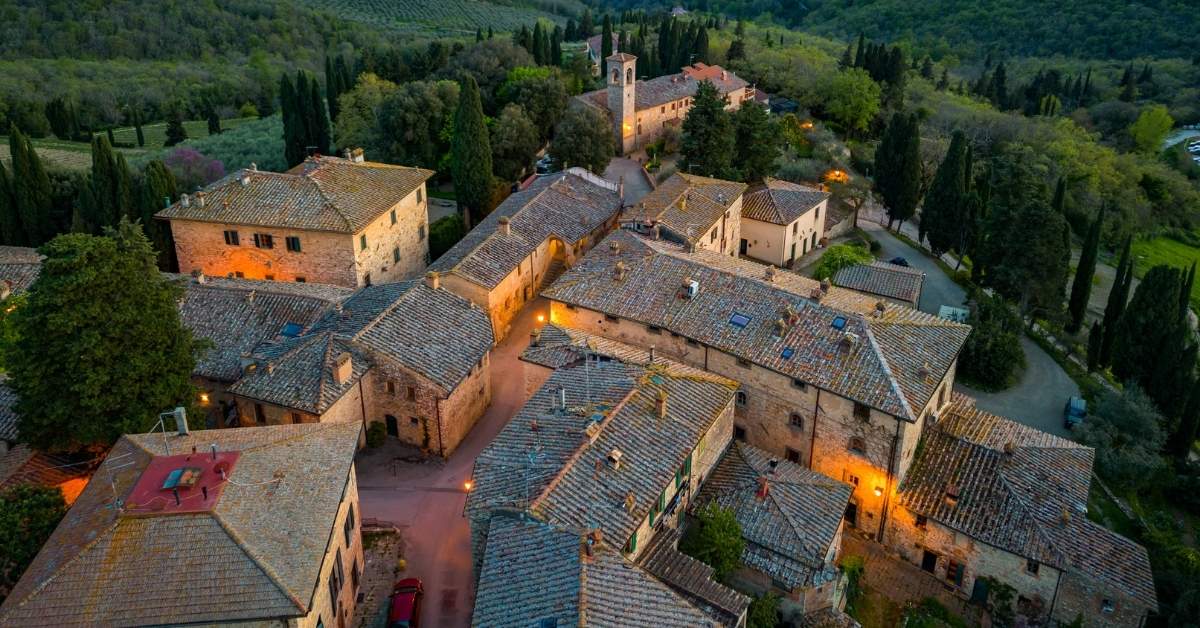
Italy’s cities—Rome, Florence, Venice—are justly famous. They’re the heavyweights, the places you feel you must see at least once. But here’s a secret I’ve learned from years of exploring this magnificent country: the soul of Italy doesn’t reside in its bustling piazzas. It lives in the borghi, the small villages that cling to hillsides, nestle in valleys, and perch on rugged coastlines.
These are the places where time slows down, where ancient stone whispers stories, and where beauty unfolds not in a single grand gesture, but around every cobbled corner.
This isn’t just another list. It’s the result of countless journeys, of getting lost on purpose, and of falling in love with the quiet, authentic rhythm of village life. I’ve ranked these seventeen villages based on their sheer beauty, their unique character, and the unforgettable experiences they offer.
Whether you’re planning a trip or simply dreaming of one, prepare to be inspired. My wife and I have stood in these places, and I can tell you firsthand—they’re even more breathtaking than any photograph can capture.
What Makes an Italian Village Truly Beautiful?
There’s an official association that certifies Italy’s most beautiful villages, but the magic goes far beyond any checklist. A truly beautiful village must have preserved its architectural integrity. These aren’t places with modern buildings intruding on medieval streets. They’re harmonious, built from local stone, with a homogeneity that feels timeless.
There’s a deep cultural significance too—a connection to history, to art, to a unique way of life that has survived for centuries. The setting is equally crucial. Many of these villages are perched in dramatic locations, their beauty heightened by the landscape around them.
And perhaps most importantly, these villages maintain their traditions, their crafts, and a sense of community that has endured through generations. Visiting them isn’t just sightseeing; it’s stepping into a living story.
1. Alberobello, Puglia
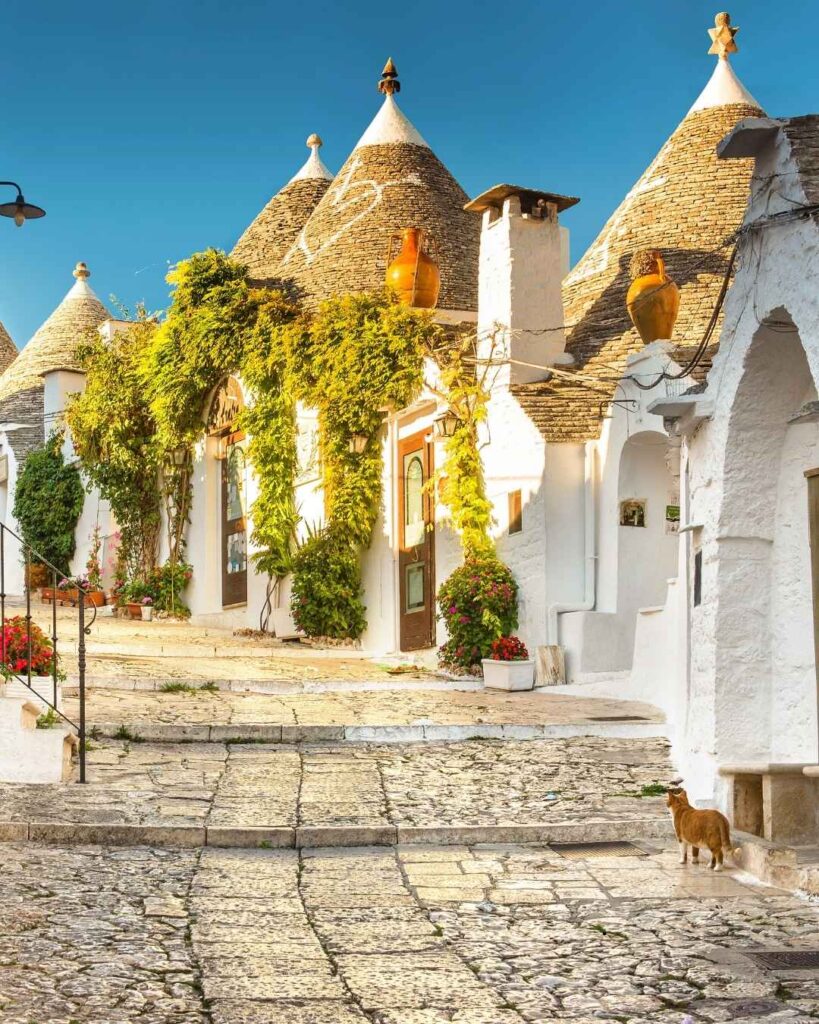
I’ll never forget the moment my wife and I first rounded the corner into Alberobello’s Rione Monti district. It felt like we had stumbled into a fairytale. This Apulian village is world-famous for its extraordinary trulli—traditional dry-stone huts with distinctive conical roofs that look like something from a storybook. The trulli are scattered across the hillside in such a whimsical, almost organic way that you can’t help but smile.
Many are still inhabited, and some are decorated with ancient symbols painted on their roofs, adding to the village’s mystique. The Trullo Sovrano, the only two-story trullo, is well worth a visit, and the Museo del Territorio offers fascinating insight into this unique architectural form. Walking through Alberobello feels like wandering through a dream, and it’s easy to see why it’s a UNESCO World Heritage site.
2. Manarola, Cinque Terre, Liguria
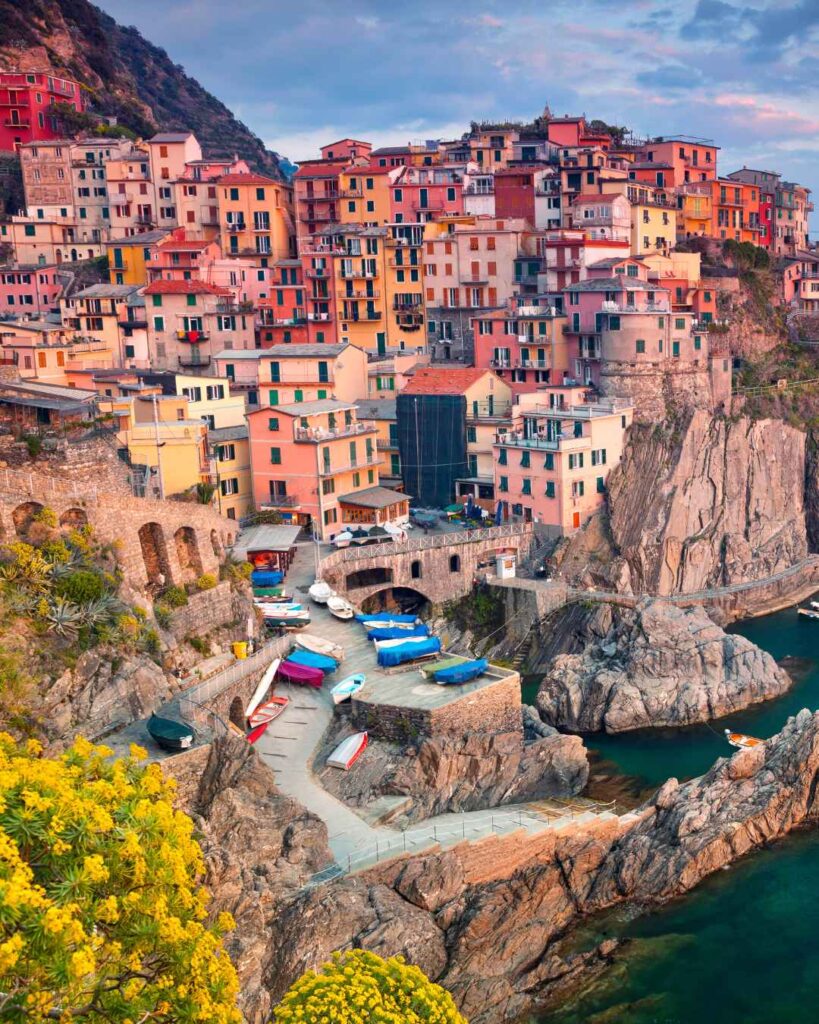
The five villages of the Cinque Terre are the epitome of the Italian Riviera, and among them, Manarola stands out as something truly special. Picture this: a cascade of pastel-coloured homes clinging to a steep cliff, their warm hues contrasting brilliantly with the deep blue of the Ligurian Sea below. It’s a sight that has been photographed a million times, but nothing prepares you for the real thing.
The whole area feels suspended in time, with narrow alleyways, vineyards terraced into the hillsides, and the constant, gentle lapping of the sea. The Via dell’Amore, or Path of Love, connects Manarola to Riomaggiore and offers some of the most romantic views imaginable. And if you happen to visit in winter, you’ll be treated to an extraordinary luminous nativity scene set into the hillside—a truly magical sight.
3. Positano, Amalfi Coast
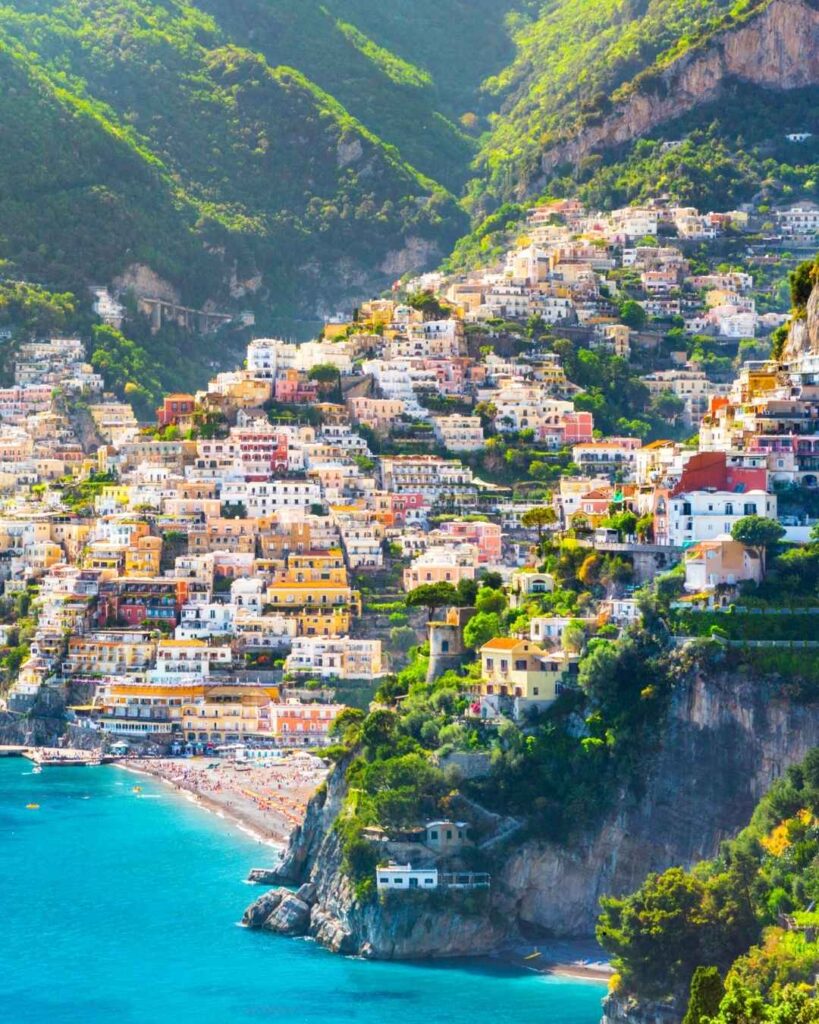
Positano is the iconic Amalfi Coast village, a vertical masterpiece where colourful houses tumble down a steep hillside to a beautiful pebble beach. It’s glamorous, yes, with its chic boutiques and elegant restaurants, but it’s also utterly captivating. My wife and I spent an entire afternoon simply sitting on a terrace, watching the sun dip behind the cliffs and the lights begin to twinkle in the windows of the houses stacked above us.
The Church of Santa Maria Assunta, with its magnificent Byzantine icon of the Madonna, sits at the heart of the village, and climbing the stairs to reach it offers ever-more-spectacular views. Positano is a place to slow down, to savour, and to simply soak in the atmosphere of one of the most beautiful coastlines on earth.
4. Civita di Bagnoregio, Lazio
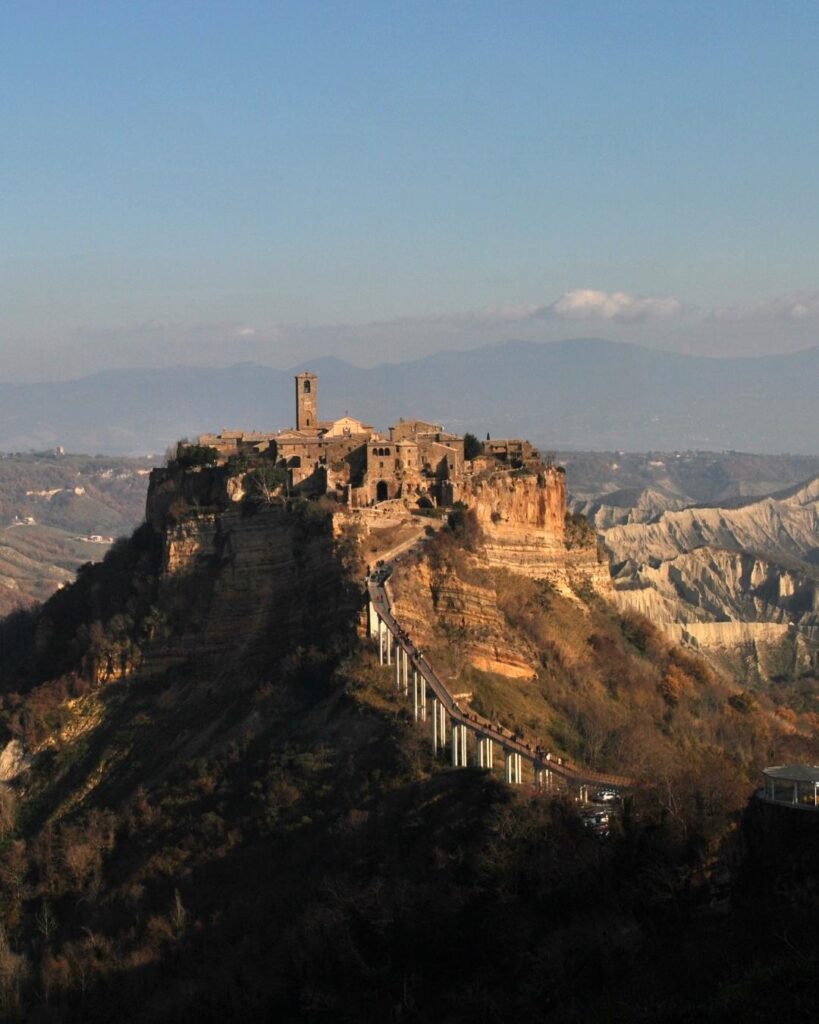
Civita di Bagnoregio is known as “The Dying City” for its precarious perch on a crumbling tuff pinnacle, and it’s an experience unlike any other. Accessible only via a long, steep footbridge, walking across it feels like a pilgrimage to a forgotten world. The erosion that threatens its existence only adds to its dramatic, timeless beauty.
The village itself is car-free, quiet, and seemingly suspended between earth and sky. The views from the bridge, particularly at sunset, are nothing short of breathtaking. There’s a profound sense of impermanence here, a reminder that the most beautiful things are often the most fragile. It’s a place that stays with you long after you’ve crossed back over the bridge to the modern world.
5. San Gimignano, Tuscany
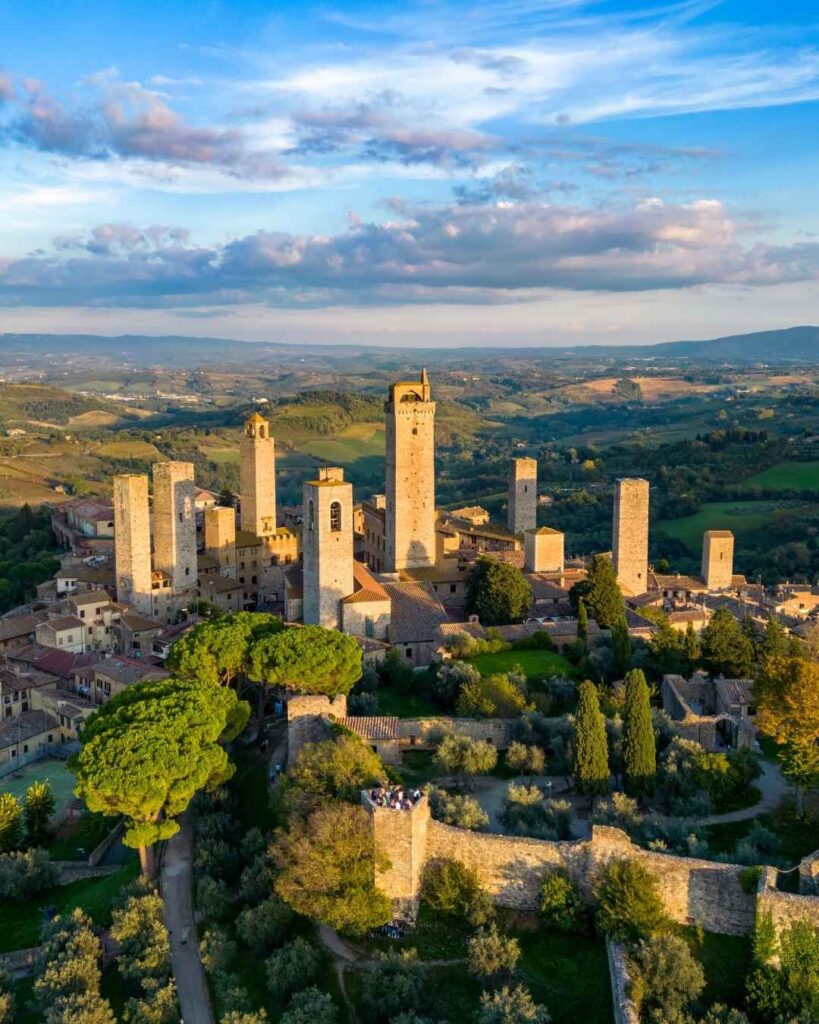
Nicknamed the “Medieval Manhattan,” San Gimignano is famous for its fourteen surviving medieval tower houses that punch the Tuscan skyline like ancient skyscrapers. In its heyday, there were over seventy of these towers, built by wealthy families as symbols of their power and status. Today, they offer a glimpse of the village’s former glory as a wealthy trading post.
Climbing the Torre Grossa, the tallest of the surviving towers, rewards you with panoramic views of the surrounding Tuscan countryside—a patchwork of olive groves, vineyards, and golden fields that stretches to the horizon. The village is also known for its Vernaccia wine, and there’s no better way to end a day of exploration than with a glass on a terrace overlooking the towers.
6. Matera, Basilicata
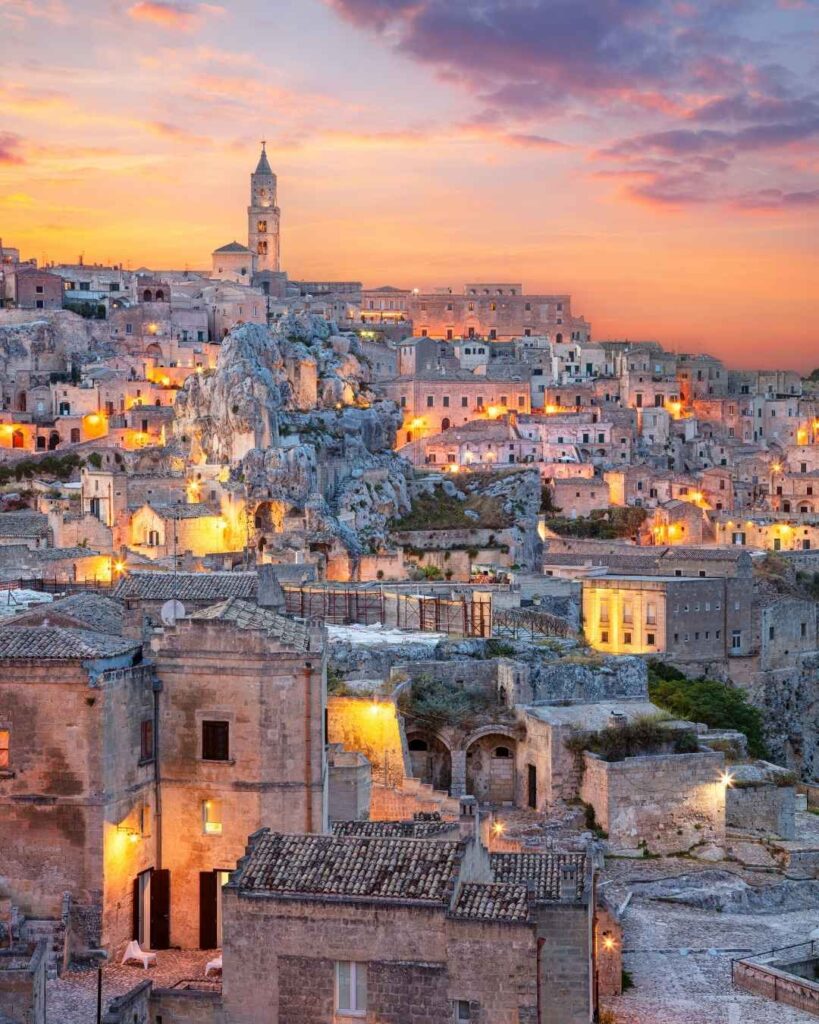
Matera is not just a village; it’s an ancient city carved into rock. Its Sassi, the ancient cave dwellings, are among the world’s oldest continuously inhabited settlements. This otherworldly landscape has been used as a film set for biblical epics, and it’s not hard to see why. The Sasso Caveoso district is a labyrinth of winding alleyways, rock-cut churches, and homes that blend seamlessly into the canyon walls.
My wife and I stayed in a hotel converted from a cave dwelling, and waking up in that ancient stone space was an experience I’ll never forget. The rock churches, like Santa Maria de Idris, are adorned with faded frescoes that whisper stories of faith and survival. Matera is a triumph of human resilience and a UNESCO World Heritage site that demands to be seen.
7. Pienza, Tuscany
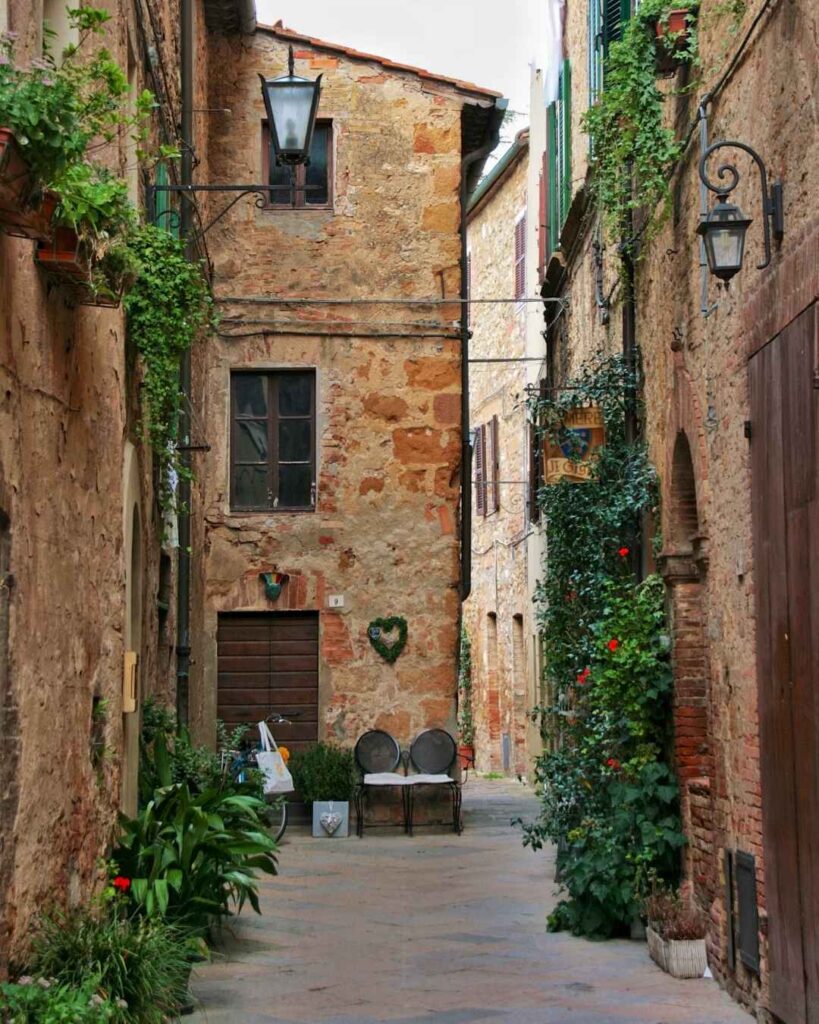
Pienza is a Renaissance masterpiece, designed by Bernardo Rossellino as the “ideal city” for Pope Pius II. The harmonious palazzi, the stunning cathedral, and the sweeping views over the Val d’Orcia make it a UNESCO World Heritage site and a triumph of urban planning.
Unlike many medieval villages that grew organically over centuries, Pienza was conceived with a clear vision of beauty and proportion. The Piccolomini Palace, with its elegant courtyard and beautiful gardens, is a highlight, as is the panoramic viewpoint at the edge of the village, where you can gaze out over the iconic Tuscan landscape.
And of course, no visit to Pienza is complete without indulging in the local pecorino cheese, which is made from the milk of sheep that graze in the surrounding hills.
8. Ravello, Amalfi Coast
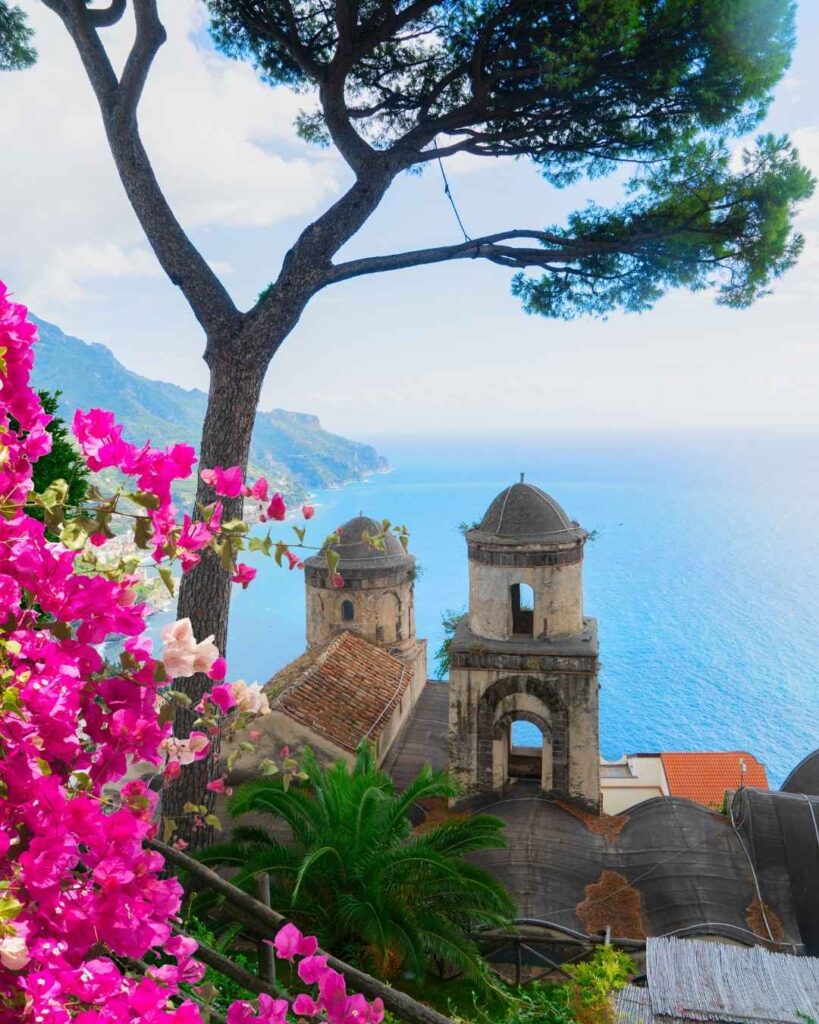
Perched high above the Amalfi Coast, Ravello offers a more serene and cultured escape than its coastal neighbours. It has inspired artists and writers for centuries with its spectacular gardens and breathtaking views. The gardens of Villa Rufolo and Villa Cimbrone are the highlights here.
Villa Rufolo’s terraced gardens burst with colour, while Villa Cimbrone’s “Terrace of Infinity” offers one of the most dramatic views on the entire coast—a sheer drop to the sea below that seems to stretch on forever. Ravello is quieter, more refined, and utterly romantic. It’s the kind of place where you can lose yourself in a book in a garden, listen to music drifting from a villa, and feel the weight of the world slip away.
9. Bellagio, Lombardy
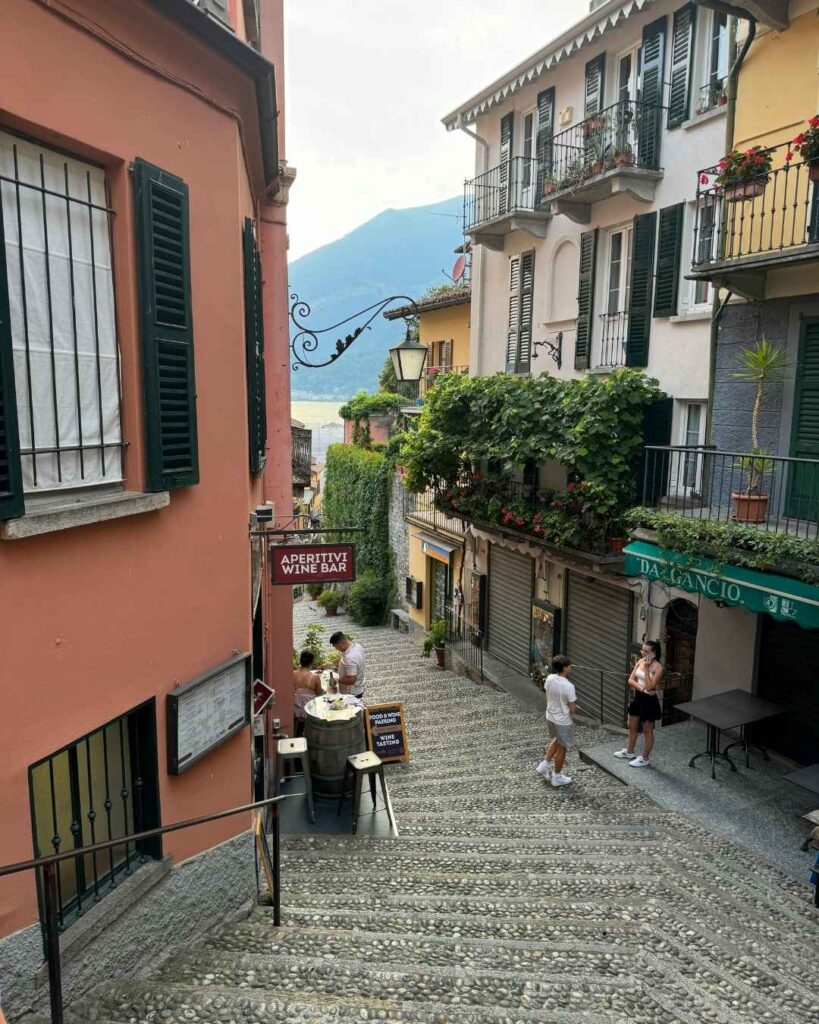
Perched at the tip of the promontory where Lake Como splits into its three famous branches, Bellagio is often called the “Pearl of Lake Como,” and it’s not hard to see why. This elegant village cascades down a steep hillside in a tumble of pastel-coloured houses, their shutters flung open to catch the lake breeze and the spectacular views across the water.
The narrow cobbled streets, lined with artisan shops, gelaterias, and charming cafes, wind their way up from the lakefront to the higher reaches of the village. The gardens of Villa Melzi, with their romantic pathways, exotic plants, and serene lakeside promenade, are a particular highlight—a place where you can lose yourself in beauty for hours.
10. Castelmezzano, Basilicata
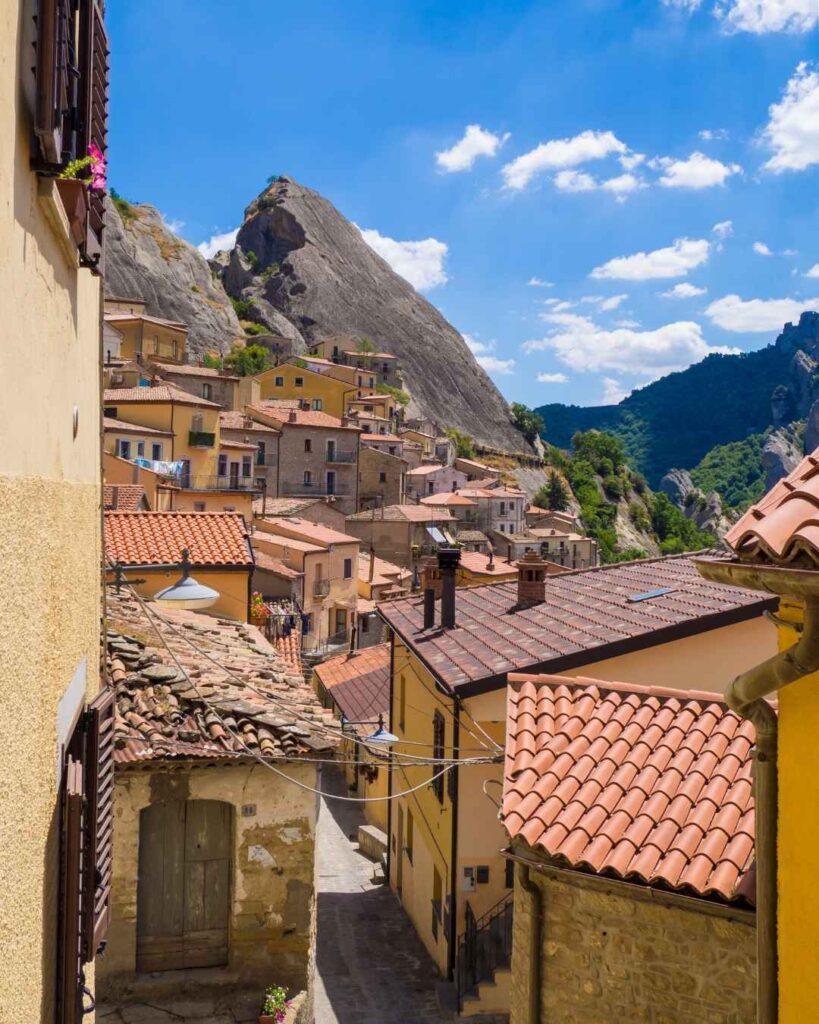
For sheer dramatic scenery, Castelmezzano is unparalleled. This tiny village seems to be swallowed by the towering, grey Dolomite rock formations of the Lucanian Dolomites. The cliffs rise sharply behind the houses, creating a sense of being cradled by the mountains. It’s a haven for both nature lovers and thrill-seekers.
The Volo dell’Angelo, or Angel’s Flight, is a heart-stopping zip-line that takes you across the valley to the neighbouring village of Pietrapertosa. My wife watched from the ground as I took the plunge, and the memory of that rush, against that backdrop of impossible beauty, is seared into my mind. Even if you’re not adventurous enough to fly, the views from the village itself are reward enough.
11. Procida, Campania
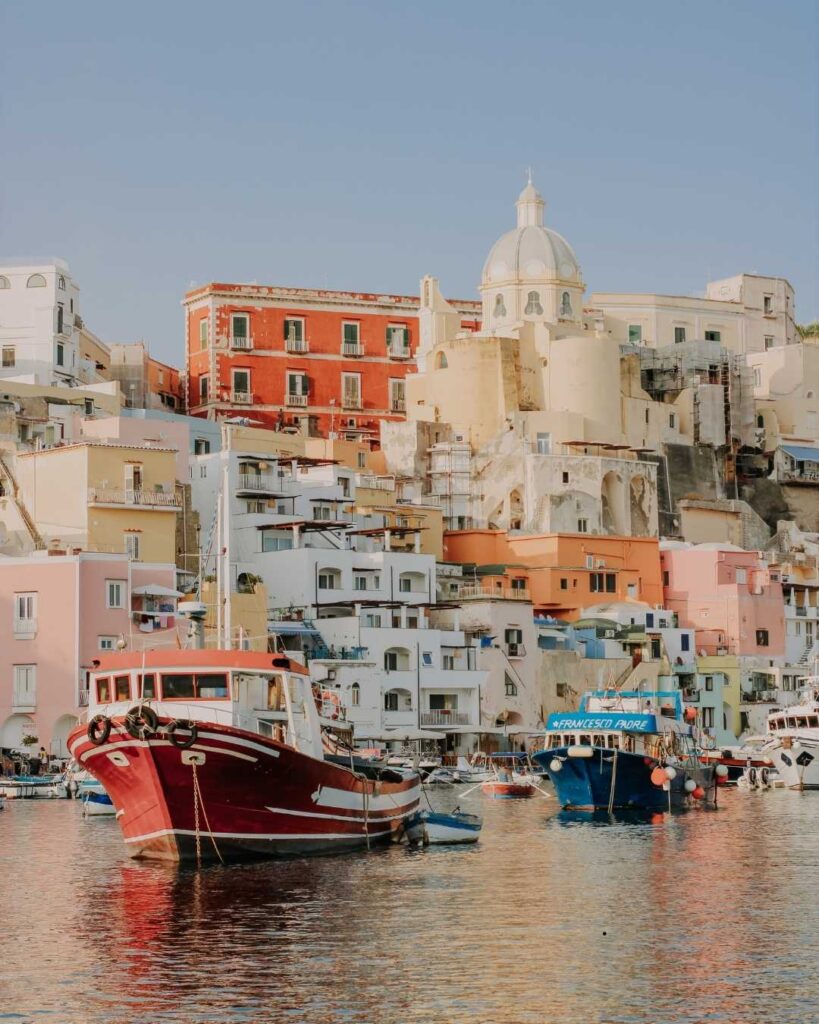
Procida is the smallest and most colorful of the islands in the Bay of Naples, and it’s an absolute revelation. Unlike its more famous siblings, Capri and Ischia, Procida feels wonderfully unpretentious and delightfully off the tourist radar. The village of Terra Murata, perched high on the island’s highest point, is a maze of pastel houses in shades of peach, lemon, and coral that tumble down towards the sea.
The fishermen’s quarter of Marina Corricella is perhaps the most photographed spot on the island, a riot of brightly painted houses huddled around a tiny harbour where fishing boats bob gently in the turquoise water. It’s the kind of place where laundry flaps in the breeze, cats sun themselves on doorsteps, and the rhythm of life follows the tides.
12. Burano, Veneto
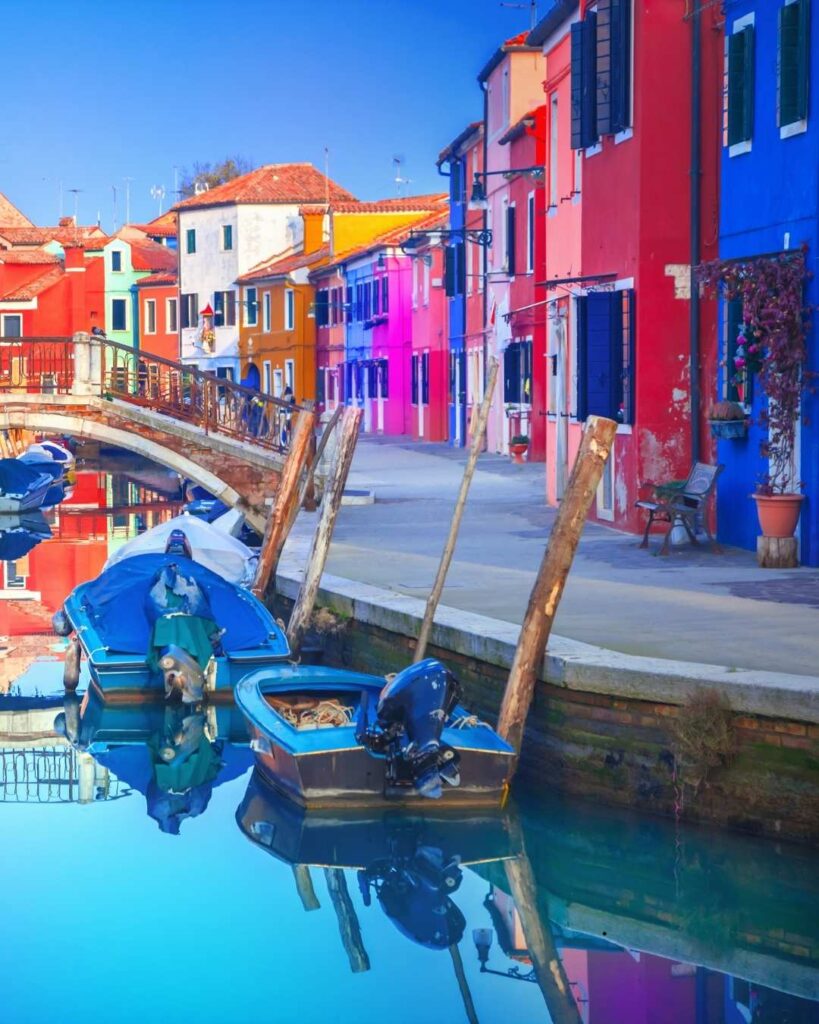
Burano is an explosion of colour that defies belief. This tiny island in the Venetian Lagoon is famous for its brightly painted fishermen’s houses, which line the canals in a dazzling rainbow of hues—vivid pinks, electric blues, sunny yellows, and deep purples. Legend has it that the houses were painted in such bright colours so that fishermen could spot their homes from the sea in thick fog, but whatever the reason, the result is pure visual joy.
My wife and I spent an afternoon wandering the narrow streets and crossing the little bridges that connect the island’s many small canals, and we couldn’t stop smiling. Every turn revealed a new colour combination, a new reflection in the water, a new photo opportunity.
13. Sperlonga, Lazio
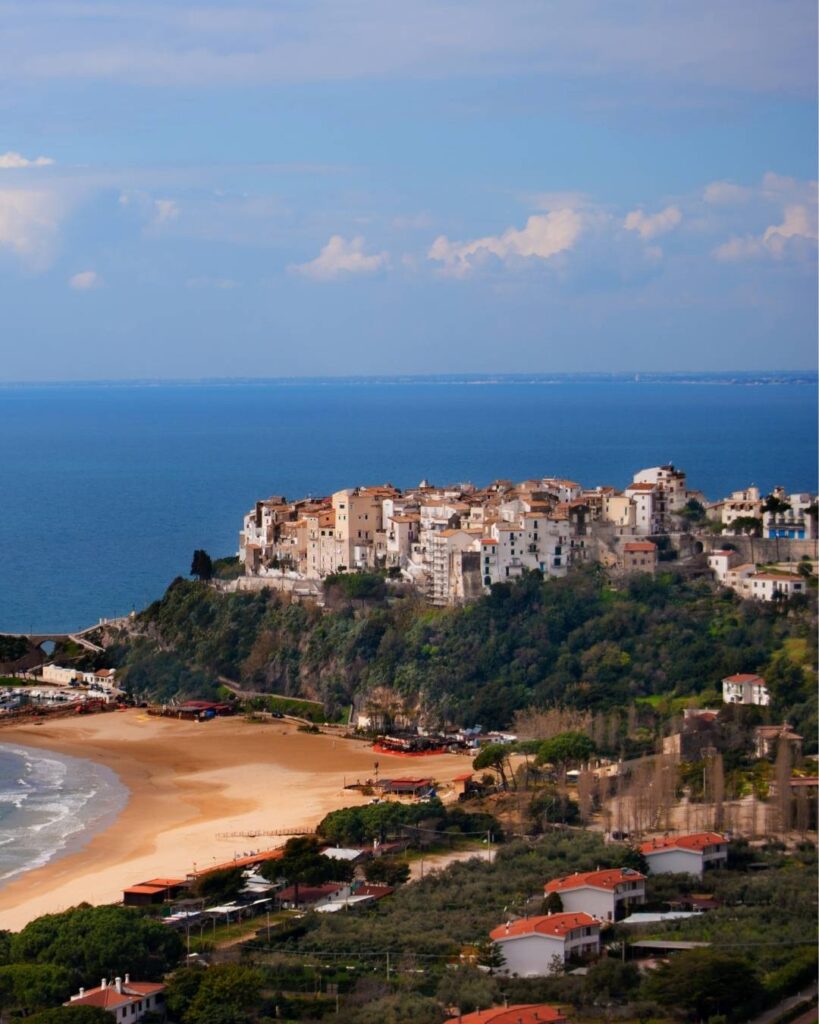
Sperlonga is a dazzling whitewashed village that clings to a rocky promontory between Rome and Naples, overlooking the turquoise waters of the Tyrrhenian Sea. Its maze of narrow alleyways, archways, and staircases is a delight to explore, with every turn revealing another breathtaking view of the coastline below.
The houses are blindingly white, their brightness intensified by the deep blue of the sea and sky, and bursts of bougainvillea tumble over walls in shades of fuchsia and crimson.
At the heart of the village lies the medieval watchtower, a reminder of Sperlonga’s history as a defence against Saracen pirates. But perhaps the most fascinating part of Sperlonga is its connection to the ancient world. Just below the village, the Villa of Tiberius, the Roman emperor’s spectacular seaside retreat, has been unearthed, revealing incredible sculptures and mosaics that once decorated its lavish rooms.
14. Monte Isola, Lombardy
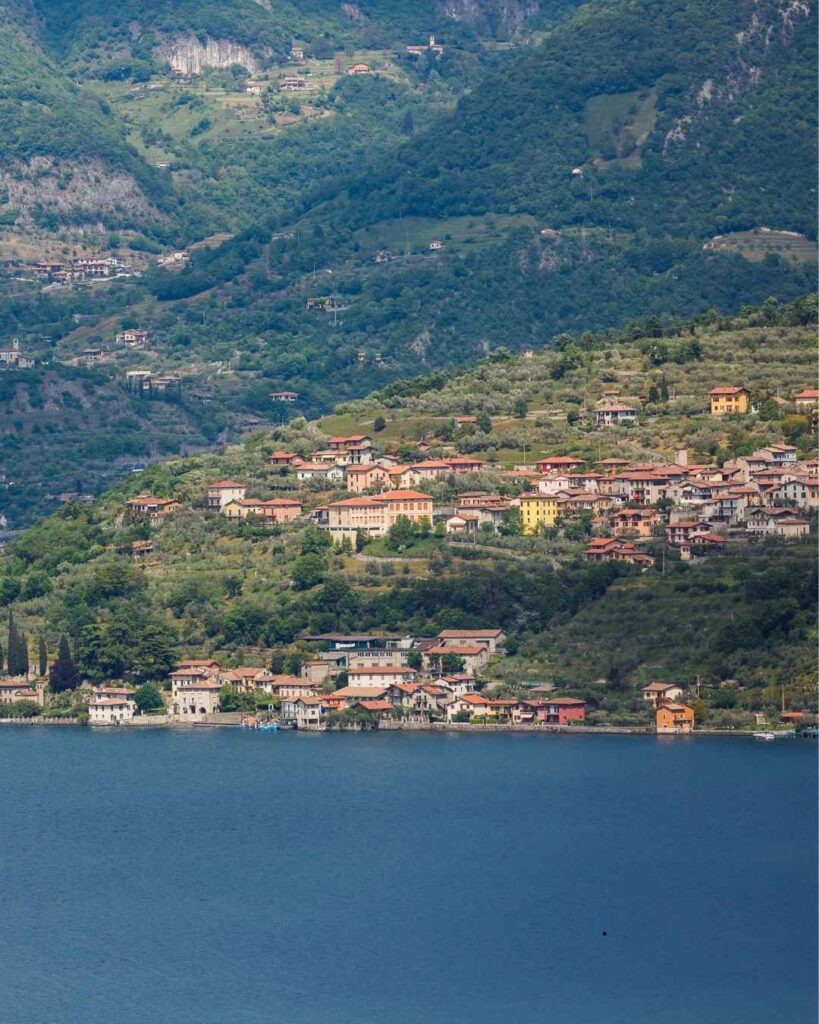
Escape the crowds at Monte Isola, a tranquil island in the middle of Lake Iseo. It’s a car-free sanctuary where time seems to stand still. You can rent a bicycle and cycle around the island, passing through charming villages that dot the shoreline.
The Sanctuary of Madonna della Ceriola sits at the top of the island, and hiking up to it rewards you with breathtaking views of the lake and the surrounding Alps. My wife and I spent a blissful afternoon here, the only sounds the lapping of water and the chirping of birds. It’s a place to disconnect completely and just be.
15. Atrani, Campania
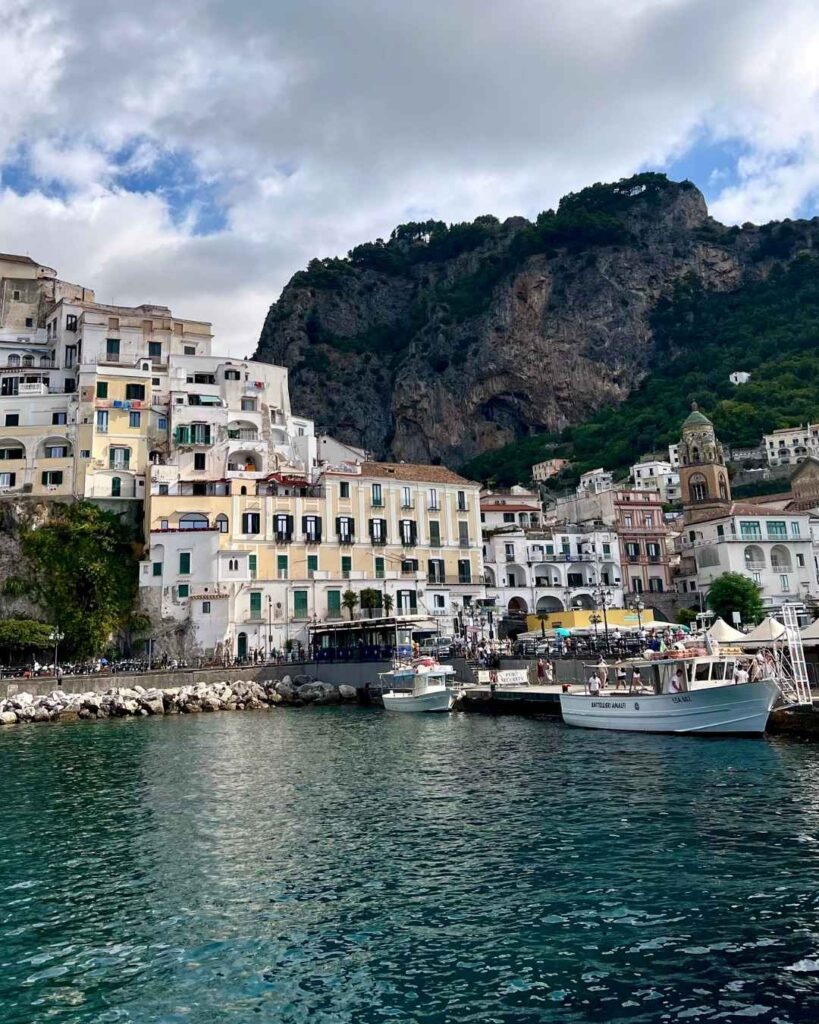
Squeezed in beside the summer hotspot of Amalfi, Atrani is a tiny, often-overlooked gem on the Amalfi Coast. With a surface area of just over a tenth of a square kilometre, it’s the smallest municipality in Italy, offering a quieter, more authentic experience than its famous neighbour.
The maze of narrow streets ducks under passageways and emerges into small, charming squares where locals gather. The beach is small but lovely, and the absence of tourist traffic makes it a peaceful haven. It’s a place to slow down, to watch the fishermen, and to enjoy an authentic slice of Amalfi Coast life without the chaos.
16. Calcata, Lazio
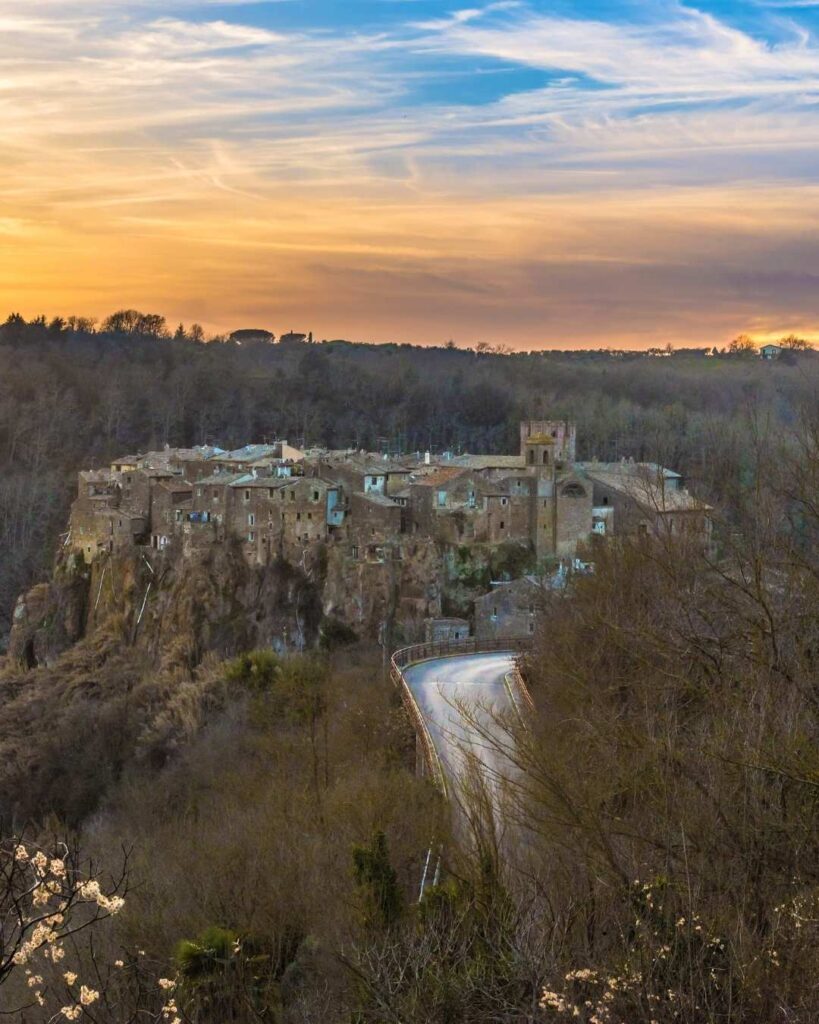
Calcata is a jumble of higgledy-piggledy houses on a rocky outcrop, a unique artist colony with a fascinating history. Abandoned in the 1930s due to fears of a landslide, it was repopulated by artists and creatives in the 1960s, who transformed it into a bohemian haven.
Today, the streets are a maze of artists’ studios, vintage shops, and tiny bars. The atmosphere is wonderfully eclectic, with a palpable creative energy. Exploring Calcata feels like discovering a hidden world, where art and history intertwine in the most unexpected ways.
17. Montepulciano, Tuscany
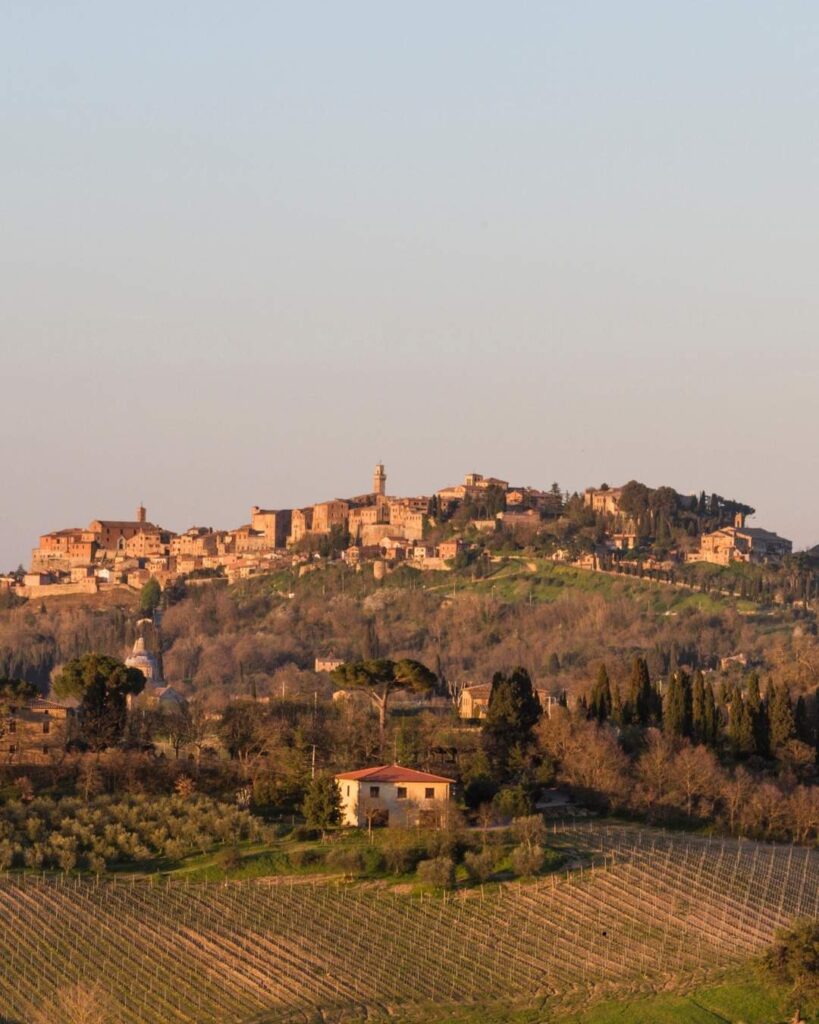
Montepulciano is a hilltop town that rises majestically from the Tuscan countryside, its Renaissance palaces and ancient churches commanding views over the Val d’Orcia and Val di Chiana. It is famous for its Vino Nobile, one of Italy’s most prestigious wines, and the wine cellars here are extraordinary—some carved into the tuff rock beneath the town.
The Piazza Grande is the heart of Montepulciano, a beautiful Renaissance square that hosts a lively market and annual events. The views from the town’s fortress are spectacular, and the streets are a pleasure to explore, with their elegant palazzi and charming shops.
Related Post: The Most Beautiful Villages in Tuscany
Where to Stay and When to Go
Choosing when to visit these villages can make all the difference. Spring and autumn are perfect, offering pleasant weather and smaller crowds. The wildflowers of April and May are a particular delight, while the golden light of October is simply magical. Summer is vibrant but can be very crowded, especially in coastal villages like Positano and Manarola. Winter offers a quieter, more intimate experience, and some villages, like Alberobello and Civita di Bagnoregio, are hauntingly beautiful in the mist.
As for accommodation, staying within the village walls is part of the magic. Many of these villages offer stunning boutique hotels, converted monasteries, and even cave dwellings, as we discovered in Matera. Booking well in advance is essential, especially for popular destinations and during peak seasons. And wherever you stay, make an effort to support local businesses. Eat at family-run trattorias, buy handmade crafts, and engage with the people who keep these communities alive.
Final Thoughts
Italy’s villages are not just places to visit; they are experiences to be had. From the enchanting trulli of Alberobello to the cliff-hanging drama of the Cinque Terre, each offers a unique window into the country’s soul. These are places that reward those who wander, who get lost, who take the time to linger over a coffee and watch the world go by. My wife and I have carried the memories of these villages with us, and I hope this guide inspires you to create your own. The only question left is: where will your journey begin?
NOTE BEFORE YOU GO: Italy rewards travelers who go prepared. And it is easy to ruin your trip. I have a checklist for you of things you should never go to Italy without. CHECK IT OUT HERE. I have also curated a list of some of the best hotels in Italy. I would highly recommend checking them out before booking. THESE ARE THE BEST HOTELS IN ITALY. And for unique experiences, attractions, and tours, don’t book before CHECKING THIS OUT. Thank me later!
Thanks for sharing….luckily I’ve visited most of them…hope to visit the rest…there are others which are also worth visiting at least for a few hours like Rasiglia, Spello, Pizzo just to mention a few!