
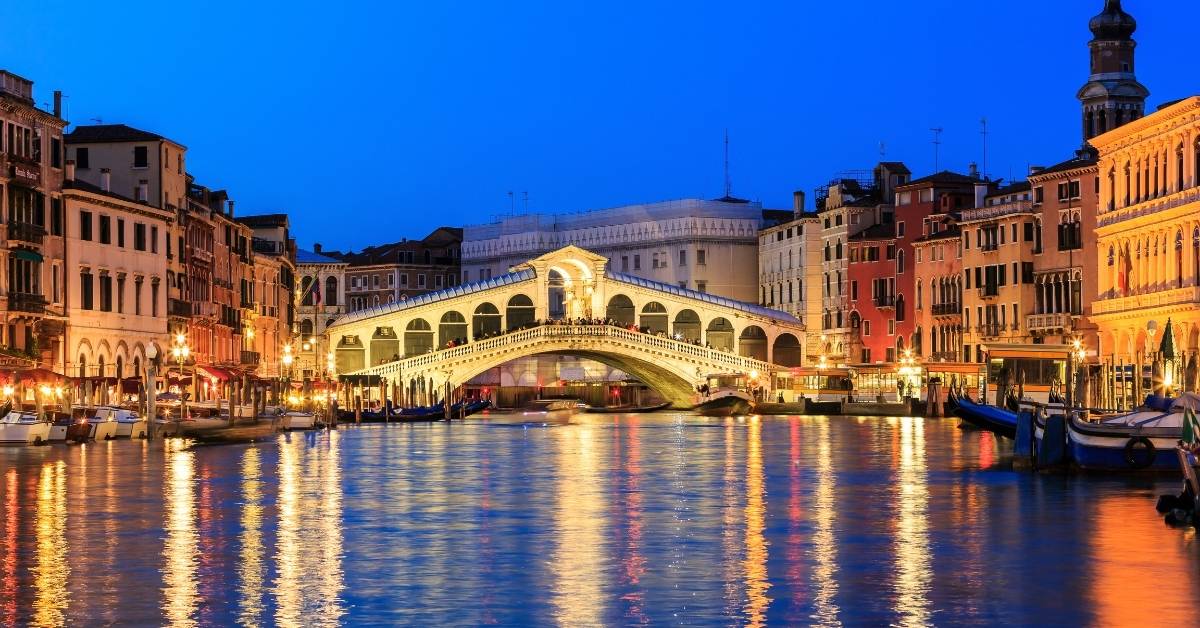
Italy is the kind of destination that stays with you forever—the scent of espresso drifting through a cobblestone alley, the golden light washing over ancient ruins, the sound of a church bell echoing across a piazza. But here’s the truth: Italy can also be overwhelming, chaotic, and even disappointing if you don’t plan wisely.
After years of exploring this beautiful country (and learning a few hard lessons along the way), I’ve distilled the essential habits that separate a “good” trip from the trip of a lifetime. My wife and I have tested every single one of these, and they’ve never failed us.
Here are 14 non-negotiable rules for your best Italian adventure.
Before reading further, please take the time to ensure you have packed everything you need for your trip to Italy. See the checklist here.
1. Book Hotels in a Nice Area (Not Just a Cheap One)
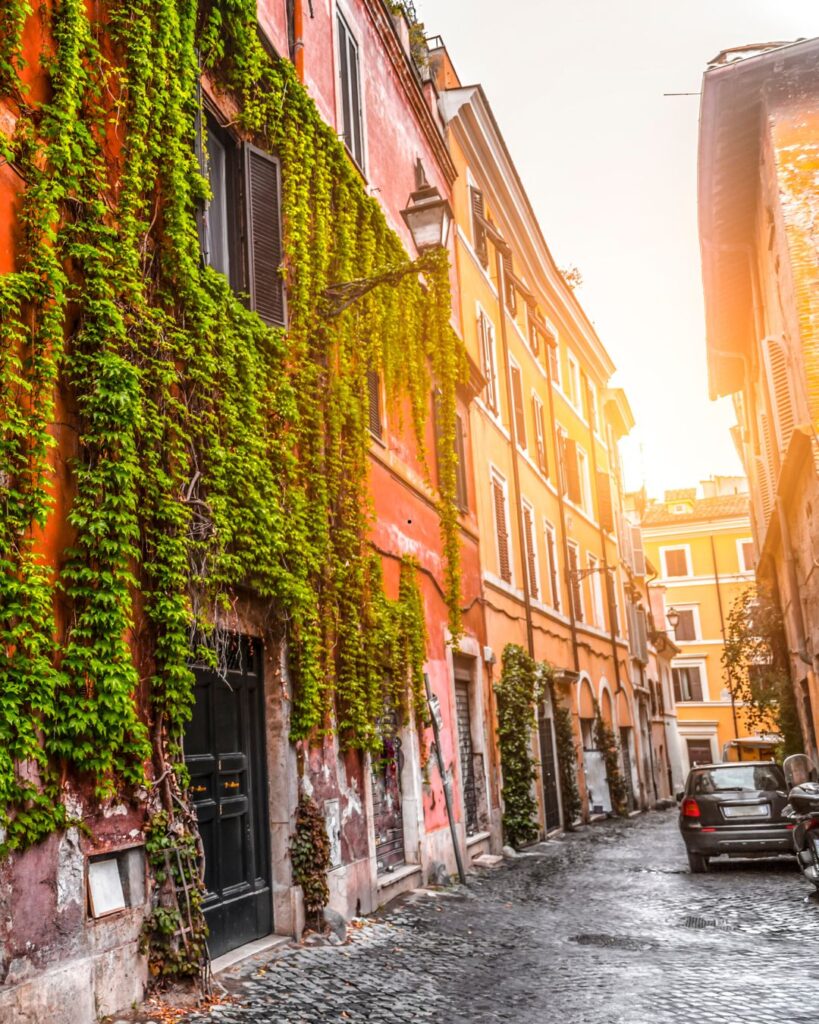
Your neighborhood sets the tone for your entire stay. In Rome, don’t just default to Termini Station—it’s convenient but gritty. Instead, look at Trastevere for bohemian charm, Monti for trendy locals, or Prati for elegant, quiet streets near the Vatican. In Florence, skip the tourist-clogged area around the Duomo and book in Oltrarno (across the river) for artisan workshops and sunset views. In Venice, avoid Mestre (the mainland) at all costs—stay in Cannaregio or Dorsoduro for authentic canal-side magic.
Pro tip: Use Google Street View to “walk” the block before booking. Is there a grocery store? A café with locals? That’s your gold standard. A great hotel in a mediocre area can ruin your evenings; a modest hotel in a stellar area makes every walk to dinner an adventure.
I have written a separate article on the best hotels in the major Italian cities. Read it here
2. Book Attractions in Advance (Weeks, Not Days)
The Colosseum, the Uffizi, the Last Supper, St. Peter’s Dome climb, the Borghese Gallery—these are not “walk-up” experiences. If you arrive without a reservation, you will spend 2–4 hours in line under the sun, and you may still not get in. Official websites open tickets 30–90 days out, and they sell out fast, especially for peak seasons (April–October).
What to book:
- Colosseum & Roman Forum – book the “Full Experience” ticket to access the underground and arena floor.
- Uffizi & Accademia – book timed entry; add €4 for a reservation fee—it’s worth every cent.
- Vatican Museums – book the “Prime Experience” for early entry before the crowds.
- Dinner reservations – many top trattorias fill up a week in advance.
I always advise my readers to book tickets from the official website. To be sure you are doing exactly that, search for the specific attraction on Google Maps, and you will find the official website link. If you can’t find a ticket on the website or if you want to book a guided tour, this is the other place I recommend.
3. Never Eat Near Famous Landmarks
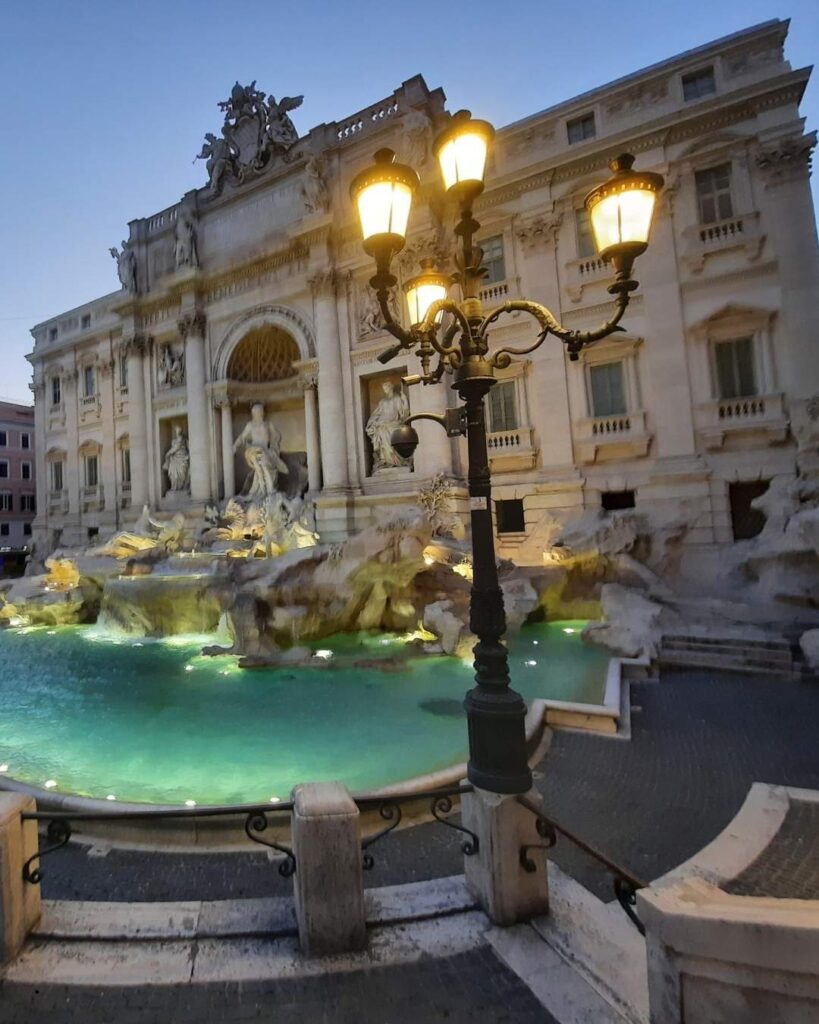
The restaurant three steps from the Trevi Fountain? It’s a tourist trap with frozen food, high prices, and waiters who rush you out. The rule is simple: walk at least three blocks away from any major sight. Turn down a side street, look for a place with handwritten menus, non-English chalkboard signs, and tables filled with Italians eating slowly.
How to spot a good one:
- Menu is in Italian with English underneath (not just English-only).
- No one outside waving a menu at you.
- They serve cacio e pepe or carbonara with eggs, not cream.
- Cover charge (coperto) is €1.5–€3, not €5+.
Our best meals in Italy have been in places we found by accident—a tiny osteria in Bologna where the owner brought out complimentary passatelli; a family-run seafood joint in Cinque Terre where the nonna was shucking clams at the next table. Get lost, then eat.
4. Validate Your Public Transport Tickets (Every Single Time)
This is the #1 rookie mistake that costs tourists €50–€100 in fines. In Italy, train and bus tickets are not valid until you stamp them in the little yellow (or white) validation machines on the platform or inside the bus. A valid ticket without a timestamp is considered a “non-ticket.” Inspectors have no mercy—they hear “I didn’t know” a hundred times a day.
Rules to live by:
- For regional trains: stamp before boarding (not on the train).
- For buses: stamp as soon as you step on (there’s a machine near the driver or middle doors).
- For metro: validation is done at the turnstile (you’re safe there).
- Always keep your validated ticket until you exit the station.
I’ve seen inspectors board a packed bus in Naples and fine 15 tourists in five minutes. Save yourself the stress—make validation your ritual.
5. Bring Comfortable Shoes (And Break Them In Before You Go)

Italy is a walking country. You’ll average 8–12 miles a day—cobblestones, steep hills (hello, Positano), uneven ancient pavements, and endless museum marble floors. Stylish leather boots or fashion sneakers are fine, but only if they’re already molded to your feet. Blisters will end your day early and turn the Vatican Museums into a torture chamber.
My wife packed a pair of “cute” new sandals once. By day two, we were scouring a Roman pharmacy for blister plasters. Don’t let fashion ruin your feet.
I have written a separate post recommending the best shoes to wear in Italy. Read it here.
6. Pack Light (One Carry-On + One Small Backpack Per Person)
Italy has narrow staircases, tiny elevators, and train luggage racks that fill up fast. Dragging a 50-pound suitcase over Sicilian cobblestones is a memory you don’t want. Pack for 7–10 days max and plan to do laundry once (most cities have affordable wash-and-fold services—€15 for a bag).
The capsule formula:
- 3 tops, 3 bottoms (mix and match).
- 2 pairs of shoes (one dressy, one walking).
- 1 light jacket or scarf (churches require covered shoulders).
- 5 pairs of underwear/socks (wash in the sink).
- Essential toiletries only (buy sunscreen and shampoo locally).
Also, leave the heavy guidebooks at home—use your phone. A lighter bag means you can walk straight from the train to your hotel without negotiating a taxi, and you’ll thank yourself when you’re climbing the 463 steps to Brunelleschi’s Dome.
Check out my Italy packing guide in this post.
7. Go with an Open Mind (Italy Is Not a Theme Park)
Italy is a living, breathing country—not a postcard. Trains will be late. Shops close for 3-hour lunch breaks (riposo). The waiter might seem abrupt. The WiFi will drop. These are not failures; they are features. Embrace the chaos. Instead of getting frustrated, order another espresso and watch the world go by.
Shift your mindset:
- That long line at the gelato shop? It’s a sign—wait in it.
- The museum closed early? Find a hidden church instead.
- It’s raining? Head to a covered market or a wine bar.
The best moments in Italy are unscripted: the old man feeding pigeons in Piazza del Popolo, the impromptu street musician playing Nessun Dorma, the neighbor leaning out her window to chat with the fruit vendor. You can’t schedule those. Leave room for magic.
8. Learn a Few Italian Phrases (And Use Them)
You don’t need fluency, but 10–15 phrases will change everything. Italians are warm and proud of their language—even a clumsy attempt shows respect and opens doors. Servers will smile, shopkeepers will warm up, and locals will help you with directions more eagerly.
Your essential toolkit:
- Buongiorno – Good morning/afternoon (until sunset).
- Buonasera – Good evening.
- Grazie / Grazie mille – Thank you / Thanks a lot.
- Per favore – Please.
- Mi scusi – Excuse me (formal).
- Quanto costa? – How much?
- Il conto, per favore – The check, please.
- Dov’è il bagno? – Where is the bathroom?
- Un caffè, per favore – An espresso, please.
- Parla inglese? – Do you speak English? (always ask before assuming)
Pro tip: When you order a coffee, say “Un caffè” for espresso. If you want a larger coffee, ask for “Caffè americano”—but know that Italians rarely drink that after 11 AM.
9. Learn a Little History (Before You Enter Any Museum or Sight)
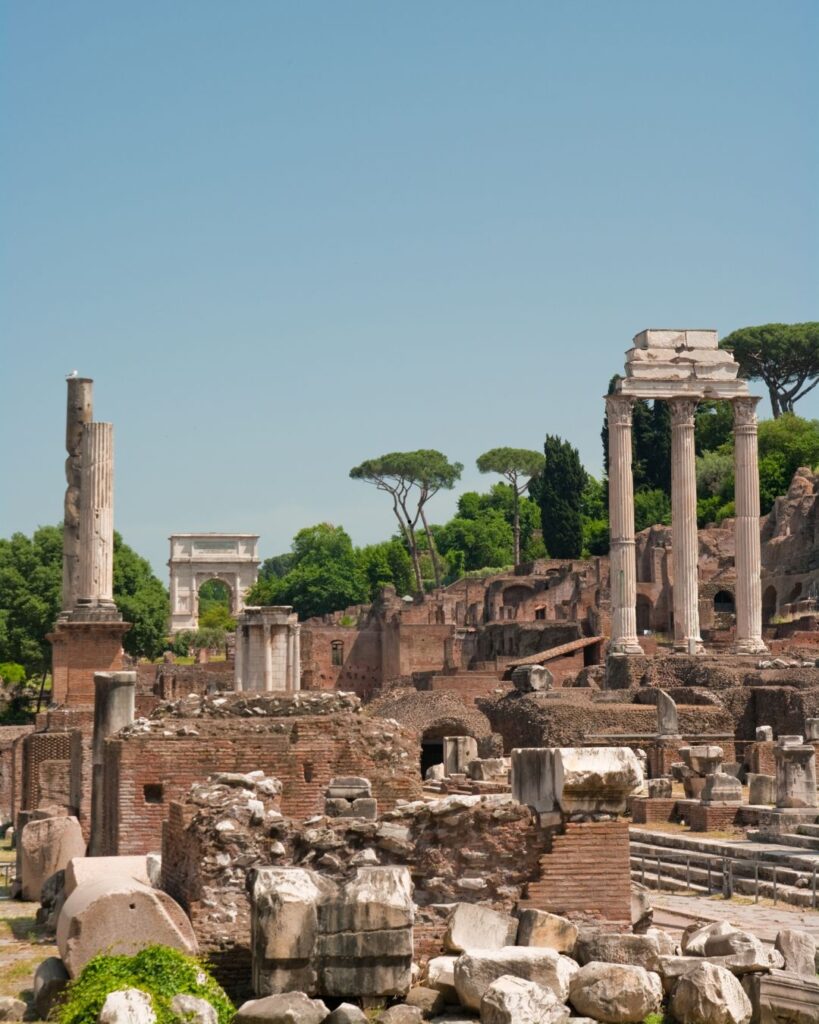
Walking into the Uffizi without context is like reading the last chapter of a book first. You’ll see beautiful paintings but miss the drama, the politics, the scandals behind them. Spend 20 minutes per major sight reading a summary or watching a 10-minute YouTube documentary.
Quick primers:
- Rome: Understand the Republic vs. Empire, and the fall of the West—then the Colosseum becomes a story of engineering and spectacle, not just ruins.
- Florence: Know the Medici family—they were the godfathers of the Renaissance. Every painting was a power move.
- Venice: Learn about the Republic of Venice’s maritime empire—why St. Mark’s Basilica has Byzantine domes and stolen horses.
- Vatican: Understand the Counter-Reformation—then Michelangelo’s Last Judgment makes sense as propaganda, not just art.
Download the free Rick Steves audio guides or use the official museum apps. They turn a “look-see” into a “holy-cow” experience.
10. Don’t Try to See Every Part of Italy (Less Is More)
I get it—you want to see Rome, Florence, Venice, Cinque Terre, Tuscany, Amalfi, and Sicily in 10 days. That’s a disaster. You’ll spend more time in transit than in wonder, and you’ll leave every place feeling cheated. Italy rewards slowness.
Our golden rule: Choose 3–4 bases for a 14-day trip. Stay at least 3 nights per city.
Sample itineraries:
- North: Venice (3) → Florence (4) → Cinque Terre (2) → Rome (5).
- South: Rome (4) → Naples/Pompeii (2) → Amalfi Coast (4) → Matera (2).
- Deep dive: Tuscany countryside (5) → Florence (4) → Bologna (3) → Verona (2).
By staying longer, you get a rhythm—a favorite café, a morning jog route, a friendly baker. That’s when Italy reveals itself.
11. Leave Room for Spontaneity (Don’t Over-Schedule)
Here’s a dangerous phrase: “We have to see everything.” No, you don’t. For every pre-booked museum, leave an empty afternoon. For every planned dinner, leave one night to wander and choose on a whim.
Why this works:
- You might stumble upon a local festival (sagra) with roasted chestnuts or fresh porcini.
- You might meet another traveler who tells you about a hidden viewpoint.
- You might feel tired—and that’s okay. Sit in a piazza with a glass of wine and do nothing. That is not wasted time; that is Italy.
On our last trip, we had a free day in Florence. Instead of rushing to Pisa, we took a bus up to Fiesole—a hilltop town with Etruscan ruins and a view of the Duomo from above. It was our favorite afternoon. No reservation, no guidebook—just curiosity.
12. Wake Up Early to Enjoy Attractions Before the Crowds
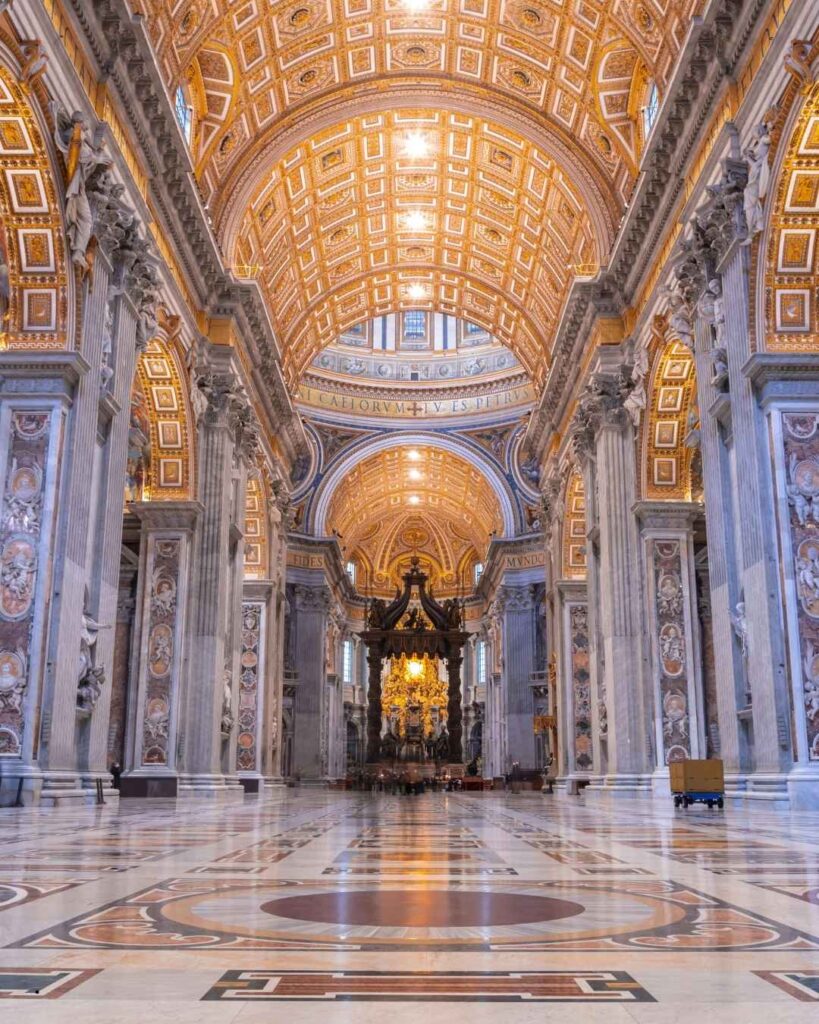
The secret weapon of the smart traveler is the alarm clock. Between 7:00 and 9:00 AM, Italy is yours. The Spanish Steps are empty. St. Mark’s Square has only pigeons and sunlight. The Ponte Vecchio is photogenic without the selfie sticks.
Morning game plan:
- Rome: Arrive at the Vatican Museums at 7:30 AM (book the early-entry tour)—you’ll have the Sistine Chapel almost to yourself.
- Florence: Queue at the Duomo for the dome climb at 8:00 AM—beat the heat and the crowds.
- Venice: Take a vaporetto down the Grand Canal at 7:15 AM—the light is magical and the water taxis are still.
- Cinque Terre: Start your hike at 8:00 AM before the day-trippers flood the trails.
After your morning sight, enjoy a relaxed lunch, then use the afternoons for siesta, shopping, or less-crowded activities like parks or cooking classes.
13. Attend a Cooking Class (It’s Not Just for Foodies)
This is the single best investment in your Italy trip—not for the meal (though it’s delicious), but for the cultural immersion. A 4-hour class in Florence, Bologna, or Rome teaches you more than pasta-making; you learn why Italians obsess over ingredients, why they argue about ragù recipes, and why every region has its own pasta shape.
What to look for:
- Small groups (max 8–10 people).
- A market visit first—you’ll learn to pick produce and spot fresh fish.
- Hands-on: you roll the dough, you cut the tagliatelle, you taste the olive oil.
- Ends with a communal meal with wine and stories from the host.
My wife still makes our cacio e pepe using the technique we learned from a Roman nonna named Livia. That class cost €75 and gave us a lifetime of Sunday dinners. Do it.
Check out some of the best cooking classes in this guide.
14. Consider Guided Tours (But Choose Wisely)
I know—guided tours sound touristy. But the right guide transforms a pile of stones into a vivid story. For major sights, a 2–3 hour small-group tour (max 12 people) with an art historian or archaeologist is worth every euro.
Where guided tours shine:
- Pompeii/Herculaneum: Without a guide, it’s just ruins. With one, you see brothels, bakeries, and the plaster casts of fleeing families—it’s heartbreaking and humanizing.
- The Vatican: A guide navigates the crowds, points out details you’d miss, and gets you into the Sistine Chapel without losing your group.
- Colosseum Underground: Only accessible via guided tour—and it’s the most awe-inspiring part.
- Food tours in Bologna or Naples: Eat your way through markets with a local who knows every stall.
These here are some of the best guided tours in Italy. Private tours are expensive but offer more than you can get from a big group.
In Conclusion
The best trip to Italy isn’t the one where you checked off 50 sights—it’s the one where you felt la dolce vita. Where you lingered over a second espresso. Where you got lost and found a bakery that made the best sfogliatella of your life. Where you sat on a stone bench in a Tuscan hilltown and watched the sunset turn the valley gold.
Follow these 14 rules, but break a few if your heart tells you to. Talk to strangers. Accept the free pour of limoncello. Laugh at your own mistakes. And when you come home, you won’t just bring back photos—you’ll bring back a piece of Italy that lives in you.
NOTE BEFORE YOU GO: Italy rewards travelers who go prepared. And it is easy to ruin your trip. I have a checklist for you of things you should never go to Italy without. CHECK IT OUT HERE. I have also curated a list of some of the best hotels in Italy. I would highly recommend checking them out before booking. THESE ARE THE BEST HOTELS IN ITALY. And for unique experiences, attractions, and tours, don’t book before CHECKING THIS OUT. Thank me later!