
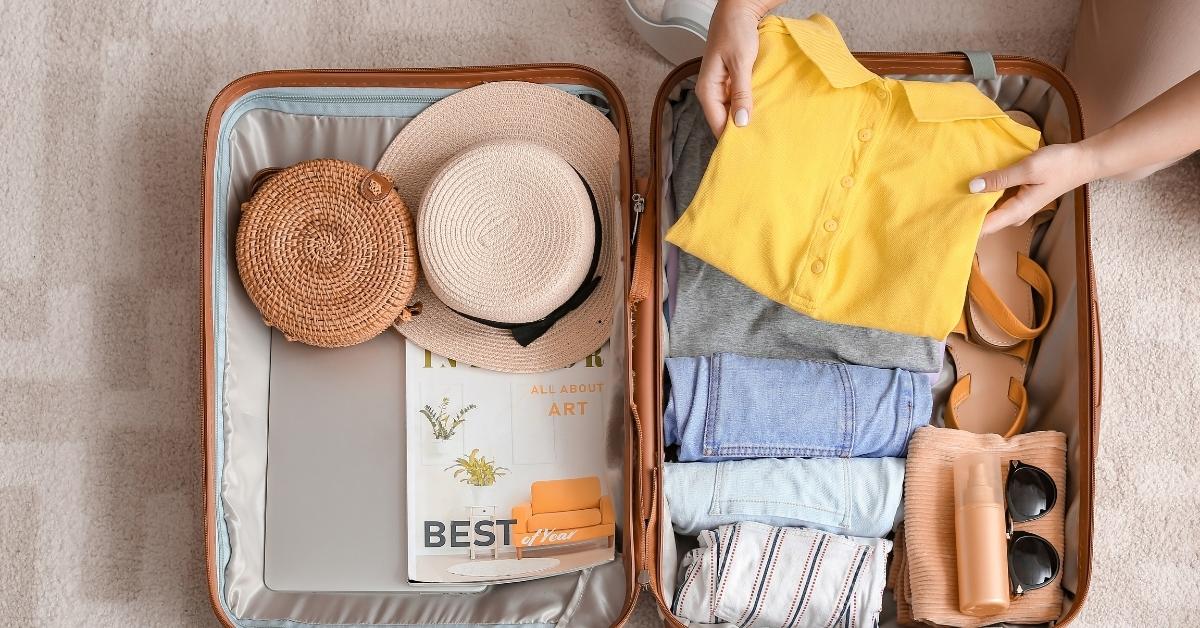
There is a moment, usually around the second day of any Italian holiday, when you realise you have made a terrible mistake. You are standing in a piazza in Florence, the sun is beating down, and your feet are screaming in protest because you thought those new leather loafers would “break in” naturally.
Meanwhile, a woman glides past you in a cream linen dress and white sneakers, looking as though she has just stepped out of a magazine. You are clutching a bottle of water, sweating through your t-shirt, wondering why you brought three pairs of jeans for a country that experiences Mediterranean summers. We have all been there.
Packing for Italy is not about bringing everything you own. It is about bringing the right things, and more importantly, leaving the wrong things behind. The secret begins not with your suitcase, but with your mindset.
Italians have a concept called “la bella figura,” which translates roughly to making a good impression, but it runs much deeper than that. It is about presenting yourself with care and respect, not because you are trying to impress anyone, but because it is simply how things are done.
When you dress well in Italy, you are participating in a cultural ritual that has been unfolding for centuries. You are telling the barista, the shopkeeper, and the stranger on the vaporetto that you value yourself and, by extension, you value them. This does not mean you need to pack designer clothes or wear heels on cobblestones.
It means you should choose your clothes with intention, favouring quality over quantity, fit over fashion, and comfort over everything else. Nothing ruins la bella figura faster than a tourist hobbling along in blisters.
Before reading further, these are a few items I always recommend you pack when visiting Italy.
The Golden Rule: Leave Space in Your Suitcase
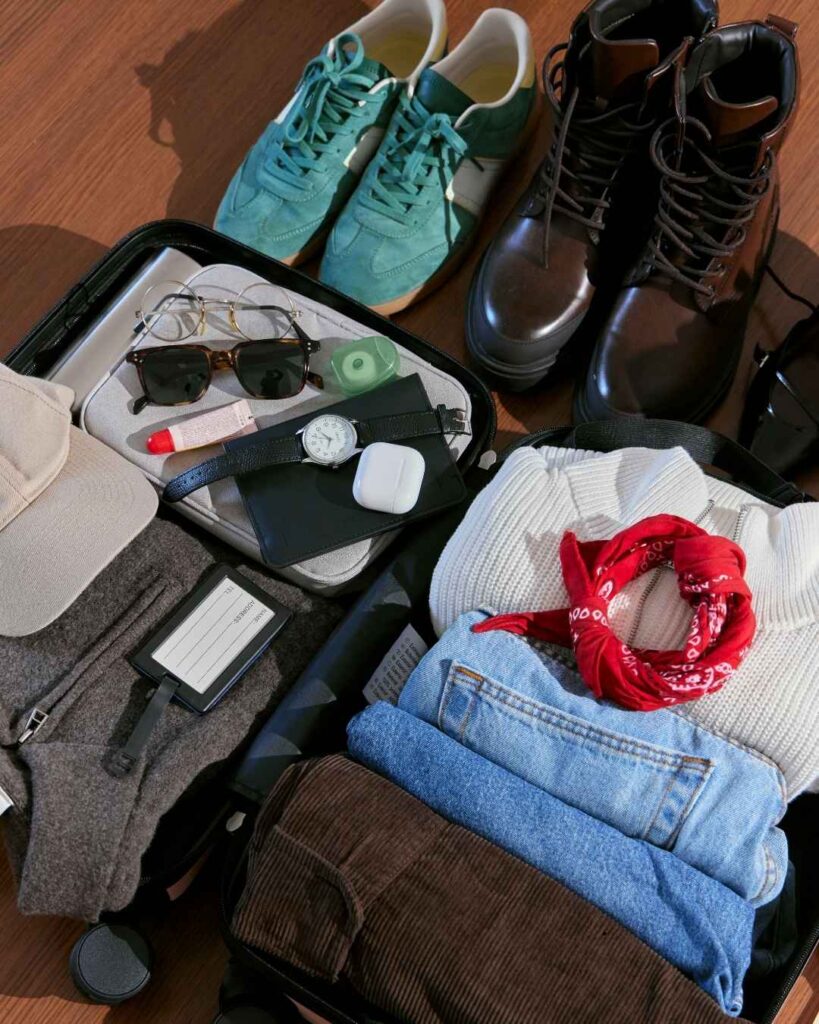
Before we dive into specifics, let us talk about the single most important rule of Italian packing. You are going to shop. Italy is a country where you can find a perfect leather bag in a Florence workshop, a cashmere scarf in a Milan boutique, or a pair of handmade sandals in a small Sicilian village. If your suitcase is already bursting at the seams, you will have to make agonising choices about what to leave behind. Nobody wants to be the person who abandons a new jacket at the hotel because they overpacked on t-shirts.
Leave space. Leave at least a quarter of your suitcase empty. You will thank yourself later when you are walking out of a Roman atelier with a bag that will last you a lifetime.
And speaking of suitcases, should you actually bring a suitcase to Italy? And if so, what type? I have written a separate article on that topic. Read it here.
The Capsule Wardrobe Philosophy
The philosophy of the capsule wardrobe is your greatest ally here. Choose a colour palette that works together seamlessly. Neutral tones are your safest bet, with perhaps one accent colour that makes you feel alive. Every piece you pack should be able to mix and match with at least three other pieces. A simple white linen shirt, for example, can be worn with tailored trousers for a museum visit, tucked into a midi skirt for dinner, or thrown over a swimsuit for a seaside lunch.
When everything works together, you need fewer items to create more outfits. You also spend less time each morning staring blankly at your suitcase wondering what to wear. The goal is versatility, not volume.
What Not to Wear in Italy
Now let us address the elephant in the room, which is the Italian fashion code and what you absolutely should not wear. Leave your gym clothes in the gym. Sweatpants, leggings worn as trousers, and worn-out athletic trainers are for the hotel fitness centre or the jogging path, not for the streets of Rome. Italians reserve activewear for actual activity, and wearing it casually marks you immediately as a tourist who did not do their homework.
The same goes for fanny packs. I understand the appeal, they are practical, secure, and keep your hands free. But they are also the single most identifiable tourist accessory in existence. Opt instead for a cross-body bag in leather or canvas, which is both stylish and just as secure against pickpockets.
The Smart-Casual Rule
The golden rule of Italian dressing is smart-casual, and it applies everywhere. A nice pair of well-fitted jeans, a crisp button-up shirt, a simple dress with a cardigan, these are the building blocks of an Italian wardrobe. Even in casual settings, Italians tend to elevate their look with accessories. A silk scarf here, a pair of quality sunglasses there, a leather belt that actually fits. These small touches transform a basic outfit into something intentional and polished.
Leave the high heels at home. Italian streets, particularly in historic centres, are paved with cobblestones that will turn your elegant stilettos into instruments of torture within ten minutes. Flat shoes are not just acceptable, they are expected. Stylish trainers, leather loafers, and comfortable sandals are the footwear of choice for Italians navigating their ancient cities.
Church Dress Code
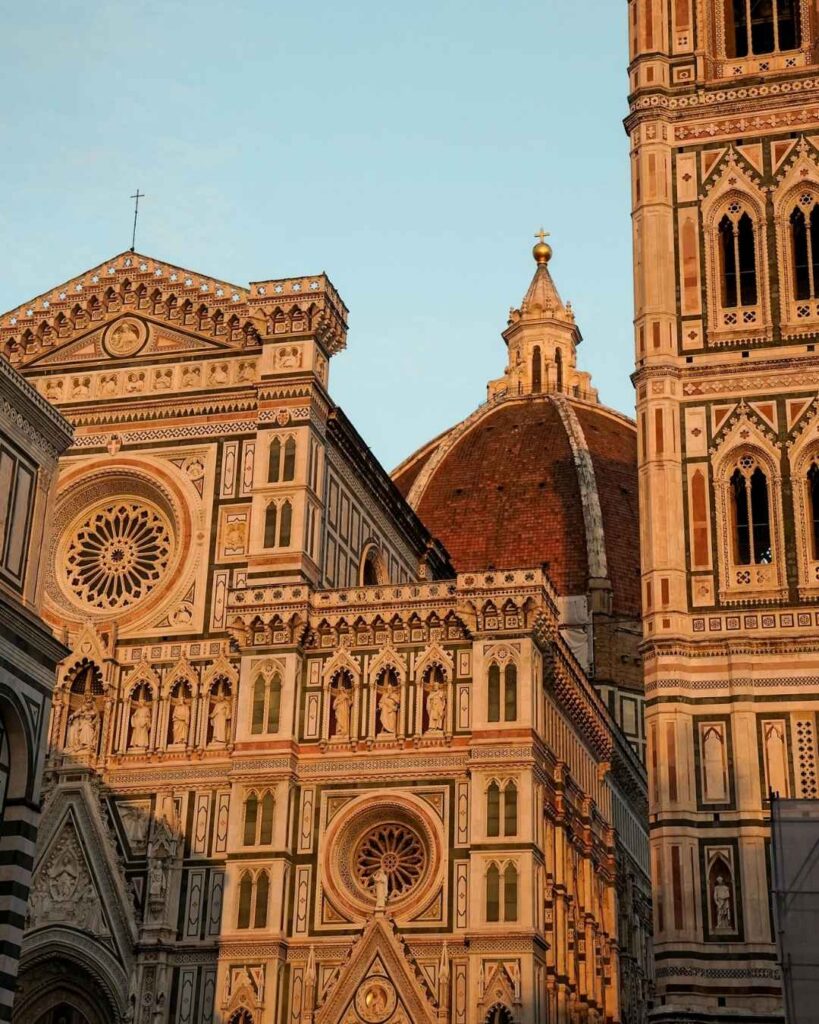
The only exception to the smart-casual rule is the beach, where anything goes, and churches, where very specific rules apply. Many of Italy’s most magnificent sights are houses of worship, and they enforce dress codes with varying degrees of strictness. You will need to cover your shoulders and knees in most cathedrals. While some will provide paper shawls or wraps at the entrance, it is far better to carry your own.
A lightweight scarf or pashmina is perfect for this, draping elegantly over your shoulders when needed and adding a pop of colour to your outfit the rest of the time. This is one accessory that earns its place in every season.
Packing for Spring in Italy
Spring is a time of renewal and unpredictability. Mornings dawn crisp and cool, afternoons warm up beautifully, and sudden rain showers are common, particularly in the north. Your spring wardrobe should be built around layers. A trench coat or lightweight waterproof jacket is essential, protecting you from both drizzle and the chill that lingers in the air.
Pack a mix of short and long-sleeved shirts so you can adapt to the day’s changing temperatures. A light scarf is not just an accessory but a practical tool for adding warmth when the sun dips behind a cloud. Waterproof shoes or boots will keep your feet dry during those April showers, and a compact umbrella tucked into your day bag will save you from buying a flimsy, overpriced one from a street vendor.
Packing for Summer in Italy
Summer in Italy is magnificent and merciless. Temperatures regularly soar past thirty-five degrees, and the humidity can be oppressive in cities like Rome and Florence. Your packing strategy must prioritise breathability above all else. Cotton and linen are your new best friends, they allow air to circulate and wick moisture away from your skin, keeping you cooler than any synthetic fabric ever could.
Choose light colours that reflect the sun’s rays rather than absorbing them. A wide-brimmed hat is not just a fashion statement but a practical shield against sunstroke. High-SPF sunscreen and polarised sunglasses are non-negotiable. Even if you are not heading to the coast, pack a swimsuit because you never know when you might stumble upon a hotel pool or a secluded beach.
A light cardigan or shawl remains essential even in summer. Those magnificent churches are often freezing inside, and the contrast between the blazing outdoors and the cool interior can be quite shocking to the system. You will be grateful for that extra layer when you step inside Saint Peter’s Basilica.
Packing for Autumn in Italy
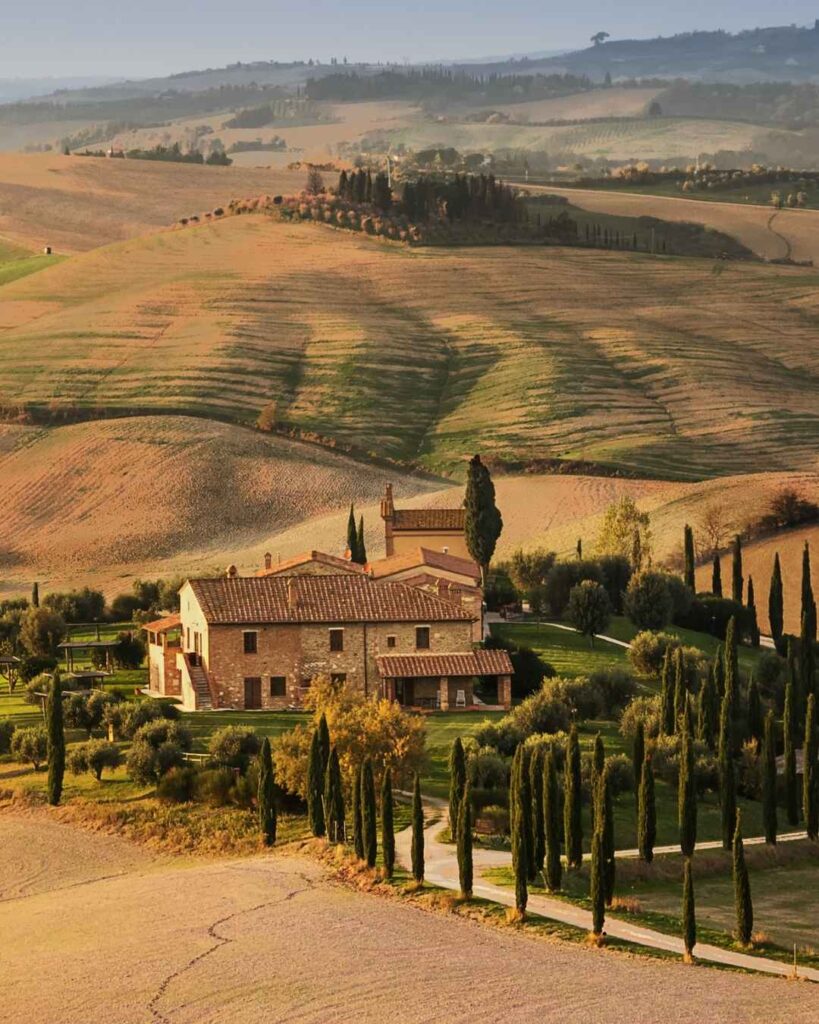
Autumn arrives with a gentle golden light and cooler temperatures that make it perhaps the most pleasant season for exploring. The air becomes crisp, the crowds thin out, and the vineyards of Tuscany burst into fiery colours. Your packing list should reflect this transitional weather with a focus on versatility. Long-sleeve shirts, light sweaters, and a medium-weight jacket that can be easily added or removed will serve you well.
A scarf becomes more important now, both for warmth and for completing your outfit. A down or fleece vest is surprisingly popular in Italy during autumn, offering core warmth without the bulk of a heavy coat, and it layers beautifully under a jacket. Comfortable boots or closed-toe shoes are preferable as the days grow cooler and the occasional rain shower returns.
Packing for Winter in Italy
Winter brings the most dramatic variation across the country. Northern Italy can be bitterly cold, with snow blanketing cities like Milan and Turin, while the south remains milder but still damp and chilly. A high-quality winter coat is the centrepiece of your wardrobe, choose something warm, waterproof, and stylish enough to wear to a nice restaurant. This is not an item to skimp on.
Thermal layers are a lifesaver, providing warmth without adding bulk and allowing you to adjust your temperature as you move from freezing streets into overheated museums. Warm accessories, including a hat, gloves, and a thick scarf, are essential for comfort. Insulated waterproof boots will keep your feet warm and dry in snowy or rainy conditions. Nothing ruins a day in Venice faster than cold, wet feet.
The Travel Essentials Checklist
Regardless of the season, certain items are absolutely essential for every trip to Italy. Your passport must be valid for at least six months beyond your travel dates. Carry both the original and a photocopy, keeping them in separate places. Travel insurance is not an indulgence but a necessity, providing peace of mind for medical emergencies, trip cancellations, and lost luggage.
A universal power adapter with USB ports will keep your devices charged. Italy uses plugs of type C, F, and L with 230V power, and you will need an adapter that handles this. A portable charger is worth its weight in gold on long days of exploration, as your phone battery will drain quickly when you are using maps, taking photos, and translating menus.
The Items Experienced Travellers Never Forget
A reusable water bottle is both practical and environmentally friendly. You can refill it for free at the many public fountains, or fontanelle, that dot Italian cities. The tap water in Italy is generally safe to drink, and these fountains provide a welcome respite on hot days. A small first aid kit should include pain relievers, digestive aids, blister plasters, and any prescription medications you need.
Choose a comfortable and secure day bag for sightseeing, something that keeps your valuables close to your body and deters pickpockets. A pocket scarf, that lightweight versatile piece, is an absolute must. There are also a few things that experienced travellers always pack but rarely remember to mention.
The Forgotten Essentials
A coin purse is surprisingly essential. While credit cards are accepted almost everywhere, small purchases like an espresso at a standing bar or a bus ticket are often cash only. You will accumulate a pocketful of one and two euro coins quickly, and having a designated place for them is far more convenient than fishing through the depths of your bag.
Travel-sized soap sheets and toilet paper might seem excessive. But public bathrooms in Italy can be unpredictable, and being self-sufficient is a small comfort that makes a big difference. Packing cubes are not just an organisational fad, they genuinely transform how you pack, compressing your clothes and keeping everything neatly separated so you can find what you need without unpacking your entire suitcase.
A packable reusable tote bag is another item you will be grateful for. You will go shopping. Whether it is for groceries at a local market, souvenirs from a street vendor, or a bottle of olive oil from a countryside farm, having a foldable bag means you can avoid paying for plastic bags and carry your purchases with ease. And if you are sensitive to dairy, for the love of gelato, bring lactose intolerance tablets. The fresh mozzarella, the creamy gelato, the rich tiramisu, these are culinary experiences you do not want to miss because of a sensitive stomach.
Destination-Specific Considerations
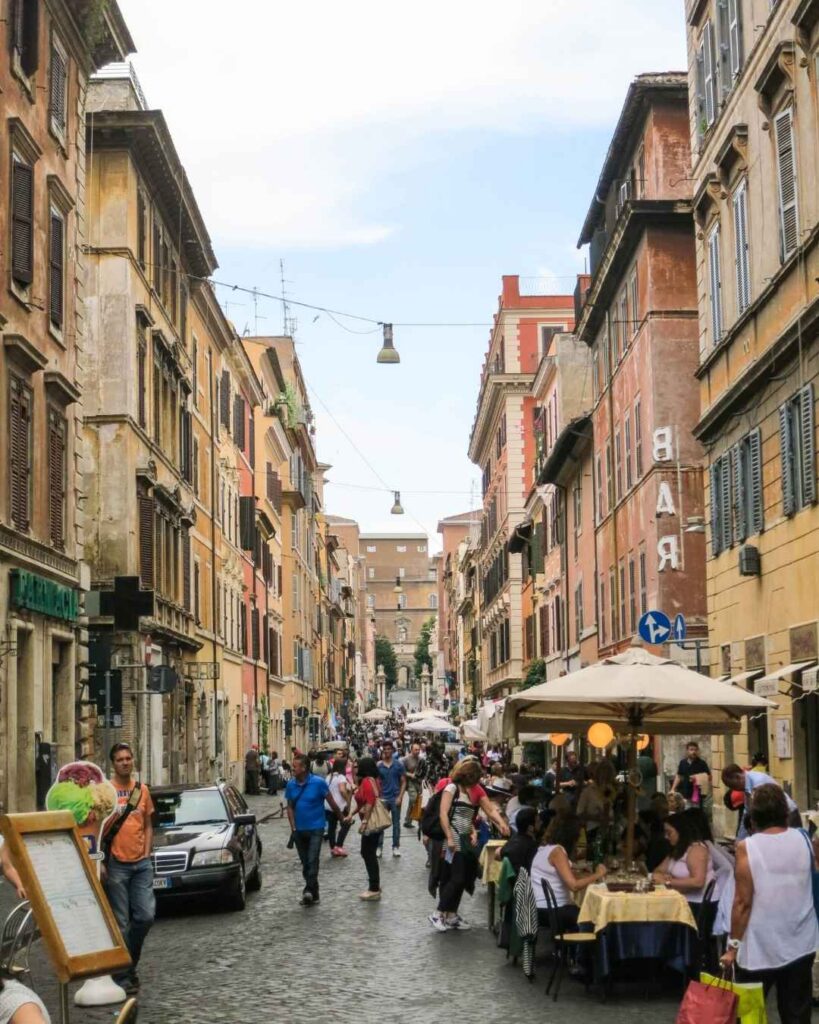
Your itinerary will also shape your packing choices. If you are spending your time in the cities, you will walk everywhere. I cannot overstate the importance of comfortable walking shoes, like these ones. A reliable pair of stylish sneakers or cushioned leather shoes is the most important item in your suitcase. Your day bag becomes your constant companion, carrying water, a guidebook, and that essential cover-up for churches.
If you are heading to the coast, a dry bag is a must for protecting your phone and passport from sea spray on boat trips. Breezy linen, maxi dresses, swimwear, and cover-ups are your wardrobe staples, and boat shoes are convenient for stepping on and off vessels. If the countryside of Tuscany or Umbria is your destination, you will want more rugged footwear for walking through vineyards and along gravel paths. Even in summer, evenings in the countryside can be surprisingly cool, so a light jacket is essential for al fresco dinners.
What to Leave at Home
There are certain things you should simply leave at home. Do not bring a hairdryer or curling iron. Italian voltage is two hundred and thirty volts, and most North American hair tools will fry without a bulky voltage converter that is more trouble than it is worth. Your hotel will likely have a hairdryer anyway.
Do not overpack special outfits. If you are only going to wear that glamorous dress once, it is taking up precious space that could be used for souvenirs. Pack versatile items that can be dressed up with accessories or dressed down for daytime exploration. Do not bring a heavy winter coat for spring. If the forecast is mild, layers and a trench coat will serve you far better and be much easier to pack.
What to Buy When You Arrive
Instead, buy certain things when you arrive. A beautiful Italian scarf is perhaps the perfect souvenir and a practical addition to your wardrobe. You can find them everywhere from high-end boutiques to street stalls. A new leather bag or belt, crafted by Italian hands, is both a memento and an upgrade to your travel look.
These purchases become part of your story, tangible reminders of your Italian adventure that you will use for years to come.
The Shoe Lesson
My wife once packed three pairs of shoes for a two-week trip to Italy, and she wore exactly one pair the entire time. The others sat in the hotel room, taking up space and mocking her optimism. She learned the hard way that in Italy, you do not change shoes for different occasions, you wear the shoes that work and you make them work.
That is the Italian way. The shoes you can walk in are the shoes you will wear, because you will be walking more than you ever imagined. The streets of Rome, the bridges of Florence, the alleys of Venice, they are all waiting for your feet, so treat them well.
Final Thought
As you zip up your suitcase, remember that the goal is not to look like a local, because you are not a local and that is perfectly fine. The goal is to look like a traveller who has done their homework, someone who respects the culture they are visiting and has made an effort to participate in it. Italians are wonderfully forgiving of tourists who try, even if they do not quite succeed. A genuine smile and a sincere “grazie” go a long way, and a reasonably put-together outfit shows that you care.
So pack light, pack smart, and leave room for the treasures you will find along the way. Your Italian adventure awaits, and with the right suitcase, you will be ready for everything it brings. From the cobblestones of Rome to the beaches of Sicily, from the art of Florence to the food of Bologna, from the fashion of Milan to the magic of Venice, la dolce vita is calling. Now you know exactly what to wear when you answer.
NOTE BEFORE YOU GO: Italy rewards travelers who go prepared. And it is easy to ruin your trip. I have a checklist for you of things you should never go to Italy without. CHECK IT OUT HERE. I have also curated a list of some of the best hotels in Italy. I would highly recommend checking them out before booking. THESE ARE THE BEST HOTELS IN ITALY. And for unique experiences, attractions, and tours, don’t book before CHECKING THIS OUT. Thank me later!