
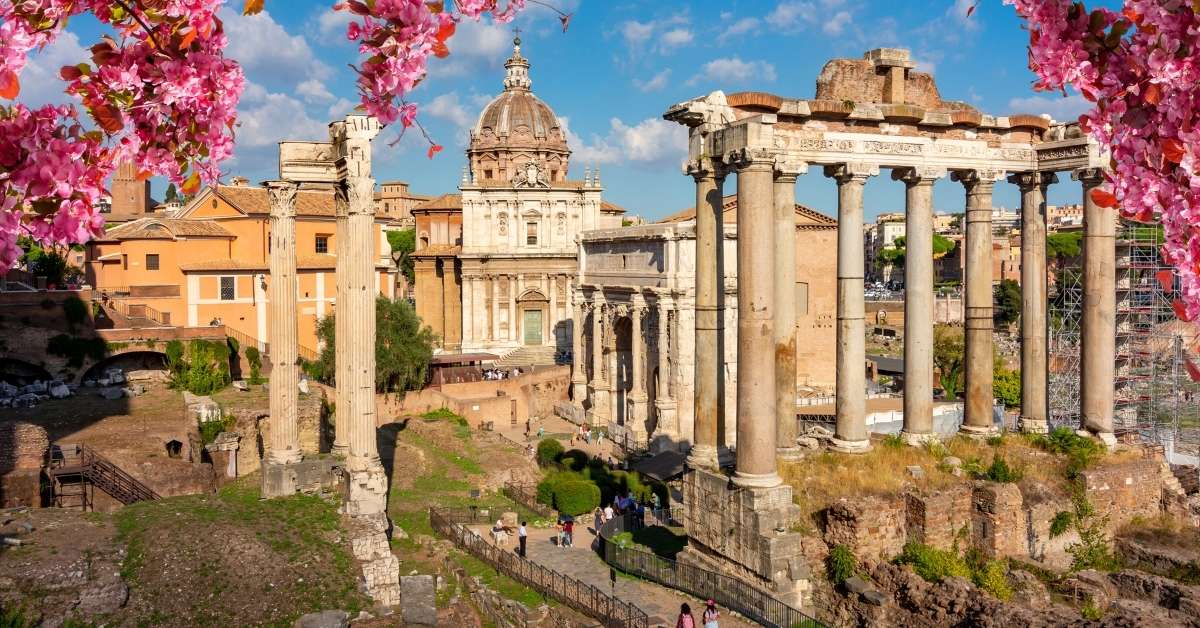
Rome is one of those cities that feels like it was designed specifically to separate travellers from their money. It is not malicious, exactly. It is simply that the city has been welcoming visitors for thousands of years, and over that time, it has perfected the art of extracting a few extra euros from the unwary. The glorious thing about Rome is that it is so rich, so layered, so overwhelmingly beautiful, that even if you stumble into every tourist trap on the list, you will probably still have a wonderful time. But you will have a much better time, and you will keep significantly more money in your pocket, if you know what to avoid.
I learned this through a series of expensive and often embarrassing mistakes. My first visit to Rome was a masterclass in falling for every classic tourist trick. I paid seven euros for a coffee near the Pantheon. I ate a meal so mediocre near the Trevi Fountain that I still remember it with a mixture of amusement and indignation. I bought a souvenir from a street vendor that broke before I even made it back to my hotel. Each of these experiences was a lesson, and I have gathered them all here so that you do not have to learn them the hard way.
This is not a guide to what you should do in Rome. There are thousands of those already, and they all tell you to see the Colosseum, throw a coin in the Trevi Fountain, and eat pasta until you cannot move. This is a guide to what you should not do. Consider it a survival manual for navigating the Eternal City without being parted from your hard-earned cash.
The Golden Rule Before We Begin
There is one overarching principle that will protect you from ninety percent of Rome’s tourist traps. If a restaurant has a person standing outside trying to persuade you to come in, do not eat there. If a menu has photographs of the food, do not eat there. If a server approaches you on the street with a laminated menu and a big smile, walk straight past. Good restaurants in Rome do not need to lure people off the pavement. They are full of locals who already know where to go.
With that firmly in mind, let us count down the traps you absolutely must avoid.
1. The Seven Euro Coffee at a Piazza Table
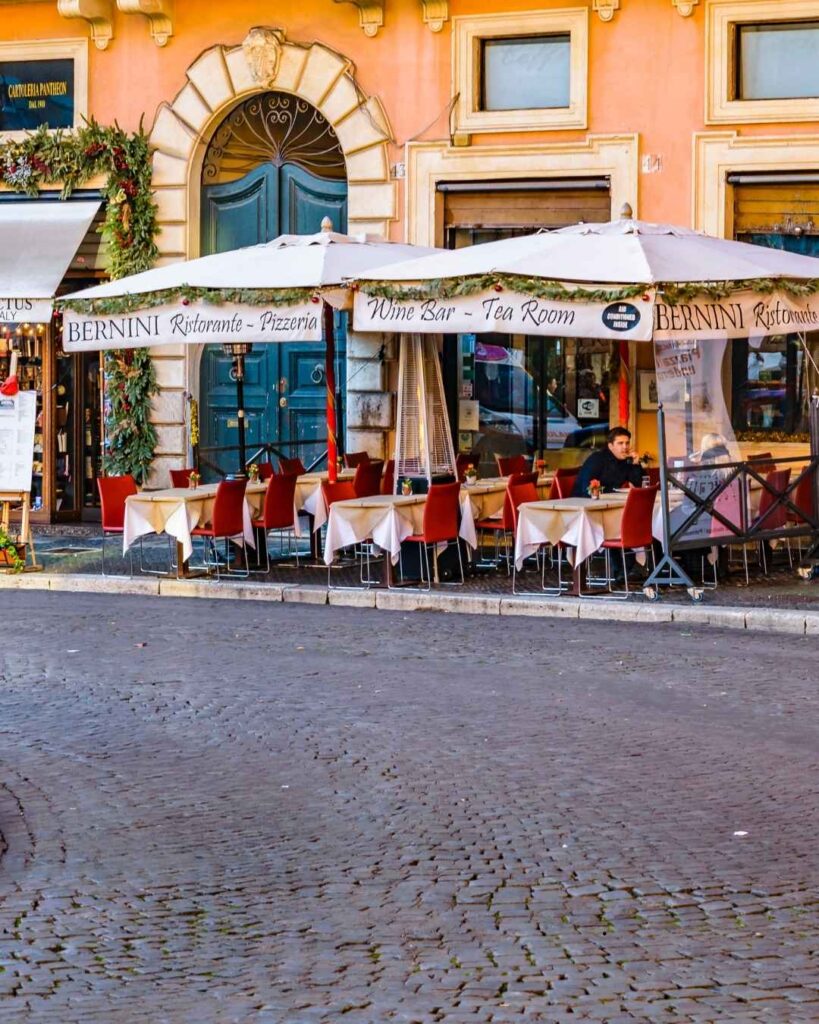
Sitting at an outdoor table in a beautiful piazza, sipping an espresso while watching the world go by, is one of those romantic Roman fantasies that everyone dreams about. And it is a perfectly achievable dream, as long as you understand the pricing structure.
The problem is that most tourists do not realise that there are two prices for coffee in Rome. There is the price you pay if you stand at the counter, and there is the price you pay if you sit at a table. The difference can be staggering. An espresso that costs one euro at the counter can easily cost six or seven euros at a table in a busy piazza. This is not a scam. It is simply how things work. You are paying for the seat, the view, and the service. But the view is not worth five extra euros.
My rule is simple. Stand at the counter like a Roman. Drink your espresso quickly, the way Italians do, and then move on. It is a more authentic experience, it costs a fraction of the price, and you can use the money you save to have an actual meal later. If you absolutely must have the table experience, do it once, accept the cost, and consider it a souvenir.
2. The Overpriced, Mediocre Restaurant Near a Major Attraction
I know I mentioned this in the golden rule, but it deserves its own entry because it is the trap that catches more tourists than any other. The areas immediately surrounding the Colosseum, the Trevi Fountain, the Pantheon, and St. Peter’s are packed with restaurants that serve overpriced, reheated, deeply average food. They are banking on the fact that you are tired, hungry, and unwilling to walk five minutes away from the crowds.
And here is the thing. Those restaurants are almost never staffed by Romans. The kitchen is often run by chefs from other countries, cooking food that bears only a passing resemblance to actual Italian cuisine. The pasta is overcooked. The sauces come from jars. The pizza is frozen. And you will pay double what you should for the privilege.
The solution is laughably simple. Walk away from the main attraction. Any direction is fine. Just put five to ten minutes of walking distance between yourself and the crowds, and suddenly you will find restaurants filled with locals, handwritten menus, and prices that make sense. In Rome, the best food is almost always found in the backstreets, not the piazzas. Follow the sound of Italian being spoken, and you will eat well.
3. The Street Vendors Selling Knockoff Souvenirs
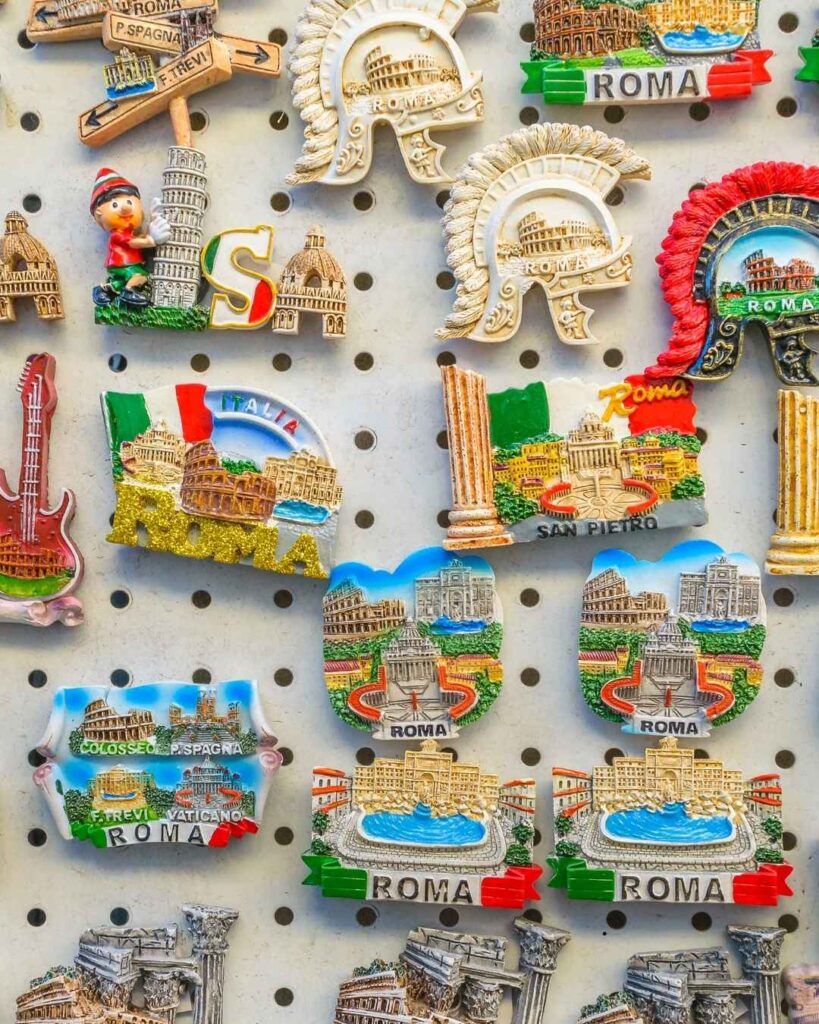
Every major tourist site in Rome is surrounded by street vendors selling what they claim are authentic souvenirs. The men with the selfie sticks. The women with the counterfeit handbags. The vendors with the trays of cheap jewellery and plastic Colosseum replicas. And yes, the guys with the glowing flying toys that kids love and parents regret buying ten minutes later.
Almost everything these vendors sell is cheap, mass-produced rubbish that will break or fall apart within hours. The handbags are fake. The jewellery is not silver. The Colosseum replica is made from the cheapest plastic imaginable. And the vendors know that you are a tourist who will likely never see them again, so they have absolutely no incentive to offer quality or value.
Beyond the quality issue, buying from these vendors is often technically illegal, and you can be fined for doing so. The vendors themselves operate in a legal grey area, and while the police generally tolerate them, they do occasionally crack down. You do not want to be the tourist who gets questioned by the authorities over a five-euro bag of cheap trinkets.
4. The Gladiator Photo Op
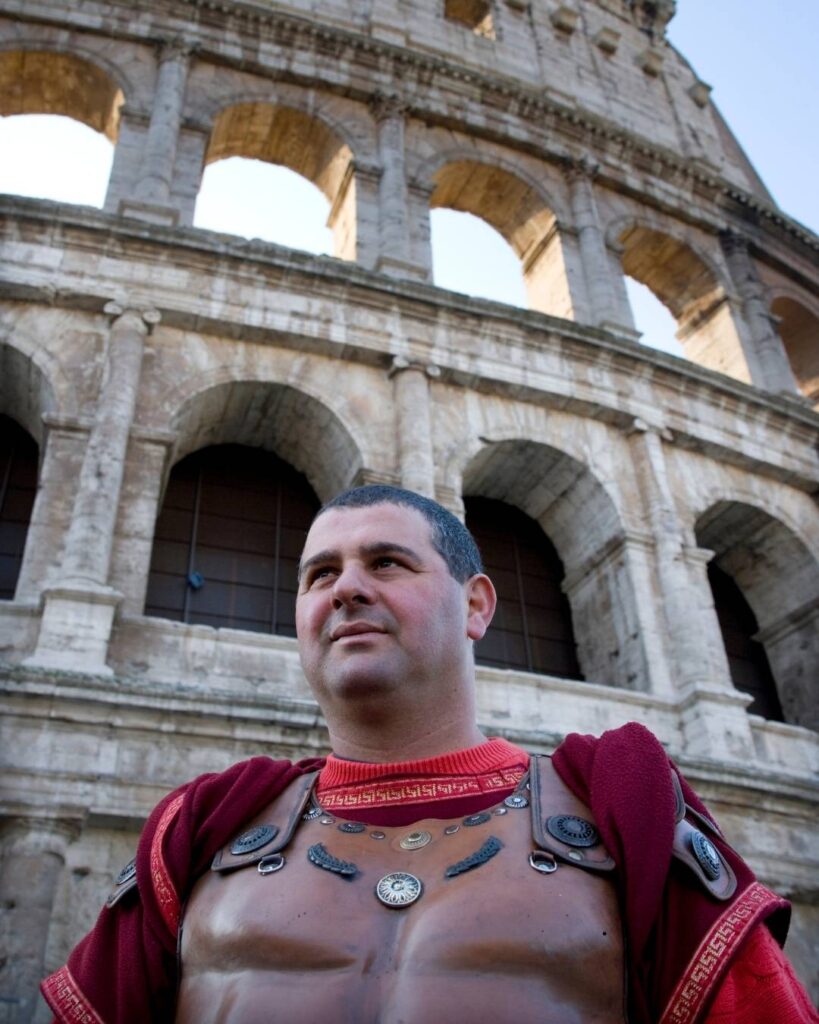
Just outside the Colosseum, you will find men dressed in what they claim are authentic Roman gladiator costumes, offering to take photographs with you for a fee. They look theatrical and fun, and it is tempting to get a picture with one of them. But here is the thing. The costumes are not remotely authentic. They are cheap polyester approximations of what a Hollywood costume designer thought a Roman soldier might have worn. And the cost is outrageous for what is essentially a thirty-second interaction.
If you want a genuine gladiator experience, visit the Gladiator Museum nearby or take a tour of the Colosseum that explains what the actual soldiers wore and how they lived. That will be far more memorable and educational than a photograph with a man in a plastic helmet. Your money is better spent on a good guide than on a cheesy photo.
5. The Rosetta Stone Restaurant Menu Trick
This one is insidious, and it catches even experienced travellers. You sit down at what seems like a nice restaurant. The menu is presented in multiple languages, which you assume is just a convenience for international visitors. You order what seems like a reasonably priced dish. And then the bill arrives, and somehow it is double what you expected.
Here is how it works. Some restaurants print two versions of their menu. The one they give to tourists has the prices conveniently omitted next to certain items, or the prices are listed in a way that makes them easy to miss. These are usually the dishes that include fresh fish, which is sold by weight and can be extraordinarily expensive. You order the fish, thinking it costs a certain amount, and the bill reflects the actual weight, which you were never told.
The solution is to ask, clearly and directly, about the price of everything you order. Ask if the fish is priced by weight and what the final cost will be. Ask if there is a cover charge, which is common in Rome and usually listed as pane e coperto on the bill. Ask if service is included. A reputable restaurant will answer these questions without hesitation. A dodgy one will be evasive, and that is your cue to leave.
6. The Free Walking Tour That Is Not Free
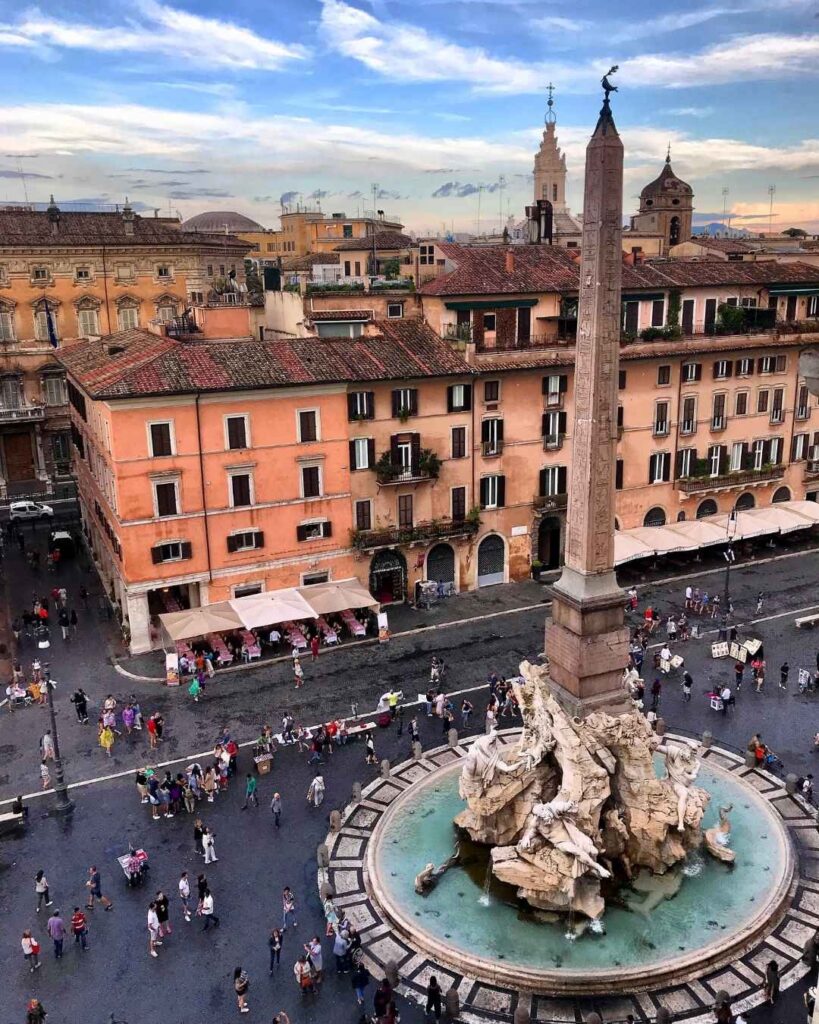
Free walking tours are everywhere in Rome. They promise to show you the highlights of the city at no cost, which sounds like an incredible deal. And to be fair, some of these tours are genuinely excellent and operate on an honest tipping model. But others are not what they seem.
The trap is this. The tour guide keeps the group moving fast, hitting the major sights without much real explanation, and then ends the tour at a partner business—a restaurant, a leather shop, or a jewellery store—where you are strongly encouraged to make a purchase. The guide gets a commission on whatever you buy. The tour was technically free, but you have wasted a morning on a superficial experience designed to funnel you toward a shop where you will likely overpay for something you did not need.
If you want a free walking tour, research the company beforehand. Look for reviews that mention the quality of the guiding and whether there is any sales pressure. And remember that even the best free tours expect a tip at the end, which is how the guides actually make their living. If you do not want to pay anything at all, you are better off buying a guidebook and exploring on your own.
7. The Trevi Fountain Coin Scam
Tossing a coin into the Trevi Fountain is a beloved tradition, and it is genuinely lovely. According to legend, if you throw a coin over your shoulder into the fountain, you are guaranteed to return to Rome. But the fountain is also a magnet for scammers and pickpockets.
The classic scam works like this. A friendly person approaches you near the fountain, offers to take your photograph, and then demands payment once they have the camera in their hands. Another version involves someone offering to help you toss your coin correctly, claiming you are doing it wrong, and then taking the coin for themselves. And of course, pickpockets love the Trevi Fountain because it is crowded and everyone is distracted.
My advice is simple. Enjoy the fountain. Toss your coin, which costs you nothing in the grand scheme of things. But keep your wallet and phone secure in your front pockets. Do not hand your camera to a stranger. And if someone approaches you with an unsolicited offer of help, politely decline and move away. The fountain is magical, but the area around it requires vigilance.
8. The Vatican Tour That Skips the Queue But Costs a Fortune
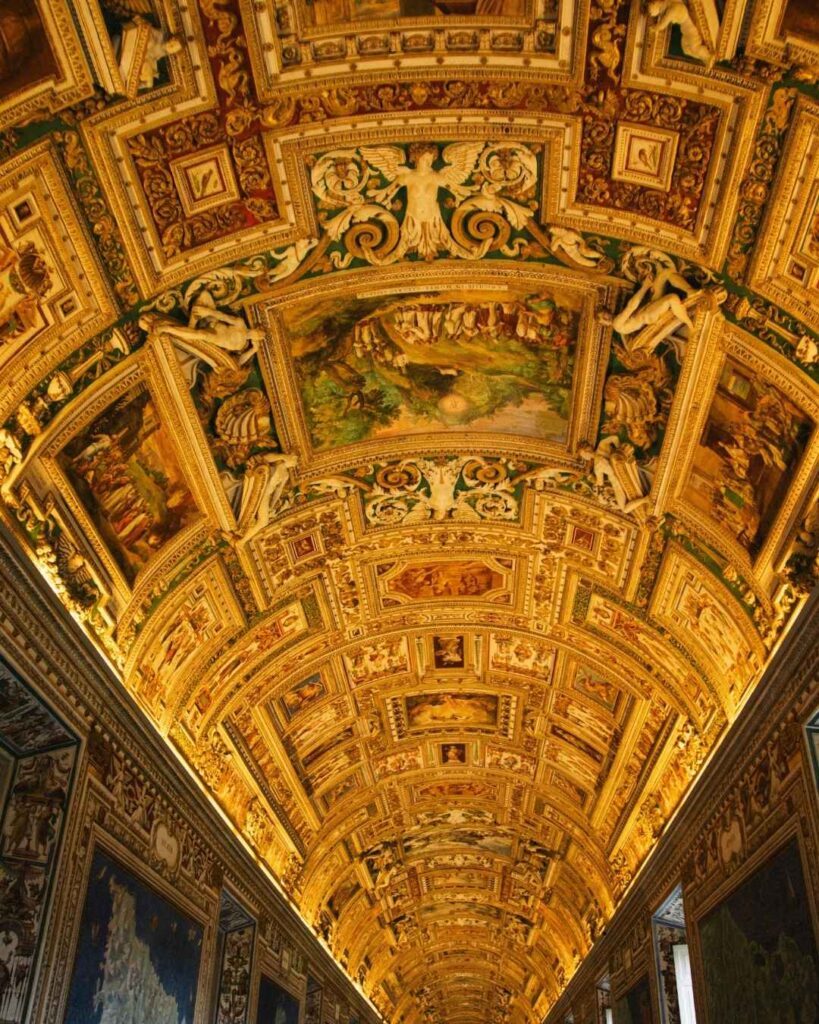
Every guidebook and blog will tell you to book a skip-the-line tour for the Vatican Museums and the Sistine Chapel. And they are absolutely right. The queues for the Vatican can stretch for hours in the summer heat, and skipping them is worth every euro. But here is the trap. Some tour operators charge vastly inflated prices for essentially the same experience you can get for much less.
The official Vatican website offers skip-the-line tickets at a reasonable price. You can also book a tour directly through the Vatican Museums themselves. Yet some private companies will sell you a tour that costs two or three times as much, claiming to offer exclusive access or a better experience, when in reality you are just buying a marked-up version of the standard ticket.
The solution is to book directly through the Vatican website whenever possible. If you want a private guide, compare prices across a few reputable companies and look for reviews that mention value for money. And remember that the Sistine Chapel, while incredible, is one of the most crowded places on earth. You will be shuffled through with thousands of other people, and no amount of money will change that.
9. The Taxi That Does Not Use the Meter
Taxis in Rome are supposed to use their meters. It is the law, and it protects both the driver and the passenger. But some drivers, particularly those who pick up tourists at the airport, train station, or major attractions, will try to negotiate a flat fee instead. The flat fee is almost always higher than what the meter would have charged.
This happens because the driver assumes you do not know the correct fare or the route. The airport to the city centre has a fixed rate of around fifty euros, which is actually reasonable and regulated. But a driver might try to charge you sixty or seventy, claiming the fixed rate does not apply to your destination.
The rule for taxis in Rome is simple. Insist on the meter. If the driver refuses, get out and find another taxi. There are plenty of them, and the legitimate ones are happy to use the meter. Also, make sure you have small bills or coins, because some drivers will claim not to have change for a fifty-euro note and then pocket the difference.
Related Post: These are the best areas to stay when visiting Rome
A Final Word on Staying Safe
Beyond the tourist traps, Rome also has its share of pickpockets and petty criminals. The areas around the Colosseum, the Trevi Fountain, and the Spanish Steps are particularly busy, and busy areas are where pickpockets thrive. Keep your valuables secure and your wits about you. Wear a crossbody bag with the zipper facing your body. Keep your wallet in your front pocket. Do not leave your phone sitting on a cafe table. These are simple precautions that take almost no effort and can save you a world of hassle.
And remember that the people who approach you on the street with a friendly smile and an offer of help are not always your friends. Rome is a safe city, but it attracts opportunists who prey on distracted tourists. A polite but firm no is usually enough to make them move on to an easier target.
NOTE BEFORE YOU GO: Italy rewards travelers who go prepared. And it is easy to ruin your trip. I have a checklist for you of things you should never go to Italy without. CHECK IT OUT HERE. I have also curated a list of some of the best hotels in Italy. I would highly recommend checking them out before booking. THESE ARE THE BEST HOTELS IN ITALY. And for unique experiences, attractions, and tours, don’t book before CHECKING THIS OUT. Thank me later!