
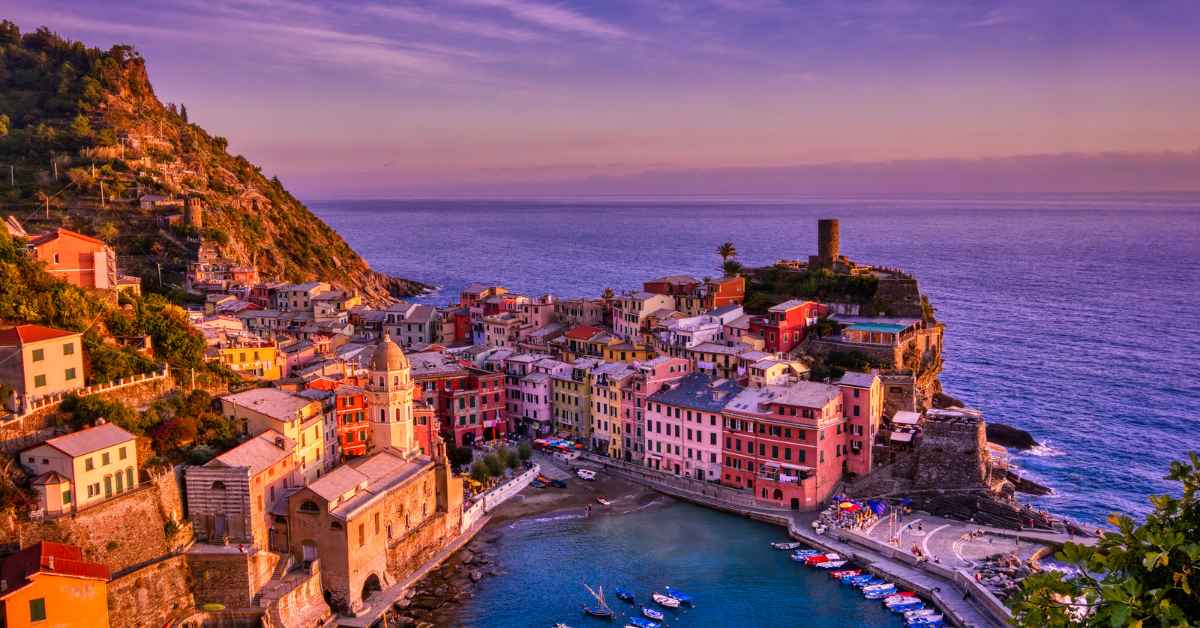
Italy has a way of making you fall in love with it. It might happen while you’re standing beneath the dome of the Pantheon, watching the evening light fall across Florence’s rooftops, or enjoying a plate of fresh pasta in a little restaurant you stumbled upon by accident.
But your first trip to Italy can also come with a few surprises.
You might underestimate the distances between attractions, spend more than you expected on meals, arrive at a famous museum only to discover that tickets are sold out, or try to squeeze too many destinations into a single week. You might even find yourself standing outside a restaurant at 6 pm wondering why the doors are still closed.
None of these things should spoil your holiday. In fact, some of the most enjoyable parts of travelling in Italy come from learning how the country works and adjusting to its rhythm.
There are a few things I wish someone had explained to me before my first visit. Not just the obvious advice about booking flights and packing comfortable shoes, but the little details that can make a real difference to your experience.
If you’re planning your first trip to Italy, here are 12 things worth knowing before you go.
Before you read further, remember that Italy rewards travelers who go prepared. I have prepared a checklist of things you must have when visiting Italy if you want to have an unforgettable trip. See the checklist here.
1. You Need More Time in Italy Than You Think
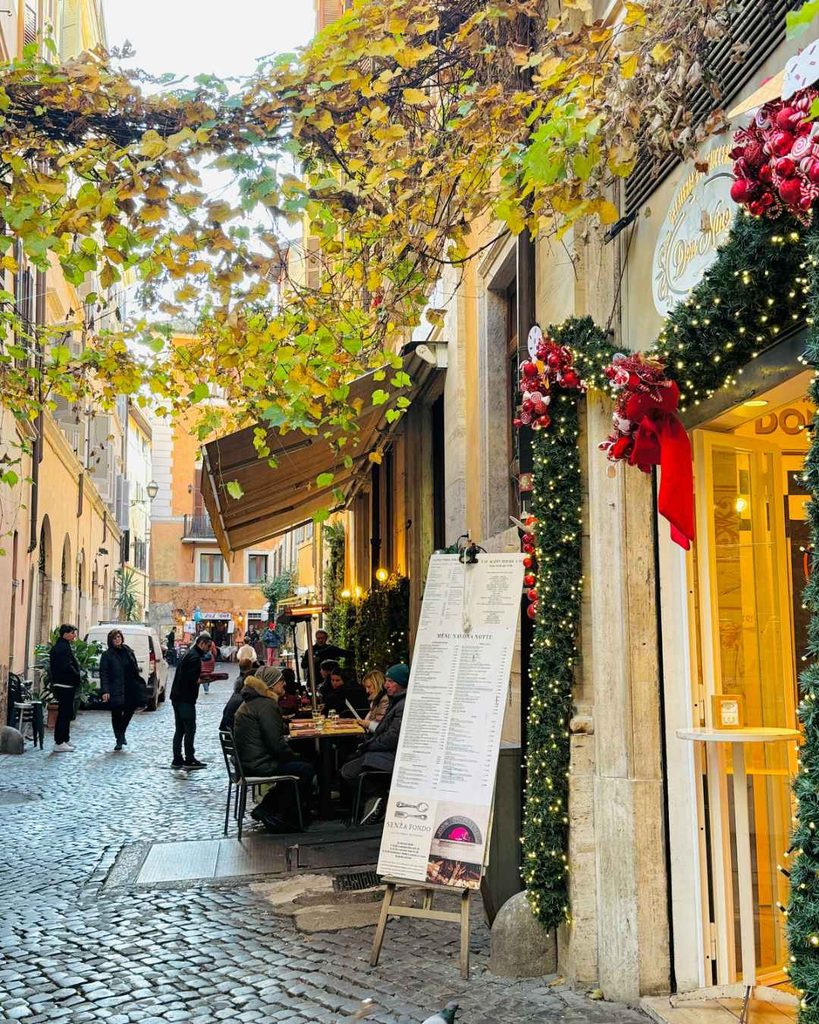
One of the biggest mistakes first-time visitors make is trying to see too much.
Italy looks relatively small on a map, especially compared with countries such as the United States or Australia. This makes it tempting to plan an ambitious itinerary covering Rome, Florence, Venice, Milan, Pisa, Cinque Terre, and the Amalfi Coast in ten days.
Technically, you can visit all these places. But that doesn’t mean you should.
Every time you change destinations, you lose a considerable amount of time. You need to pack, check out of your accommodation, get to the station, wait for your train, travel, find your next hotel, check in, and familiarise yourself with a new place.
Even a journey that takes only two hours by train can consume half a day once you account for everything around it.
And then there is the temptation to see everything once you arrive.
Rome alone has enough attractions to occupy several days. Between the Colosseum, Roman Forum, Pantheon, Vatican Museums, St Peter’s Basilica, Trevi Fountain, Spanish Steps, and countless churches and museums, you could spend a week exploring without running out of things to do.
Florence deserves at least a couple of days, preferably more. Venice is best experienced when you have time to wander beyond the main tourist routes. And if you want to explore Tuscany, the Amalfi Coast, or Puglia, you need to allow time for the journeys between towns.
My advice is to spend longer in fewer places.
For a first visit of ten days, I would rather see Rome, Florence, and Venice properly than rush through seven destinations. You will have more time to enjoy the places themselves instead of constantly worrying about your next train.
Here is a reasonable starting point for planning your time:
| Destination | Recommended stay |
|---|---|
| Rome | 4–5 nights |
| Florence | 3–4 nights |
| Venice | 2–3 nights |
| Milan | 2 nights |
| Naples | 2–3 nights |
| Amalfi Coast | 3–4 nights |
| Cinque Terre | 2–3 nights |
These are not strict rules. Your interests, travel style, and available time should determine how long you stay.
Also, remember that a destination can be more than just its famous attractions. In Florence, for example, you might spend an entire afternoon exploring the Oltrarno neighbourhood, visiting artisan workshops, and enjoying a long lunch.
In Venice, getting lost in quiet residential streets can be more enjoyable than rushing from one landmark to another.
Don’t make the mistake of measuring a successful Italian holiday by the number of places you’ve visited.
2. Italy Is Not as Cheap as You Might Expect
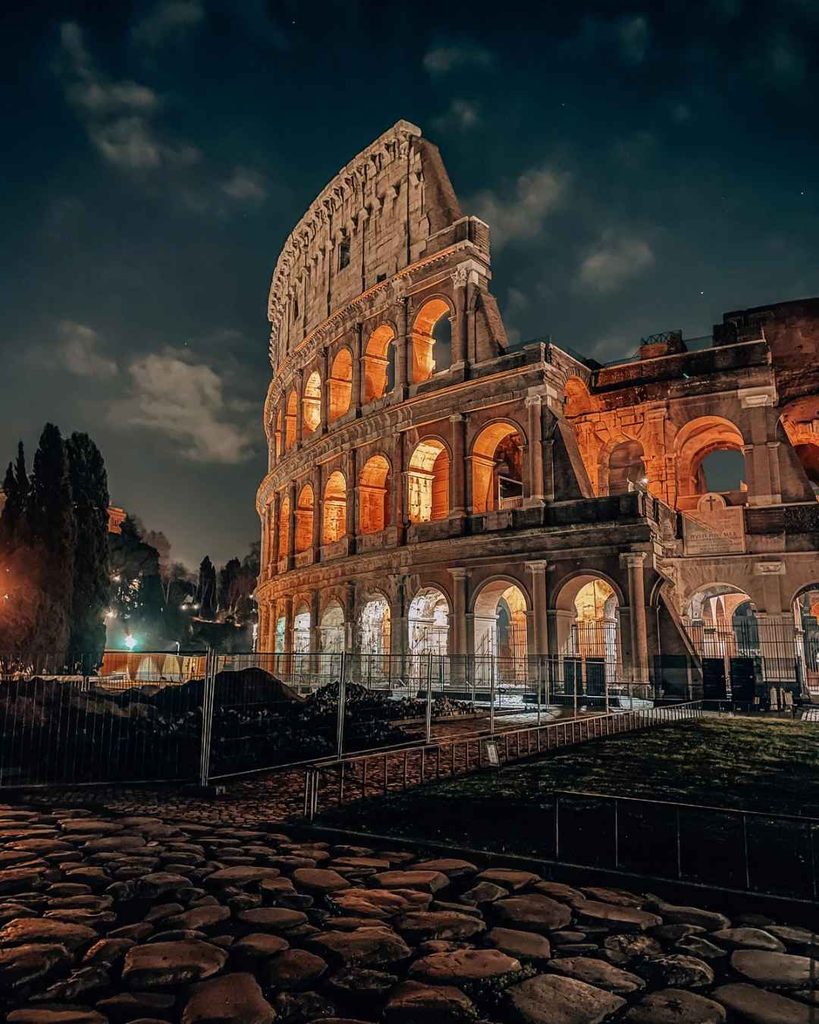
Italy has a reputation for being a relatively affordable European destination, particularly when compared with Switzerland, Norway, or some of the more expensive cities in northern Europe.
There is some truth to this. You can enjoy excellent food without spending a fortune, travel between major cities by train, and find reasonably priced accommodation if you book carefully.
However, Italy is not necessarily a cheap holiday destination.
Accommodation in Rome, Florence, and Venice can be surprisingly expensive, particularly during summer. Hotels close to major attractions often charge a premium, and even relatively modest rooms can become expensive during busy periods.
Restaurant prices can also vary considerably depending on where you eat.
A pasta dish in a neighbourhood trattoria might cost €12–€16, while a similar meal in a restaurant overlooking a famous piazza could cost considerably more. A coffee at the counter might be inexpensive, but sitting at an outdoor table in a prime tourist location can make the same drink surprisingly expensive.
Then there are attraction tickets, guided tours, airport transfers, local transport, and small daily expenses that gradually add up.
For a rough idea, here are some typical planning ranges for a traveller staying in Italy:
| Expense | Budget estimate |
|---|---|
| Hostel or basic accommodation | €30–€70 per person |
| Budget hotel or guesthouse | €80–€140 per room |
| Mid-range hotel | €130–€250 per room |
| Casual restaurant meal | €12–€20 per person |
| Restaurant dinner | €20–€40 per person |
| Coffee at the counter | €1.20–€2.00 |
| Gelato | €3–€5 |
| Local public transport journey | €1.50–€2.50 |
| High-speed train between major cities | €15–€60+ |
These are broad estimates, not fixed prices. The actual amount depends on the city, season, booking date, and establishment. Accommodation and transport can cost considerably more during peak periods.
One thing I would strongly recommend is budgeting separately for accommodation, food, transport, and attractions. It is easy to underestimate how much you will spend when you only consider the price of flights and hotels.
There are also plenty of ways to save money without making your holiday feel cheap.
For instance, you can buy fresh pastries from a local bakery for breakfast instead of eating at your hotel every morning. You can have lunch at a neighbourhood trattoria, use supermarkets for snacks and drinks, and book train tickets in advance when cheaper fares are available.
You don’t need to eat at expensive restaurants every evening to enjoy Italian food. Some of the best meals you’ll have might come from a modest family-run establishment with a short menu and a handful of tables.
The trick is knowing where to spend and where to save.
3. Not Everything Is Within Walking Distance
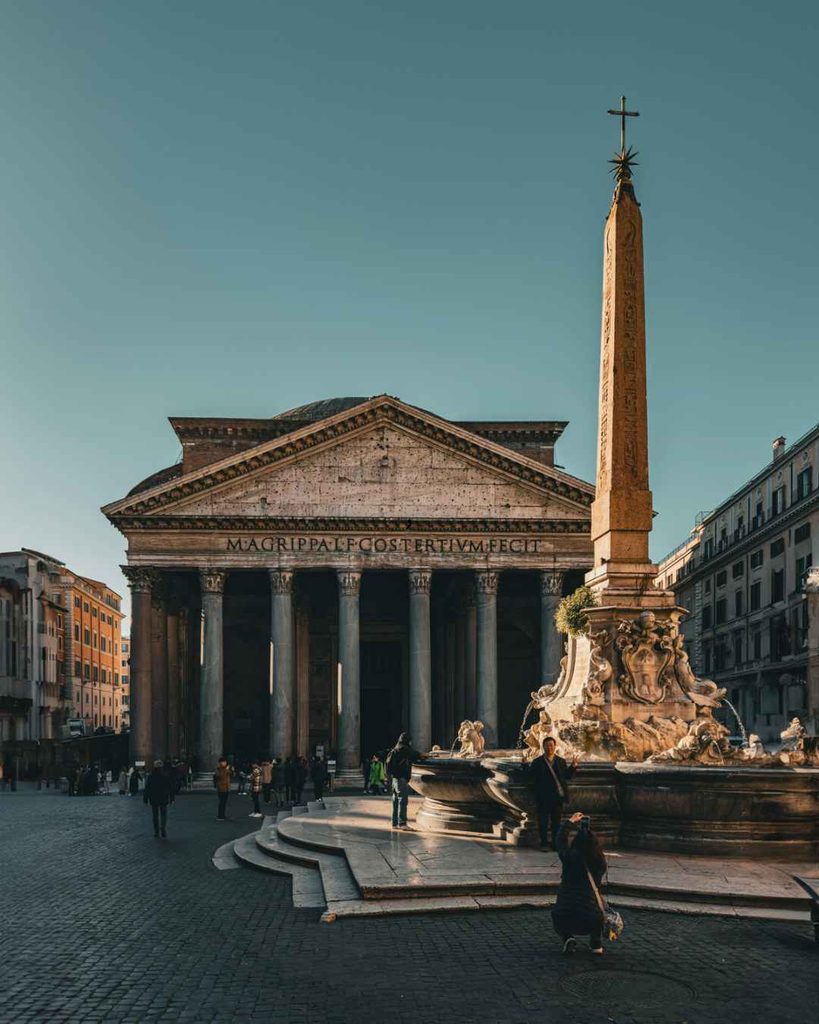
When you look at a map of Rome or Florence, many attractions appear close together.
The Pantheon, Trevi Fountain, Piazza Navona, and Spanish Steps, for example, can all be connected in a walking itinerary. This gives the impression that exploring Italy’s major cities is simply a matter of putting on comfortable shoes and heading out.
Sometimes it is. But distances can be deceptive.
Rome is particularly challenging because its historic centre is spread across a surprisingly large area. The Vatican is not right next to the Colosseum, and walking between the two can take around 40–50 minutes depending on your route.
If you add the Roman Forum, Borghese Gallery, and other attractions to the same day, you could easily find yourself walking several kilometres.
Florence is more compact, but even there, a full day of sightseeing can involve considerable walking. Venice presents a different challenge altogether. Its bridges, narrow lanes, and frequent changes in direction can make short distances surprisingly tiring.
Then there is the weather.
Walking around Rome in July, when temperatures can climb well above 30°C, is very different from exploring the same streets on a pleasant spring morning. You may find yourself looking for shade, stopping for water, or taking a break when you had planned to visit another attraction.
Comfortable shoes are essential, but so is planning your route properly.
Rather than visiting attractions in a random order, group nearby places together. If you’re exploring the historic centre of Rome, for example, you can combine the Pantheon, Piazza Navona, Campo de’ Fiori, and the Trevi Fountain into a sensible walking route.
This saves unnecessary backtracking and gives you more time to enjoy each place.
Also, don’t be afraid to use public transport.
Rome has a metro, buses, and trams. Florence has buses and trams, while Venice has its famous vaporetto water buses. These can be particularly useful when you’re tired or need to cover a longer distance.
One more thing: don’t judge a walking route by its distance alone. In Venice, a 15-minute walk can involve several bridges and confusing turns. In Rome, a short distance may include cobblestones, uneven pavements, and busy crossings.
Plan for the actual experience, not just the number of kilometres.
4. You Must Book Certain Attractions in Advance
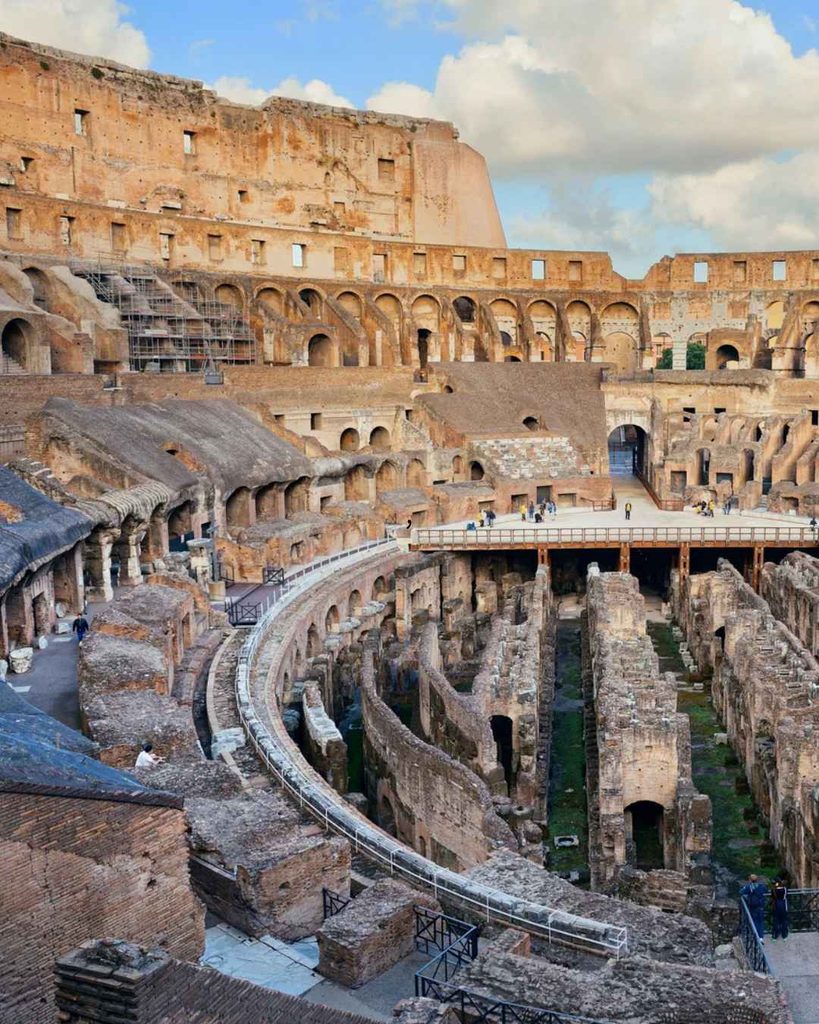
This is one of the most important things to understand before visiting Italy.
Some of the country’s most famous attractions receive enormous numbers of visitors every day. During the busiest months, tickets can sell out well in advance.
You might assume that you can simply arrive at the Colosseum, buy a ticket, and walk inside. Sometimes you may find availability, but relying on that is a risky way to plan your trip.
The same applies to the Vatican Museums, the Uffizi Gallery, and several other popular attractions.
Imagine arriving in Rome after travelling thousands of kilometres, only to discover that the Vatican Museums are fully booked for the days you’re there. You could miss one of the most important experiences of your entire holiday simply because you didn’t arrange your tickets early enough.
I would recommend booking the following attractions ahead of time:
The Colosseum and Roman Forum: Entry is controlled through timed tickets, and some special experiences have separate availability. Book through the official Colosseum ticketing website.
The Vatican Museums and Sistine Chapel: These are among the busiest attractions in Rome. Advance booking is strongly recommended, particularly during spring, summer, and major holiday periods.
The Uffizi Gallery: If you want to see Botticelli’s Birth of Venus, Leonardo da Vinci’s works, and other Renaissance masterpieces, arrange your visit in advance.
The Accademia Gallery: This is where you can see Michelangelo’s David. Tickets can be difficult to obtain during busy periods.
The Last Supper in Milan: Leonardo da Vinci’s famous mural has strict visitor limits. Tickets are released in advance and can be extremely difficult to secure.
The Borghese Gallery in Rome: Reservations are required, and visits operate in timed sessions.
You should also check whether specific attractions require a separate reservation even if you already have an entry ticket.
Use official attraction websites wherever possible. Third-party ticket sellers can be useful when official tickets are unavailable, but prices may be higher, and you should check exactly what is included.
Not everything needs to be booked, though.
You can still enjoy many of Italy’s beautiful streets, piazzas, churches, neighbourhoods, and outdoor landmarks without purchasing a ticket. Some of the best experiences in Italy are completely free.
My advice is to identify the attractions you absolutely don’t want to miss, reserve those first, and then build the rest of your itinerary around them.
5. Italian Mealtimes and Restaurant Culture Are Different
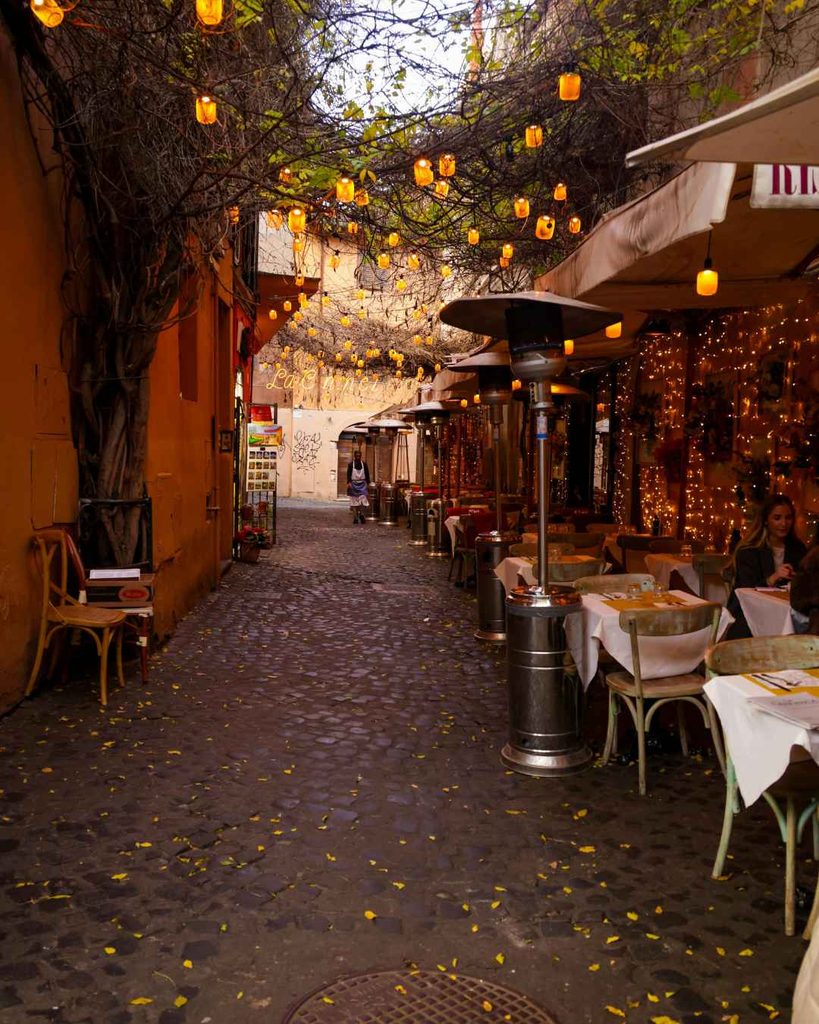
One of the first things you may notice in Italy is that restaurants don’t always operate according to the schedule you’re used to at home.
If you arrive in Rome at 5:30 pm expecting to sit down for a proper dinner, you may find that many traditional restaurants are still closed.
In much of Italy, lunch is generally served between around 12:30 pm and 2:30 pm, while dinner often starts around 7 pm and continues into the evening.
The exact times vary by region and establishment, and restaurants in heavily touristed areas may have longer opening hours. Still, it’s worth understanding the general pattern before you arrive.
Italian dining is also a little different from what you might expect.
A traditional meal can have several courses:
- Antipasto: A starter, such as bruschetta, cured meats, or local cheeses.
- Primo: Usually pasta, risotto, or soup.
- Secondo: A meat or fish main course.
- Contorno: A side dish, often vegetables or potatoes.
- Dolce: Dessert.
- Caffè: Usually an espresso to finish.
You don’t have to order every course. In fact, ordering a pasta dish and sharing a starter is perfectly normal for a more casual meal.
It’s also useful to understand a few common restaurant terms.
A bar in Italy is often a café where locals stop for coffee, pastries, sandwiches, and sometimes an aperitivo. A trattoria is generally a more informal restaurant, often serving traditional regional dishes.
An osteria historically referred to a place focused on wine and simple food, although today the distinction between osterias and trattorias is not always clear. A ristorante usually suggests a more formal dining experience, but there are plenty of exceptions.
Then there is the coperto.
This is a per-person cover charge that appears on many Italian restaurant bills. It generally covers the table setting and bread or other basic service elements. It is not necessarily a sign that you’ve been overcharged. Check the menu before ordering so you know what to expect.
Tipping is another area where visitors sometimes get confused. Italy does not have the same tipping culture as the United States. You are not generally expected to leave a large percentage of the bill. If the service has been particularly good, you can leave a little extra, but it is not obligatory.
And here’s one detail worth remembering: ordering a cappuccino after lunch or dinner is not forbidden, but it is less common among Italians. Most locals prefer an espresso after a meal.
You can order whatever you like, of course. But if you want to experience Italian café culture, try having your morning cappuccino and pastry standing at the counter.
Finally, don’t assume that the restaurant with the best view serves the best food. Restaurants directly beside famous attractions can charge premium prices, and some rely more on their location than their cooking.
Walk a few streets away, look for places with a sensible menu, and pay attention to where local residents are eating.
6. The Train Is Usually the Best Way to Travel Between Major Cities
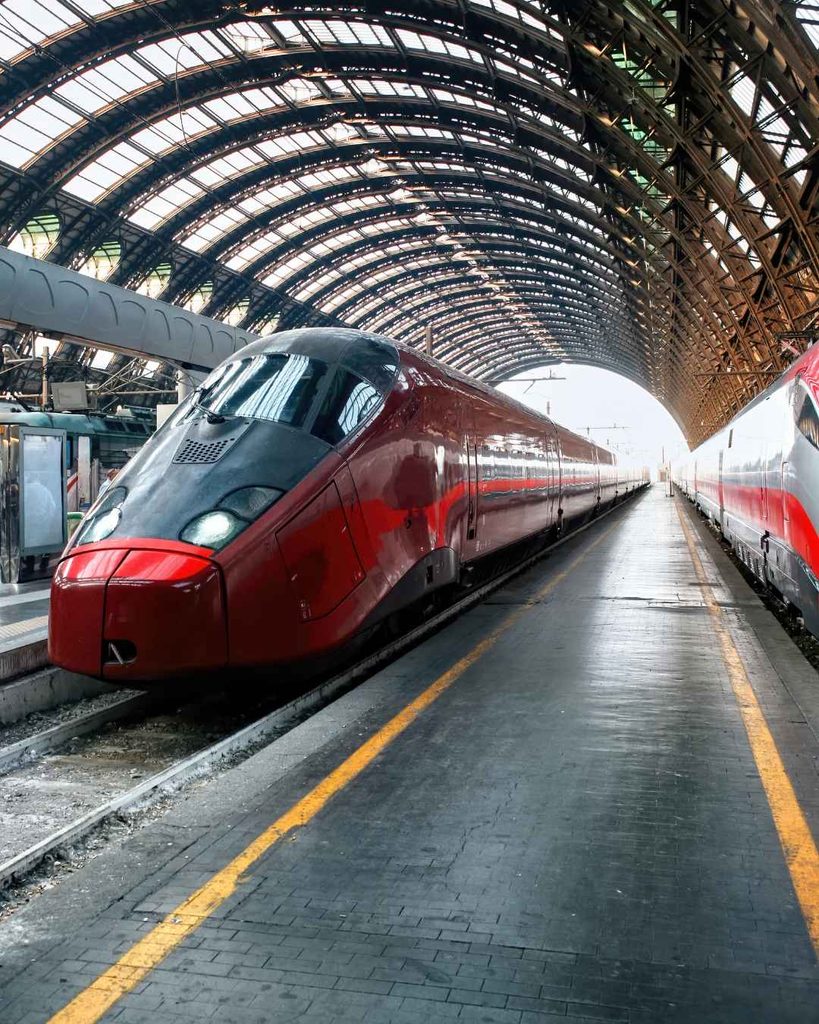
If you’re visiting Italy for the first time, travelling by train is one of the easiest ways to move between its major destinations.
The railway network connects cities such as Rome, Florence, Venice, Milan, Naples, Bologna, and Turin. On many popular routes, high-speed trains are considerably faster and more convenient than driving.
For example, the journey from Rome to Florence takes roughly 1 hour and 30 minutes on a high-speed train. Rome to Naples takes a little over an hour, while Florence to Venice generally takes around two hours.
This makes it possible to explore several destinations without renting a car.
There are two main types of trains you’ll encounter.
High-speed trains
These are operated primarily by Trenitalia’s Frecciarossa services and Italo. They connect major cities and offer comfortable seating, air conditioning, luggage storage, and different ticket classes.
They are generally the best option when travelling between major destinations.
Regional trains
These are slower services connecting smaller towns and cities. They are useful for places that aren’t served by high-speed trains, including many popular destinations in Tuscany and other regions.
Regional tickets are often cheaper, but journeys take longer and may involve several stops.
One important difference is how ticket prices work.
High-speed train fares generally vary according to demand and how early you book. The cheapest fares are often available well before departure, while prices can rise as the train fills up.
Regional train fares are usually more stable, so booking months ahead is rarely necessary.
A few practical things are worth remembering:
- Arrive at the station with enough time to find your platform.
- Check the departure boards because platforms can change.
- Keep an eye on your luggage, particularly at busy stations.
- Make sure you understand the ticket conditions before booking.
- Validate regional paper tickets when required, or follow the instructions for digital tickets.
Also, don’t confuse the train station with the city centre. Most major Italian stations are reasonably central, but you may still need a bus, taxi, or walk to reach your hotel.
Should you rent a car instead?
For a first trip focused on Rome, Florence, Venice, and Milan, I would generally avoid it.
Driving in historic city centres can be stressful, parking is expensive, and many areas have restricted traffic zones known as ZTLs. Entering one without authorisation can result in a fine, sometimes delivered months after your holiday.
A car becomes much more useful when exploring rural Tuscany, parts of Umbria, Puglia, or other areas where public transport connections are limited.
The best approach is to use trains for major city-to-city journeys and consider renting a car only for the parts of your trip where it genuinely makes sense.
7. You Need to Understand a Few Italian Customs
Italy is generally welcoming to visitors, but understanding a few local customs will make your experience much easier.
You don’t need to speak fluent Italian or memorise a long list of rules. However, making a little effort to understand how people behave can help you avoid awkward situations and make interactions more pleasant.
Let’s start with churches.
Italy has some of the most extraordinary churches in the world, and many are free to enter. But remember that these are places of worship, not simply tourist attractions.
When visiting major churches such as St Peter’s Basilica, Santa Maria del Fiore in Florence, or St Mark’s Basilica in Venice, modest clothing is expected. As a general rule, cover your shoulders and knees. Requirements can vary, so check the rules for individual sites before visiting.
You should also avoid loud conversations, eating, or behaving in ways that disturb people who are praying.
Another custom worth understanding is the Italian greeting.
When entering a small shop, café, or local establishment, a simple buongiorno (good morning or good day) or buonasera (good evening) is appreciated. When leaving, you can say arrivederci.
A few other useful expressions include:
| Italian | English |
|---|---|
| Grazie | Thank you |
| Per favore | Please |
| Prego | You’re welcome |
| Scusi | Excuse me |
| Quanto costa? | How much does it cost? |
| Il conto, per favore | The bill, please |
| Parla inglese? | Do you speak English? |
You will find that English is widely spoken in major tourist areas, but that doesn’t mean everyone speaks it. Learning a handful of Italian expressions can make everyday interactions much easier.
Coffee culture is another thing worth experiencing.
In many Italian bars, locals walk in, order an espresso or cappuccino, drink it at the counter, and leave. Sitting at a table, particularly outdoors in a popular square, can cost considerably more.
Neither option is wrong. Just understand that you may be paying for the location and table service as much as the coffee itself.
And don’t be surprised if shops close for a few hours in the afternoon, particularly in smaller towns. This traditional midday break is often referred to as riposo. It is less common in large cities and major tourist areas, but it is still worth checking opening hours before planning a shopping trip.
8. Pickpocketing and Tourist Scams Are Real, But You Don’t Need to Be Paranoid
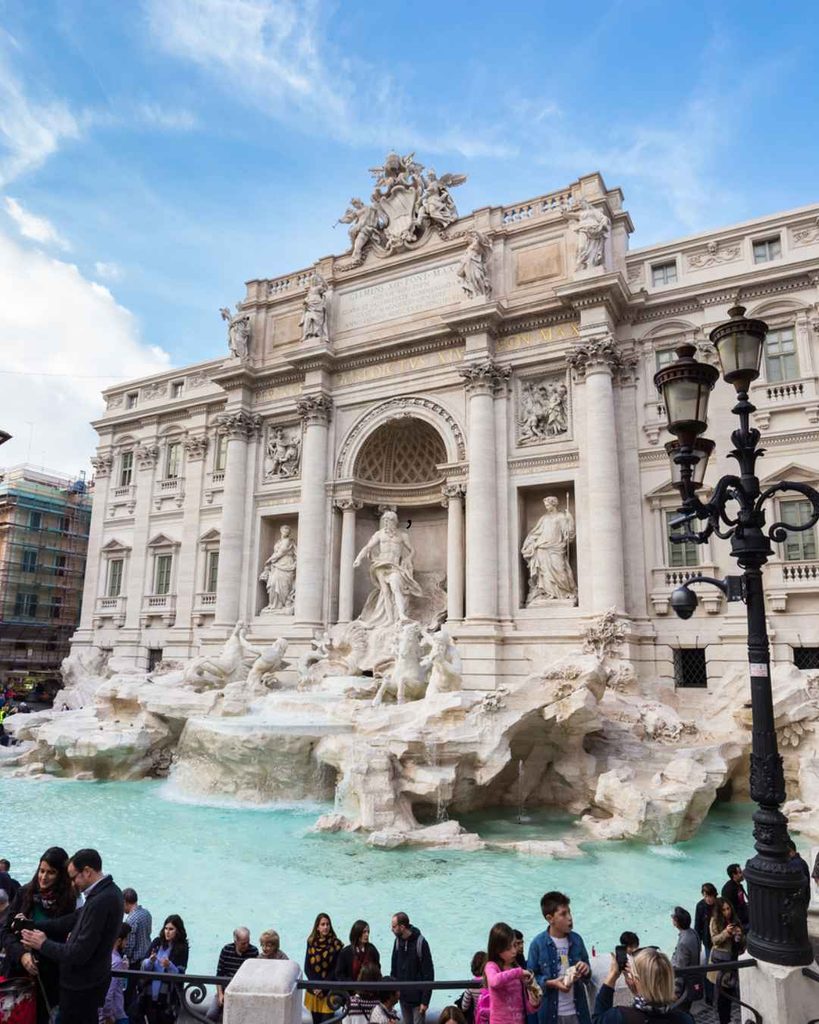
Italy is generally a safe country for tourists, and millions of people visit every year without experiencing any problems.
However, pickpocketing does happen, particularly in crowded tourist areas and on public transport.
Rome, Milan, Florence, and Naples all have busy locations where visitors should be particularly attentive. Think of crowded metro trains, major railway stations, popular piazzas, and queues around famous attractions.
The biggest mistake is assuming that something cannot happen to you because you’re on holiday.
You don’t need to spend your entire trip looking over your shoulder, but a few simple precautions make sense.
Keep your phone and wallet somewhere secure rather than in an easily accessible back pocket. When using a backpack in a crowded area, consider wearing it in front of you or using one with secure compartments.
Avoid leaving your phone on the edge of a café table, especially when sitting outdoors beside a busy street. Keep bags closed and within sight, and never leave valuables unattended.
Be particularly careful when boarding or leaving crowded public transport.
There are also a few common tourist approaches worth recognising.
Someone may offer you a friendship bracelet, flower, or small souvenir and then demand payment after placing it in your hand. Others may approach with a clipboard, ask you to sign something, or try to distract you while an accomplice targets your belongings.
The easiest response is to politely decline and keep walking.
Be cautious of unofficial taxi drivers approaching you at airports and railway stations. Use official taxi ranks or reputable ride-hailing services where available. Before getting into a taxi, make sure you understand the fare arrangements.
One more important point: keep a copy of your passport details and travel insurance information somewhere separate from the original documents. If something goes wrong, having these details accessible can make the situation easier to manage.
The aim is not to be suspicious of everyone. Most people you meet will simply be going about their daily lives. A little awareness is enough to help you enjoy your holiday with confidence.
9. Your Choice of Accommodation Can Make or Break Your Trip
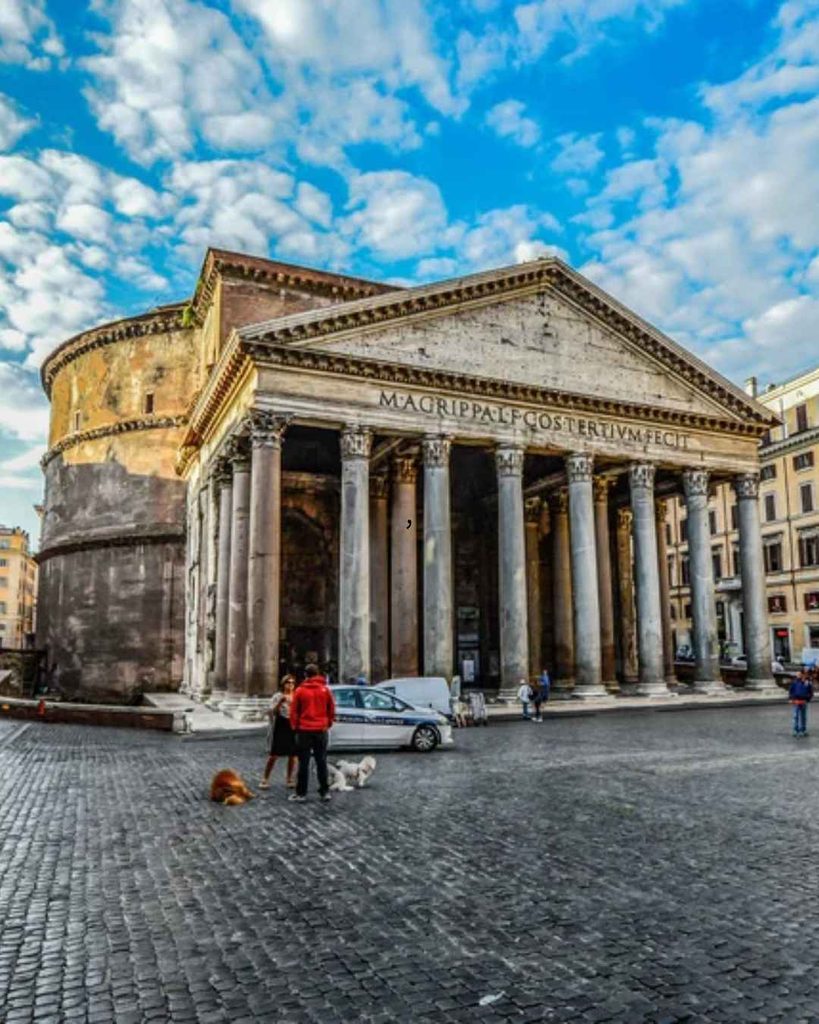
When booking accommodation in Italy, it’s tempting to focus almost entirely on price.
But the location of your hotel can have a bigger effect on your holiday than you might realise.
A cheap hotel outside the centre may appear to save you money, but if you spend an hour travelling into the city every morning and another hour returning at night, you could lose valuable sightseeing time.
You may also end up spending more on transport than you initially expected.
For a first visit, I would generally recommend staying within or reasonably close to the historic centre, particularly in cities such as Rome, Florence, and Venice.
You don’t necessarily need a luxury hotel or a room overlooking a famous monument. A clean, comfortable place within walking distance of the main attractions can be a much better investment.
In Rome, look at areas such as the historic centre, Monti, Prati, and around Termini. Each has a different atmosphere and price range. Monti is particularly convenient for exploring ancient Rome, while Prati is useful for visiting the Vatican.
In Florence, the historic centre is compact, so staying within walking distance of the Duomo, Santa Maria Novella, or the Oltrarno can work very well.
In Venice, staying on the main island gives you the opportunity to experience the city early in the morning and later in the evening, when many day visitors have left. Areas such as Cannaregio and Dorsoduro can offer a more relaxed atmosphere than the busiest parts around San Marco.
If you’re travelling on a tighter budget, staying outside the historic centre can still work. Just make sure you have a convenient transport connection.
Before booking, check a few things:
- How far is the accommodation from the attractions you want to visit?
- Is there a metro, tram, or bus stop nearby?
- How far is it from the nearest railway station?
- Does the hotel charge extra for breakfast, city tax, or other services?
- Is air conditioning available if you’re visiting in summer?
- Does the property have an elevator, particularly if you’re travelling with heavy luggage?
That last point is easy to overlook. Many historic buildings in Italy have narrow staircases and no lifts. Carrying a large suitcase up several flights of stairs after a long journey is not the ideal start to a holiday.
Also, remember that Italian accommodation often charges a local tourist tax, usually calculated per person and per night. This may be collected separately from your booking payment.
A little research before booking can save you money, time, and unnecessary frustration.
Related post: Where to stay in Rome if you want to walk everywhere.
10. Italy Is Much More Than Its Famous Cities
Rome, Florence, Venice, and Milan are wonderful destinations. They deserve their popularity, and I would never suggest skipping them on your first visit.
But one of the biggest mistakes you can make is assuming that these cities represent everything Italy has to offer.
They don’t.
Italy is a country of extraordinary regional differences. The food, architecture, landscapes, traditions, and even the pace of life can change considerably as you travel from one region to another.
Take Tuscany, for example.
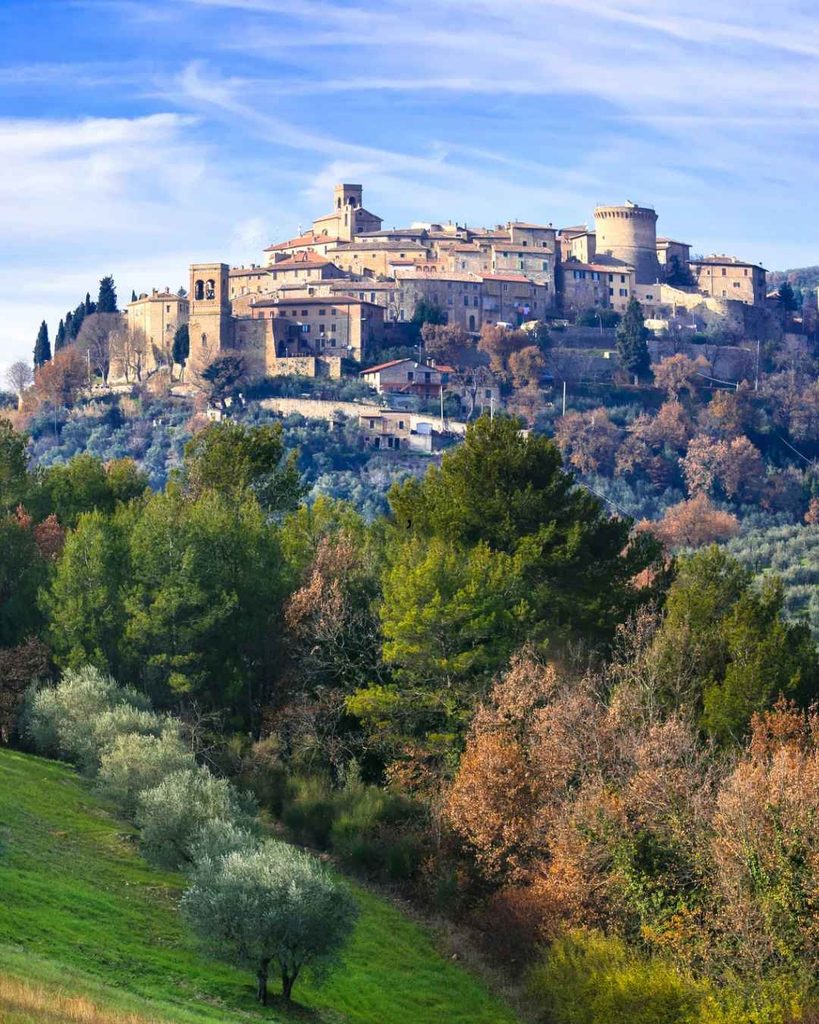
Beyond Florence, you’ll find medieval towns such as Siena, San Gimignano, Volterra, and Pienza. These places have beautiful historic centres, ancient walls, impressive churches, and quiet streets that invite you to slow down.
In Umbria, towns such as Assisi, Spello, and Orvieto offer a different atmosphere, with hilltop views, medieval architecture, and a strong sense of local identity.
Puglia, in the south, has whitewashed towns, beautiful coastal scenery, olive groves, and distinctive architecture. Places such as Alberobello, Ostuni, Lecce, and Polignano a Mare each offer something different.
Then there is the Italian lake district, with destinations such as Lake Como and Lake Garda. The scenery is beautiful, the villages are picturesque, and the atmosphere can be very different from that of the major cities.
Even within a single region, there is often much more to explore than visitors realise.
You don’t need to add all these places to your first itinerary. In fact, I would recommend resisting that temptation.
Instead, choose one or two additional destinations that genuinely interest you.
If you love history, consider spending time in Pompeii or exploring the archaeological sites around Naples. If you enjoy medieval towns, look at Siena and the smaller villages of Tuscany. If beautiful coastal scenery appeals to you, consider the Amalfi Coast or Cinque Terre.
The important thing is to leave room for the Italy beyond the famous landmarks.
Some of your favourite memories may come from a small town you had barely heard of before arriving.
11. The Time of Year You Visit Makes a Huge Difference
Italy is a year-round destination, but your experience can vary enormously depending on when you visit.
The season affects everything from accommodation prices and crowds to temperatures, opening hours, and the atmosphere in popular destinations.
Summer: June to August
Summer is the busiest tourist season in much of Italy.
Cities such as Rome, Florence, and Venice can become extremely crowded, while popular coastal destinations attract large numbers of holidaymakers.
July and August can also be very hot, particularly in Rome, Florence, and southern Italy. Walking around archaeological sites and historic centres in the middle of the afternoon can become uncomfortable.
Accommodation prices are generally higher, and popular attractions can be fully booked.
August is also the traditional holiday period for many Italians. Around Ferragosto, on 15 August, some smaller businesses and family-run establishments may close or operate on different schedules. Major tourist destinations remain active, but it is worth checking opening arrangements.
Summer is still a wonderful time to visit, particularly if you want beach weather and long evenings. Just be prepared for crowds, heat, and higher prices.
Spring: April to May
Spring is one of the most enjoyable times to explore Italy.
Temperatures are generally more comfortable, gardens and countryside begin to look beautiful, and the days are getting longer.
It is an excellent season for walking around cities such as Florence and Rome, exploring Tuscany, and visiting smaller towns.
However, Easter and other public holidays can bring large crowds, particularly to religious destinations and major cities.
Autumn: September to October
Autumn is another excellent time to visit.
September can still be warm, particularly in southern Italy, but the intense summer heat gradually begins to ease. October is particularly pleasant in many parts of the country.
The countryside takes on beautiful colours, and food and wine festivals make this a rewarding time to explore regional Italy.
There can still be plenty of visitors in September, especially in popular coastal areas, but the atmosphere often becomes more relaxed as the season progresses.
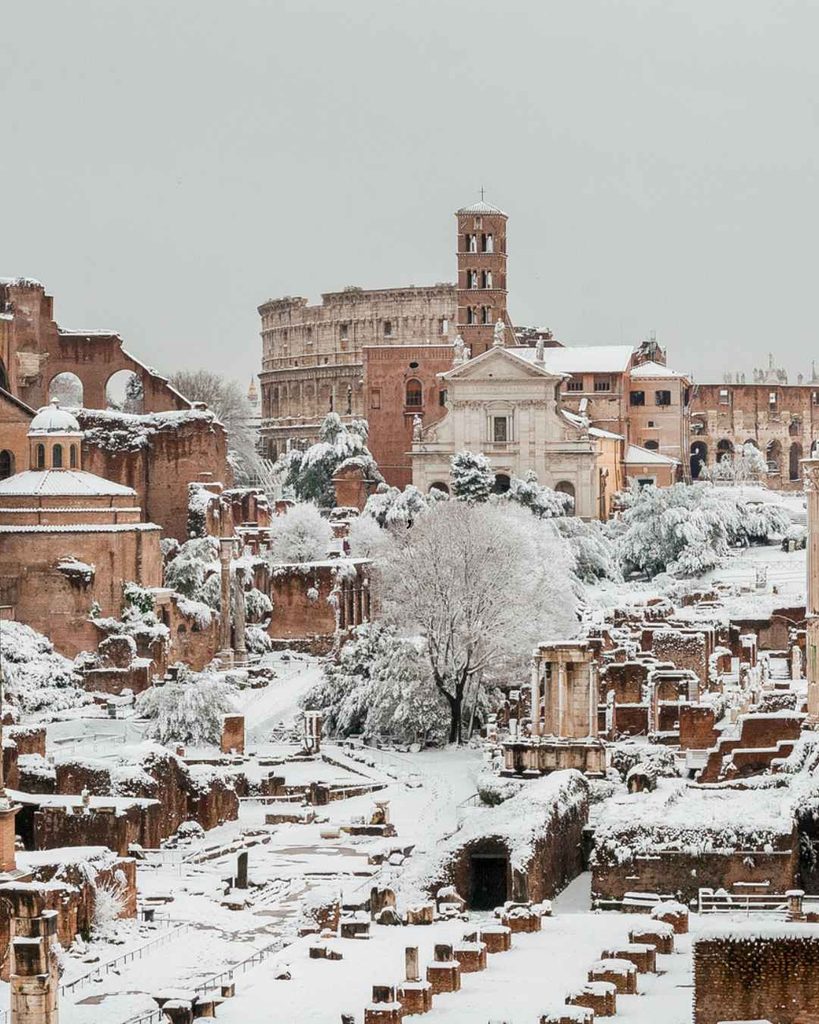
Winter: November to March
Winter is often overlooked, but it can be a wonderful time to visit Italy.
Rome, Florence, and Venice are generally quieter than during the summer months, and accommodation can be more affordable outside major holiday periods.
You can enjoy museums, churches, restaurants, and historic streets without dealing with quite the same crowds.
The trade-off is shorter days, colder weather, and the possibility of rain. Some coastal resorts and smaller tourist towns may also have reduced services or seasonal closures.
Venice in winter has a special atmosphere, while Rome and Florence remain rewarding destinations throughout the year.
If I had to recommend a period for a first visit, I would generally choose May, September, or October. These months often provide a good balance of pleasant weather, manageable crowds, and opportunities to explore comfortably.
12. The Best Moments in Italy Are Often the Ones You Don’t Plan
This is perhaps the most important lesson of all.
When planning your first trip to Italy, it is natural to focus on the famous attractions. You want to see the Colosseum, walk across Ponte Vecchio, admire Michelangelo’s David, visit the Vatican Museums, and take photographs beside the Grand Canal.
You should absolutely do those things.
But don’t make the mistake of filling every hour of your itinerary with scheduled activities.
Some of the best experiences in Italy happen when you have nowhere particular to be.
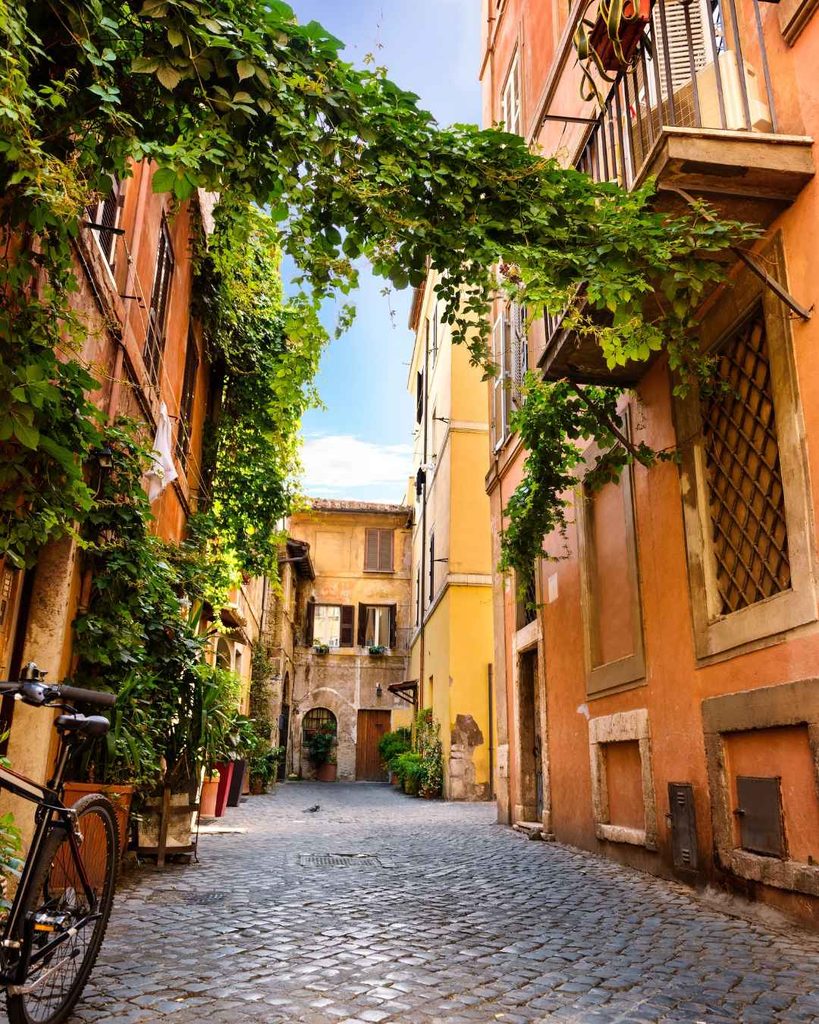
It might be discovering a little bakery in Florence while wandering through the Oltrarno. It could be sitting in a quiet piazza in Rome, watching people go about their day, or finding a small restaurant in Venice that serves an unforgettable plate of seafood pasta.
Perhaps you’ll stumble upon a beautiful church that wasn’t in your guidebook, discover a local market, or find yourself walking along a street with no tourists in sight.
These moments are difficult to plan, and that’s precisely what makes them special.
I would always recommend leaving a little breathing room in your itinerary.
Don’t schedule every morning, afternoon, and evening. Allow yourself time to return to a place you particularly enjoyed, stop for a longer lunch, or explore a neighbourhood simply because it looks interesting.
Also, don’t feel pressured to see every attraction just because it appears on a list of things to do in Italy.
You don’t have to visit every museum, climb every tower, or photograph every famous monument. Choose the experiences that genuinely interest you.
If you’re passionate about ancient history, spend more time exploring Rome’s archaeological sites. If Renaissance art is your priority, give Florence the time it deserves. If you love food, make room for local markets, regional dishes, and cooking experiences.
Italy rewards curiosity.
The more willing you are to slow down and look beyond the obvious attractions, the more rewarding your experience is likely to be.
Related post: The best Italy itinerary
Final Thoughts: Don’t Just Visit Italy. Experience It.
Your first trip to Italy will probably be full of memorable moments. There will be beautiful buildings, extraordinary food, historic streets, and places that stay with you long after you’ve returned home.
There may also be a few frustrations along the way. A train might be delayed, a restaurant might be closed, or you might discover that the attraction you wanted to visit has no tickets left.
That’s part of travelling.
The best way to prepare is to understand a little about how Italy works before you arrive. Plan your route sensibly, book the attractions that matter most, choose your accommodation carefully, and give yourself enough time to enjoy each destination.
But don’t plan so rigidly that you leave no room for surprises.
Italy is not a country you need to rush through. Its greatest pleasures are often found in the details: a beautiful street, a conversation with a shopkeeper, a plate of local food, or an unexpected view around a corner.
Go with a plan, but don’t be afraid to change it.
And most importantly, don’t spend your entire holiday trying to see everything. You will almost certainly leave with a list of places you didn’t manage to visit.
That’s not a failure. It’s a very good reason to come back.
Again, feel free to go through the list below of my Italy recommendations that I have crafted after years of travel to this beautiful country:
- Packing List: Things Not to Go to Italy Without
- Must-Do Things: Unforgettable Experiences
- Where to Stay: Best Hotels in Italy.
- Where to Stay in Rome: Rome’s Best Neighborhoods
- Where to Stay in Florence: Picking the Best Area
- Where to Stay in Venice: Venice’s Best Districts
- Italy’s Cobblestone Streets: Best Shoes For the Job
- Backpack or Suitcase?: Italy Luggage Guide
- Travel Insurance: Always Be Covered
- E-Sim: Be Connected At All Times