
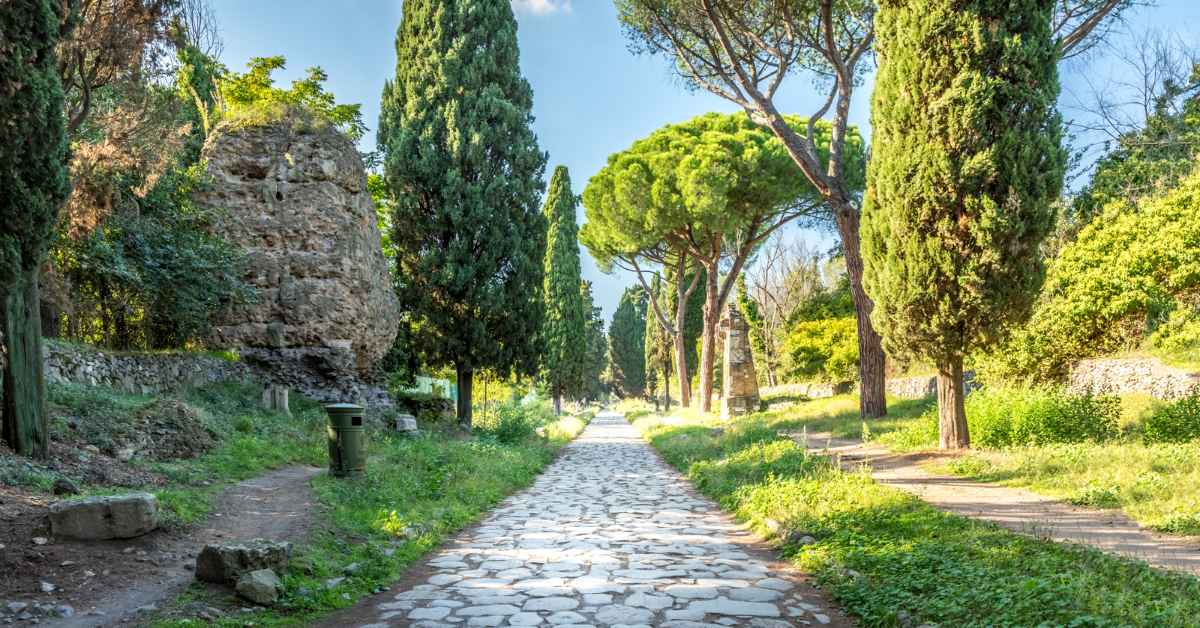
Rome is one of those cities where you can spend an entire week sightseeing and still feel as though you have only scratched the surface.
Most visitors come for the Colosseum, the Pantheon, the Trevi Fountain, and the Vatican. They walk through the same historic streets, photograph the same monuments, and follow much the same itineraries.
And there is absolutely nothing wrong with that. These are some of the most extraordinary places in the world.
But there is another Rome that is every bit as fascinating. It is found beneath the streets, inside unassuming churches, behind ordinary-looking doorways, and in neighbourhoods where the daily rhythms of Roman life continue largely undisturbed by tourism.
It is a Rome of ancient underground temples, whimsical architectural creations, forgotten industrial buildings transformed into museums, quiet residential courtyards, and ancient roads that once connected the capital to the far reaches of the Roman Empire.
Some of these places are surprisingly close to the city’s most famous attractions. Others require a little more effort to reach, but reward visitors with experiences that are difficult to find anywhere else.
If you have already visited Rome’s major attractions, or simply want to discover something beyond the usual tourist trail, these are ten places that deserve a place on your itinerary.
Before you read further, remember that Italy rewards travelers who go prepared. I have prepared a checklist of things you must have when visiting Italy if you want to have an unforgettable trip. See the checklist here.
1. Basilica of San Clemente: Three Layers of History Beneath One Church
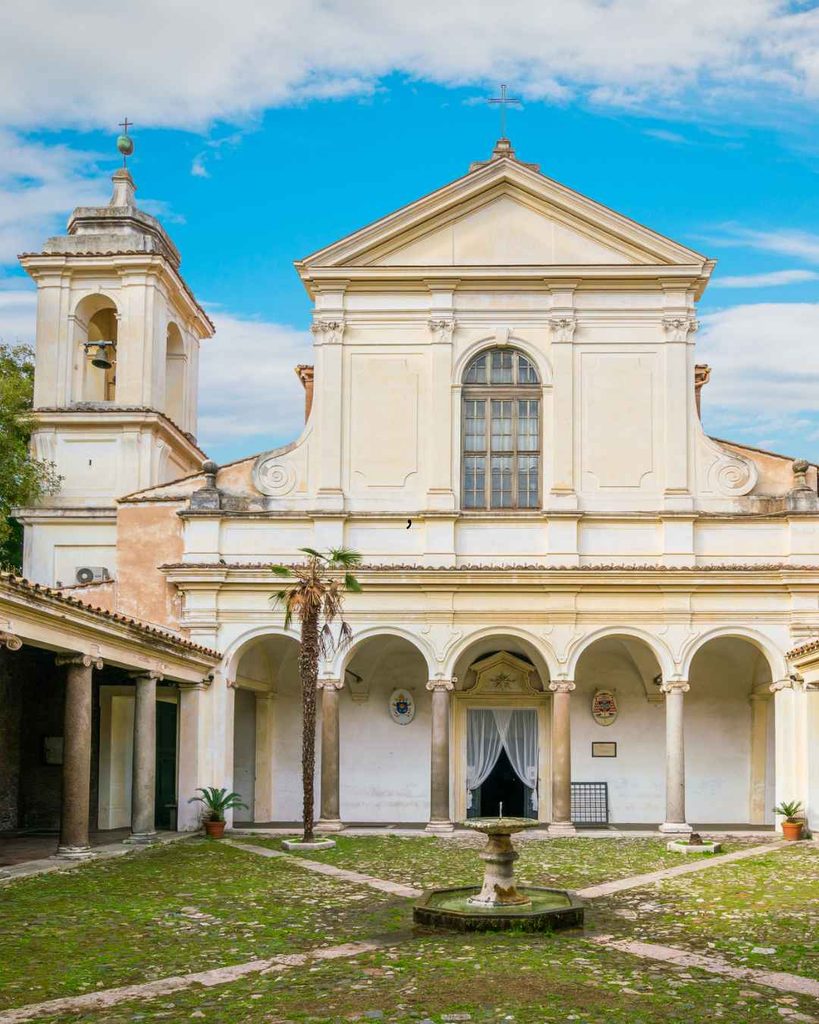
Just a short walk from the Colosseum stands a church that offers one of the most fascinating journeys through Rome’s history. From the outside, the Basilica of San Clemente looks like another beautiful old Roman church. Its unassuming façade and peaceful courtyard give little indication of what lies beneath it.
But descend a staircase inside, and you begin a journey through three distinct layers of history, each built upon the remains of the previous one.
The uppermost level is the medieval basilica, largely dating from the 12th century. Its interior is worth exploring in its own right, particularly for the beautiful golden mosaics in the apse, the Cosmatesque floor, and the ornate decoration surrounding the sanctuary.
Look towards the apse and you will see an extraordinary mosaic depicting the Triumph of the Cross. Its intricate composition includes Christ on the cross, surrounded by vines, birds, animals, and human figures. It is one of the finest examples of medieval religious art in Rome.
But the real adventure begins when you descend to the lower levels.
Beneath the medieval church are the remains of an earlier Christian basilica dating to the fourth century. Although much of it is now underground, visitors can still explore portions of its walls, ancient frescoes, and architectural features.
The frescoes are particularly interesting because they preserve glimpses of early Christian devotion and provide evidence of how religious art developed in Rome.
Descend even further, and you reach an ancient Roman complex dating back to the first centuries AD. Here, you encounter rooms that once formed part of Roman buildings, including a Mithraic temple.
Mithraism was a mystery religion that became popular among certain groups in the Roman Empire, particularly soldiers and merchants. Its followers worshipped Mithras, a deity commonly associated with a ritual sacrifice of a bull.
Inside the underground sanctuary at San Clemente, you can still see the stone altar and the remains of the space where these ceremonies took place.
There is something extraordinary about standing in a Roman religious sanctuary, knowing that a medieval Christian church was subsequently constructed directly above it.
The different layers reveal how Rome continually transformed itself. Buildings were abandoned, repurposed, demolished, and rebuilt, with each generation leaving traces of its beliefs and daily life.
One of the most memorable details is the sound of water flowing through parts of the underground complex. It is a reminder that ancient Rome was not simply a city of impressive monuments but also a sophisticated urban environment with underground drainage and water systems.
2. Quartiere Coppedè: The Fairytale Neighbourhood That Looks Nothing Like Rome
Rome is famous for its Baroque palaces, Renaissance architecture, ancient ruins, and monumental churches. But there is one small neighbourhood in the northern part of the city that seems to belong to an entirely different world.
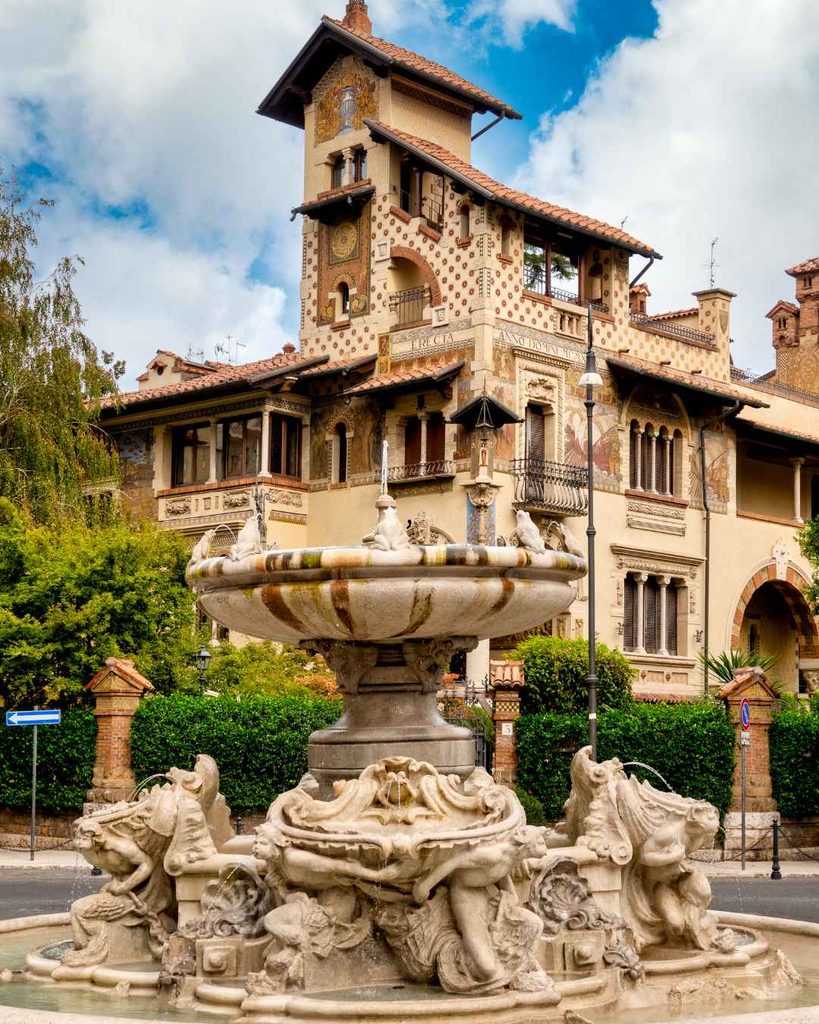
Quartiere Coppedè is one of the most unusual architectural discoveries in Rome. It is a collection of extraordinary buildings featuring a mixture of Art Nouveau, Art Deco, medieval, Gothic, Baroque, and even classical influences.
The neighbourhood takes its name from Gino Coppedè, the architect responsible for designing this remarkable collection of buildings in the early twentieth century.
Construction began in 1915 and continued until the architect’s death in 1927, with the remaining work completed by his collaborators.
The result is unlike almost anything else in Rome.
The best way to explore the neighbourhood is to begin at its elaborate entrance arch on Via Tagliamento. The arch connects two imposing buildings and features an enormous wrought-iron chandelier hanging beneath it.
Passing through feels almost like entering a different city.
Continue towards Piazza Mincio, the heart of the neighbourhood, where you will find the beautiful Fontana delle Rane, or Fountain of the Frogs.
Designed by Coppedè, the fountain features twelve frogs arranged around its structure. It is one of the most recognisable landmarks in the district and a wonderful example of the architect’s playful imagination.
There is also an interesting Beatles connection. According to the popular story, members of the band jumped into the fountain fully clothed after performing at the nearby Piper Club in 1965.
But the fountain is only the beginning.
Look around Piazza Mincio and you will notice buildings that appear to have been assembled from different architectural periods. One of the most striking is the Villino delle Fate, or House of the Fairies.
Its exterior features arches, decorative details, mosaics, and a fascinating combination of materials. The building is divided into three distinct sections, each with its own architectural personality.
Another building worth looking for is the Palazzina del Ragno, recognisable by the large spider decoration on its façade.
The neighbourhood’s architectural details become even more interesting when you slow down and look closely. There are mythical figures, animals, elaborate balconies, decorative ironwork, and intricate carvings almost everywhere you turn.
It is easy to understand why the area has attracted filmmakers and artists over the years.
Quartiere Coppedè is also an interesting reminder that Rome’s architectural history did not end with the ancient empire or the Renaissance. The city continued to reinvent itself well into the twentieth century.
Unlike a conventional museum or monument, this is a living residential neighbourhood. People live and work in its buildings, so visitors should explore respectfully and remember that the courtyards and entrances are not all public spaces.
If you enjoy architecture, photography, or simply discovering unusual corners of European cities, Quartiere Coppedè is one of Rome’s most rewarding detours.
3. Centrale Montemartini: Where Ancient Rome Meets Industrial History
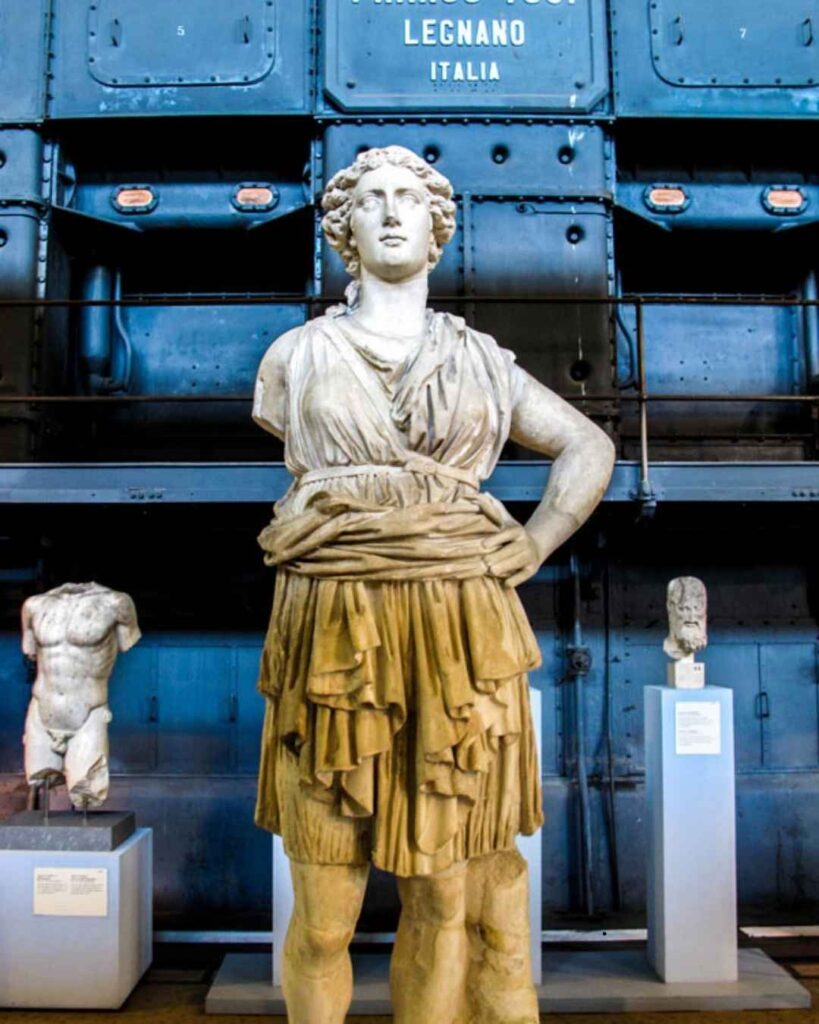
Imagine walking into an old power station and finding yourself surrounded by ancient Roman sculptures, marble statues, mosaics, and elaborate classical decorations.
This is precisely what awaits at Centrale Montemartini, one of the most unusual museums in Rome.
Located in the Ostiense district, the building originally served as a power station. It was inaugurated in 1912 and formed part of Rome’s early modern electricity infrastructure.
Its enormous industrial machines, engines, turbines, and steel structures are still present, creating an extraordinary setting for the museum’s collection.
The transformation began in the 1990s, when the Capitoline Museums needed additional space to display ancient sculptures. A selection of works was temporarily transferred to the former power station while the main museums underwent renovation.
The temporary exhibition proved so successful that the building eventually became a permanent museum.
Today, Centrale Montemartini offers one of the most unusual combinations of ancient art and industrial architecture anywhere in Italy.
As you move through its enormous halls, you encounter classical sculptures displayed alongside machinery that once generated electricity for the city.
The contrast is remarkable.
In one room, a magnificent marble statue stands beneath enormous industrial equipment. Elsewhere, ancient mosaics and sculptural groups occupy spaces dominated by steel columns, pipes, and mechanical structures.
Among the museum’s treasures are sculptures from ancient Rome, including portraits, funerary works, and representations of gods and mythological figures.
Some of the pieces were discovered during archaeological excavations carried out in Rome as the modern city expanded.
Others belonged to important public and private buildings in antiquity.
One particularly interesting aspect of the collection is how it reveals the appearance of ancient Rome beyond its most famous surviving monuments. The sculptures demonstrate the sophistication of Roman portraiture, the importance of public decoration, and the influence of Greek artistic traditions.
The industrial setting also gives visitors a different perspective on the city’s more recent history.
Rome is often presented as a city frozen in antiquity, but it has also been an important centre of industrial development, engineering, and modern urban transformation.
Centrale Montemartini brings these different periods together in a way that feels both unexpected and remarkably coherent.
It is also one of the most photogenic museums in the city. The contrast between white marble, dark machinery, and enormous industrial interiors creates compositions that are difficult to find in traditional art museums.
Why visit: This is an excellent alternative to Rome’s more conventional museums, particularly if you enjoy ancient sculpture but want to experience it in a completely different setting.
Where to find it: Via Ostiense, in the Ostiense district. It is best combined with a visit to the surrounding industrial heritage and street art.
4. Galleria Sciarra: An Extraordinary Courtyard Hidden Behind an Ordinary Entrance
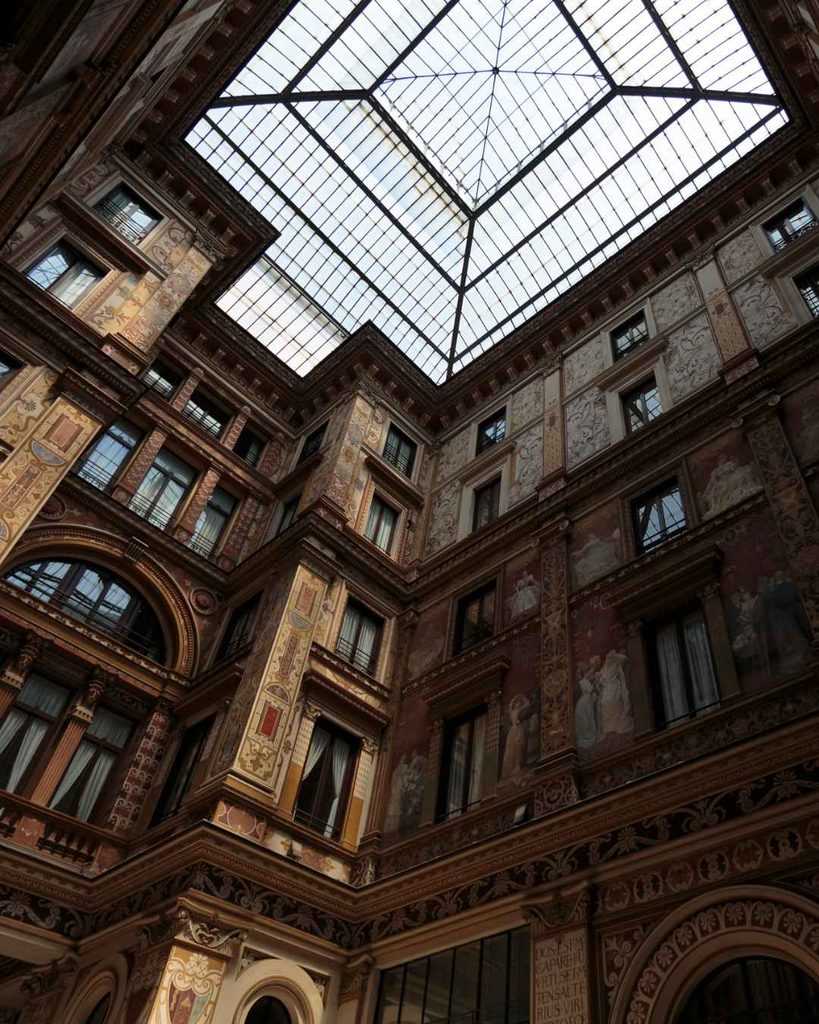
A short walk from the Trevi Fountain is one of the most beautiful architectural spaces in Rome, yet many visitors pass nearby without ever discovering it.
Galleria Sciarra is a covered courtyard featuring an extraordinary cycle of Art Nouveau frescoes. It is tucked away behind an entrance that can easily be overlooked if you are not specifically looking for it.
The gallery forms part of Palazzo Sciarra, a historic building associated with the powerful Sciarra branch of the Colonna family.
Its most remarkable feature is the decoration created during the late nineteenth century, when the building underwent significant renovation.
The courtyard is covered by an elegant glass and iron roof, allowing natural light to illuminate the walls and the intricate paintings surrounding the space.
Look upwards and you will find yourself surrounded by colourful frescoes featuring allegorical female figures, decorative patterns, and elaborate architectural details.
The paintings celebrate virtues traditionally associated with women, including modesty, patience, kindness, and other qualities considered important in nineteenth-century society.
They are part of a decorative programme that reflects the cultural attitudes and artistic tastes of the period.
The overall effect is extraordinary.
The combination of the glass roof, iron framework, painted walls, and decorative details creates an atmosphere that feels more like a grand European palace than an ordinary courtyard in central Rome.
One of the things that makes Galleria Sciarra particularly interesting is its location.
The Trevi Fountain is only a short walk away, and yet the gallery offers a completely different experience from the crowded streets surrounding one of Rome’s most famous monuments.
It is a reminder that some of the city’s most beautiful discoveries do not require a long journey or an expensive museum ticket. Sometimes, you simply need to know which doorway to walk through.
The gallery is also a good example of the architectural styles that flourished in Rome as the city expanded and modernised during the nineteenth and early twentieth centuries.
Why visit: Galleria Sciarra is perfect for architecture lovers and photographers. It is also an easy stop to include while exploring the historic centre.
Where to find it: Near Via del Corso and the Trevi Fountain. Check access arrangements before visiting, as it is a working building and public access can vary.
5. Palazzo Spada: The Architectural Illusion That Tricks Your Eyes
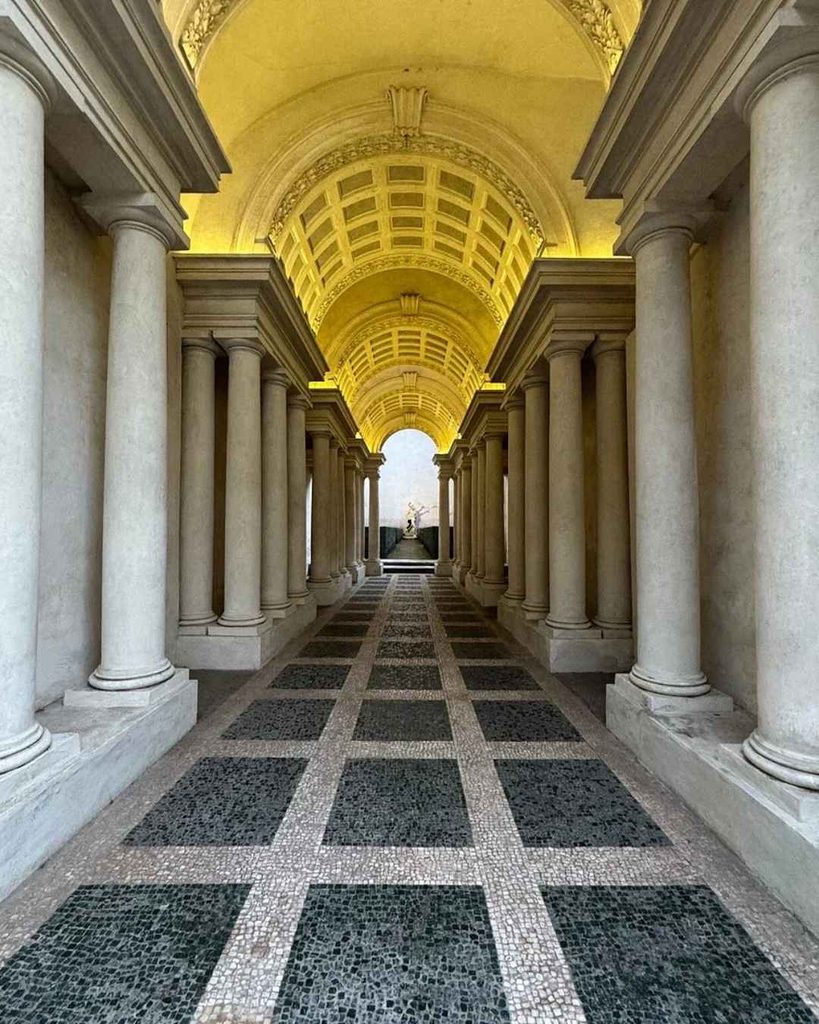
Rome is full of extraordinary buildings, but few demonstrate the genius of Baroque architecture quite as cleverly as Palazzo Spada.
The palace itself is an impressive Renaissance building, but its most fascinating feature is hidden inside its courtyard.
Here, visitors encounter a remarkable perspective gallery designed by the architect Francesco Borromini in the seventeenth century.
At first glance, the corridor appears to be a long passage extending deep into the building. At the far end stands what looks like a life-sized sculpture.
But there is a trick.
The corridor is actually much shorter than it appears, and the sculpture is considerably smaller than it seems from the entrance.
Borromini achieved this effect through an ingenious combination of architectural perspective, converging columns, a rising floor, and a progressively lowering ceiling.
As you look down the gallery, the architectural elements become smaller and closer together, creating the illusion of enormous depth.
The result is a remarkable example of forced perspective.
The corridor measures approximately nine metres in length, but from the entrance it appears to extend much farther.
The sculpture at the end also contributes to the illusion. Its reduced dimensions are difficult to appreciate until you move closer and realise just how much your eyes have been deceived.
This is one of those places where understanding the trick makes the experience even more enjoyable.
Borromini was one of the most inventive architects of the Baroque period. His work often challenged conventional architectural forms, using complex geometry, dramatic spatial arrangements, and unusual decorative techniques.
The perspective gallery at Palazzo Spada is a wonderful illustration of his creativity.
The palace also houses the Galleria Spada, an art collection featuring paintings by important Italian and European artists. Its richly decorated rooms are worth exploring if you have time.
Among the highlights are works associated with artists such as Guido Reni, Guercino, and Artemisia Gentileschi.
The collection is smaller and less overwhelming than the Vatican Museums or the Borghese Gallery, making it a particularly enjoyable stop for visitors who appreciate art but prefer quieter museum experiences.
Why visit: The perspective gallery is one of Rome’s most ingenious architectural curiosities. It is an experience that combines art, mathematics, architecture, and a little bit of theatrical deception.
Where to find it: Piazza Capo di Ferro, within walking distance of Campo de’ Fiori and Piazza Navona.
6. Casina delle Civette: A Fairytale House Hidden Inside Villa Torlonia
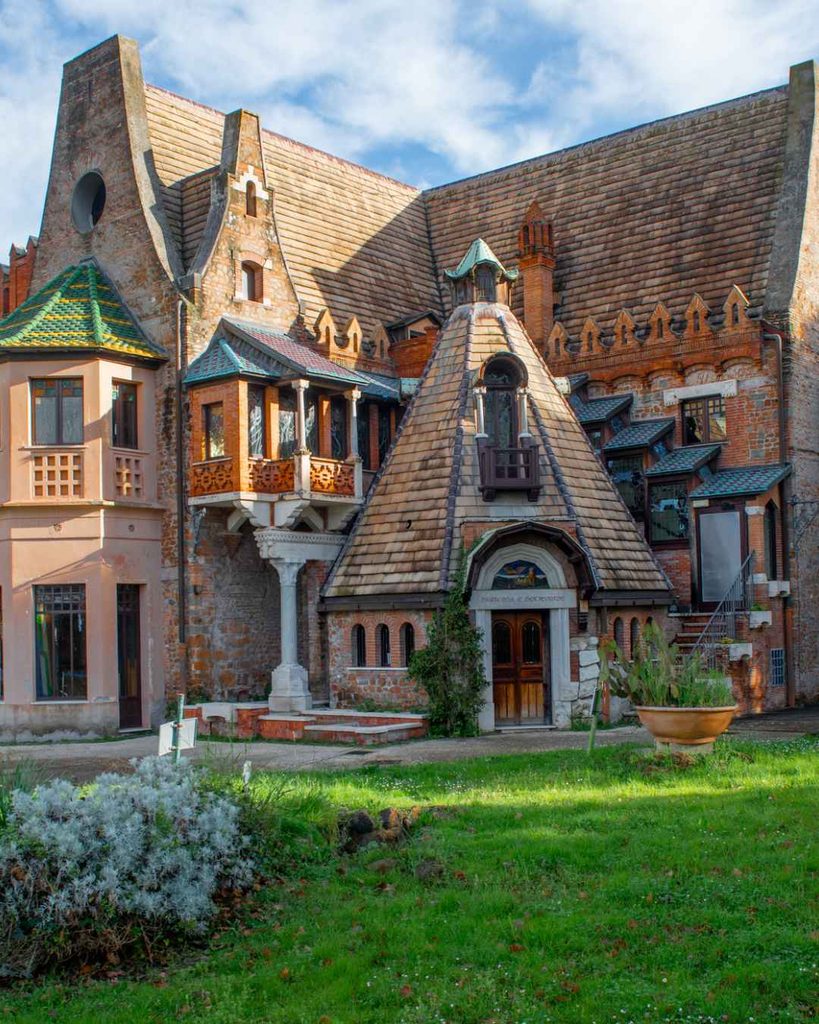
Not every extraordinary building in Rome was constructed for emperors, popes, or powerful aristocratic families. Some were created simply because wealthy individuals wanted somewhere unusual and beautiful to escape the city.
One of the most remarkable examples is the Casina delle Civette, or House of the Owls, inside Villa Torlonia.
The building began life in the nineteenth century as a Swiss-style rural retreat commissioned by Prince Alessandro Torlonia.
It was originally a relatively modest structure designed to resemble an Alpine chalet. Over the following decades, however, it underwent extensive transformations, eventually becoming one of the most unusual examples of eclectic architecture in Rome.
The building’s present appearance is the result of several architectural interventions, particularly during the early twentieth century.
Its name comes from the owl decorations that appear throughout the building.
The exterior is already fascinating, with unusual towers, balconies, decorative windows, and a combination of architectural elements that seem to belong to different historical periods.
But the real treasures are inside.
The Casina delle Civette is particularly famous for its stained-glass windows, many of which feature elaborate natural motifs, birds, flowers, and geometric designs.
Some of the windows incorporate owl imagery, reinforcing the building’s unusual identity.
Natural light passes through the coloured glass, creating beautiful effects across the interior rooms.
The decorative programme extends beyond the windows. You will find elaborate woodwork, painted ceilings, mosaics, and other details that demonstrate the artistic imagination of the building’s designers.
It is a fascinating example of the Liberty style, the Italian interpretation of Art Nouveau, which became popular around the turn of the twentieth century.
The surrounding Villa Torlonia makes the visit even more worthwhile.
The extensive grounds include landscaped gardens, historic buildings, fountains, and several other architectural curiosities.
Villa Torlonia also has an interesting twentieth-century history. Benito Mussolini used the estate as his residence between 1925 and 1943, and the grounds still contain structures associated with that period, including underground shelters.
Today, the villa belongs to the Municipality of Rome and operates as a public park with several museum spaces.
Walking through its gardens is a pleasant way to escape the noise and traffic of the historic centre.
You can explore the grounds at a leisurely pace before visiting the Casina delle Civette and the other museum buildings.
The Casina delle Civette is a wonderful discovery for anyone interested in unusual architecture, decorative arts, stained glass, and places that look as though they belong in a fairytale.
7. Garbatella: The Roman Neighbourhood That Feels Like a Small Italian Village
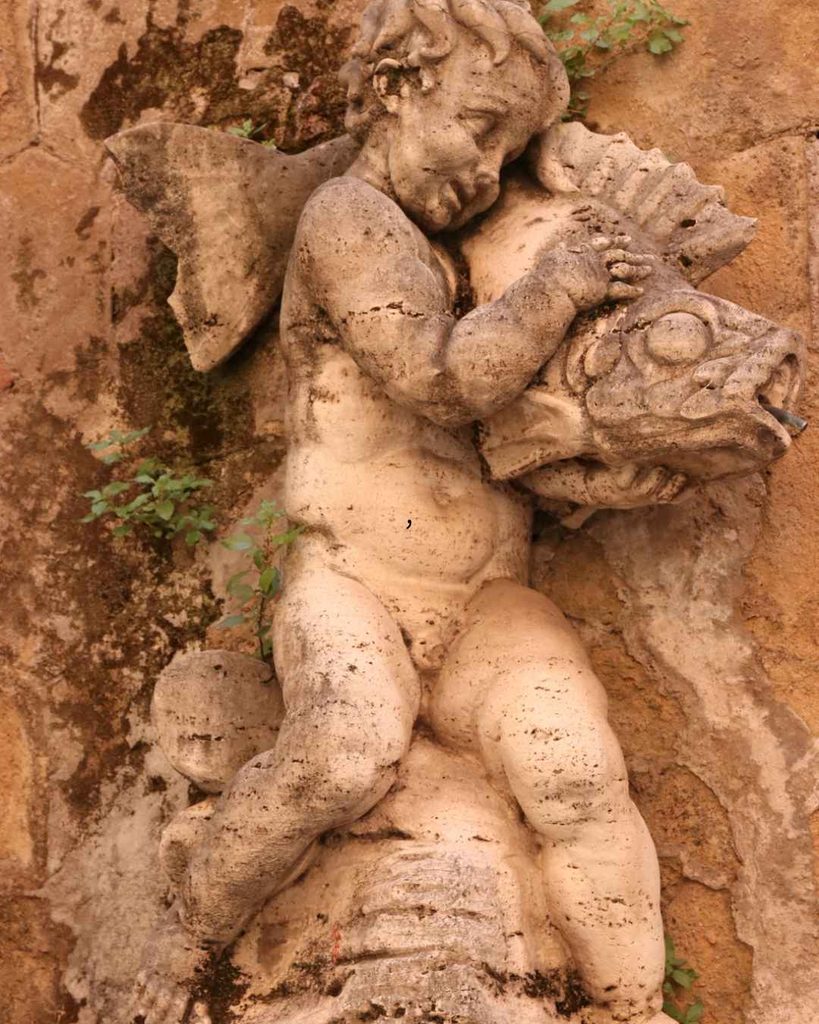
One of the biggest mistakes visitors make in Rome is assuming that everything worth seeing is concentrated around the historic centre.
But if you want to understand the city beyond its ancient monuments and Renaissance palaces, spending some time in its residential neighbourhoods can be equally rewarding.
Garbatella is one of the best places to start.
Located south of the historic centre, this neighbourhood has a character that feels remarkably different from the Rome most visitors experience.
It was established in 1920 as a planned residential development intended to provide housing for workers.
The original concept was influenced by the garden-city movement, which sought to combine urban living with green spaces, communal gardens, and a more pleasant residential environment.
The result was a neighbourhood of low-rise buildings, shared courtyards, small gardens, external staircases, and intimate public squares.
Unlike many modern housing developments, Garbatella was designed to encourage a sense of community.
Its buildings were arranged in small residential groups known locally as lotti, each with its own distinctive architectural features.
Walking through the neighbourhood, you will encounter colourful façades, decorative balconies, narrow stairways, and charming courtyards.
Some buildings feature arches and decorative details inspired by medieval and Baroque architecture, giving parts of Garbatella an almost village-like appearance.
The atmosphere is particularly enjoyable because this is not a neighbourhood designed for sightseeing.
It is a place where people live, shop, meet friends, and go about their everyday routines.
Small cafés and traditional restaurants occupy the surrounding streets, while local markets and neighbourhood squares provide glimpses into ordinary Roman life.
Piazza Benedetto Brin is a good starting point for exploring the area, as it is associated with the original development of Garbatella.
From there, wander through the surrounding residential streets, paying attention to the different architectural styles and communal courtyards.
Piazza Damiano Sauli is another interesting stop, with its local atmosphere and market.
You will also find street art and contemporary cultural spaces that add another dimension to the neighbourhood.
Garbatella is particularly appealing because it offers something that many historic city centres have gradually lost: a strong sense of local identity.
It is not a perfectly preserved historical district, nor is it a polished tourist destination. Its appeal lies in its mixture of architecture, everyday life, and community.
Why visit: Garbatella is an excellent place to discover a more residential side of Rome. It is particularly rewarding for travellers interested in urban history, architecture, and neighbourhood culture.
Where to find it: South of the historic centre, near Garbatella Metro station on Line B.
8. Testaccio: Where Traditional Roman Food and Everyday Life Come Together
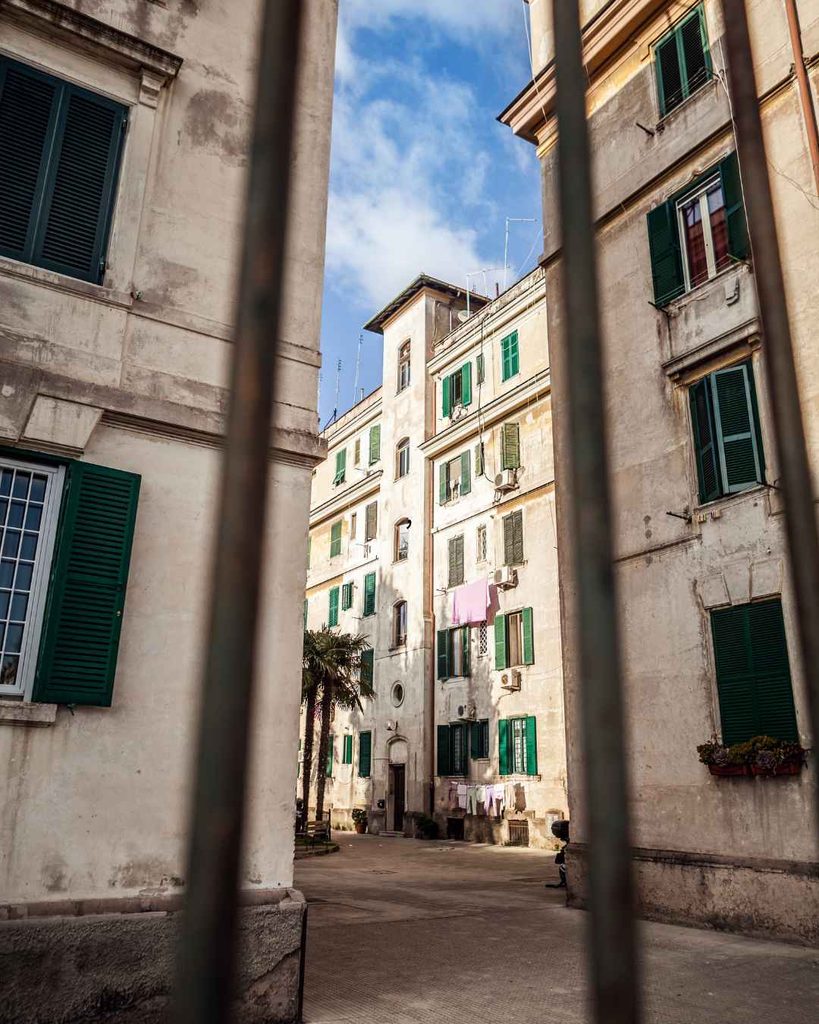
If you want to understand Rome through its food, Testaccio is one of the most interesting neighbourhoods to explore.
While visitors often associate Roman cuisine with restaurants around the Pantheon, Piazza Navona, and Trastevere, Testaccio offers a more traditional perspective on the city’s culinary identity.
The neighbourhood developed around Rome’s historic river port and the commercial activities that took place along the Tiber.
For centuries, it was closely associated with the transportation and storage of food arriving in the city.
One of its most fascinating landmarks is Monte Testaccio, an artificial hill formed almost entirely from fragments of ancient Roman pottery.
The hill consists of millions of discarded amphorae, particularly containers that were used to transport olive oil.
Rather than simply throwing the broken vessels into ordinary rubbish dumps, the Romans deposited them in an organised manner, gradually creating this enormous mound.
It is a remarkable reminder of the scale of trade and consumption in ancient Rome.
But Testaccio is equally interesting for its food culture.
The neighbourhood has long been associated with traditional Roman cooking, particularly dishes that make use of ingredients that were once considered less desirable cuts of meat.
This is where dishes such as coda alla vaccinara, a traditional oxtail stew, became part of the local culinary tradition.
Other classics include trippa alla romana, rigatoni con la pajata, and the famous pasta dishes found throughout the city.
Testaccio Market is one of the best places to experience this food culture.
The modern market brings together fresh produce, meat, fish, baked goods, and small food stalls serving Roman specialities.
It is a lively place to visit around lunchtime, when locals and visitors gather to eat.
You can sample pizza al taglio, sandwiches, pasta, and other dishes without committing to a long restaurant meal.
The surrounding streets are also worth exploring, particularly if you enjoy discovering traditional trattorias and small neighbourhood establishments.
One of the things I particularly like about Testaccio is that it demonstrates how food in Rome is connected to the city’s history.
The traditional dishes are not simply recipes that have survived because they taste good. Many reflect centuries of social customs, economic realities, and the resourcefulness of local communities.
The neighbourhood is also a good place to spend an evening. Its bars and restaurants attract a mixture of residents and visitors, creating a lively atmosphere without the intensity of some of the more heavily visited parts of central Rome.
Why visit: Testaccio is one of the best places to explore traditional Roman food, understand the city’s working-class history, and experience a neighbourhood that retains a strong local identity.
Where to find it: South of the Aventine Hill, within easy reach of Piramide Metro station and the Pyramid of Cestius.
9. Via Appia Antica: Walking Along an Ancient Roman Road
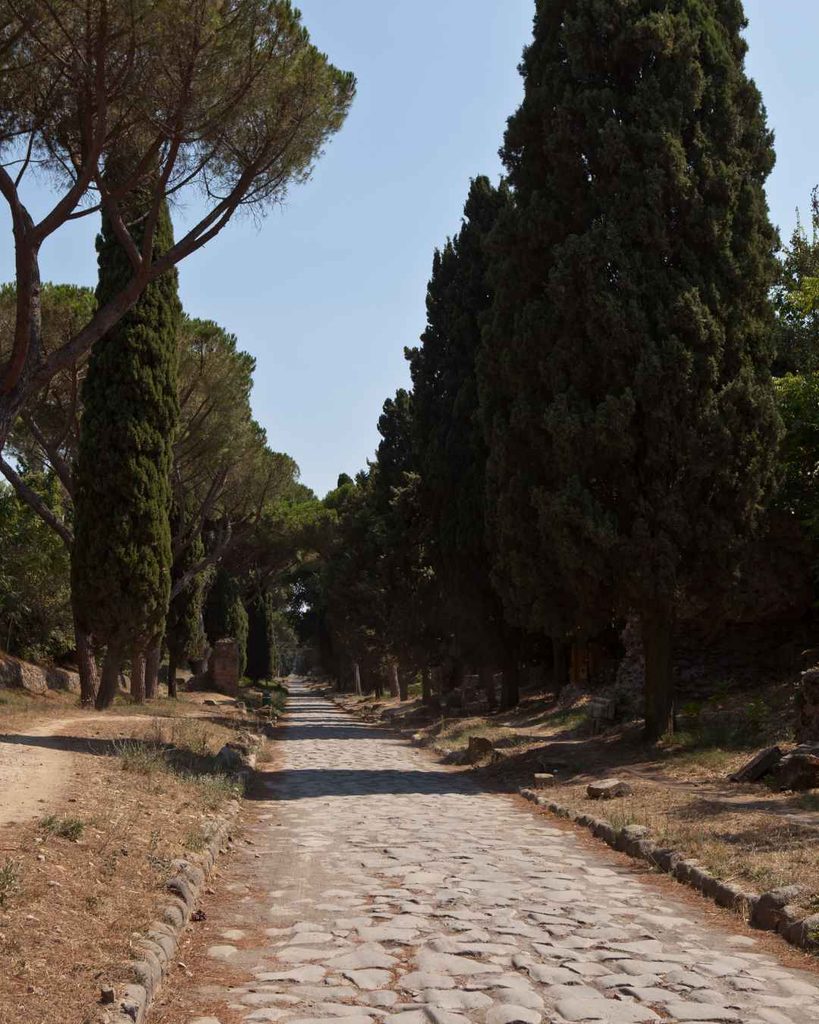
Some of Rome’s most extraordinary historical discoveries are not found inside museums or archaeological sites. They are waiting along the roads that once connected the capital to the rest of the Roman world.
One of the best examples is Via Appia Antica, the ancient Appian Way.
Construction began in 312 BC under the Roman censor Appius Claudius Caecus. The road was initially designed to connect Rome with Capua in southern Italy, before being extended further towards Brindisi.
Its importance was enormous.
The Appian Way facilitated military movement, trade, communication, and the expansion of Roman influence throughout the Italian peninsula.
It became one of the most important roads in the Roman world, demonstrating the engineering and organisational abilities that helped sustain the empire.
Today, parts of the ancient road survive outside the modern city, offering visitors a remarkable opportunity to walk along a route that has been used for more than two thousand years.
The atmosphere is very different from central Rome.
Instead of crowded piazzas and busy shopping streets, you find stretches of ancient paving stones, monumental tombs, stone walls, green fields, and towering umbrella pines.
Some sections are remarkably well preserved, allowing you to appreciate the scale and construction of Roman road engineering.
One of the most interesting aspects of Via Appia Antica is its funerary architecture.
In ancient Rome, burial within the city was generally restricted, so tombs and monuments were constructed along roads outside the city walls.
As a result, the Appian Way gradually became lined with elaborate funerary structures belonging to wealthy Roman families.
One of the most recognisable is the Tomb of Cecilia Metella, an imposing cylindrical mausoleum built during the first century BC.
Its enormous scale gives an idea of how wealthy Roman families used monumental architecture to preserve their memory.
Other sections of the road pass near ancient catacombs, including the Catacombs of San Callisto and San Sebastiano.
These underground burial complexes played an important role in early Christian history and are among the most fascinating archaeological sites in Rome.
The best way to experience Via Appia Antica is to explore it slowly.
Walking allows you to appreciate the paving stones, ancient monuments, and surrounding landscape. Cycling is another excellent option, particularly if you want to cover a longer stretch of the road.
It is worth remembering that parts of the road remain in use, and the ancient paving stones can be uneven. Comfortable shoes are essential.
If possible, visit on a Sunday or public holiday when certain sections have restricted vehicle access as part of the city’s pedestrian-friendly arrangements. Check the current road access information before setting out.
Why visit: Via Appia Antica offers a rare opportunity to experience ancient Roman history in its original landscape rather than behind museum barriers. It is one of the most rewarding excursions for anyone interested in the Roman Empire.
Where to find it: Southeast of the historic centre. You can reach the area by public transport, but planning your starting point in advance will make the visit easier.
10. Parco degli Acquedotti: The Extraordinary Landscape of Ancient Roman Engineering
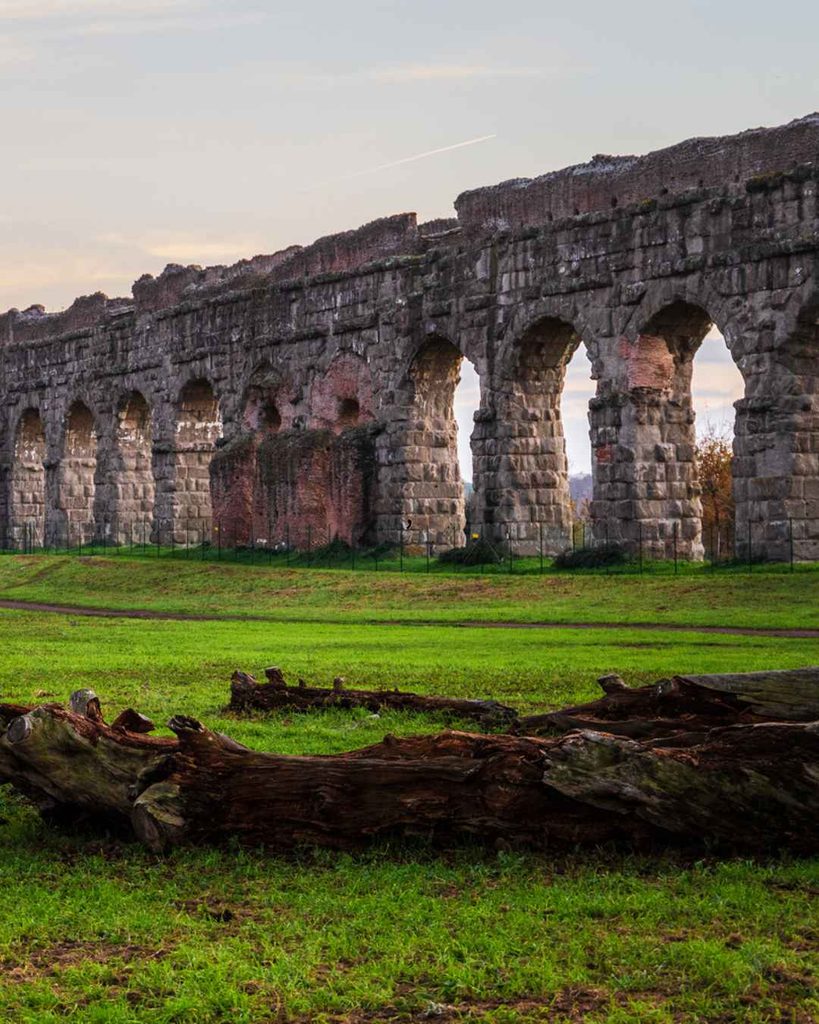
If you have ever wondered how ancient Rome managed to supply water to a population numbering in the hundreds of thousands, Parco degli Acquedotti offers an extraordinary glimpse into the answer.
Located southeast of the historic centre, this large public park is home to the remains of several ancient Roman aqueducts.
The structures rise above the surrounding landscape in long sequences of arches, creating one of the most unusual urban landscapes in the city.
It is difficult to believe that these monumental structures once formed part of an enormous engineering network designed to bring fresh water into Rome from distant springs and rivers.
The Romans understood that a growing city needed a reliable water supply.
Over several centuries, they constructed a network of aqueducts that transported water through carefully engineered channels, often relying on gravity to maintain a continuous flow.
Some aqueducts travelled for dozens of kilometres before reaching the city.
Their construction required an impressive understanding of surveying, gradients, materials, and hydraulic engineering.
The remains visible in Parco degli Acquedotti belong to several different aqueduct systems, including sections of the Aqua Claudia and Anio Novus.
The Aqua Claudia was begun during the reign of Emperor Caligula and completed under Claudius in AD 52.
Its enormous arches are among the most impressive surviving examples of Roman aqueduct construction.
The park’s open landscape makes it possible to appreciate the scale of these structures in a way that is difficult to do in the crowded historic centre.
You can walk along paths beneath the arches, photograph the monumental remains, and enjoy views that combine ancient engineering with the surrounding greenery.
Unlike the archaeological sites near the Colosseum, this is not a place where you need to follow a fixed route or spend your time reading information panels.
It is somewhere to wander, explore, and appreciate the relationship between the ancient city and the surrounding countryside.
The park is also popular with Romans who come to exercise, walk their dogs, cycle, or simply spend time outdoors.
For photographers, the aqueducts are particularly beautiful in the late afternoon when the changing light creates dramatic shadows across the arches.
Sunset can be spectacular, although it is worth planning your return journey and avoiding isolated sections after dark.
Parco degli Acquedotti is a wonderful reminder that Roman engineering extended far beyond the monuments that visitors usually associate with the ancient city.
The aqueducts were practical structures, designed to make urban life possible. Yet nearly two thousand years later, they remain some of the most impressive architectural features of the Roman landscape.
This is one of the best places to appreciate the engineering achievements of ancient Rome while enjoying a completely different atmosphere from the historic centre.
How to Discover the Rome Most Tourists Never See
You do not need to spend an entire week visiting all ten of these places. In fact, several can be combined into enjoyable half-day excursions.
If you are visiting Rome for the first time, I would not recommend sacrificing the Colosseum, Roman Forum, Pantheon, or Vatican Museums just to see every place on this list.
Instead, choose a few discoveries that complement your main itinerary.
Here is how I would organise them.
For lovers of ancient history: Start with the Basilica of San Clemente, then explore Via Appia Antica and Parco degli Acquedotti on another day. These three places reveal very different aspects of Roman history and engineering.
For lovers of art and architecture: Combine Quartiere Coppedè, Centrale Montemartini, Galleria Sciarra, Palazzo Spada, and Casina delle Civette. They offer an excellent introduction to the artistic diversity of Rome, from classical sculpture to twentieth-century architectural experimentation.
For an authentic neighbourhood experience: Spend time in Garbatella and Testaccio. Visit the market, explore the residential streets, enjoy a traditional Roman lunch, and take your time discovering the local atmosphere.
One important thing to remember is that some of these attractions are not open every day or have specific visiting arrangements. Churches may have religious services, museums may have different opening schedules, and underground archaeological sites sometimes require advance reservations.
Always check official visitor information before travelling.
There Is Always Another Rome to Discover
Rome is a city that never seems to run out of surprises.
You can visit the Colosseum, admire the Pantheon, throw a coin into the Trevi Fountain, and spend hours exploring the Vatican Museums. Yet there will always be another church, another courtyard, another ancient ruin, or another neighbourhood waiting to be discovered.
Some of the places on this list are extraordinary because of their history. Others stand out because of their architecture, artistic treasures, or the everyday life that continues around them.
What they have in common is that they reveal a side of Rome that is easy to miss when you follow the same sightseeing routes as everyone else.
So, on your next visit, leave a little room in your itinerary for something unexpected. Take a detour, walk down an unfamiliar street, step inside an unassuming building, or venture beyond the historic centre.
You might discover that the Rome you remember most fondly is not necessarily the one you came to see.
Again, feel free to go through the list below of my Italy recommendations that I have crafted after years of travel to this beautiful country:
- Packing List: Things Not to Go to Italy Without
- Must-Do Things: Unforgettable Experiences
- Where to Stay: Best Hotels in Italy.
- Where to Stay in Rome: Rome’s Best Neighborhoods
- Where to Stay in Florence: Picking the Best Area
- Where to Stay in Venice: Venice’s Best Districts
- Italy’s Cobblestone Streets: Best Shoes For the Job
- Backpack or Suitcase?: Italy Luggage Guide
- Travel Insurance: Always Be Covered
- E-Sim: Be Connected At All Times