
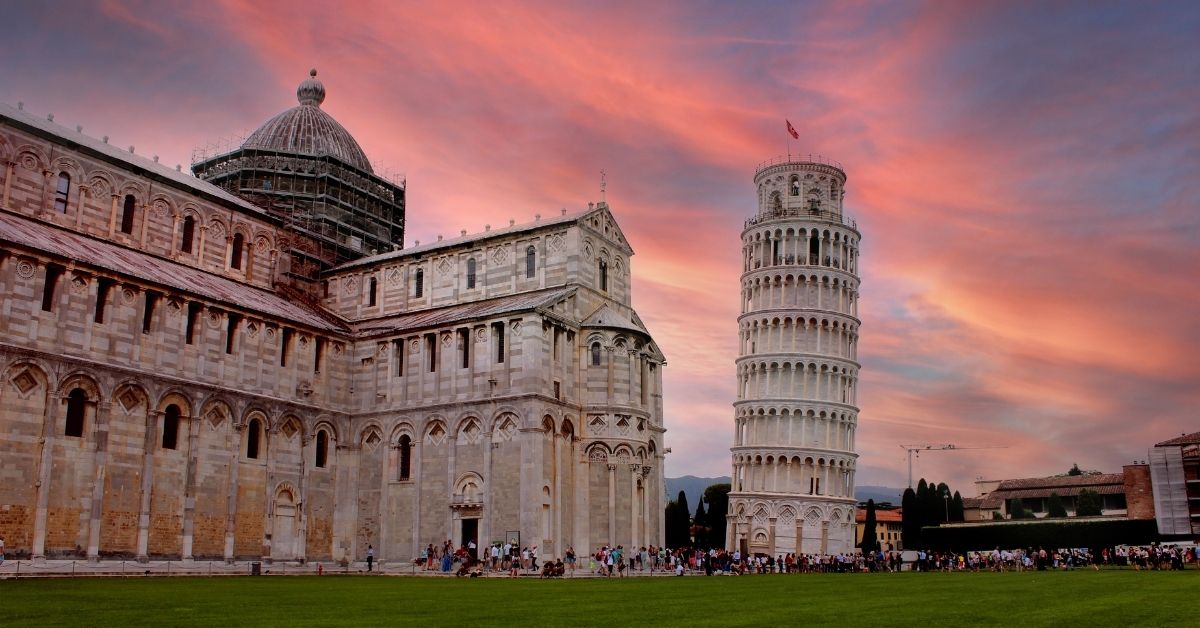
There are few places on earth that spark as much debate among travelers as Pisa. For some, it represents everything wrong with modern tourism—crowded, expensive, and reduced to a single photo opportunity where thousands of people daily strike the same pose, pretending to hold up a building that has been tilting for centuries. For others, Pisa is a charming Tuscan city with a rich history, a vibrant student population, and a soul that extends far beyond its most famous monument.
My wife and I have had this debate with friends more times than I can count. Someone returns from Italy, and when we ask about Pisa, they shrug and say, “It was fine. We took the picture, had a mediocre lunch, and got back on the train to Florence.” The city has become a punchline in travel circles, a place people feel obligated to visit but rarely remember fondly.
But here is what I have come to believe after spending proper time there: Pisa is not overrated. It is misunderstood. The difference between a disappointing day trip and a memorable visit comes down to one thing—how you choose to experience it. If you treat Pisa as a box to check off your list, it will feel exactly like that. But if you treat it as a destination worth exploring, you will find a city that reveals its charm slowly, layer by layer.
Before reading further, please take the time to ensure you have packed everything you need for your trip to Italy. See the checklist here.
Why People Call Pisa Overrated

Let us be fair to the critics. They are not entirely wrong.
The Piazza dei Miracoli, where the Leaning Tower stands, can be overwhelming in the worst way. During peak hours, it is a sea of humanity. Tourists jostle for position to get that perfect shot, vendors hawk cheap souvenirs, and the line to climb the tower snakes around the square. The energy is frantic, the prices are inflated, and the experience can feel anything but miraculous.
The day-trip mentality is the real culprit here. Most visitors arrive from Florence on a morning train, spend a couple of hours at the tower, grab a quick lunch somewhere near the square, and head back. They never see the real Pisa because they never leave the immediate vicinity of the monument. And honestly, if you judge a city based solely on the area immediately surrounding its most famous attraction, almost anywhere would seem like a tourist trap.
The irony is that Pisa suffers from its own success. The Leaning Tower is so iconic, so instantly recognizable, that it overshadows everything else. People come for the tower and leave when they have seen it, never realizing that the tower was never meant to be the main attraction. It is just the bell tower of a magnificent cathedral that most visitors barely glance at on their way to the photo op.
The City That Exists Beyond the Tower
Here is where the misunderstanding comes in. Pisa is not a monument with a city attached. It is a city with a monument inside it. And that city has been standing for centuries, long before that famous tilt ever began.
The Piazza dei Miracoli itself is a UNESCO World Heritage site, and the Leaning Tower is just one part of it. The Duomo, or cathedral, that the tower belongs to is a masterpiece of Romanesque architecture. Its layers of white and gray marble, its intricate bronze doors, and its stunning interior with a golden ceiling are worth the visit on their own. The Baptistery, the largest in Italy, has acoustics that will give you chills if you happen to hear someone singing inside. And the Camposanto, the monumental cemetery, is a peaceful and beautiful spot with ancient Roman sarcophagi and frescoes that have survived centuries of weather and war.
But even beyond the piazza, Pisa has layers of history waiting to be uncovered. This was once a powerful maritime republic, a rival to Genoa and Venice. The Museum of Ancient Ships houses the remarkably preserved remains of Roman vessels that were discovered during construction work, offering a fascinating glimpse into Pisa’s seafaring past. The city was also home to Galileo Galilei, who famously conducted his experiments from the tower—a fact that connects Pisa to one of the most important scientific minds in history.
What surprised my wife and me most was how much the city feels alive. Pisa is home to one of Italy’s oldest universities, and the student population gives the city an energy that many other Tuscan towns lack. The streets are filled with young people on bicycles, bookshops spill onto sidewalks, and there is a casual, unpretentious vibe that makes wandering feel like discovery rather than tourism.
The Real Pisa

Step away from the Piazza dei Miracoli and walk toward the Arno River. The Lungarni, the streets that line the river, are beautiful and peaceful, especially in the late afternoon light. The reflections of the colorful buildings on the water, the bridges that connect the two sides of the city, and the quiet rhythm of daily life make for a completely different experience than the chaos near the tower.
Piazza dei Cavalieri is another spot that most tourists miss. This was the political heart of medieval Pisa, and it still retains an air of importance. The Palazzo della Carovana, with its magnificent facade covered in sgraffito decorations, dominates the square, and it is now part of the university. The piazza has none of the frantic energy of the tower square. Instead, it feels like a place where history sits quietly, waiting for you to notice it.
For a taste of real local life, head to Piazza delle Vettovaglie, the city’s food market. The name itself means “provisions,” and that is exactly what you will find here. The square is surrounded by shops and small restaurants, and the atmosphere is purely local. Students gather here in the evenings, and the noise of conversation and laughter fills the air. It is a world away from the souvenir stalls near the tower.
The neighborhoods of San Martino and San Francesco are worth wandering through as well. These are residential areas where you will see laundry hanging from windows, old men playing cards in the shade, and children running through narrow streets. These are the places that remind you that Pisa is a real city, not a theme park.
There is also a surprising piece of modern art in Pisa. Keith Haring painted a large mural on the wall of the Church of Sant’Antonio Abate in 1989, and the colorful figures dancing across the wall have become an unlikely attraction. The mural is called “Tuttomondo,” which means “all the world,” and it represents peace and harmony. It is a joyful, unexpected addition to a city that is often defined by its medieval past.
Eating Well in Pisa
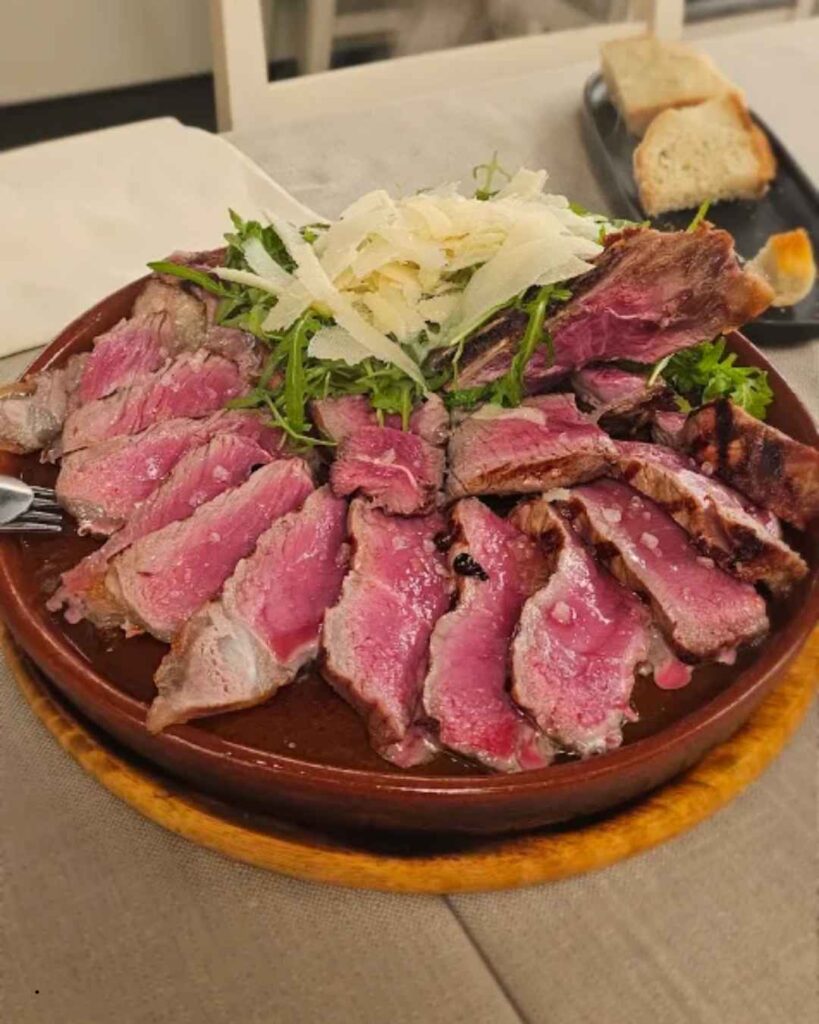
One of the worst things you can do is eat near the Leaning Tower. The restaurants there are designed for tourists who will not be coming back, and the quality reflects that. The real food in Pisa is found in the side streets, away from the main piazza, where locals go to eat.
Pisa has its own culinary traditions that are distinct from Florence or Rome. Cecina is a local specialty, a savory pancake made from chickpea flour that is crispy on the outside and soft on the inside. It is simple, delicious, and incredibly affordable. Zuppa alla pisana is a hearty soup made with bread, beans, and vegetables, exactly the kind of rustic dish that Tuscan cooking is famous for.
The pasta here is excellent, and the seafood is surprisingly good considering Pisa is not directly on the coast. The city is close enough to the sea to get fresh fish and shellfish, and the local trattorias know how to prepare it well.
For dessert, try the torta co’ bischeri, a tart made with rice, chocolate, and almonds. It sounds unusual, but it works beautifully, and it is another reminder that Pisa has its own identity when it comes to food.
What you will notice in the restaurants away from the tourist center is the price difference. A meal that would cost twice as much in Florence can be enjoyed in Pisa for a fraction of the price, and it will come with a side of genuine hospitality. The waiters will take the time to explain the menu, recommend a local wine, and chat about the city. These are the moments that turn a meal into a memory.
How to Do Pisa Right
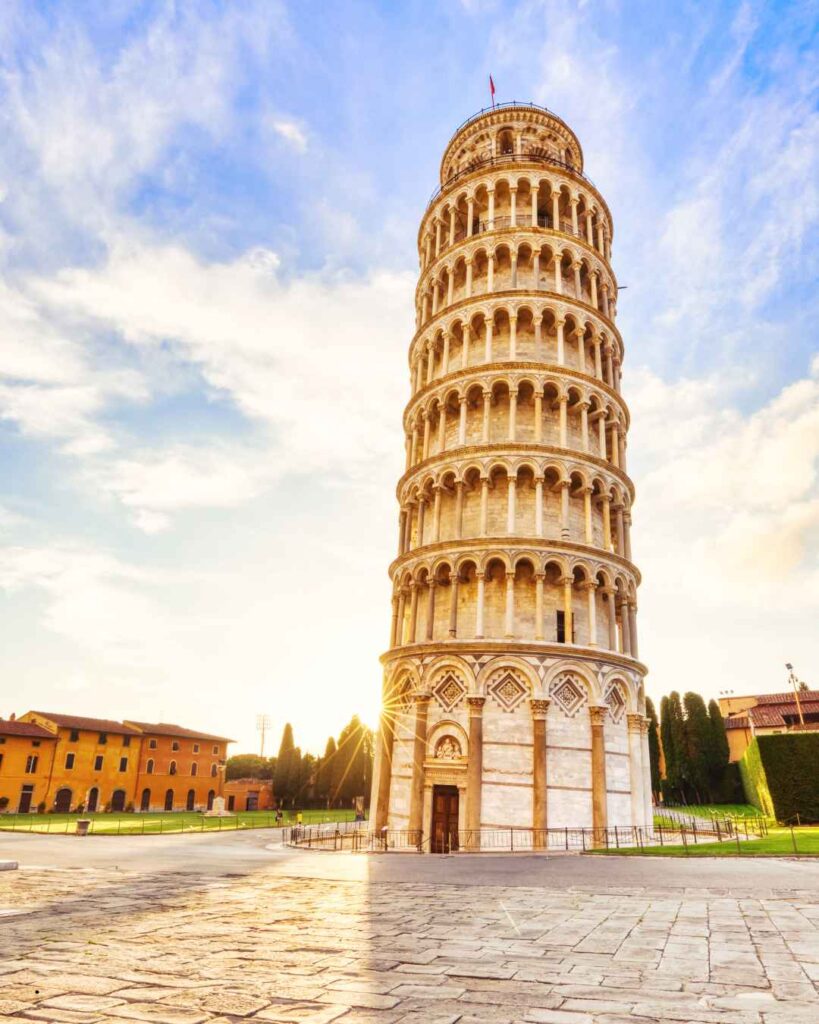
If you are planning to visit Pisa, the single most important piece of advice I can give you is this: stay overnight. The city transforms in the evening. The day-trippers leave on the last train to Florence, and Pisa becomes itself again. The streets are quieter, the restaurants fill with locals, and the light over the Arno River is golden and soft.
My wife and I made the mistake of visiting as a day trip on our first trip to Italy, and we left feeling underwhelmed. A few years later, we decided to give it another chance. We booked a small hotel near the river for two nights, and everything changed. That second visit was the one that opened our eyes.
Book your tickets for the Leaning Tower in advance. The timed slots fill up quickly, especially during peak season, and you do not want to waste precious time waiting in line. If you can, book the first slot of the day at 9:00 AM. The tower is quiet in the early morning, the air is cool, and you can climb to the top before the crowds arrive. The view over the Piazza dei Miracoli and the surrounding countryside is worth every step.
Visit the Piazza dei Miracoli either early in the morning or late in the afternoon. The midday crowds can be overwhelming, and the heat in summer is relentless. The soft light of sunrise or sunset makes the marble of the cathedral and the tower glow, and the photographs will be infinitely better than anything you can get at noon.
Spend time in the cathedral and the baptistery. They are not afterthoughts. They are magnificent buildings in their own right, and they tell the story of Pisa’s golden age in a way that the tower alone never could.
Walk along the river. Cross the bridges. Get lost in the narrow streets. Find a small restaurant where you are the only tourists and order whatever the table next to you is having. These are the things that will make you love Pisa.
Dont get me wrong though. The Leaning Tower of Pisa is so beautiful and intriguing. If that is the only thing you care for or if you don’t have a lot of time in Italy, You can do a day trip that takes you to Pisa, Siena and San Gimignano. This is the tour I recommend.
The Verdict
So is Pisa overrated? Only if you let it be.
The city has been reduced to a single image in the popular imagination, and that image has done it a disservice. Thousands of visitors arrive, take their photo, and leave, never knowing what they missed. They leave with a mediocre experience and spread the word that Pisa is nothing special.
But the truth is that Pisa is a city of layers. There is the Pisa of the Leaning Tower, the one that draws millions of visitors every year. And then there is the real Pisa, the one with the quiet riverbanks, the lively student neighborhoods, the excellent food, and the deep history that stretches back to ancient Rome. The Pisa of the university, of Galileo, of maritime power and medieval art.
The difference between seeing Pisa as overrated and seeing it as misunderstood is simple: it is about giving the city the time it deserves. If you treat it as a stop on the way to somewhere else, it will feel like one. But if you treat it as a destination, if you walk its streets and eat its food and listen to its history, you will discover a city that is charming, surprising, and entirely worth your time.
The Leaning Tower is famous for being imperfect, for not standing straight. Perhaps that is a fitting metaphor for Pisa itself. It does not fit neatly into the expectations we bring to it. But that imperfection is exactly what makes it interesting. The city does not need you to hold it up for a photograph. It has been standing, tilted though it may be, for centuries. It will still be there long after the crowds have gone home.
Give Pisa a chance, and it just might surprise you.
NOTE BEFORE YOU GO: Italy rewards travelers who go prepared. And it is easy to ruin your trip. I have a checklist for you of things you should never go to Italy without. CHECK IT OUT HERE. I have also curated a list of some of the best hotels in Italy. I would highly recommend checking them out before booking. THESE ARE THE BEST HOTELS IN ITALY. And for unique experiences, attractions, and tours, don’t book before CHECKING THIS OUT. Thank me later!