
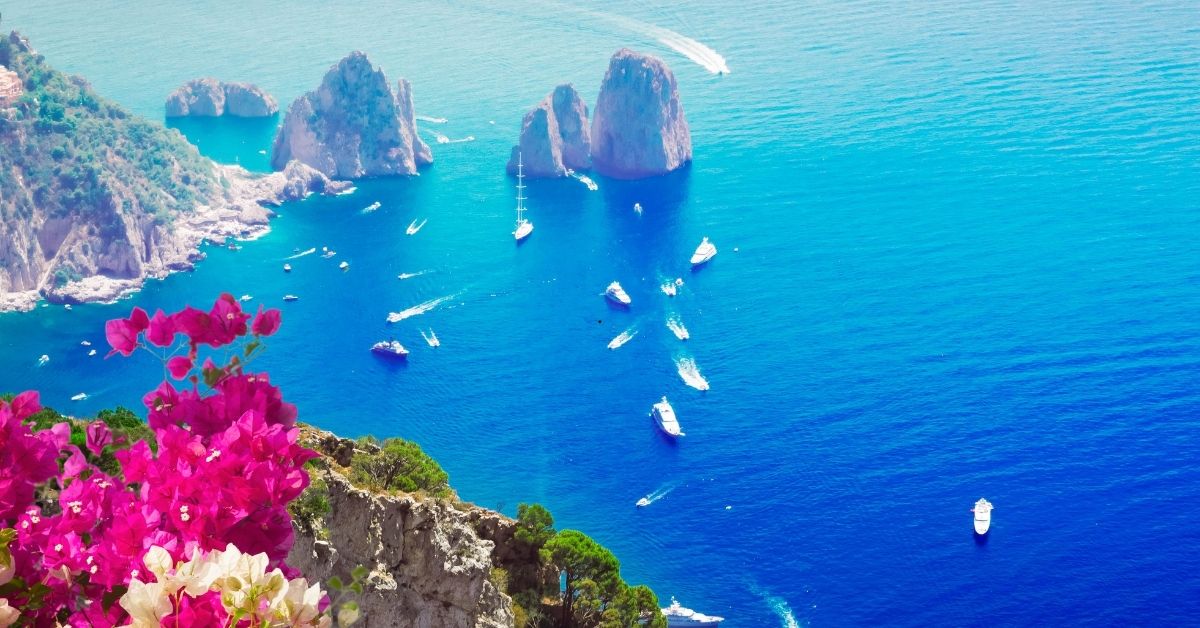
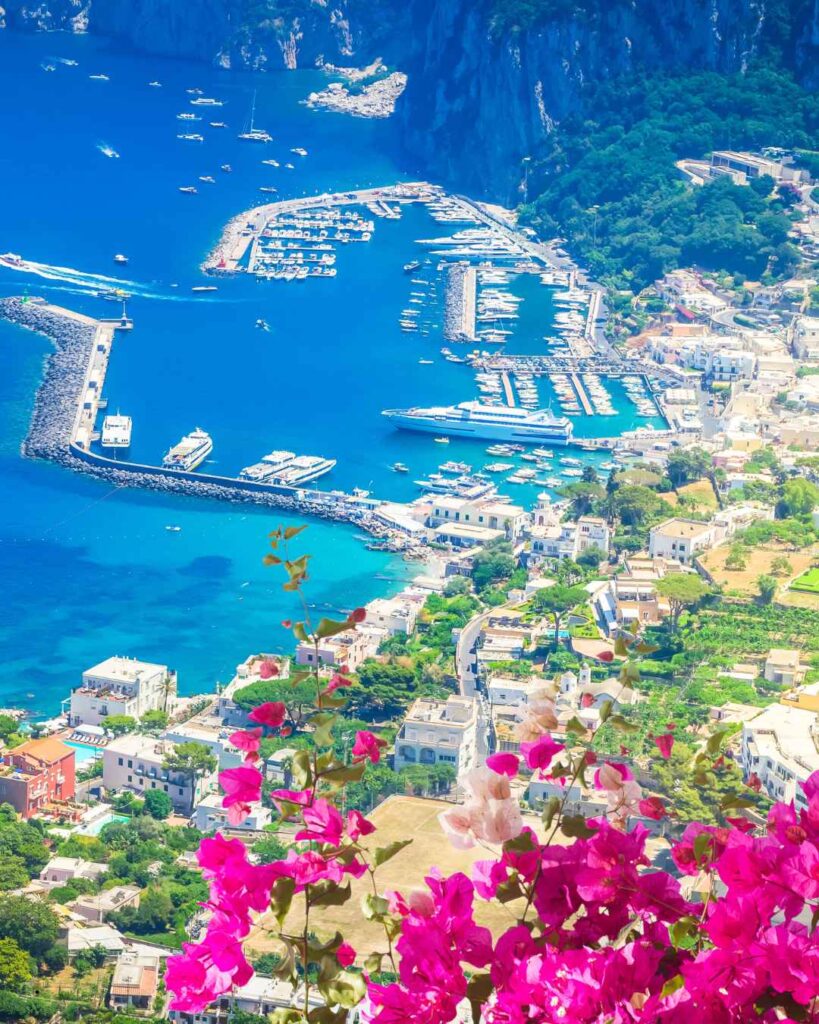
Some places feel like they were designed to be photographed, but Capri? Capri feels like it was designed to be felt. It’s a near-mythical place that has drawn emperors, artists, poets, and the world’s jet-set for centuries. Limestone cliffs plunge into water so blue it seems electric, fragrant lemon groves shade chic boutiques, and the views are the kind that make you forget your phone exists.
This island in the Bay of Naples is small, just ten square kilometers, but it packs an extraordinary punch. For American travelers, it represents the ultimate Italian dream: a perfect blend of natural beauty, ancient history, and that effortless, glamorous “la dolce vita” we’re all chasing.
Before reading further, please take the time to ensure you have packed everything you need for your trip to Italy. See the checklist here.
When to Go: Timing Your Capri Escape
The best time to visit Capri is during the shoulder seasons. Think of late April to June, and then September to mid-October. During these months, the weather is beautifully mild—perfect for hiking, lingering over long lunches, and exploring without the crush of peak summer crowds. You’ll find all the island’s businesses open and ready to welcome you, and the sea is warm enough for a swim well into October.
Summer, from July through August, is another beast entirely. The weather is hot and sunny, temperatures climb to around 80 degrees Fahrenheit, and the island bursts at the seams with visitors. While the energy is electric and the Piazzetta is at its most vibrant, you’ll be sharing it with a lot of other people. Be prepared for long lines at popular spots like the Blue Grotto and premium prices on everything from a coffee to a hotel room.
Winter has its own quiet charm, but many hotels and restaurants shut their doors from November through February. If you’re looking for solitude and don’t mind cooler weather, you’ll have the island almost to yourself, but your options for dining and lodging will be severely limited.
Getting There: Your Journey to the Island
Since Capri has no airport, your journey begins in Naples. From Naples International Airport, you’ll need to make your way to the port for a ferry or hydrofoil. The fastest and most popular route is from Sorrento, just a 20 to 25-minute boat ride away. The journey from Naples is a bit longer, taking between 45 and 80 minutes depending on which service you choose. It’s wise to book your ferry tickets in advance, especially if you’re traveling during the busy season, and having your QR code ready on your phone makes boarding a breeze.
For the truly memorable entrance, you could arrive by private helicopter, yacht, or water taxi. It’s the kind of arrival that sets the tone for a stay on an island that has always been about making an impression. But even if you arrive on a crowded hydrofoil with the day-trippers, the moment the island comes into view—with its dramatic cliffs rising from the sea—you’ll feel like you’ve arrived somewhere special.
Navigating the Island Once You Arrive
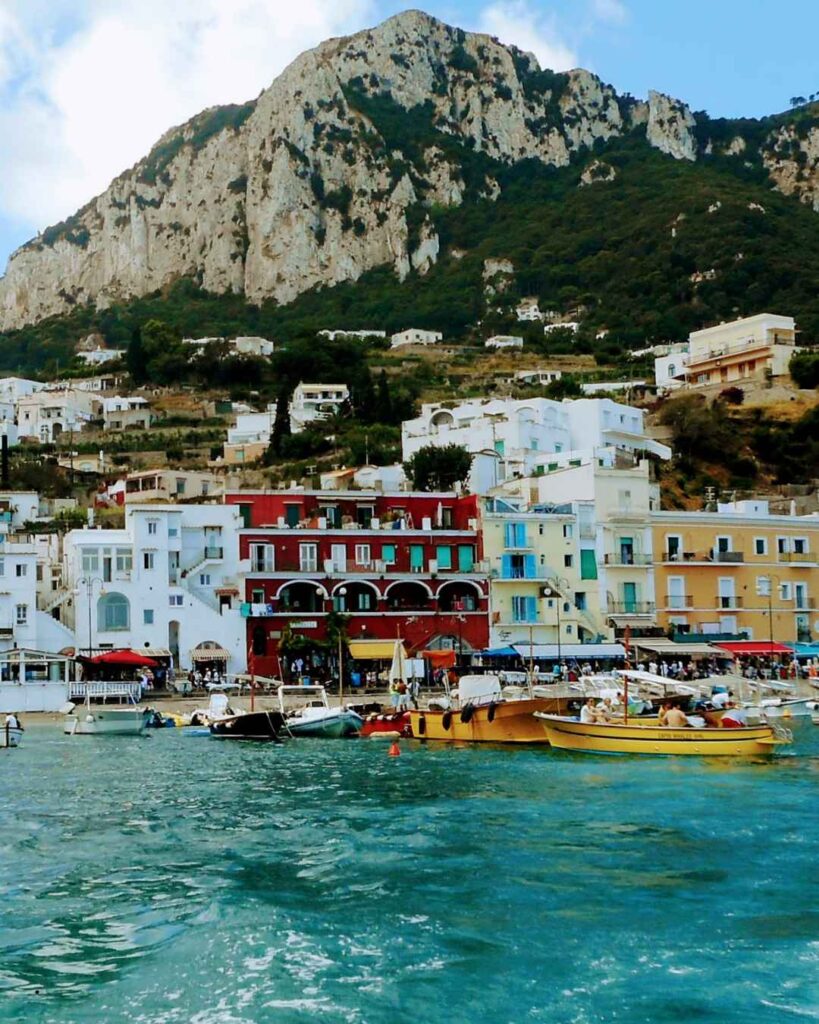
Once you arrive at Marina Grande, the island’s main port, getting around is part of the adventure. The quickest and most fun way to reach the center of Capri town is the funicular, a cliff-clinging cable car that delivers you right into the heart of the action in just five minutes. For getting between Capri town and Anacapri, the island’s quieter second town, buses are your most cost-effective bet.
And for a truly memorable experience, consider a quick ride in one of the island’s iconic open-top taxis. It might be expensive, but it’s the quintessential Capri experience. And while we love a good stroll, make sure you’ve packed comfortable walking shoes—the island is steep, with many charming but unforgiving cobblestone paths.
Walking is actually one of the best ways to discover Capri’s hidden corners. The island is crisscrossed with footpaths that lead to secluded viewpoints, ancient ruins, and quiet coves. Just be prepared for some serious elevation changes, and always carry water with you.
The Blue Grotto: Nature’s Light Show
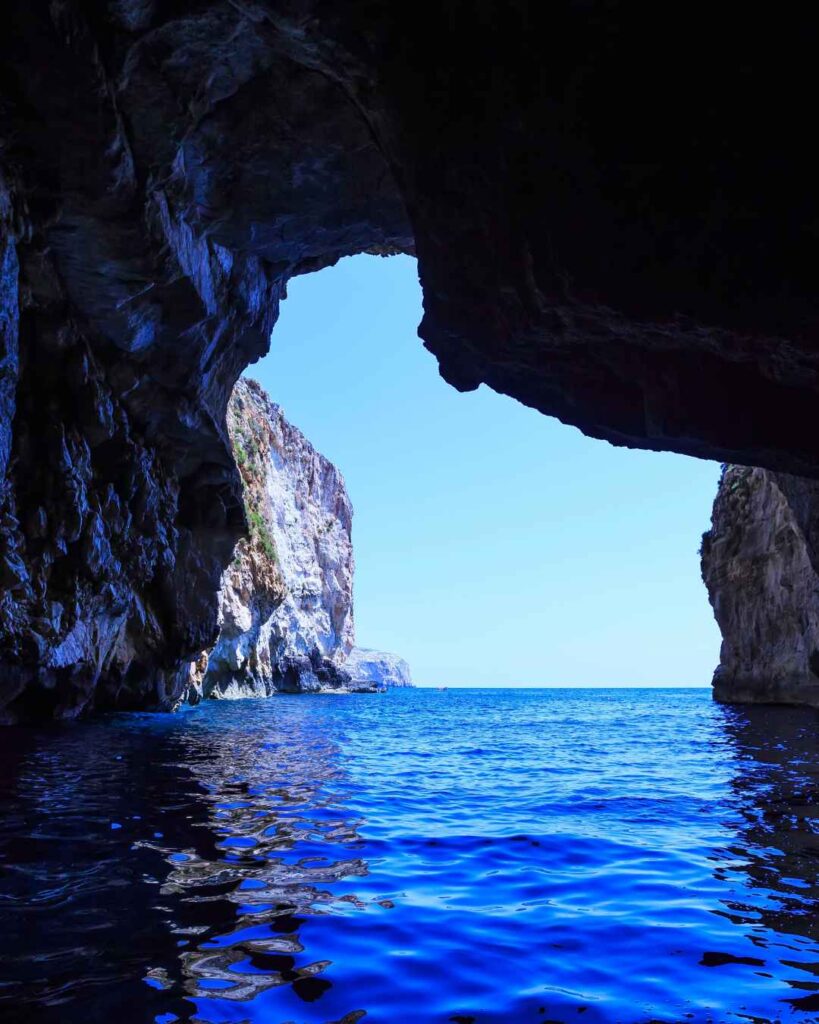
No visit to Capri is complete without seeing the Blue Grotto, or Grotta Azzurra. This is a natural sea cave where sunlight filters through an underwater cavity, illuminating the water with an ethereal, brilliant blue light that feels otherworldly. To enter, you’ll transfer from your tour boat to a small rowboat, lie flat, and be pulled through the narrow cave entrance by a skilled boatman. It’s an unforgettable five minutes.
To avoid the longest queues—which can stretch to two hours in summer—try to arrive before 9:00 AM. The light inside is most vibrant between 11:00 AM and 2:00 PM, but you’ll have to weigh that against the crowds. Keep in mind that the grotto closes during rough seas or high winds, so check conditions before making the trip. The experience is entirely worth the effort, and my wife still talks about that surreal blue glow years later.
Beyond the Grotto: Capri’s Must-See Sights
The Piazzetta, or Piazza Umberto I, is the island’s beating heart. This small, fashionable square is lined with cafes where wicker chairs spill out onto the cobblestones. It’s the ultimate spot for people-watching and perhaps spotting a celebrity while sipping a cool drink. The square is flanked by a former cathedral with an imposing clock tower, the town hall, and several restored palaces that whisper of Capri’s glamorous past.
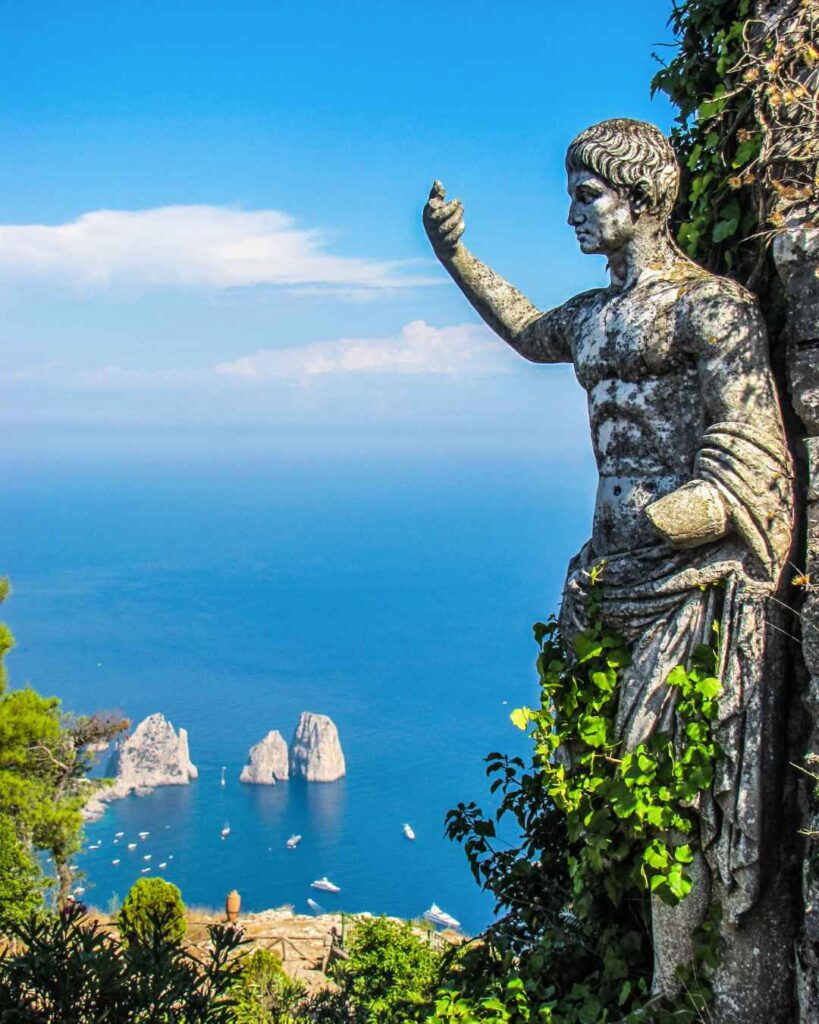
From there, you can wander to the tranquil Gardens of Augustus. Rising in a series of manicured, flowering terraces, the gardens offer one of the island’s most dramatic viewpoints. The sweeping panorama includes the iconic Faraglioni, the three towering sea stacks that have become the symbol of Capri. The view alone is worth the modest entrance fee, and it’s a spot that will fill your camera roll in minutes.
Just below the gardens, the Via Krupp descends in a dizzying series of switchbacks down the cliffside to Marina Piccola. This historic path was commissioned by a German industrialist and offers some of the most photographed views on the island. It’s closed occasionally due to rockfall, but when it’s open, it’s a walk you won’t forget.
Anacapri: The Quieter Side of Paradise
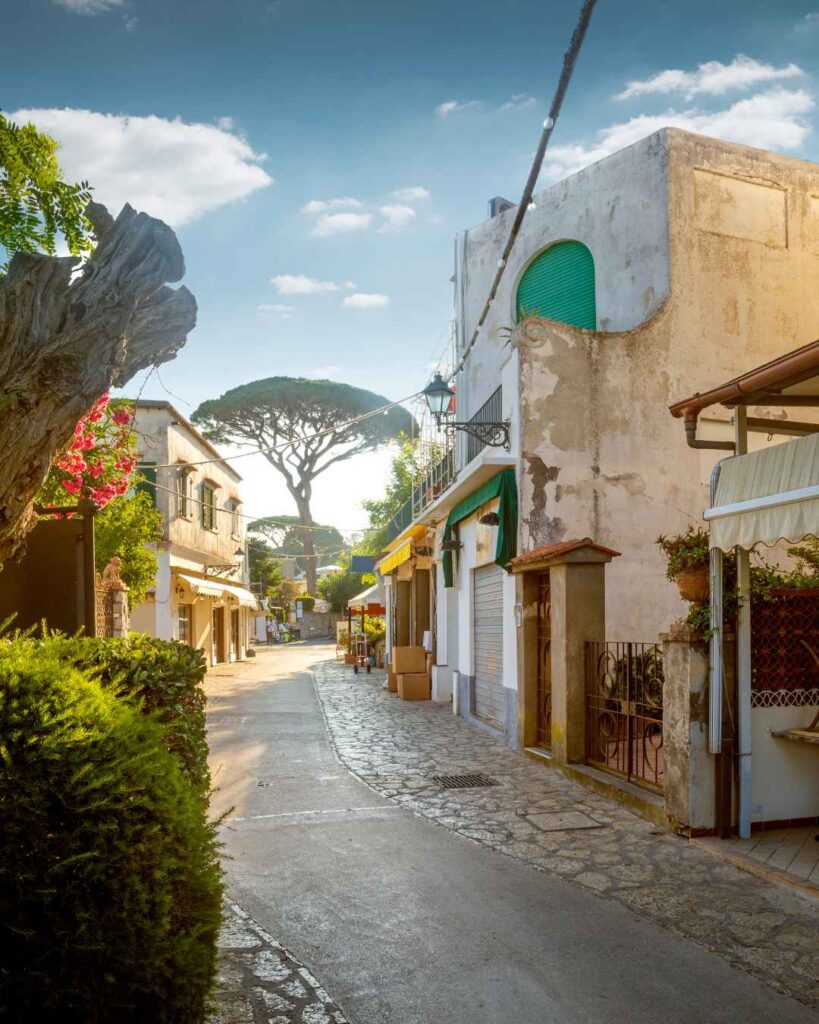
Most visitors never make it up to Anacapri, and that’s their loss. Set on the slopes of Monte Solaro, this quieter town offers a more authentic, tranquil experience than glitzy Capri town. The streets are narrower, the pace is slower, and the locals outnumber the tourists.
The highlight here is the open-air chairlift to Monte Solaro, the island’s highest peak at 589 meters. The thirteen-minute ride in a simple wooden chair with no safety bar might test your nerves, but the panoramic views from the top are absolutely breathtaking. On a clear day, you can see the entire Bay of Naples, the Amalfi Coast, and even Mount Vesuvius looming in the distance. It’s worth noting that the chairlift isn’t recommended for very young children or anyone with a fear of heights, but for the rest of us, it’s an unforgettable experience.
Anacapri is also home to Villa San Michele, a beautiful former monastery with ancient Roman mosaics and sweeping views, and the Certosa di San Giacomo, a peaceful monastery that offers a glimpse into the island’s religious history. The winding streets are lined with artisan shops selling handmade sandals, ceramics, and local delicacies.
Villa Jovis and the Path of the Forts
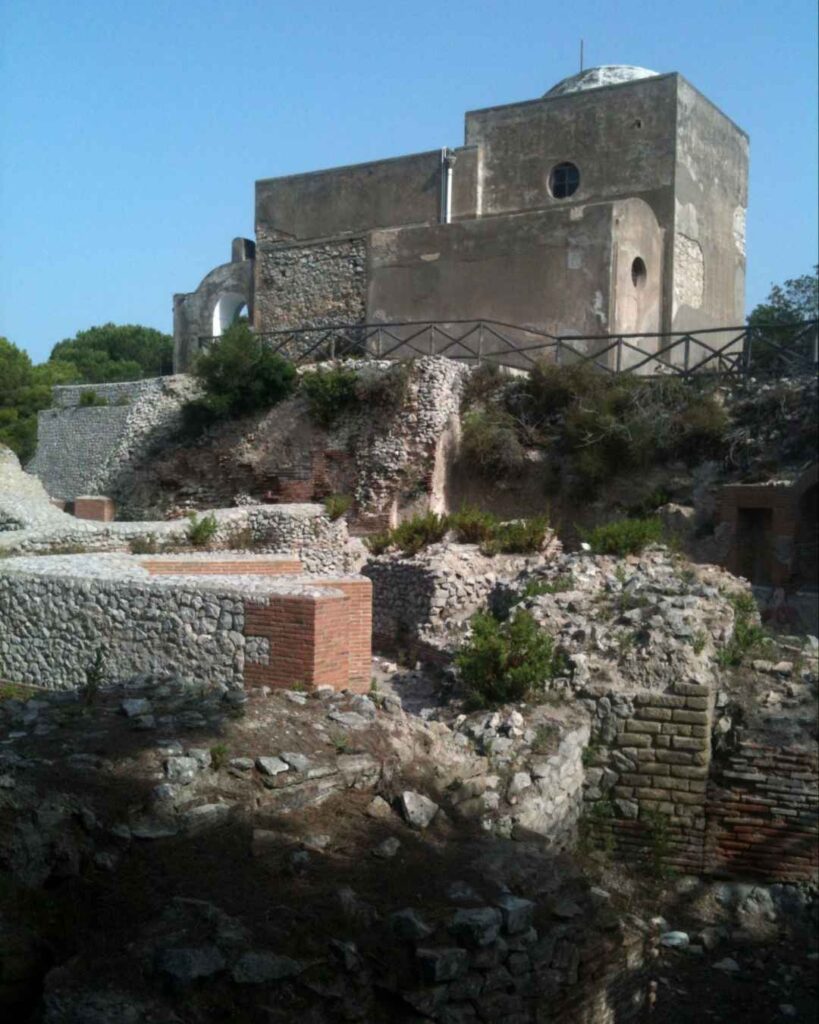
For history buffs, Villa Jovis is a must-visit. This clifftop villa was once the retreat of the Roman Emperor Tiberius, who ruled the empire from Capri for the last decade of his life. The ruins are extensive, and the views from the edge are dizzying. Standing where an emperor once stood, looking out over the same sea, gives you a profound sense of the island’s enduring appeal.
For those who love to hike, the Path of the Forts, or Sentiero dei Fortini, is a dramatic coastal trail that stretches along the west coast from the Blue Grotto to Punta Carena. The three to five-hour route passes through fjord-like bays, rocky promontories, and three historic forts built to defend the island from Saracen attacks. End your walk with a refreshing swim below the lighthouse at Punta Carena, where the water is crystal clear and the crowds are thin.
Where to Stay: From Ultra-Luxury to Charming Boutiques
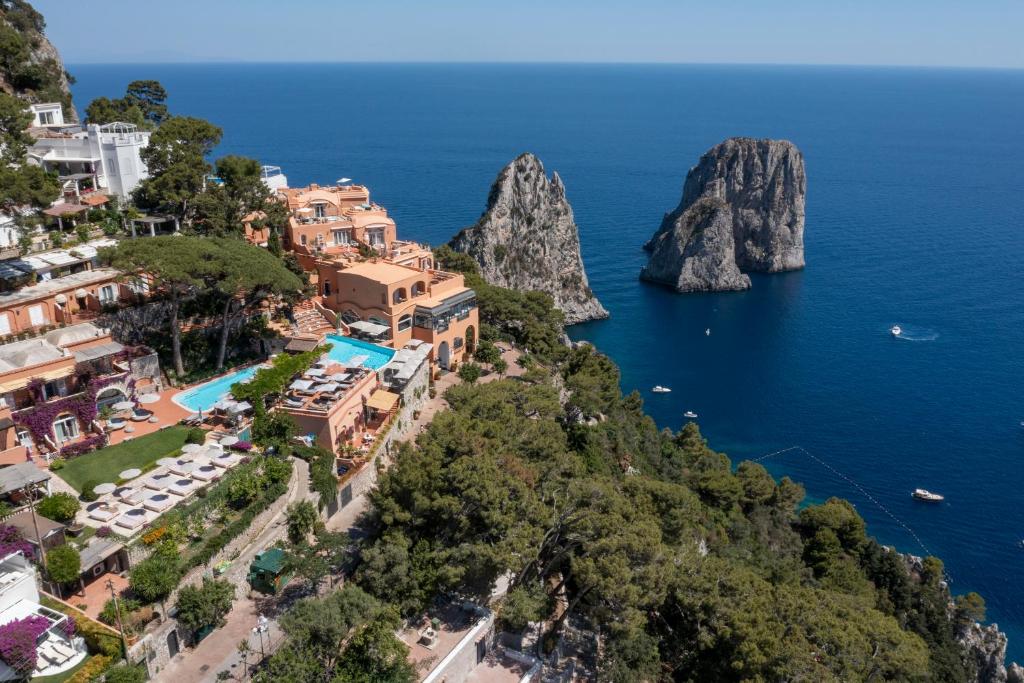
Capri’s accommodation options range from jaw-droppingly luxurious cliffside hotels to charming family-run bed and breakfasts. Book well in advance, especially for stays between April and October, because the best places fill up quickly.
On the ultra-luxury end, the Grand Hotel Quisisana is Capri’s oldest hotel, dating back to 1845, and it sits right in the heart of Capri town with a sea-view pool and parklike grounds. The Hotel Caesar Augustus in Anacapri is perched on a cliff with a 270-degree sea view and a two-tiered infinity pool that seems to spill into the sky. The J.K. Place Capri is often described as seven-star, with a private sand beach and a sophisticated terrace bar that’s perfect for sunset cocktails.
For something more boutique and mid-range, Hotel La Palma is Capri’s oldest hotel, having opened in 1822, and it’s been beautifully renovated with Mediterranean style just a hundred meters from the Piazzetta. La Floridiana is a family-run gem with affordable rates and a majolica-tiled oasis away from the busy center. The Tragara Hotel is perched on the cliffs, private and intimate, and has long been favored by celebrities and intellectuals seeking discretion.
Many savvy travelers choose to base themselves in Sorrento instead, taking the twenty-minute ferry to Capri for day trips. This offers better value, more hotel options at all price points, and easy access to the entire Amalfi Coast. It’s a practical choice that doesn’t sacrifice the Capri experience. Read more on Sorrento here.
Where to Eat: Capri’s Culinary Scene
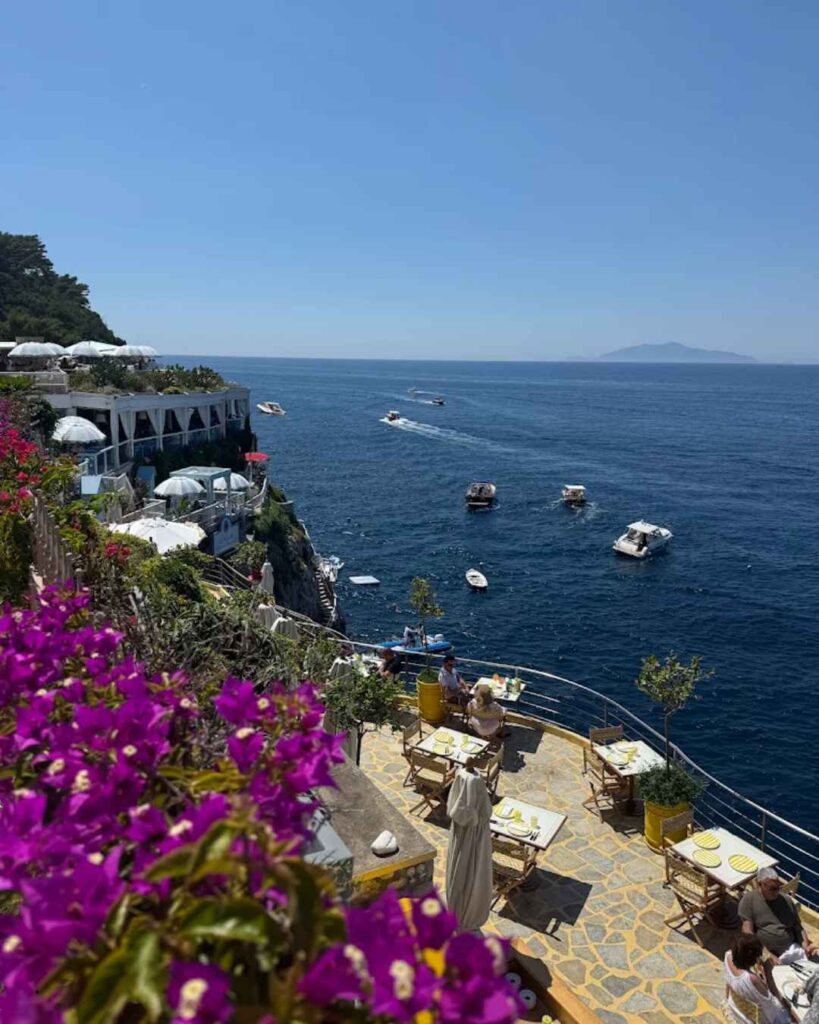
Dining on Capri is an experience in itself. The island’s restaurants range from Michelin-starred temples of gastronomy to casual spots serving fresh seafood in paper cones.
For an iconic meal, Pulalli offers seared octopus with hummus and excellent Capri white wine while overlooking the Piazzetta. Da Paolino, set in an enchanting lemon arbor in Marina Grande, serves traditional Italian fare with an emphasis on seafood pasta. The setting alone is worth the trip, with lemon trees overhead and the scent of citrus in the air.
Il Riccio in Anacapri is a refined Mediterranean seafood restaurant perched on the cliffside near the Blue Grotto, with a Michelin-starred chef who creates dishes as beautiful as the view. Da Tonino offers Michelin-starred Italian fare on a terrace with an extensive wine list that will impress even the most discerning oenophile.
For more casual dining, Pescheria Le Botteghe serves fresh seafood in a paper cone, perfect for takeaway while you wander through the streets. Buonocore is the place for handmade gelato in many flavors, and it’s a must-try while strolling through town. Da Luigi ai Faraglioni offers alfresco lunch at the foot of the iconic Faraglioni rocks, and the view is as memorable as the food.
Make sure to try the local specialties: limoncello, the island’s signature lemon liqueur, fresh Caprese salad with buffalo mozzarella and tomatoes, and seafood pasta made with the day’s catch. And don’t leave without tasting the lemon gelato, which is sweet, tangy, and utterly refreshing.
Shopping: What to Bring Home
Capri’s shopping streets offer everything from high-end designer boutiques to artisan workshops where craftsmen have been perfecting their trade for generations. Via Camerelle is Capri’s fashion street, home to boutiques from Dior, Chanel, Jacquemus, and more. It’s the place to see and be seen, and even if you’re not buying, the window displays are a form of art.
For something more authentic, Y’AM Capri sells made-in-Capri shirts, dresses, and handbags that make perfect souvenirs. The handmade leather sandals are a Jackie Kennedy favorite, and you can have a pair custom-made in local workshops while you wait. The Carthusia Perfume Lab creates fragrances from century-old monastery recipes, and the scents are intoxicating and unique. And of course, limoncello and other lemon products make delicious, edible souvenirs that capture the essence of the island.
Sample Itineraries: Making the Most of Your Time
If you only have a day, and you’re coming from Sorrento or Naples, start early. Take the first ferry, arrive at Marina Grande, and head straight to the Blue Grotto before the crowds descend. After that, take the funicular to Capri town and visit the Gardens of Augustus for those iconic Faraglioni views. Walk the Via Krupp if it’s open, then have a leisurely lunch in the Piazzetta, followed by some boutique shopping. Head back to the port in the late afternoon, and if time allows, take a quick dip at Marina Piccola before your ferry departs.
If you have two days, dedicate the first to Capri town and the second to Anacapri. On day one, do the Blue Grotto in the morning, then explore the Gardens of Augustus, the Via Krupp, and the Belvedere di Tragara for sunset. On day two, take the chairlift to Monte Solaro in the morning, explore Villa Jovis, wander the streets of Anacapri, and if you’re up for it, hike the Path of the Forts. Having the extra day allows you to slow down and truly soak in the island’s magic.
Whether you are staying in Capri itself, Sorrento, Positano, or elsewhere in that coast, there are some acivities that you must do to get the best out Capri. Check them out here.
Practical Advice for the Savvy Traveler
Plan ahead and book everything in advance. Accommodations, ferry tickets, and even restaurant reservations should be secured well before your trip, especially if you’re visiting between April and October. The island’s website and social media often update Blue Grotto closure status, so check before you go.
To beat the crowds, visit the Blue Grotto before 9:00 AM, and consider visiting in the shoulder seasons. Staying overnight is the single best way to experience Capri without the chaos, because the evenings are blissfully quiet once the day-trippers have left on the last ferry.
Dress appropriately. Comfortable walking shoes are essential for navigating the island’s steep, cobblestone streets. Bring swimwear and a cover-up for boat tours, but remember that shops and restaurants don’t allow swimwear inside. Sun protection is non-negotiable, and light layers are wise for spring and fall, when the sea breeze can be cool.
Budget accordingly. A coffee at the bar might cost three to five euros, but sitting in the Piazzetta can push that to six or eight. A meal for two will likely run sixty to a hundred euros. If you’re on a tighter budget, day-tripping from Sorrento is much more affordable than staying overnight on the island.
Be aware that large luggage on ferries incurs an extra fee, so pack light if you can. And while the island is working on accessibility, the Blue Grotto and many of the hiking paths are not wheelchair accessible, though the public ferries, funicular, and buses are more accommodating.
Is Capri Worth It?
Despite the crowds and the prices, Capri remains one of the Mediterranean’s most magical destinations. It’s a place that has been drawing visitors for two thousand years, and once you’ve been, you’ll understand why. The blue of the water, the scent of lemon and sea salt, the way the light changes as the sun sets over the Faraglioni—these are the things that stay with you long after you’ve left.
Venture beyond the main attractions and you’ll discover winding alleyways, Roman ruins, and a hidden charm that ensures visitors return again and again, each visit more lengthy than the last. Whether you come for the glamour, the history, or simply to float in turquoise waters beneath dramatic cliffs, Capri delivers an experience that lingers in your memory. And my wife, who had dreamed of this place for years, told me on our last evening that it was even more beautiful than she had imagined. Plan carefully, book ahead, and you’ll discover why this small island has captivated hearts for millennia.
NOTE BEFORE YOU GO: Italy rewards travelers who go prepared. And it is easy to ruin your trip. I have a checklist for you of things you should never go to Italy without. CHECK IT OUT HERE. I have also curated a list of some of the best hotels in Italy. I would highly recommend checking them out before booking. THESE ARE THE BEST HOTELS IN ITALY. And for unique experiences, attractions, and tours, don’t book before CHECKING THIS OUT. Thank me later!