

The Amalfi Coast looks like a dream in photos. Pastel villages cling to cliffs. Turquoise water sparkles below. But getting between those villages? That can feel like a nightmare.
First-time visitors often assume they should stay right on the coast in Positano or Amalfi town. But those places come with narrow roads, sky-high prices, and hundreds of stairs just to reach your hotel.
That’s why many travelers consider Sorrento as a base instead. But is it the right choice for you? This guide covers everything you need to know before booking.
Why So Many People Choose Sorrento as Their Home Base
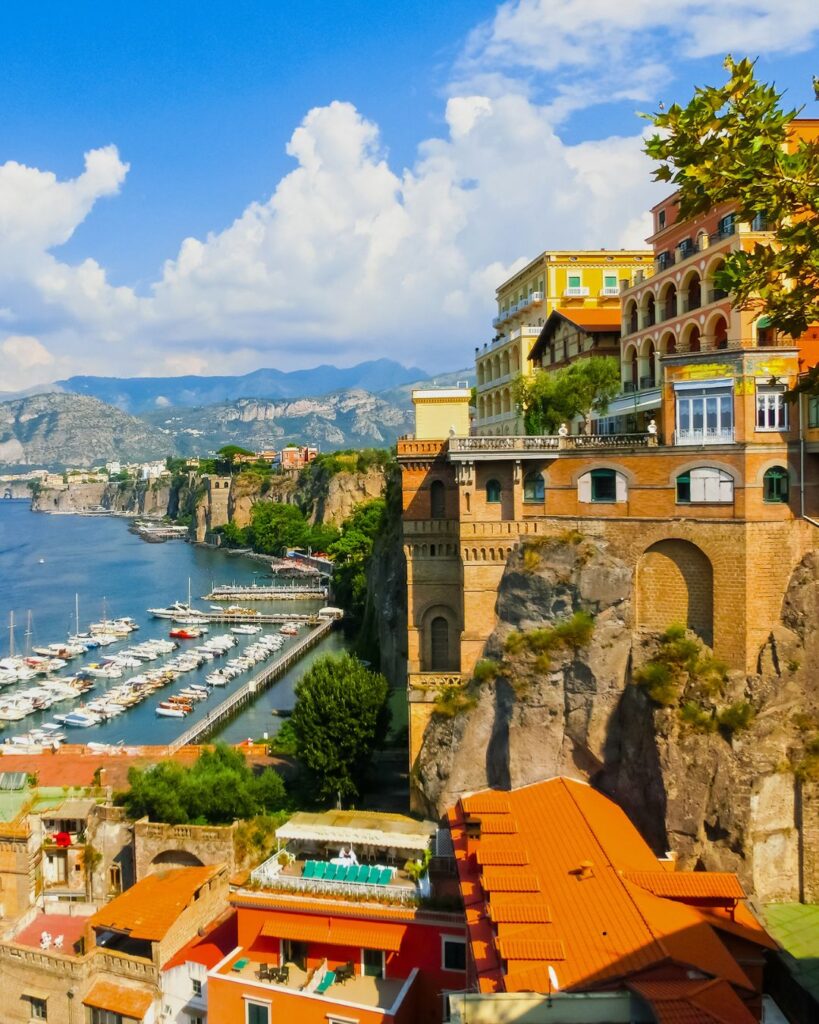
Sorrento isn’t technically on the Amalfi Coast. It sits on the Sorrentine Peninsula, separated from Amalfi by mountains. But that doesn’t stop it from being one of the most practical places to stay.
Here’s why travelers love it:
- Transportation options are abundant. You have trains, buses, ferries, and private drivers all within walking distance.
- Accommodation is more affordable and plentiful than Positano or Amalfi. You can actually find a decent room without selling a kidney.
- The town center is flat and walkable. No hauling luggage up 200 stairs after a long flight.
- Restaurants and shops stay open late, even in the off-season. Many coastal towns go silent after 9 PM.
- Day trips to Pompeii, Herculaneum, Naples, and Capri are all easier from Sorrento than from anywhere on the Amalfi Coast.
My wife and I spent several nights in Sorrento during our trip, and the convenience factor was hard to beat. We could pop down for a late pizza without worrying about catching the last bus back up a cliff.
The Downsides You Need to Know Before Booking
Sorrento isn’t perfect. And pretending it is wouldn’t help you plan a good trip.
The biggest catch is simple: you are not staying on the Amalfi Coast. That means you will spend a significant chunk of each day just commuting to the towns you actually came to see.
Here are the other drawbacks to consider:
- The bus ride to Positano or Amalfi takes 60 to 90 minutes on windy roads. Motion sickness is real.
- Ferries are faster but seasonal. They also stop running in rough weather, and they don’t serve every town.
- Sorrento itself is very touristy. The area near the train station can feel chaotic and crowded.
- There is no proper beach in Sorrento. Marina Piccola is small, and most beaches require a lift or stairs to reach.
If your main goal is waking up to a cliffside view of the Mediterranean, Sorrento will disappoint you. It’s a town, not a postcard.
How to Actually Get from Sorrento to the Amalfi Coast Towns

This is where most online guides get vague. Let’s get specific.
You have four main ways to reach Positano, Amalfi, and beyond from Sorrento. Each has trade-offs.
Ferry (Best for most travelers)
Time: 30 to 50 minutes to Positano or Amalfi
Cost: €12 to €18 one way
Ferries are fast, scenic, and avoid the stomach-churning mountain roads. They run from Sorrento’s Marina Piccola (a 10-minute walk or short bus ride from town center). The main catch? Service is limited from November to March, and ferries sell out in peak summer.
SITA Bus (Cheapest but slowest)
Time: 60 to 90 minutes
Cost: €2 to €4
The bus is dirt cheap and runs frequently. But the road is narrow and winding. Expect long queues in July and August. You may wait an hour just to squeeze onto a standing-room-only bus.
Private Driver (Comfortable but pricey)
Time: 45 to 60 minutes
Cost: €100 to €150 each way
This is the stress-free option. A driver meets you at your hotel, handles luggage, and waits while you sightsee. Best for groups or special occasions. Not practical for daily use.
Scooter Rental (For the adventurous)
Time: 30 to 60 minutes
Cost: €40 to €60 per day
A scooter gives you freedom and speed. You can skip traffic and park anywhere. But the roads are dangerous, and first-time visitors to the region should think twice.
Pro tip: Take a ferry to Positano or Amalfi in the morning. If you must take a bus back, avoid the 9 AM to 12 PM and 4 PM to 7 PM windows. That’s when traffic is worst.
Which Towns Are Easy to Visit from Sorrento (and Which Are a Pain)
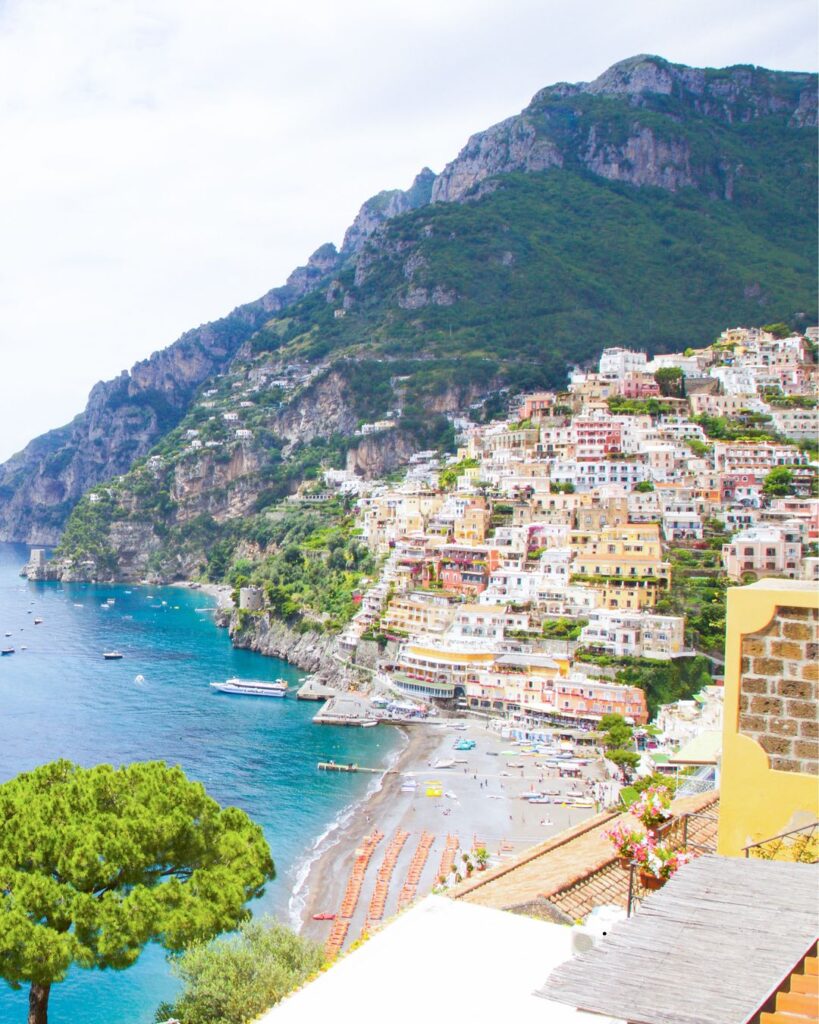
Not all Amalfi Coast towns are created equal when it comes to accessibility.
Easy (under 1 hour):
- Positano (ferry or bus)
- Capri (ferry)
- Pompeii and Naples (train)
Moderate (1 to 1.5 hours):
- Amalfi town (ferry or bus)
- Ravello (bus to Amalfi, then transfer)
Hard (2+ hours or multiple changes):
- Atrani
- Cetara
- Maiori
- Furore
- Tramonti
A common mistake is trying to visit three or four towns in one day. You will spend more time on buses than actually exploring. Pick one or two towns per day and use ferries whenever possible.
Sample Itineraries Using Sorrento as Your Base
Here are realistic plans for different trip lengths. None of these assume you have a car.
3-Day Itinerary
Day 1: Explore Sorrento in the morning. Take the afternoon ferry to Capri.
Day 2: Morning ferry to Positano. Afternoon ferry to Amalfi town. Return by ferry.
Day 3: Train to Pompeii. Spend the morning at the ruins. Return to Naples for pizza and a train back.
5-Day Itinerary
Add a day for Ravello. Take the bus to Amalfi town, then a local bus up the hill to Ravello. Another day can be used for the Path of the Gods hike (take a bus from Sorrento to Bomerano, the trailhead).
7-Day Itinerary
Add Herculaneum (less crowded than Pompeii and better preserved). Spend a full day in Naples for the archaeological museum and authentic pizza. Consider a lemon tour in the Sorrento hills.
Where to Stay in Sorrento for Easy Access
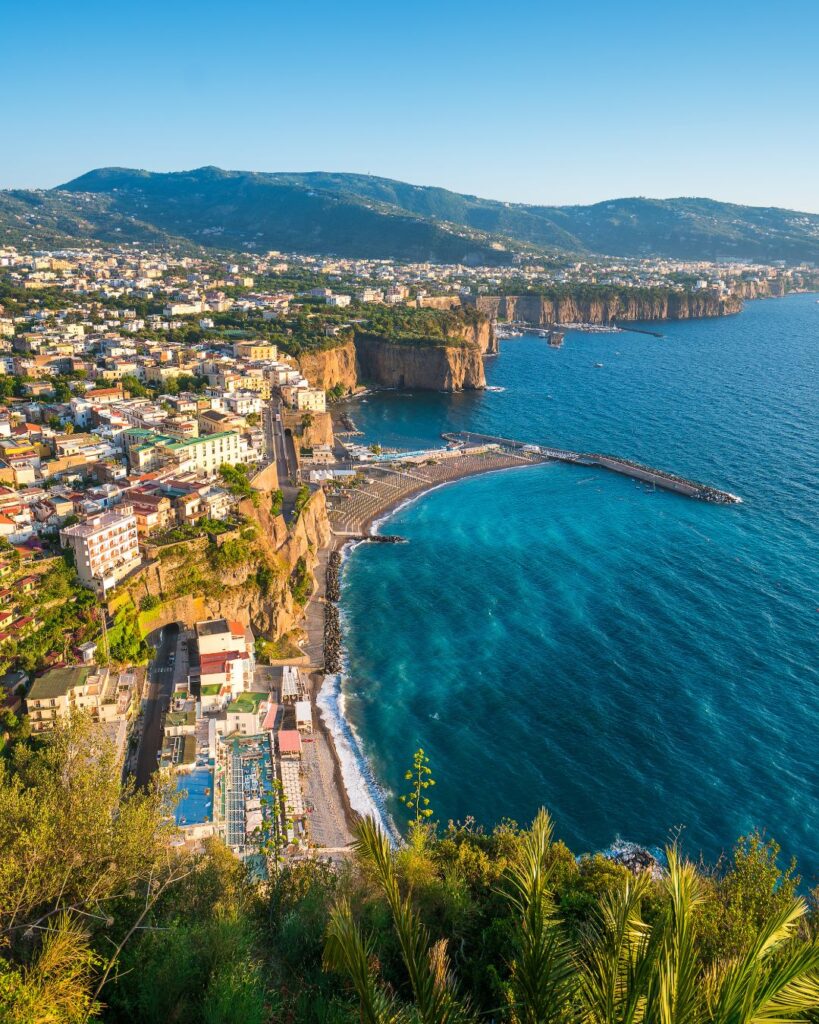
Your hotel location matters more than you think. Here’s a quick breakdown.
Near Piazza Tasso (town center)
Central, lively, and loud at night. Easy walking to restaurants and the bus stop for SITA buses. Good for first-timers who want to be in the action.
Near Marina Piccola (ferry port)
Best for ferry access to Capri and Amalfi Coast towns. Pricier but convenient. The walk back up to town involves stairs or a lift.
Near Sorrento Station (Circumvesuviana train)
Cheaper and grittier. Best if your priority is Pompeii and Naples rather than the Amalfi Coast. Not as charming as other areas.
A few recommended options at different budgets
Budget: Hotel Il Faro (near Marina Piccola, simple but clean)
Mid-range: Palazzo Martinelli (central, modern, good value)
Luxury: Grand Hotel Excelsior Vittoria (cliffside views, incredible service)
Common Mistakes to Avoid When Using Sorrento as a Base
Learn from other travelers’ errors so you don’t repeat them.
Relying only on SITA buses in July or August. You will wait in the sun for over an hour. Ferries are worth the extra money in peak season.
Buying train tickets to “Amalfi.” There is no train to Amalfi. You will end up in Salerno and still need a bus or ferry.
Staying seven nights in Sorrento if your only goal is the Amalfi Coast. Consider splitting your stay: 4 nights in Sorrento, then 2 nights in a coastal town like Positano or Ravello.
Thinking you can wing it with ferries. In summer, buy tickets one or two days ahead. Same-day tickets often sell out by mid-morning.
Packing a large suitcase. Buses may refuse large luggage. Many hotels have stairs. And you will hate yourself on the walk from the train station. This is the bag you should have.
Who Is Sorrento Actually Best For?
Sorrento is a fantastic base for specific types of travelers.
Families with teenagers or older adults benefit from the flat streets, elevators, and reliable infrastructure. It’s simply easier than the vertical villages on the coast.
Travelers who want to see Pompeii, Naples, and Capri alongside the Amalfi Coast will love the central location. You can do it all without changing hotels.
People on a moderate budget will find better value here than in Positano. You can still eat well and sleep comfortably without spending a fortune.
First-timers to the region who want a low-stress introduction will appreciate how easy Sorrento is to navigate. It forgives planning mistakes.
Who Should Absolutely Not Use Sorrento as a Base
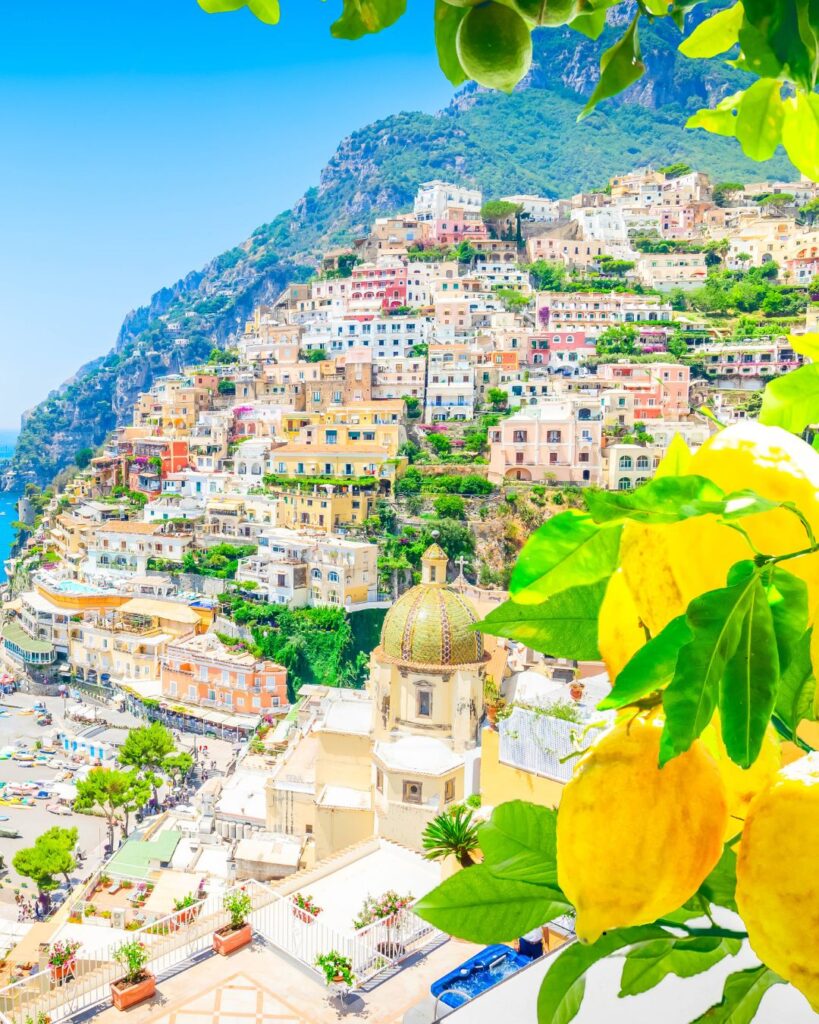
Be honest with yourself. Sorrento is wrong for some travelers.
Honeymooners or couples wanting intimate cliffside views should stay in Positano, Ravello, or Praiano instead. The romance factor in Sorrento is lower.
Hardcore hikers focusing on the Path of the Gods or Ferriere Valley are better off staying in Bomerano or Agerola. You want to wake up on the trail, not commute to it.
Beach lovers will be disappointed by Sorrento’s small marina. Stay in Maiori or Minori for proper sand and pebble beaches.
Anyone who hates crowds and wants total quiet should look at Atrani or Cetara. Sorrento is busy from morning until late evening.
Related post: Only Stay in these towns when visiting the Amalfi Coast
Now, Should You Use Sin orrento as a Base?
Yes for most practical travelers. No for those prioritizing romantic immersion or total quiet.
The smartest strategy for many people is a split stay. Use Sorrento as your base for the first four or five nights. Handle Pompeii, Capri, and the busier day trips from there. Then move to a smaller Amalfi Coast town like Positano or Ravello for two or three nights of pure coastal magic.
If you only have three or four days total and want a stress-free home base, Sorrento works perfectly. Just know that you will spend one to two hours commuting each day to the coast.
If you want to wake up to the sound of waves and sip espresso on a cliffside balcony, book Positano. Your wallet will hurt, but your photos will be incredible.
Frequently Asked Questions
Can I do a day trip to the Amalfi Coast from Sorrento?
Yes, easily. But stick to one or two towns. Positano and Amalfi together make a full, enjoyable day by ferry.
Is Sorrento cheaper than Positano?
Yes. Hotels cost noticeably less. Dinner for two is often 30 to 40 percent cheaper in Sorrento.
Do I need to rent a car?
Almost never. Parking is impossible. Cars are more trouble than they are worth.
What is the best month to base in Sorrento?
May, June, and September. July and August are brutally crowded. November through February is quiet, but many ferries stop running.
How far in advance should I book ferries?
In summer, book two to three days ahead. In spring and fall, one day ahead is fine. In winter, check schedules first—many routes don’t run.
Final Thoughts from Our Trip
My wife and I chose Sorrento as our base for a week, and we don’t regret it. The convenience of having restaurants, shops, and transport options within a ten-minute walk made our days stress-free. We woke up early, caught ferries to the coast, and returned each evening to a lively town with plenty of dinner choices.
Sorrento is a tool, not a destination. Use it well, and you will see more of the Amalfi Coast with less headache. Use it poorly, and you will wonder why you spent so much time on a bus.
Now it’s your turn. Have you used Sorrento as a base? Or are you planning a trip right now? Drop your question or experience in the comments. I read every single one.
NOTE BEFORE YOU GO: Italy rewards travelers who go prepared. And it is easy to ruin your trip. I have a checklist for you of things you should never go to Italy without. CHECK IT OUT HERE. I have also curated a list of some of the best hotels in Italy. I would highly recommend checking them out before booking. THESE ARE THE BEST HOTELS IN ITALY. And for unique experiences, attractions, and tours, don’t book before CHECKING THIS OUT. Thank me later!