
There is no city on earth quite like Venice. It is a place that exists in a state of perpetual contradiction—both impossibly beautiful and deeply flawed, utterly romantic and frequently exasperating. Some travellers return home with stars in their eyes, already planning their next visit. Others shrug and wonder what all the fuss was about. The difference between these two experiences rarely comes down to luck. It comes down to preparation.
I learned this the hard way. My first visit to Venice was a whirlwind of frustration. I fought through crowds at St. Mark’s, paid far too much for a mediocre plate of pasta near the Rialto, and left wondering why everyone raved about a city that felt more like a theme park than a place where real people actually lived. It wasn’t until I returned with a different approach—slower, more curious, and armed with local knowledge—that I discovered the Venice that exists just steps away from the tourist trail. That Venice is magical, and it is the one I want to share with you.
Whether you are planning a romantic escape, a solo adventure, or a family holiday, this guide is designed to help you skip the common mistakes and uncover the city at its very best. Consider it your permission slip to slow down, get lost, and fall hopelessly in love with the Floating City.
The Essential Things to Know Before You Go
When to Visit
Venice does not really have a low season. Its fame is simply too great, its beauty too singular. But the experience of being there changes dramatically depending on when you arrive.
The absolute sweet spots are the shoulder seasons of April through June and September through October. During these months, you get the best of both worlds: mild, pleasant weather that invites long walks and al fresco spritzes, without the crushing crowds and suffocating humidity of summer. Spring mornings in Venice are crisp and golden. Autumn afternoons paint the city in warm, honeyed light that makes every canal look like a painting.
If you are travelling on a tighter budget, consider November, January, or February. These are the quietest months, with the cheapest accommodation rates and the most peaceful streets. Yes, the weather is cold and often shrouded in fog, but there is a haunting, melancholic beauty to Venice in winter that many visitors never get to experience.
Just be aware that between October and March, you may encounter acqua alta, the periodic high water that floods certain low-lying areas. The city’s MOSE flood barriers have dramatically reduced the frequency and severity of these floods, but St. Mark’s Square can still get wet. If you see locals pulling on their wellington boots, follow their lead and enjoy the spectacle.
What you absolutely want to avoid is July and August. The heat is brutal, the humidity is oppressive, and every narrow alleyway feels like a crowded corridor at a sold-out concert. Combine that with half the planet trying to squeeze into the same small space, and you have a recipe for a genuinely unpleasant experience. If you must visit in summer, book everything in advance, plan indoor activities for the hottest part of the day, and consider spending an afternoon on the beaches of Lido to cool off.
There are also special events worth planning around. The Venice Carnival in February is a riot of elaborate costumes, mysterious masks, and street parades that transform the city into a living theatre. The Venice Biennale, held in alternating years for art and architecture, brings cutting-edge contemporary work to historic venues across the city. And the Festa del Redentore in July is a spectacular local celebration with fireworks and feasting that is well worth timing your trip to experience.
Arriving in Style
Your first glimpse of Venice should be unforgettable. You have come all this way, so do not rob yourself of that moment. The most magical arrival is by water. The Alilaguna ferry from Marco Polo Airport costs around sixteen euros and delivers you directly into the heart of the city with that cinematic view of domes and bell towers rising from the lagoon. It is a first impression that sets the tone for your entire trip and makes the journey feel like the beginning of an adventure.
If you are a seasoned visitor or travelling light, the airport bus to Piazzale Roma is an excellent alternative. It costs about eight to ten euros, takes fifteen to twenty minutes, and drops you at the edge of Venice where you can easily walk or take a vaporetto to your accommodation. It is practical, efficient, and far cheaper than a water taxi.
Do not, under any circumstances, attempt to drive into Venice. The car park at Piazzale Roma is often full, and navigating the labyrinthine one-way system is a guaranteed headache. If you must arrive by car, park at Tronchetto or, even better, at the train station in Mestre on the mainland and take the ten-minute train ride into the city. Your sanity will thank you.
Getting Around
Venice has no roads, no cars, and no traffic lights. Its transport system is one of the most unusual in the world, and understanding it is essential to a stress-free visit.
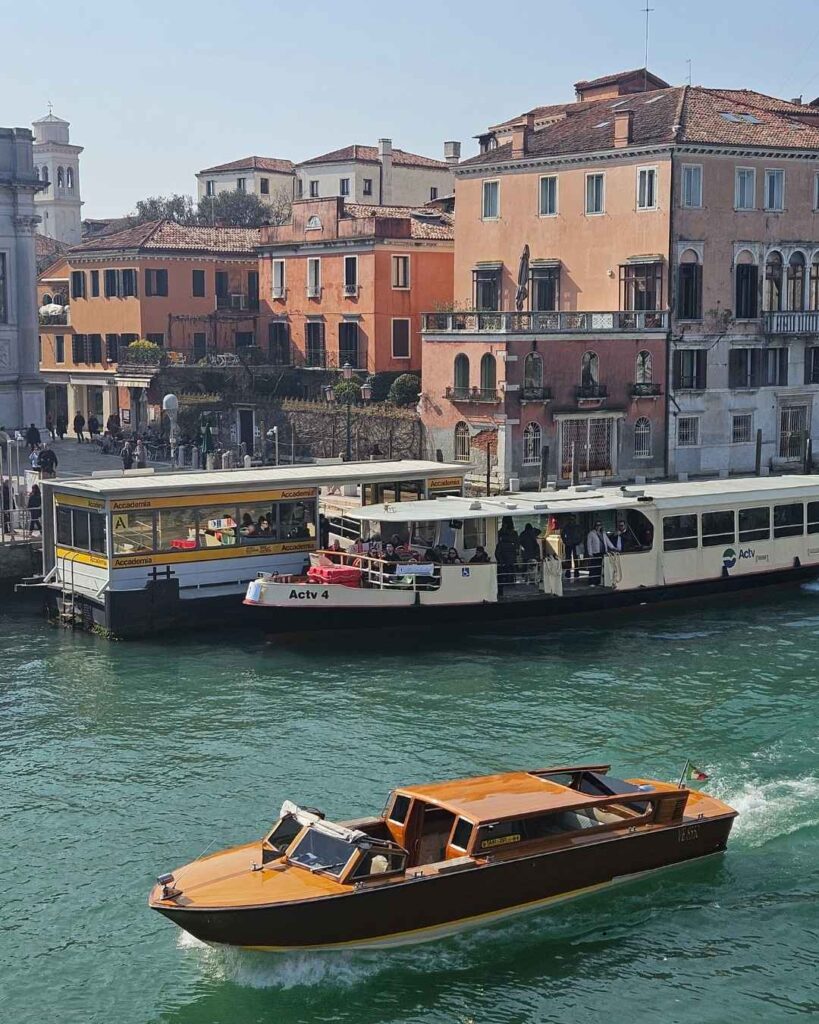
The vaporetto, or water bus, is the main way to travel longer distances across the city. Line One is the slow, scenic route along the Grand Canal, perfect for sightseeing from the water. Line Two is the express version, stopping only at the major points. A single ticket costs around nine euros and is valid for seventy-five minutes. If you are taking more than two rides in a day, you are better off buying a timed pass for twenty-four, forty-eight, or seventy-two hours. It will save you money and spare you the hassle of buying tickets every time you board.
Here is the thing that surprises most first-time visitors, however. In many cases, walking is faster than taking a boat. From the train station, you can walk to most parts of the San Polo district in fifteen minutes, which is half the time it would take by vaporetto. The walk from St. Mark’s to Rialto is under ten minutes. Do not plan your life around the vaporetto map. Let your feet do the work and you will discover corners of the city that the boats never reach.
The Gondola Reality Check
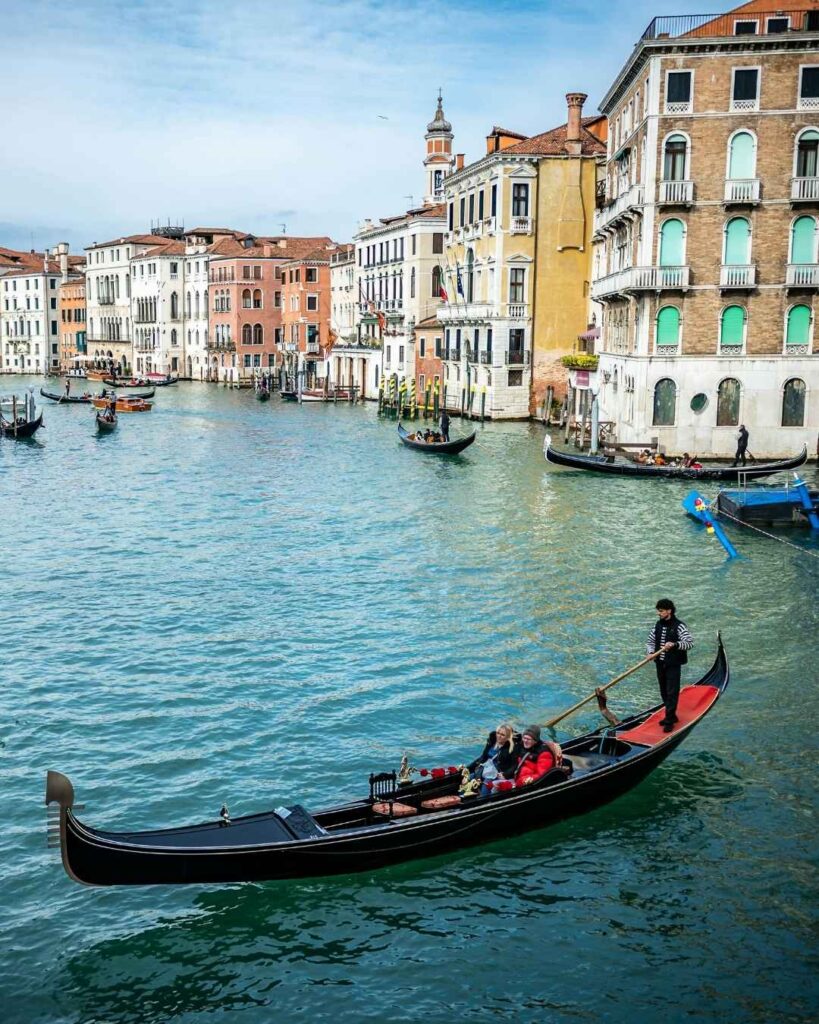
A gondola ride is one of those quintessential Venetian experiences that everyone wants to try at least once. It is also one of the easiest ways to feel like you have been taken for a tourist if you are not careful.
As of 2024, the official rate is ninety euros for a thirty-minute ride during the day and one hundred and ten euros for thirty-five minutes after seven in the evening. This is for up to five passengers. The rates are fixed by law, so do not try to haggle. It will only annoy the gondolier and get you nowhere.
The secret to a good gondola ride happens before you even step into the boat. Gondoliers are not tour guides, and not all of them sing. Before you board, have a short conversation with your gondolier. Are they friendly? Are they willing to discuss the route? If they seem terse or impatient, politely move on to the next stand. A good gondolier makes all the difference, and there are plenty to choose from.
For the most romantic experience, go at sunset, but be aware that prices are higher at that hour. For a more peaceful and affordable ride, go in the morning when the gondoliers are fresh, the canals are quieter, and the light is soft and beautiful.
If you want the sensation of gliding across the water without the price tag, take a traghetto. These are public gondola crossings that zip across the Grand Canal at various points for just two euros. You stand for the short journey, packed in with locals and their shopping bags, and it feels wonderfully authentic.
The Unwritten Rules
Venice is not a theme park. It is a real city where people live, work, raise children, and go about their daily lives. Treating it like a tourist attraction is a quick way to annoy the locals and potentially land yourself with a fine.
Walk on the right side of streets and bridges, just as you would on a road, and overtake on the left. Do not stop suddenly in the middle of narrow thoroughfares to take photographs. Step aside, let the flow pass, and then take your picture. Do not sit on steps, bridges, or pavements, especially in busy areas, as this is prohibited and actively discouraged.
If you plan to enter St. Mark’s Basilica or any of the other churches, you will need to cover your shoulders and knees. Always carry a wrap or a shawl in your bag so you are never caught out. Do not swim in the canals, no matter how hot it gets. It is strictly forbidden and carries hefty fines. If you want a swim, head to Lido’s beaches. Do not feed the pigeons in St. Mark’s Square. The birds’ droppings damage the historic monuments, and the practice has been banned for good reason.
And please, leave the flip-flops at home. You will be doing a huge amount of walking on hard, often slippery paving stones. Comfortable, sturdy shoes like these ones are not a suggestion. They are an absolute necessity. Pack insect repellent too. The canals and humidity mean mosquitoes are a persistent nuisance, especially in summer.
What to Do for the Best Time in Venice
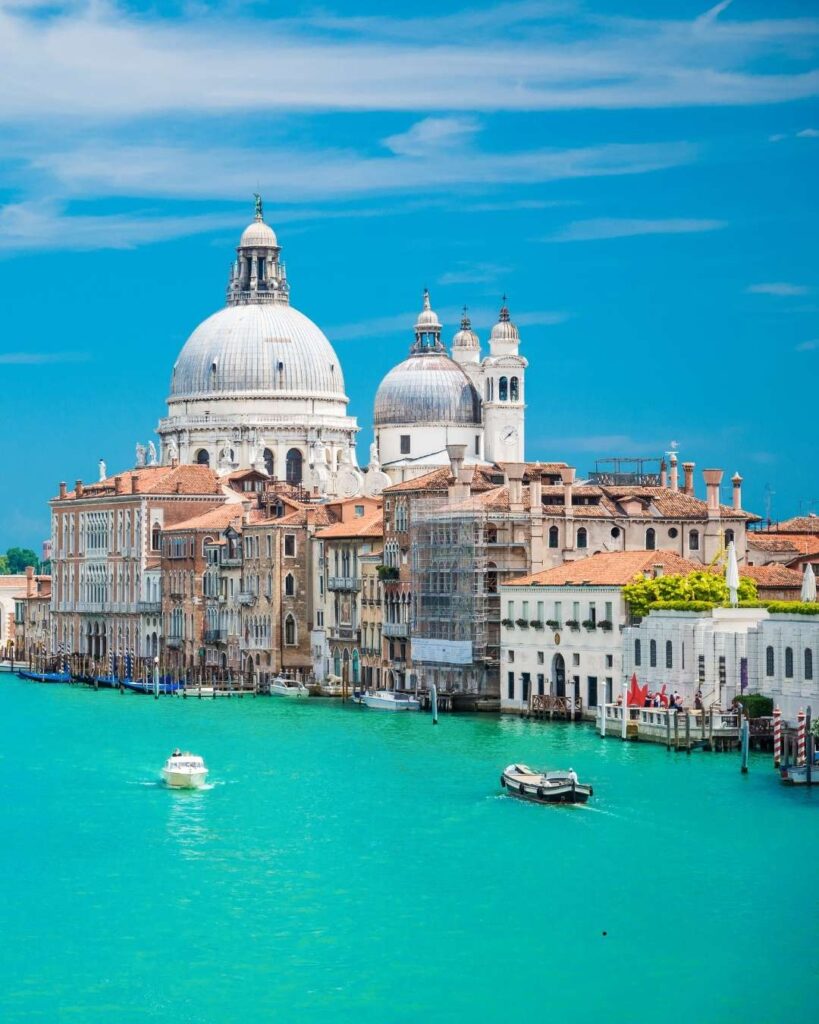
Experience the Icons the Right Way
St. Mark’s Basilica is rightly called the drawing room of Europe, and it is every bit as dazzling as its reputation suggests. But the queues can be brutal. The secret is to book a timed entry ticket in advance. This simple step saves you from standing in the sun for an hour while day-trippers shuffle past. Visit early in the morning or late in the afternoon for fewer crowds. Once inside, pay the extra fee to see the Pala d’Oro, a solid gold altarpiece studded with precious gems, and the museum on the terrace for a close-up view of the famous bronze horses and a stunning perspective over the square.
The Doge’s Palace is another must-see. This pink and white Gothic masterpiece was the political and judicial heart of the Venetian Republic, and its interior is even more impressive than its exterior. The Bridge of Sighs gets all the attention, but the real treasures are inside, with works by Veronese, Titian, and Tintoretto. Tintoretto’s Paradiso in the Sala del Maggior Consiglio is thought to be the largest canvas painting in the world, and it is breathtaking in scale and ambition. Again, buy your tickets in advance to skip the queues and maximise your time.
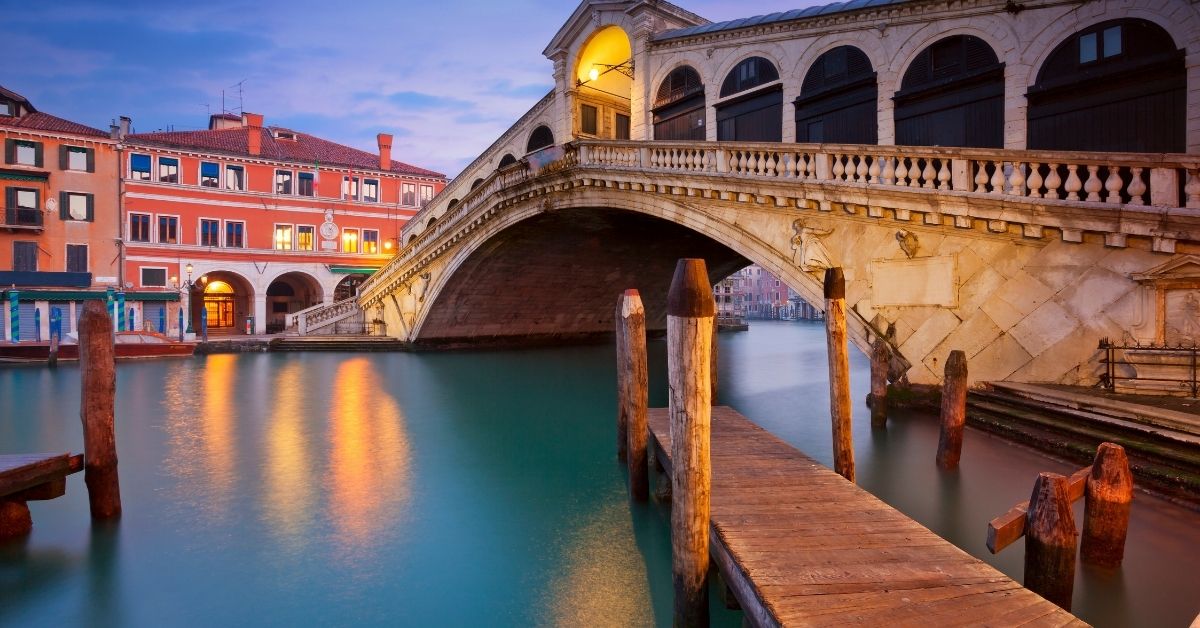
The Rialto Bridge is an icon for a reason, but it is best visited early in the morning before the day-trippers arrive. At sunrise, the bridge is almost empty, the light is golden, and you can appreciate its elegant arches without being jostled from all sides. Nearby, the Rialto Market is a vibrant, authentic experience where locals buy their fresh fish and produce. It is a great place to soak up the atmosphere and watch the daily life of the city unfold.
The Real Venice Is Found by Getting Lost
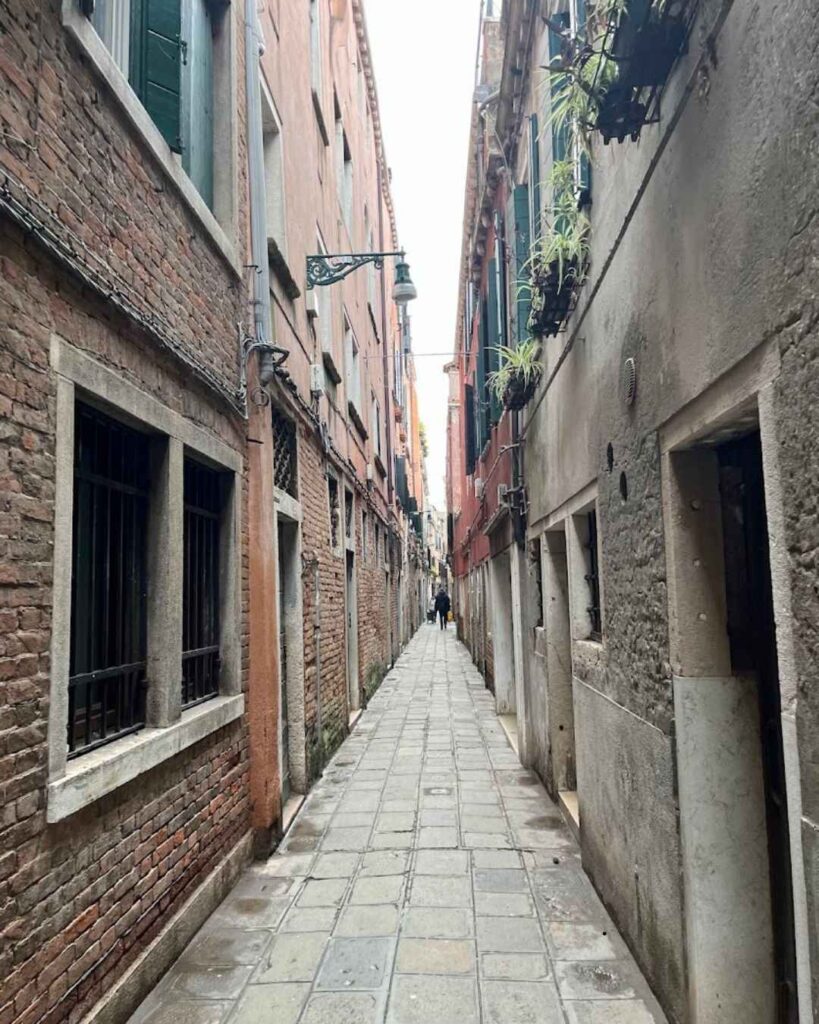
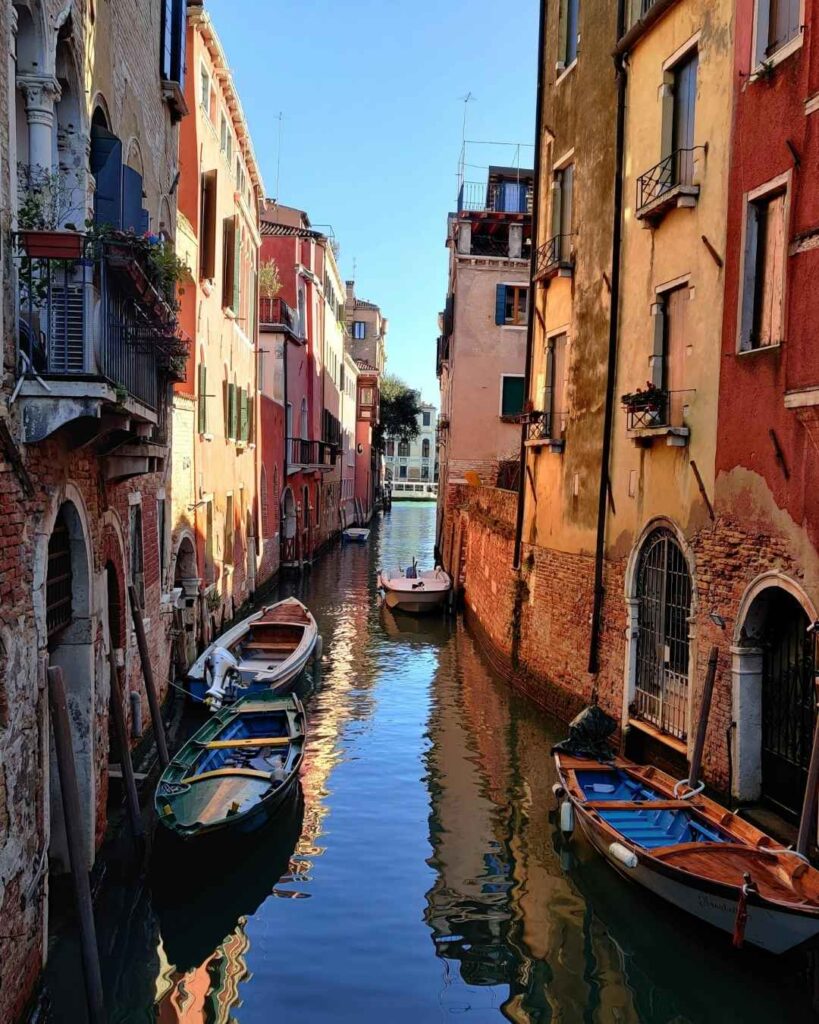
The magic of Venice does not lie in its famous sights. It lies in the labyrinth of alleyways, squares, and canals that branch off from the main thoroughfares. Spend at least one entire day with no plan other than to get lost. Put away your map, ignore your phone, and follow whichever passageway looks most interesting. You will discover quiet courtyards, hidden churches, washing hanging from windows, and the sound of children playing in squares where no tourist ever seems to find their way.
The district of Cannaregio is arguably the most authentic part of the city. This is where many Venetians actually live, and it has a grounded, local feel that the tourist-heavy areas around St. Mark’s have lost. Walk along the Fondamenta della Misericordia for a classic Venetian bar crawl and an evening atmosphere that feels genuinely local.
The Jewish Ghetto is another essential stop. Established in 1516, it was the world’s first Jewish ghetto, and it remains a quiet, historic, and deeply moving part of the city. Take a guided tour to see the fascinating “skyscraper” houses and the hidden synagogues that still operate today.
Dorsoduro is the artistic and studenty quarter, home to the Gallerie dell’Accademia and the Peggy Guggenheim Collection. It also offers some of the best sunset views in Venice along the Zattere waterfront, where you can watch the sky turn pink and orange over the Giudecca Canal with a drink in hand.
Castello is the largest district and home to the Arsenale, the medieval shipyard that built the mighty Venetian fleet. It is well off the main tourist trail and incredibly atmospheric, with quiet streets and hidden gardens that feel like a secret.
Eat Like a Venetian
Venice has a reputation for expensive, mediocre food, and it is not entirely undeserved. The restaurants near St. Mark’s and Rialto are almost uniformly overpriced and underwhelming. But the city also has a vibrant, affordable food culture that most tourists never discover. It is called the bacaro.
A bacaro is a small tavern serving ombre, which are small glasses of wine, and cicchetti, which are Venice’s answer to tapas. These are bite-sized snacks that range from marinated seafood and cured meats to fried olives and creamy baccalà mantecato, a whipped salt cod spread that is a local specialty.
The best way to eat in Venice is to forget about sitting down at a restaurant altogether. Instead, join the locals for a bacaro crawl. For a few euros, you can eat exceptionally well and sample a variety of local wines. The ritual is simple. You step into a bacaro, order a glass of wine, choose a few cicchetti from the counter, and eat standing at the bar or perched on a stool outside. Then you move on to the next one. It is sociable, inexpensive, and wonderfully Venetian.
The Fondamenta della Misericordia in Cannaregio is lined with bacari and is perfect for a progressive aperitivo from around six to eight in the evening. Cantina del Vino già Schiavi in Dorsoduro is a legendary spot. Cantina Do Mori is the oldest bacaro in Venice, established in 1462, while Osteria Al Squero offers great cicchetti with a perfect canal view.
Explore the Islands of the Lagoon
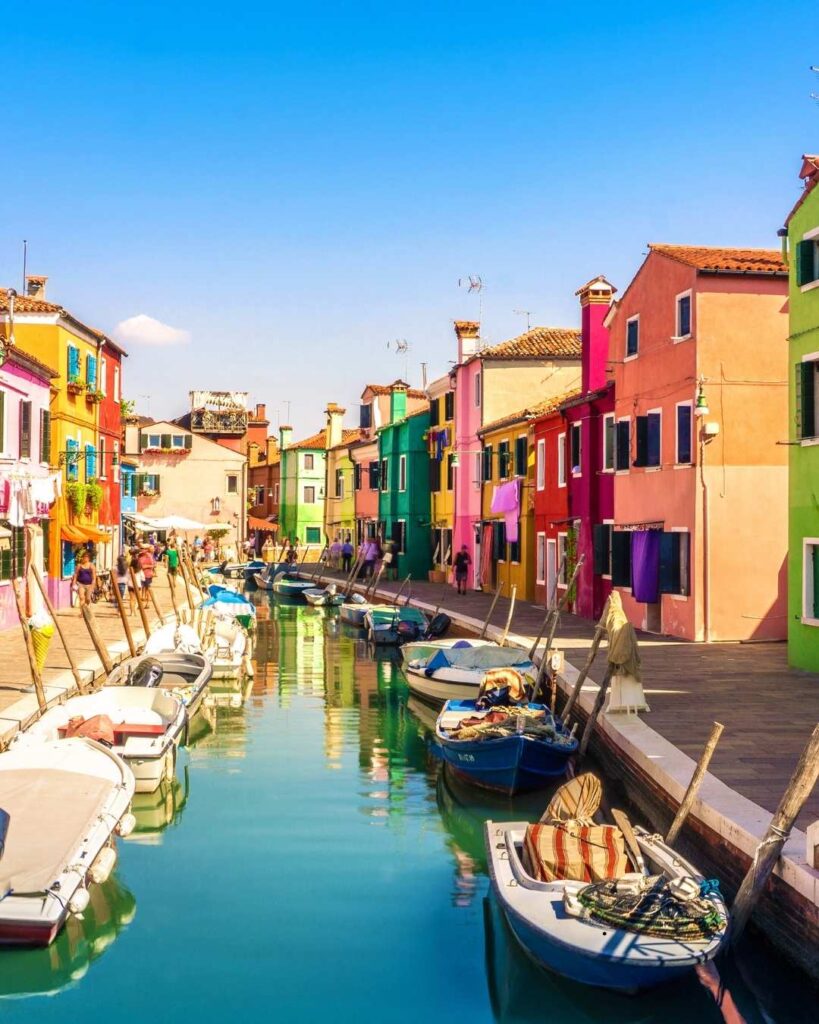
Venice is not just the main city. The lagoon is dotted with islands that each have their own character and charm.
Murano is famous for its glassblowing, and while it can feel touristy, it is genuinely worth a visit. The glass-making demonstrations are fascinating, and the Museo del Vetro, the Glass Museum, provides a deep dive into the history and artistry of this ancient craft. You can even take a class and try your hand at blowing your own glass creation.
Burano is the Instagram-famous island of brightly coloured houses. It is undeniably beautiful, with its rainbow-hued fishermen’s cottages reflected in the canals. But most visitors simply take a few photographs and leave. To do Burano justice, stay longer. Visit the Museo del Merletto to learn about the island’s lacemaking tradition, which has been passed down through generations of women.
For something truly special, visit Torcello, the abandoned island where Venice began. It has a magnificent cathedral with stunning Byzantine mosaics and the legendary so-called Attila’s Throne, which is actually a magistrate’s seat. The island is quiet, almost eerily peaceful, and offers a glimpse into Venice’s distant past. Or escape to Sant’Erasmo, the vegetable garden of Venice, a flat, agricultural island where you can cycle through artichoke fields and enjoy total silence.
What to Avoid for the Best Time in Venice
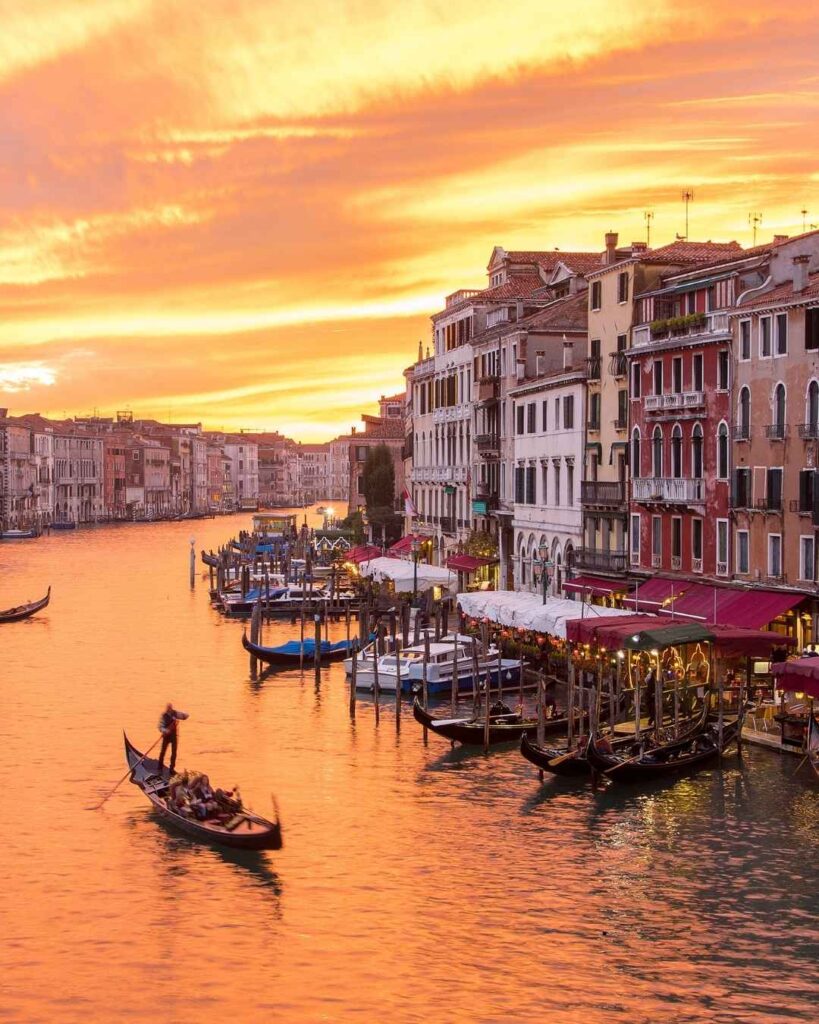
The One-Day Trip Trap
I have met plenty of people who claim not to like Venice, and they almost all have one thing in common. They visited on a day trip. They rushed off the train, fought their way through the crowds to St. Mark’s, queued for hours, ate a terrible lunch near the Rialto, and left feeling overwhelmed and underwhelmed in equal measure.
A day trip to Venice is a recipe for frustration. The city needs time. It needs to be explored slowly, at dawn and at dusk, when the crowds have thinned and the light is soft. It needs to be discovered through quiet backstreets and unexpected encounters. Spend at least three days to get a real taste of the city. A week is ideal for truly understanding what makes Venice so special.
The Overpriced Restaurant Rip-Off
I have already mentioned this, but it bears repeating. Restaurants with menus in multiple languages, photographs of food on display, and staff standing outside trying to lure you in are almost always tourist traps. They serve mediocre food at inflated prices, and they are everywhere near St. Mark’s and the Rialto.
If you want a good meal, walk away from the main sights. Head to quieter backstreets. Take a water bus to a less central district like Cannaregio or Dorsoduro. Embrace the bacaro scene for casual, affordable eating. And if you do want a sit-down meal, look for places where you hear Italian being spoken and where the menu is handwritten rather than printed in four languages. Those are the places where real Venetians eat.
Unsuitable Luggage
Venice is not designed for luggage. The city is a maze of steps, bridges, and narrow alleyways. If you bring a massive, wheeled suitcase, you will spend your first and last days dragging it up and down countless bridge steps, cursing every step of the way.
Leave the enormous suitcase at home. Pack light. Bring a backpack or a small, carry-on bag that you can manage easily on water buses and along cobbled streets. You will be grateful for every kilogram you leave behind. For more information on the best type of luggage to bring, check out this post.
Ignoring the Tides
Acqua alta, or high water, used to be a regular occurrence in Venice, flooding St. Mark’s Square and other low-lying areas. The MOSE flood barriers have dramatically reduced this, but the phenomenon has not been eliminated entirely. Before your trip, check the tide forecast on apps like hi!tide Venice. If the forecast predicts high water, do not panic. It usually lasts less than an hour. Wear waterproof shoes and enjoy the unique spectacle. It is part of the city’s character, and locals take it in their stride.
Wasting Money on Single Vaporetto Tickets
This is one of the simplest mistakes to avoid, and yet so many visitors make it. A single vaporetto ticket costs nearly ten euros and is valid for just seventy-five minutes. If you take more than two boat rides in a day, you have already spent more than the cost of a twenty-four-hour travel pass.
Buy a timed pass. It is almost always cheaper, and it saves you the hassle of queuing for tickets every time you board. It also gives you the freedom to hop on and off without worrying about the cost, which encourages you to explore more of the city.
Final Reflections
Venice is more than a postcard. It is a living, breathing city that rewards patience, curiosity, and a willingness to slow down. The secret to having the best time is not about ticking off a list of sights. It is about letting the city reveal itself to you in its own time.
Walk until your feet ache. Get lost in the maze of alleyways and discover a hidden courtyard that feels like it belongs to another century. Share a spritz with locals at a bacaro and watch the sun set over the lagoon. Sit on a quiet bench in a forgotten square and listen to the sounds of the city—the lapping of water, the tolling of bells, the distant chatter of neighbours.
I have been fortunate enough to visit Venice several times, and each visit has deepened my appreciation for its singular magic. On my last trip, my wife and I spent an entire afternoon just wandering without a destination, following the narrowest streets we could find. We ended up in a tiny square where an old woman was feeding stray cats, and we sat there for an hour doing nothing in particular. It was perfect.
NOTE BEFORE YOU GO: Italy rewards travelers who go prepared. And it is easy to ruin your trip. I have a checklist for you of things you should never go to Italy without. CHECK IT OUT HERE. I have also curated a list of some of the best hotels in Italy. I would highly recommend checking them out before booking. THESE ARE THE BEST HOTELS IN ITALY. And for unique experiences, attractions, and tours, don’t book before CHECKING THIS OUT. Thank me later!
Thank you for a very helpful summary, highlighting how to have a most enjoyable visit to Venice.