
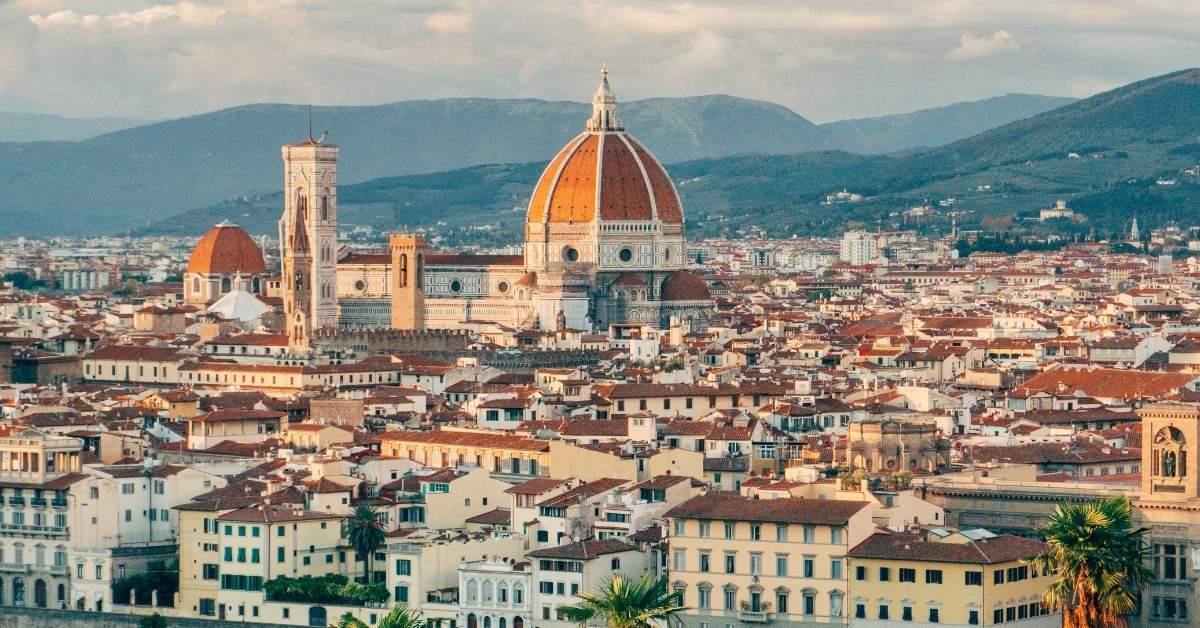
So you want to go to Florence, Italy. You imagine yourself standing before Michelangelo’s David, gazing up at the magnificent dome of the Duomo, or savoring a glass of Chianti as the sun sets over the Arno River. It is a city that has inspired artists, poets, and dreamers for centuries, and it holds a special place in the hearts of those who visit.
But here is the uncomfortable truth that guidebooks often gloss over. Florence is also a city that can humble even the most seasoned traveler. It can frustrate you, exhaust you, and leave you wondering why everyone raved about it in the first place. The difference between the trip of a lifetime and a week of frustration often comes down to a handful of seemingly small decisions.
Having explored this magnificent city thoroughly, I have seen travelers make the same mistakes again and again. I have watched couples argue over lost time in museum queues, families melt down under the Tuscan sun, and weary tourists settle for mediocre meals because they simply gave up searching.
Let me save you from that fate. Here is everything you need to know about the mistakes that can derail your Florentine adventure and how to avoid them.
The Most Expensive Mistake You Will Make in Florence
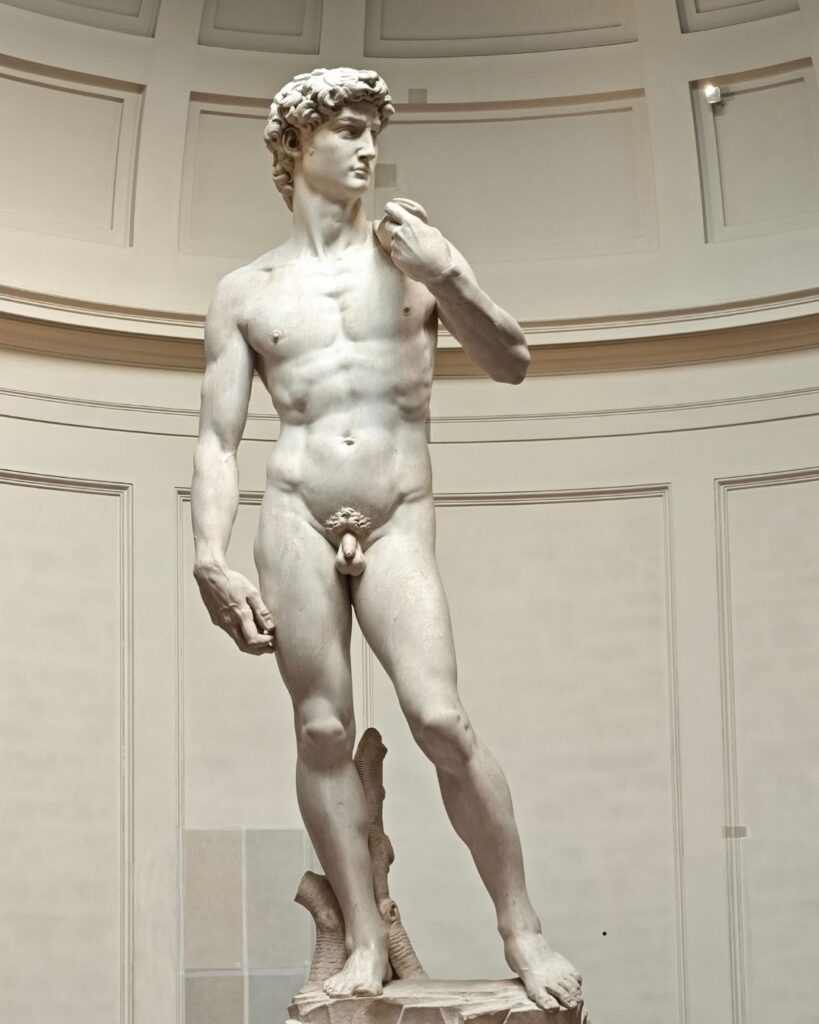
You have seen the photos. You have dreamed about standing in the Accademia Gallery, coming face to face with one of the most famous works of art ever created. So you arrive at the museum, ready for a transcendent experience, only to find a line that snakes around the block and disappears into the distance. The sun is beating down, the hours are slipping away, and by the time you reach the entrance, you are too tired and irritable to appreciate anything.
This scene plays out every single day in Florence, and it is completely avoidable. The city’s major attractions, particularly the Uffizi Gallery and the Accademia, limit the number of daily visitors to protect the fragile masterpieces housed within. They sell out regularly, sometimes days or even weeks in advance during peak seasons. Showing up without a reservation is not just optimistic; it is borderline reckless.
The solution is brutally simple. Book your tickets online before you leave home. Choose a specific time slot and commit to it. This transforms what could be a three-hour ordeal into a fifteen-minute process of walking past the crowds, scanning your ticket, and stepping directly into the presence of artistic genius. Many travelers hesitate to lock themselves into a schedule, but the freedom you gain from avoiding the queue far outweighs any constraint on your itinerary.
If you find yourself in the unfortunate position of having missed the booking window for the Accademia, do not despair entirely. You can still see a magnificent replica of David standing proudly in Piazzale Michelangelo, overlooking the city with the same commanding presence. Another replica guards the entrance to Palazzo Vecchio, serving as a reminder that Florence’s treasures are woven into the fabric of the city itself, not locked away behind museum walls.
The Hidden Trap of Florentine Dining
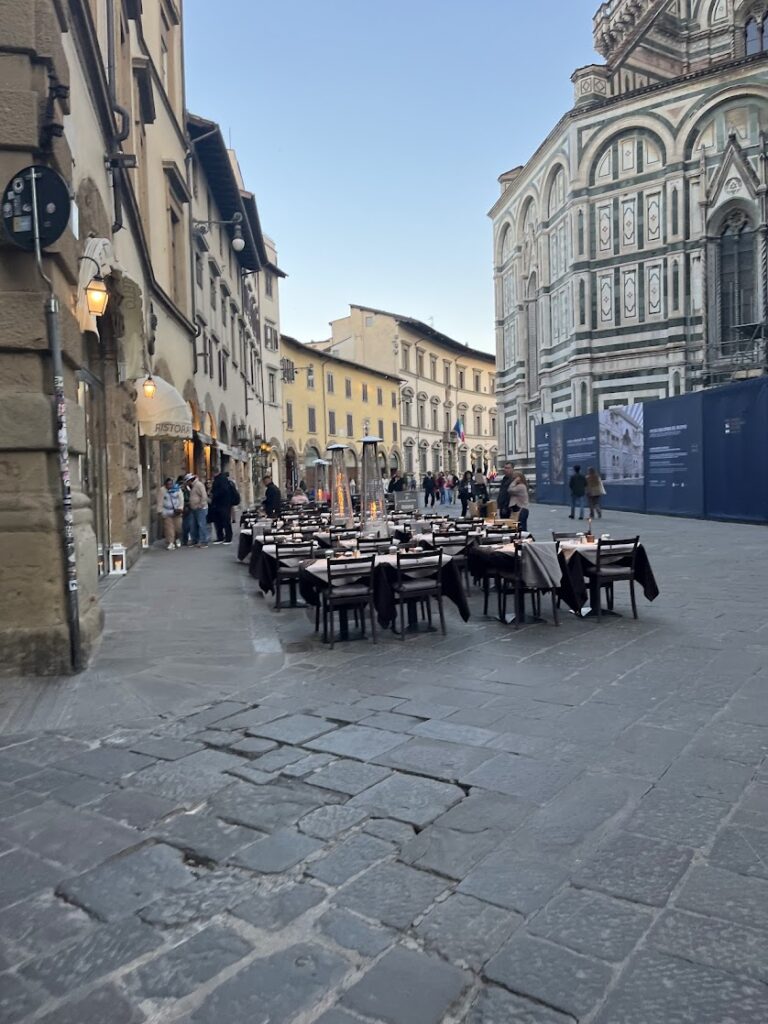
The square surrounding the Duomo is breathtaking. The architecture, the history, the energy of the crowds, it all combines to create an almost overwhelming sensory experience. And when hunger strikes, the restaurants right there in the piazza seem like the most convenient option in the world. They look charming. Their menus are translated into English. The waiters beckon you with warm smiles.
Resist this temptation with everything you have.
Those restaurants are designed for maximum profit from minimum return customers. They know you will likely eat there once and never return, so they have no incentive to serve you anything but mediocre food at inflated prices. The pasta is often pre-cooked, the sauces are from jars, and the bread on your table is a prop rather than a promise. You will pay double what you should and leave feeling vaguely disappointed, wondering what all the fuss about Italian cuisine was about.
The golden rule of eating well in Florence is simple. Walk five minutes away from any major landmark. Find a side street, preferably one where you can hear Italian being spoken by the locals. Look for a trattoria or osteria rather than a ristorante.
These smaller establishments are where Florence truly comes alive at mealtimes. They serve traditional dishes passed down through generations, they source their ingredients from local markets, and they treat food with the reverence it deserves.
Even better, cross the Arno River to the Oltrarno district. This is where Florence’s artisans live and work, where families have run their businesses for centuries, and where the pace of life slows to something more human and sustainable. The restaurants here serve food that tastes like it was made by someone’s grandmother, because it often was. The prices are lower, the portions are generous, and the atmosphere is genuine rather than manufactured for tourists.
The Timing That Nobody Tells You About
If you walk into a Florentine restaurant at six in the evening expecting dinner, you will find yourself alone in a deserted room. The staff will look at you with a mixture of confusion and pity. The kitchen will not be open. This is not because they are unwelcoming, it is simply because dinner in Florence does not begin until seven at the very earliest, and most locals would not dream of sitting down before half past seven or eight o’clock.
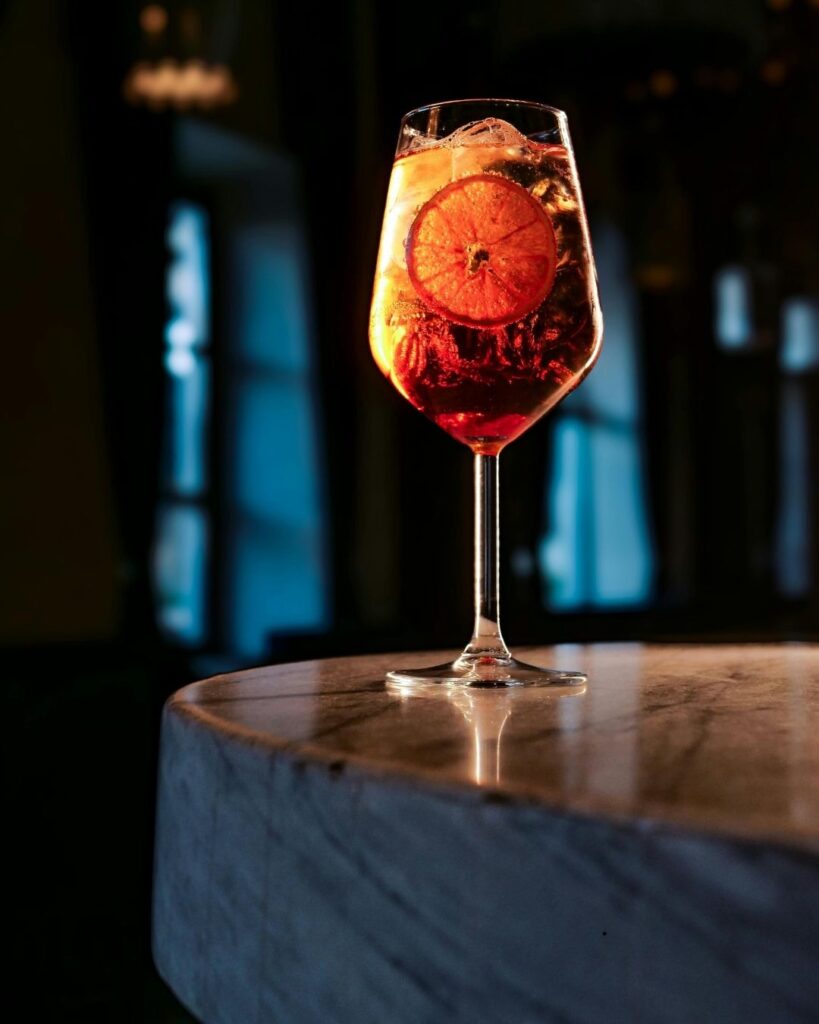
This timing creates a wonderful opportunity that too many travelers miss entirely. Instead of suffering through an early dinner in an empty restaurant, embrace the Italian ritual of aperitivo. Between roughly six and eight in the evening, bars across the city transform into social gathering places where you can enjoy a carefully crafted cocktail accompanied by a generous spread of snacks. Olives, cheeses, cured meats, small sandwiches, and sometimes even full plates of pasta appear alongside your drink.
This tradition was practically invented in Florence, and the city takes it seriously. The Negroni, that bitter and beautiful cocktail, was born right here. Ordering one during aperitivo hour is not just drinking, it is participating in a ritual that has been part of Florentine life for generations. My wife and I discovered that we could make a complete meal out of aperitivo spreads, saving money while experiencing the city exactly as the locals do.
And while we are on the subject of drinks, please understand the coffee culture. When you order a cappuccino after a meal, you are committing what many Italians consider a minor culinary crime. Milk is for breakfast; espresso is for after dinner. Also, never order a “latte.” In Italian, that simply means milk, and you will receive exactly that. If you want the milky coffee drink you are used to, ask for a caffè latte, and reserve it for the morning hours when it is socially acceptable
The Transportation Nightmare
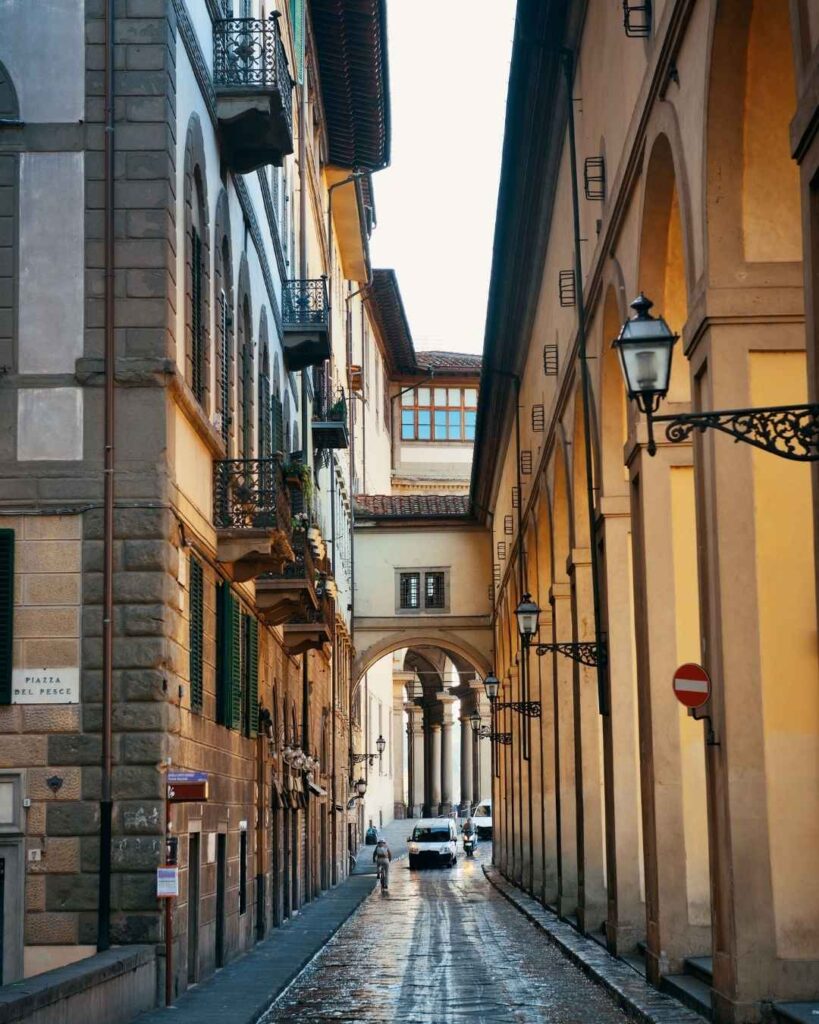
Florence’s historic center is a magnificent maze of narrow streets, ancient buildings, and unexpected piazzas. It was designed long before anyone imagined automobiles, and it shows. The streets are so narrow in places that you could almost touch both sides with outstretched arms.
Parking spaces are mythical creatures that exist only in the imaginations of desperate drivers. And to make matters worse, much of the center is restricted to authorized vehicles only.
Driving in Florence is not just inconvenient; it is actively punishing. Cameras monitor the limited traffic zones constantly, and you will receive a fine in the mail weeks after your return home, a final unwanted souvenir from your Italian adventure. If you have rented a car, leave it parked outside the city and walk. Even finding a garage can cost you dearly, and the stress of navigating those ancient streets will drain the joy from your travels.
Walking is the only sensible way to explore Florence. The city is surprisingly compact, and you can move from the Duomo to the Uffizi to Ponte Vecchio in what feels like minutes. Every corner reveals something beautiful, every alley hides a charming courtyard or a small workshop. You cannot experience this city from inside a vehicle, and you should not try.
But walking comes with its own requirement. Those cobblestones that look so romantic in photographs are your feet’s worst enemy. They are uneven, slippery when wet, and utterly unforgiving to anyone who prioritized fashion over function. I have watched countless travelers hobbling through the streets, their beautiful shoes reduced to instruments of torture. Invest in proper walking shoes like these ones before you leave, and break them in thoroughly. Your feet will thank you when you are still exploring happily at the end of a twelve-hour day.
If you absolutely must use public transport, remember one rule above all others. Validate your ticket before boarding. Italian public transport operates on an honor system that includes frequent and relentless inspections.
You can purchase your ticket perfectly legally, step onto the bus or train, and still receive a fine of hundreds of euros if you fail to stamp it in the validation machine. These machines are clearly marked, usually yellow on buses and located on platforms for trains, but travelers forget them constantly. The inspectors have heard every excuse imaginable, and they rarely show mercy.
Only Staying North of the River
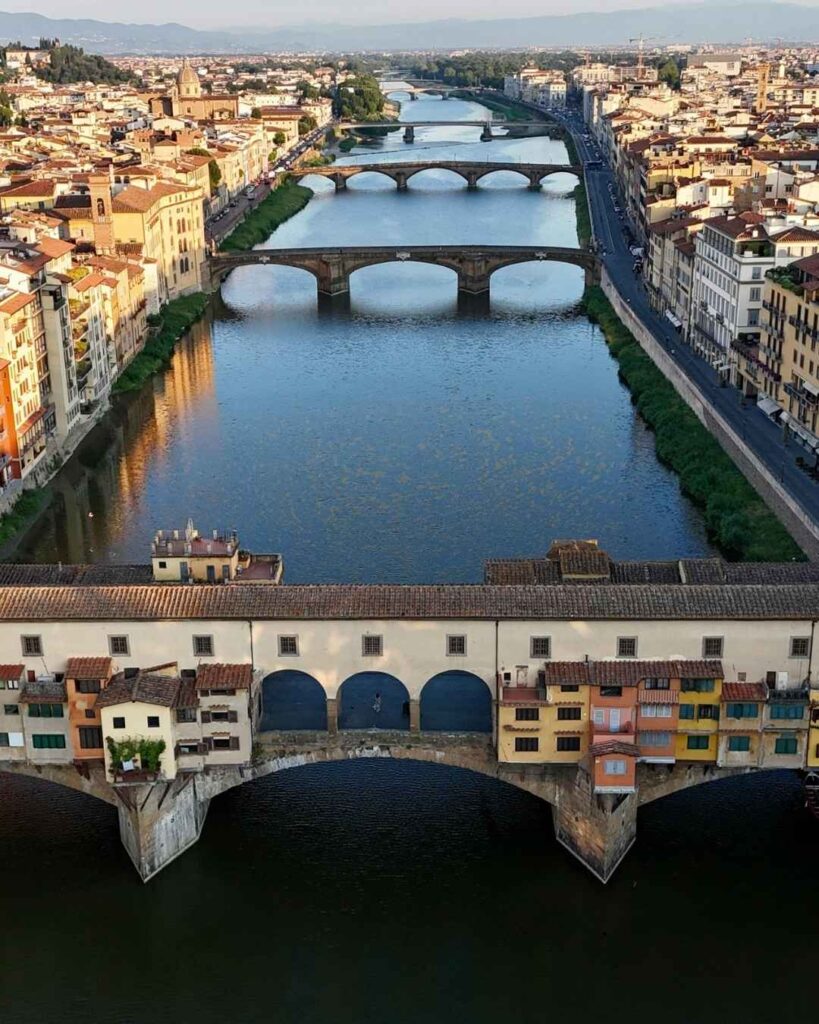
Every visitor to Florence eventually finds themselves standing on Ponte Vecchio, that remarkable medieval bridge lined with jewelry shops. It is beautiful, historic, and absolutely packed with tourists. But here is the thing about Ponte Vecchio: it represents a dividing line that too many travelers never cross.
The vast majority of Florence’s headline attractions sit on the northern bank of the Arno. The Duomo, the Uffizi, the Accademia- they are all within easy walking distance of each other on the north side. It is entirely possible to spend your entire trip in this area and feel like you have seen the essential Florence. But you would be missing the city’s soul.
Across the river lies Oltrarno, which literally means beyond the Arno. This is where Florence becomes something deeper and more authentic. The Pitti Palace looms grandly over the neighborhood, housing magnificent art collections and leading up to the sprawling Boboli Gardens. But more importantly, Oltrarno is where Florentines actually live.
The streets are quieter, the shops sell handmade goods rather than mass-produced souvenirs, and the piazzas fill with families and friends gathering for evening conversations.
The Santo Spirito neighborhood deserves particular attention. Its central square buzzes with local life, particularly in the evenings when students and residents spill out of bars and restaurants. The church itself is beautiful, but the real attraction is the atmosphere of a community going about its daily existence.
You can visit artisan workshops here, watch craftspeople at work, and purchase objects that carry real meaning rather than the ubiquitous David statues that line souvenir shops elsewhere.
And then there is the view. Piazzale Michelangelo offers the iconic panorama that graces countless postcards, but it can become crowded and commercial. A short walk uphill brings you to the church of San Miniato al Monte, where the view is arguably even more spectacular, and the crowds are blessedly thinner. The climb is worth every step, and the perspective you gain on the city below will stay with you forever.
The Checklist Mentality
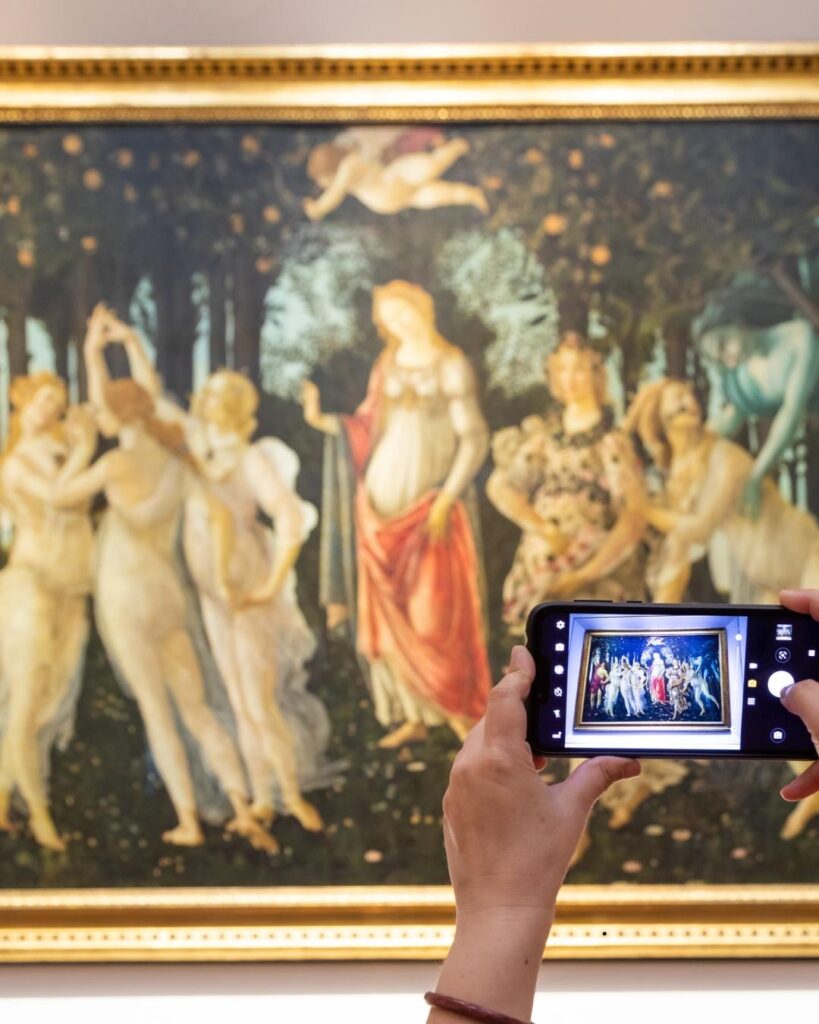
Here is the truth that nobody wants to admit about Florence. It is overwhelming. The concentration of world-class art and architecture in this relatively small city is almost absurd. You can walk out of the Uffizi, your mind reeling from Botticelli’s Birth of Venus, and find yourself staring at the Duomo’s magnificent dome. Two steps later, you are crossing Ponte Vecchio, and five minutes after that, you are in a piazza that has inspired poets for centuries.
The temptation to treat Florence as a checklist, an exhausting marathon of must-see attractions, is almost irresistible. But it is the quickest path to a ruined experience. I have seen travelers rush through the Uffizi in a daze, pausing briefly at the most famous works and ignoring the hundreds of other treasures that surround them. They emerge two hours later, their brains full but their hearts empty, having experienced quantity over quality.
There is even a name for the dizziness and overwhelm that can afflict visitors exposed to too much great art. Stendhal Syndrome, named after the French writer who experienced it in Florence, describes the physical and emotional reactions that can accompany such concentrated aesthetic experiences. It is real, and it is avoidable.
The solution is to embrace the impossible. You cannot see everything. You should not try. Plan for one museum in the morning, one in the afternoon at most, and leave the rest of your time for wandering, discovering, and simply being in the city. Some of the most memorable experiences in Florence are unplanned: the tiny side street you turned down on a whim, the quiet church you entered to escape the heat, the artisan who invited you into their workshop to see their craft.
Consider visiting some of Florence’s lesser-known treasures. The Hospital of the Innocents is a stunning Renaissance building with a beautiful courtyard and a moving history of caring for abandoned children. The Bargello Museum houses some of the finest sculptures in the city, including masterpieces by Donatello and Michelangelo, but its crowds are far thinner than the Uffizi.
Dante’s House Museum offers intimate insight into the life of the poet who gave voice to the Italian language. And the Officina Profumo-Farmaceutica di Santa Maria Novella, Florence’s oldest pharmacy, is a fragrant journey through centuries of perfume-making and medicinal traditions.
Making Your Florence Trip Unforgettable
The mistakes I have described are all avoidable, and avoiding them transforms Florence from a frustrating experience into something truly magical. The city rewards patience, preparation, and a willingness to slow down. It is not a place to be conquered or checked off a list. It is a place to be savored.
Spring and fall are the perfect times to visit, when the crowds thin and the Tuscan weather is at its most forgiving. If you must travel in summer, embrace the Italian tradition of the afternoon riposo, a period of rest during the hottest hours that makes the evening more enjoyable. And if you can manage it, consider a day trip into the Tuscan countryside.
The hilltop towns of Siena and Lucca offer different perspectives on the region’s history and beauty, and the Chianti wine region provides a delicious respite from the intensity of the city.
Florence will test you. It will frustrate you with its queues, confuse you with its customs, and exhaust you with its crowds. But if you approach it with patience, preparation, and respect, it will reward you beyond measure. It is a city that has inspired humanity for centuries, and it still carries that power.
The light that filters through its ancient windows, the flavors that emerge from its kitchens, the art that fills its museums, and the warmth of its people create something that no photograph can capture, and no guidebook can fully convey.
My wife and I still talk about the evening we sat in a small piazza in Oltrarno, sharing a bottle of wine and watching the light fade over the city. There were no famous paintings nearby, no queues to join, no guides to follow. Just the two of us, the sound of Italian voices around us, and the sense that we had found something real. That is the Florence that waits for you, if you avoid the mistakes that keep others from finding it.
NOTE BEFORE YOU GO: Italy rewards travelers who go prepared. And it is easy to ruin your trip. I have a checklist for you of things you should never go to Italy without. CHECK IT OUT HERE. I have also curated a list of some of the best hotels in Italy. I would highly recommend checking them out before booking. THESE ARE THE BEST HOTELS IN ITALY. And for unique experiences, attractions, and tours, don’t book before CHECKING THIS OUT. Thank me later!