
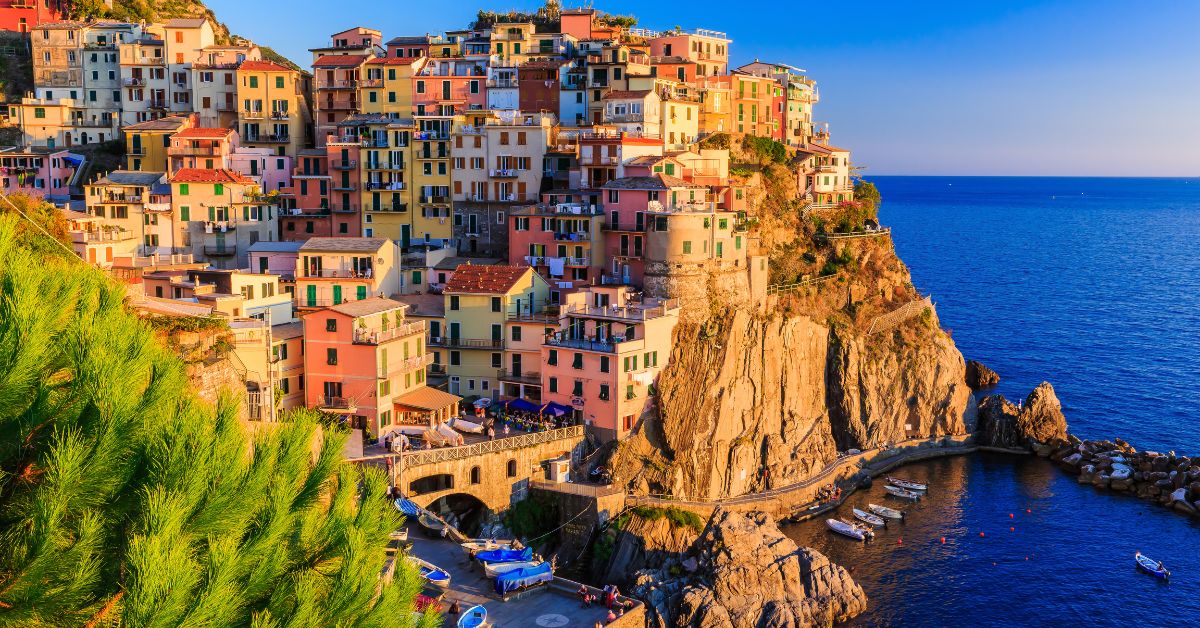
I still remember the first photo that made me fall in love with Cinque Terre: a pastel-pink house clinging to a jagged cliff, turquoise waves crashing below, a tiny fishing boat bobbing in the harbor. It looked like a place that couldn’t possibly exist.
The good news: it does exist. The bad news: the version you see on Instagram isn’t the full story.
After visiting multiple times and talking to local hoteliers, train conductors, and trail wardens, I’ve learned that Cinque Terre is one of Italy’s most fragile, overtouristed, and misunderstood destinations. Show up unprepared, and you’ll spend your vacation stuck in train crowds, hiking closed trails, and paying too much for mediocre food.
Show up having read this guide, and you might still find the magic.
Here are 14 things you absolutely must understand before going to Cinque Terre.
1. Cinque Terre Is Five Separate Villages
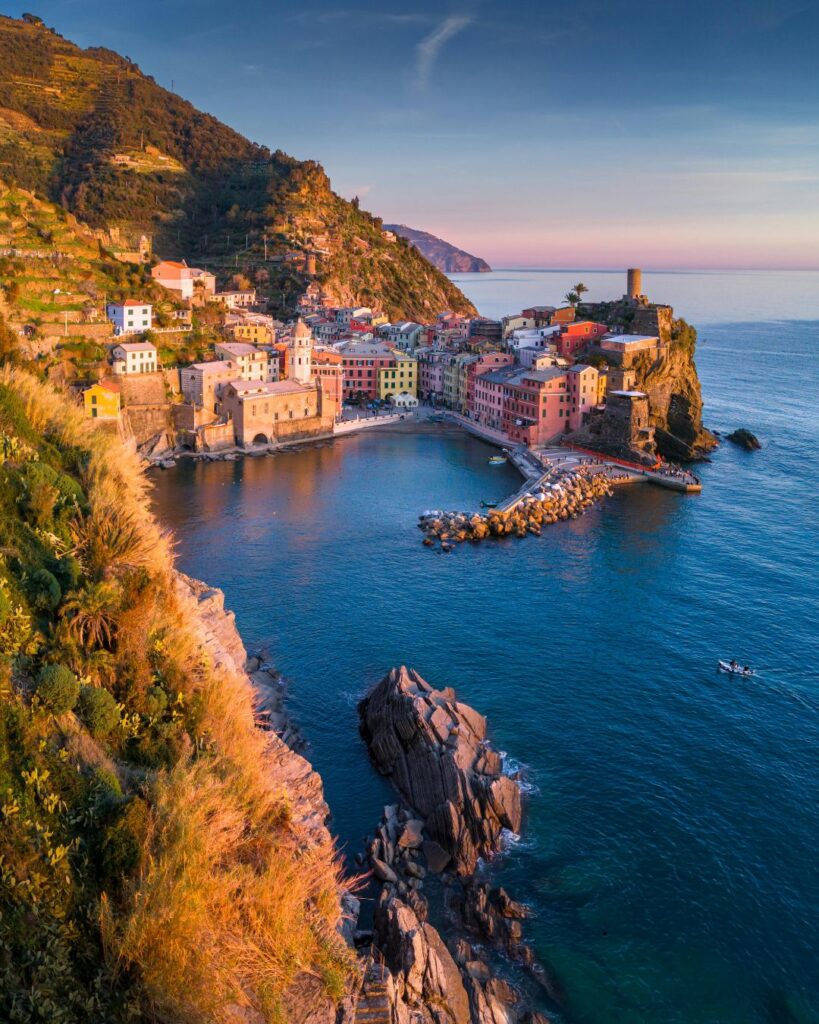
First-time visitors often think “Cinque Terre” is a single town. It’s not. It’s five distinct villages strung along 11 kilometers of rugged coastline.
Here’s what you need to know about each:
- Monterosso al Mare – The largest, flattest, and only one with a proper sandy beach. Best for families and travelers who struggle with stairs. Most restaurants and hotels are here.
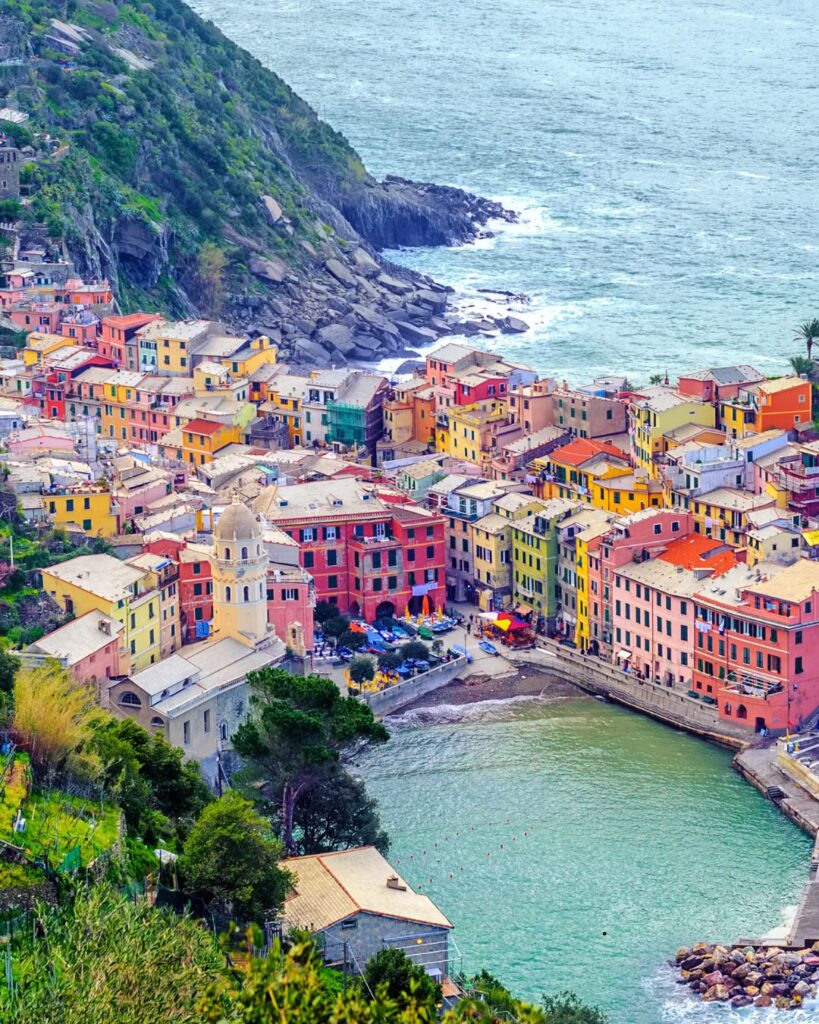
- Vernazza – The classic postcard view with a natural harbor and a tiny castle. Gorgeous but often the most crowded. No real beach—just rocks and a small dock.
- Corniglia – The wild card. Perched high on a cliff with no direct sea access. You climb 382 steps (or take a shuttle) to reach it. Quietest village. Best views.
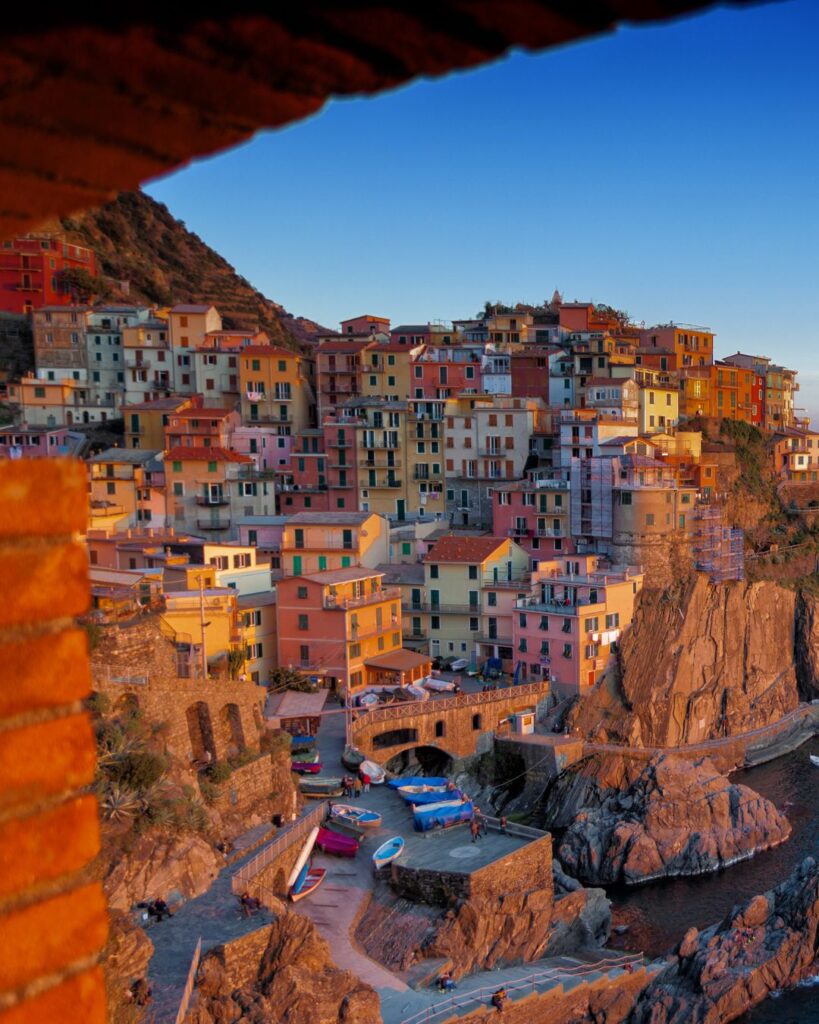
- Manarola – The sunset superstar. That iconic photo of colorful houses stacked like Lego bricks? That’s Manarola. No swimming (too rocky), but the walk up to the cemetery gives you the classic shot.
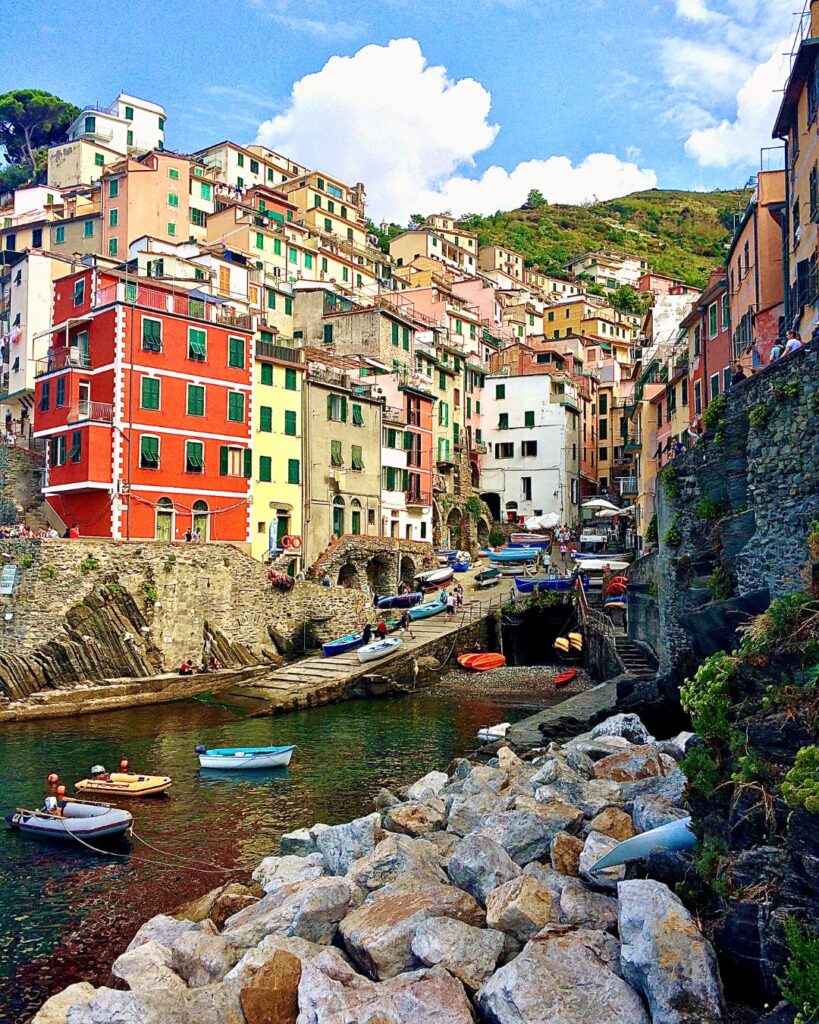
- Riomaggiore – The southernmost, with a dramatic boat harbor and a long pedestrian tunnel covered in mosaics. Lively but still authentic.
Why this matters: If you book a room in Corniglia thinking you’ll walk to the beach every morning, you’ll be very disappointed. Choose your base based on your physical ability and priorities.
2. That Fairy-Tale Scene You Saw? It Exists – But Only at 6 AM or After 8 PM
Let me be direct: between 10 AM and 4 PM from April through October, Cinque Terre is not relaxing. It’s a human conveyor belt.
Peak season sees over 2.5 million visitors annually, with cruise ships disgorging thousands of day-trippers into the narrow alleys of Vernazza and Manarola. You will wait 20 minutes just to walk 100 meters. You will queue for train tickets. You will struggle to find a bench to eat your focaccia.
But here’s the secret I’ve learned: the magic returns before breakfast and after dinner.
I once arrived in Vernazza at 6:30 AM. The main square was empty except for a cat washing its face and an old man sweeping his stoop. The light was soft gold. I had the entire harbor to myself. By 9:30 AM, the first train disgorged its crowd, and the spell broke.
Plan your day around the crowds. Hike or sightsee early (5:30–9 AM) and late (6–9 PM). Use midday for a long lunch, a nap, or a ferry ride where crowds spread out.
3. The Famous Via dell’Amore Is Often Closed – Always Check First
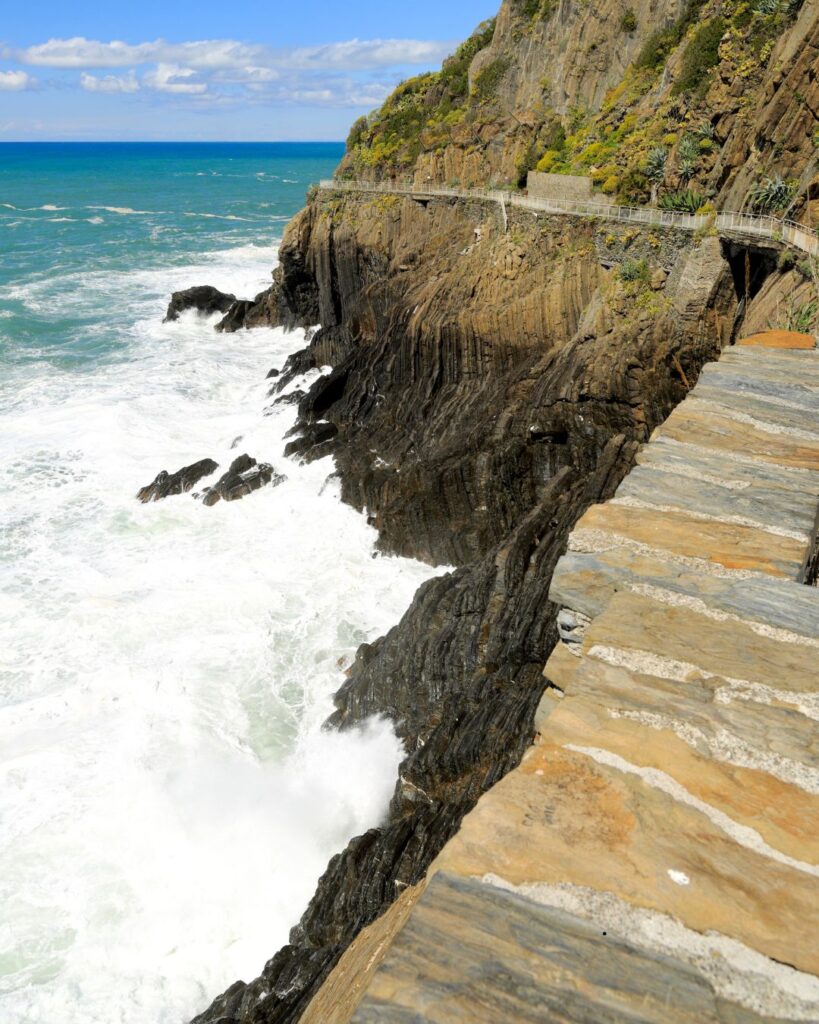
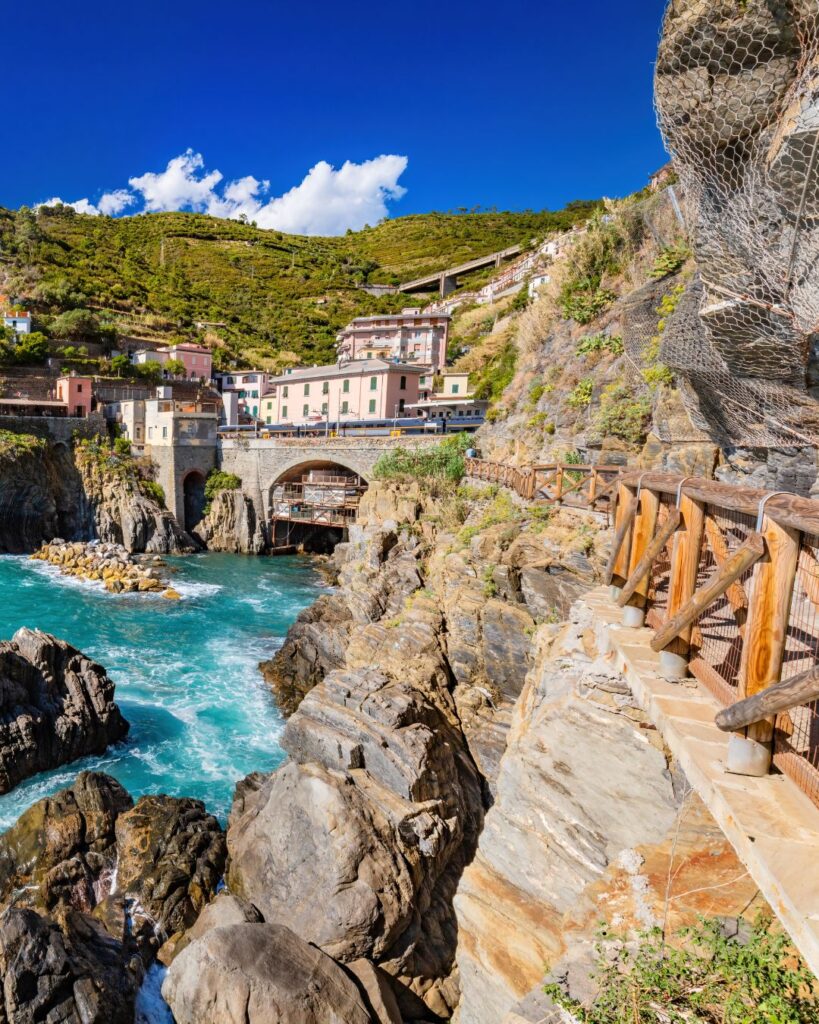
The Via dell’Amore (Lover’s Walk) is the easy, flat coastal path connecting Riomaggiore to Manarola. It’s supposed to be the romantic heart of Cinque Terre.
Here’s the problem: landslides have closed sections of the coastal trails repeatedly over the last decade. When I first visited, the Via dell’Amore was shut due to rockfall. When I returned two years later? Still closed. It has reopened and closed again multiple times since.
What you must do: Before you even pack your suitcase, check the official Parco Nazionale delle Cinque Terre website or download their app. They post real-time trail closures.
Backup plan: Even if the Via dell’Amor is closed, you can still walk the high trails between villages (more on that below) or use the train. Don’t be the person who cries at the ticket counter because Instagram lied to you.
4. You Need a Cinque Terre Trekking Card – Even If You Don’t Plan to Hike
This is where many travelers get caught. The Cinque Terre is a national park, and access to the trails requires a card.
There are two main types:
- Trekking Card – Trails only (no trains). About €7.50–€15 depending on days.
- Train + Trekking Card – Unlimited train travel between Levanto, all five villages, and La Spezia, plus trail access. This is what most visitors need (€18–€33 per day).
Why do you need the card even if you only walk one short trail? Because trail guards do random checks, and fines for trespassing start at €50 and go up to €200. I’ve watched a family of four get pulled off the Monterosso–Vernazza trail and fined on the spot. It was not pretty.
Where to buy: Train stations in Levanto, Monterosso, La Spezia, or any of the villages. You can also buy online via the park’s official site. Don’t skip this.
5. The Trains Between Villages Are a Nightmare During Peak Hours – Plan Around It
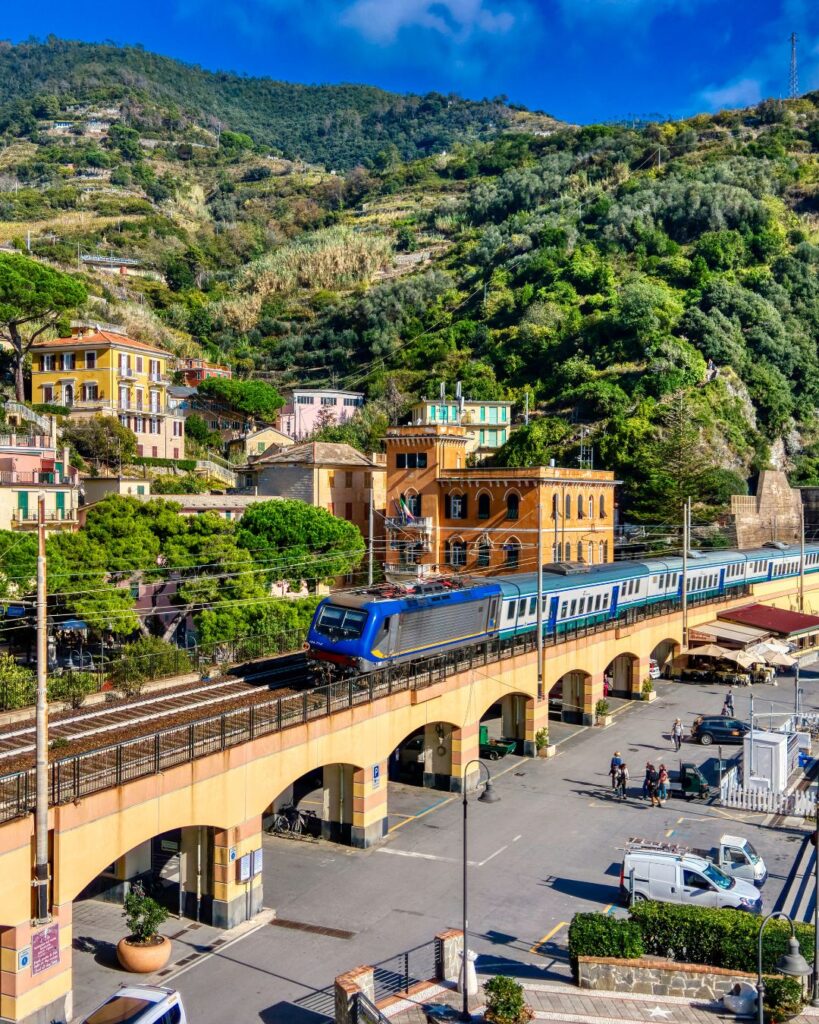
The train is the most common way to hop between villages. It’s also the most complained-about part of any Cinque Terre trip.
Here’s why: the regional trains are short (four cars max), run every 20–30 minutes, and get absolutely crammed. Between 9–11 AM and 4–7 PM, you may watch two or three trains pass before you can squeeze aboard. I’ve seen people push elderly travelers out of the way to board. It’s not Italy’s finest moment.
What works better:
- Use the ferry – Slower, but you get a stunning sea view, a breeze, and usually fewer crowds. The Cinque Terre Card does not include ferries; you buy separate tickets.
- Walk between adjacent villages – Monterosso to Vernazza (90 min) and Vernazza to Corniglia (60 min) are doable for fit walkers. You skip the train entirely.
- Travel outside peak hours – The 7 AM train from La Spezia? Empty. The 8 PM return? Also fine.
Pro tip: If you must train during peak hours, board at the terminus (La Spezia or Levanto) so you get a seat before the train fills up.
6. Some Trails Are Physically Brutal – This Is Not a Casual Stroll
I love hiking, and I nearly cried on the Monterosso–Vernazza trail. Not from beauty—from exhaustion.
That section has over 350 stone stairs, narrow ledges with sheer drops, and almost no shade. In July heat, it’s genuinely dangerous for unprepared hikers. I passed a woman in sandals who had to turn back halfway, pale and shaking.
Trail difficulty breakdown (easiest to hardest):
- Via dell’Amore (when open) – Easy, flat, 20 min.
- Manarola to Corniglia – Moderate, stairs, 45 min.
- Corniglia to Vernazza – Moderate to hard, steep, 90 min.
- Vernazza to Monterosso – Hard, long staircases, 90–120 min.
Who should avoid hard trails: Anyone with bad knees, vertigo, heart conditions, or low fitness. Also, do not attempt in flip-flops, dress shoes, or those cute leather sandals you bought in Florence. You need hiking shoes or trail runners with grip.
What to bring: One liter of water per person (more in summer), high-SPF sunscreen, a hat, snacks, and a fully charged phone for emergencies. Rescue is possible but slow and expensive.
7. Accommodation Is Scarce, Expensive, and Requires Booking Months in Advance
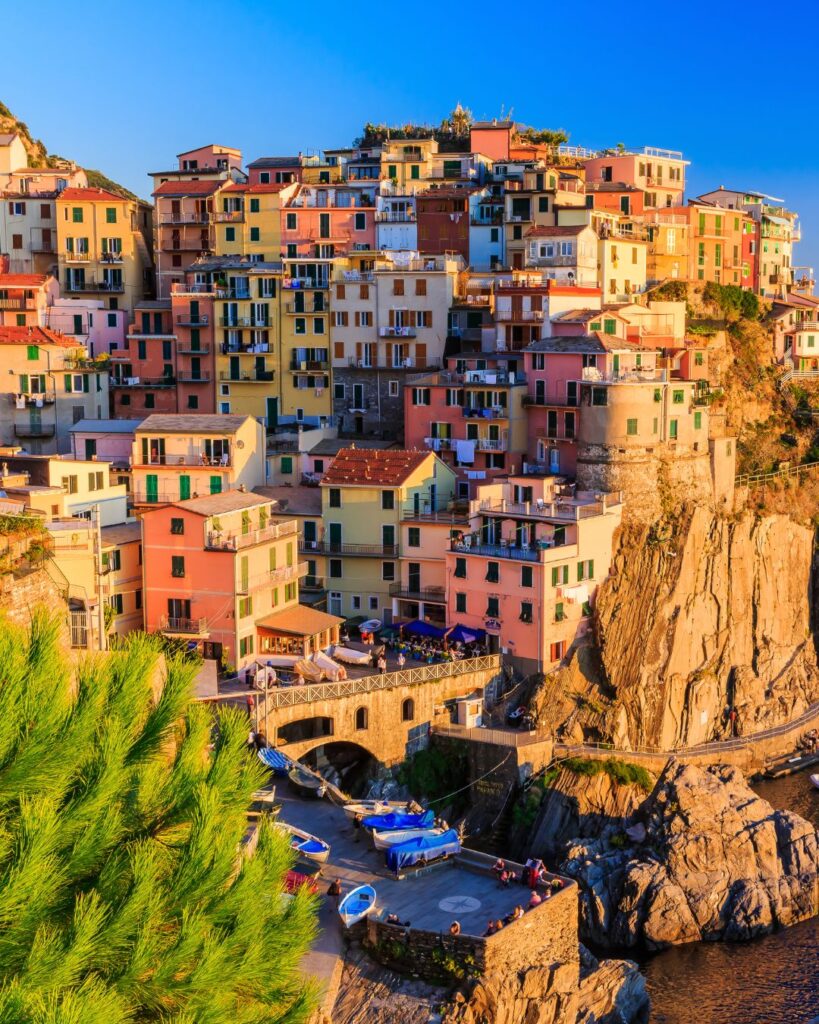
The five villages have a tiny number of hotel rooms and B&Bs. Most “hotels” are really just a few rooms in a converted family home. During summer, expect to pay €250–€500 per night for something basic.
The smart strategy:
- Book 6–8 months ahead for May–September.
- If you can’t find (or afford) village lodging, stay in Levanto (north) or La Spezia (south). Both have frequent trains to Cinque Terre (10–20 minutes). Levanto is a charming beach town itself; La Spezia is a real city with great seafood and nightlife.
- Avoid staying in villages during August (Ferragosto and Italian vacation weeks) unless you’ve booked a year in advance.
8. There Is No Real Nightlife – And That’s Exactly the Point
Cinque Terre is not for party travelers. Let me repeat that: do not come here expecting clubs, DJs, or bars open past midnight.
By 10 PM, most restaurants have done their last seating. By 11 PM, the villages are quiet except for the sound of waves, a few cats, and the occasional guitar from a hostel balcony. Monterosso has a couple of wine bars that stay open later, but that’s it.
Who will love this: Couples, photographers, hikers, early risers, anyone who wants to hear the sea at night.
Who will hate this: Solo travelers looking to party, anyone who gets bored without a club, people who like to sleep until noon (you’ll miss the best hours anyway).
If you need nightlife: Stay in La Spezia (bars, cinemas, piazzas with evening life) and day-trip to Cinque Terre.
9. Most Restaurants in the Villages Are Tourist Traps – Here’s How to Spot a Good One
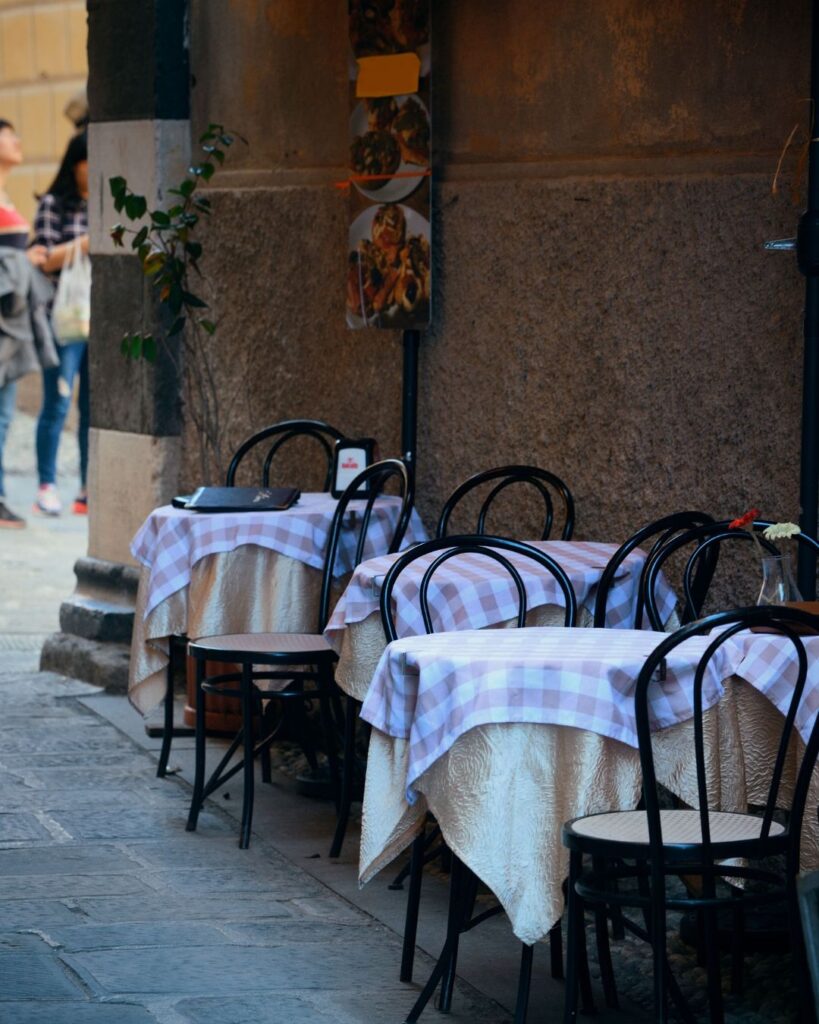
Because Cinque Terre is so crowded, many restaurants have stopped trying. They serve frozen pasta, microwaved sauces, and €18 plates of sadness.
Red flags to avoid:
- Menus with giant photos of the food.
- “Tourist menu” with three courses for €25.
- Waiters standing outside calling “Menu, menu, bella!”
- Pizza (it’s not local to Cinque Terre – you’re 100km from Naples).
Green flags to look for:
- Menu written in Italian first, English second (or not at all).
- Daily specials written on a chalkboard.
- Locals eating there (look for work boots and tan skin).
- Focus on local seafood: acciughe (anchovies – a specialty here), mussels, squid, and catch of the day.
What you must eat:
- Pesto – Born in nearby Genoa, and Cinque Terre does it right. Order trofie al pesto.
- Focaccia – Especially focaccia al formaggio (cheesy focaccia) from a bakery, not a restaurant.
- Sciacchetrà – A sweet dessert wine made only on these hillsides. Expensive but unforgettable.
Pro tip: Buy lunch from a alimentari (small grocery) or forno (bakery) and picnic on a sea wall. It’s cheaper, faster, and often more memorable than a sit-down meal.
10. Swimming Is Possible – But Not the Idyllic Beach Day You Imagine
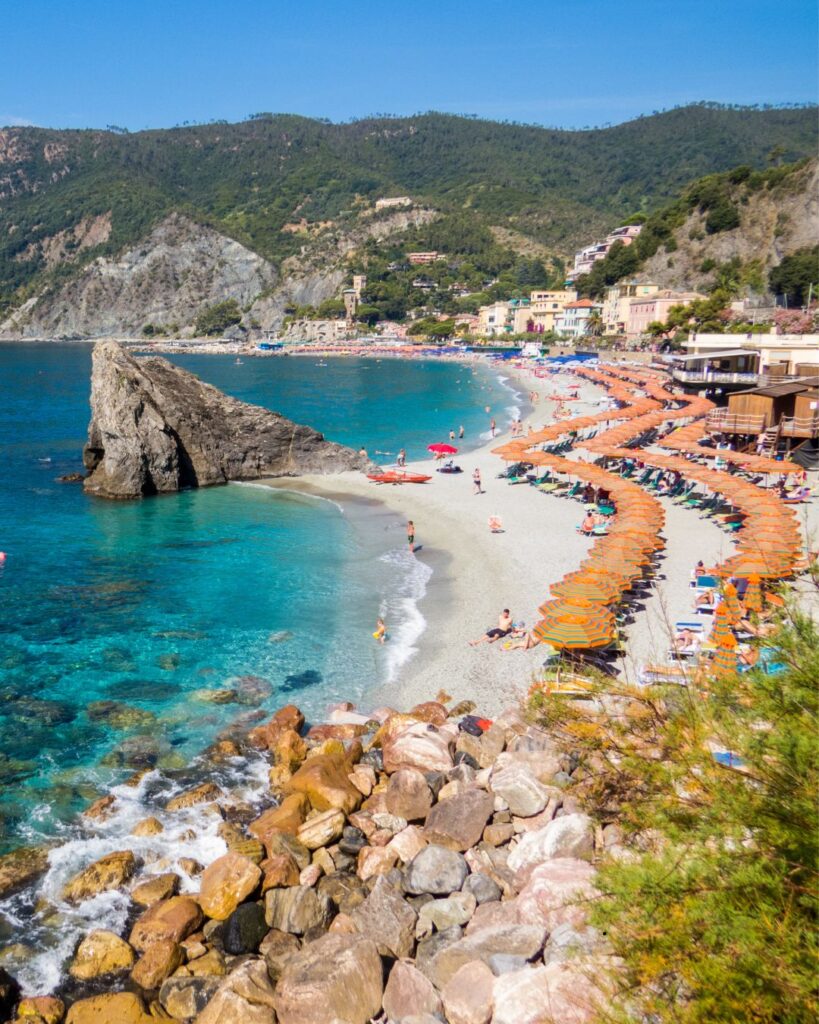
Can you swim in Cinque Terre? Yes. Will it look like a Corona commercial? No.
Only Monterosso has a proper sandy beach, and it’s packed by 9 AM with umbrellas touching umbrellas. The other villages have rocky platforms, concrete docks, or boulders. You jump off rocks into deep, cold, clear water. It’s exhilarating but not beginner-friendly.
What to know before you jump:
- No private beach clubs like Amalfi. Everything is public, free, and crowded.
- No lifeguards on most rocky areas.
- Environmental rules are strict: no glass bottles, no towels on fragile cliffs, no loud music. Fines for littering start at €100.
Where to swim best: Monterosso (if you want sand), Vernazza (off the dock by the castle), Manarola (the “blue hole” rock platform near the train station).
11. Do Not Bring a Car – Seriously, Leave It in La Spezia
I’ve seen travelers arrive in Riomaggiore with a rental Fiat, looking triumphant. Twenty minutes later, they’re crying. The roads between villages are narrow, winding, and often closed to non-residents. You cannot drive from Vernazza to Corniglia by car – the road is literally a cliff ledge.
The reality:
- Parking costs €20–30 per day in Monterosso or Levanto, and spaces fill by 8 AM.
- ZTL zones (limited traffic areas) are strictly enforced with cameras. One wrong turn = €100 fine in the mail.
- Even if you park, you still need the train to move between villages.
Do this instead: Drive to La Spezia, park in the public garage at Piazza d’Armi or near the train station (€15–20/day), and leave your car there for your entire trip. Take the train into Cinque Terre. You’ll save money, stress, and tears.
12. Summer Heat and Humidity Can Be Dangerous on the Trails
July and August in Cinque Terre average 32°C (90°F) with 70%+ humidity. On the trails, with no shade and reflected heat off stone, it feels like 40°C (104°F).
Heat exhaustion on the Vernazza–Monterosso trail is common. I once saw a park rescuer carrying a teenager down on his back after she fainted from dehydration. She had one small water bottle for a two-hour climb.
The rules I follow:
- Hike before 10 AM or after 4 PM.
- Carry 1.5 liters of water per person (refill at public fountains – fontanelle).
- Wear a wide-brimmed hat and light-colored, loose clothing.
- Know the signs of heat exhaustion: headache, nausea, weakness, goosebumps in hot weather. If you feel them, sit in shade, drink water, and turn back.
Best months to visit: April–May and September–October. Pleasant temperatures (18–26°C / 65–80°F), fewer crowds, and the sea is still warm enough to swim in early autumn. Avoid August entirely unless you enjoy human sardine cans.
13. The Locals Are Exhausted by Tourists – Respect the New Visitor Code
I’ve sat in a Vernazza bar and listened to an elderly woman tell me, in broken English, that she can no longer leave her ground-floor door open because tourists sit on her steps, eat lunch, and leave trash. She looked defeated.
In response, the park and villages introduced a Codice del Visitatore (Visitor Code) in recent years. It’s not just polite suggestions – some carry fines.
What you must NOT do:
- Sit on stairs in front of private homes. Those are not public benches.
- Pull wheeled suitcases through narrow alleys (the noise echoes terribly and damages stone). Use porter services or pack light in a backpack.
- Fly drones anywhere without a permit (strictly forbidden in most areas).
- Picnic on someone’s doorstep or private garden.
How to be a good guest:
- Learn five Italian phrases: Buongiorno (good morning), Per favore (please), Grazie (thank you), Scusa (excuse me), Posso? (May I? – useful for squeezing past).
- Don’t order cappuccino after 11 AM (Italians consider it a breakfast drink). Stick to espresso or a glass of wine.
- Buy from local shops – even just a postcard or a bottle of water. That €2 matters to the family who lives there year-round.
- Take your trash with you. Trash collection is difficult in these hills.
14. You Can Visit Without Hiking a Single Step – And That’s Completely Fine
There’s a weird gatekeeping in travel communities that says you haven’t “really” seen Cinque Terre unless you’ve hiked every trail and earned your views through sweat.
That’s nonsense.
The train and ferry system exists for a reason. You can visit all five villages in one day without climbing a single stone step (except maybe the stairs to Corniglia’s main square – but there’s a shuttle bus for that).
My non-hiking one-day itinerary (from La Spezia):
- 8:00 AM – Train to Monterosso. Walk the beach, have focaccia for breakfast.
- 10:30 AM – Ferry from Monterosso to Vernazza (45 min, stunning sea views). Explore the harbor and castle.
- 1:00 PM – Train to Manarola. Eat lunch at a trattoria, walk the high path above the village for the classic photo.
- 3:30 PM – Train to Riomaggiore. Wander the tunnel mosaics, watch boats in the harbor.
- 6:00 PM – Ferry from Riomaggiore back to La Spezia (best light for photos). Dinner in La Spezia.
The point: Cinque Terre is about the color, the sea, the wine, the absurd beauty of humans building houses on cliffs that make no sense. You can experience that from a train window or a ferry deck just as powerfully as from a sweaty hiking trail.
Related Post: The best village to stay in while in Cinque Terre
Final Thoughts: The Magic Is Still There – But You Have to Meet It Halfway
Cinque Terre is fragile. It’s overwhelmed. It’s not the undiscovered paradise it was 30 years ago.
But it’s still one of the most beautiful places I’ve ever walked.
The trick is to stop expecting the filtered Instagram version and instead accept the real one: crowded trains, closed trails, overpriced fried calamari, and then – in the quiet moments before sunrise or after the last ferry departs – a glimpse of something truly timeless.
Go in shoulder season. Wake up early. Pack light. Leave your car behind. Be patient with the locals. And for the love of all that is holy, buy the Trekking Card.
Do all that, and you’ll understand why people have been falling for these five villages for centuries.
Have your own “wish I knew before going to Cinque Terre” tip? Drop it in the comments below – future travelers will thank you.
NOTE BEFORE YOU GO: Italy rewards travelers who go prepared. And it is easy to ruin your trip. I have a checklist for you of things you should never go to Italy without. CHECK IT OUT HERE. I have also curated a list of some of the best hotels in Italy. I would highly recommend checking them out before booking. THESE ARE THE BEST HOTELS IN ITALY. And for unique experiences, attractions, and tours, don’t book before CHECKING THIS OUT. Thank me later!