
My wife and I have a running joke that we should just rent an apartment in Italy and be done with it. Every year we say we will try somewhere new, and every year we end up back here. You would think after a dozen trips the magic would fade. It does not. If anything, the buildings get more impossible each time.
I have stopped trying to explain it to friends back home. You can only say “you had to be there” so many times before you sound like a broken record. But these eleven places? They are some of the reasons we keep coming back. No matter how many times we visit, they still make us stop mid-sentence and just stare.
The Colosseum in Rome
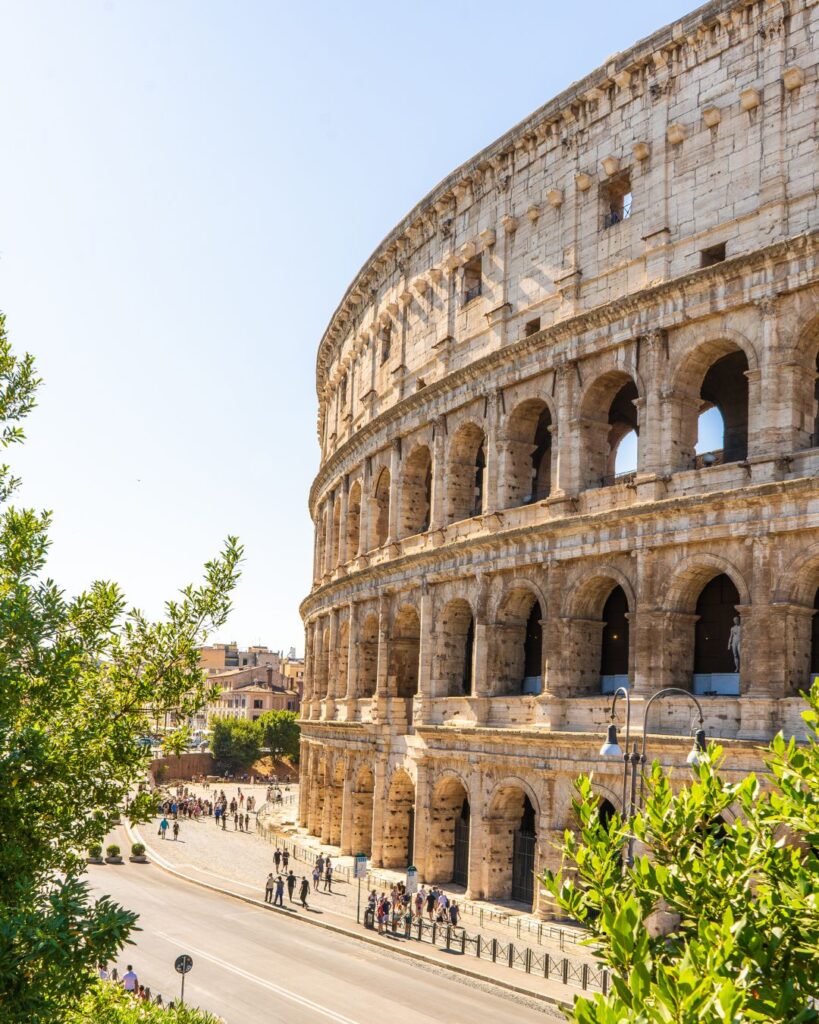
I have been to the Colosseum more times than I can count, and I still find something new every single visit. The last time we went, I finally took the underground tour that I had been putting off for years. Walking through the hypogeum tunnels where slaves and animals waited before being lifted into the arena changes everything. You realize the Colosseum was not just a building. It was a machine.
The velarium, that massive retractable awning operated by a thousand sailors, still amazes me as an engineering feat. My wife always drags me to the upper tiers first because she loves watching the sunset hit the broken side. I used to think the tourist crowds were exhausting, but now I just accept them as part of the experience. The building has been crowded for two thousand years. Who am I to complain?
Florence Cathedral and Brunelleschi’s Dome
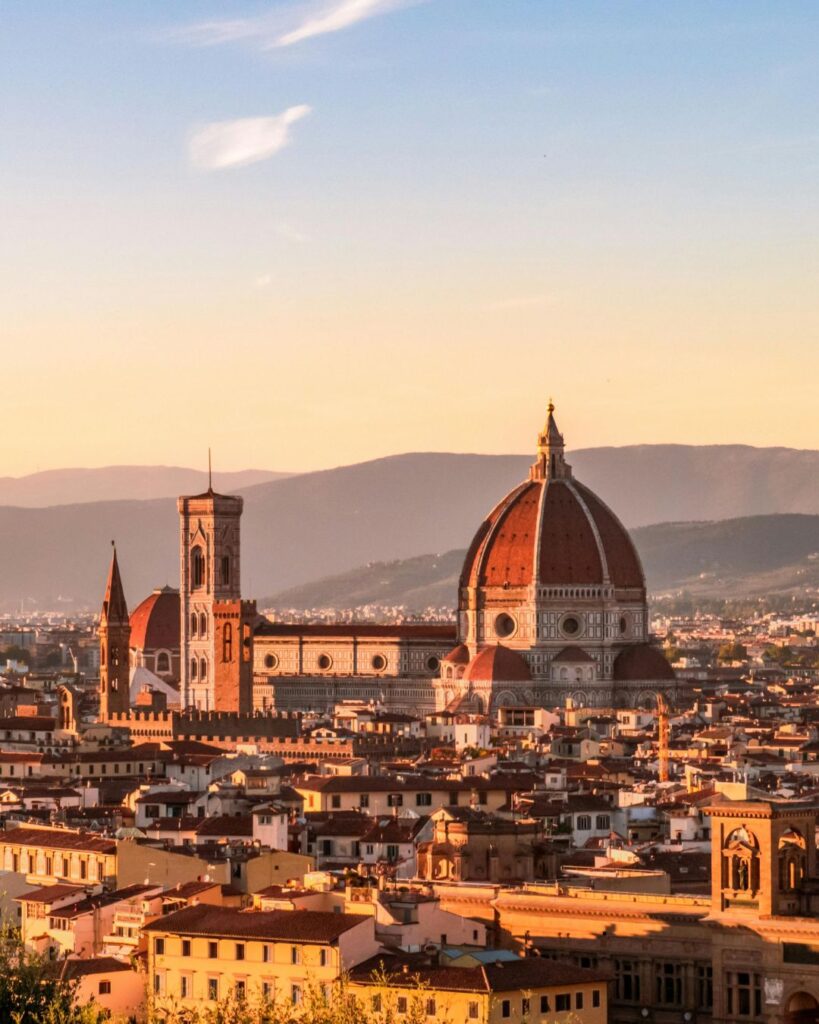
Florence feels like a second home to us at this point. We have favorite restaurants, favorite gelato spots, and a favorite bench near the Baptistery where we sit and argue about whether the dome looks bigger from the north or the south. Brunelleschi’s dome still seems impossible after all these years. No external buttresses. A double shell design. Built without scaffolding.
Every time I look at it, I remember reading about the portable cafeteria he set up for workers so they would not waste time climbing down. That kind of practical genius is what I love about Italian architecture. It is not just beautiful. It is smart. My wife climbed to the top with me once and swore she would never do it again. Now she waits for me at a cafe while I go up alone. Some traditions are worth keeping.
St. Peter’s Basilica in Vatican City
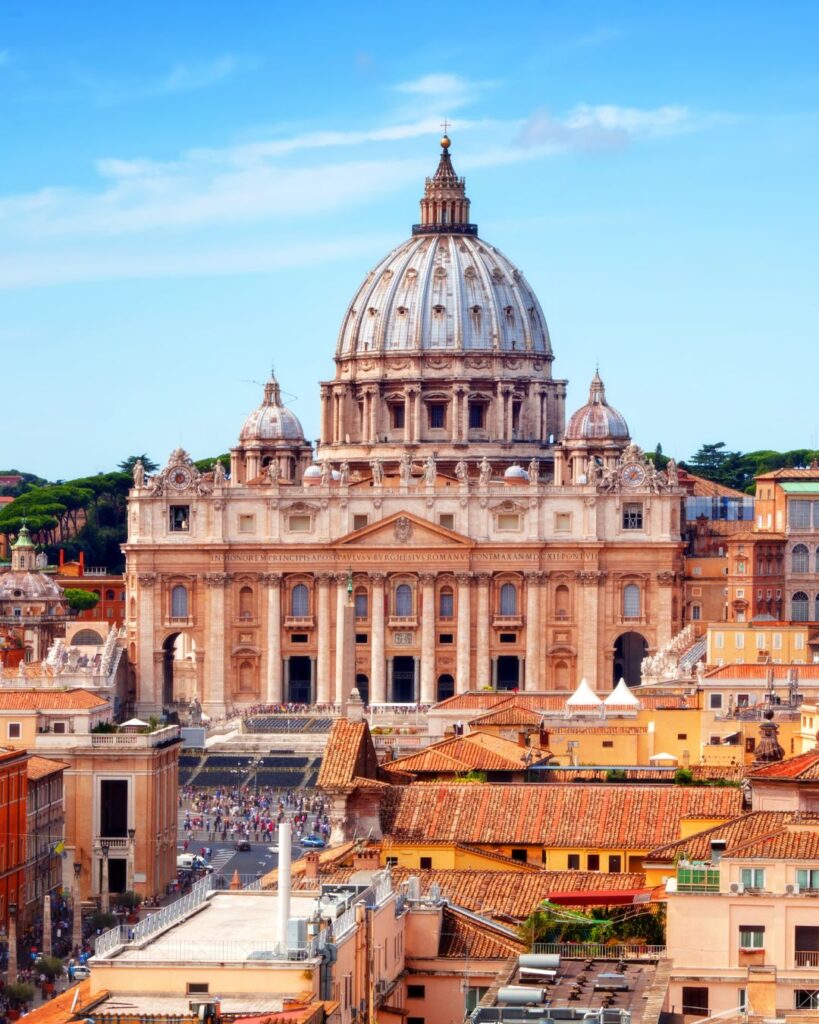
I used to avoid St. Peter’s because of the crowds. Then one time we went on a rainy Tuesday in November, and I finally understood. The building is so vast that the crowds disappear if you know where to look. My favorite trick is to stand near the statue of St. Andrew and whisper to my wife across the altar. The acoustics carry your voice in a straight line, and it feels like a miracle every single time. The baldacchino is impressive, sure, but I am more fascinated by the scale tricks.
Those cherubs carved into the marble are the size of grown adults. Michelangelo knew exactly what he was doing. He designed for distance, knowing that details needed to be exaggerated to be seen from the floor. My wife caught me staring at the floor once and asked what I was looking at. I told her I was trying to find the marker that shows where the old basilica ended, and the new one began. She just laughed and said I think too much.
The Pantheon in Rome

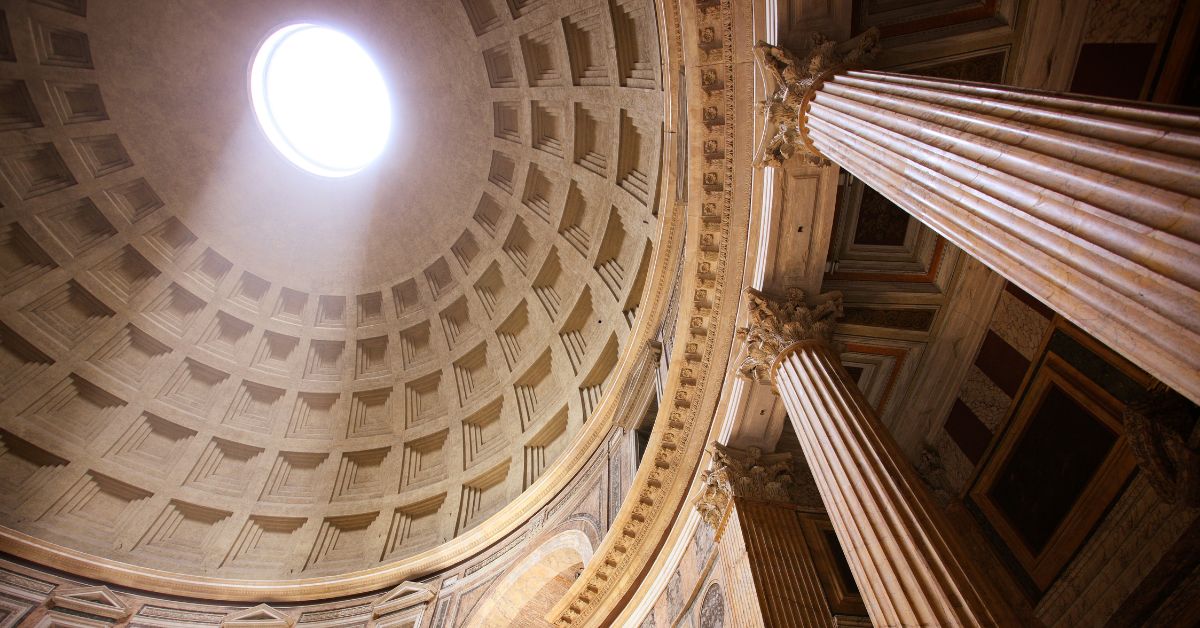
The Pantheon is my wife’s favorite building in the entire country, and I cannot argue with her. We have been there in sunshine, rain, and even a light snow one magical December. The oculus never gets old. Watching rain fall onto the marble floor and disappear into invisible drains built two thousand years ago is a quiet kind of wonder. I have brought friends there who asked why the floor has holes in it, and I have to explain that no, those are not holes.
The drainage system is just that old and that good. The concrete dome made with volcanic ash continues to humble me. Engineers tell me it is stronger than modern concrete and actually heals its own cracks. The Romans figured out something we still cannot replicate. We usually sit on the bench near the altar for ten or fifteen minutes. No conversation. Just looking up.
The Duomo di Siena
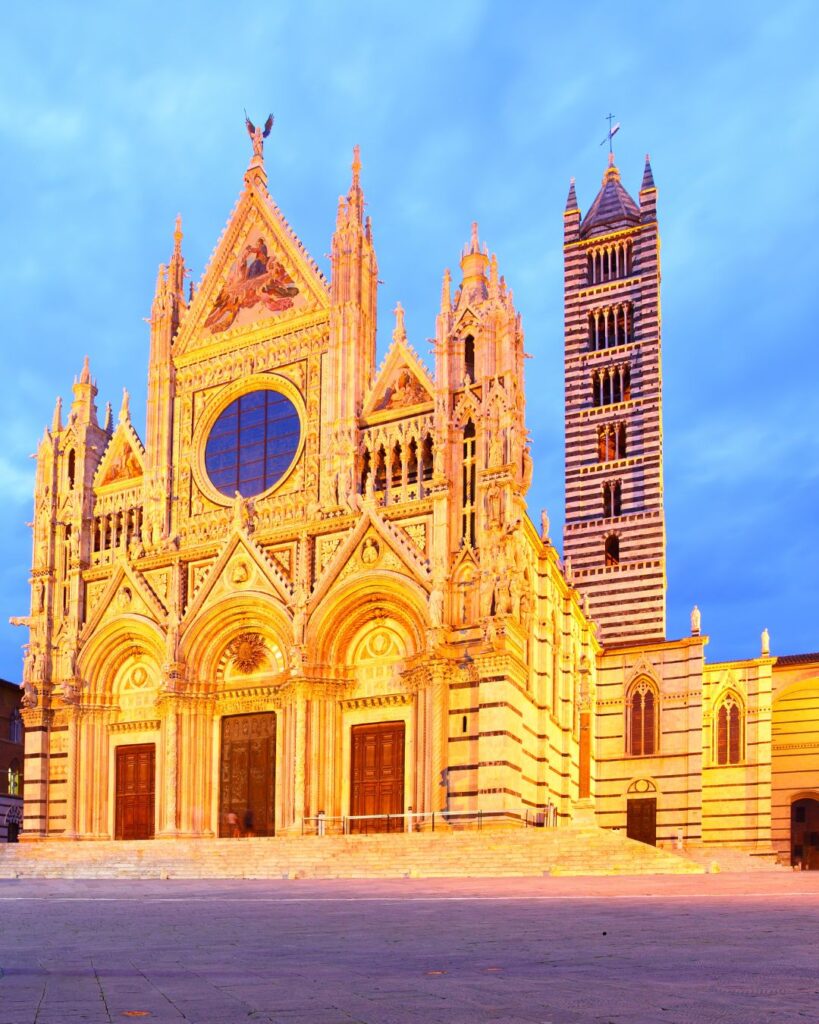
Siena is one of those cities we visit when we want to escape the crowds. The Duomo there has stripes of black and white marble that look strange in photographs but make perfect sense in person. I have been lucky enough to see the inlaid marble floor uncovered three times. The church only reveals it for a few weeks each year, and we have learned to plan our trips around that schedule.
Fifty-six panels spread across five hundred years of work. My wife always finds something new in the details. The unfinished facade wing still makes me sad. You can see exactly where the plague stopped the expansion cold. But I have come to appreciate that unfinished part. It is honest about history in a way that perfect buildings are not.
Milan’s Duomo
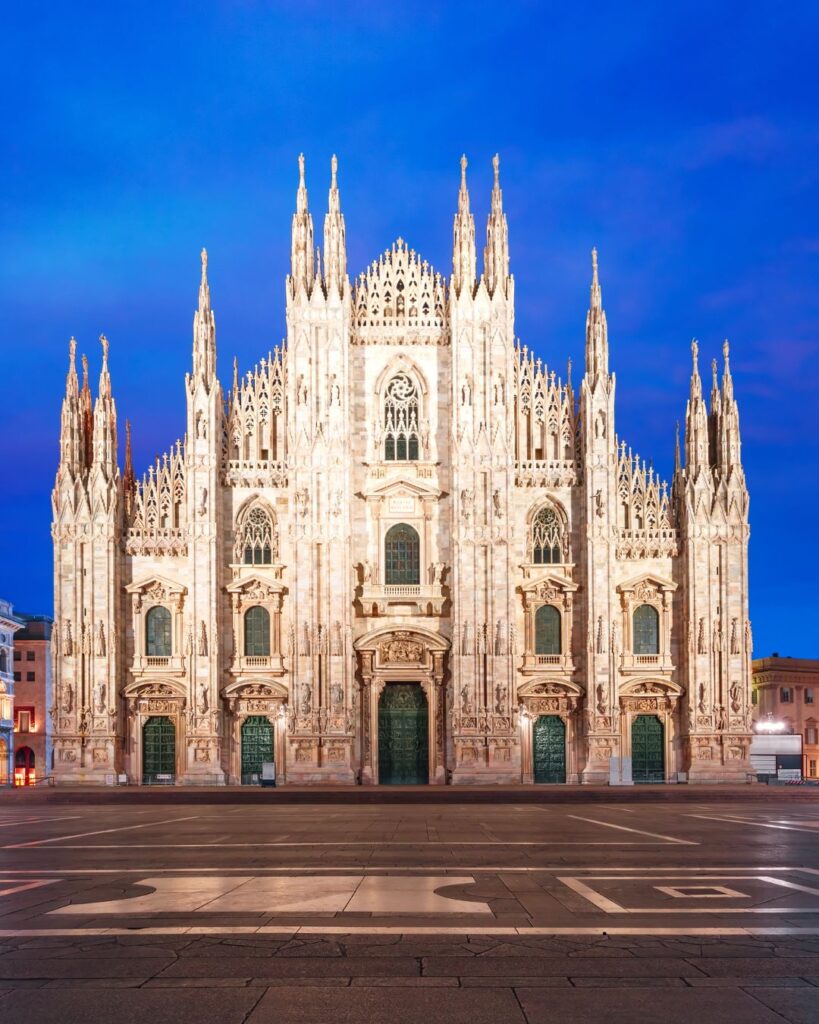
Milan’s Duomo is absurd in the best possible way. Three thousand four hundred statues. One hundred thirty five spires. It is too much and exactly enough at the same time. I have done the rooftop walkway half a dozen times, and I still get lost up there. Walking between marble spires feels like being inside a frozen forest. The Madonnina on the highest spire always catches my eye.
Milan has a law that no building can be taller than her, and when modern skyscrapers went up, they added a copy to the top. That kind of respect for tradition makes me smile. My wife found the statue of Mussolini on the facade during our third visit. I had walked past it twice without noticing. Now we play a game where we try to spot the strangest statue. The nineteenth-century football player is my current champion.
Palazzo della Civiltà Italiana in Rome
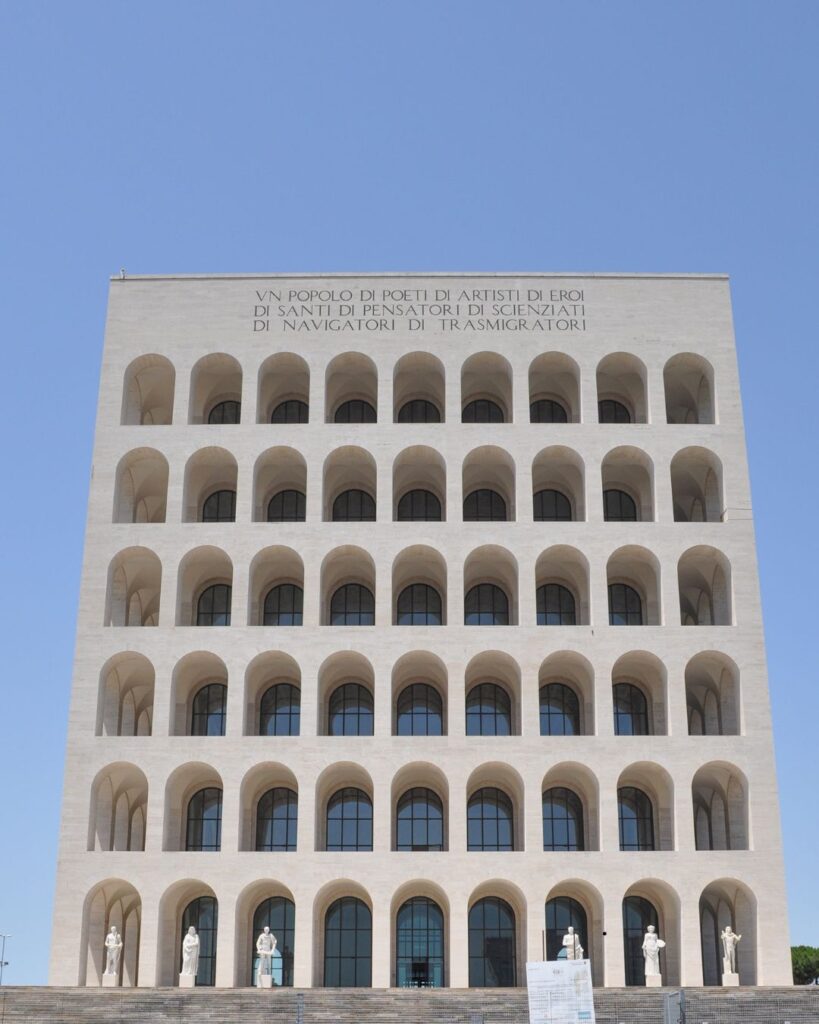
This building is complicated, and I do not pretend otherwise. The Square Colosseum in EUR was built by fascists for a World’s Fair that never happened. The architecture is undeniably striking. Six levels of identical arches repeating into infinity. I first visited it when the building was still abandoned, and the emptiness added to the eerie feeling.
Now Fendi has restored it and moved their headquarters inside. My wife and I have argued about whether it is okay to admire the building given its origins. She thinks we can appreciate the form while remembering the history. I think she is right. We do not visit often, but when we do, we talk about it afterwards. That is probably the point.
Castel del Monte in Puglia
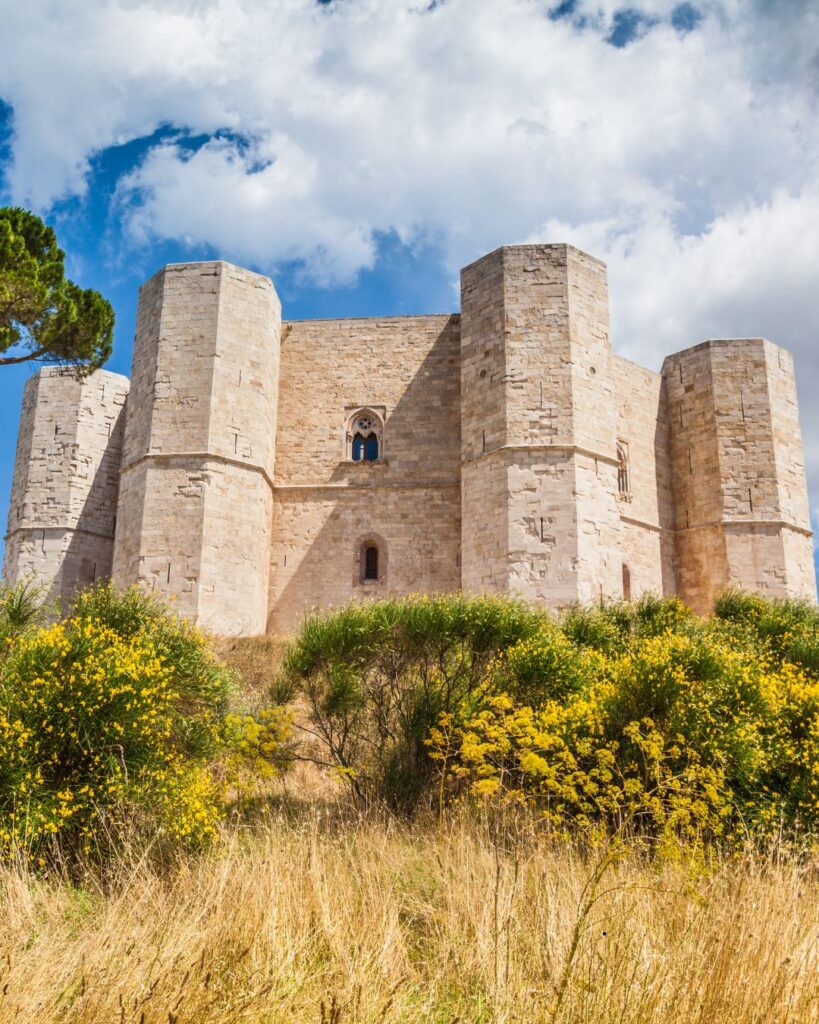
Puglia is our escape. We go there when we want to eat well, drive slowly, and stumble onto things we have not seen before. Castel del Monte was one of those stumbles, and now we go back every few years. The octagonal shape still confuses people. Eight sides, eight towers, eight rooms on each floor.
The emperor Frederick II was obsessed with the number eight, and he built this strange mathematical poem in stone. There is no moat, no drawbridge, no stables. It was never meant to be a fortress. Scholars argue about whether it was a hunting lodge or a temple or an astronomical observatory.
I do not care what it was. I care that we can walk the empty halls without a hundred other tourists. My wife sat in the courtyard last time and read a book while I wandered. That is the kind of afternoon I travel for.
Villa Rotonda in Vicenza
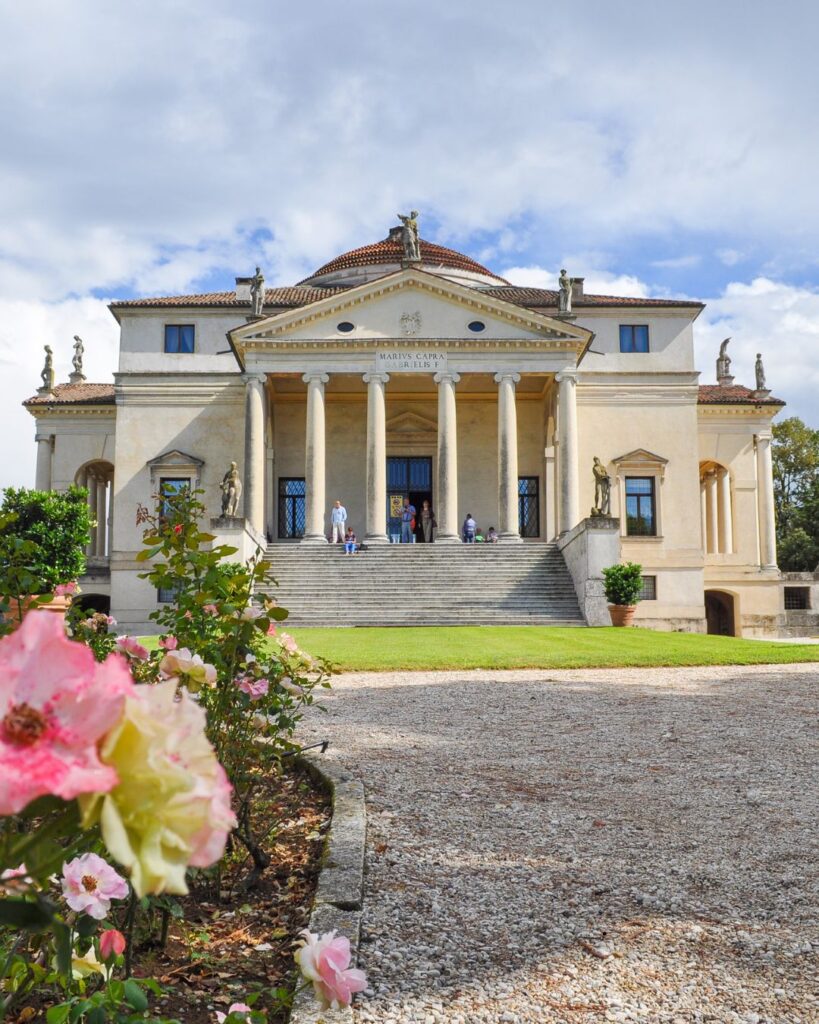
I used to skip Vicenza because I thought I had seen enough villas. Then a friend dragged me to Villa Rotonda, and I felt stupid for waiting so long. Four identical porticos on four sides. You cannot tell which one is the entrance because they are all exactly the same. Palladio designed a building that refuses to have a front, and that idea changed architecture forever.
The White House, Monticello, every neoclassical bank you have ever seen. They all trace back to this one villa. My wife pointed out that the main floor has almost no bedrooms. The owners slept in the basement. She finds details like that hilarious. I find them fascinating. Now we visit whenever we are in the Veneto region, and I still walk around the outside twice, trying to pick a favorite facade.
The Mole Antonelliana in Turin
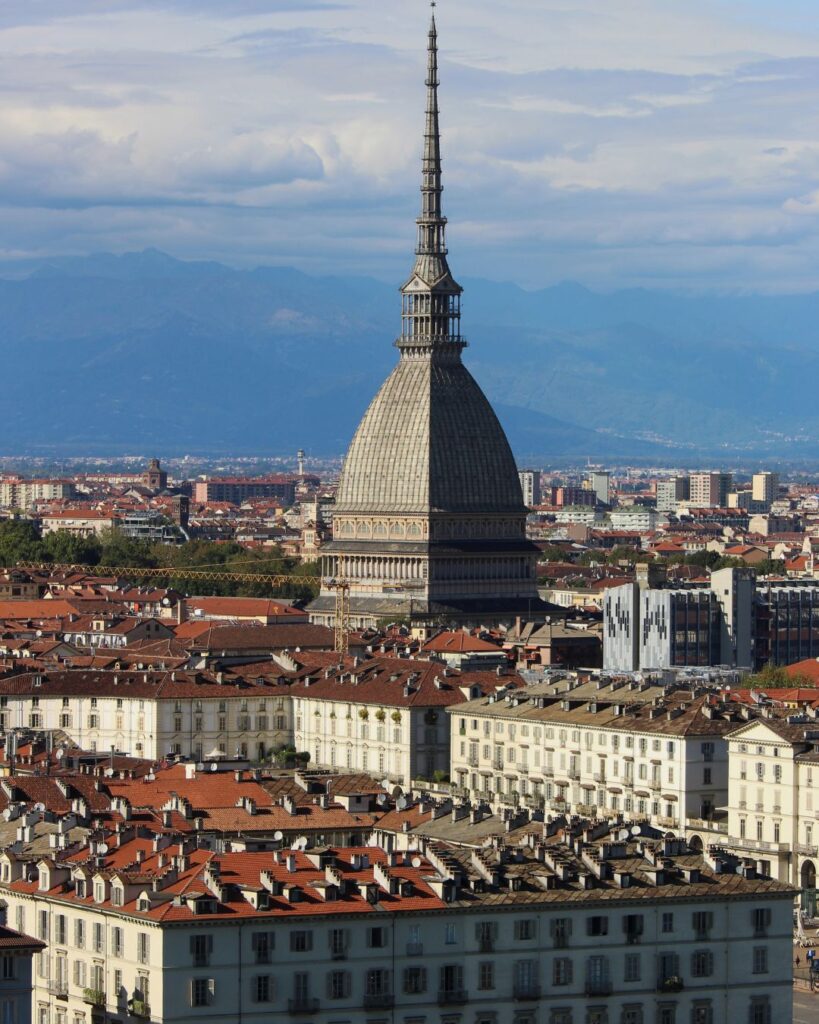
Turin does not get as much attention as Florence or Rome, and that is fine with me. The Mole Antonelliana is proof that the best things are often overlooked. Five hundred fifty feet of unreinforced brick masonry. It is the tallest structure of its kind in the world, and it should not be standing.
The original architect was fired after building the first two hundred feet. A second architect came in, added a flying temple, then a spire, then a glass elevator that punches right through the dome. My wife hates the elevator. She closes her eyes the whole way up. I love it.
The glass lets you watch the brick work pass by inch by inch. You see the craftsmanship that went into every single brick. I have done the ride four times now. I will probably do it again on our next trip.
The Trullo of Alberobello
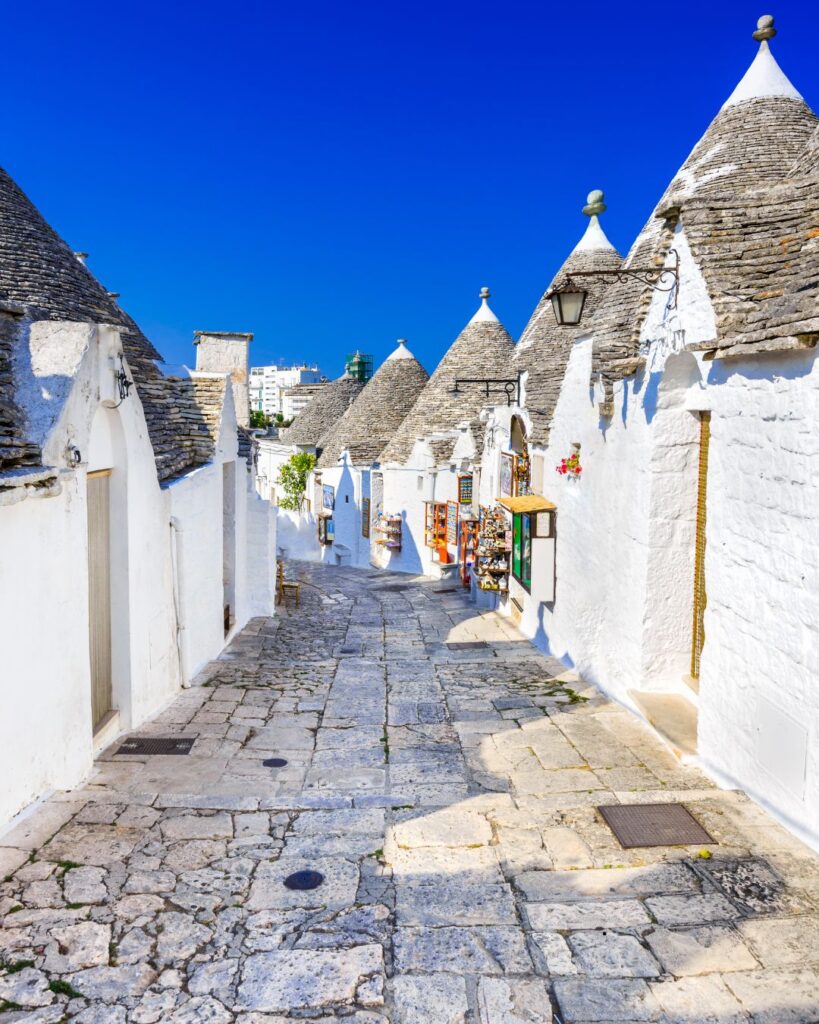
Alberobello feels like a place that should not exist. The trulli are limestone huts with conical roofs stacked without any mortar. They stay dry inside and do not fall down. The reason is wonderfully practical. The king taxed permanent houses, so the people built dry stone roofs that could be collapsed instantly. If an inspector came, you pulled one keystone and the whole roof fell. Then you declared it temporary.
The inspector left, and you rebuilt the roof the next day. My wife loves the painted symbols on the cones. Crosses, moons, hearts, all meant to ward off evil. We have a photograph from our first visit hanging in our living room. Every time I look at it, I remember standing there and thinking that human creativity is the most stubborn thing in the world. We built temporary houses that lasted centuries just to avoid paying taxes. That is the Italy I keep coming back for.
Why I Never Get Tired of These Places
People ask me why we go back to Italy so often. Do we not get bored? Do we not want to see something new? The answer is that these buildings are never the same twice. The light changes. The crowds change. Your own eyes change. I have seen the Pantheon in a thunderstorm and in a heatwave and in the soft light of a winter afternoon. Each time was different.
My wife and I have our rituals now. We know where to stand, where to sit, and when to leave before the tour groups arrive. But we also still find surprises. A statue we never noticed. A hallway we never walked down. A story we had never heard. Italy rewards the repeat visitor. The first trip is for the photographs. The tenth trip is for the quiet conversations you have while staring at something that should not be possible. And that is why we will probably end up renting that apartment after all.
Related: These buildings in Italy have the most aura
Again, if you need me to help you plan your dream trip to Italy, one that you will remember for the rest of your life, I will make sure that I come up with an itinerary that’s tailor-made for you, with respect to your time, interests, and budget. Feel free to contact me using the form below, and let’s get down to it. Your future self will thank you.