
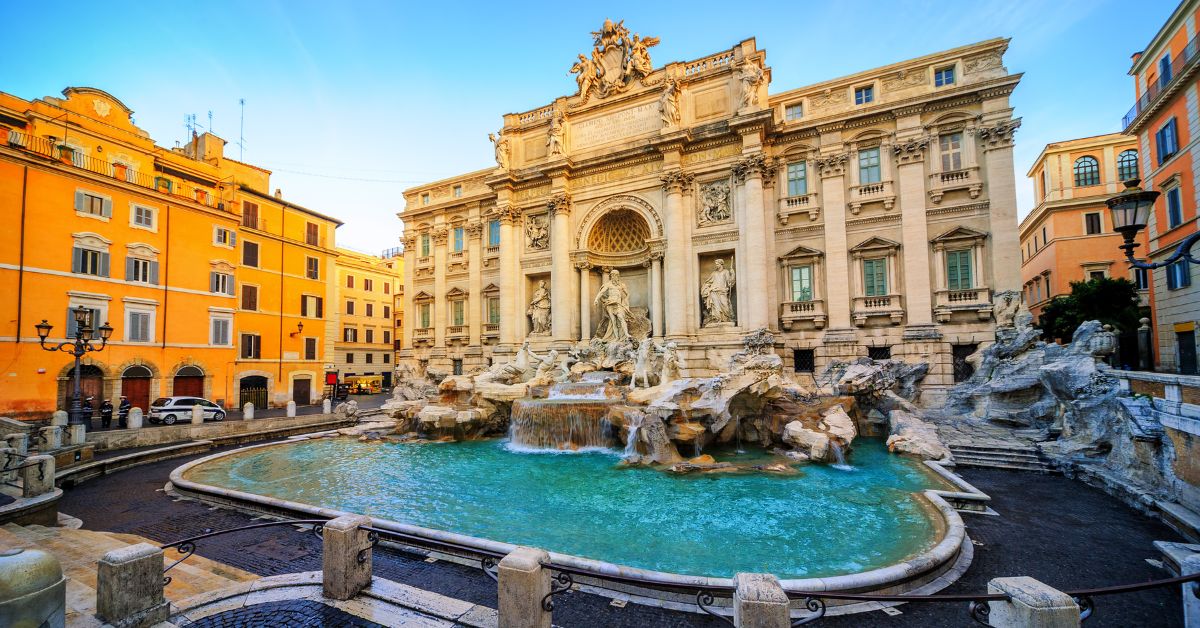
Let me define “aura” before we start. I’m not talking about pretty facades or nice Instagram angles. I’m talking about that physical sensation you get when you walk into a space, and the hair on your arms stands up.
The feeling that you are standing somewhere sacred, or haunted, or so old that time has stopped working properly. Italy is full of beautiful buildings. But these 21? These have an aura. I’ve visited every single one, and I left each place changed.
1. The Colosseum (Rome)
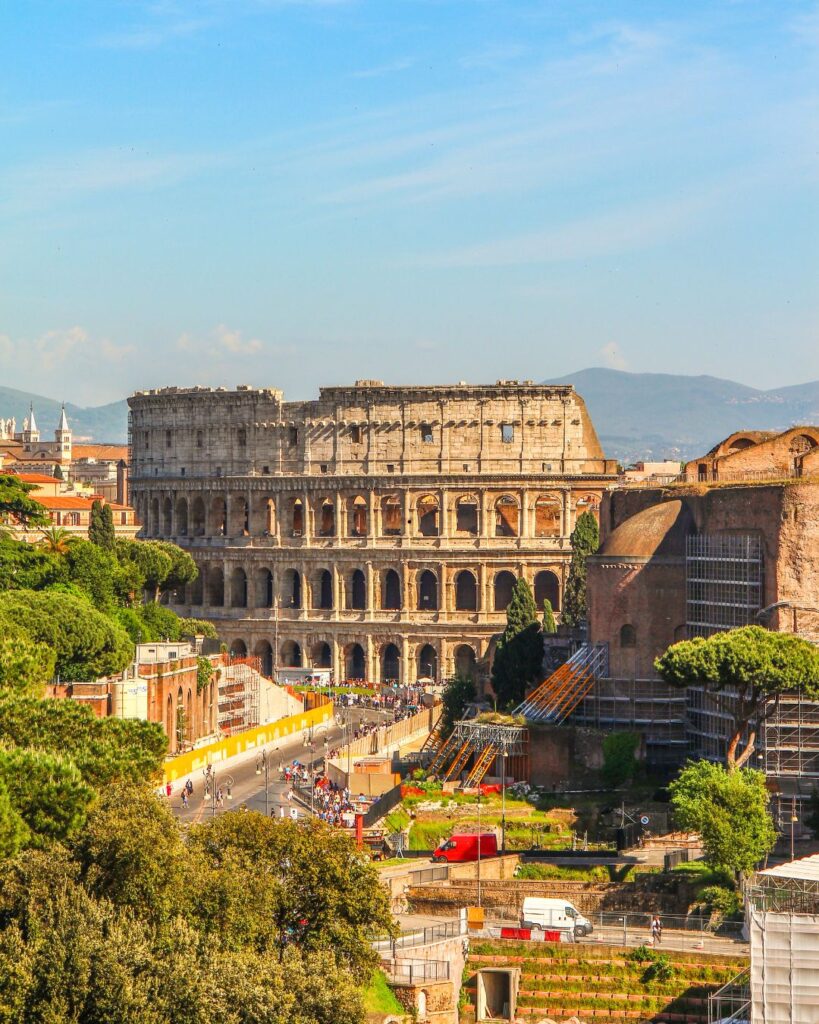
You expect a ruin. You do not expect the roar. Even now, silent and broken, the Colosseum feels loud. I stood on the arena floor (the new wooden platform) and closed my eyes. I swear I heard the echo of 50,000 screaming Romans.
The aura here is violence and spectacle. It is the smell of blood soaked into stone. Walk through the underground tunnels where the lions waited. The ceiling is low. The light is gone. You will feel a primal fear. That is the aura of the Colosseum. It has not faded in 2,000 years.
2. St. Peter’s Basilica (Vatican City)
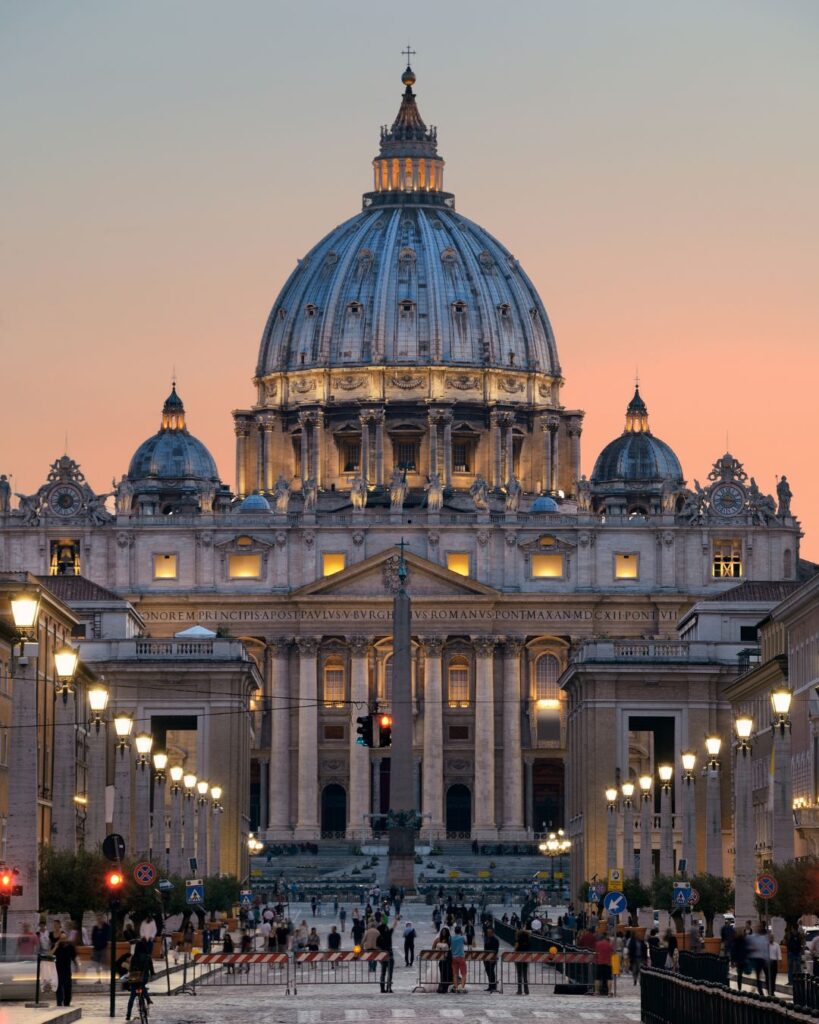
This building does not welcome you. It overwhelms you. You walk through the door and your brain short-circuits. The letters around the dome are six feet tall. The bronze baldachin twists like a living tree. And underneath it all lies a simple fisherman’s tomb. The aura is divine terror. You feel watched. You feel judged. You feel very, very small. I am not Catholic. I still knelt. That is the power of this place.
3. Duomo di Milano (Milan)
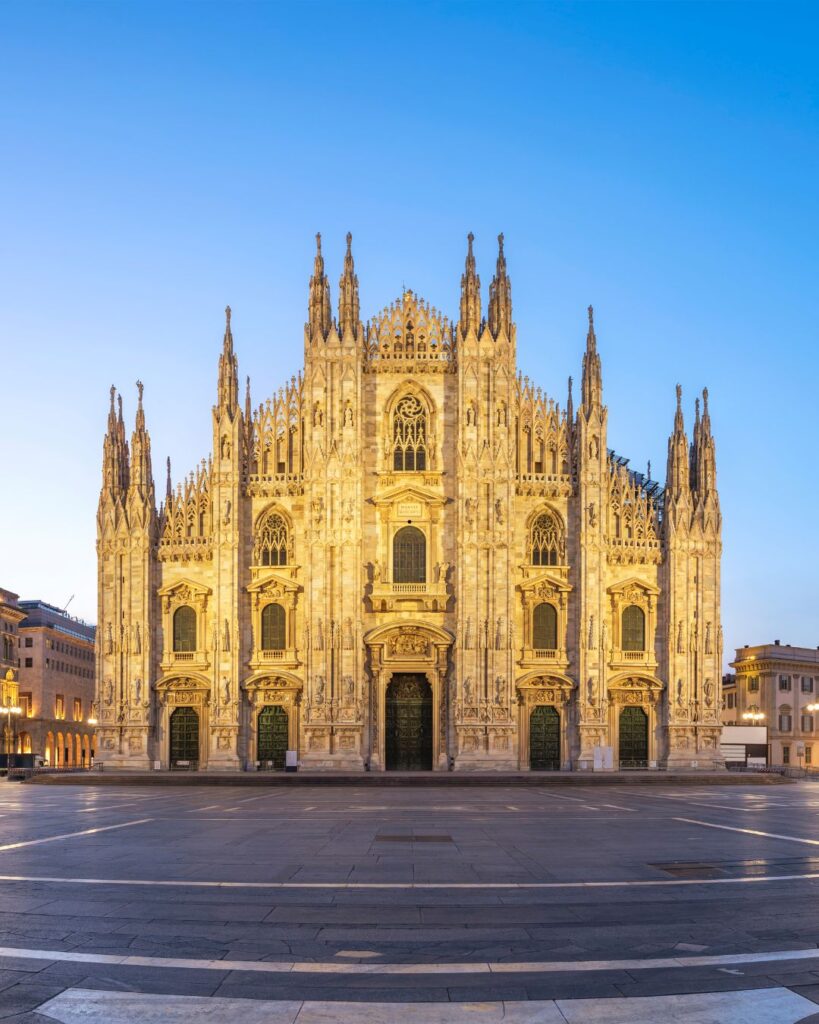
The outside has 3,400 statues. It is Gothic madness. But the aura lives on the roof. You climb up between the marble spires, and suddenly you are eye-level with the golden Madonnina. The city spreads below you like a gray ocean. The aura is ambition—600 years of human obsession carved into white marble. No one needed to build this. That is exactly why they did. Stand up there in the wind. You will feel the ghosts of every stonemason who froze and sweated and died so you could stand there.
4. Florence Cathedral (Santa Maria del Fiore)
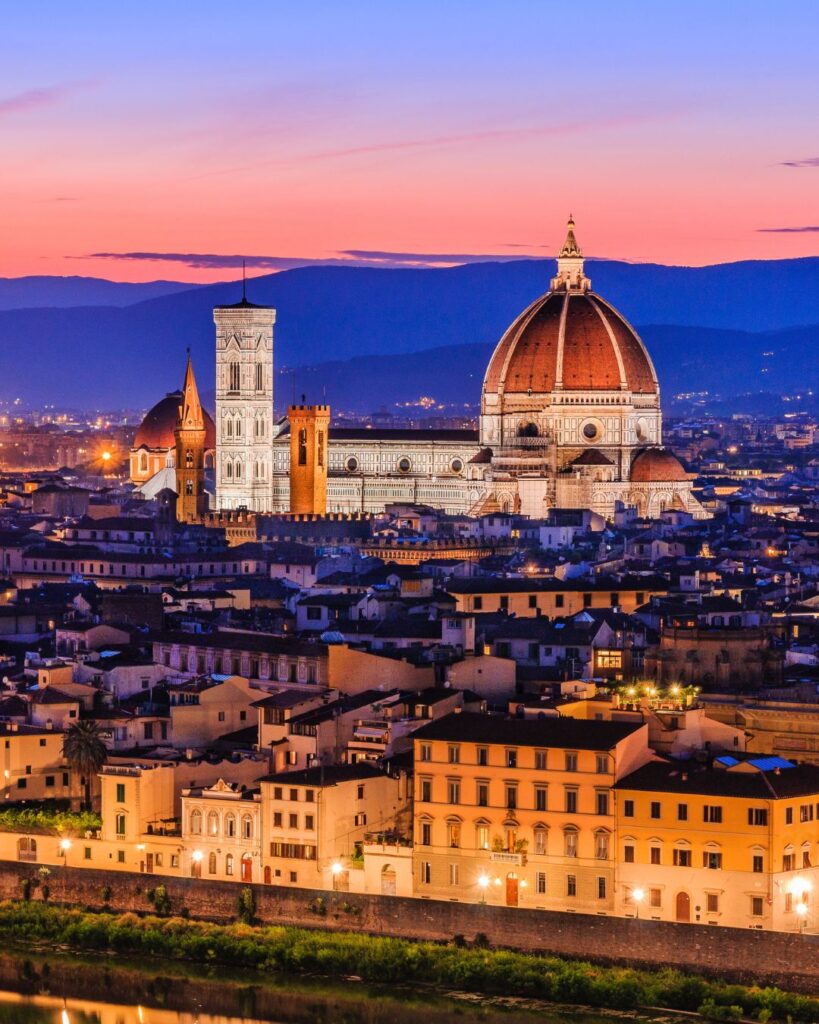
From the outside, it is a pastel wedding cake. But go inside. Stand directly under Brunelleschi’s dome. Look straight up. The Last Judgment fresco swirls downward—demons dragging the damned, angels lifting the blessed. The painted figures seem to fall toward you. The aura is vertigo. Physical and spiritual vertigo. I tilted my head back so long that I got dizzy. A guard asked if I was okay. I was not okay. That was the point.
5. Leaning Tower of Pisa (Pisa)
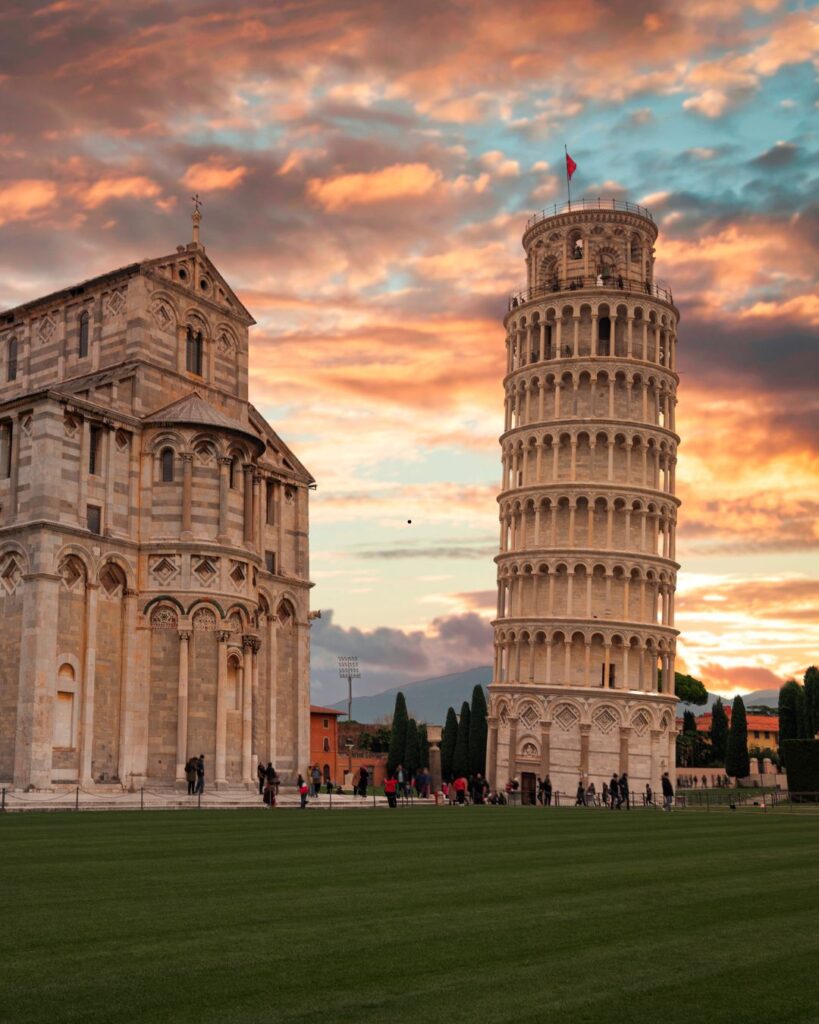
You think it is a joke. A tourist cliché. But then you walk up the 294 steps, and the floor tilts under your feet. Your inner ear screams at you. Your hand reaches for a wall that is not where your brain expects it to be. The aura is survival. This tower should have fallen 800 years ago. It did not. Walking inside feels like walking through a physics miracle. Go at sunset when the marble glows pink. The tilt becomes beautiful instead of silly. And yes, take the stupid photo. You earned it.
6. The Pantheon (Rome)
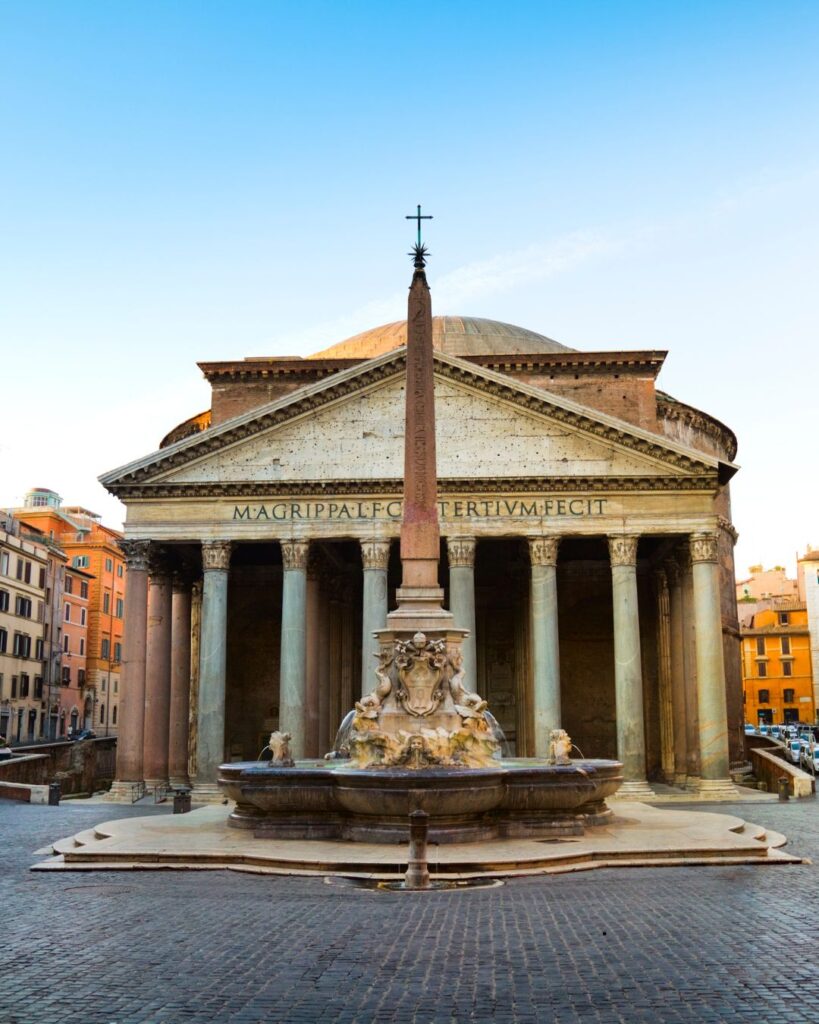
I have said it before and I will say it again: The Pantheon has the strongest aura of any building in Italy. You walk through 2,000-year-old bronze doors. You look up. The oculus is open to the sky. Rain falls on the same marble floors where Hadrian walked. Sunbeams move across the walls like a sundial. The tombs of kings and Raphael are here. But the aura comes from the emptiness. It is a void that has witnessed empires rise and fall. I sat on the floor and cried for no reason. That is aura.
7. Palace of Caserta (Caserta)
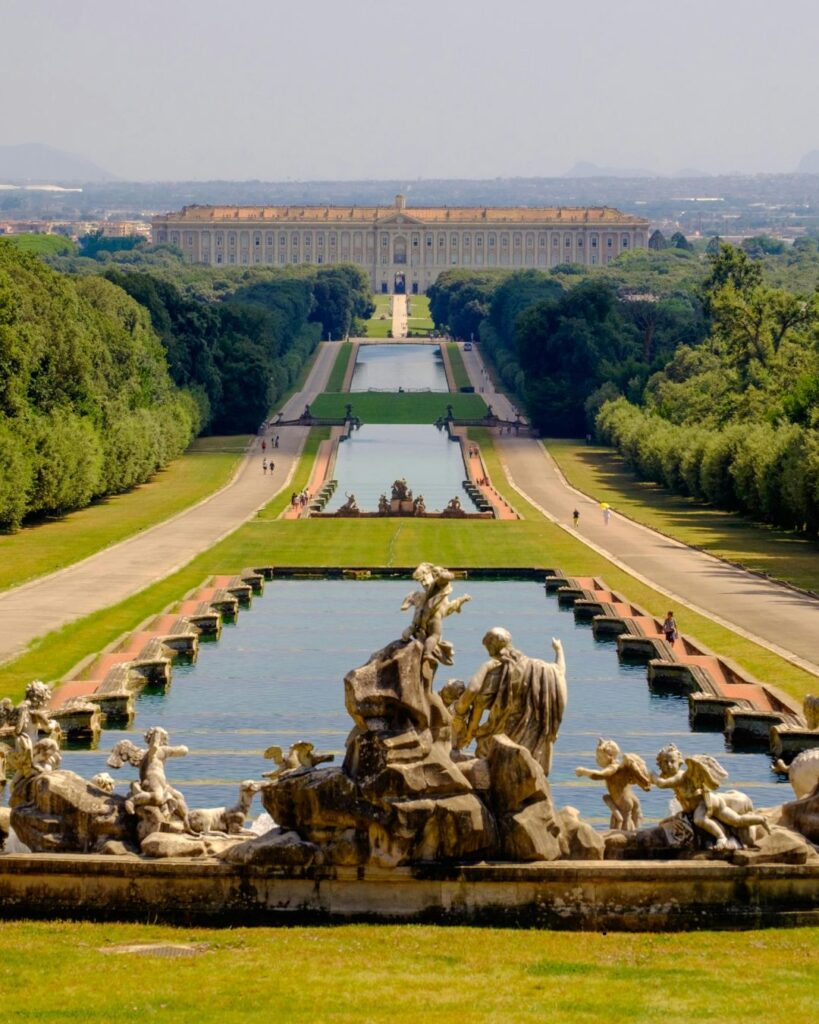
They call it the “Italian Versailles.” That undersells it. The grand staircase alone is wider than most palaces. You walk up it, and you feel like a courtier approaching a king who could have you killed for looking wrong. The aura is absolute power. The royal apartments go on forever. Room after room of gold, silk, and frescoed ceilings. But the real aura is in the back stairs—the hidden corridors where servants ran so the royals never had to see them. Walk those. You will feel the sweat and fear of hundreds of invisible people.
8. Doge’s Palace (Venice)
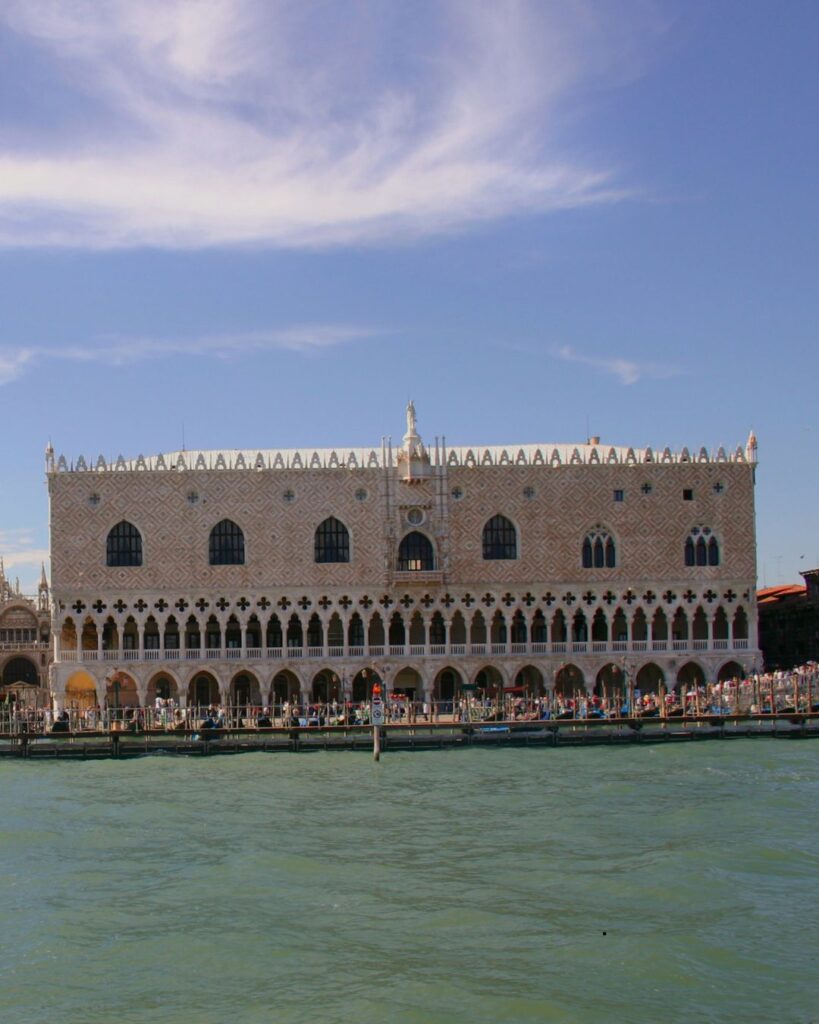
Venice is a stage. This is the backstage. The Doge’s Palace is gorgeous on the outside (pink marble, Gothic arches). But go inside. Walk across the Bridge of Sighs. Look through the stone grille at the last glimpse of the sea that prisoners saw before they went to their cells.
Then walk into the Hall of the Great Council. Tintoretto’s Paradise covers one wall—the largest oil painting in the world. The aura is justice and cruelty side by side. Beauty built on the backs of prisoners. You feel the weight of Venetian power here. It is glorious and rotten at the same time.
9. Galleria Vittorio Emanuele II (Milan)
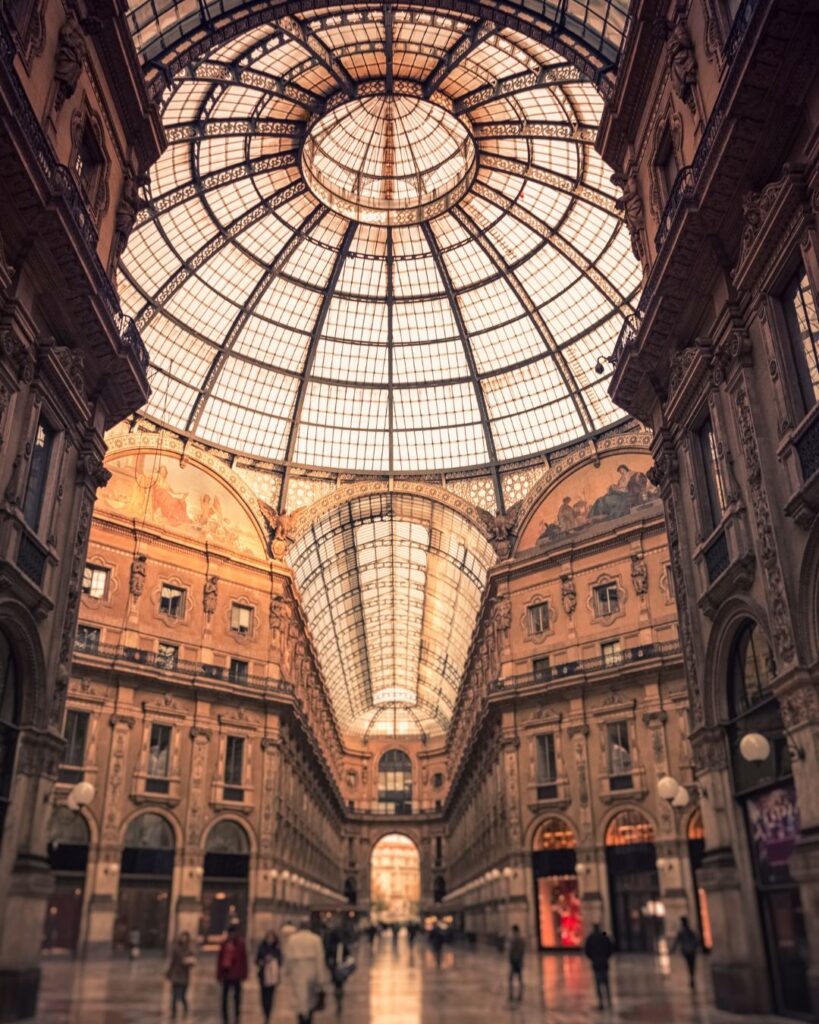
You walk out of the Duomo plaza, glance to your side, and see a giant triumphal arch made of marble and glass. Walk through it. I promise you—your breath will catch. The Galleria Vittorio Emanuele II is not a building in the traditional sense.
It is a cross-shaped arcade with a glass-vaulted ceiling 150 feet high, and it is the most glamorous hallway on earth. The floor is mosaic. The arches are iron and glass. The dome at the center is a cathedral of commerce.
10. The Basilica of San Francesco (Assisi)
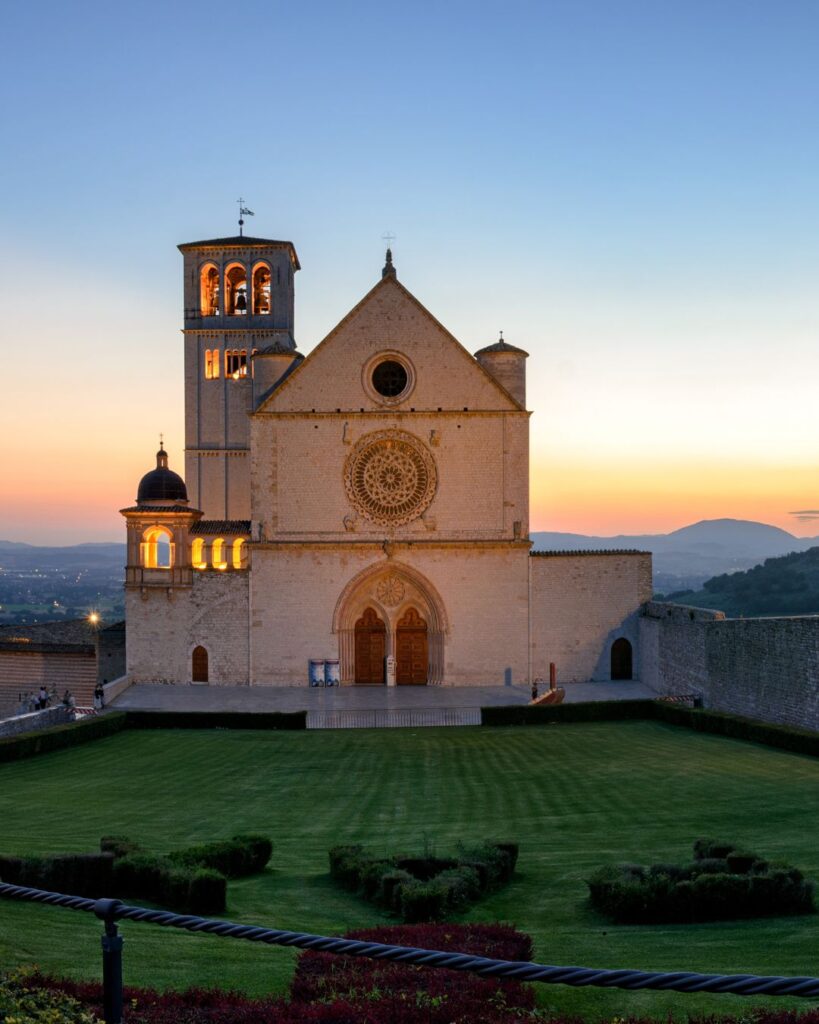
This building is built on a hill. But the aura is built on blood and humility. Saint Francis died here in 1226. The lower basilica is dark, Roman, heavy. Giotto’s frescoes cover every wall—the saint preaching to birds, renouncing his father, receiving the stigmata.
Go down to the crypt. His tomb is rough stone. People kneel and touch it. I am not religious. I knelt anyway. The aura is not power. It is surrender. This building makes you want to give something up. I do not know what. But I left lighter.
11. Castel del Monte (Andria, Puglia)
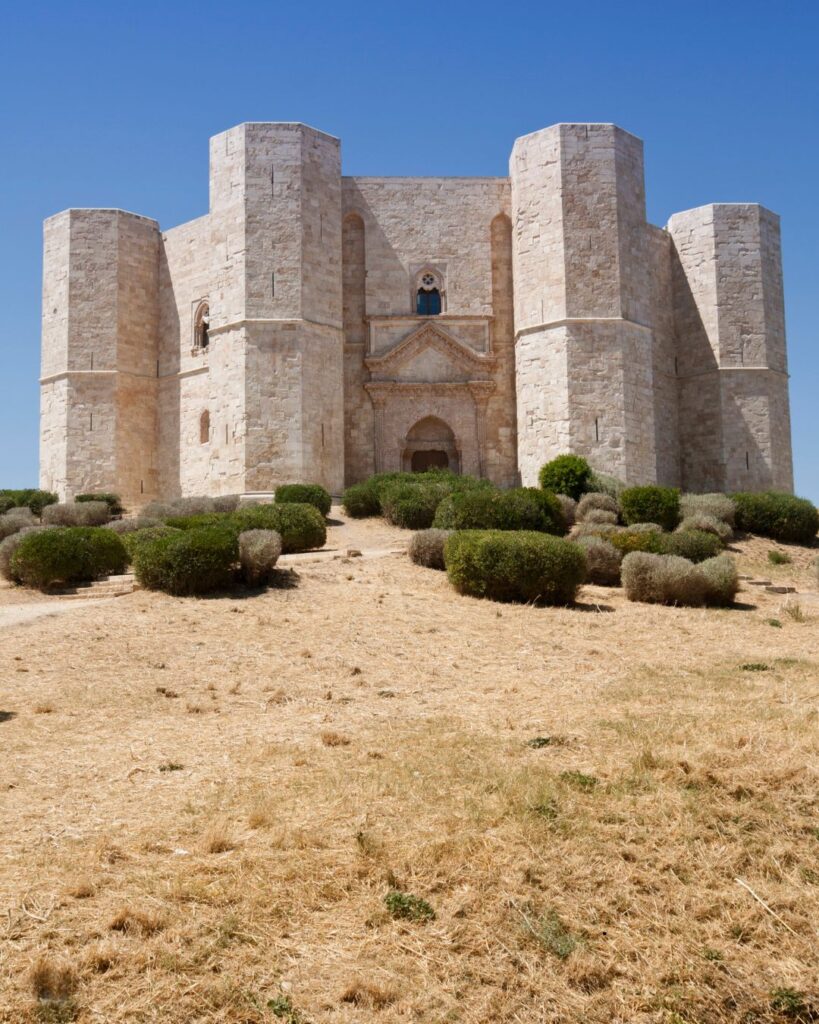
This is the strangest building in Italy. Emperor Frederick II built it in the 1240s. It is an octagon. Each corner has an octagonal tower. The courtyard is an octagon. No moat. No drawbridge. No kitchen large enough to feed an army. It was never meant to be a fortress. It was an obsession. Frederick was a mathematician, a mystic, a heretic.
He put the number eight everywhere (eight for infinity, for resurrection). Walk into the courtyard. Look up at the sky through the octagonal frame. The aura is mathematical madness. You are standing inside a medieval equation. You will not understand it. But you will feel it.
12. Palazzo Pitti (Florence)
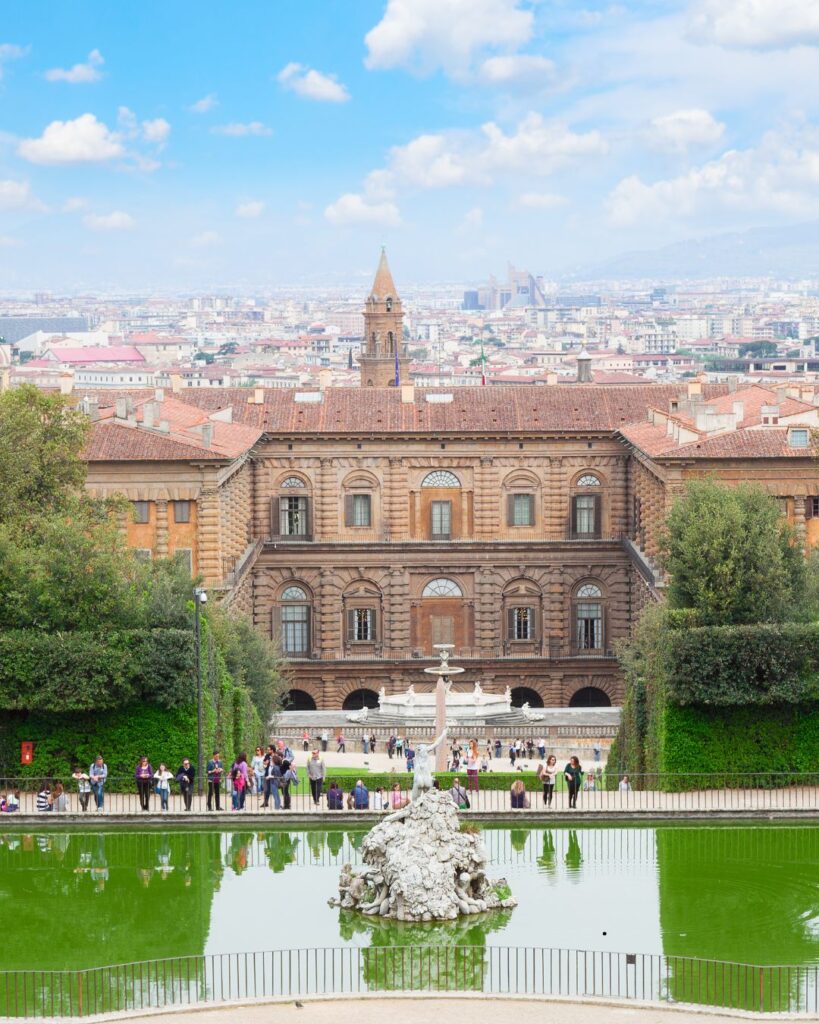
The Medici lived here. That is all you need to know. Walk through the Palatine Gallery. The ceilings are covered in frescoes celebrating Medici power. Raphael’s paintings hang on the walls like wallpaper (his Madonna of the Chair is here—she looks at you like she knows your sins).
The aura is unapologetic wealth. The Medici did not hide their power. They wore it like armor. Walk out to the Boboli Gardens behind the palace. Stand at the top looking down at Florence. You will understand how a banking family became royalty. The view is the point.
13. Siena Cathedral (Siena)
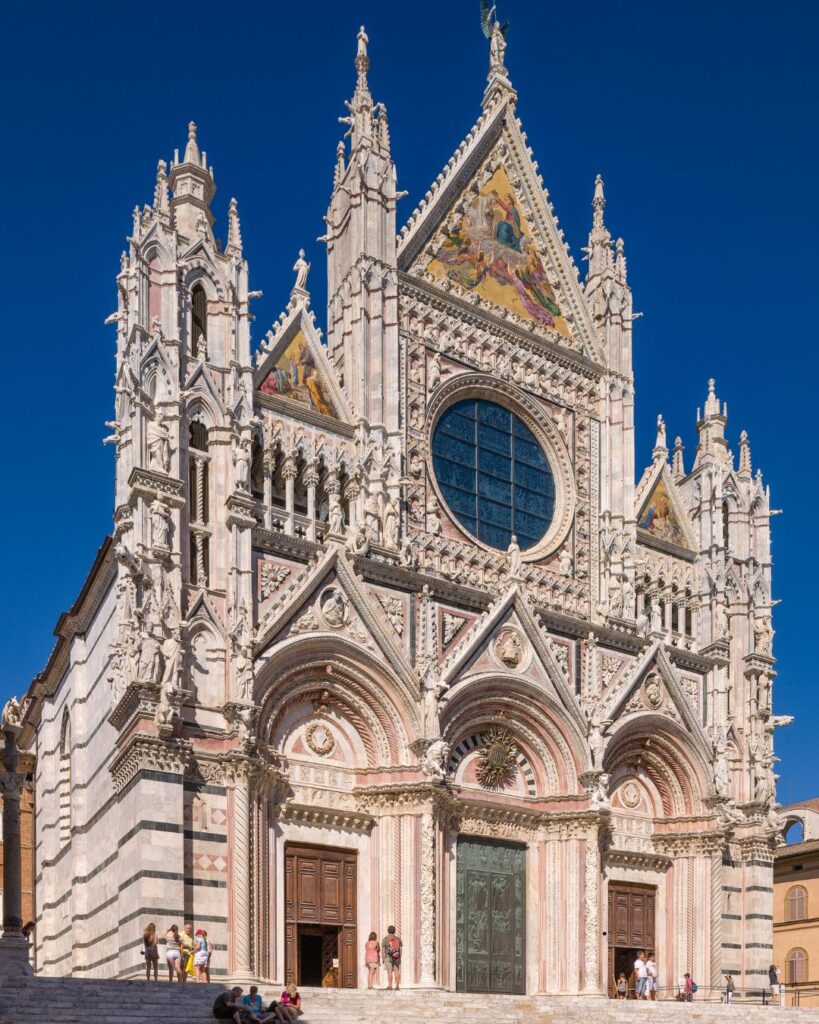
The outside is striped white and dark green marble. It looks like a zebra. But the inside is every surface carved. The floor is covered in 56 marble mosaics—scenes from the Old Testament, allegories of fortune. Most are covered with plywood to protect them, but on certain days, they uncover them. If you are lucky enough to see the floor, you will not forget it.
The Piccolomini Library off to the side has choir books illuminated in gold. The aura is civic pride. Siena built this to rival Florence. They almost succeeded. Stand under the dome. You will feel the rivalry like a heartbeat.
14. Orvieto Cathedral (Orvieto)
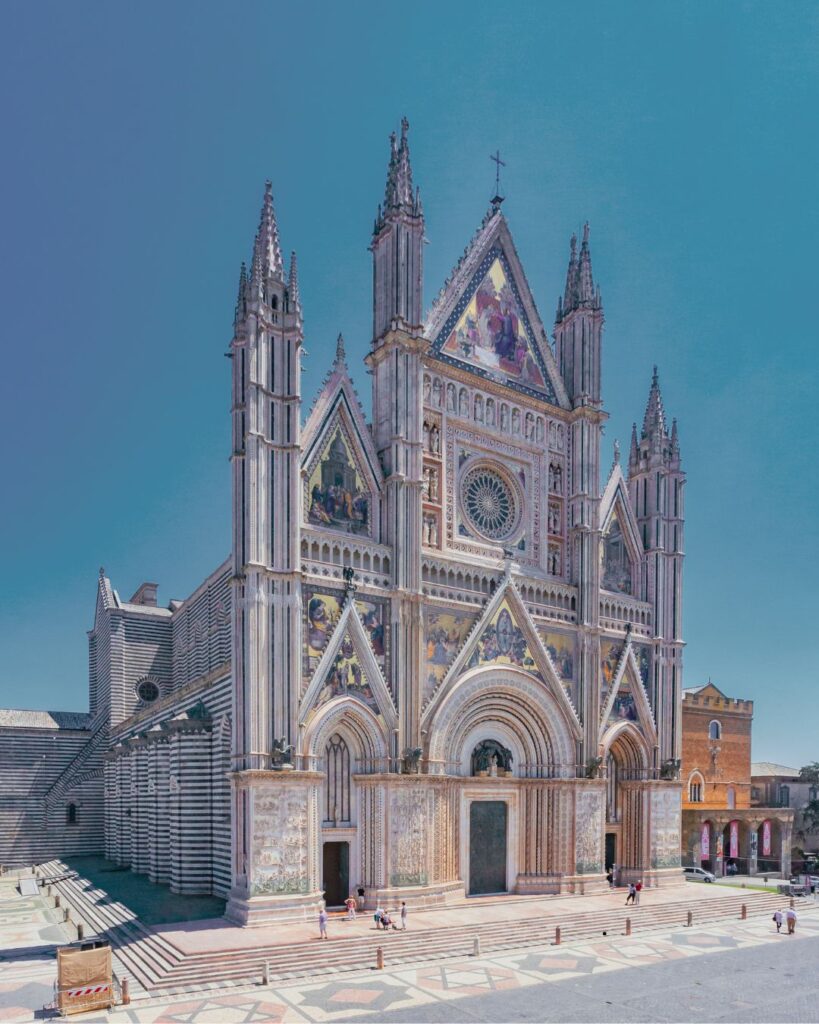
The facade is a kaleidoscope of mosaics, stained glass, and Gothic sculpture. It glows. But go inside. Walk to the Chapel of San Brizio. Fra Angelico and Luca Signorelli painted the walls with the end of the world. Demons drag the damned by their hair. Skin is peeled. A demon with green wings shoves a naked woman into hell.
Next to it, the blessed rise into white light. The aura is the apocalypse—fear and hope so tightly wound that you cannot separate them. I walked out into the sunlight and had to sit on the curb. That has never happened to me before or since.
15. Basilica of San Marco (Venice)
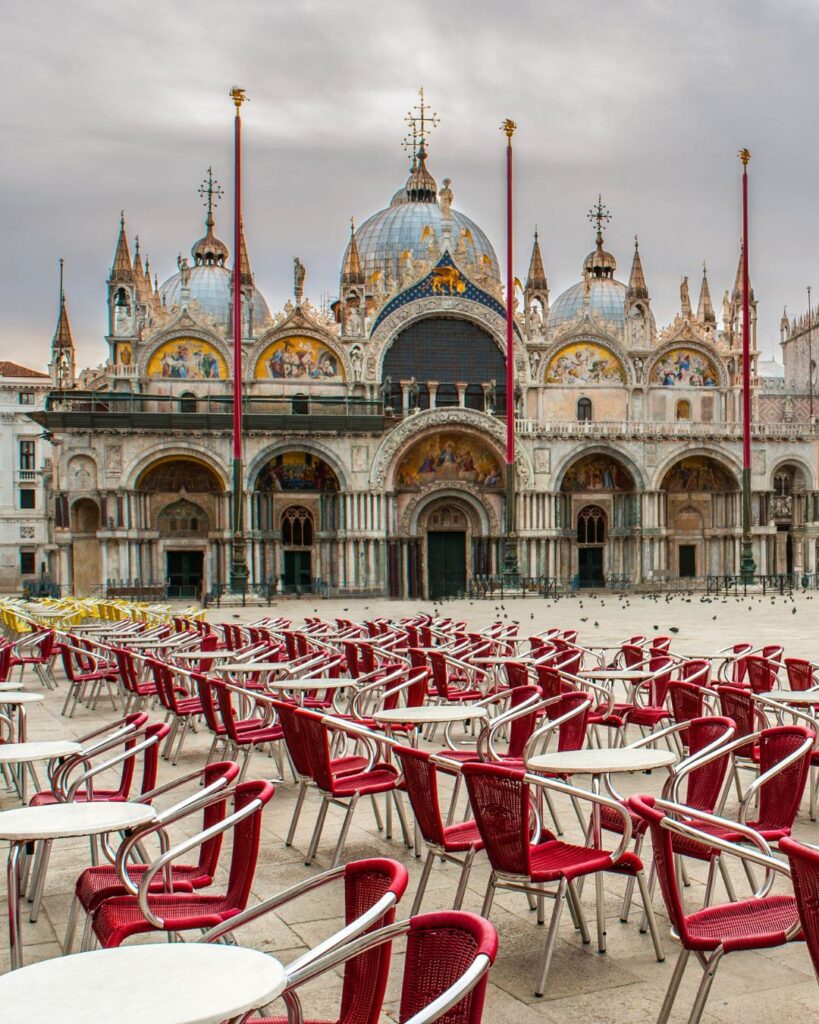
Venice stole this building piece by piece. The four bronze horses on the balcony? Stolen from Constantinople. The Pala d’Oro behind the altar? Stolen (and then upgraded with 1,900 gems). The floor is a mosaic of waves and animals and biblical scenes. The ceiling is gold. Everything glitters.
The aura is theft and glory. Venice was a pirate republic dressed in silk. This church is the proof. Walk into the dark corners away from the main altar. The gold fades. The shadow deepens. You will feel the weight of all those stolen things. Beautiful? Yes. Haunted? Absolutely.
16. Basilica of Santa Croce (Florence)
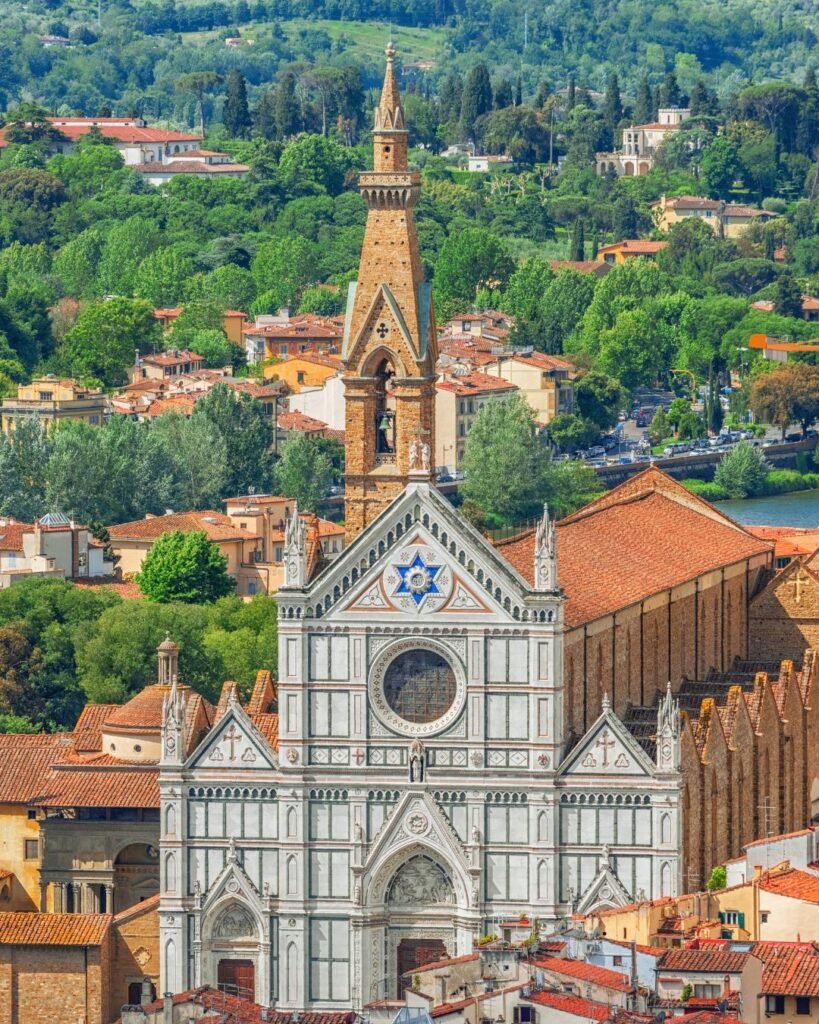
This is the burial place of Michelangelo, Galileo, Machiavelli, and Rossini. You walk over their tombs. The floor is worn smooth by 700 years of feet. Michelangelo’s tomb has three weeping allegories (Architecture, Painting, Sculpture). Galileo’s tomb faces the church because the Vatican only allowed a proper burial 100 years after he died (too controversial).
The aura is genius and death. These men changed the world. Their bones are six feet below your shoes. Stand between them. You will feel the weight of Florentine history pressing down. It is heavy. It is honorable. It is sad.
17. Castel Sant’Angelo (Rome)
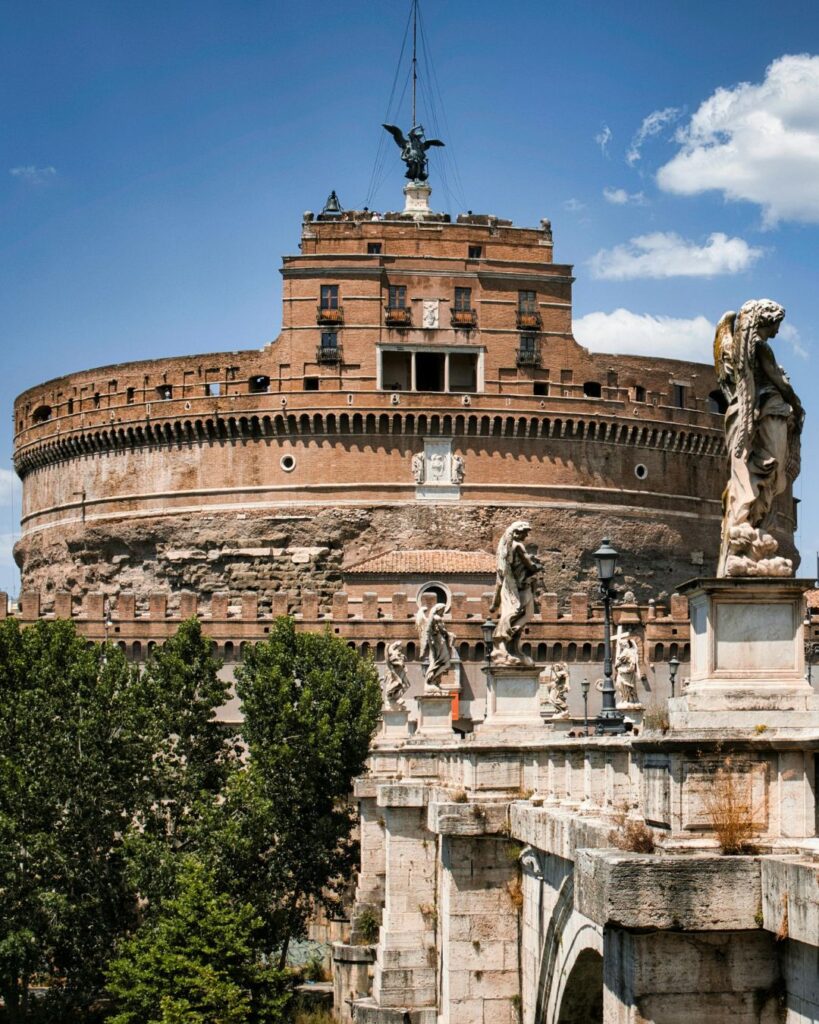
It started as Hadrian’s tomb. Then it became a fortress. Then a prison. Then a papal escape route (the Passetto connects it to the Vatican). Now it is a museum. Walk up the spiral ramp. The walls are thick. The windows are slits.
When you reach the top, the view of Rome is breathtaking. But the aura is in the prison cells. Pope Alexander VI (the infamous Borgia pope) used them for enemies. A cell called “The Furnace” was where they threw bodies. Walk in there. The stone is cold. The air is stale. You will leave quickly. That is the point.
18. Palazzo Vecchio (Florence)
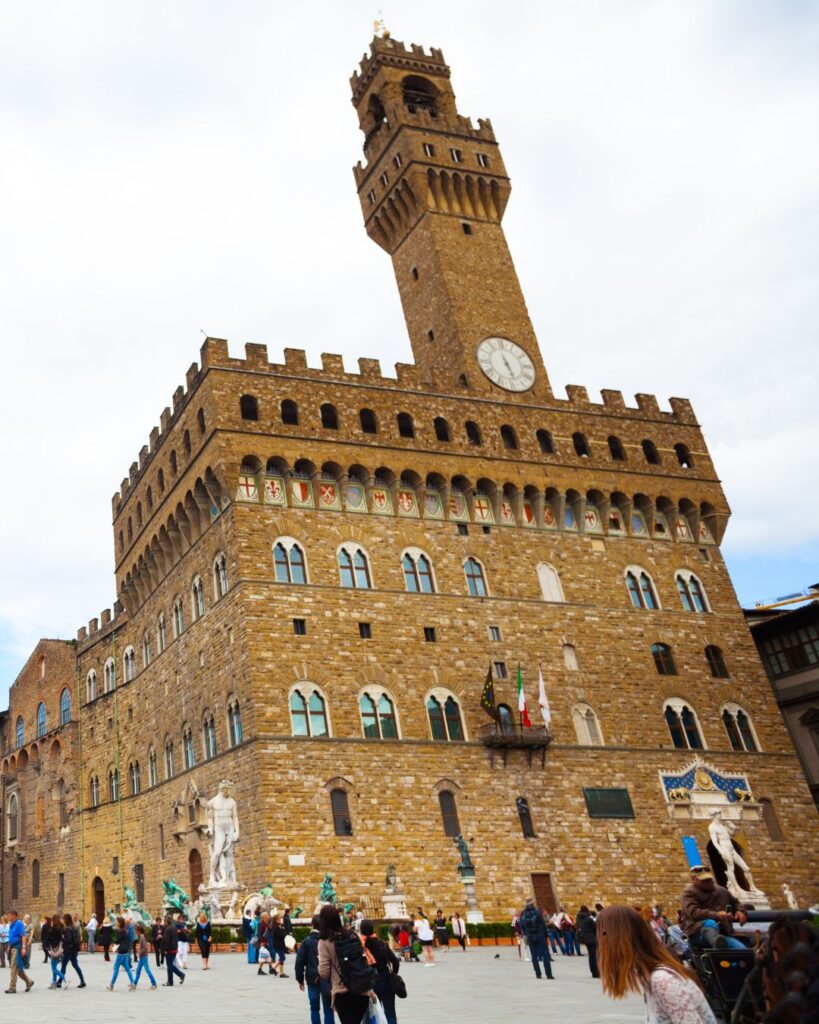
This is Florence’s town hall. But it is also where the Medici ruled. Walk into the Hall of the Five Hundred. It is massive. Michelangelo and Leonardo were both supposed to paint battle scenes on the walls (neither finished). Giorgio Vasari finished it instead, and hidden inside his fresco is a rumored lost Leonardo painting (people are still looking for it). The aura is power politics.
You can feel the arguments, the plots, the betrayals. Go up to the “Studiolo” of Francesco de’ Medici—a tiny windowless room covered in allegorical paintings where the prince kept his secrets. The room is smaller than a bathroom. The aura is paranoia.
19. Rialto Bridge (Venice)
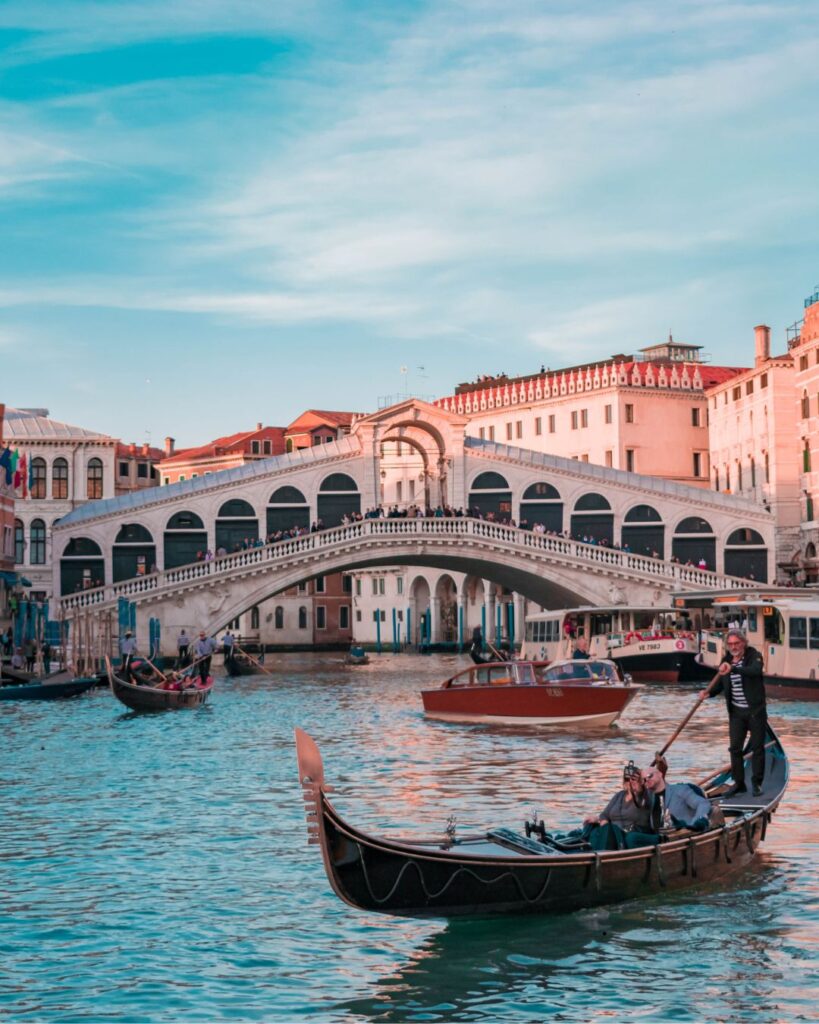
It is not a building. It is a bridge. But it is also the most famous structure in Venice after San Marco, and it has aura. Stand on the top of the arch at sunrise. The Grand Canal stretches in both directions. The water is glass. The palaces are silent. Then the sun hits the marble, and the whole bridge turns pink. The aura is commerce and beauty.
The Rialto was the financial center of the Venetian Republic. Bankers and merchants crossed this bridge with fortunes in their pockets. Now tourists cross it with gelato. But stand still long enough, and you will hear the ghosts of transactions. Gold changing hands. Silk being sold. Venice built on trade. This bridge is the spine.
20. Basilica of San Vitale (Ravenna)

This building looks small and boring from the outside. Brick. Octagonal. You might walk past it. Do not. Inside, every surface is covered in Byzantine mosaics that glow like fire. Emperor Justinian and Empress Theodora stare at you with huge, dark, unblinking eyes. Their faces are flat, iconic, eternal. The gold tiles shift as you move. The aura is imperial presence.
You are being judged by emperors who have been dead for 1,500 years. I could not take a full breath in there. The mosaics seemed to breathe instead. Walk around the upper gallery. Look down at the altar. You are standing in the capital of the Byzantine Empire’s western outpost. The power is gone. The aura remains.
21. The Scrovegni Chapel (Padua)
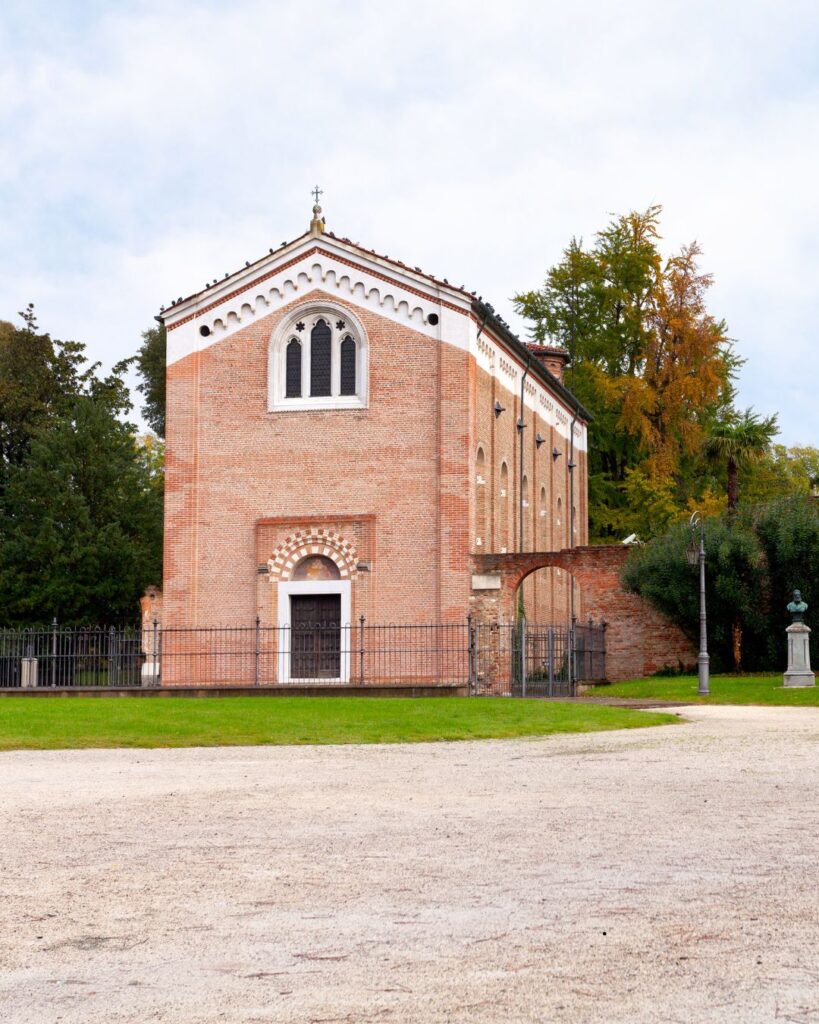
You cannot just walk in. You book a slot 20 minutes long. They seal you in a dehumidified room. Then you step inside Giotto’s masterpiece—every wall painted with the life of Christ and the Virgin. The blue ceiling is painted to look like a starry sky.
The final panel shows Judas betraying Jesus, and the faces are so human, so pained, that I gasped out loud. The aura is urgency. You only have 20 minutes. You will never see color this pure again. I cried three times.
Final thought
Which building would you add or remove from this list? Let me know in the comments
Related post: https://seeingitaly.com/21-must-see-sights-and-experiences-in-rome-italy/
Again, feel free to go through the list below of my Italy recommendations that I have crafted after years of travel to this beautiful country:
- Packing List: Things Not to Go to Italy Without
- Must-Do Things: Unforgettable Experiences
- Where to Stay: Best Hotels in Italy.
- Where to Stay in Rome: Rome’s Best Neighborhoods
- Where to Stay in Florence: Picking the Best Area
- Where to Stay in Venice: Venice’s Best Districts
- Italy’s Cobblestone Streets: Best Shoes For the Job
- Backpack or Suitcase?: Italy Luggage Guide
- Travel Insurance: Always Be Covered
- E-Sim: Be Connected At All Times