
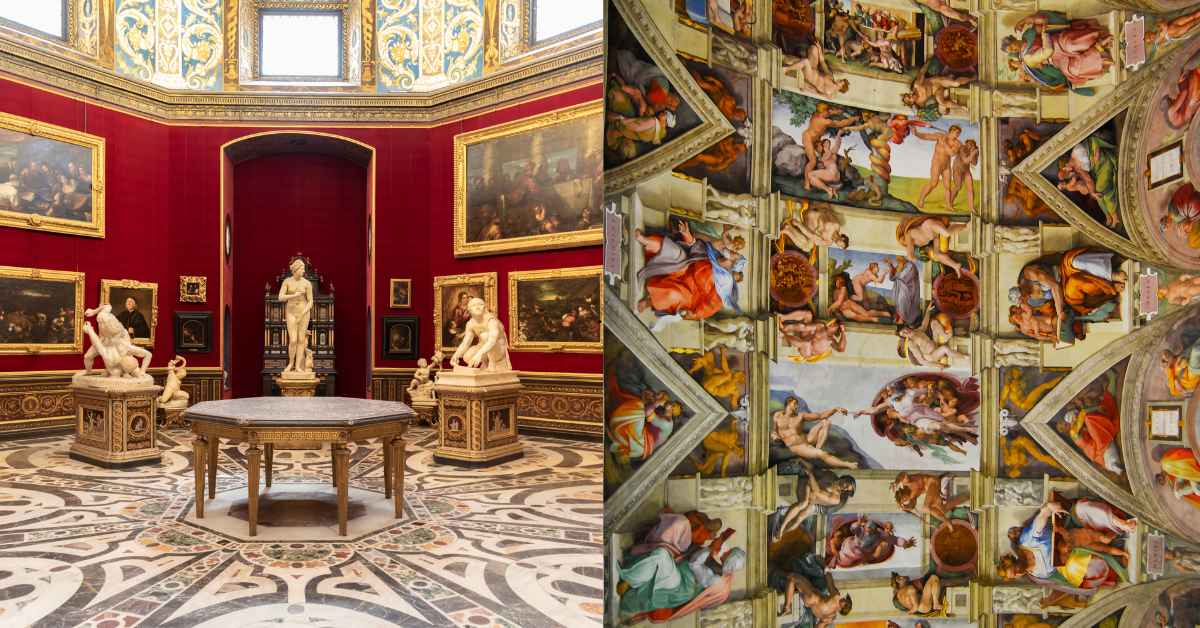
The question of which museum holds the greatest art collection is not a matter of taste. It is a question that can be approached through the study of provenance, artistic significance, and historical context.
The Uffizi Gallery in Florence and the Vatican Museums in Rome are the two most important repositories of art in Italy.
They were created for different purposes and assembled according to different principles. To compare them is to compare two distinct approaches to collecting. It is also to compare two distinct relationships between art and power.
This post argues that the Vatican Museums hold the greater collection in breadth, depth, and diversity.
The Uffizi, however, holds the greater collection in coherence and concentration. The question of which is greater depends entirely on the criteria one applies.
If greatness is measured by range across time and culture, the Vatican is unmatched. If greatness is measured by density of masterpieces within a single tradition, the Uffizi is superior.
Before you read further, remember that Italy rewards travelers who come prepared. I’ve found a few things especially useful on an Italy trip, and they’re worth having and/or knowing beforehand. See the checklist here. Also, if you want me to plan an Italy trip for you that you will never forget, drop me a message here
The Historical Formation of the Uffizi

The Uffizi Gallery was not conceived as a museum. It was built between 1560 and 1580 by Giorgio Vasari for Cosimo I de’ Medici. Cosimo was the first Grand Duke of Tuscany, and he needed a building to house the administrative offices of the Florentine magistrates. The name uffizi means “offices.”
The building was designed as a symbol of Medici authority. It is a long U-shaped structure that frames the political heart of the city. It was built with a corridor, the Vasari Corridor, that connected the Uffizi to the Pitti Palace. This corridor allowed the Medici to move between their offices and their residence without being seen.
The transformation of the Uffizi into a museum was gradual. The Medici family had been collecting art for generations. The upper floors of the Uffizi were used to display their growing collection. The collection was assembled according to the tastes of the Medici, who were among the most sophisticated patrons in Europe.
They collected classical antiquities, Renaissance paintings, scientific instruments, and rare manuscripts. They commissioned works from the greatest artists of their time. They acquired works by earlier masters when they could. The collection reflected their wealth, their education, and their power.
The critical moment in the history of the Uffizi came in 1737. Anna Maria Luisa de’ Medici, the last of the Medici line, signed the Family Pact. This document stipulated that the Medici collections could never leave Florence. It was a declaration that the art belonged to the city, not to any individual.
The Uffizi opened to the public in 1769 under Grand Duke Peter Leopold. It was one of the first modern museums in Europe. It was intended to serve as an educational resource for artists and the public. The collection was arranged chronologically and organized according to Enlightenment principles.
The Historical Formation of the Vatican Museums

The Vatican Museums were not conceived as a single institution. They are a complex of galleries, chapels, and courtyards. They have been assembled by successive popes over more than five centuries. The collection reflects the interests, tastes, and ambitions of the popes who built it.
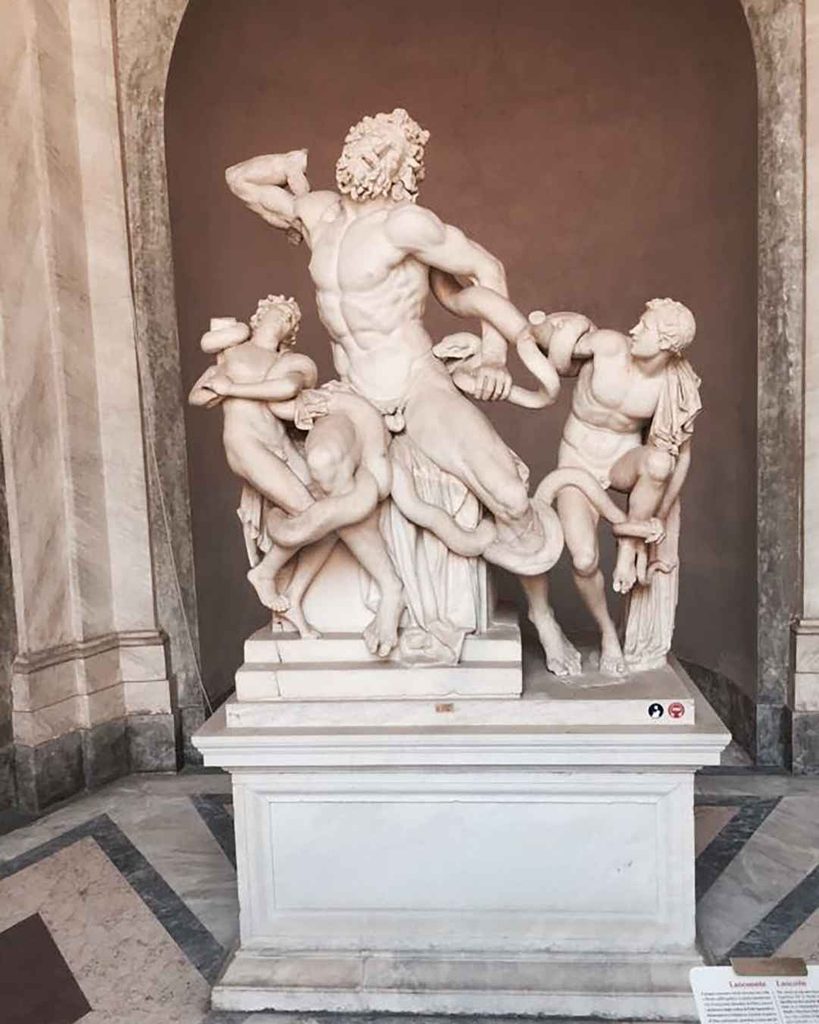
The beginnings of the Vatican Museums can be traced to 1506. Pope Julius II acquired the Laocoön, a classical sculpture that had recently been rediscovered in Rome. Julius displayed the sculpture in the Belvedere Courtyard alongside the Apollo Belvedere. This was the foundation of the Vatican’s collection of classical sculpture.
Julius II was also responsible for the most important artistic projects in the Vatican. He commissioned Michelangelo to paint the Sistine Chapel ceiling. He commissioned Raphael to decorate the papal apartments. These works were not created for a museum. They were created for the pope.
They served as expressions of papal authority and divine inspiration. They were intended to glorify the Church and to demonstrate the pope’s role as the successor of Saint Peter. They were not intended to be seen by the public in the way a museum collection is seen.
The Vatican Museums grew through the centuries. Successive popes added to the collection. The Museo Pio-Clementino was founded in the eighteenth century. It contains some of the most important classical sculptures in the world. The Gregorian Egyptian Museum was founded in the nineteenth century.
The Pinacoteca, the Vatican’s painting gallery, was founded in the eighteenth century. It was expanded in the twentieth century. The Collection of Contemporary Art was founded in the twentieth century. It includes works by Van Gogh, Matisse, and Bacon.
The Nature of the Collections: Paintings versus Everything

The fundamental difference between the Uffizi and the Vatican Museums lies in the nature of their collections. The Uffizi is a picture gallery. Its collection is dominated by paintings. Its strengths are concentrated in the Renaissance and Baroque periods.
The Vatican Museums are a universal collection. They contain paintings, sculptures, antiquities, maps, tapestries, and artifacts from cultures around the world. They contain works from ancient Egypt, Greece, and Rome. They contain works from Europe, Asia, Africa, and the Americas.
This difference shapes everything about the two museums. The Uffizi is coherent and focused. It tells a story about the development of Italian painting. It is a museum that rewards connoisseurship. It is a museum that invites close looking.
The Vatican Museums are encyclopedic and sprawling. They contain masterpieces from every period and every culture. They do not tell a single story. They tell many stories. They are a museum that rewards curiosity and endurance.
The Uffizi’s collection of Renaissance paintings is unmatched. It contains the greatest concentration of Botticelli paintings in the world. It contains the Birth of Venus and the Primavera. It contains Leonardo’s Annunciation and Michelangelo’s Doni Tondo.
It contains the finest collection of Florentine Renaissance paintings anywhere. It includes works by Giotto, Masaccio, Piero della Francesca, and Raphael. It includes Venetian Renaissance paintings by Titian and Giorgione. It includes foreign paintings by Dürer, Rembrandt, and Rubens.
The Vatican Museums’ collection is more diverse. It contains the Sistine Chapel, which is not a museum collection. It is an integral part of a sacred space. It contains the Raphael Rooms, which are among the greatest achievements of Renaissance painting.
It contains the Laocoön and the Apollo Belvedere, which are among the greatest achievements of classical sculpture. It contains the Gallery of Maps, which is a masterpiece of cartography. It contains the Pinacoteca, which has a significant collection of paintings.
The Criteria of Greatness
To determine which collection is greater, one must establish criteria. The following criteria are proposed: breadth, depth, quality, historical significance, and influence. Each criterion measures a different aspect of a collection’s value.
Breadth refers to the range of artistic traditions represented. The Vatican Museums are superior in breadth. They contain works from ancient Egypt, Greece, and Rome. They contain works from Europe, Asia, Africa, and the Americas.
Depth refers to the concentration of masterpieces within a particular tradition. The Uffizi is superior in depth. It contains the most important collection of Botticelli paintings in the world. Its collection of Florentine Renaissance paintings is unmatched.
Quality refers to the intrinsic excellence of individual works. Both museums contain masterpieces of the highest order. The Sistine Chapel ceiling is the single greatest fresco cycle in the history of art. The Birth of Venus and the Primavera are among the most important paintings of the Renaissance.
Historical significance refers to the role that the works have played in the history of art. The Uffizi contains paintings that define the Renaissance. The Vatican Museums contain works that define the papacy. Both collections have enormous historical significance.
Influence refers to the impact that the works have had on subsequent art. The Sistine Chapel ceiling has influenced every artist who has seen it. The Birth of Venus has influenced the way we think about beauty. The Laocoön has influenced the development of sculpture.
The Sistine Chapel as an Argument for the Vatican
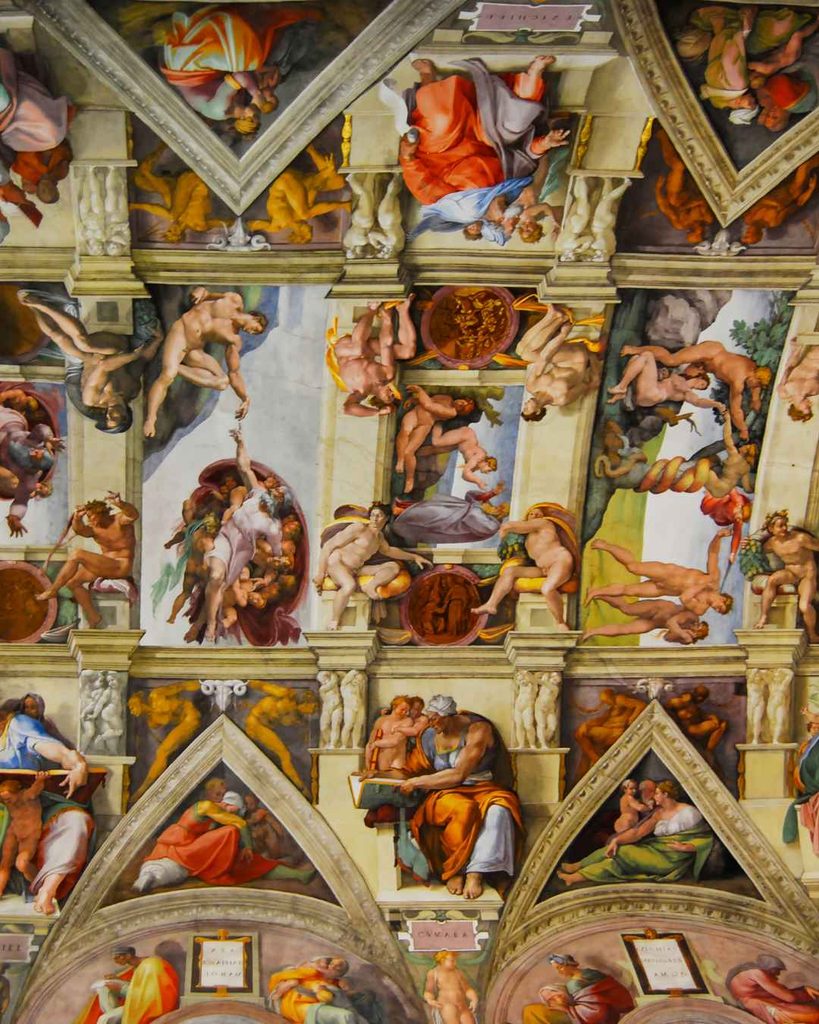
The strongest argument for the Vatican Museums is the Sistine Chapel. It is not simply a room in a museum. It is the single most important painted interior in the history of Western art. It contains Michelangelo’s ceiling frescoes and his Last Judgment.
The ceiling was painted between 1508 and 1512. It depicts scenes from Genesis, including the Creation of Adam. It includes prophets, sibyls, and ancestors of Christ. It is a comprehensive statement about the relationship between God and humanity.
The Last Judgment was painted between 1536 and 1541. It depicts the end of the world, with Christ at the center. The saved rise to heaven, and the damned fall to hell. The composition is chaotic and dramatic. It reflects Michelangelo’s deep religious anxieties.
The Sistine Chapel is not just a masterpiece. It is a pilgrimage site. People travel from around the world to see it. It has the power to move even those who are not religious. It is the single greatest argument for the Vatican Museums.
The Raphael Rooms as an Argument for the Vatican
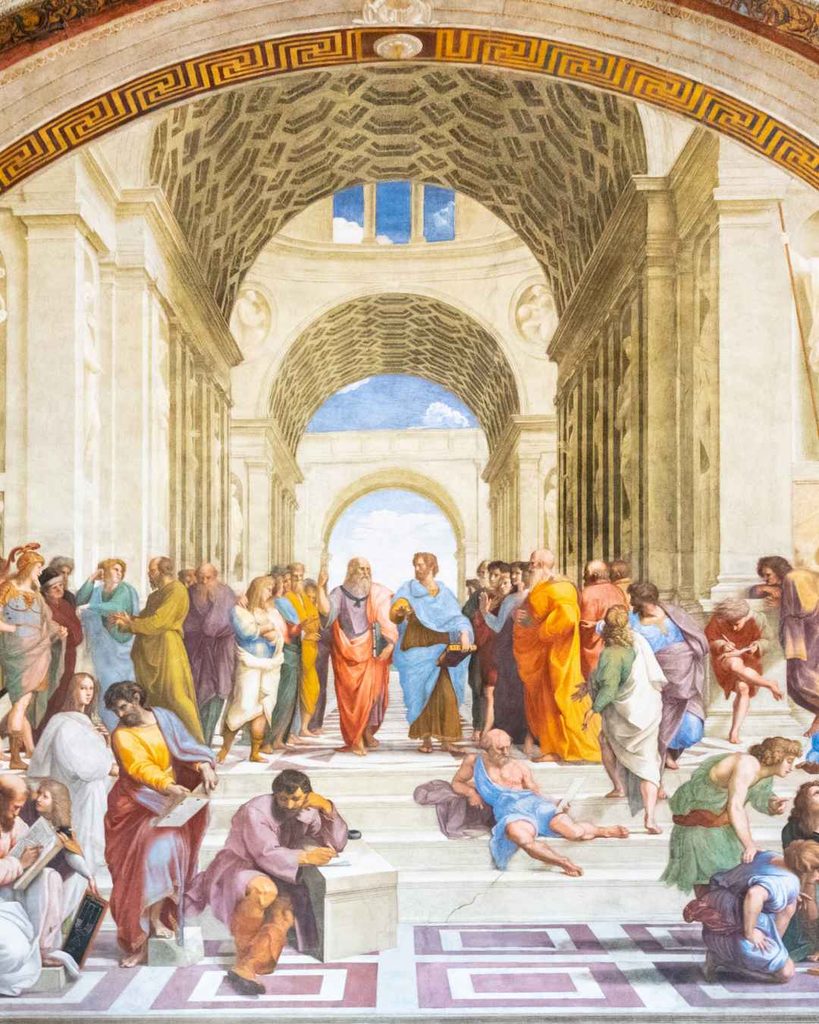
The Raphael Rooms are another argument for the Vatican Museums. They are a suite of four rooms painted by Raphael and his workshop. They were commissioned by Pope Julius II and completed between 1508 and 1524.
The most famous is the Room of the Signature, which contains the School of Athens. This fresco depicts a gathering of ancient Greek philosophers. Plato and Aristotle are at the center, with Socrates, Pythagoras, and Diogenes around them.
The School of Athens is one of the most perfect works of the Renaissance. It combines classical learning with Christian theology. It is a statement about the relationship between faith and reason. It is a masterpiece of composition and perspective.
The other rooms contain frescoes on themes of theology, poetry, and law. They are all painted with the clarity and harmony that define Raphael’s style. They are among the greatest achievements of the Renaissance.
The Uffizi as an Argument for Florence

The strongest argument for the Uffizi is its concentration of masterpieces in a single tradition. The Uffizi is the greatest collection of Florentine Renaissance painting in the world. It contains works that define the Renaissance.
The Birth of Venus is one of the most famous paintings in the world. It depicts the goddess emerging from the sea on a shell. It is a celebration of beauty, love, and the classical past. It is a defining image of the Renaissance.
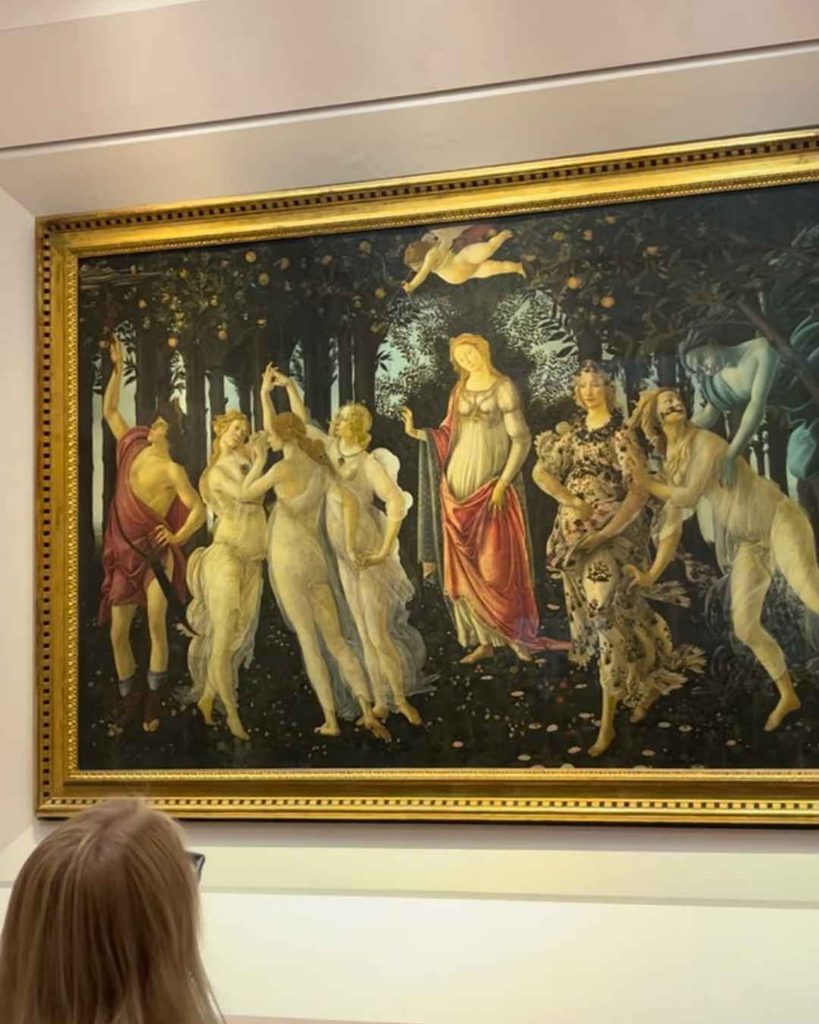
The Primavera is even more complex. It depicts nine figures from classical mythology in an orange grove. It contains hundreds of plant species, each with a symbolic meaning. It is a meditation on love, fertility, and the arrival of spring.
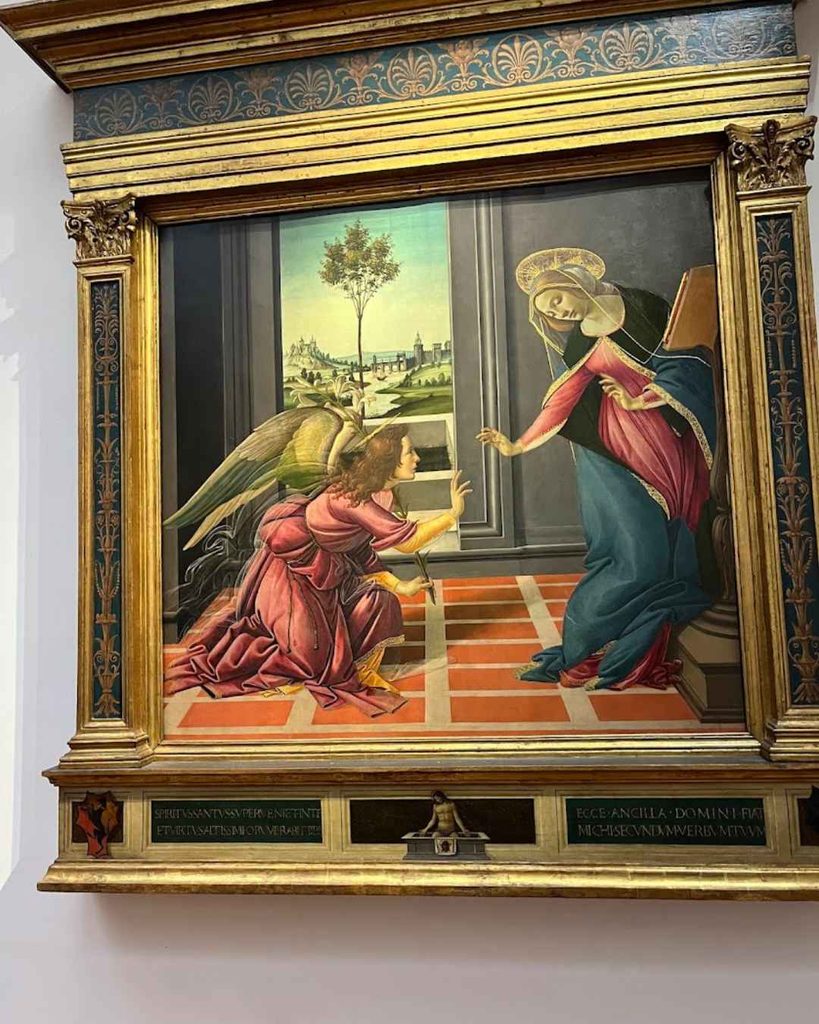
The Annunciation by Leonardo is one of his earliest paintings. It depicts the moment when the angel Gabriel appears to the Virgin Mary. It is a study in perspective, light, and detail. It is one of the most beautiful depictions of the Annunciation.
The Doni Tondo by Michelangelo is a rare example of his painting on wood. It depicts the Holy Family in a circular format. The figures are sculpted and tense. The poses are unnatural. It is a work of extraordinary power.
The Uffizi also contains the greatest collection of Botticelli paintings in the world. Botticelli is one of the most beloved painters of the Renaissance. The two great mythological paintings are in the same room. They can be studied in detail.
The Depth of the Uffizi Collection
The Uffizi’s collection is not limited to a few masterpieces. It contains works by Giotto, Cimabue, and Duccio. It contains works by Piero della Francesca, Filippo Lippi, and Fra Angelico.
It contains works by Leonardo, Michelangelo, and Raphael. It contains works by Titian, Giorgione, and Veronese. It contains works by Dürer, Rembrandt, and Rubens.
The collection is arranged chronologically. It tells a story about the development of Italian painting. It begins with the medieval period and continues through the Renaissance and the Baroque. It is a museum that rewards close looking.
The Uffizi is also a museum that rewards connoisseurship. It is a museum for people who love painting. It is a museum for people who want to understand the Renaissance in depth. It is not a museum that overwhelms you with scale.
The Breadth of the Vatican Collection
The Vatican Museums’ collection is not limited to paintings. It contains sculptures, antiquities, maps, tapestries, and artifacts from around the world. It contains works from ancient Egypt, Greece, and Rome.
It contains the Laocoön and the Apollo Belvedere. It contains the Belvedere Torso, which Michelangelo studied. It contains the Gallery of Maps, which is a masterpiece of cartography.
It contains the Gregorian Egyptian Museum, which has nine rooms of artifacts. It contains the Ethnological Museum, which has 80,000 objects. It contains the Collection of Contemporary Art, which has 8,000 works.
The Vatican Museums are a universal collection. They represent the full range of human artistic achievement. They are a museum that rewards curiosity and endurance. They are a museum that tells many stories.
The Sistine Chapel vs. the Botticelli Room
The Sistine Chapel and the Botticelli Room are the two greatest rooms in their respective museums. The Sistine Chapel is the greatest painted interior in the world. The Botticelli Room contains the two greatest mythological paintings of the Renaissance.
The Sistine Chapel is overwhelming. It is a large room with a vaulted ceiling. The ceiling is covered in frescoes. The walls are covered in frescoes. The altar wall is covered in frescoes. It is impossible to see everything in a single visit.
The Botticelli Room is intimate. It is a small room with two large paintings. The paintings are displayed side by side. They can be studied in detail. They can be compared and contrasted.
The Sistine Chapel is a public space. It is a chapel, not a gallery. It is used for religious ceremonies. It is a place of pilgrimage. The Botticelli Room is a gallery. It is a place for looking at paintings.
The Pinacoteca vs. the Uffizi
The Pinacoteca is the Vatican’s painting gallery. It contains 460 works from the Middle Ages to the nineteenth century. It includes masterpieces by Giotto, Leonardo, Raphael, and Caravaggio.
The Pinacoteca is smaller than the Uffizi. It is less comprehensive. It does not have the same depth in any single tradition. It is a good collection, but it is not the equal of the Uffizi.
The Uffizi is the greatest collection of Italian painting in the world. It contains the greatest concentration of Renaissance masterpieces. It contains the greatest collection of Botticelli paintings. It is a museum that defines the Renaissance.
The Pinacoteca is a complement to the Vatican Museums. It is not the main attraction. It is a place to see paintings after seeing the sculptures and the frescoes. It is a good collection, but it is not the reason to visit the Vatican Museums.
The Verdict
The question of which collection is greater cannot be answered definitively. It depends on what you value. If you value breadth, diversity, and the presence of a single, overwhelming masterpiece, the Vatican Museums are greater.
If you value depth, coherence, and the concentration of masterpieces within a single tradition, the Uffizi is greater. The Vatican Museums are greater in scale. They contain more works, more galleries, and more artistic traditions.
They contain the Sistine Chapel, which is the single greatest painted interior in the history of Western art. They contain the Raphael Rooms, which are among the greatest achievements of the Renaissance. They contain classical sculptures that have influenced art for centuries.
The Uffizi is greater in concentration. It contains the greatest collection of Florentine Renaissance painting in the world. It contains the Birth of Venus and the Primavera, which are among the most important paintings ever made.
It contains the Annunciation by Leonardo and the Doni Tondo by Michelangelo. It is a museum that rewards connoisseurship. It is a museum that tells a coherent story about the development of Western painting.
The answer, in the end, is that both collections are essential. The Vatican Museums are the greater collection in breadth and historical significance. The Uffizi is the greater collection in depth and artistic concentration.
To see one without the other is to miss half of what Italy has to offer. To see both is to understand the full scope of Western art.
How to See Both
The practical reality is that both museums require advance planning. The Uffizi should be booked at least a month in advance. The Vatican Museums should be booked at least two months in advance, especially in high season.
Both museums are crowded, and both require patience. The Uffizi is best visited in the early morning. The Vatican Museums are best visited in the late afternoon, when the tour groups have left.
If you have limited time, the Uffizi can be seen in two to three hours. The Vatican Museums require at least four hours, and ideally a full day. Both museums are exhausting, and both require comfortable shoes.
The Uffizi is in the heart of Florence. It is within walking distance of the Duomo and the Ponte Vecchio. The Vatican Museums are in the Vatican City. They are across the river from the historic center of Rome.
In the Vatican, I would highly recommend booking a guided tour that takes you to the Vatican Museums, Sistine Chapel, and St. Peter’s Basilica. This is the tour I recommend.
In Florence, you can easily visit the Uffizi Gallery on your own, but it can overwhelm you if you don’t prioritize what you need to see. If you need a recommendation, this guided small-group tour shows you the best paintings and explains everything you need to know about them
The Uffizi’s Greatest Treasures
The Uffizi contains the greatest collection of Botticelli paintings in the world. The Birth of Venus and the Primavera are in the same room. They are among the most important paintings of the Renaissance.
The Birth of Venus depicts the goddess emerging from the sea on a shell. It is a celebration of beauty, love, and the classical past. It is a defining image of the Renaissance.
The Primavera depicts nine figures from classical mythology in an orange grove. It contains hundreds of plant species, each with a symbolic meaning. It is a meditation on love, fertility, and the arrival of spring.
The Uffizi also contains Leonardo’s Annunciation. It depicts the moment when the angel Gabriel appears to the Virgin Mary. It is a study in perspective, light, and detail.
The Uffizi also contains Michelangelo’s Doni Tondo. It is a rare example of his painting on wood. It depicts the Holy Family in a circular format. The figures are sculpted and tense.
The Uffizi also contains Titian’s Venus of Urbino. It is one of the most sensual paintings of the Renaissance. It depicts a nude woman lying on a bed. She gazes directly at the viewer.
The Uffizi also contains Piero della Francesca’s Portraits of the Duke and Duchess of Urbino. They are among the most famous portraits of the Renaissance. They are painted in profile, in the tradition of classical medals.
The Vatican’s Greatest Treasures

The Vatican Museums contain the Sistine Chapel. It is the single most important painted interior in the history of Western art. It contains Michelangelo’s ceiling frescoes and his Last Judgment.
The ceiling depicts scenes from Genesis, including the Creation of Adam. It includes prophets, sibyls, and ancestors of Christ. It is a comprehensive statement about the relationship between God and humanity.
The Last Judgment depicts the end of the world, with Christ at the center. The saved rise to heaven, and the damned fall to hell. The composition is chaotic and dramatic.
The Vatican Museums also contain the Raphael Rooms. They are a suite of four rooms painted by Raphael and his workshop. The most famous is the Room of the Signature, which contains the School of Athens.
The School of Athens depicts a gathering of ancient Greek philosophers. Plato and Aristotle are at the center. It is one of the most perfect works of the Renaissance.
The Vatican Museums also contain the Laocoön and the Apollo Belvedere. They are among the greatest achievements of classical sculpture. They have influenced art for centuries.
The Vatican Museums also contain the Gallery of Maps. It is a long corridor decorated with forty maps of Italy. It is a masterpiece of cartography and decoration.
The Vatican Museums also contain the Pinacoteca. It has 460 works from the Middle Ages to the nineteenth century. It includes masterpieces by Giotto, Leonardo, Raphael, and Caravaggio.
The Experience of Visiting the Uffizi
The Uffizi is a manageable museum. The layout is linear. The rooms follow a chronological order. It is easy to understand the development of art from the medieval period to the Baroque.
The museum is often crowded, especially in the Botticelli rooms. The crowds are concentrated in a few areas. If you visit early in the morning, you can have the quieter rooms largely to yourself.
The Uffizi is a museum that rewards connoisseurs. If you love Renaissance painting, it is a pilgrimage. You can stand in front of the Birth of Venus and study every detail without being pushed along.
You can spend an hour in the Leonardo room. You can spend an hour in the Botticelli room. You can spend an hour in the Raphael room. The Uffizi is a museum that invites you to slow down.
The Experience of Visiting the Vatican Museums
The Vatican Museums are overwhelming. The experience is meant to be overwhelming. You walk through seven kilometers of galleries. You see ancient sculptures, Renaissance frescoes, maps, and tapestries.
The crowds are immense, especially in high season. The Sistine Chapel is always crowded. The Raphael Rooms are always crowded. The Gallery of Maps is always crowded.
The Vatican Museums require endurance. You need comfortable shoes. You need patience. You need to be prepared for a long day. The experience is not relaxing. It is an endurance test.
The Vatican Museums are a museum that rewards curiosity. You can see something new in every room. You can learn something new in every gallery. But you cannot see everything in a single visit.
The Practical Comparison
The Uffizi is smaller than the Vatican Museums. It contains 4,800 exhibited works. The Vatican Museums contain 20,000 exhibited works. The Uffizi requires two to three hours. The Vatican Museums require three to four hours.
The Uffizi is cheaper than the Vatican Museums. A standard ticket to the Uffizi costs around 25 euros. A standard ticket to the Vatican Museums costs around 20 euros, but the Sistine Chapel is included in the Vatican ticket.
Both museums require advance booking. Both museums are crowded. Both museums are exhausting. Both museums are worth visiting.
The Uffizi’s Strengths

The Uffizi’s greatest strength is its collection of Renaissance paintings. It contains the greatest concentration of Botticelli paintings in the world. It contains the Birth of Venus and the Primavera.
The Uffizi’s second strength is its coherence. It tells a story about the development of Italian painting. It is a museum that rewards connoisseurship. It is a museum that invites close looking.
The Uffizi’s third strength is its manageable size. It can be seen in a few hours. It is not overwhelming. It is a museum that you can return to again and again.
The Vatican’s Strengths
The Vatican’s greatest strength is the Sistine Chapel. It is the single most important painted interior in the history of Western art. It contains Michelangelo’s ceiling frescoes and his Last Judgment.
The Vatican’s second strength is its breadth. It contains works from ancient Egypt, Greece, and Rome. It contains works from Europe, Asia, Africa, and the Americas.
The Vatican’s third strength is its diversity. It contains paintings, sculptures, antiquities, maps, tapestries, and artifacts. It is a universal collection. It represents the full range of human artistic achievement.
The Uffizi’s Weaknesses
The Uffizi’s greatest weakness is its crowds. The Botticelli rooms are always crowded. The Leonardo room is always crowded. The museum is not designed to handle the number of visitors it receives.
The Uffizi’s second weakness is its size. It is a small museum. It cannot accommodate the number of people who want to see it. The experience can be frustrating.
The Uffizi’s third weakness is its focus. It is a picture gallery. It does not contain sculptures, antiquities, or artifacts. It is a museum for people who love painting.
The Vatican’s Weaknesses
The Vatican’s greatest weakness is its scale. It is too large. It is impossible to see everything in a single visit. The experience can be exhausting.
The Vatican’s second weakness is its crowds. The Sistine Chapel is always crowded. The Raphael Rooms are always crowded. The museum is not designed to handle the number of visitors it receives.
The Vatican’s third weakness is its complexity. It is a collection of collections. It can be confusing. It can be overwhelming. It requires planning and preparation.
Final Thoughts
The Uffizi and the Vatican Museums are the two greatest art collections in Italy. They were created for different purposes. They serve different functions today. The Uffizi is a picture gallery. The Vatican Museums are a universal collection.
The question of which is greater depends on the criteria one applies. The Vatican Museums are greater in breadth, scale, and historical significance. The Uffizi is greater in depth, coherence, and concentration.
Both are essential. Both are worth visiting. To see one without the other is to miss half of what Italy has to offer. To see both is to understand the full scope of Western art.
The Uffizi is a museum for connoisseurs. The Vatican Museums are a museum for explorers. The Uffizi rewards close looking. The Vatican Museums reward curiosity and endurance.
The Uffizi is the greatest collection of Renaissance painting in the world. The Vatican Museums are the greatest collection of human artistic achievement in the world. Both are indispensable. Both are unforgettable.
Again, feel free to go through the list below of my Italy recommendations that I have crafted after years of travel to this beautiful country:
- Packing List: Things Not to Go to Italy Without
- Must-Do Things: Unforgettable Experiences
- Where to Stay: Best Hotels in Italy.
- Where to Stay in Rome: Rome’s Best Neighborhoods
- Where to Stay in Florence: Picking the Best Area
- Where to Stay in Venice: Venice’s Best Districts
- Italy’s Cobblestone Streets: Best Shoes For the Job
- Backpack or Suitcase?: Italy Luggage Guide
- Travel Insurance: Always Be Covered
- E-Sim: Be Connected At All Times