
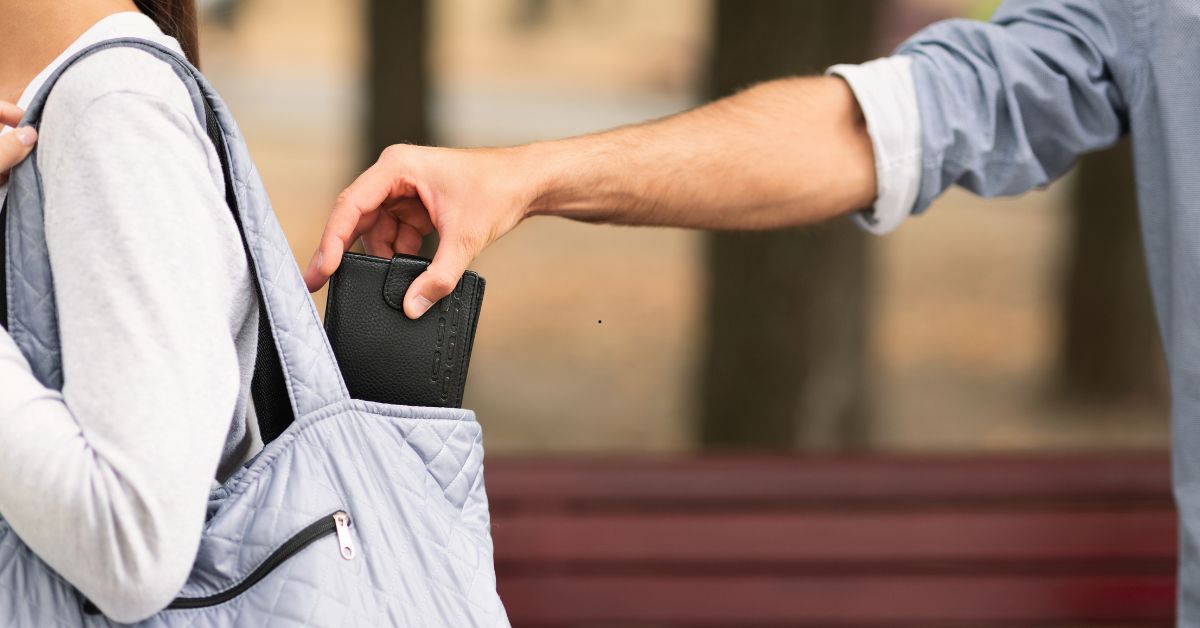
Let me start by saying this: Italy is incredible. The pasta alone is worth the flight. But if you have done any research at all, you have probably come across horror stories about pickpockets. Someone’s cousin had their wallet lifted on the Rome metro. A friend of a friend lost their passport near the Trevi Fountain.
And yes, those things happen.
But here is what most travel guides will not tell you. Pickpocketing in Italy is not some violent, terrifying crime. It is a crime of opportunity. And once you understand how it works, you become a very hard target.
The goal of this guide is not to scare you. The goal is to make you smarter than ninety percent of the tourists out there. So take a deep breath. You are going to have an amazing trip. You just need to know a few things first.
Why Italy gets a bad reputation
It is not that Italy has more pickpockets than anywhere else. It is that Italy has so many tourists packed into tight spaces.
Think about the line to get into the Colosseum. Or a crowded vaporetto in Venice. Or the narrow streets around the Florence Duomo. These places are magnets for petty theft simply because there are so many people bumping into each other.
The good news is that violent crime is very low. No one is going to hurt you. They want your phone and your cash, and they want to disappear before you even notice they were there.
How pickpockets actually work
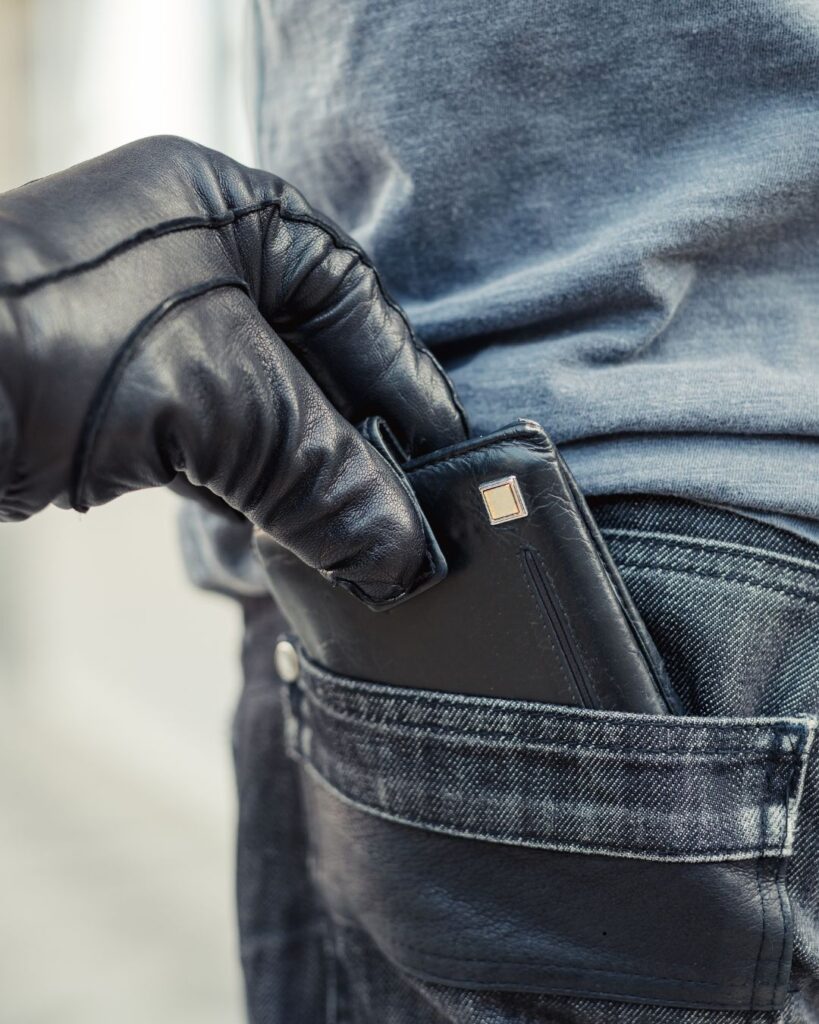
Most people imagine a sneaky hand reaching into a pocket. That does happen. But the real art of pickpocketing is distraction.
You will see teams of two, three, or even four people working together. One person creates a commotion. Another accidentally bumps into you. A third might spill something on your jacket and help you clean it up. While you are apologizing or looking away, someone else has already opened your bag and taken your wallet.
Common tactics include the map trick, where someone holds a large map in front of you as if asking for directions. Or the fake argument between two people right next to you. Or a child who comes up to you selling a small trinket. These are all covers.
The places you need to be most aware

You do not need to be paranoid everywhere. But there are a few spots where pickpockets are very active.
Train stations, especially Roma Termini, Napoli Centrale, and Firenze Santa Maria Novella. The moments when you are buying tickets, looking up at departure boards, or struggling with luggage are prime time.
The metro in Rome, particularly on the A line between Termini and the Vatican. Doors open, people push in, and in that chaos, wallets disappear.
Major tourist sights like the Colosseum, Trevi Fountain, Piazza della Signoria in Florence, and the Rialto Bridge in Venice. Anywhere people stop to take photos is a place where their guard is down.
And overnight trains. If you fall asleep with your bag on the floor, it will not be there when you wake up.
Who gets targeted most
Here is a hard truth. Pickpockets are not looking for locals. They are looking for people who look lost, tired, and distracted.
Jet lagged tourists checking their phone every thirty seconds. Someone with a giant backpack who keeps spinning around to find their group. A parent trying to manage a stroller and a crying toddler.
If you look like you know where you are going and your hands are free, you are already less interesting.
The other big factor is how you carry your things. A wallet in a back pocket is gone. A phone in an open jacket pocket is gone. A backpack worn behind you on a crowded metro is an invitation.
What to buy before you go
You do not need expensive gear. But a few small items make a huge difference.
A cross body bag that zips closed. Wear it in front of you, not on your hip. If you can clip the zipper pulls together with a small carabiner, even better. That tiny extra step stops almost all attempts because pickpockets want speed. This is one here is highly recommended.
A hidden money pouch that goes under your shirt. This is where you keep your passport, your backup credit card, and most of your cash.
A dummy wallet. This sounds silly, but it works. Put an old wallet with a few expired cards and maybe ten or fifteen euros into an easy to reach pocket. If someone does pickpocket you, they get the decoy and stop looking. Your real valuables stay hidden.
AirTags for your luggage and your day bag. If something does go missing, at least you have a chance of tracking it.
One more thing. Before you leave home, take photos of your passport, your driver’s license, and both sides of every credit card. Save those photos somewhere secure online. If your wallet disappears, you will have the numbers you need to cancel everything.
How to move through crowds without stress
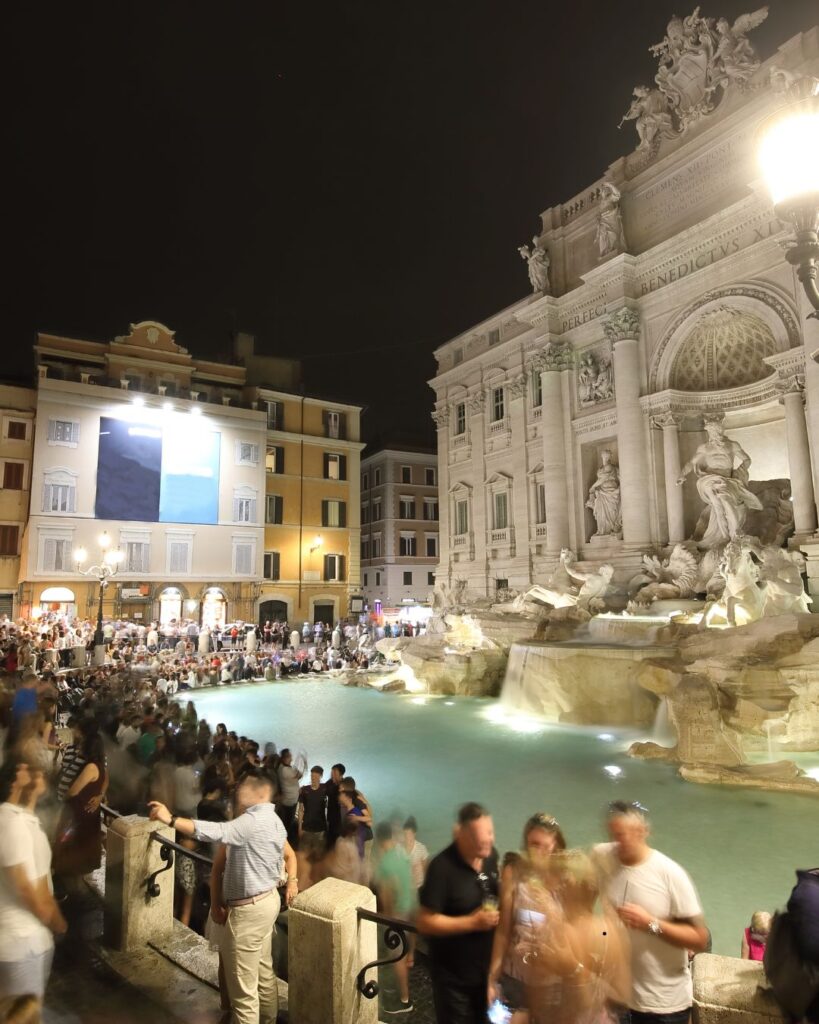
You do not need to walk around like a paranoid mess. Just adopt a few simple habits.
On the metro or a busy train, keep one hand resting on your bag. That is it. Just that small physical connection makes you a harder target.
When you sit at a café, do not put your phone on the table. Do not hang your bag on the back of your chair. Keep it on your lap or loop the strap around your leg.
If someone approaches you with a petition, a map, or a child selling flowers, just say no firmly and keep walking. You are not being rude. You are protecting yourself.
And here is a phrase that can save you. Attenzione, borseggiatore. It means attention, pickpocket. If you feel a hand where it should not be, yell this. The thief will disappear into the crowd immediately because no one wants to get caught.
What to do if you catch someone in the act
First, do not grab them. Many pickpockets work in groups, and the person you grab might have friends nearby. Physical confrontation is not worth it over a wallet.
Instead, create space. Move toward a shop, a ticket booth, or a group of police officers. Make noise. Yell that phrase we just talked about. The goal is to make yourself a very visible, very loud target. Thieves want quiet, easy marks. They will move on.
What to do if you are pickpocketed
It happens. And when it does, you need to act fast.
First, figure out exactly what is gone. Is it just cash? Your phone? Your passport? This tells you what steps to take next.
Second, cancel your credit cards immediately. If you saved those photos and phone numbers like I suggested, you can do this from your phone in two minutes.
Third, look around the immediate area. Sometimes thieves take the cash and dump the wallet in a nearby trash can or planter. It sounds strange, but many people find their IDs and cards a few blocks away.
Fourth, file a police report. You need this for insurance claims and for getting a new passport. Go to any police station. The Polizia di Stato and the Carabinieri both handle theft reports. If you are near a major tourist area, look for the tourist police. They are used to dealing with worried travelers and speak decent English.
Fifth, if your passport is gone, contact your embassy. The US, UK, Canadian, and Australian embassies in Rome can issue emergency passports. It is a hassle, but it is fixable.
Sixth, get emergency cash. If you have no cards left, use Western Union to send yourself money. It takes about fifteen minutes and there are locations all over Italian cities.
One last thing. Do not let this ruin your trip. Seriously. I have seen people lose a twenty euro wallet and then spend the next three days angry and suspicious. That is not what you came to Italy for. Deal with the problem and then get back to eating gelato.
A few myths worth busting
People love to say that Naples is the most dangerous city for pickpockets. The truth is that Rome has the highest numbers simply because it has the most tourists.
Another myth is that only young men are pickpockets. In reality, women, teenagers, and even elderly people are often part of these groups. They look harmless, which is exactly the point.
And no, most pickpockets do not use knives. That is largely a rumor. Could it happen? Sure. But the overwhelming majority of thefts involve no weapon and no violence. You will not feel a thing until you reach for your wallet and it is gone.
How to actually enjoy Italy without constant fear
Here is the mindset shift that changes everything.
Do not think of yourself as a potential victim. Think of yourself as someone who has done their homework. You know the tricks. You know the hotspots. You have your bag clipped, your money hidden, and your phone number saved in case of emergency.
The vast majority of people who visit Italy never lose a thing. They have wonderful trips. They eat too much pasta and drink too much wine and take terrible photos of the Colosseum at sunset.
You will be one of those people.
Just keep your bag in front of you on the metro. Keep your passport in the hotel safe unless you absolutely need it. Keep a dummy wallet in your pocket if it makes you feel better. And then let yourself relax.
Italy is not a dangerous place. It is a beautiful, chaotic, wonderful place where you need to keep your wits about you, same as any major tourist destination in the world.
Your before you go checklist
- Here is a quick list to save or screenshot.
- Buy a cross body bag with locking zippers.
- Pack a hidden money pouch.
- Make a dummy wallet with a few old cards and some small cash.
- Take photos of your passport and credit cards.
- Save the international number for your bank.
- Download offline maps of the cities you are visiting.
- Put an AirTag in your luggage.
- Practice saying Attenzione, borseggiatore a few times so it does not feel weird.
- And then pack your bags and go have the time of your life.
Related Post: This is the type of bag you should pack for Italy
Again, feel free to go through the list below of my Italy recommendations that I have crafted after years of travel to this beautiful country:
- Packing List: Things Not to Go to Italy Without
- Must-Do Things: Unforgettable Experiences
- Where to Stay: Best Hotels in Italy.
- Where to Stay in Rome: Rome’s Best Neighborhoods
- Where to Stay in Florence: Picking the Best Area
- Where to Stay in Venice: Venice’s Best Districts
- Italy’s Cobblestone Streets: Best Shoes For the Job
- Backpack or Suitcase?: Italy Luggage Guide
- Travel Insurance: Always Be Covered
- E-Sim: Be Connected At All Times