
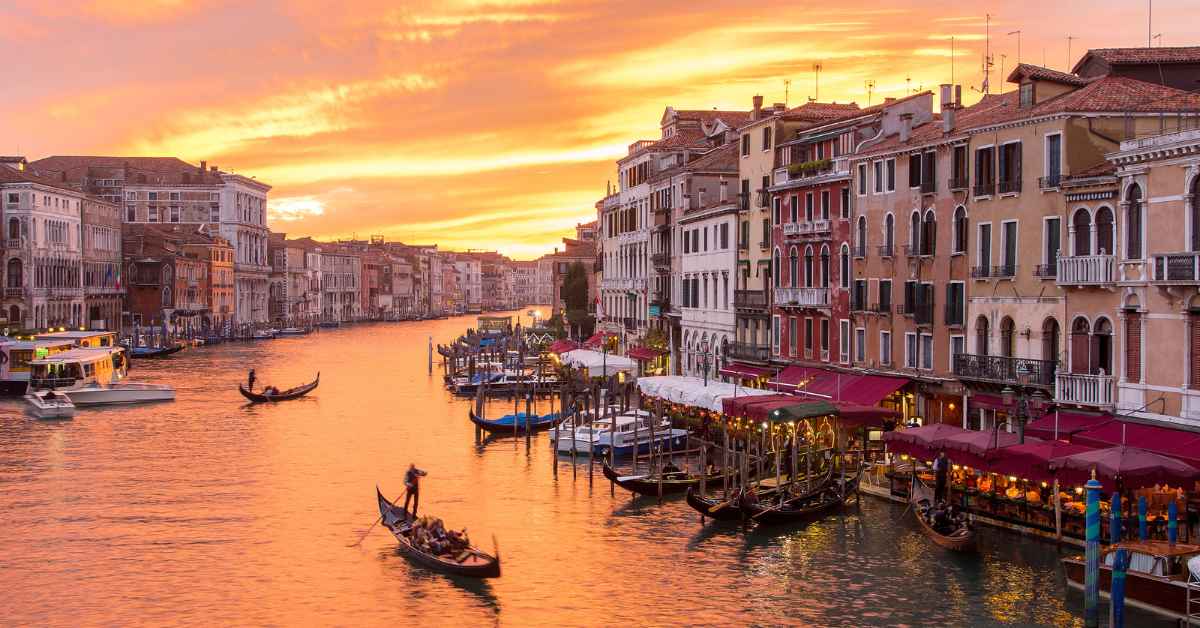
By the time you finish your first plate of pasta in Rome or sip an espresso in a tiny Venetian piazza, you’ll understand why Italy is a traveler’s paradise. But here’s the thing: paradise has rules. And breaking those rules—often without even knowing it—can turn your dream vacation into a frustrating, expensive, and embarrassing mess.
I’ve spent years wandering Italy’s back lanes and busy piazzas, and I’ve seen smart travelers make the same simple mistakes over and over. The good news? Every one of them is avoidable. Let me walk you through the most common pitfalls, so your Italian adventure is filled with memories of golden light and good wine, not regrets and wasted time.
Eating at Tourist-Trap Restaurants
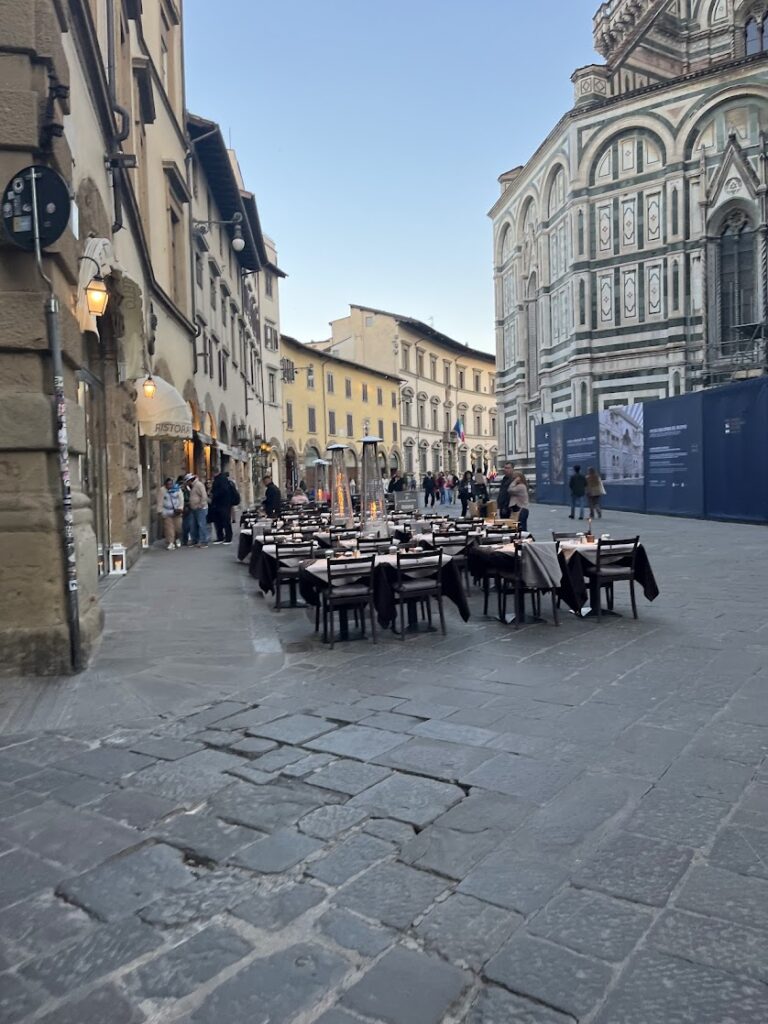
The piazza in front of the Florence Duomo is spectacular. But the restaurants ringing it? They’re counting on you being too tired to walk ten minutes. Their menus have photos, laminated pages, and a guy out front calling, “Ciao, bella, best pizza!” Run the other way.
These places serve frozen, overpriced food to people who don’t know better. Meanwhile, just a few blocks away, a family-run trattoria serves handmade pasta for half the price.
Look for the words “Osteria” or “Trattoria” instead of “Ristorante.” Check if the menu is handwritten or changes daily. And peek inside: if you hear Italian being spoken by the customers, you’ve found gold.
Ordering a Cappuccino After 11 AM
In America, we drink milk-foam coffee all day long. In Italy, that’s unthinkable. Italians believe milk is for breakfast—it’s heavy, it fills you up, and it interferes with digestion after a meal. Order a cappuccino at 4 PM, and you might as well wear a neon sign that says “tourist.”
But it’s worse than that. You’ll silently annoy the barista and mark yourself as someone who hasn’t bothered to learn local customs. The elegant solution? Drink espresso. It’s small, strong, and acceptable any time of day or night. Or try a “caffè macchiato”—espresso with a tiny spot of milk. After dinner, a “caffè corretto” (espresso “corrected” with a splash of grappa) is a local favorite.
And one more thing: always pay for your coffee at the register first, then show the receipt to the barista. Trying to pay after drinking will confuse everyone.
Overplanning Every Minute
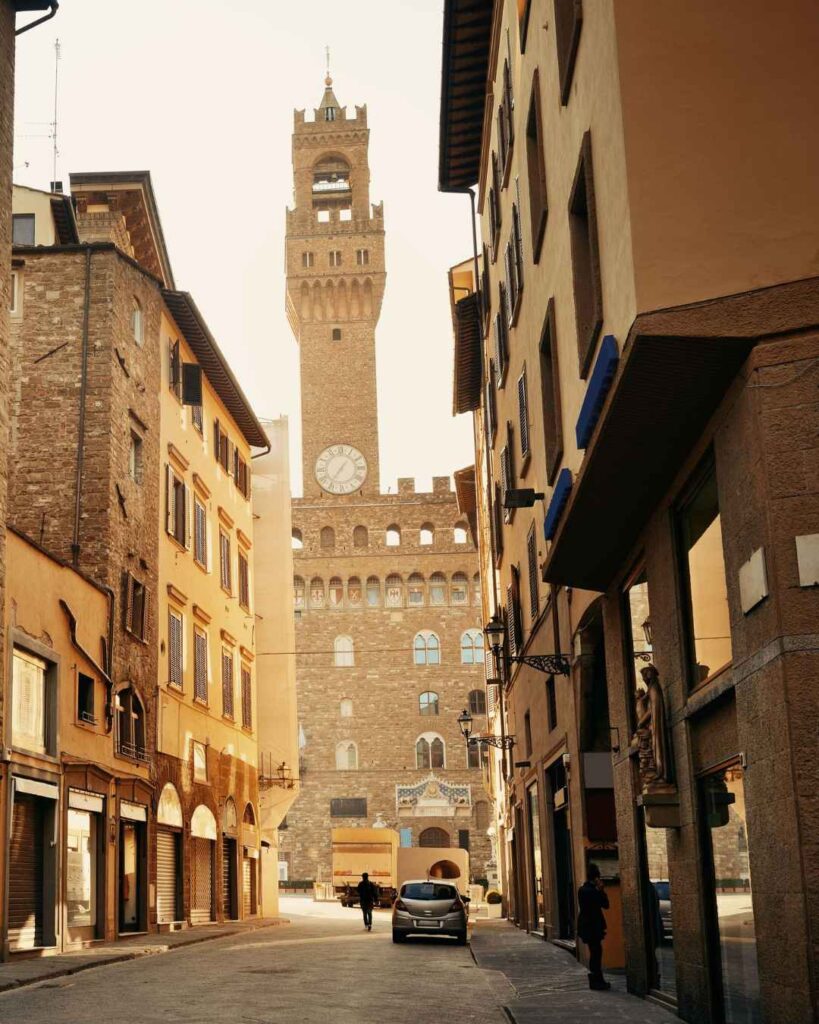
I meet travelers who have scheduled their Florence visit down to fifteen-minute increments: Accademia at 9:00, Duomo climb at 10:15, Uffizi at 11:30, lunch at 1:00, and so on. By 2 PM, they’re exhausted, snapping at each other, and secretly wishing they’d stayed home.
Italy is not a checklist. It’s a country that rewards wandering, lingering, and saying “yes” to unexpected adventures. That little alley with the laundry hanging above? Follow it. The old man playing accordion in a hidden courtyard? Sit and listen for a while.
Plan two or three things per day, maximum. Leave the rest to serendipity. Your best memories will come from the unplanned moments—not the ones you bought tickets for six months in advance.
Renting a Car in Big Cities
I love driving through the Italian countryside. The hills of Tuscany, the lakes of Lombardy, the rugged coasts of Calabria—a car gives you freedom. But driving in Rome, Florence, or Naples is a special kind of self-punishment.
Here’s the real danger: ZTL zones. That stands for “Limited Traffic Zone,” and they’re everywhere in historic city centers. If you accidentally drive into one, an automatic camera snaps your license plate, and weeks later, you’ll receive a fine for €150 or more—often multiplied by several entries. Rental car companies will happily charge your credit card, plus a “processing fee,” and there’s almost no way to fight it.
Beyond fines, parking is a nightmare, streets are narrower than your driveway, and Italian city driving requires an assertiveness most Americans don’t have.
The smarter move: take high-speed trains between cities. Italy’s Frecciarossa and Italo trains are fast, comfortable, and affordable. Inside cities, walk or use taxis and public transit. If you want a countryside drive, rent the car for one or two days, pick it up at a train station outside the historic center, and return it the same way.
Not Validating Your Train Ticket
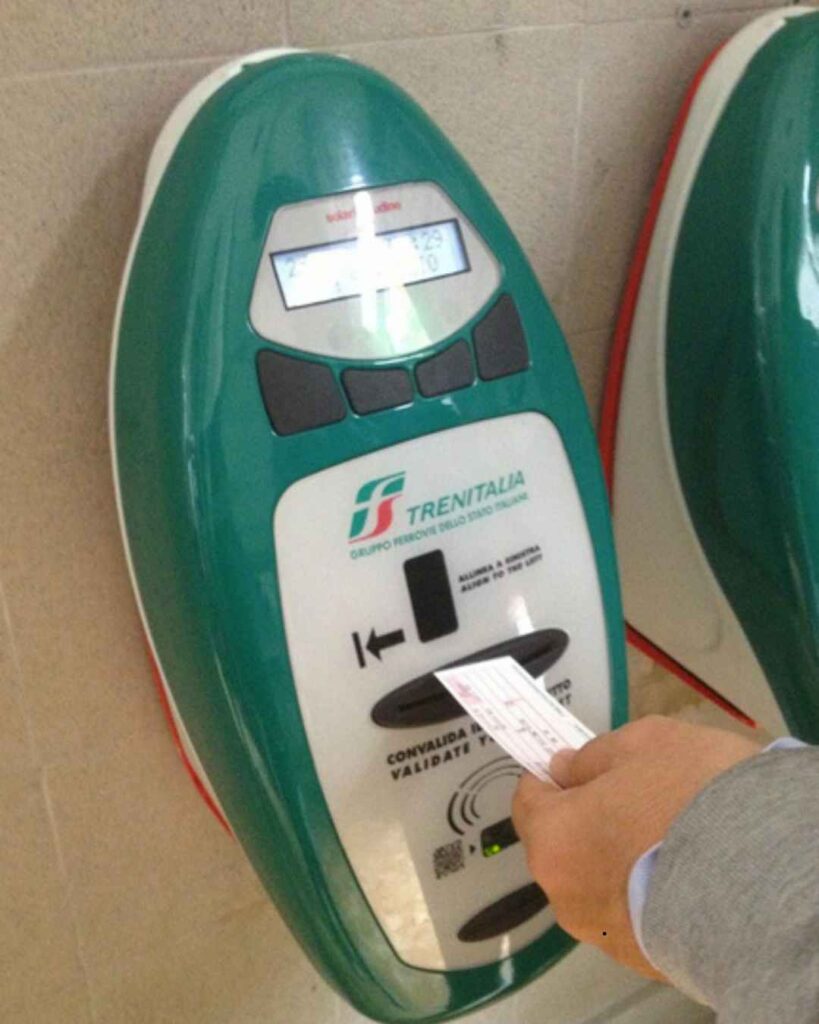
This mistake is so common, and so painful, that I mention it in every single guidebook I write. Here’s how it works: you buy a regional train ticket. You board the train. You sit down, feeling proud of yourself. Then a conductor comes by and asks to see your ticket. You show it. He shakes his head, writes you a fine—usually €50 to €200—and explains coldly that you forgot to validate.
Validation is simply stamping your ticket in a little green or yellow machine on the platform before boarding. The machine prints the date and time, proving you haven’t reused an old ticket. Forget to do it, and as far as the railway is concerned, you’re riding without a valid ticket.
The exception? High-speed trains (Frecciarossa, Italo, Intercity) have assigned seats and digital tickets that are already validated when you book. But for any regional train, always, always validate.
Pro tip: if all the machines are broken (common at smaller stations), write the date and time in pen on the ticket, take a photo, and find the conductor immediately to explain.
Dressing Like a Stereotypical Tourist
I’m not saying you need to wear designer clothes and leather shoes. But walking around Rome in flip-flops, a baseball cap, and a fanny pack does two things: it marks you as an easy target for pickpockets, and it quietly offends Italians who take pride in looking put-together.
There’s a practical side, too. Most Italian churches—including St. Peter’s in Rome, the Duomo in Florence, and San Marco in Venice—will deny you entry if your shoulders or knees are exposed. I’ve watched tearful tourists turn away at the door because they wore tank tops and shorts.
The solution is simple: pack light, neutral, breathable fabrics. A modest scarf in your bag can cover bare shoulders in seconds. Comfortable walking shoes are non-negotiable (cobblestones will destroy cheap sneakers). And leave the university sweatshirt at home. You’ll feel more confident, and locals will treat you more warmly. For more on this topic, check out this post.
Falling for Common Scams
Italy is safe, but tourist zones attract petty criminals with creative tricks. The most famous is the friendship bracelet. A smiling man approaches you, says, “Free gift for you,” ties a colored string around your wrist, then demands €20 to cut it off. Another classic: a “helpful” stranger at a train station ticket machine offers to assist you, then grabs your change and runs.
Outside the Colosseum, men in gladiator costumes will pose for a photo with you—then demand payment afterward. And in taxis, a broken or “forgotten” meter means you’ll pay triple the fair price.
The defense is simple: say “No, grazie” firmly and keep walking. Don’t explain, don’t argue, don’t engage. For taxis, use official apps like FreeNow or itTaxi, or ask your hotel to call a licensed taxi. And at train stations, use the official Trenitalia or Italo apps to buy tickets on your phone—no ticket machine interaction required.
Assuming Everyone Wants to Speak English
Italians are famously friendly and forgiving. But there’s a limit. If you walk into a shop and bark, “DO YOU SPEAK ENGLISH?” without so much as a “buongiorno,” you’ve started the conversation on the wrong foot.
Learning just five simple phrases changes everything. Start with “Buongiorno” (good morning) or “Buonasera” (good evening). Follow with “Permesso?” (excuse me, may I pass?). When you need to ask if someone speaks English, say “Parla inglese?”—polite and direct. And always end with “Grazie mille” (a thousand thanks).
I’ve seen grouchy shopkeepers melt into smiles when a traveler makes a small effort. It’s not about fluency. It’s about respect. And in Italy, respect opens doors that money cannot.
Visiting Major Sites Without Reservations
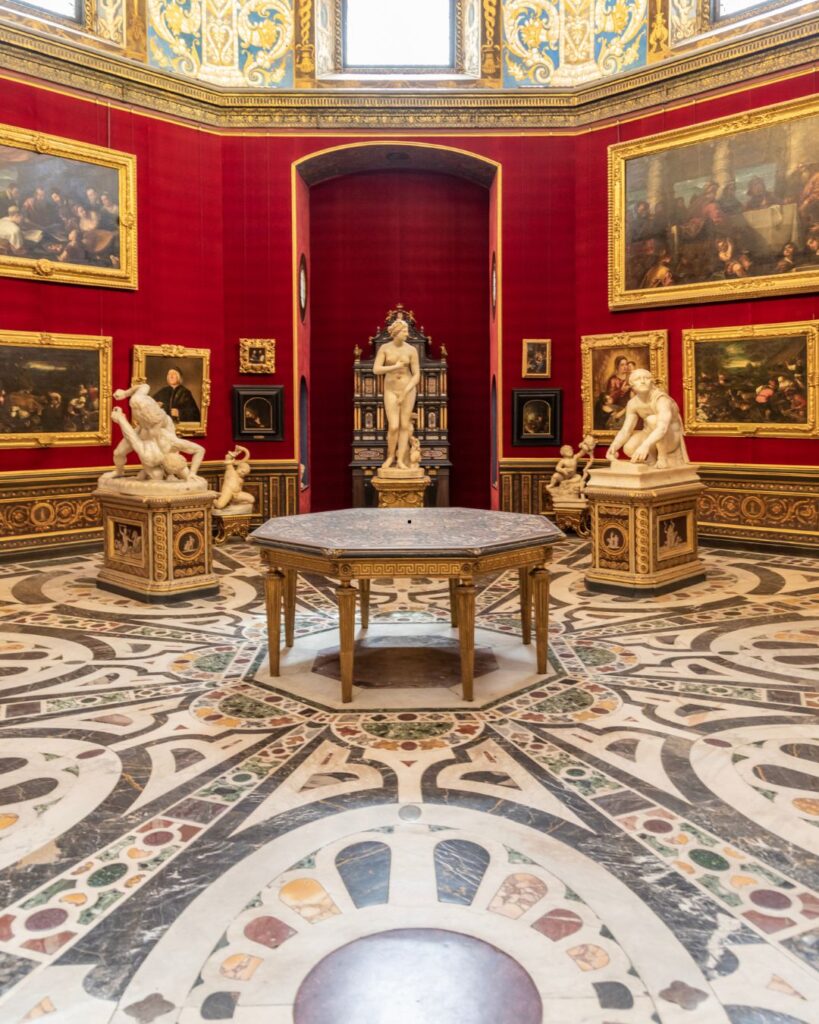
Imagine flying all the way to Milan to see Leonardo da Vinci’s “The Last Supper,” only to be told at the door that tickets are sold out for the next two weeks. I’ve watched this happen. It’s heartbreaking.
Italy’s top sights—the Colosseum, the Uffizi Gallery, the Borghese Gallery, the Vatican Museums, the Accademia’s David—require advance reservations. Not “suggest.” Require. Walk-up lines can last three hours or more, and for some sights, there are no walk-up tickets at all.
The good news is that booking is easy. Go to each sight’s official website (not a reseller) and reserve a timed entry, often for a small fee above the ticket price. Or book a small-group guided tour that includes skip-the-line access. Either way, do it before you leave home. For the most popular sights, book at least two months ahead.
And a special warning: the Colosseum, Roman Forum, and Palatine Hill share a combined ticket. But you must book a specific time for the Colosseum. Many travelers show up with the wrong reservation and are turned away.
Tipping Incorrectly
Americans over-tip. I’m guilty of it myself. In Italy, a service charge called “coperto” (cover charge) or “servizio” is already added to your restaurant bill. That’s the tip. Waiters are paid a living wage and don’t depend on gratuities.
Leaving 20% on top of a bill that already includes service is unnecessary and confusing. What do Italians do? They might round up to the nearest euro at a café, or leave a couple of euros for excellent service. For a nice dinner, leaving €2–5 is generous. For baggage porters at train stations or hotels, €1–2 per bag is appropriate.
The one place you should never tip extra is at a hotel or restaurant where service was poor. Tipping is for appreciation, not obligation. And never tip with coins smaller than 50 cents—that’s considered insulting.
Not Understanding Store and Meal Timing
You arrive in Naples at 2 PM, hungry and ready to shop. But every small shop has its metal gate pulled down. Restaurants look dark inside. You panic, thinking the city is closed.
It’s not. It’s riposo—the afternoon break. From roughly 1 PM to 4 PM, many shops close, and families go home for lunch and a rest. Dinner in Italy starts at 7:30 PM at the earliest. Most restaurants won’t even open their kitchens until 7:00 PM. If you try to eat dinner at 6 PM, you’ll find locked doors or confused staff.
The solution is to adjust your rhythm. Have a late morning coffee, a proper lunch at 1 PM, a snack in the late afternoon, and dinner at 8 PM. Shop before 1 PM or after 4 PM. And if you’re truly hungry during riposo, look for a “forno” (bakery) or “paninoteca” (sandwich shop)—those often stay open.
Touching Produce in Outdoor Markets
You see a beautiful pile of peaches at an open-air market in Bologna. You reach out to squeeze one, just like you do at the grocery store back home. The vendor slaps your hand away—not out of rudeness, but because in Italy, customers don’t touch the produce.
Why? Hygiene, respect, and tradition. The vendor selects the best pieces for you while wearing gloves. Squeezing fruit damages it for the next customer. Instead, point and say, “Posso prendere due?” (May I take two?) or simply “Due, per favore.” The vendor will choose, weigh, and bag everything for you.
This rule applies to bread, cheese, and cured meats as well. At a salumeria, ask for “un etto” (100 grams) or “due etti” (200 grams) and let the professional do the work. You’ll get better quality, and you’ll earn respect.
Ignoring Pickpocket Hotspots
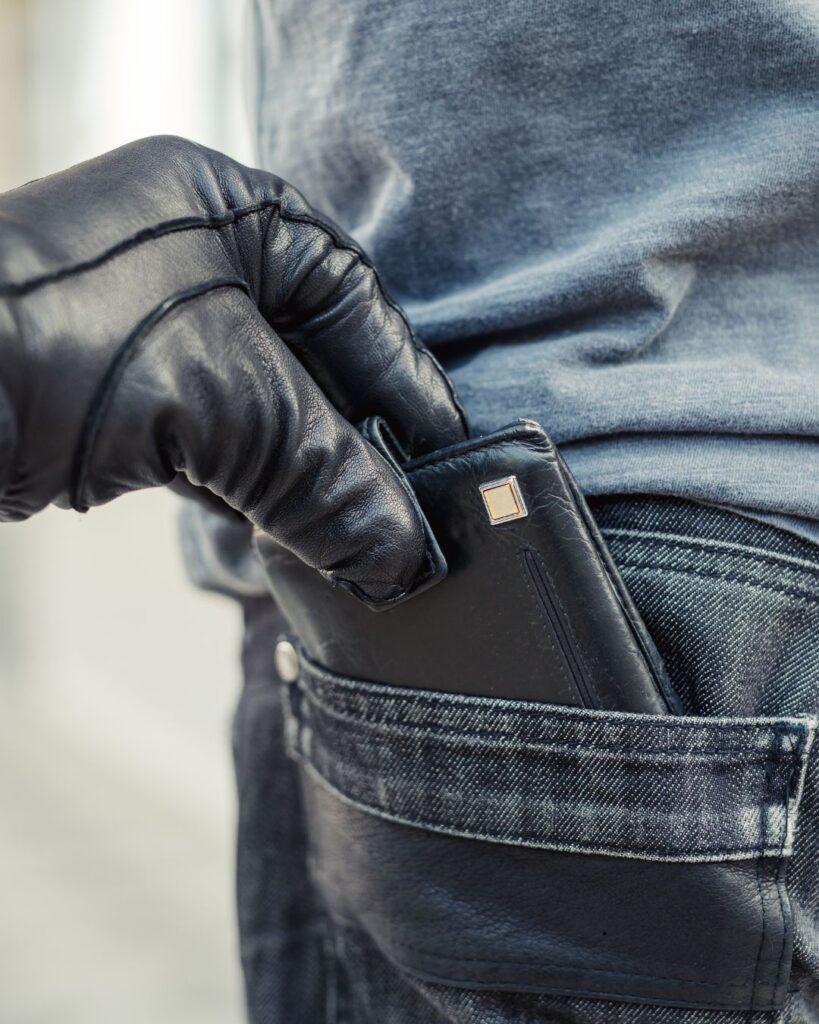
Pickpockets in Italy are not desperate criminals. They’re skilled professionals who work in teams. They prey on distracted tourists in crowded places: the Rome Metro at rush hour, the queue for the Vatican Museums, the narrow bridge of the Rialto in Venice, the square in front of the Naples Central Station.
Their methods are subtle. One person bumps into you while another lifts your wallet. A child holds a cardboard sign over your bag while a woman reaches underneath. A “helpful” person points at a bird dropping on your shoulder—then grabs your phone while you look away.
Defense is a habit, not a gadget. Wear a cross-body bag with the zipper in front of you. Keep your wallet in your front pocket, not your back. In a crowd, put your hand over your bag. Don’t carry a backpack unless it’s locked or you wear it on your chest. And leave your passport in the hotel safe—carry a photocopy.
If you feel someone reaching, shout “AIUTO!” (help). The noise alone will scare them off. But never fight or chase. Things can be replaced. You cannot. For more on how to protect yourself from pickpockets, check out this post.
Expecting Italian Time for Trains
Italy’s train system is excellent, but punctuality depends on where you are. In the north—Milan, Venice, Bologna, Florence—trains are generally on time. In the south—Naples, Bari, Palermo—delays of 15 to 30 minutes are common. On regional lines in Sicily or Calabria, a train might be an hour late.
The mistake is scheduling tight connections. If your train from Rome arrives in Naples at 9:30 AM and your ferry to Capri leaves at 9:45 AM, you will miss that ferry. I guarantee it.
Build in buffer time. For important connections, leave at least 45 minutes between arrival and departure. Download the Trenitalia app for real-time updates, and learn to read the departure boards. A train marked “in orario” is on time. “In ritardo” means delayed, with the new time listed beside it.
And a final train tip: high-speed trains are worth the extra cost. Regional trains are slow, crowded, and often unair-conditioned. Spend the €10 or €20 more for a reserved seat on a Frecciarossa. Your back and your sanity will thank you.
Buying Fake Authentic Souvenirs
Every tourist shop in Italy sells the same junk: plastic Colosseum keychains, glow-in-the-dark leaning towers of Pisa, and leather masks that are actually made in China. These items fall apart within a year, and they support the kind of tourism that ruins historic centers.
Real souvenirs require a little hunting. Look for shops with signs saying “Artigianato” (handicrafts) or “Fatto a mano” (handmade). In Deruta, near Assisi, you’ll find world-famous ceramics. In Florence, look for hand-tooled leather and marbled paper. In Tuscany, buy a small bottle of local olive oil or a kitchen tool carved from olive wood.
The best souvenirs are consumable: a jar of pesto from Liguria, a wedge of pecorino cheese from Sardinia, a bag of dried porcini mushrooms from Umbria. They’re light, authentic, and delicious. And every time you use them at home, you’ll remember your trip.
Related post: Never do these things in Italy. They are illegal.
Conclusion
Italy is generous with its beauty, its food, and its people. But it expects something in return: attention, respect, and a willingness to slow down. The travelers who leave frustrated are the ones who rush, assume, and ignore local customs. The ones who leave transformed are the ones who learn a few phrases, validate their train tickets, and say no to the gladiator photo.
You don’t need to be perfect. Italy forgives honest mistakes. But the more of these pitfalls you avoid, the more magic you’ll find around every corner.
So go ahead. Plan that trip. Eat the gelato. Get lost in the back streets. Just remember to stamp your ticket first. And for goodness’ sake, skip the cappuccino after lunch.
NOTE BEFORE YOU GO: Italy rewards travelers who go prepared. And it is easy to ruin your trip. I have a checklist for you of things you should never go to Italy without. CHECK IT OUT HERE. I have also curated a list of some of the best hotels in Italy. I would highly recommend checking them out before booking. THESE ARE THE BEST HOTELS IN ITALY. And for unique experiences, attractions, and tours, don’t book before CHECKING THIS OUT. Thank me later!