
Rome is the kind of city that breaks you in the most beautiful way possible. You arrive with your carefully curated list of must-see attractions, your meticulously planned itinerary, and your reasonable expectations about what a city should be. Within hours, Rome has laughed at your plans, seduced you with its chaos, and left you wondering how you ever thought you could control anything.
It is magnificent, maddening, and utterly unforgettable. But for every traveler who falls hopelessly in love with the Eternal City, there is another who leaves feeling defeated and resentful. The difference between these two experiences is rarely about luck. It is about preparation, attitude, and avoiding the mistakes that turn a dream vacation into a cautionary tale.
The following are the mistakes you shouldn’t do when visiting Rome:
1. Failing to Book the Vatican Museums and Colosseum in Advance
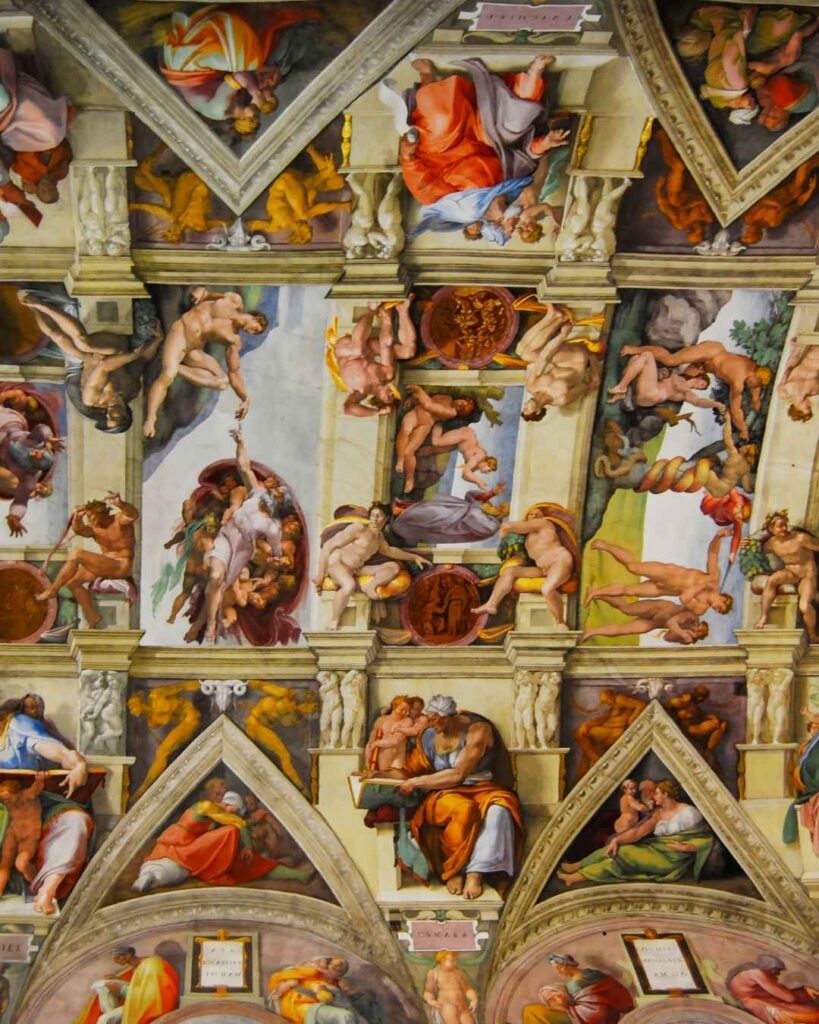
The Vatican Museums are among the most visited attractions on Earth, and the queues outside their walls have become legendary for all the wrong reasons. Travelers regularly wait three, four, or even five hours in the blazing Roman sun, shuffling forward at a glacial pace while their enthusiasm evaporates with every drop of sweat.
By the time they finally enter the Sistine Chapel, they are too exhausted and frustrated to appreciate the breathtaking artistry that surrounds them. This is entirely avoidable, yet thousands of people make this mistake every single day.
The solution is brutally simple. Book your tickets online before you leave home, choose a specific time slot, and walk past the miserable queue like someone who knows the secret handshake. If you really want to elevate the experience, consider the early morning breakfast tour that allows you to enter the museums before they open to the general public.
You will pay more, certainly, but you will experience the Sistine Chapel in near solitude while the sun rises over Rome. That extra expense transforms what could be a soul-crushing ordeal into one of the most magical mornings of your life.
2. Eating at Restaurants Near Major Landmarks
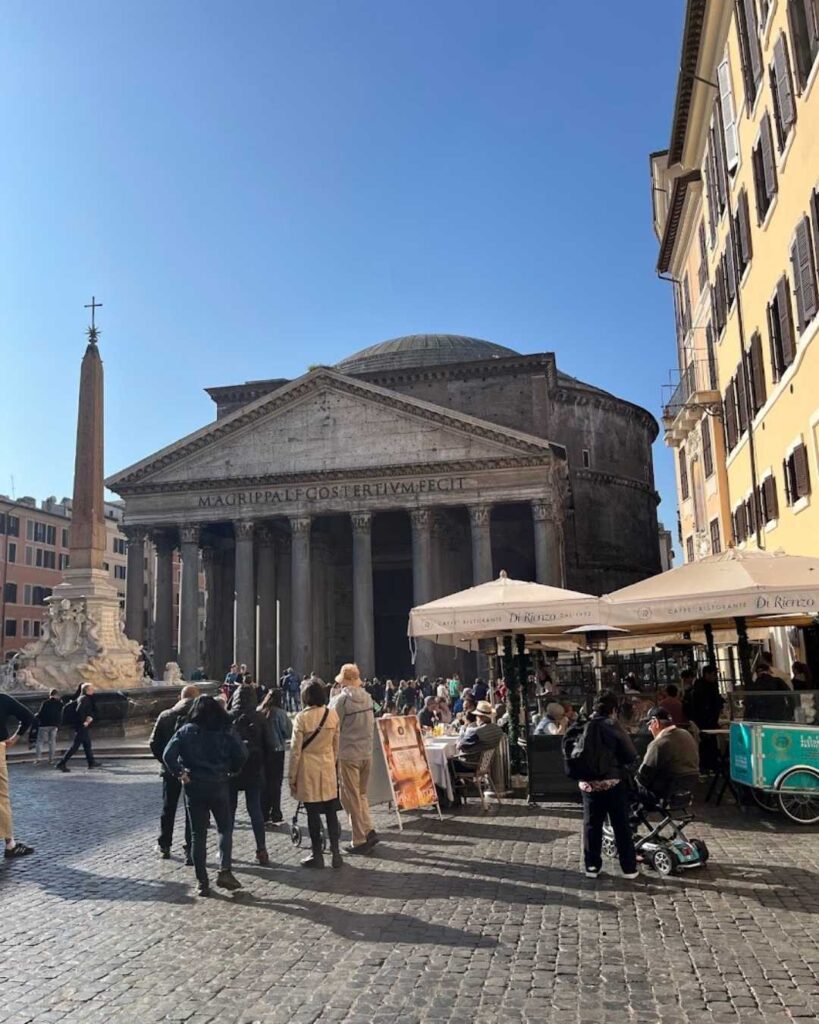
The restaurants clustered around the Pantheon, the Trevi Fountain, and the Colosseum look undeniably charming. Their waiters stand outside with laminated menus and warm smiles, beckoning you with promises of authentic Roman cuisine. These establishments are designed for one purpose, extracting maximum profit from customers who will never return.
The food is mediocre at best, often pre-prepared and reheated, while the prices are inflated to take advantage of your hunger and exhaustion. I have watched countless travelers sink into these places with relief, only to emerge looking vaguely disappointed, having paid a fortune for pasta that could have come from a supermarket shelf.
The secret to eating well in Rome is to walk away from the landmarks. Find the neighborhoods where Romans actually live, Testaccio, Trastevere, and Monti, and eat where they eat. In Testaccio, you will find the true soul of Roman cuisine, the working-class neighborhood that gave birth to dishes like cacio e pepe and carbonara.
In Trastevere, the winding streets open onto lively piazzas filled with diners and musicians. The best establishments are easily identified by the presence of Italian voices and the absence of waiters standing outside with menus. If you have to be lured in, it is probably not worth your time.
3. Not Giving Rome Enough Time
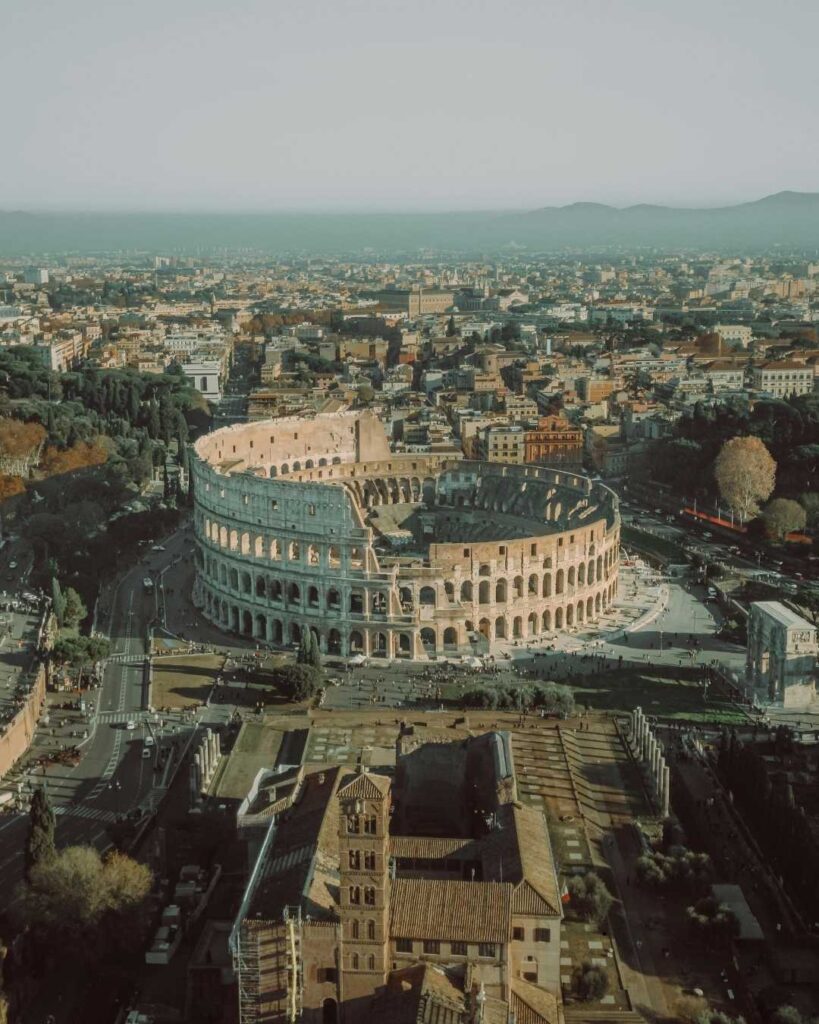
Rome cannot be rushed. It is not a city that reveals itself in a day or two, no matter how efficiently you plan your itinerary. Travelers who allocate just forty-eight hours for the Eternal City find themselves running frantically from the Colosseum to the Vatican, checking boxes without actually experiencing anything.
They leave exhausted, having seen the highlights but understood nothing of Rome’s soul. This mistake is heartbreaking because Rome rewards those who slow down and allow themselves to be absorbed by its rhythm.
The city needs at least four full days to even begin to feel manageable. You need time to wander without purpose, to sit in a piazza and watch the world go by, to get lost in the winding streets of Trastevere and discover something unexpected. Rome is not a museum to be conquered; it is a living city to be lived in.
4. Falling for the Trevi Fountain Scams
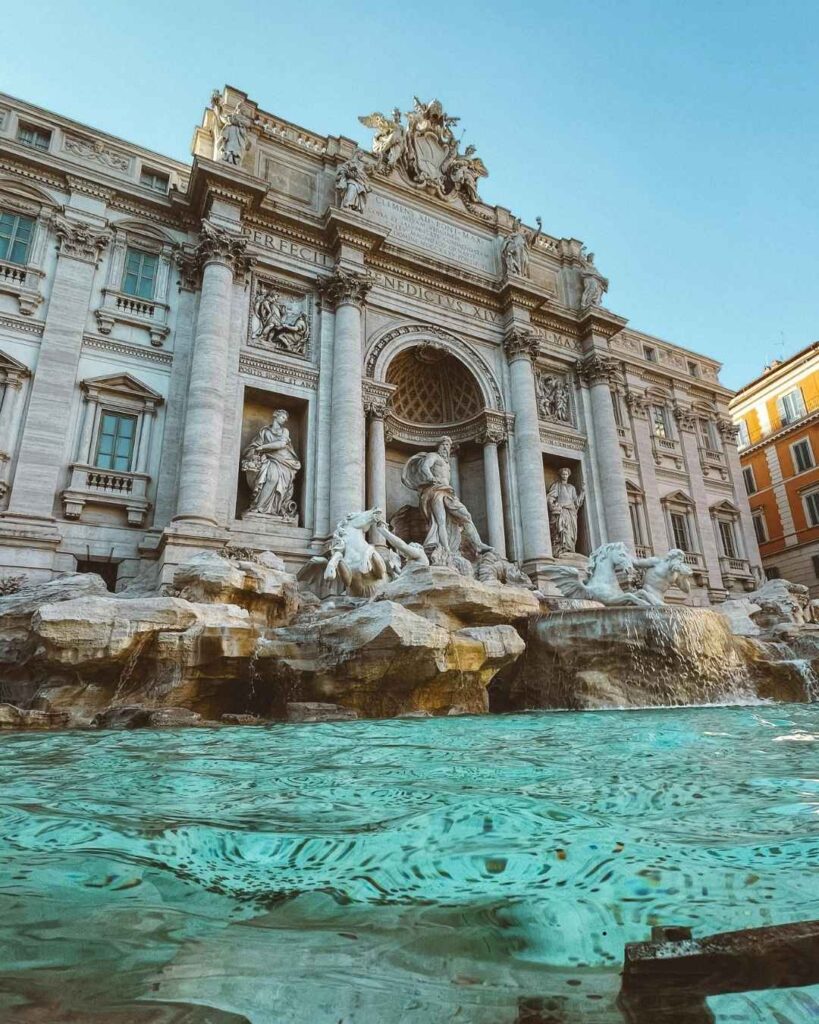
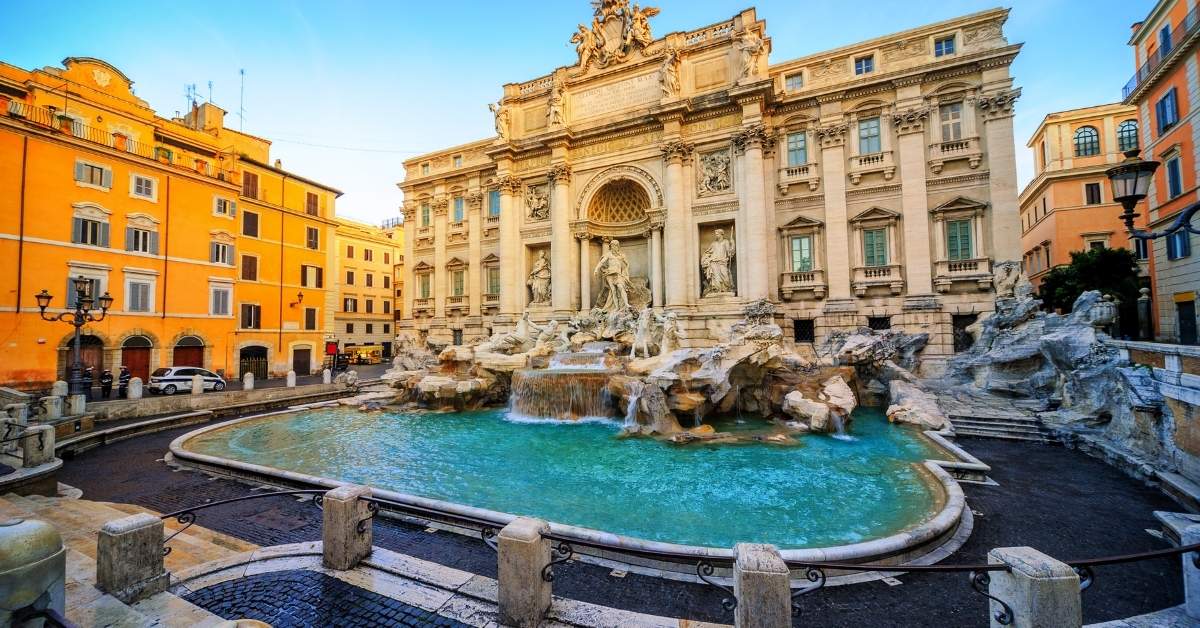
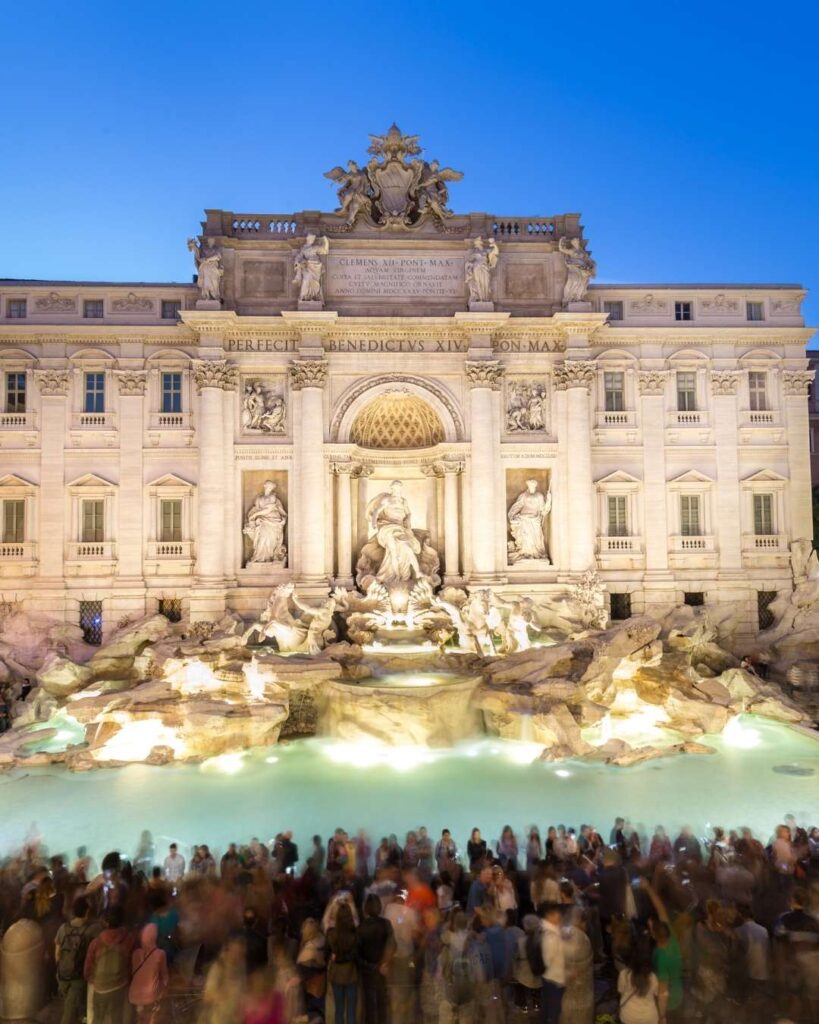
The Trevi Fountain is the most beautiful fountain in the world, a baroque masterpiece that emerges from the surrounding buildings like a theatrical set. Thousands of people pack into the small square every hour, jostling for position, taking selfies, and tossing coins over their shoulders. It is chaotic, overwhelming, and absolutely essential.
But the surrounding area is filled with men who approach tourists offering flowers, small trinkets, or the opportunity to take their photograph. These men are not being friendly. They are running an elaborate scam designed to intimidate you into paying for something you never requested.
They will press a rose into your hand with a smile, then become aggressive and insistent when you refuse to pay. Do not accept anything from anyone in the Trevi Fountain area. Give back whatever is pressed into your hand and walk away immediately without engaging or arguing.
The best time to visit the fountain is early in the morning, when the crowds are thin, and the light is golden. Arrive at sunrise, toss your coin over your left shoulder with your right hand without looking back, and make your wish in peace. That simple ritual guarantees your return to Rome and saves you from an unpleasant confrontation.
5. Failing to Validate Your Public Transport Ticket
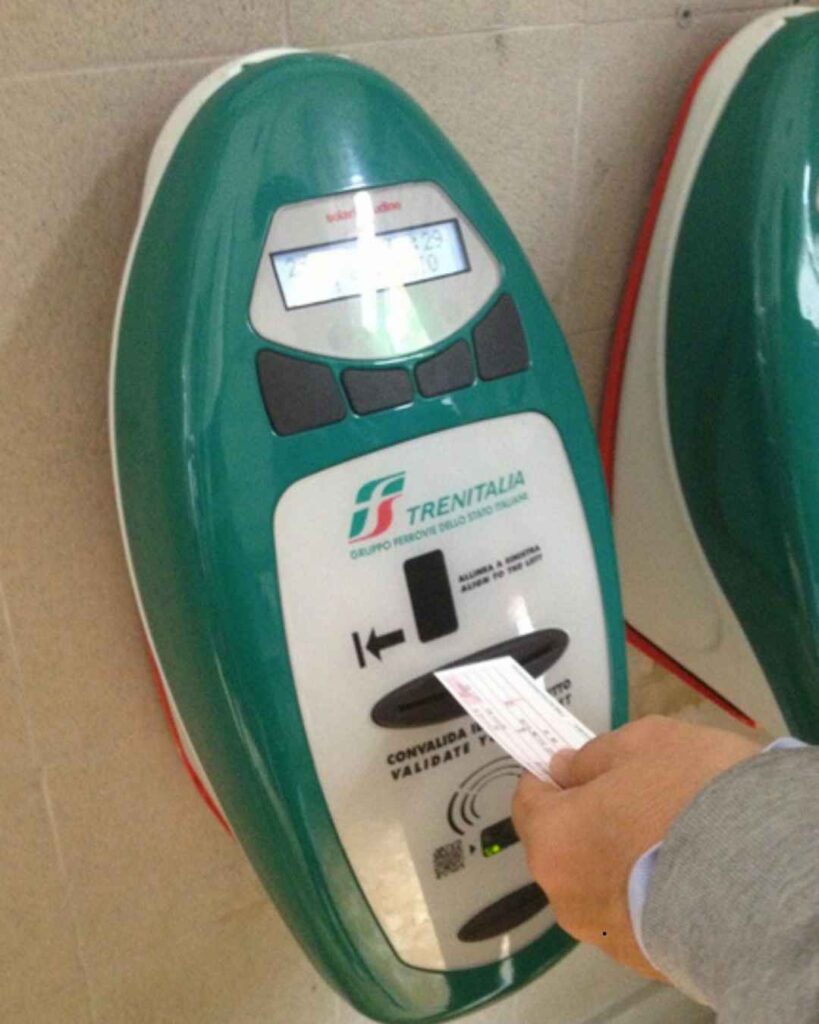
This is one of the most expensive mistakes you can make in Rome, and it happens constantly. You buy a ticket for the metro, bus, or train, you board the vehicle, and you assume everything is fine. But in Italy, a ticket is not considered used until it has been validated in the machine provided.
On buses and trams, you will find small yellow or white boxes near the doors. On trains, the validation machines are located on the platforms before you board. Failing to stamp your ticket is essentially the same as not having a ticket at all.
The inspectors know this perfectly well, and they patrol frequently with no tolerance for excuses. They have heard every story imaginable, and they genuinely do not care. The fine can be hundreds of euros, payable on the spot, and it has ruined more than a few Roman holidays.
The solution is absurdly simple. Validate your ticket the moment you board the bus or step onto the train platform. Make it a habit. Do not wait, do not forget, and never assume that the ticket in your hand is enough. The machine is there for a reason, and using it takes less than five seconds.
6. Ignoring Pickpocket Risks on Public Transport

Rome has a pickpocket problem, and pretending otherwise is dangerous. The metro, particularly Line A and the Termini station, are notorious hotspots. The buses are equally risky, especially the crowded 64 bus that runs from Termini to St. Peter’s, a route so beloved by thieves that it has earned the nickname the pickpocket express.
These criminals are skilled and organized. They work in teams, creating distractions, jostling you in crowds, and slipping hands into your pockets or bags before you even realize anything has happened.
The solution is not paranoia but awareness. Keep your valuables in a money belt or a cross-body bag worn in front of you where you can see it. Do not keep your phone or wallet in your back pocket. When the metro is crowded, hold your bag against your chest and be suspicious of anyone pressing too close.
Men in particular should keep their wallets in front pockets, not back. The goal is not to be afraid, but to be alert. Thieves target people who look distracted or vulnerable. If you look like you know what you are doing and your belongings are secure, they will move on to an easier target.
Related: How to beat pickpockets at theor own game
7. Choosing the Wrong Neighborhood to Stay In
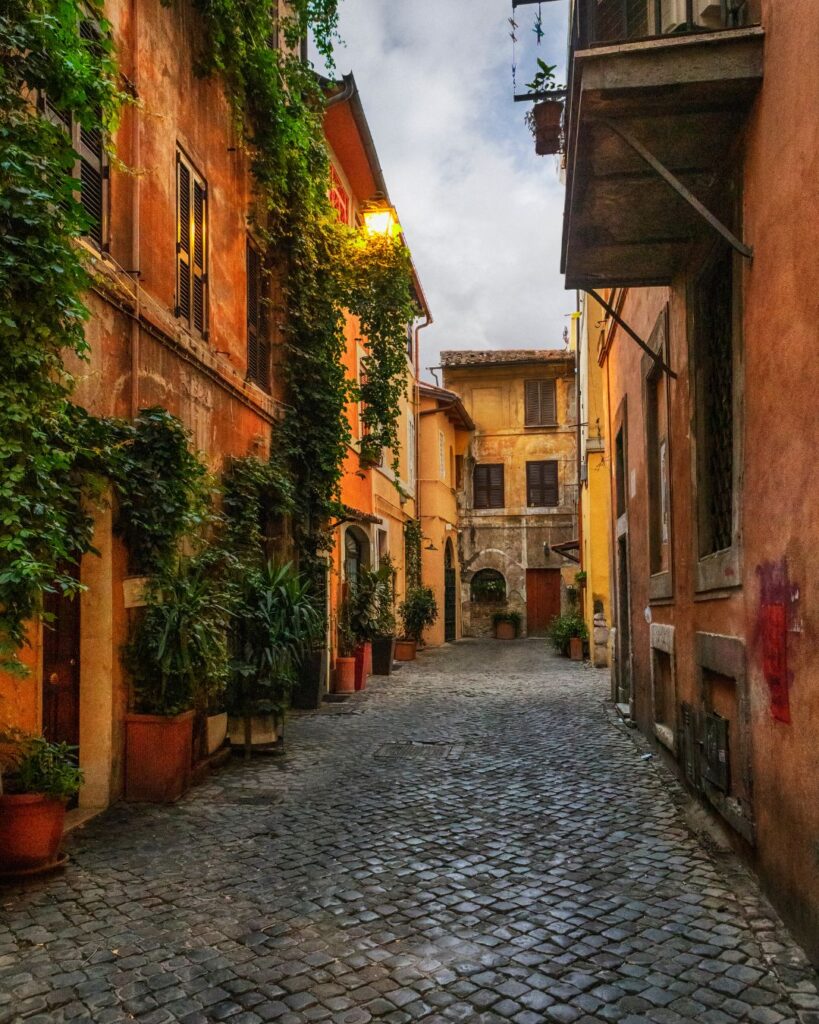
Where you stay in Rome dramatically shapes your entire experience. Many tourists choose hotels near Termini Station because it seems convenient and affordable. This is a serious error. The area around Termini is gritty, chaotic, and far from the city’s beauty.
You will spend your nights listening to traffic and your days commuting to the places you actually want to see. It is possible to stay there and still have a wonderful trip, but you are making everything harder than it needs to be.
The neighborhoods worth staying in are Trastevere, Monti, and the historic center near Piazza Navona. Trastevere offers charm and authenticity with its winding streets and vibrant nightlife. Monti is trendy and central, filled with boutiques and excellent restaurants while remaining relatively quiet.
The historic center puts you walking distance from almost everything you want to see, allowing you to experience Rome’s magic at all hours. Yes, these areas cost more, but the difference in your experience is worth every extra euro. You are not just paying for a bed, you are paying for atmosphere, convenience, and safety. For more details on which Roman neighborhood to stay in, check this post out.
8. Sitting on the Spanish Steps
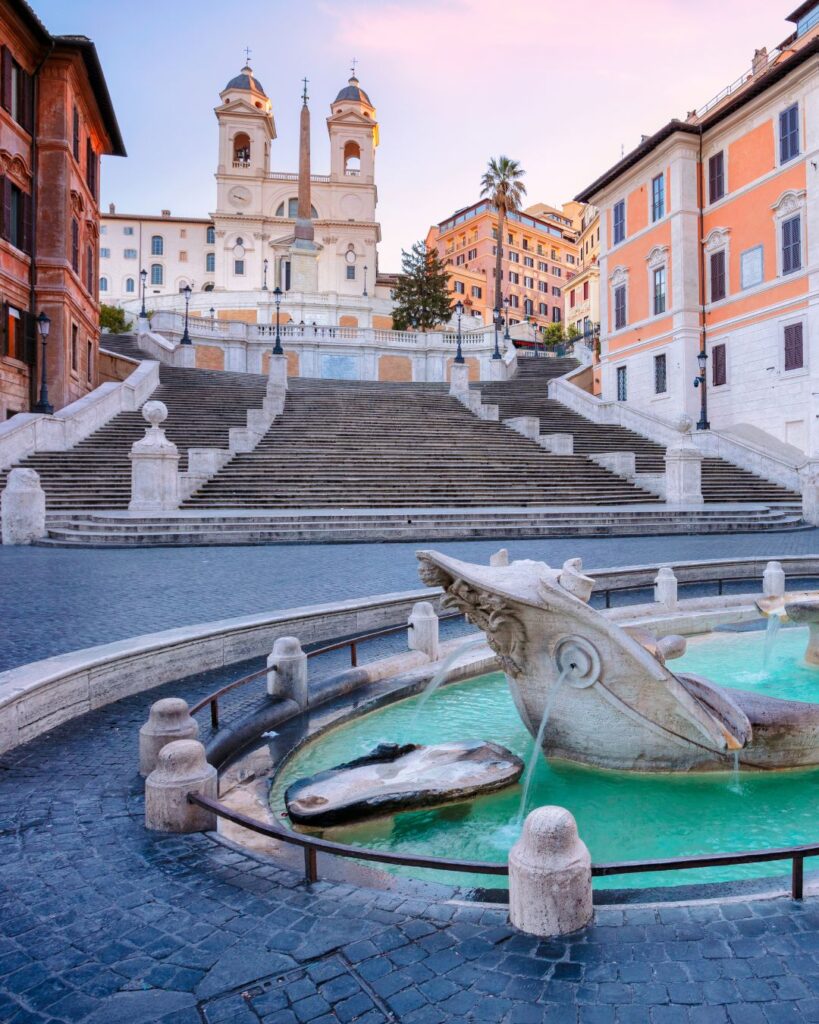
The Spanish Steps are a grand staircase connecting the Piazza di Spagna to the church above. They are beautiful, famous, and absolutely packed with tourists at all hours. But there is a rule about the Spanish Steps that catches many travelers completely off guard. You are not allowed to sit on them.
This regulation was introduced to protect the stonework from damage, and it is enforced with surprising rigor by the police who patrol the steps constantly, blowing whistles at anyone who dares to rest for a moment.
It seems petty, and it is, but the rule exists and ignoring it will result in an embarrassing public reprimand at best and a fine at worst. The same applies to the city’s many monumental fountains. You will see locals filling bottles from the small drinking fountains scattered around the city, and this water is perfectly safe and delicious.
But under no circumstances should you attempt to wash your feet, splash your face, or otherwise treat any monumental fountain as anything other than a work of art. The fountain police are ruthless about this, and the fines are substantial enough to ruin your day.
9. Choosing the Wrong Gelato Shop
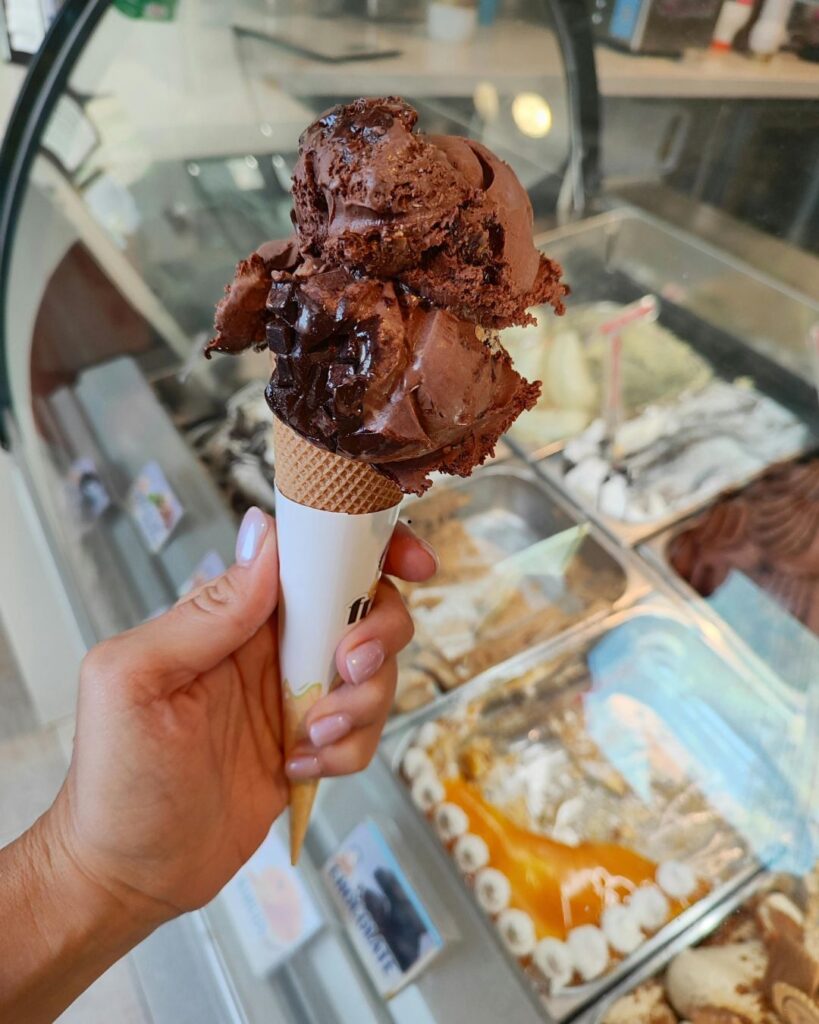
Rome has some of the finest gelato in Italy, but it also has endless mediocre shops that use artificial ingredients and charge premium prices. The bad shops display their gelato in towering piles that look beautiful but have been oxidized and degraded by exposure to air.
They use bright colors to attract attention, neon green for pistachio and vivid yellow for banana, but these artificial hues indicate the presence of chemical flavorings rather than natural ingredients. The quality of the gelato matters enormously, and choosing poorly means missing out on one of Rome’s greatest pleasures.
The good gelato shops display their product in covered metal containers that protect it from the air. The colors are muted and natural; pistachio is a subdued brownish green, banana is a pale cream. The flavors change with the seasons, and the owner takes obvious pride in their craft. Follow the locals. See where they are getting their gelato, and go there.
The best shops are often small, unassuming places tucked away on side streets where the queues form not because of location but because of reputation. Waiting in one of these lines is a pleasure rather than a chore because you know what awaits you at the end.
10. Treating the City as a Checklist
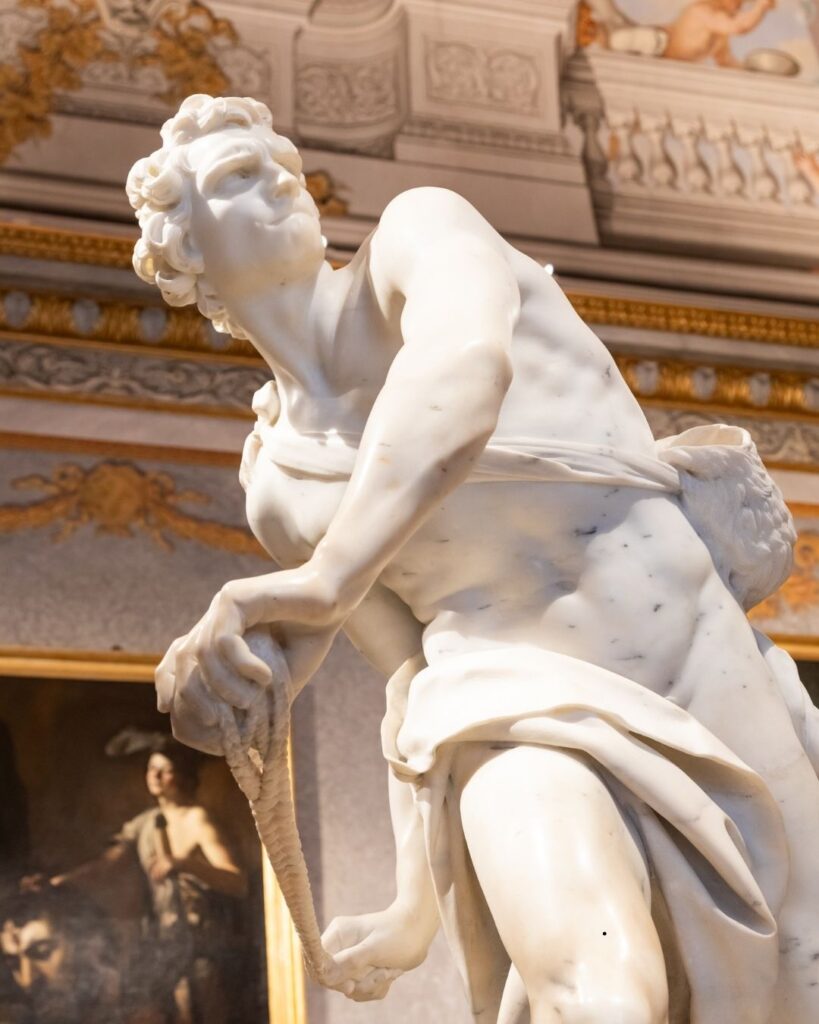
Rome is a museum without walls. Every street holds history, every church contains masterpieces, every piazza tells a story. The temptation to treat the city as an endless checklist of attractions is overwhelming, and it is the fastest way to ruin your trip.
Travelers attempt to visit the Vatican Museums, the Borghese Gallery, the Capitoline Museums, and the Baths of Caracalla all in the same day. They emerge from this marathon looking hollow-eyed and exhausted, unable to remember which Bernini sculpture was in which building, having experienced everything and appreciated nothing.
The solution is to pace yourself ruthlessly. Choose one major attraction per day, perhaps two if they are small, and spend the rest of your time wandering. The Borghese Gallery, one of the most beautiful museums in the world, limits entry to two-hour slots and requires advance booking. That is a blessing in disguise because it forces you to focus rather than rush. Rome rewards aimlessness.
Some of the most memorable experiences come from turning down a random side street, discovering a quiet courtyard, or stumbling upon a church that holds unexpected treasures. These unplanned moments are what make Rome truly magical.
11. Visiting During the Wrong Time of Year
August in Rome is a particular kind of torture. The heat is oppressive, the humidity clings to your skin like a wet blanket, and the crowds are at their absolute peak. Many Romans themselves flee the city during this month, leaving behind a strange atmosphere of tourists wandering through a city that feels slightly abandoned by its soul.
The queues are longer, the prices are higher, and the experience of walking through the ancient streets becomes a battle against exhaustion and dehydration.
The ideal times to visit Rome are April through June and September through October. The weather is warm but bearable, the crowds are thinner, and the light is golden and forgiving. The city feels alive without being overwhelming. If you must visit in summer, embrace the Italian tradition of the afternoon riposo.
Rest during the hottest hours, find a shaded cafe, and allow the city to cool before emerging for the evening. Do not try to power through the heat. The Romans have been dealing with it for thousands of years, and they know that surrender is sometimes the wisest strategy.
In Conclusion
Rome will test you in ways you did not anticipate. It will frustrate you with its bureaucracy, exhaust you with its crowds, and challenge you with its chaos. But if you approach it with patience, humor, and a willingness to surrender to its rhythm, it will reward you beyond measure.
Learn from the mistakes of others, prepare where preparation is possible, and allow the city to reveal itself at its own pace. The Eternal City has been welcoming strangers for millennia, and it has no intention of changing its ways for anyone. Embrace that reality, and Rome will give you memories that last a lifetime.
Again, feel free to go through the list below of my Italy recommendations that I have crafted after years of travel to this beautiful country:
- Packing List: Things Not to Go to Italy Without
- Must-Do Things: Unforgettable Experiences
- Where to Stay: Best Hotels in Italy.
- Where to Stay in Rome: Rome’s Best Neighborhoods
- Where to Stay in Florence: Picking the Best Area
- Where to Stay in Venice: Venice’s Best Districts
- Italy’s Cobblestone Streets: Best Shoes For the Job
- Backpack or Suitcase?: Italy Luggage Guide
- Travel Insurance: Always Be Covered
- E-Sim: Be Connected At All Times