
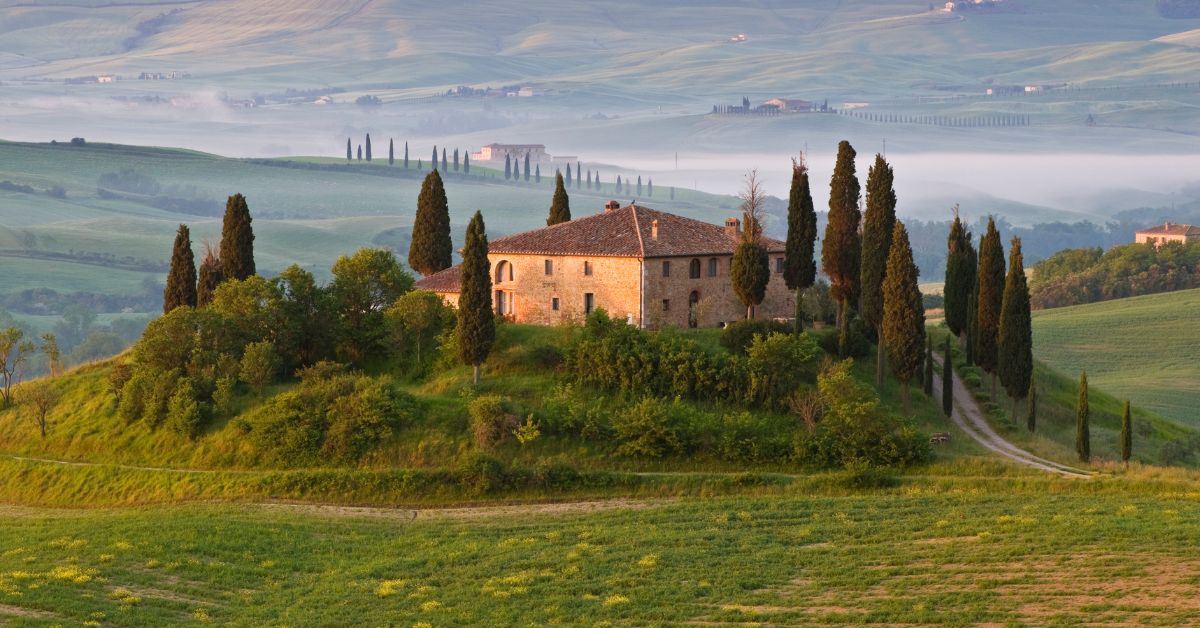
Imagine waking up in Tuscany. The sun spills over hills stitched with vineyards and cypress trees. A church bell rings in the distance. The question isn’t if you’ll fall in love with this place, but where you’ll rest your head at night.
Most travelers face the same delightful dilemma: should you stay inside a medieval village, rent your own private villa, or book an agriturismo (a working farm that hosts guests)?
Here’s the good news: there’s no wrong answer. But there is a best answer for you.
Let me walk you through each option honestly, so you can build a Tuscan trip that feels like it was tailor-made for your soul.
A Quick Quiz: Which One Fits You?
Before we dive deep, take 30 seconds to answer these questions:
- Do you want to walk to dinner without driving? → Village
- Are you traveling with kids or a group of friends? → Villa or Agriturismo
- Do you dream of learning to make pasta or pressing olive oil? → Agriturismo
- Is privacy and a private pool your top priority? → Villa
- Are you on a tight budget but still want authenticity? → Village apartment or basic Agriturismo
- Are you traveling by train without a car? → Village
Got it? Good. Now let’s explore each option in detail.
Staying in a Tuscan Village (Borgo)
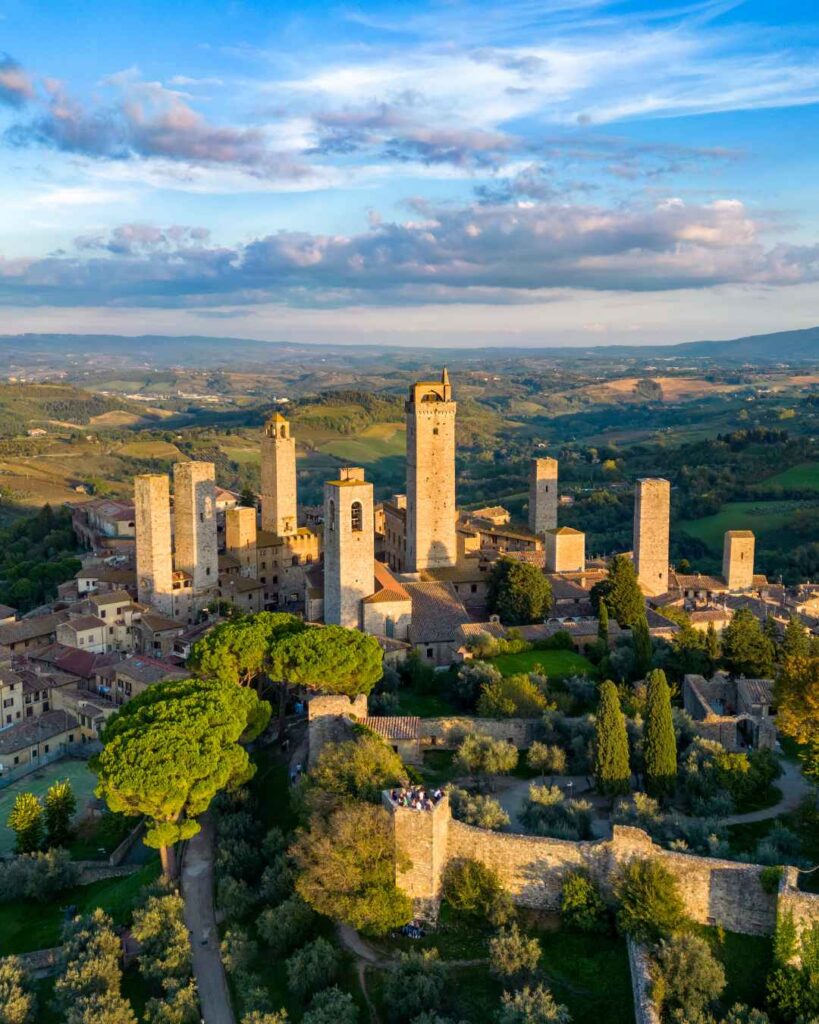
What It’s Really Like
Picture this: You step out your front door onto cobblestones worn smooth by centuries of footsteps. Below your window, a nonna hangs laundry. Around the corner, a butcher, a bakery, and a tiny bar where locals sip espresso standing up. That’s village life.
These are the famous hilltop towns: San Gimignano, Montepulciano, Cortona, Volterra. You’ll stay in a small apartment or a family-run hotel inside the historic walls.
The Good Stuff (Pros)
- Walkability – You can stumble home from a late dinner without needing a designated driver. That’s pure gold in wine country.
- Real local rhythm – Wake to church bells, shop at the morning market, watch the piazza come alive at dusk.
- No car necessary – If you’re flying into Florence or Rome and taking the train, villages are your friend. Many are on bus or train routes.
- Budget-friendly – A simple village apartment often costs less than a hotel room, especially for families.
The Tricky Parts (Cons)
- Parking can be a puzzle – Most villages don’t allow cars inside the walls. You’ll park in a lot outside and walk or take a shuttle. Pack light.
- Stairs, stairs, stairs – Medieval builders never heard of elevators. If you have mobility issues, ask carefully about ground-floor options.
- Noise – Church bells ring at 7am (and midnight). Neighbors might be loud. Summer tourists crowd the lanes.
- No pool – You’re in a historic center. Pools are rare. If July heat scares you, read on.
Best For
- Solo travelers and couples
- First-time visitors who want postcard Tuscany
- People who don’t want to rent a car
- Travelers who love people-watching and spontaneity
Village Examples to Inspire You
- Montepulciano – Famous for Vino Nobile wine. Steep streets, stunning views, and underground wine cellars you can tour.
- San Gimignano – The “medieval Manhattan” with 14 towers. Tourist-heavy but magical after 5pm when day-trippers leave.
- Cortona – Made famous by Under the Tuscan Sun. Perched on a mountain, with fewer crowds than its neighbors.
- Pitigliano – Carved into tufa rock. Less famous, wildly dramatic, and wonderfully authentic.
I have written a different guide about Tuscan villages. Read it here
Renting a Private Villa
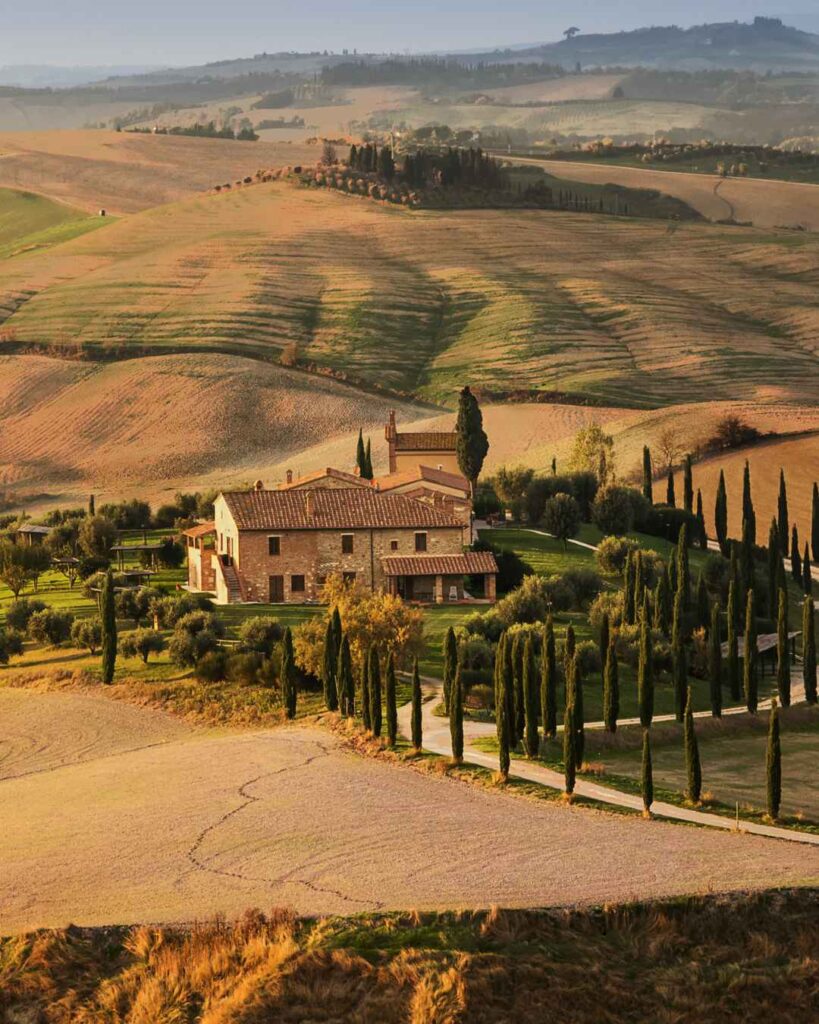
What It’s Really Like
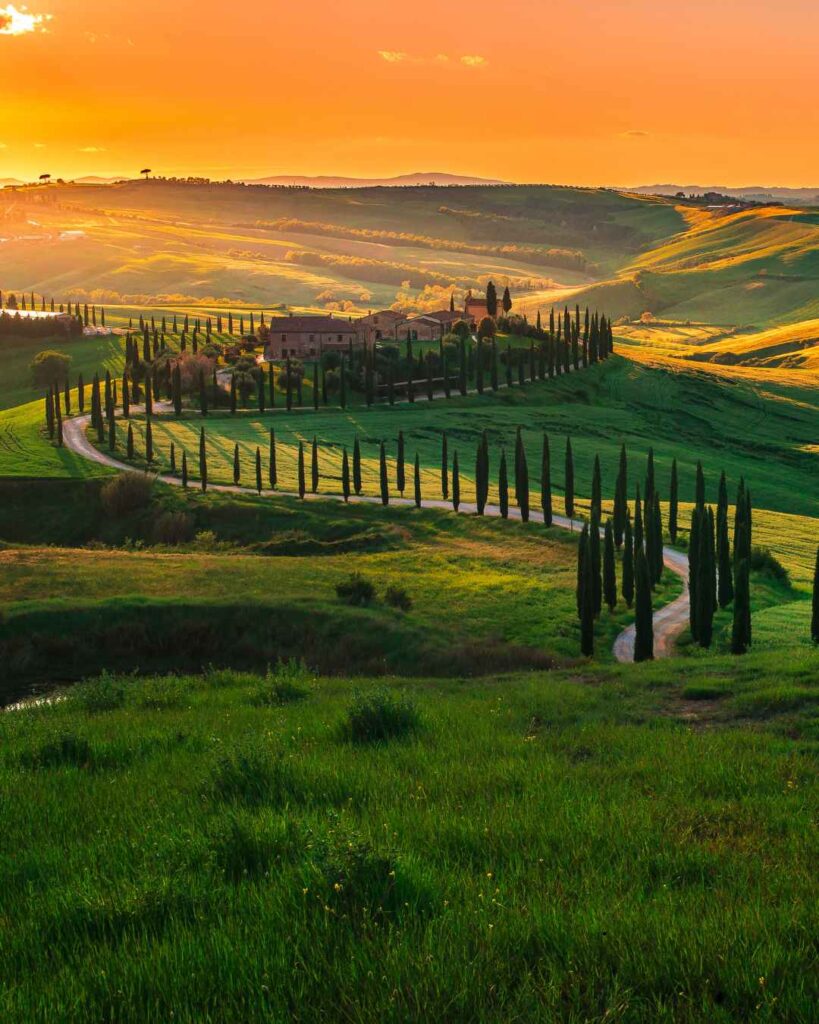
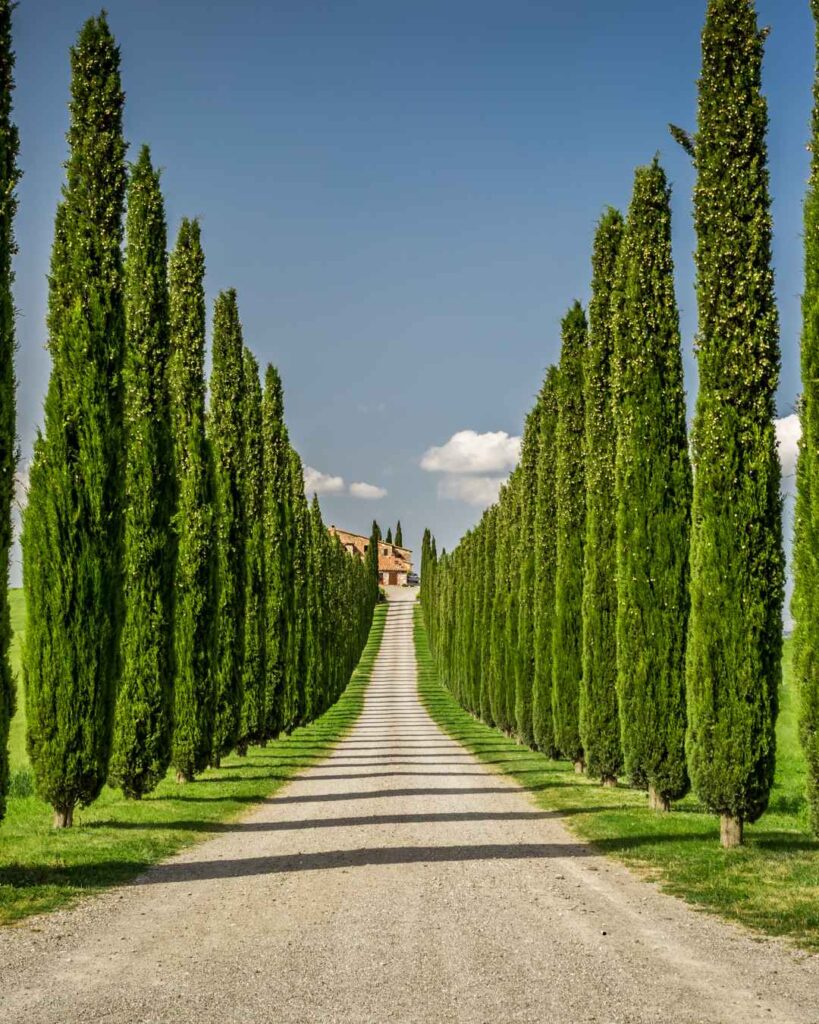
Now imagine this: You wake up, make coffee in your own kitchen, and walk outside to a terrace overlooking valleys that stretch to the horizon. A cypress-lined driveway leads to your private pool. No one else is around except your family or friends.
A villa is a house – sometimes ancient, sometimes modern – that you rent exclusively. It’s your Tuscan home.
The Good Stuff (Pros)
- Privacy like nowhere else – No shared walls, no noisy neighbors, no tourists peeking in your window.
- Perfect for groups – When you split a 6-bedroom villa among three couples or two families, it becomes surprisingly affordable.
- Your own pool – Most villas in Tuscany have pools. After a hot day of sightseeing, that cold plunge is heaven.
- Space to spread out – Kids can play in the garden. You can read in a hammock. Cook a big dinner together.
- Stunning views – Villa owners know exactly where to build for those iconic sunrise shots.
The Tricky Parts (Cons)
- You must drive – Villas are almost always in the countryside. Every meal, every grocery run, every tour requires a car.
- Expensive upfront – High season for a luxury villa can run $500–$2000 per night. But again, split among 8 people, it’s fair.
- You’re the cook (unless you hire one) – No restaurant downstairs. You’ll grocery shop and cook, or hire a private chef for a special night.
- Isolation is real – Some people love it. Some feel lonely. If you need buzz and energy, a village is better.
Best For
- Multi-generational family reunions
- Two or three couples traveling together
- Honeymooners who want total seclusion
- Luxury travelers who want concierge service
Agriturismos – The Farm Stay Experience
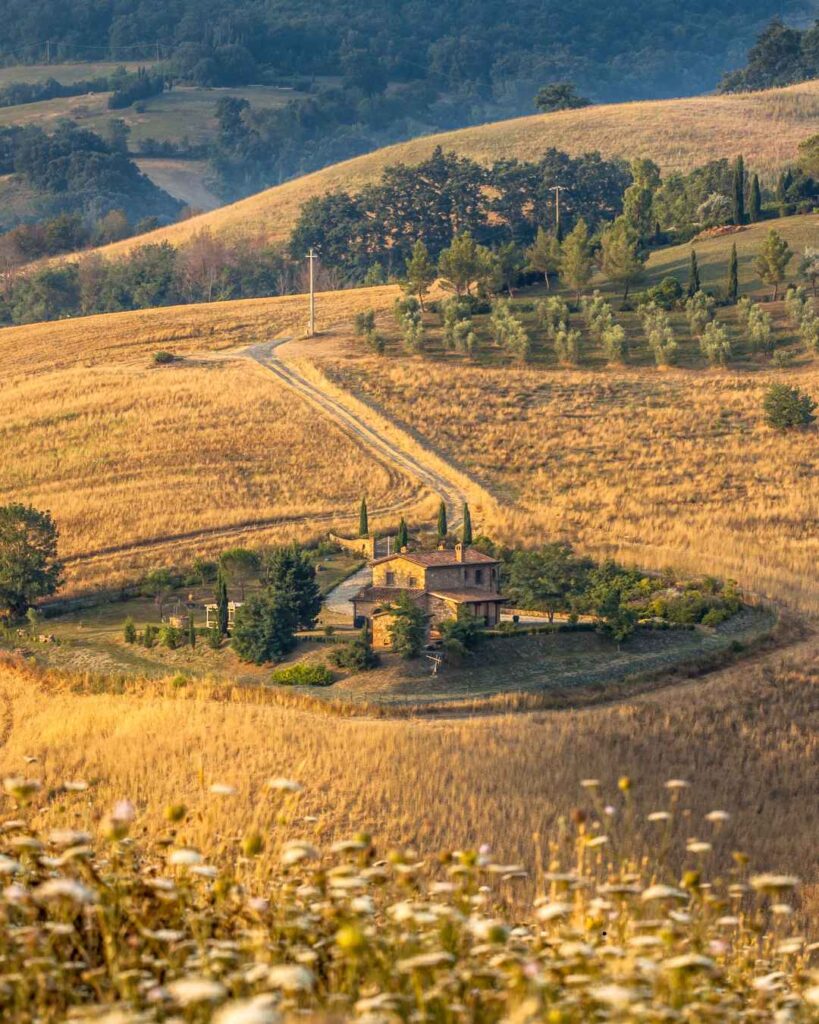
What It’s Really Like
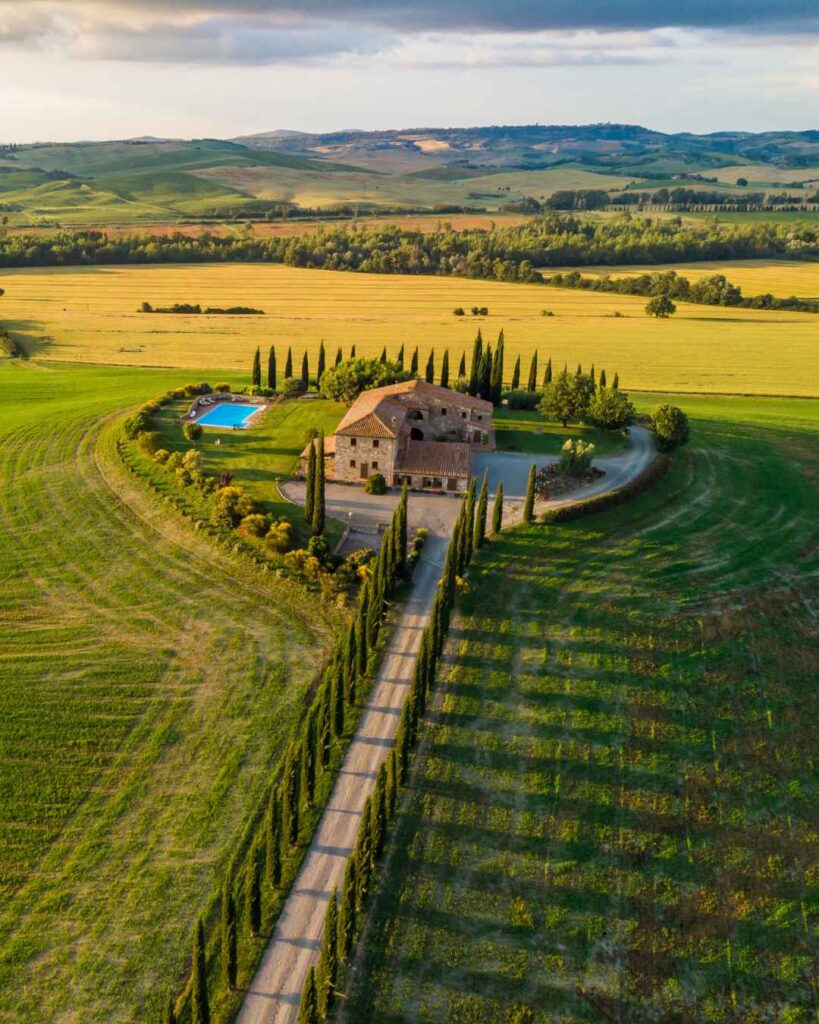
An agriturismo is a working farm that also rents rooms or apartments to guests. This is not a fake “farm-themed hotel.” These are real farms: olives, grapes, wheat, sheep, honey, vegetables.
You might stay in a converted barn with beamed ceilings. In the morning, breakfast includes honey from the farm’s hives. Dinner (if offered) is made from ingredients grown 200 feet away. The owner might take you to see the cheese aging room or the olive press.
The Good Stuff (Pros)
- Unforgettable food – Olive oil so green and peppery you’ll dream about it for years. Wine made on the property. Cheese from the sheep you saw grazing.
- Deep authenticity – You’re not a tourist; you’re a guest. Families who run agriturismos truly love sharing their land.
- Often cheaper than villas – Many agriturismos cost the same as a nice hotel room but include breakfast and sometimes dinner.
- Pools are common – Yes, even on farms. After helping harvest tomatoes (optional!), you can lounge by a pool with a view of vineyards.
- Kid heaven – Animals, open space, and usually a trampoline or playground.
The Tricky Parts (Cons)
- Remote location – You will drive on gravel roads. Your GPS might cry. Bring patience.
- No restaurants nearby – If the agriturismo doesn’t offer dinner, you’re driving 15–30 minutes to find a trattoria.
- Rustic, not fancy – This is not a Four Seasons. The shower might be small. The Wi-Fi might be slow. That’s part of the charm, but know it ahead of time.
- Limited English – In remote farms, you might be the only English speaker. Most owners speak enough, but bring a translation app.
Best For
- Food and wine lovers
- Families with young kids
- Travelers who want to learn (cooking class, cheese making, truffle hunting)
- People who want countryside beauty without villa prices
What to Look For
- The label “Agriturismo” is legally protected – the farm must earn at least half its income from agriculture. That’s your guarantee of authenticity.
- Look for “cena su richiesta” – dinner on request. This is a lifesaver.
- Read recent reviews about the road – some agriturismos have unpaved, steep driveways unsuitable for low cars.
Side-by-Side Comparison
| Feature | Village | Villa | Agriturismo |
|---|---|---|---|
| Need a car? | No | Yes | Yes |
| Walk to dinner? | Yes | No | No |
| Private pool? | Rare | Common | Common |
| Great for kids? | Limited | Very | Very |
| Cost per night (2 people) | €100–200 | €300–800+ | €80–200 |
| Meals on site? | No (but nearby) | No (unless chef hired) | Breakfast often, dinner sometimes |
| Authentic farm experience? | No | No | Yes |
How to Choose Based on Your Trip Type
Romantic Getaway / Honeymoon
Winner: Villa
Nothing beats a private villa with a pool, a sunset view, and a bottle of local wine. For a lower budget, choose a high-end agriturismo with a pool and a terrace for two.
Family with Kids
Winner: Agriturismo
Kids love animals. You’ll love the fenced pool and the fact that dinner is made for you. Many agriturismos have playgrounds, farm tours, and cooking classes for children.
Solo Traveler
Winner: Village
You want to be where people are. In a village, you can join a wine tour, eat at a communal table, and wander without a plan. Avoid remote villas or agriturismos unless you love solitude.
Budget Traveler
Winner: Village apartment (low season)
Rent a simple apartment in a less-famous village like Pitigliano or Pienza. Cook some meals. Travel in April, May, or October for half the price.
Food & Wine Lover
Winner: Agriturismo
Stay where the wine is made. Book an agriturismo in Chianti, Montalcino (Brunello), or Montepulciano (Vino Nobile). Ask for a tour of the winery and a cooking class.
Group of Friends (6–10 people)
Winner: Large villa
Split the cost and you get a pool, private rooms, and a kitchen for group dinners. Look for a villa with multiple bathrooms and a big outdoor table.
Practical Tips
Car is king – Unless you stay in a village and never leave, rent a car. Get a small one – Tuscan roads are narrow. Avoid GPS-only routes; look at a real map first.
ZTL zones will fine you – ZTL means Limited Traffic Zone. Cameras catch you driving into old town centers. Never drive inside the walls unless your hotel says it’s allowed and gives you a permit.
Parking – Most villages have a large parking lot at the bottom of the hill. Pay for the day, then walk or take a free shuttle. Pack a rolling suitcase, not a backpack.
Seasons matter – July and August are hot, crowded, and expensive. June and September are perfect. April and October are cool but stunning (and cheaper). Winter? Villages are quiet and magical; villas and agriturismos can be cold and lonely.
Mix and match – You don’t have to choose one. Try this: 3 nights in a village (Florence or Siena), then 4 nights in an agriturismo (Chianti or Val d’Orcia). Best of both worlds.
Common Mistakes to Avoid
- Booking a villa without checking distance to a grocery store – Some are 30 minutes away. That gets old fast.
- Choosing an agriturismo with no dinner option – Then you’re driving dark, winding roads every night. Not fun after wine.
- Ignoring air conditioning – Many old buildings don’t have it. In July, you’ll suffer. Always check.
- Not asking about mosquitoes – Countryside means bugs. Bring repellent, and check if windows have screens.
- Underestimating driving time – Google Maps says 20 minutes. On Tuscan roads, it’s 40. Add 50% to every estimate.
Sample Itineraries That Combine Options
The Dream 10-Day Trip
- Days 1–3: Village in Montepulciano – wine bars, views, no car needed.
- Days 4–7: Agriturismo near Siena – cooking class, farm animals, pool.
- Days 8–10: Private villa in Chianti – splurge on a private chef for one night, then just relax.
The Family 7-Day Trip
- Days 1–7: Agriturismo with kids’ activities (animals, pizza-making, playground).
- Day trips to San Gimignano and Volterra (villages for the experience, but you sleep on the farm).
The Couples’ Budget 7-Day Trip
- Days 1–7: Shared apartment in a village (Pienza or Cortona) – cook some meals, eat out others, day trip by bus or rental car.
My Personal Recommendations: Best Villas & Agriturismos
Top Agriturismos (Farm Stays)
1. Podere Terreno alla via della volpaia (Radda in Chianti) – This charming farm stay in the heart of Chianti Classico. Host Cristina is known for her warm hospitality, and the property offers air conditioning, free WiFi, and a restaurant serving Italian dishes. Guests love the beautifully decorated rooms, the communal vibe, and the breathtaking views. It’s a great choice for solo travelers, families, or anyone wanting an authentic Chianti experience with a personal touch. CHECK IT OUT HERE
2. Agriturismo La Pietriccia (Chianciano Terme, near Montepulciano) – You can choose from rooms or apartments with kitchenettes, and the property features two swimming pools, free parking, and a traditional restaurant serving organic dishes from the farm. The breakfast includes homemade cakes and local products. It’s ideal for families, wine lovers, and budget-conscious travelers who want a central base for exploring the Val d’Orcia. CHECK IT OUT HERE
3. Mormoraia (San Gimignano) – This stunning 17th-century farmhouse offers breathtaking views of San Gimignano’s towers from its pool terrace. The farm produces its own organic wine and olive oil, which you can taste on-site. You’ll find a restaurant, spa with sauna and Turkish bath, cooking classes, horse riding, and a children’s play area. Some rooms even have private jacuzzis. It’s perfect for couples seeking romance, food lovers, or anyone wanting a touch of luxury without losing the farmstay authenticity. CHECK IT OUT HERE
Top Villas (Private Luxury)
1. Villa Petriolo (near Cerreto Guidi) – This elegant 15th-century estate is both a working farm and a luxury resort. You can rent rooms or suites, and the property makes its own wine, olive oil, and honey. It has a beautiful infinity pool, several restaurants, and a spa with unique local treatments. CHECK IT OUT HERE
2. Villa La Palagina (Chianti)
Why it’s great: Actually a villa resort – you rent apartments within a large estate. Three pools, a restaurant, and a spa. Not fully private, but you get villa amenities at a lower cost. Great for families who want pool + services. CHECK IT OUT HERE
3. Castello di Casole (near Siena)
Why it’s great: A Belmond property – this is luxury at the highest level. A restored castle with private villas on the grounds. Infinity pool overlooking Val d’Orcia. Restaurant is excellent. Price matches the experience. Best for a splurge honeymoon. CHECK IT OUT HERE
4. Villa Bordoni (near Greve in Chianti)
Why it’s great: A boutique villa-hotel with only 9 rooms. Feels like staying at a rich friend’s country house. Cooking school on site. Pool, incredible food, and the owner personally greets every guest. CHECK IT OUT HERE
Final Checklist Before You Book
Before you click “reserve,” ask yourself:
- Do we want to cook most meals? → Villa or Agriturismo with kitchen
- Do we want to eat out every night? → Village
- Do we want a pool? → Villa or Agriturismo
- Do we want to meet other travelers? → Agriturismo with shared dinner table
- Do we have mobility issues? → Village (ask about ground floor) or modern villa
- Is our main goal photography? → Villa with valley view or Agriturismo on a hill
- Are we traveling July–August? → Must have AC and a pool
- Will we have a car? → If no, only choose a village
A Final Word
Here’s the secret: Tuscany will work its magic no matter where you sleep. A village gives you walkable romance. A villa gives you private luxury. An agriturismo gives you the land’s true flavor.
But the best trip of all? The one where you stop worrying about the “perfect” choice and start enjoying the perfect moment – whether that’s a bell tower echoing at dusk, a splash in your private pool, or the first taste of honey made by bees on the very farm where you’re staying.
Pack light. Rent the car. And leave room in your suitcase for olive oil.
NOTE BEFORE YOU GO: Italy rewards travelers who go prepared. And it is easy to ruin your trip. I have a checklist for you of things you should never go to Italy without. CHECK IT OUT HERE. I have also curated a list of some of the best hotels in Italy. I would highly recommend checking them out before booking. THESE ARE THE BEST HOTELS IN ITALY. And for unique experiences, attractions, and tours, don’t book before CHECKING THIS OUT. Thank me later!