
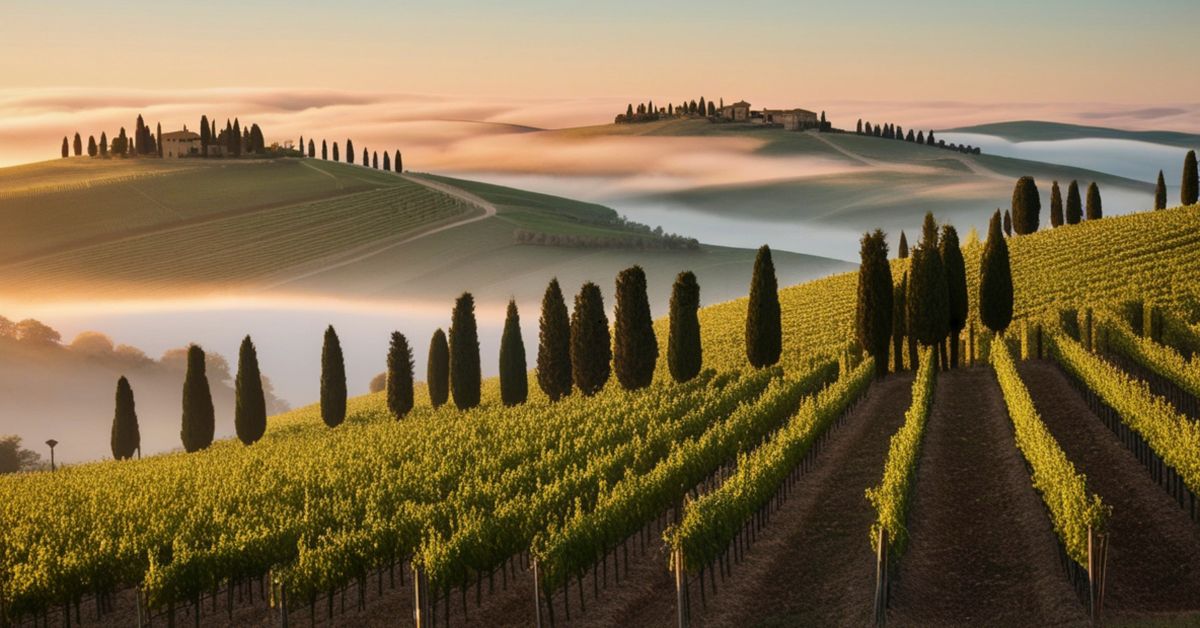
My wife and I have a rule when we travel through Italy. We never order the same wine twice in a row. This rule has led to some disasters. In a small trattoria outside Orvieto, I once ordered a local red that smelled like a barnyard and tasted even worse. My wife took one sip and pushed the glass back across the table. The owner saw us and laughed. He brought us something else without a word.
But that same rule has also led to some of our most memorable meals. A glass of Etna red on a volcano at sunset. A bottle of chilled Vermentino overlooking the Cinque Terre. A carafe of unknown table wine in a Roman pizzeria that cost four euros and tasted like it was made by angels.
Italian wine is not just something you drink. It is something you experience as part of the place. The grape grows in that soil. The family has made that wine for generations. The food on your plate comes from the same market where the winemaker buys their vegetables.
This guide is not about becoming a wine expert. It is about getting the most out of your next trip to Italy, one glass at a time.
The Biggest Mistake Travelers Make
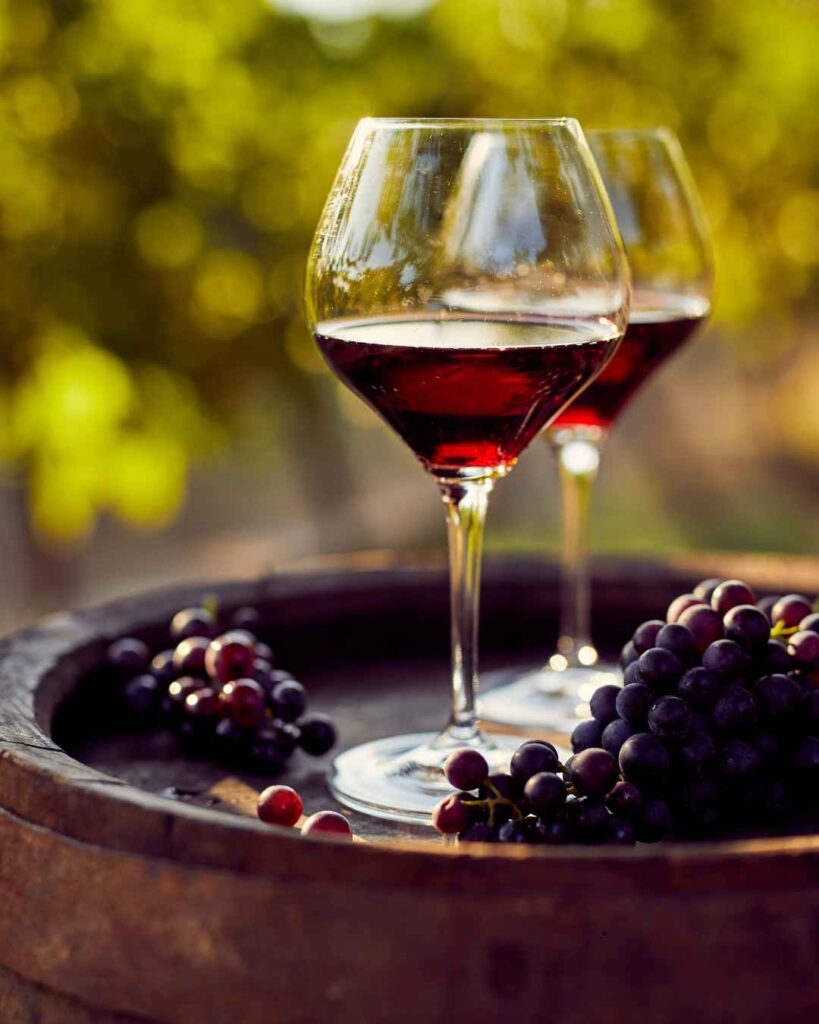
Most travelers walk into an Italian wine shop or restaurant and do one of two things. Either they panic and order something familiar like Pinot Grigio. Or they pick the second cheapest bottle on the list because they are afraid of looking foolish.
Do neither. The second cheapest bottle is often the worst value on the menu. Restaurants know you will skip the cheapest bottle, so they mark up the second cheapest the most. And ordering Pinot Grigio in Italy is like ordering a hamburger in Paris. You can do it, but why would you?
Instead, do what my wife and I learned to do after a few trips. Ask the server one simple question in broken Italian. “What is the local wine?” Just that. “Il vino locale?” You will get something from within twenty miles of where you are sitting. It will be fresh, authentic, and fairly priced. And the server will be genuinely happy to help someone who is actually curious.
That one question has never failed us. Not once.
Forget the Rules. Learn the Geography Instead.
Wine experts love complicated rules about which wine goes with which food. I do not have the patience for that. Here is a much simpler framework that works everywhere in Italy.
Northern wines are more structured and elegant. They have higher acidity and firmer tannins. They taste like mountains and forests. Think Barolo from Piedmont or Amarone from Veneto. These wines want rich food. Roasted meats, aged cheeses, hearty stews.
Southern wines are more generous and ripe. The extra sunshine makes them fruitier and higher in alcohol. They taste like the Mediterranean. Think Primitivo from Puglia or Nero d’Avola from Sicily. These wines are easier to drink on their own and pair beautifully with tomato-based dishes and grilled vegetables.
That is it. North is structured. South is juicy. You can navigate almost any Italian wine list with just that one idea.
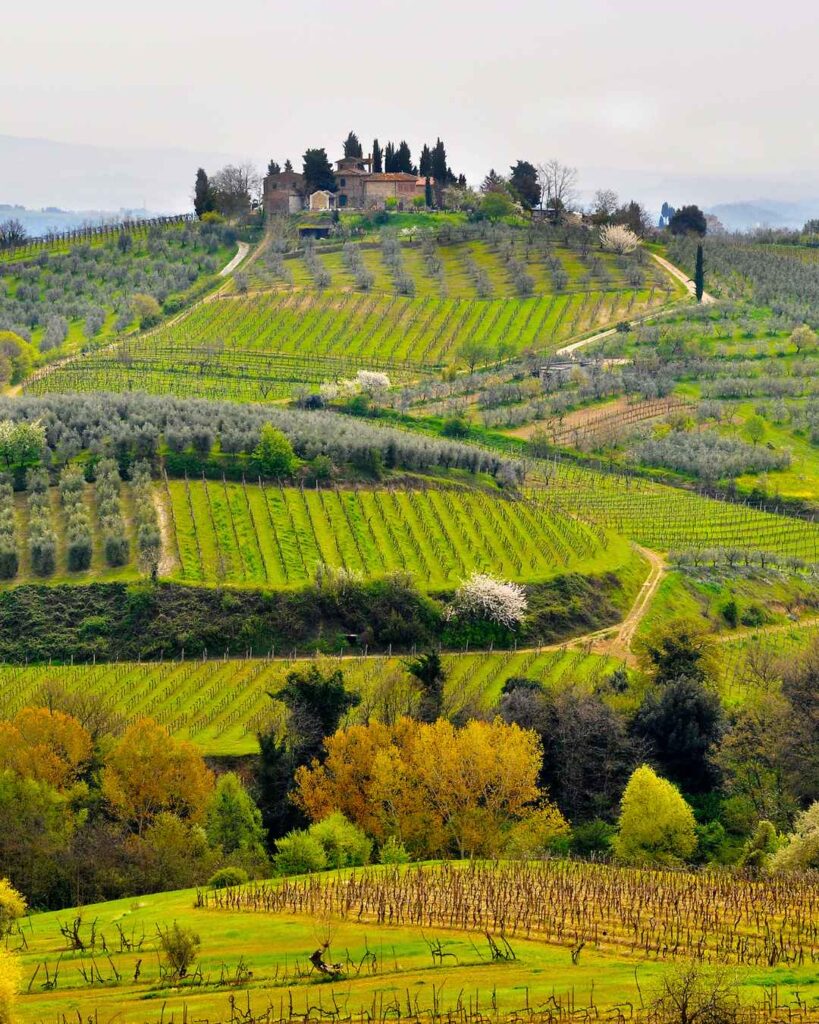
There is one exception. Central Italy, especially Tuscany, is its own thing. The signature wine here is Chianti Classico, made from the Sangiovese grape. It sits right in the middle. It has the acidity of the north and the fruitiness of the south. That balance is why it pairs so perfectly with the food of Tuscany, especially anything with tomatoes.
My wife and I spent a week in a rented farmhouse in the Chianti hills. Every evening we would walk to the local shop, buy a four-euro bottle of Chianti from a producer we had never heard of, and drink it on the terrace as the sun turned the hills gold. Those were some of the best wines of our lives, and I could not tell you a single producer name. The memory is what matters.
How To Read An Italian Wine Label Without Stress
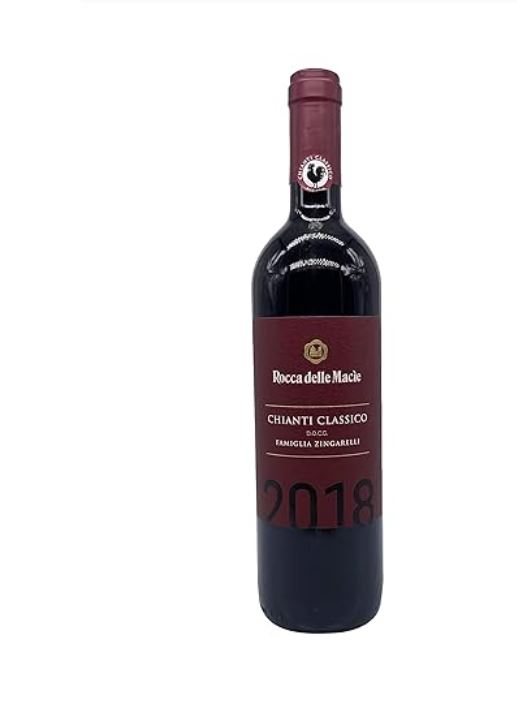
When you buy wine in an Italian grocery store or enoteca, the label will tell you three things if you know where to look.
First, look for the grape name. It is usually on the back label. Sangiovese, Montepulciano (the grape, not the town), Nebbiolo, Corvina, Primitivo. Those are your friends. If you see one of those names, you have a starting point.
Second, look for the DOC or DOCG stamp. This is the government seal that guarantees the wine comes from a specific place and follows traditional methods. A DOCG wine will almost always be good. It will also cost more. For everyday drinking, DOC is perfectly fine.
Third, look at the vintage year. Inexpensive wines are meant to be drunk young, within two or three years of the harvest. Expensive wines like Barolo and Brunello need time. If you are buying a twenty-dollar bottle, do not worry about the year. If you are buying a fifty dollar bottle, ask someone who works there if it is ready to drink.
That is all you need. Grape, quality level, vintage. Three things.
The Five Italian Wines You Can Actually Find At Home
You cannot travel to Italy every week. I wish I could. But you can bring a little bit of Italy into your kitchen. They represent the major styles we have talked about. None of them will break the bank. And each one will remind you of a different corner of Italy.
Rocca delle Macìe Chianti Classico. This is your reliable, everyday Tuscan red. It tastes of sour cherries and dried herbs. The acidity makes it perfect for pizza or pasta. CHECK PRICE ON AMAZON.
Fontanafredda Barolo. The King of Italian wines from Piedmont. It is powerful, tannic, and demands a rich meal. Decant it for an hour before drinking. CHECK PRICE ON AMAZON
Botromagno Primitivo. From the heel of the boot in Puglia. This is big, bold, and jammy. It tastes like blackberry jam and dark chocolate. A fantastic bargain at twelve to eighteen dollars.
Pala Vermentino. From the island of Sardinia. This white wine tastes like lemon zest and sea salt. It is bright, refreshing, and pairs perfectly with seafood or summer salads. Twelve to fifteen dollars.
Riondo Valdobbiadene Prosecco Superiore. Not the cheap Prosecco from the flatlands. This comes from the hills and has smaller, more elegant bubbles. It is dry and peachy. Fourteen to twenty dollars.
Related Post: Things You Shouldn’t Go to Italy Without
A Few Practical Tips For Your Next Trip
If you are planning a trip to Italy, here are a few things my wife and I have learned over the years.
Visit a winery, but not a fancy one. The big, famous wineries with tasting rooms and gift shops are fine. But the real magic happens at the small, family-run places where the grandfather still works the vineyard. Look for signs that say “vendita diretta” which means direct sales. Knock on the door. Someone will let you in, pour you a taste, and probably charge you almost nothing.
Order the house wine. In most Italian trattorias, the house wine comes from a local producer in a simple carafe. It is almost always good and almost always cheaper than bottled water. My wife was skeptical at first. Now she orders it by default.
Drink what the locals drink. If you are in Rome, drink a Frascati. If you are in Sicily, drink an Etna Rosso. If you are in Venice, drink a Prosecco. The locals know something you do not. Trust them.
And finally, relax. Italian wine is not a test. There is no wrong answer except the one you did not enjoy. My wife and I have made plenty of mistakes. We have ordered bottles that were too young, too old, too weird, too tannic. We have laughed at every one of them. And we have never regretted a single sip.
Because the best Italian wine is not the one with the highest score or the rarest vintage. It is the one you drink on a warm evening in a small Italian town, with someone you love, watching the light fade over the hills.
Everything else is just details.
Again, feel free to go through the list below of my Italy recommendations that I have crafted after years of travel to this beautiful country:
- Packing List: Things Not to Go to Italy Without
- Must-Do Things: Unforgettable Experiences
- Where to Stay: Best Hotels in Italy.
- Where to Stay in Rome: Rome’s Best Neighborhoods
- Where to Stay in Florence: Picking the Best Area
- Where to Stay in Venice: Venice’s Best Districts
- Italy’s Cobblestone Streets: Best Shoes For the Job
- Backpack or Suitcase?: Italy Luggage Guide
- Travel Insurance: Always Be Covered
- E-Sim: Be Connected At All Times