
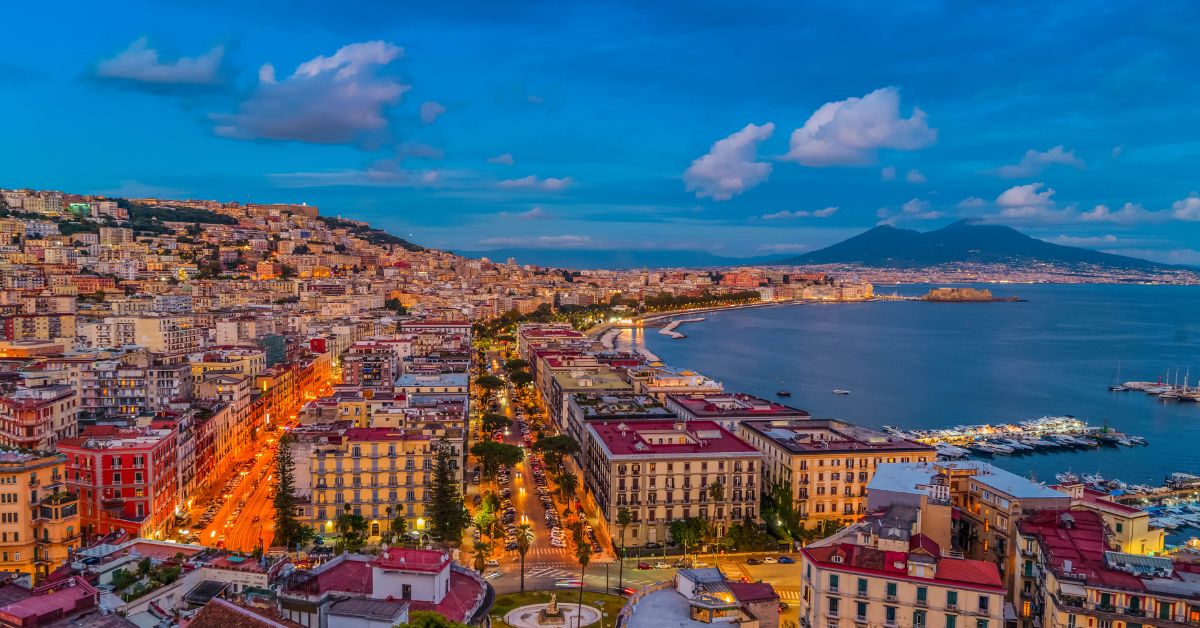
Let me tell you something most guidebooks won’t. When my wife and I told friends we were spending a week in Naples, more than one person asked, “Isn’t it dangerous?” or “Why not just go to the Amalfi Coast instead?”
They had it backwards.
Florence is Italy’s art gallery. Rome is its museum. Venice is its theme park. But Naples? Naples is Italy’s heartbeat. It is loud, gritty, holy, delicious, slightly terrifying, and utterly unforgettable. You will either fall in love within the first hour or swear never to return. There is no middle ground.
This article is both a love letter and a survival guide. I want you to experience the soul of Naples without getting pickpocketed, run over by a scooter, or ordering a cappuccino after lunch. Let me show you how.
1. Pizza Was Born Here, and It’s Still Sacred

You think you’ve had good pizza. You haven’t. Not until you’ve stood in a sweaty line at L’Antica Pizzeria Da Michele, where they only serve two kinds: Marinara (tomato, garlic, oregano) and Margherita (tomato, mozzarella, basil). That’s it. When you fold a slice, the oil should run down your wrist. The crust should be chewy, blistered from a wood-fired oven, and slightly burnt on the edges.
The secret is the water. Neapolitans will tell you that the local water, combined with specific San Marzano tomatoes and buffalo mozzarella from nearby plains, creates something that cannot be replicated anywhere else. They are right. Do not argue. Just eat.
Pro tip: Avoid places with photos on the menu. Real pizzerias don’t need pictures. Look for the AVPN certification (Associazione Verace Pizza Napoletana) on the wall.
2. The Underground Churches and the Blood of San Gennaro
Neapolitans live with death differently. Beneath the city, there is a network of Greek aqueducts, Roman roads, and early Christian catacombs. You can walk through them—cool, damp, lined with bones and ancient frescoes. It feels like stepping into a secret history.
Above ground, the Duomo holds vials of the dried blood of San Gennaro, the city’s patron saint. Three times a year, the blood supposedly liquefies. If it doesn’t? Legend says disaster will strike Naples. This sounds like medieval superstition until you see grown men cry in the cathedral when the miracle happens. The faith here is not polite. It is raw, desperate, and beautiful.
3. The Music of the Streets Is Not Anger—It’s Volume
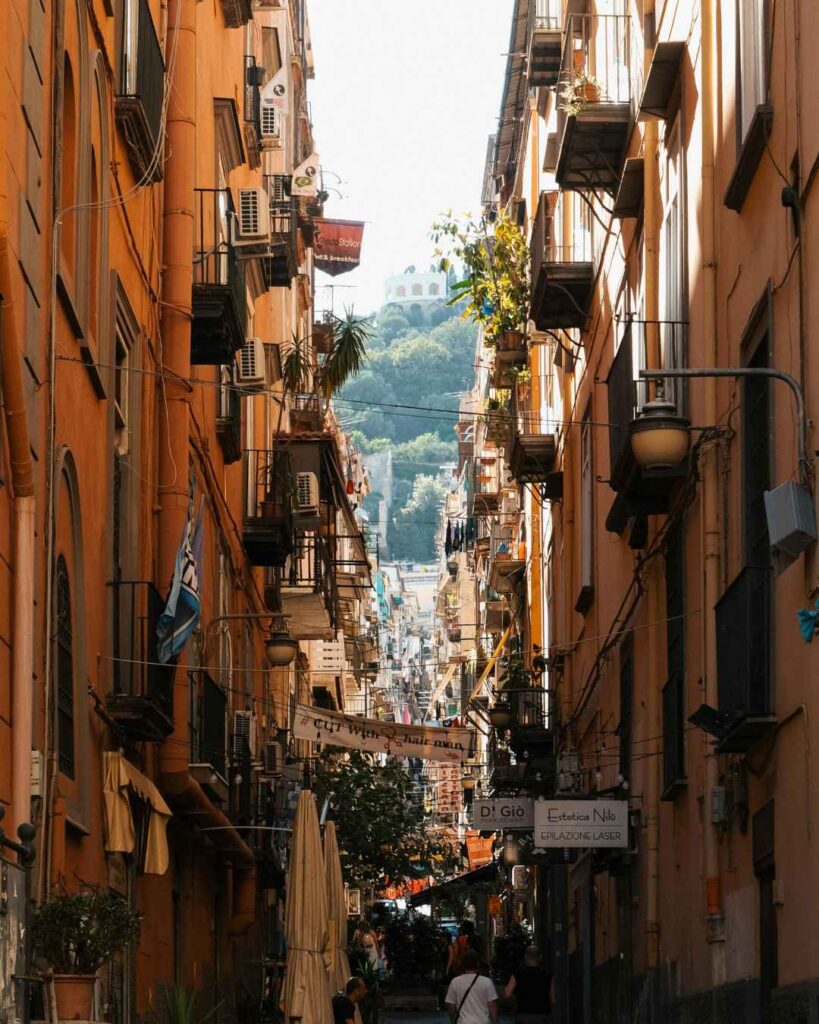
My wife was startled at first. Neapolitans shout across alleyways to greet each other. They argue passionately about soccer, then hug. Two men yelling in the street might be best friends discussing dinner plans.
The local dialect, Neapolitan, is distinct from standard Italian. It has its own grammar, its own songs, its own poetry. Listen for the rhythm. It rises and falls like the waves in the nearby bay. Once you stop hearing shouting as aggression, you start hearing it as music.
4. Decay Is Part of the Beauty
Unlike Florence, which scrubs itself clean for tourists, Naples wears its age openly. Laundry hangs between crumbling baroque palaces. Graffiti covers ancient Roman walls. The historic center is a UNESCO site, but it’s also a living neighborhood where grandmothers make pasta by hand in doorways.
This is not neglect. This is authenticity. Naples was bombed in World War II, rebuilt hastily, and has been patched together ever since. The cracks tell stories. Lean into the mess.
5. The Traffic Will Try to Kill You (Kindly)
Here is how you cross a street in Naples: First, locate a break in the flow of Vespas, cars, and tiny delivery trucks. Second, make eye contact with the nearest driver. Third, walk steadily. Do not run. Do not hesitate. Hesitation confuses everyone.
Crosswalks are suggestions. Pedestrian lights are decorations. The real rule is that traffic flows like a river, and you are a rock. Stand your ground, move predictably, and you will be fine.
My wife held my arm for the first two days. By day three, she was crossing alone, muttering “Forza Napoli” under her breath.
6. The Garbage Situation: Honest and Uncomfortable
Let’s address the elephant in the alley. Naples has had a waste management crisis for decades, tied to the Camorra (the local mafia) controlling disposal contracts. You will see overflowing bins. You will smell things you wish you hadn’t. It’s real, it’s frustrating, and it’s also not the whole story.
The same street with a pile of uncollected trash might have a world-class pizzeria twenty feet away. Neapolitans hate it more than you do. Acknowledge it, step around it, and don’t let it ruin your day. The city is fighting to improve, but change is slow.
7. Pickpockets Exist, But Violent Crime Is Rare

Here is the honest breakdown: The risk on the Circumvesuviana train to Pompeii is real. The number 162 bus is notorious. Crowded markets like La Pignasecca require vigilance. Keep your wallet in a front pocket. Wear a crossbody bag facing forward. Do not keep your phone in your back pocket.
That said, I never once felt unsafe walking at night in the historic center. Violent crime against tourists is extremely low. The danger is petty, opportunistic, and avoidable with basic awareness. Don’t be scared. Be smart.
If you want to learn more about how to avoid pickpockets in Italy as a whole, check out this guide
8. The Spanish Quarters Are Not a Movie Set
The Quartieri Spagnoli are a grid of narrow, steep alleys between Via Toledo and the hills. By day, it’s a vibrant neighborhood of food stalls, barbershops, and children playing soccer. By night, it’s darker, louder, and more chaotic.
You should absolutely visit during the day. Eat fried pizza at a tiny window counter. Watch old men play cards. But know that this is a real residential area, not a curated attraction. If you wander after midnight, you’ll see things tourists aren’t meant to see. Mind your business, keep your voice down, and head back to busier streets.
9. The Circumvesuviana Train Is an Adventure
This is the train to Pompeii, Herculaneum, and Sorrento. It is also graffiti-covered, occasionally delayed, and packed like a sardine can during rush hour. The air conditioning may be imaginary.
But it costs almost nothing and runs frequently. Here is your survival strategy: Avoid 8 to 9 AM and 5 to 7 PM. Keep your bag zipped and held low. Sit near other tourists if you can. And accept that the schedule is a loose suggestion. You are not in Switzerland. You are in Campania. Breathe.
10. Coffee Has Strict Laws
Never order a cappuccino after 11 AM. Italians believe milk after a meal interferes with digestion. In Naples, this is practically a sin. After lunch, order an espresso. It will be small, dark, and shockingly strong. Drink it standing at the bar—it costs half as much as sitting at a table.
Also know about caffè sospeso, the suspended coffee. It’s an old tradition where you pay for two coffees but only drink one. The second is left for someone who cannot afford it. If you see this offered, participate. It’s Naples at its kindest.
11. Do Not Break the Pasta

When you order spaghetti with clams or ragù, do not break the pasta in half before cooking. Do not ask for a knife to cut it. You twirl. You slurp. You accept that it’s messy. That’s the point.
Also: Salad comes after the meal, not before. It is a digestif, a palate cleanser. If you ask for salad as a main course, the waiter will assume you are ill.
12. Street Food Is a Religion
You have not lived until you’ve eaten a cuoppo—a paper cone filled with fried seafood: tiny octopus, shrimp, anchovies, and batter-fried vegetables. Walk while you eat. Drip lemon juice on everything.
Try sfogliatella for breakfast. It’s a shell-shaped pastry filled with ricotta, candied orange, and semolina. The riccia version is crispy and layered. The frolla is softer. Get one of each. You can thank me later.
And yes, you should try porfumo—horse meat sandwich. It sounds strange to American ears. Neapolitans have eaten it for centuries. It’s lean, spiced, and served in a soft bun from a street cart. If you’re adventurous, go for it. If not, stick with fried pizza. No judgment.
Where to Stay (3 Hotel Recommendations)
You want a home base that balances chaos with comfort. Here are three excellent options for different budgets and styles.
1. Grand Hotel Vesuvio (Luxury with a View)
This is the grand dame of Naples hotels, sitting right on the waterfront overlooking the bay. From the rooftop terrace, you see Vesuvius across the water while sipping a Negroni. The rooms are old-school elegant—think marble bathrooms, high ceilings, and heavy drapes.
It’s not cheap, but it’s worth it for the location and service. You’re a short walk from the ferry terminal for Capri and right next to the historic center. My wife still talks about breakfast on that rooftop. Book a bay-view room.
2. Hotel Piazza Bellini (Mid-Range Charm)
Tucked into the historic center, this hotel is built around ancient Greek ruins that you can see through a glass floor in the lobby. It’s quirky, romantic, and perfectly located for exploring the Spaccanapoli district.
The rooms overlook a lively piazza with outdoor cafes. Yes, it can be loud at night. That’s the trade-off for being in the heart of everything. Earplugs are provided. The staff is warm and helpful, and the courtyard garden is a peaceful escape.
3. Il Salotto della Regina (Boutique Budget)
This small bed-and-breakfast is on the upper floors of a historic building near the Museo station. The owner, Maria, treats guests like family. There are only five rooms, each decorated with vintage Neapolitan tiles and local art.
Breakfast is homemade: fresh ricotta, pastries from the shop downstairs, and espresso made with a smile. It’s not fancy, but it’s honest. You’ll leave feeling like you actually lived in Naples rather than just visited.
13. Herculaneum (Better Than Pompeii for Most People)
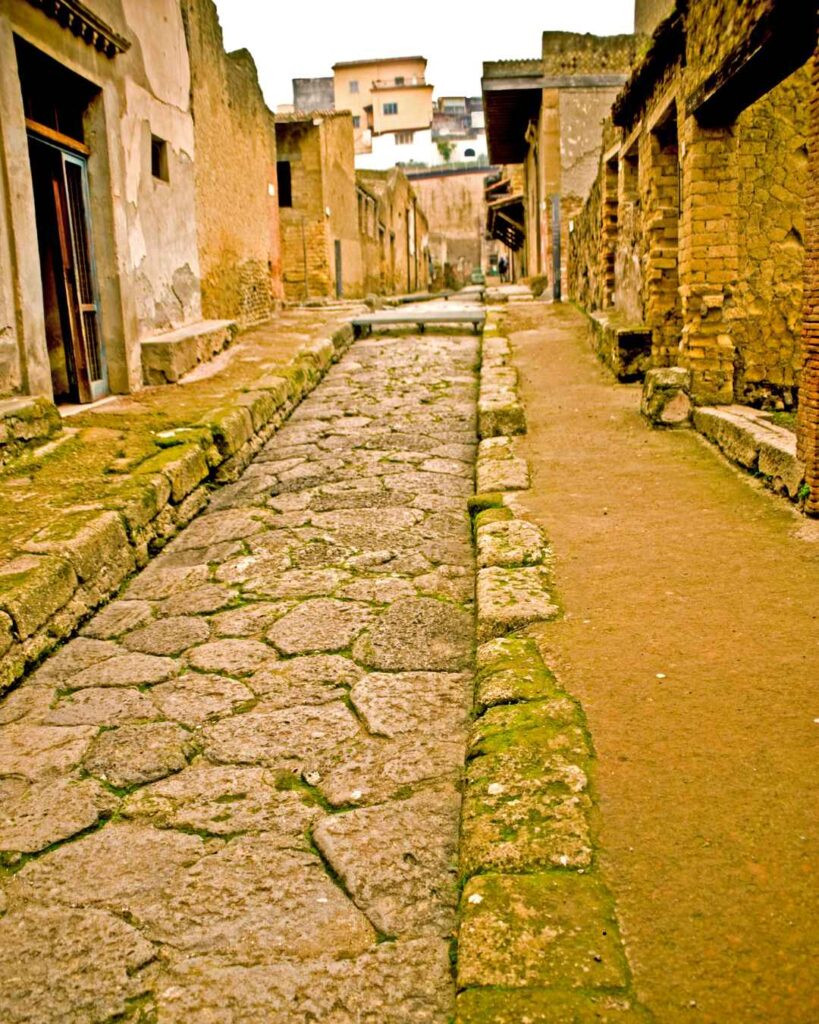
Pompeii is enormous and impressive. Herculaneum is smaller, better preserved, and less crowded. Because it was buried under volcanic mud rather than ash, wooden structures, fabrics, and even food remain intact. You can walk through Roman apartments and see original second-story windows.
It’s a half-day trip from Naples. Take the Circumvesuviana to Ercolano Scavi. Bring water and a hat—there’s almost no shade.
14. The Metro Art Stations (Free and Fantastic)
You don’t need to leave the city for an unforgettable experience. Naples invested heavily in its Metro Line 1, commissioning international architects to design stations. The Toledo station looks like a cavern of blue mosaics descending into the sea. Università station has exposed archaeological finds behind glass. Museum station connects directly to the National Archaeological Museum, home to the best Roman statues in the world.
Buy a day pass, ride the line end to end, and get off at every art station. It costs four euros. It’s one of the best museum visits you’ll ever take.
Conclusion: Go Anyway
Naples will dirty your shoes. It will overwhelm your senses. You will step in something questionable, get honked at by a taxi, and wait forty minutes for a train that may never come.
But you will also eat pizza that changes your understanding of food. You will watch the sunset turn Vesuvius pink over the bay. You will hear an old woman singing from her balcony while frying zucchini flowers. You will feel more alive than you have in years.
The famous Neapolitan saying is true: “Vedi Napoli e poi muori.” See Naples and then die. Not because it kills you, but because after you’ve seen it, the rest of the world feels just a little bit duller.
Pack light. Wear comfortable shoes. Keep your hand on your wallet. And go hungry. Naples is waiting for you.
Final practical checklist before you go:
- Download the Citymapper app for Naples—it actually works with local transit.
- Book tickets for the Catacombs and Pompeii online in advance.
- Learn three phrases: “Un caffè, per favore” (a coffee, please), “Dov’è il bagno?” (where is the bathroom?), and “Grazie, ma non grazie” (thank you, but no thank you—for street vendors).
- Bring cash. Many small food shops don’t take cards.
- Leave your expensive watch at home. Wear a cheap one or just use your phone.
Now go. Fall in love with the mess. And when you return, tell your friends they were wrong about Naples.
NOTE BEFORE YOU GO: Italy rewards travelers who go prepared. And it is easy to ruin your trip. I have a checklist for you of things you should never go to Italy without. CHECK IT OUT HERE. I have also curated a list of some of the best hotels in Italy. I would highly recommend checking them out before booking. THESE ARE THE BEST HOTELS IN ITALY. And for unique experiences, attractions, and tours, don’t book before CHECKING THIS OUT. Thank me later!
You are an excellent writer! I truly enjoyed reading your review of Naples. I hope you do this for a living!