
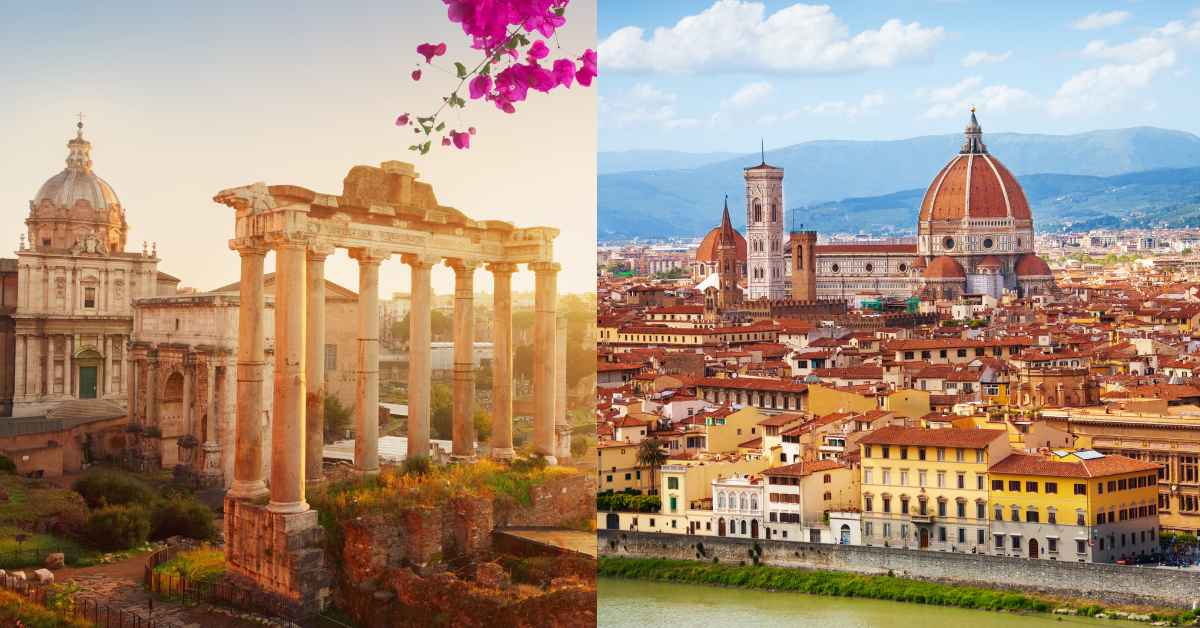
One question has fascinated historians for generations, and the answer is far from simple. Which civilization left a greater mark on the world: Ancient Rome or Renaissance Florence?
At first glance, the comparison seems almost unfair. Rome was an empire that spanned three continents and lasted for more than a thousand years. Florence was a city-state that controlled a small patch of Tuscany and never had an army worth mentioning.
Rome built roads, aqueducts, and laws that shaped the Western world. Florence produced art, ideas, and a cultural revolution that reshaped how human beings saw themselves.
But the question is not about size or power. It is about influence. It is about which civilization left a deeper mark on the world we live in today.
This post is a detailed comparison of the two. It covers their politics, their architecture, their art, their philosophy, their science, their literature, their economics, their religion, their warfare, and their legacies.
By the end, you will understand what made each civilization extraordinary, and you will be able to decide which one changed the world more.
Before you read further, remember that Italy rewards travelers who come prepared. I’ve found a few things especially useful on an Italy trip, and they’re worth having and/or knowing beforehand. See the checklist here. Also, if you want me to plan an Italy trip for you that you will never forget, drop me a message here
Two Italian Cities That Changed the Course of Human History
Rome and Florence are both in Italy, and they are both among the most visited cities in the world. But they are not the same, and they represent two very different moments in human history.
Rome was the capital of an empire that dominated the Mediterranean world for centuries. It was a city of power, law, and engineering.
Florence was the capital of the Renaissance, a cultural movement that began in the fourteenth century and transformed art, literature, philosophy, and science. It was a city of ideas, beauty, and innovation.
One is a story of political and military might. The other is a story of cultural and intellectual revolution.
Both are essential to understanding the modern world. But they contributed in different ways.
Ancient Rome and Renaissance Florence: What Made Each Extraordinary?
Ancient Rome was extraordinary for its scale. At its height, the Roman Empire stretched from Britain to Egypt, from Spain to Syria.
It encompassed more than sixty million people, and it was governed by a system of laws that applied to everyone within its borders. The Romans built roads, aqueducts, and cities that are still in use today.
Renaissance Florence was extraordinary for its concentration of talent. In a city of fewer than one hundred thousand people, there were more artists, writers, and thinkers than anywhere else in Europe.
Brunelleschi, Donatello, Botticelli, Leonardo, Michelangelo, Machiavelli, and Dante were all Florentine or worked in Florence. The city was a laboratory of ideas, and the ideas that emerged there changed the world.
Rome was extraordinary for its power. Florence was extraordinary for its creativity.
One built an empire. The other built a culture.
From Republic to Empire: How Rome Built a World-Spanning Civilization
The history of Rome is a story of expansion. It began as a small city-state in central Italy, and it grew into the dominant power of the Mediterranean world.
The Roman Republic was founded in 509 BC, when the Romans overthrew their last king and established a system of government that was shared between elected officials, a senate, and popular assemblies.
The Republic was not a democracy in the modern sense. It was an oligarchy, controlled by a small number of wealthy families. But it was also a system that allowed for social mobility, and it was remarkably stable.
The Republic expanded through a combination of military conquest and political alliances. By the end of the third century BC, Rome controlled most of Italy.
By the end of the first century BC, it controlled the Mediterranean world. The Republic was replaced by the Empire in 27 BC, when Augustus became the first emperor.
The Empire lasted for more than four hundred years in the west and for another thousand years in the east. It was one of the most successful political systems in history.
Florence and the Renaissance: How a Small City Sparked a Cultural Revolution
The Renaissance was a cultural movement that began in Florence in the fourteenth century and spread across Europe. It was a revival of classical learning, and it was also a revolution in art, literature, philosophy, and science.
The Renaissance began with the rediscovery of ancient texts, particularly the works of Greek and Roman authors. These texts had been preserved in monasteries and in the Islamic world, and they were translated and studied by scholars in Florence and other Italian cities.
The Renaissance also began with the patronage of wealthy families, particularly the Medici. The Medici were bankers who used their wealth to support artists, writers, and thinkers.
They commissioned works from Brunelleschi, Donatello, Botticelli, and Michelangelo. They founded libraries, supported universities, and collected ancient manuscripts.
The result was an explosion of creativity that changed the world. The Renaissance gave us perspective in painting, the printing press, and the scientific method. It gave us the idea that human beings could shape their own destiny.
Architecture That Changed the Way the World Builds
Roman architecture was a revolution in engineering. The Romans developed the arch, the vault, and the dome, and they used concrete to build structures that were larger and more complex than anything that had come before.
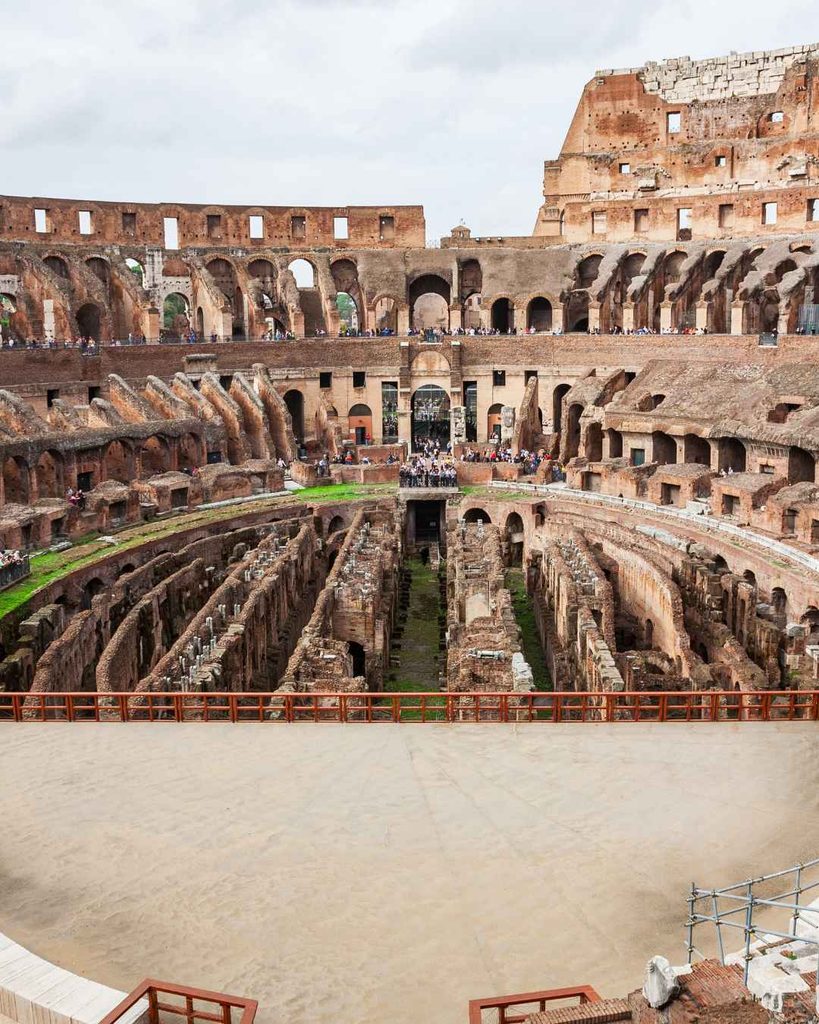
The Colosseum, the Pantheon, and the Baths of Caracalla are all examples of Roman architectural genius. They were not just beautiful. They were functional, and they were built to last.
Roman architecture was also practical. The Romans built roads, bridges, aqueducts, and sewers that are still in use today. They built cities that were designed for health and comfort.
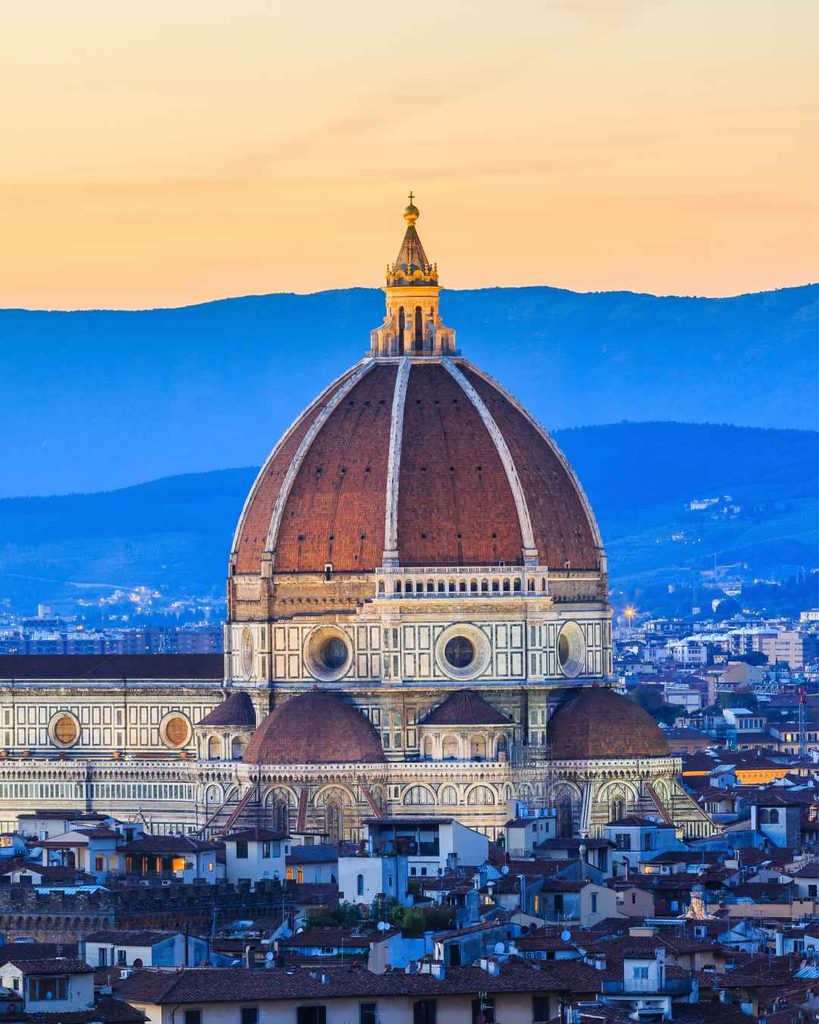
Florentine architecture was a revolution in aesthetics. Brunelleschi’s dome was a feat of engineering that had never been attempted before.
The dome was built without the wooden centering that would have been required by traditional methods, and it was the largest masonry dome ever built. It was a masterpiece of design, and it changed the way architects thought about space and structure.
The Palazzo Medici, the Church of Santa Croce, and the Basilica of San Lorenzo are all masterpieces of Renaissance architecture. They were designed to be beautiful, and they were built to reflect the ideals of harmony and proportion.
Roman architecture changed the way the world builds. Florentine architecture changed the way the world sees.
Engineering Marvels: Roman Roads and Aqueducts vs. Brunelleschi’s Dome
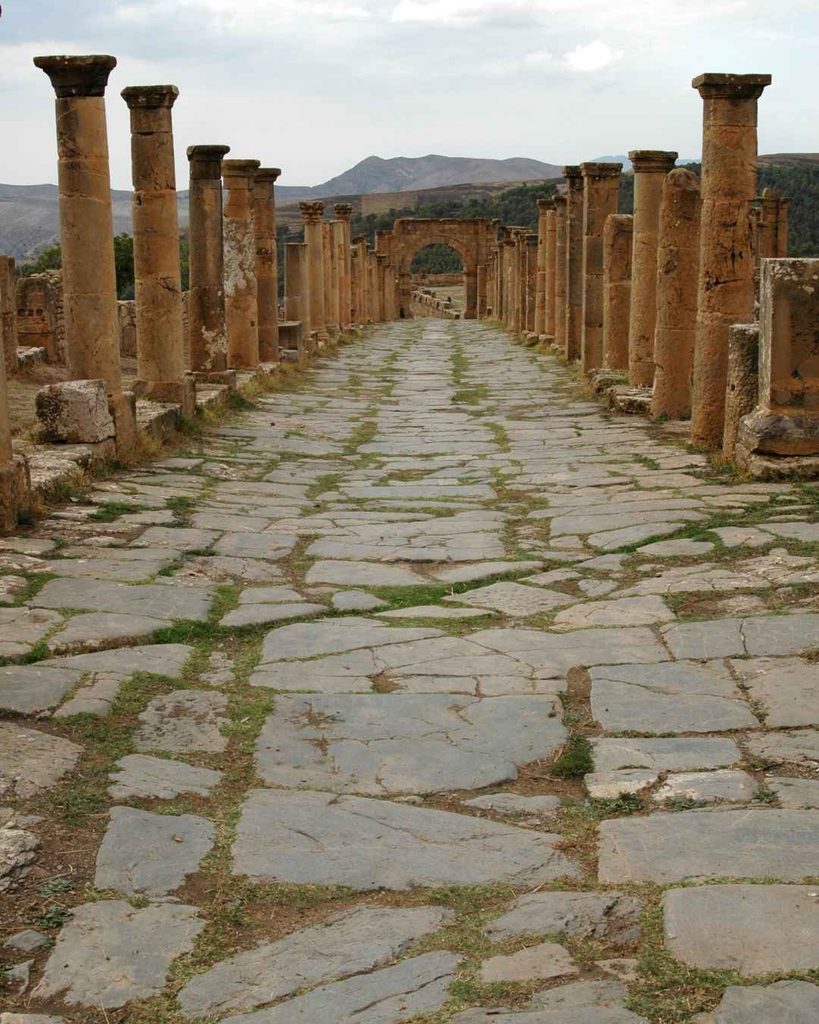
Roman engineering was about scale and durability. The Romans built more than eighty thousand kilometers of roads, and some of them are still in use today.
They built aqueducts that carried water from the mountains to the cities, and some of them are still functioning. The Aqua Virgo, which supplies the Trevi Fountain, has been in continuous use for more than two thousand years.
The Romans also built sewers, bridges, and ports. They were the greatest engineers of the ancient world, and their achievements are still awe-inspiring.
Brunelleschi’s dome was about innovation and beauty. The dome was built without centering, and it was constructed with a double shell that made it lighter and stronger.
The dome was also designed to be seen from below, and the proportions were calculated to create a sense of harmony and balance. It was a masterpiece of engineering and aesthetics.
Roman engineering changed the world by making it possible to build cities and empires. Florentine engineering changed the world by making it possible to dream.
Art That Redefined Human Creativity
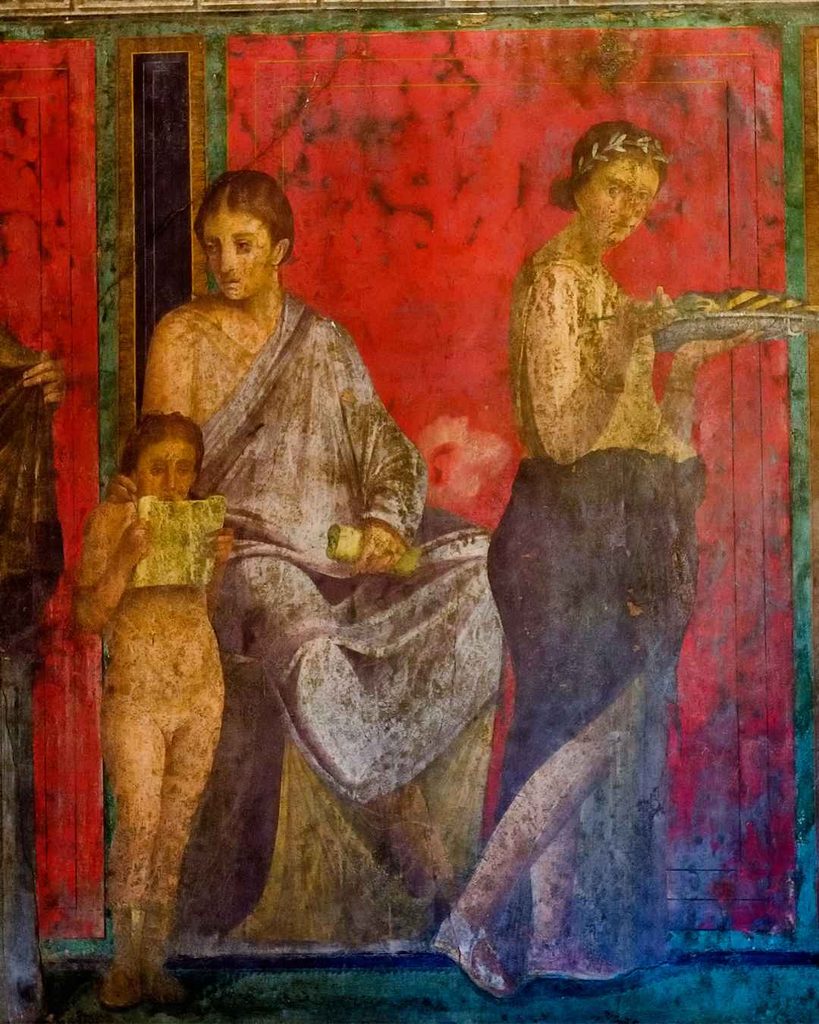
Roman art was about power and realism. The Romans were masters of sculpture, and they created portraits that were remarkably lifelike.
They created mosaics that decorated the floors and walls of their villas, and they created frescoes that covered the walls of their houses. The art of Pompeii and Herculaneum is a window into Roman daily life.
Roman art was also monumental. The Columns of Trajan and Marcus Aurelius are masterpieces of narrative sculpture, and the Arch of Constantine is a masterpiece of relief carving.
Florentine art was about beauty and innovation. The artists of the Renaissance developed perspective, which allowed them to create paintings that seemed to have depth and dimension.
They studied anatomy, and they created sculptures that were more lifelike than anything that had come before. They used color and light to create emotion, and they told stories in their paintings that were both personal and universal.
Roman art changed the world by showing what power looked like. Florentine art changed the world by showing what beauty looked like.
The Birth of Modern Politics: Roman Government vs. Florentine Power Struggles
Roman politics was a complex system of checks and balances. The Republic was governed by two consuls, a senate, and popular assemblies.
The consuls were elected for one-year terms, and they had the power to veto each other. The senate was composed of former magistrates, and it advised the consuls and controlled the finances.
The popular assemblies were the voice of the people, and they had the power to pass laws and elect officials. The system was designed to prevent any one person or group from gaining too much power.
Florentine politics was a chaotic system of factions and rivalries. The city was governed by a series of councils, and the most important was the Signoria, which was composed of nine members.
The Signoria was elected by the guilds, and the elections were often rigged. The city was divided between the Guelphs and the Ghibellines, and later between the Medici and their rivals.
The Medici eventually became the de facto rulers of Florence, and they established a system of patronage that was both generous and controlling.
Roman politics changed the world by creating a system of government that was copied by republics for centuries. Florentine politics changed the world by showing how power could be used to support art and culture.
Law, Justice, and the Foundations of Modern Society
Roman law is one of the most important legacies of ancient Rome. The Romans developed a legal system that was based on reason and precedent, and it was applied to everyone within the empire.
The Twelve Tables, which were written in the fifth century BC, were the foundation of Roman law. They were followed by a series of laws and commentaries that were compiled in the Justinian Code in the sixth century AD.
The Justinian Code was rediscovered in the eleventh century, and it became the foundation of legal systems across Europe. It is still the basis of civil law in many countries today.
Florentine law was less important than Roman law, but Florence did produce one of the most important works of political philosophy in history.
Machiavelli’s The Prince was a manual for rulers, and it was also a meditation on the nature of power. It was controversial when it was written, and it is still controversial today.
Roman law changed the world by creating a system of justice that was based on reason. Florentine philosophy changed the world by asking what power is and how it should be used.
Philosophy and Ideas: From Roman Stoicism to Renaissance Humanism
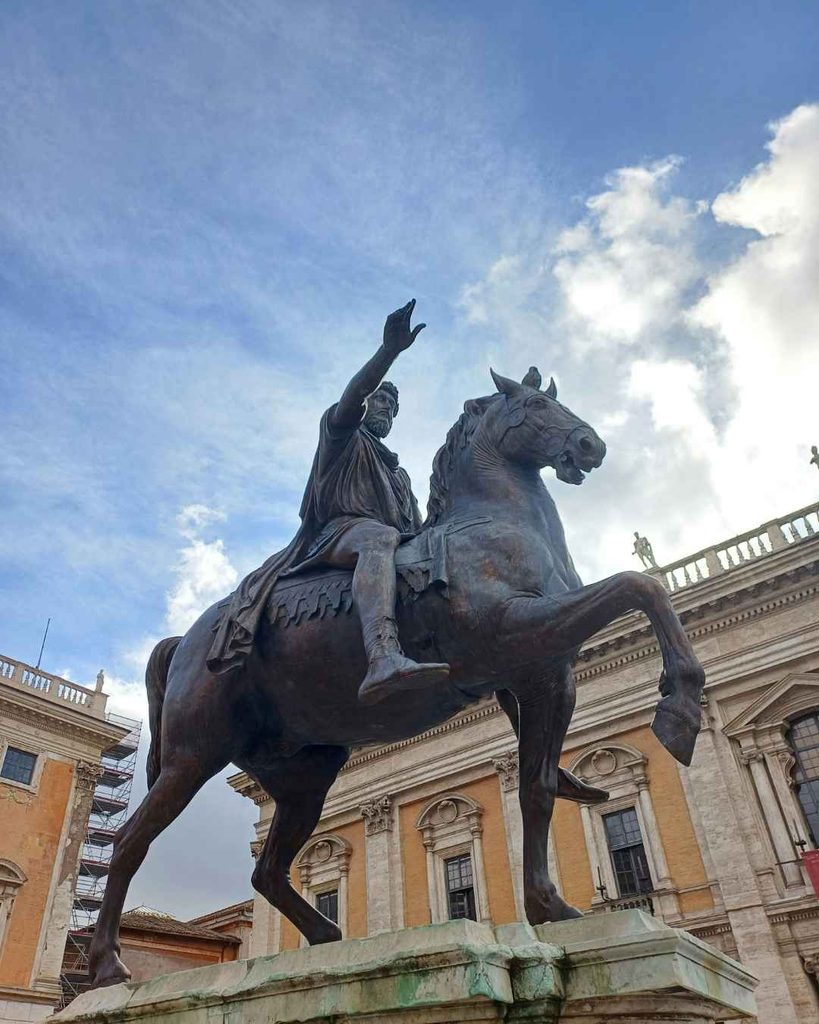
Roman philosophy was dominated by Stoicism, a school of thought that emphasized virtue, duty, and self-control. The Stoics believed that the universe was governed by reason, and that human beings should live in accordance with nature.
Seneca, Epictetus, and Marcus Aurelius were the great Stoic philosophers of Rome. Their works have been read for centuries, and they continue to influence modern thought.
Florentine philosophy was dominated by humanism, a movement that emphasized the dignity of man and the importance of classical learning. The humanists believed that human beings were capable of great things, and that education was the key to unlocking that potential.
Pico della Mirandola, Marsilio Ficino, and Leonardo Bruni were the great humanist philosophers of Florence. Their works shaped the intellectual life of the Renaissance.
Roman philosophy changed the world by teaching people how to live. Florentine philosophy changed the world by teaching people what they could become.
Science, Mathematics, and the Rediscovery of Ancient Knowledge
Roman science was practical rather than theoretical. The Romans were great engineers and administrators, but they were not great scientists.
They did make some important contributions, particularly in medicine and in agriculture. Galen and Dioscorides wrote medical texts that were used for centuries, and Columella wrote a treatise on agriculture that is still read today.
Florentine science was revolutionary. The Renaissance was a period of great scientific discovery, and Florence was at the center of it.
Leonardo da Vinci was a scientist as well as an artist. He studied anatomy, geology, and physics, and he made important discoveries in each of these fields.
Galileo Galilei was born in Pisa but worked in Florence, and he was one of the founders of modern science. He used the telescope to study the heavens, and he challenged the accepted view of the universe.
Roman science changed the world by accumulating practical knowledge. Florentine science changed the world by questioning accepted truths.
Literature and Language: Virgil and Cicero vs. Dante and Machiavelli
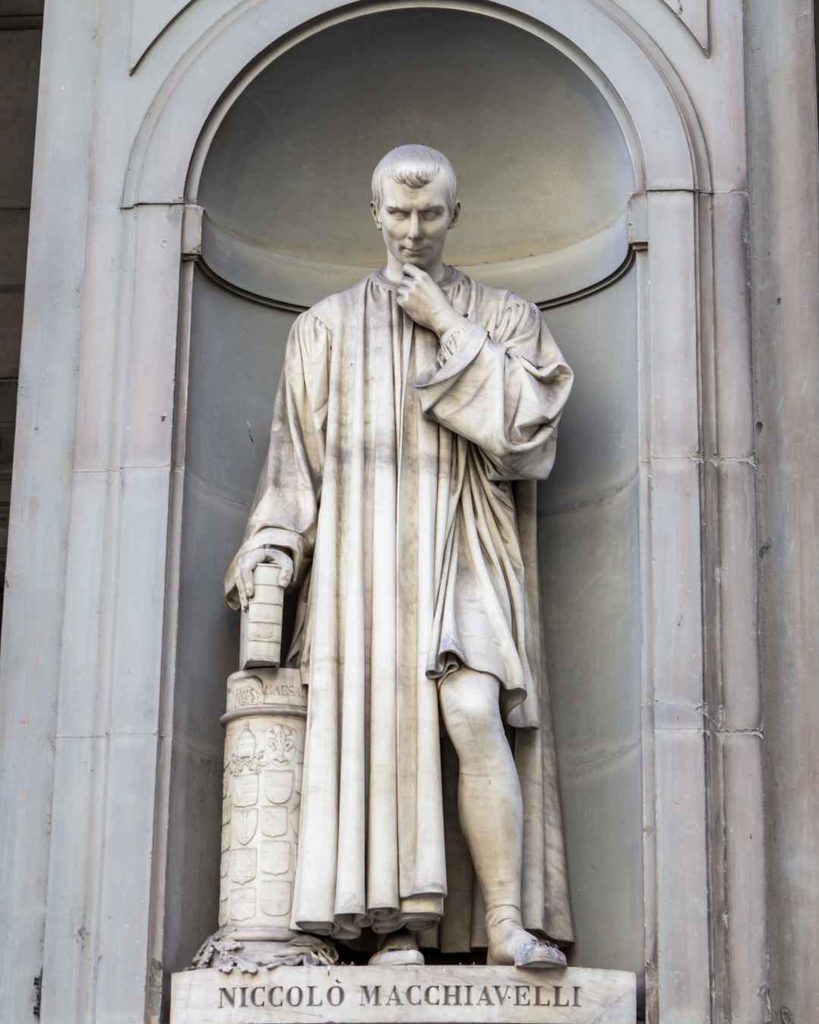
Roman literature is one of the foundations of Western culture. Virgil’s Aeneid is one of the greatest epics ever written, and Cicero’s speeches and letters are masterpieces of Latin prose.
Ovid, Horace, and Catullus were great poets, and their works have been read for centuries. The Romans also developed satire, and Juvenal and Martial are still read today.
Florentine literature is one of the foundations of modern literature. Dante’s Divine Comedy is one of the greatest poems ever written, and it was written in Italian rather than Latin.
This was a revolutionary choice. Dante’s decision to write in the vernacular made literature accessible to a wider audience, and it helped to establish Italian as a literary language.
Machiavelli’s The Prince and Boccaccio’s Decameron are also masterpieces of Florentine literature. They are still read today, and they continue to influence writers and thinkers.
Roman literature changed the world by creating a body of works that have been read for centuries. Florentine literature changed the world by making literature accessible to everyone.
Money, Trade, and Power: Roman Conquests vs. the Medici Banking Empire
Roman money was based on conquest. The Romans built their empire through military conquest, and they used the wealth of conquered territories to fund their armies and their cities.
The Romans also developed a sophisticated system of trade, and they built a network of roads and ports that connected the Mediterranean world. Roman coins have been found as far away as India and China.
The Medici were bankers, and they built their fortune through trade and finance. They were the most important bankers in Europe, and they lent money to kings, popes, and emperors.
They also used their wealth to support art and culture. They commissioned works from the greatest artists of the Renaissance, and they founded libraries and universities.
Roman money changed the world by funding an empire. Medici money changed the world by funding a culture.
Religion and the Church: How Rome and Florence Shaped Christianity
Rome was the center of the Roman Catholic Church. The pope is the bishop of Rome, and the Vatican is the headquarters of the Church.
The Romans also played a key role in the spread of Christianity. The apostle Paul was a Roman citizen, and he traveled throughout the empire preaching the gospel. The Roman roads made it possible for Christianity to spread quickly.
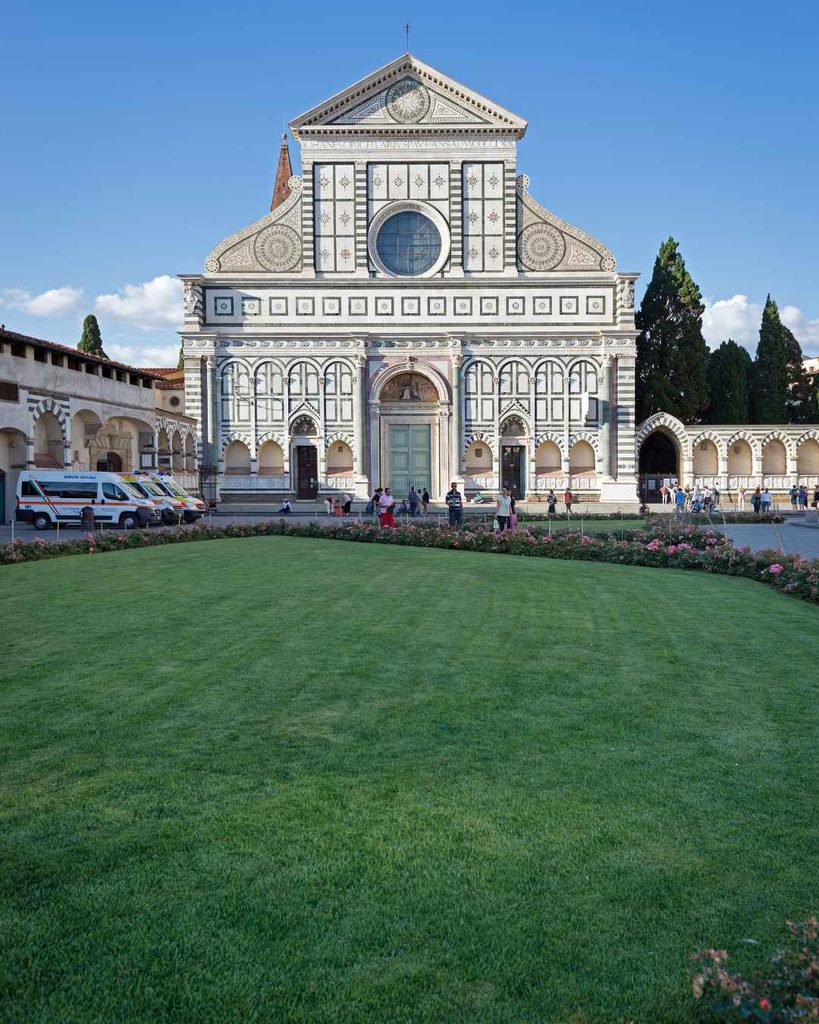
Florence was also an important center of Christianity. The city was home to some of the greatest churches in Europe, including the Duomo, Santa Croce, and Santa Maria Novella.
Florence was also the home of the Medici popes, who played a key role in the history of the Church. Leo X and Clement VII were both Medici, and they were both patrons of the arts.
Rome shaped Christianity by providing its headquarters and its infrastructure. Florence shaped Christianity by providing its art and its theology.
Warfare and Military Strategy: Roman Legions vs. Renaissance Innovation
Roman warfare was based on discipline, organization, and innovation. The Roman legions were the most effective fighting force in the ancient world, and they were able to defeat enemies that were larger and better equipped.
The Romans developed new tactics, new weapons, and new formations. They built siege engines that could breach the walls of the strongest cities, and they built roads that allowed them to move troops quickly.
Florentine warfare was based on innovation and technology. The Florentines were not a military power, but they were great engineers and inventors.
Leonardo da Vinci designed weapons and fortifications for the rulers of Florence and Milan. He designed a tank, a submarine, and a flying machine, though none of them were ever built.
Roman warfare changed the world by creating an empire. Florentine warfare changed the world by imagining new ways to fight.
Education and the Spread of Knowledge
Roman education was based on the classical curriculum of grammar, rhetoric, and philosophy. The Romans believed that education was essential for a life of virtue and public service.
They built schools and libraries throughout the empire, and they preserved the works of Greek and Roman authors. The Roman educational system was the foundation of Western education for centuries.
Florentine education was based on humanism. The humanists believed that education should develop the whole person, and they emphasized the study of classical literature, history, and philosophy.
They founded schools and universities, and they created libraries that collected the works of ancient authors. The Florentine educational system was the foundation of modern liberal arts education.
Rome changed the world by preserving knowledge. Florence changed the world by reviving it.
How Rome and Florence Influenced the Modern World
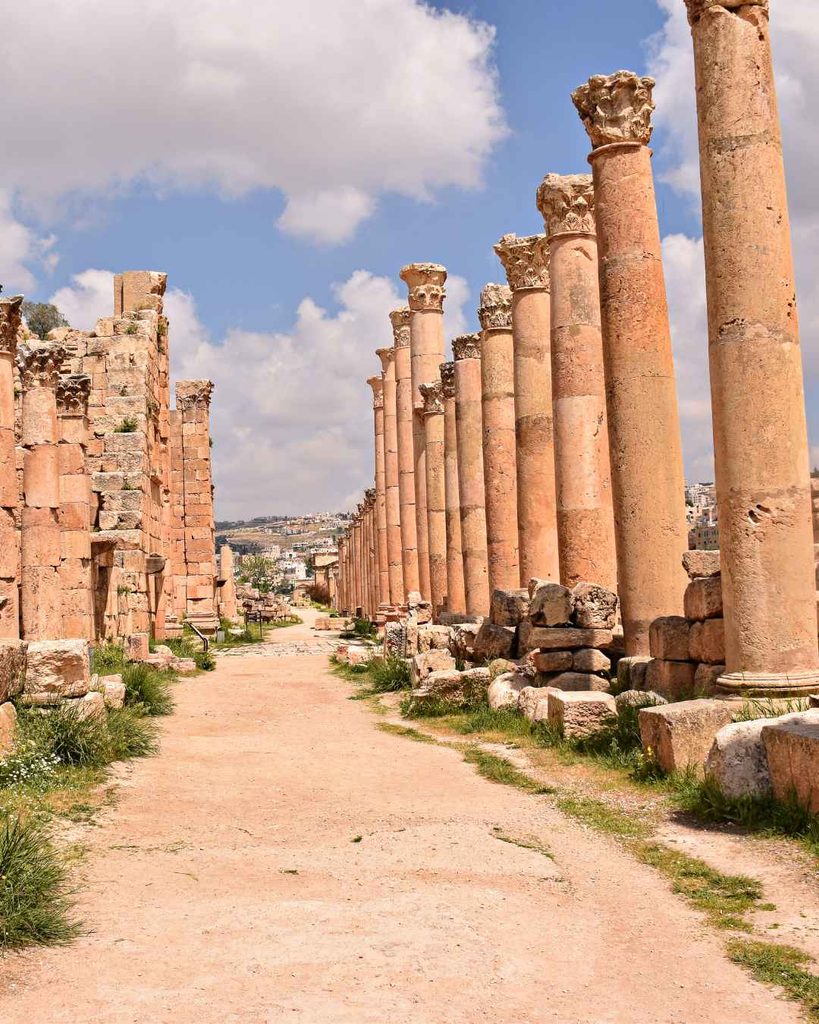
Roman influence is everywhere in the modern world. Our legal systems are based on Roman law. Our languages are based on Latin. Our cities are built on roads that the Romans built.
Our political systems are based on the Roman Republic. Our architecture is based on Roman models. Our calendar is based on the Roman calendar.
Florentine influence is everywhere in the modern world. Our art is based on the Renaissance. Our science is based on the scientific revolution that the Renaissance made possible.
Our ideas about human dignity and individual potential are based on humanism. Our education is based on the liberal arts.
Rome built the framework of the modern world. Florence filled it with beauty and ideas.
Which Civilization Left the Greater Mark on Western Culture?
This is the question that cannot be answered definitively. Rome and Florence both left an enormous mark on Western culture, and both are essential to understanding the modern world.
Rome left the mark of power. It created an empire that shaped the political and legal systems of Europe. It created a language that shaped the languages of Europe. It created a religion that shaped the culture of Europe.
Florence left the mark of beauty. It created art that changed the way we see the world. It created ideas that changed the way we think about ourselves. It created a culture that changed the way we live.
Rome gave us the structures of civilization. Florence gave us the spirit of civilization.
The Darker Side of Their Achievements: Slavery, Inequality, and Political Violence
Both Rome and Florence had a darker side, and it is important to acknowledge it.
Rome was built on slavery. Slaves were a fundamental part of the Roman economy, and they were treated as property. They worked in mines, on farms, in households, and in the arena.
Roman society was also deeply unequal. The gap between the rich and the poor was enormous, and the poor had few rights.
Florence was also built on inequality. The Medici and other wealthy families controlled the city, and the poor had little say in government. The city was also involved in the slave trade, and slavery was practiced in Florence and other Italian cities.
Florence was also a city of political violence. The Pazzi Conspiracy, the riots, and the executions were all part of the city’s history. Savonarola was burned at the stake in the Piazza della Signoria.
Both civilizations were capable of great beauty and great cruelty. That is part of what makes them so fascinating.
What You Can Still See Today: Walking Through Rome and Florence
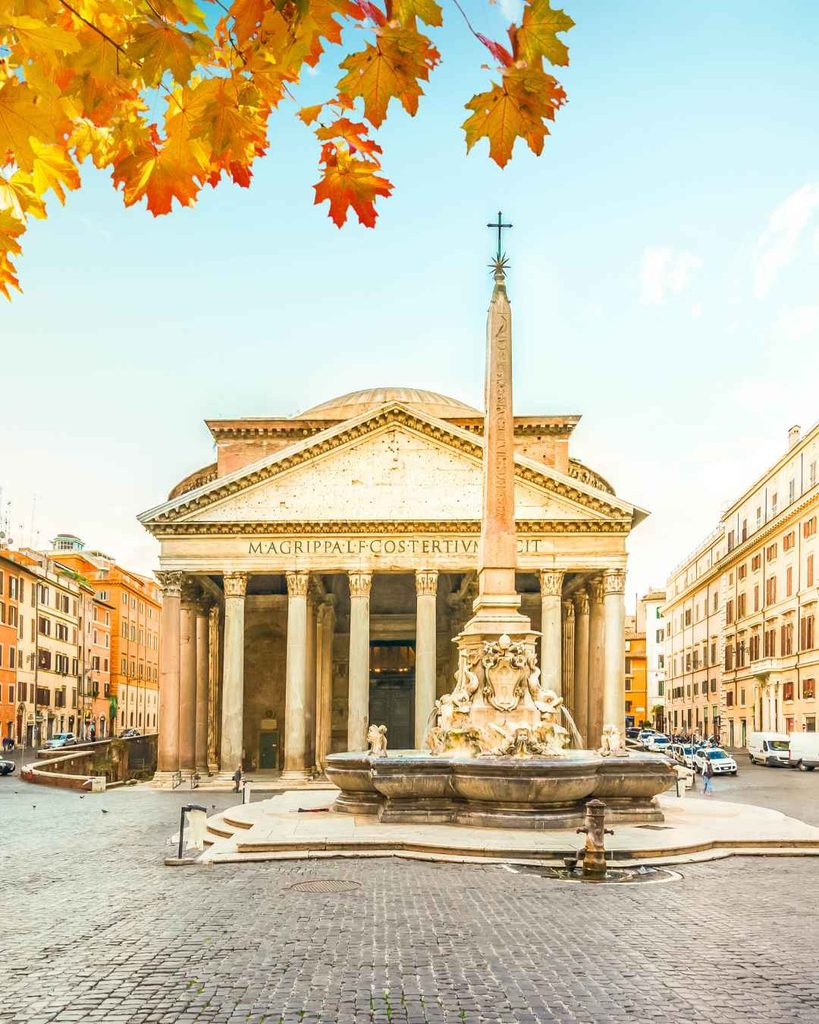
Rome and Florence are both living museums, and you can still see the achievements of their civilizations today.
In Rome, you can walk through the Roman Forum, the Colosseum, and the Pantheon. You can see the aqueducts that still supply the city with water. You can walk on roads that the Romans built.
In Florence, you can see Brunelleschi’s dome, Giotto’s bell tower, and the Baptistery. You can visit the Uffizi and the Accademia, and you can see the works of Botticelli and Michelangelo.
You can walk through the streets that Dante walked, and you can stand in the piazza where Savonarola was burned.
Both cities are open-air museums, and both are worth visiting. They are the physical remnants of two civilizations that changed the world.
Recommended: The best ancient Rome experiences in Rome today.
Could the Renaissance Have Happened Without Ancient Rome?
This is one of the most interesting questions in history. Could the Renaissance have happened without ancient Rome?
The answer is probably not. The Renaissance was a revival of classical learning, and the classical learning that was revived was the learning of Greece and Rome.
The texts of Virgil, Cicero, and Seneca were preserved by the Church, and they were rediscovered by the humanists. The art of the Romans was studied by the artists of the Renaissance, and it shaped their work.
The architecture of the Romans was studied by Brunelleschi and his contemporaries, and it shaped their designs. The politics of the Roman Republic was studied by Machiavelli and other political thinkers, and it shaped their ideas.
Without Rome, the Renaissance would not have had the models it needed. It would not have had the texts it needed. It would not have had the inspiration it needed.
Florence built on the foundations that Rome laid.
Ancient Rome vs. Renaissance Florence: Which Changed the World More?
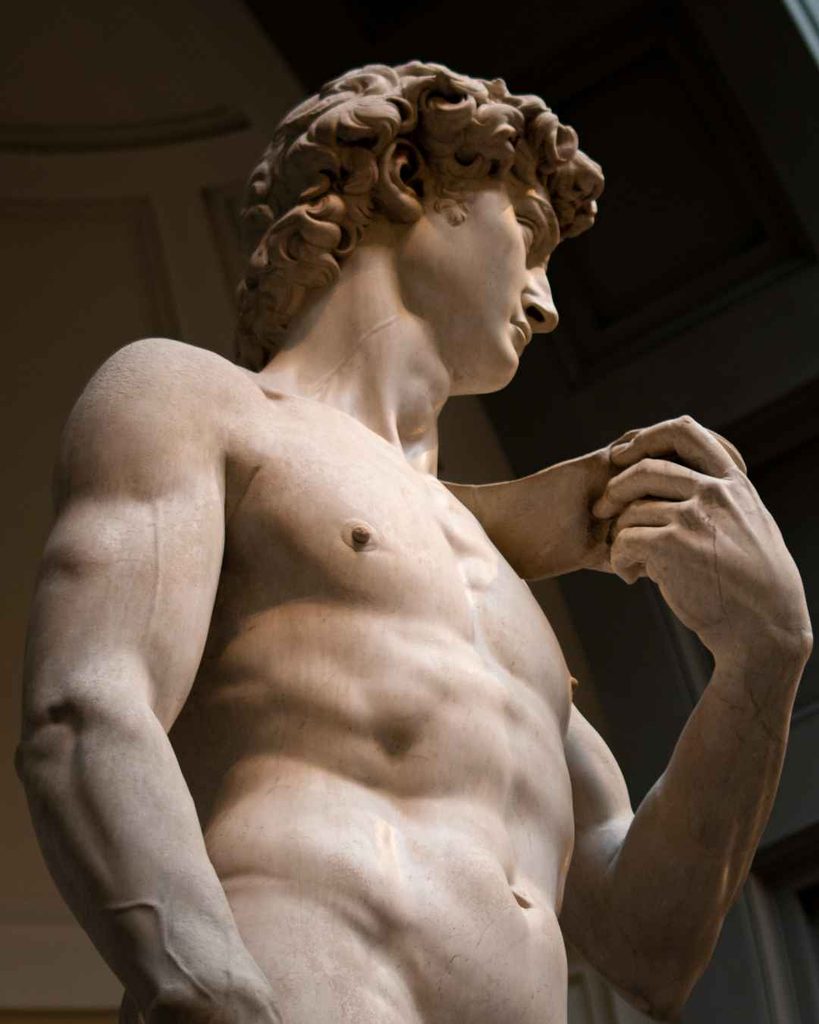
There is no single answer to this question. Rome and Florence both changed the world, but they changed it in different ways.
Rome changed the world by creating a political and legal system that shaped the Western world. It created an empire that spread its language, its laws, and its religion across Europe.
Florence changed the world by creating a cultural and intellectual movement that shaped the modern world. It created art that changed the way we see, ideas that changed the way we think, and a spirit that changed the way we live.
If you measure change by power and influence, Rome changed the world more. If you measure change by beauty and ideas, Florence changed the world more.
But the best answer might be that they are inseparable. Florence could not have happened without Rome, and the modern world could not have happened without either.
Rome gave us the structure of civilization. Florence gave us the soul of civilization. Both are essential, and both are unforgettable.
Must See and Do: The best Renaissance Florence experiences in Florence today
Conclusion
The question of which civilization changed the world more is ultimately a question about what you value. If you value order, law, and power, Rome is the answer. If you value beauty, freedom, and creativity, Florence is the answer.
But the truth is that both are essential. Rome and Florence are two halves of the same story. They are the story of how a small peninsula in the Mediterranean became the center of the world.
Both are worth studying. Both are worth visiting. And both will make you understand why Italy is one of the most remarkable countries in the world.
Again, feel free to go through the list below of my Italy recommendations that I have crafted after years of travel to this beautiful country:
- Packing List: Things Not to Go to Italy Without
- Must-Do Things: Unforgettable Experiences
- Where to Stay: Best Hotels in Italy.
- Where to Stay in Rome: Rome’s Best Neighborhoods
- Where to Stay in Florence: Picking the Best Area
- Where to Stay in Venice: Venice’s Best Districts
- Italy’s Cobblestone Streets: Best Shoes For the Job
- Backpack or Suitcase?: Italy Luggage Guide
- Travel Insurance: Always Be Covered
- E-Sim: Be Connected At All Times