
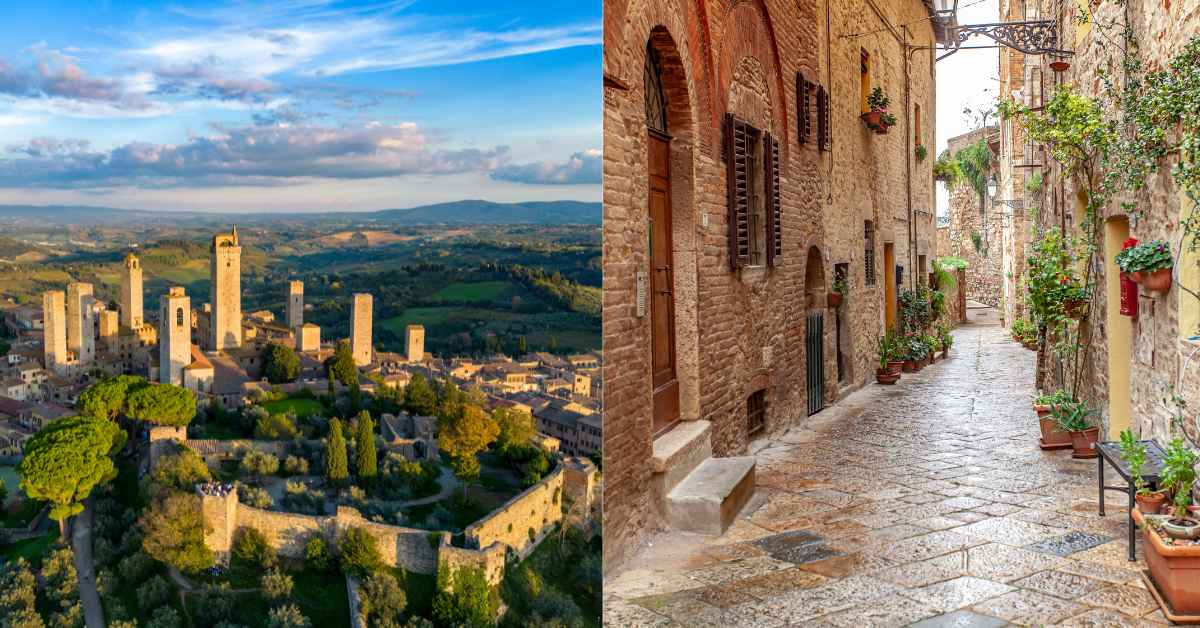
Tuscany has more hill towns than any traveler could hope to visit, and each one claims to be special. But two towns in the northern part of the region stand out for very different reasons.
San Gimignano is the one with the towers. Volterra is the one with the alabaster, the Etruscans, and the sense that you have stumbled onto something real.
They are close enough to visit on the same day, and many travelers do exactly that. But they are not the same place, and they do not offer the same experience.
One is a perfectly preserved medieval stage set that draws crowds from across the world. The other is a working town with a history that goes back further than Rome itself.
This article is a detailed comparison of the two. It covers their histories, their architecture, their art, their crafts, their atmosphere, their crowds, their costs, and the kind of traveler who will love each one.
By the end, you will understand what makes each town fascinating, and you will know which one deserves your time.
Before you read further, remember that Italy rewards travelers who come prepared. I’ve found a few things especially useful on an Italy trip, and they’re worth having and/or knowing beforehand. See the checklist here. Also, if you want me to plan an Italy trip for you that you will never forget, drop me a message here
Two Tuscan Towns That Tell Very Different Stories
San Gimignano and Volterra sit about thirty kilometers apart in the hills of northern Tuscany. They are both walled, both medieval in appearance, and both popular with visitors.
But their stories diverged centuries ago, and that divergence is what makes them so different today.
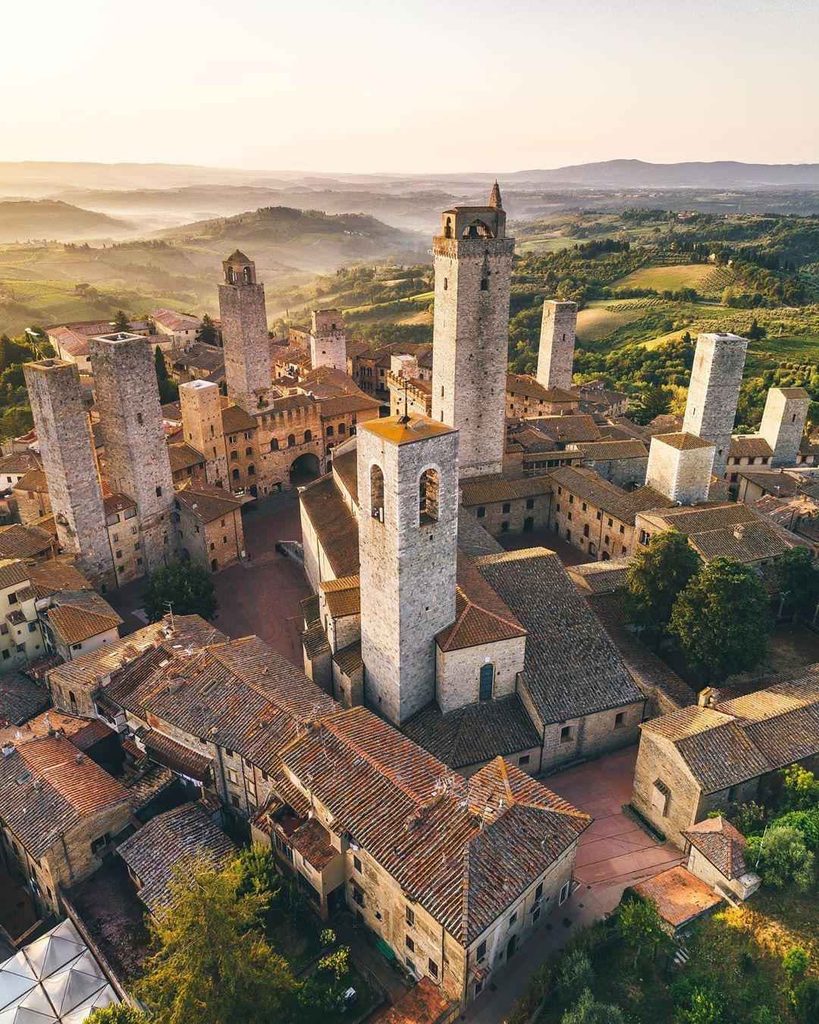
San Gimignano was a prosperous stop on the Via Francigena, the pilgrimage route to Rome. Its wealth came from trade and from the pilgrims who passed through.
The noble families who controlled the town built towers as symbols of their power. At its peak, there were seventy-two of them.
Then came the plague, the famine, and the fall of the town to Florence. San Gimignano declined, and its decline is what preserved it.
No one had the money to rebuild, so the medieval town survived almost intact.
Volterra was one of the great cities of the Etruscan civilization. It was a trading center and a political power long before Rome rose.
The city was protected by a wall four miles long, twice the size of the one that encircles it today. It was conquered by Rome, then ruled by Florence.
Later it became part of the Grand Duchy of Tuscany. It has been continuously inhabited for more than two thousand years, and the layers of its history are still visible.
One town is a survivor of the Middle Ages. The other is a survivor of antiquity. Both are fascinating, but in completely different ways.
The First Thing You Notice When You Arrive
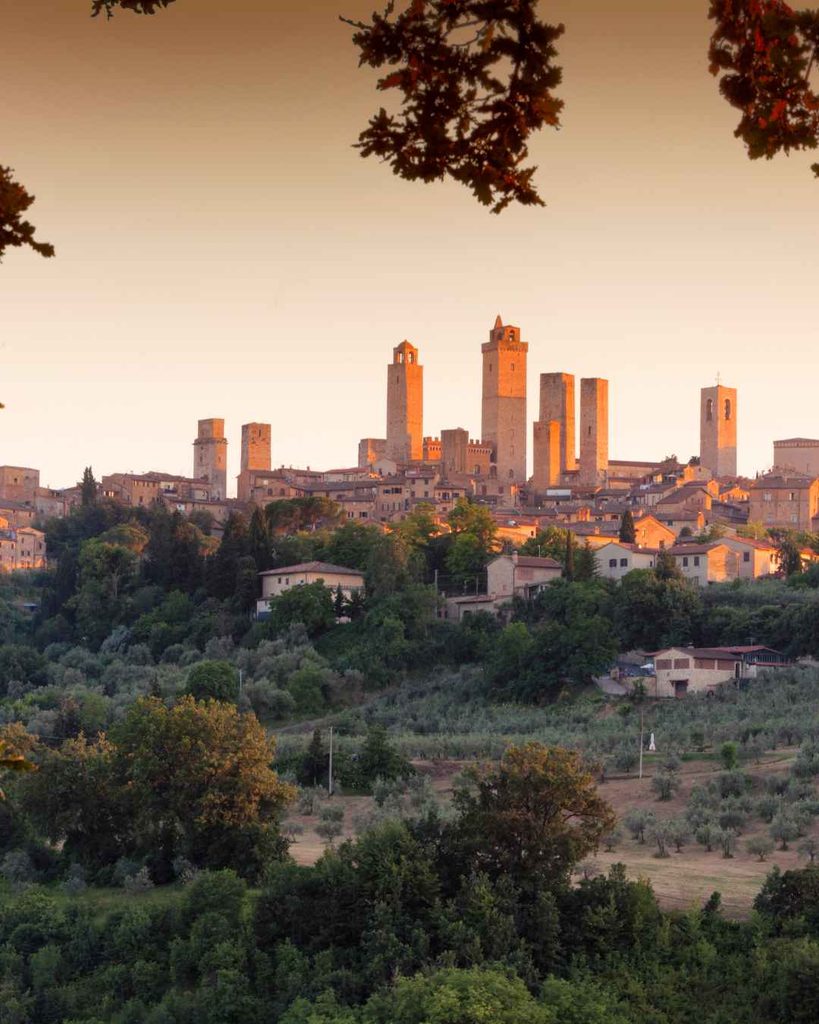
The first thing you notice about San Gimignano is the skyline. The towers rise above the town like a medieval Manhattan, and they are visible from miles away.
As you approach, the town seems to float on its hill. It is a perfect composition of stone and sky, and it looks almost too beautiful to be real.
Once you walk through the Porta San Giovanni, the main gate, the town closes around you. The streets are narrow and cobbled, and the buildings press in on both sides.
The atmosphere is dense, almost theatrical. It feels like a place that was built for people to look at.
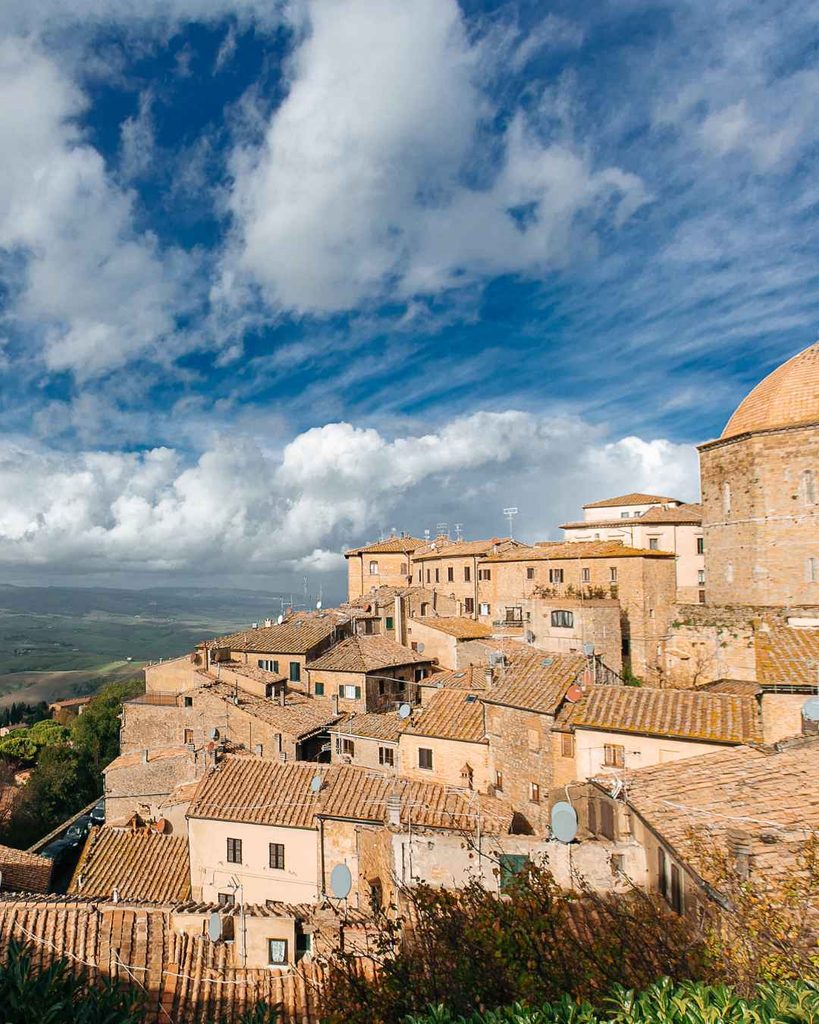
The first thing you notice about Volterra is the wall. The Etruscan wall is massive, built of volcanic tuff, and it has been standing for more than two thousand years.
The Porta all’Arco, the ancient gate, is one of the most impressive sights in Tuscany. It is still standing, still functioning as a gateway into the town.
Once you pass through the gate, the town opens up. The streets are wider than in San Gimignano, and the buildings are more varied.
There is a sense of space and of age that is different from the density of San Gimignano. Volterra feels like a place where people have lived for a very long time.
Before Florence Rose to Power: The Rival Histories of San Gimignano and Volterra
San Gimignano’s golden age was the twelfth and thirteenth centuries, when it was an independent commune. The town controlled the surrounding countryside.
Its merchants grew rich on trade and on the pilgrimage traffic. The towers were built during this period, as rival families competed to build higher and more impressive structures.
The town’s independence came to an end in the fourteenth century. Famine and plague devastated the population, and the town was forced to submit to Florence.
From that point on, San Gimignano was a minor provincial town. Its medieval architecture was preserved because no one could afford to modernize it.
Volterra’s history goes back much further. It was one of the twelve cities of the Etruscan league, and it was a major center of trade and craftsmanship.
The Etruscans were conquered by Rome in the third century BC, but Volterra remained an important town. It became a bishopric in the early Middle Ages.
It was an independent commune in the twelfth century. Volterra’s relationship with Florence was more turbulent than San Gimignano’s.
The town resisted Florentine control for centuries. It was only after a long siege in 1472 that it was finally subdued.
The Medici built a fortress to keep the town in line. The fortress is still there, now used as a prison.
The histories of the two towns explain their different characters. San Gimignano is a town that stopped growing in the fourteenth century.
Volterra is a town that has been growing and changing for more than two thousand years.
Recommended: Best experiences and things to do in Tuscany.
Towers That Reach for the Sky vs. Walls That Have Watched Centuries Pass
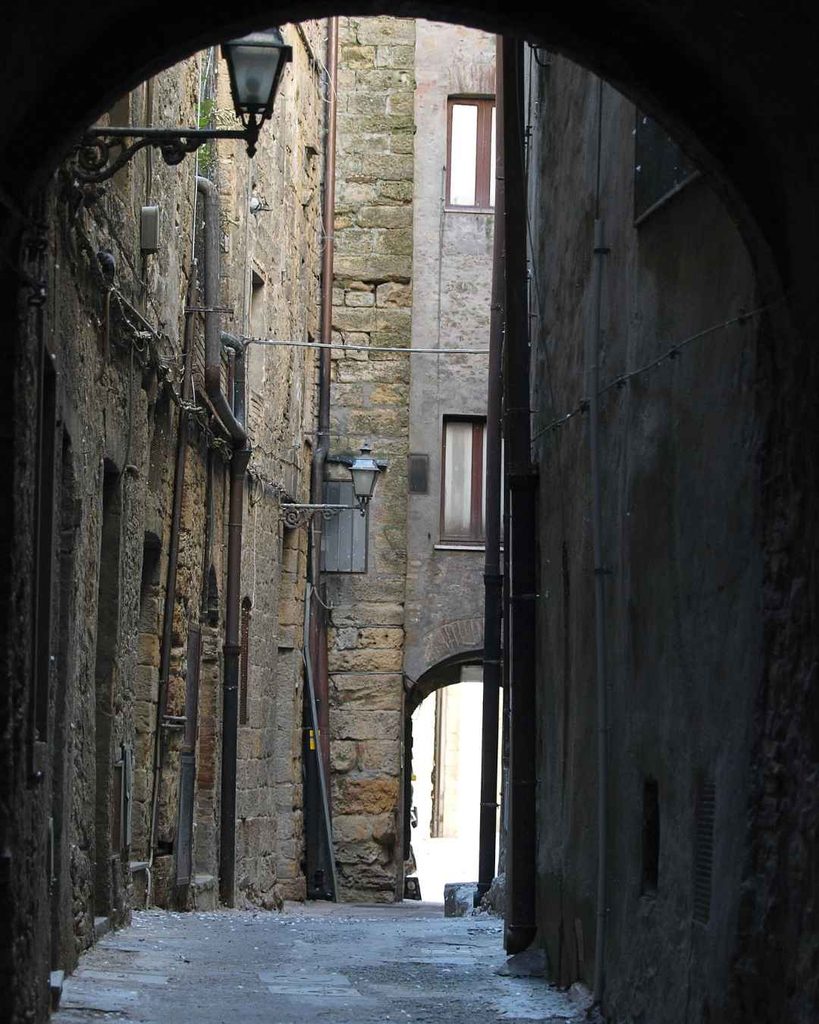
The towers of San Gimignano are the town’s defining feature. Of the original seventy-two, fourteen survive.
They are tall, square, and built of stone. They rise above the rooftops like a forest of stone.
The towers were built for defense and for display. In the Middle Ages, wealthy families built towers to protect themselves from rivals and to show off their wealth.
The higher the tower, the more powerful the family. The Torre Grossa, the tallest surviving tower, is fifty-four meters high.
It offers panoramic views of the town and the surrounding countryside. The climb is worth the effort.
The walls of Volterra are the town’s defining feature. The Etruscan wall was built in the fourth century BC.
It enclosed an area twice the size of the medieval town. The Porta all’Arco is the best-preserved Etruscan gate in Italy.
It has three carved heads that are more than two thousand years old. The walls of Volterra have watched centuries pass.
They have seen the Etruscans, the Romans, the Florentines, and the modern world. They have been repaired, rebuilt, and extended.
But they are still there, still enclosing the town, still defining its shape. The towers of San Gimignano are vertical.
They reach for the sky. The walls of Volterra are horizontal. They enclose and protect.
One is a statement of ambition. The other is a statement of endurance.
Frescoes, Etruscan Tombs, and the Treasures Hiding Behind Museum Doors
San Gimignano’s artistic treasures are concentrated in its churches and its civic buildings. The Collegiate Church contains a cycle of frescoes by Domenico Ghirlandaio.
The frescoes depict the life of Santa Fina, the town’s patron saint. The Church of Sant’Agostino has frescoes by Benozzo Gozzoli.
The cycle on the life of Saint Augustine is considered one of his finest works. The Palazzo Comunale contains the Sala di Dante.
The poet is said to have addressed the town council in 1299. The palace also has a pinacoteca with works by Filippino Lippi and Pinturicchio.
Volterra’s treasures are older and stranger. The Guarnacci Etruscan Museum is one of the most important collections of Etruscan art in Europe.
It contains hundreds of cinerary urns, carved from alabaster and tuff. The lids depict the deceased lounging as if at a banquet.
The museum also has a collection of bronze figures, jewelry, and mirrors. They give a glimpse into a civilization that was flourishing when Rome was still a small town.
The Pinacoteca in Volterra contains a masterpiece of the late Renaissance. The Deposition from the Cross by Rosso Fiorentino is a Mannerist work of extraordinary power.
It has elongated figures and a strange, almost acid palette. It is one of the most important paintings in Tuscany.
And it is in a small museum in a small town.
Volterra guide: Best things to do in Volterra
Volterra’s Etruscan Legacy: Traces of a Civilization Older Than Rome
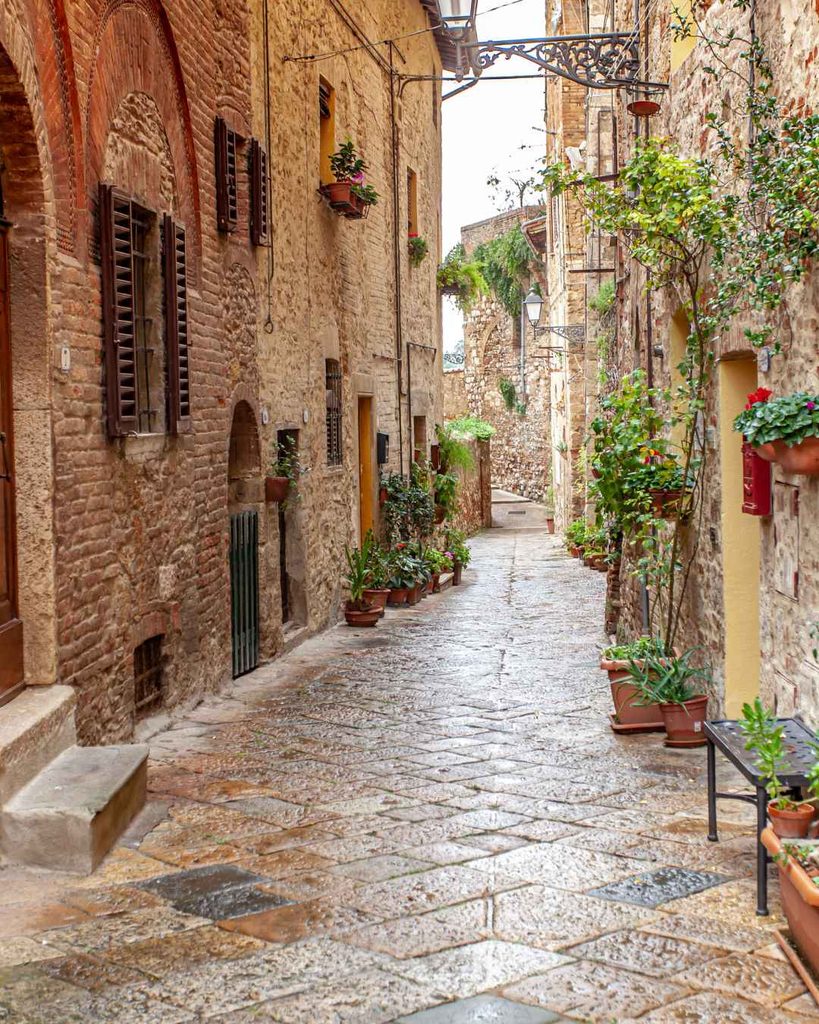
The Etruscans are one of the great mysteries of the ancient world. They built cities, traded across the Mediterranean, and created art of extraordinary sophistication.
But their language is still not fully understood. Much of their culture remains a puzzle.
Volterra was one of their most important cities. The Etruscan name for the town was Velathri.
It was a major center of trade and craftsmanship. The Etruscan wall, the Porta all’Arco, and the Guarnacci Museum are all reminders of this extraordinary civilization.
The Etruscan legacy is visible throughout Volterra. The town’s layout follows the Etruscan plan, and many of the buildings are built on Etruscan foundations.
The Roman theater, which was built in the first century BC, was built on the site of an Etruscan temple. The town is a palimpsest.
Each layer of history is visible beneath the next. San Gimignano has no Etruscan legacy.
It was founded in the Middle Ages, and its history begins with the pilgrimage route. The two towns tell different stories about the deep past of Italy.
One is a story of continuity. The other is a story of medieval innovation.
The Art of Alabaster: Inside Volterra’s Remarkable Craft Tradition
Alabaster has been worked in Volterra for centuries. The stone is softer than marble and easier to carve.
It has a translucent quality that makes it glow when light passes through it. In the Middle Ages, it was sliced thin and used for windows in churches.
Today, Volterra is still a center of alabaster craftsmanship. The Alab’Arte workshop, across from the Etruscan Museum, is one of the best places to see artisans at work.
The shop sells everything from small carved figures to elaborate lamps and vases. The Ecomuseum of Alabaster tells the story of the craft.
It explains its importance to the town. San Gimignano has no comparable craft tradition.
The town is known for its wine, Vernaccia di San Gimignano, and for its saffron. But it is not a center of artisan production in the way that Volterra is.
The shops in San Gimignano sell souvenirs and local products. But they are aimed at tourists rather than at a craft tradition that goes back centuries.
The alabaster workshops of Volterra are one of the things that make the town feel real. They are not a performance for tourists.
They are a working tradition that has been passed down through generations.
San Gimignano’s Popularity vs. Volterra’s Quieter Streets
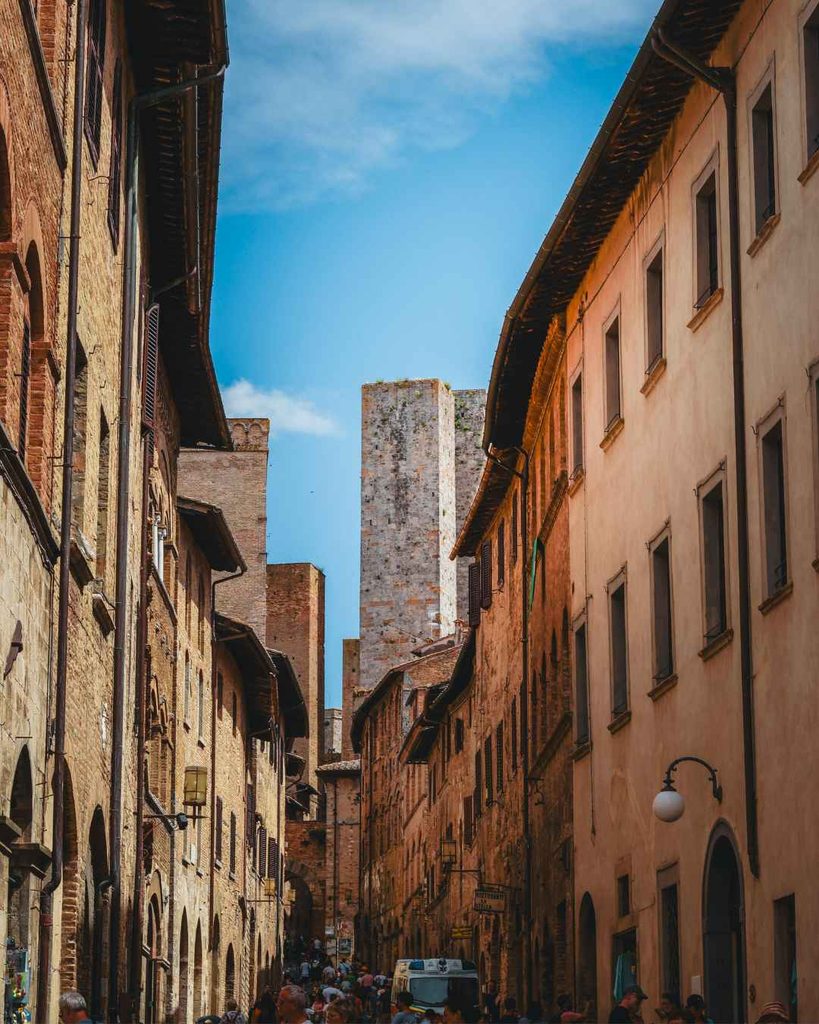
San Gimignano is one of the most popular towns in Tuscany. Its towers, its frescoes, and its perfectly preserved medieval streets make it a magnet for tour groups.
In high season, the main street and the two main squares can be packed with visitors. The atmosphere can feel more like a theme park than a living town.
Volterra is quieter. It receives a fraction of the visitors that San Gimignano receives.
Its streets are less crowded. The town has a working feel, with shops that serve locals as well as tourists.
The restaurants are not entirely dependent on the day-tripper trade. The difference is partly a matter of fame.
San Gimignano’s towers are iconic. They have been photographed millions of times.
Volterra’s attractions are more dispersed and less immediately photogenic. The Etruscan museum, the alabaster workshops, and the Roman theater are all worth seeing.
But they do not have the instant visual appeal of a skyline of towers. The difference is also a matter of marketing.
San Gimignano has been promoted as a tourist destination for decades. Volterra has been slower to develop its tourism infrastructure.
The result is a town that feels less polished but more authentic.
Recommended: Best things to do in San Gimignano.
Which Town Feels More Like a Place Where People Actually Live?
Volterra feels more like a place where people actually live. The town has a population of about eleven thousand people.
It has a working economy that is not entirely dependent on tourism. The alabaster workshops, the agricultural production, and the salt mines are all part of the local economy.
The streets of Volterra are not just for tourists. They are for people going about their daily lives.
The cafes are full of locals, the shops sell things that people actually need. The market on Saturday is a real market, not a tourist attraction.
San Gimignano feels more like a place that is performed for visitors. The town has a small permanent population.
Much of its economy is geared toward tourism. The shops sell souvenirs, the restaurants serve tourist menus.
The streets are designed to be photographed rather than lived in. This is not to say that San Gimignano is fake.
It is a real town with a real history. But the balance between local life and tourism has tipped in favor of tourism.
The town feels less alive as a result.
Spending the Night: Which Town Comes Alive After the Day-Trippers Leave?
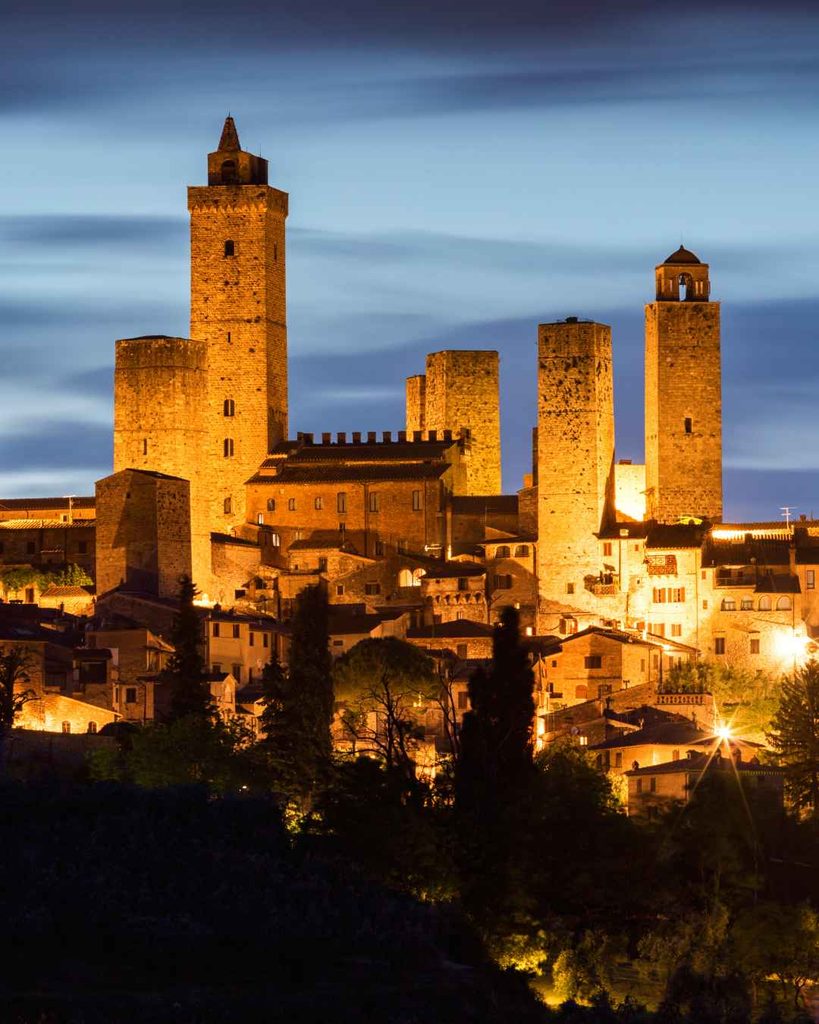
Both towns change when the day-trippers leave. But the change is more dramatic in San Gimignano.
The town empties out in the evening, and the streets become quiet and atmospheric. The towers are lit up, the restaurants set out their tables.
The town feels like it belongs to the people who are staying there. Volterra is quieter at night than San Gimignano.
But it is also more consistently alive. The town does not empty out in the same way.
It has a larger resident population and a more diverse economy. The restaurants are full of locals, the bars are open.
The streets have a lived-in feel. The best way to experience either town is to stay overnight.
In San Gimignano, the reward is the quiet of the evening and the early morning. In Volterra, the reward is the sense of a town that continues to live its own life.
Regardless of whether there are tourists there or not.
Where to Stay in San Gimignano and Volterra
San Gimignano has atmospheric hotels inside the walls, but the best book up months ahead. Hotel La Cisterna sits on Piazza della Cisterna, and Leon Bianco occupies a thirteenth-century building nearby. Expect to pay a premium for a room with a tower view.
Volterra is more affordable and more relaxed. Hotel San Lino is a converted convent with a small pool, and Palazzo Viti offers rooms in a frescoed noble residence. Family-run guesthouses and B&Bs are common and often cheaper than San Gimignano’s.
What Your Money Gets You in San Gimignano and Volterra
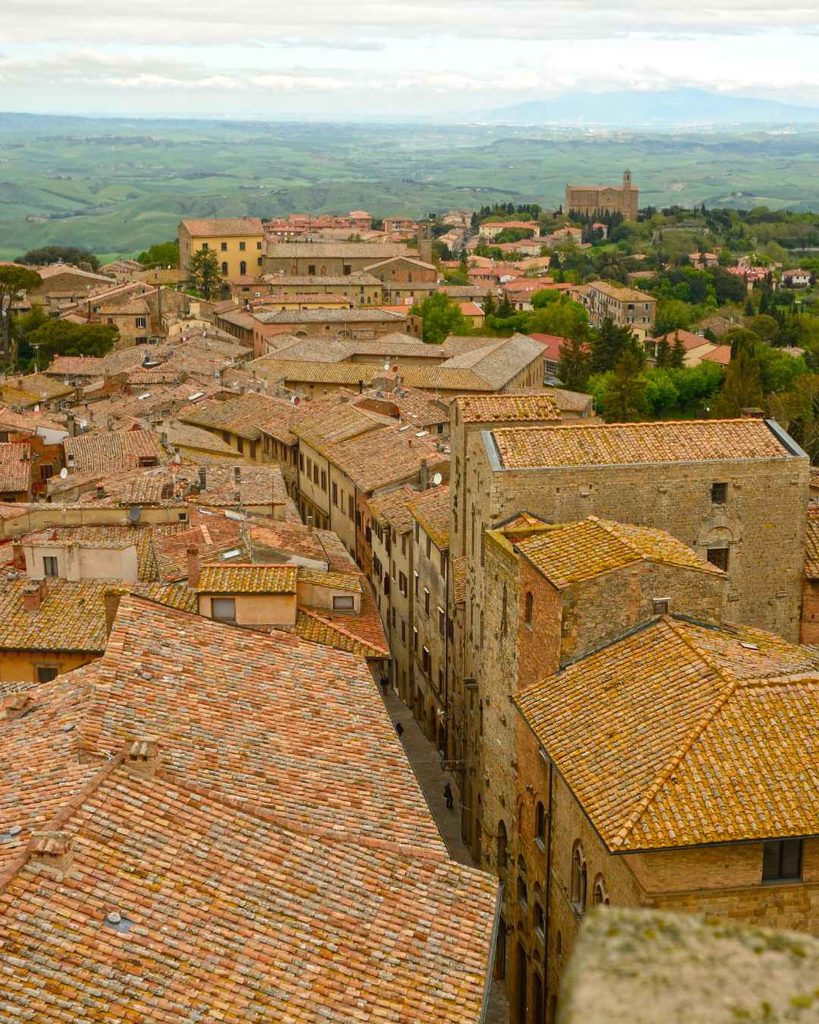
San Gimignano is more expensive than Volterra. The town’s popularity means that hotels, restaurants, and shops can charge higher prices.
A mid-range hotel in San Gimignano can cost significantly more than a comparable hotel in Volterra. The restaurants in the most visible locations are often overpriced.
Volterra is more affordable. The town has a range of accommodation, from budget hotels to charming guesthouses.
The prices are generally lower than in San Gimignano. The restaurants are also more reasonably priced.
The food is often better, because it is aimed at locals as well as visitors. The verdict on costs is clear.
Volterra offers better value for money. San Gimignano charges a premium for its fame.
Which Town Makes the Better Subject for Your Camera?
San Gimignano is the more photogenic town. The towers, the squares, and the surrounding countryside create a composition that is almost impossible to get wrong.
The view from the Torre Grossa is one of the most photographed in Tuscany. The town is a favorite of travel photographers.
Volterra is less obviously photogenic. But it is more rewarding for photographers who are willing to look closely.
The Etruscan gate, the alabaster workshops, the Roman theater, and the narrow streets of the historic center all offer opportunities for interesting images.
The town has a gritty, lived-in quality. It is more authentic than the polished beauty of San Gimignano.
The verdict on photography depends on what you are looking for. If you want postcard-perfect images, San Gimignano is the answer.
If you want images that tell a story, Volterra is the answer.
The Traveller Who Will Fall in Love with San Gimignano
San Gimignano is the right choice for travelers who want the classic Tuscan hill town experience. It is the right choice for first-time visitors to Tuscany.
They want to see the towers and the frescoes and the medieval streets that they have seen in photographs. It is also the right choice for travelers who are short on time.
San Gimignano is small and easy to visit. The main attractions can be seen in a few hours.
It is a good stop on a driving tour of Tuscany. It is close enough to Florence and Siena to be visited as a day trip.
Why Volterra Might Be the Town You Remember Most
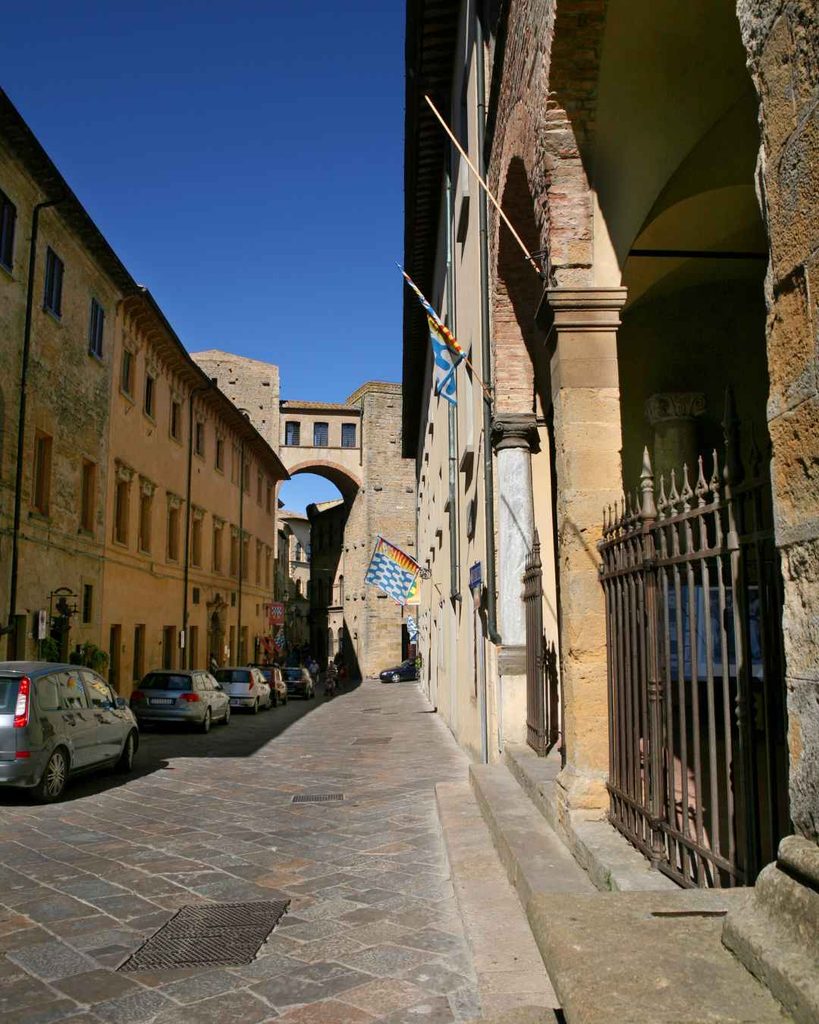
Volterra is the right choice for travelers who want something deeper. It is the right choice for travelers who are interested in history, in archaeology, and in the layers of civilization that have shaped Italy.
The Etruscan museum, the Roman theater, and the alabaster workshops are all unique to Volterra. They offer a glimpse into a world that is older and stranger than the Middle Ages.
Volterra is also the right choice for travelers who want to escape the crowds. The town is quieter than San Gimignano.
It feels more like a place where people actually live. The restaurants are better, the prices are lower, and the atmosphere is more relaxed.
And Volterra is the right choice for travelers who want a town that stays with them. San Gimignano is beautiful, but it is a beauty that you have seen before.
Volterra is more subtle, more complex, and more surprising. It is the kind of place that you think about long after you have left.
San Gimignano vs. Volterra: Which One Would I Recommend?
There is no single answer to this question. San Gimignano and Volterra are both fascinating, but they offer different kinds of fascination.
San Gimignano is the more immediately impressive town. The towers are dramatic, the frescoes are beautiful, and the medieval streets are perfectly preserved.
It is a place that delivers on the promise of the Tuscan hill town. Volterra is the more rewarding town.
It is older, deeper, and more complex. The Etruscan legacy, the alabaster craft, and the lived-in atmosphere make it a place that feels real.
It feels real in a way that San Gimignano sometimes does not. If I had to choose one, I would choose Volterra.
It is the town that I would return to. It is the town that I would recommend to friends who want to see something beyond the postcards.
San Gimignano is worth visiting, and its towers are worth climbing. But Volterra is the town that stays with you.
Again, feel free to go through the list below of my Italy recommendations that I have crafted after years of travel to this beautiful country:
- Packing List: Things Not to Go to Italy Without
- Must-Do Things: Unforgettable Experiences
- Where to Stay: Best Hotels in Italy.
- Where to Stay in Rome: Rome’s Best Neighborhoods
- Where to Stay in Florence: Picking the Best Area
- Where to Stay in Venice: Venice’s Best Districts
- Italy’s Cobblestone Streets: Best Shoes For the Job
- Backpack or Suitcase?: Italy Luggage Guide
- Travel Insurance: Always Be Covered
- E-Sim: Be Connected At All Times