
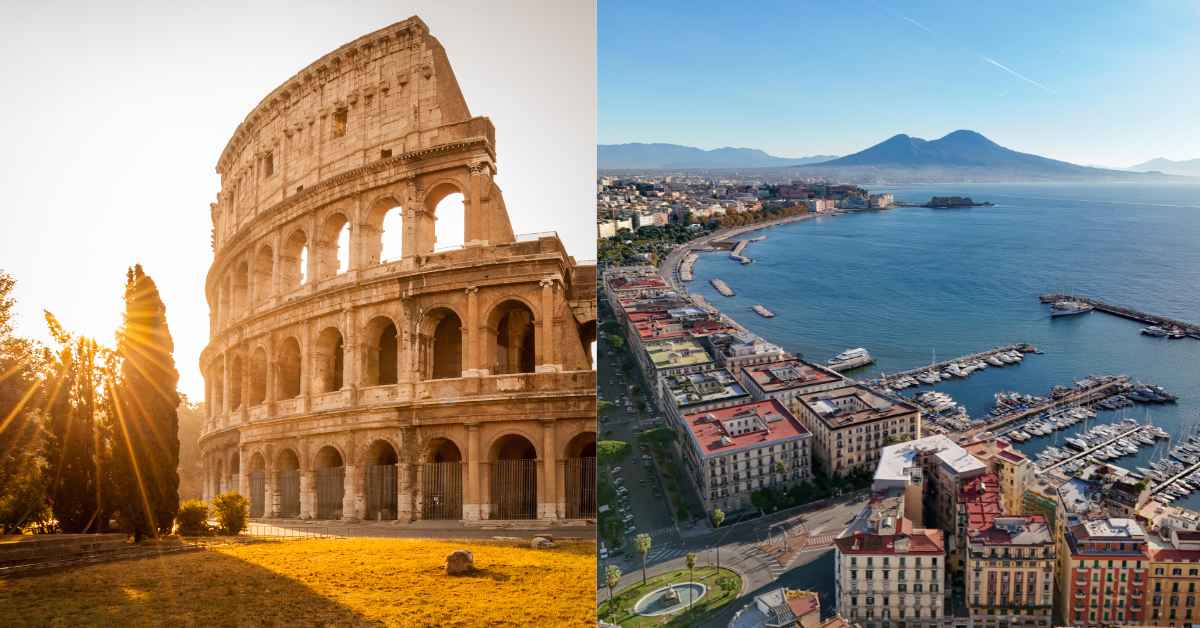
Rome and Naples are two of Italy’s most fascinating cities, yet spending a few days in each can feel like visiting two entirely different countries. Rome has the Colosseum, the Vatican, grand piazzas, and the magnificent remains of an empire that once ruled much of the known world.
Naples has the birthplace of pizza, the looming presence of Mount Vesuvius, streets that seem to operate by their own rules, and a culture that wears its heart on its sleeve.
Both cities are steeped in history, both have extraordinary food, and both have traditions that stretch back centuries. But while Rome often feels monumental and carefully composed, Naples is more spontaneous, unpredictable, and intensely alive.
One draws you in with its ancient grandeur; the other grabs your attention with the sheer force of its everyday life.
So, if you want to experience the Italy that exists beyond the famous monuments and picture-perfect views, which city should you choose?
In this comparison, we look beyond the obvious attractions to explore the everyday culture, street life, food, architecture, historic neighborhoods, local traditions, prices, and people that give Rome and Naples their distinctive characters.
Before you read further, remember that Italy rewards travelers who come prepared. I’ve found a few things especially useful on an Italy trip, and they’re worth having and/or knowing beforehand. See the checklist here. Also, if you want me to plan an Italy trip for you that you will never forget, drop me a message here
First Impressions: What It Feels Like to Arrive in Rome vs. Naples
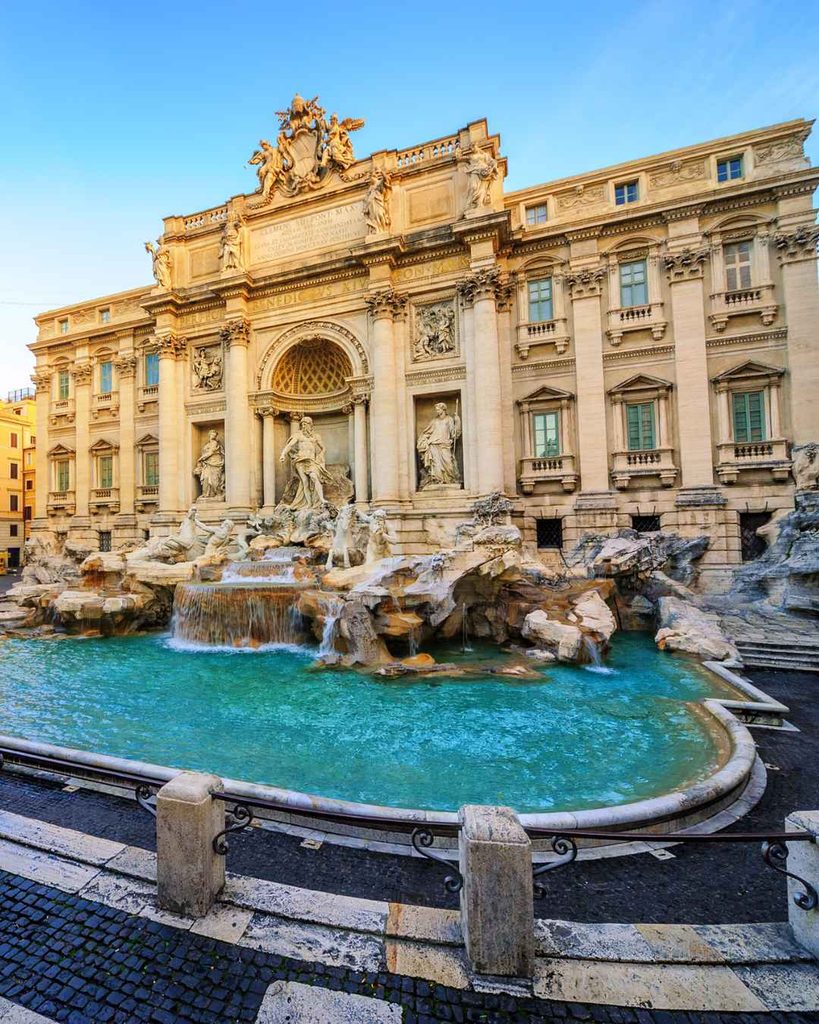
The first impression of Rome is one of grandeur. You step out of the train station and the city unfolds before you. The streets are wide, the buildings are monumental, and the monuments are everywhere.
The Colosseum, the Roman Forum, the Pantheon, the Trevi Fountain. Every corner reveals another masterpiece, and the city feels like a living museum. The atmosphere is elegant and orderly, and the traffic, though busy, follows the rules.
The first impression of Naples is one of chaos. You step out of the train station and the city hits you like a wave. The streets are narrow, the traffic is heavy, and the noise is constant.
The buildings are weathered, the laundry hangs from the balconies, and the Vespas weave through the traffic with a casual disregard for the rules. The atmosphere is raw and alive, and the city feels like it is constantly in motion.
These first impressions are not misleading. Rome is elegant and monumental. Naples is raw and chaotic. Both are beautiful, but in different ways. One is the beauty of order. The other is the beauty of disorder.
The first impression of Rome is also one of history. The city is layered with centuries of civilization, and every street tells a story. You can walk from the Colosseum to the Pantheon in twenty minutes, and in that walk you pass through two thousand years of history.
The first impression of Naples is also one of beauty. But the beauty is rougher, more immediate, and more human. The city is built on a hill, and the sea is always visible. The Bay of Naples is one of the most beautiful in the world, and Vesuvius looms in the background.
Everyday Life: Where Can You Experience the Real Italy?
The real Italy is not found in the monuments or the museums. It is found in the markets, the cafes, the piazzas, and the neighborhoods. It is found in the daily rituals of the people who live there.
In Rome, everyday life is visible in the markets of Campo de’ Fiori and Testaccio. It is visible in the cafes of Monti and Trastevere, where the locals gather for their morning espresso.
It is visible in the piazzas of the historic center, where the Romans take their evening passeggiata. But Rome is also a city that is heavily shaped by tourism. The historic center is filled with visitors, and many of the restaurants and shops cater to them rather than to the locals.
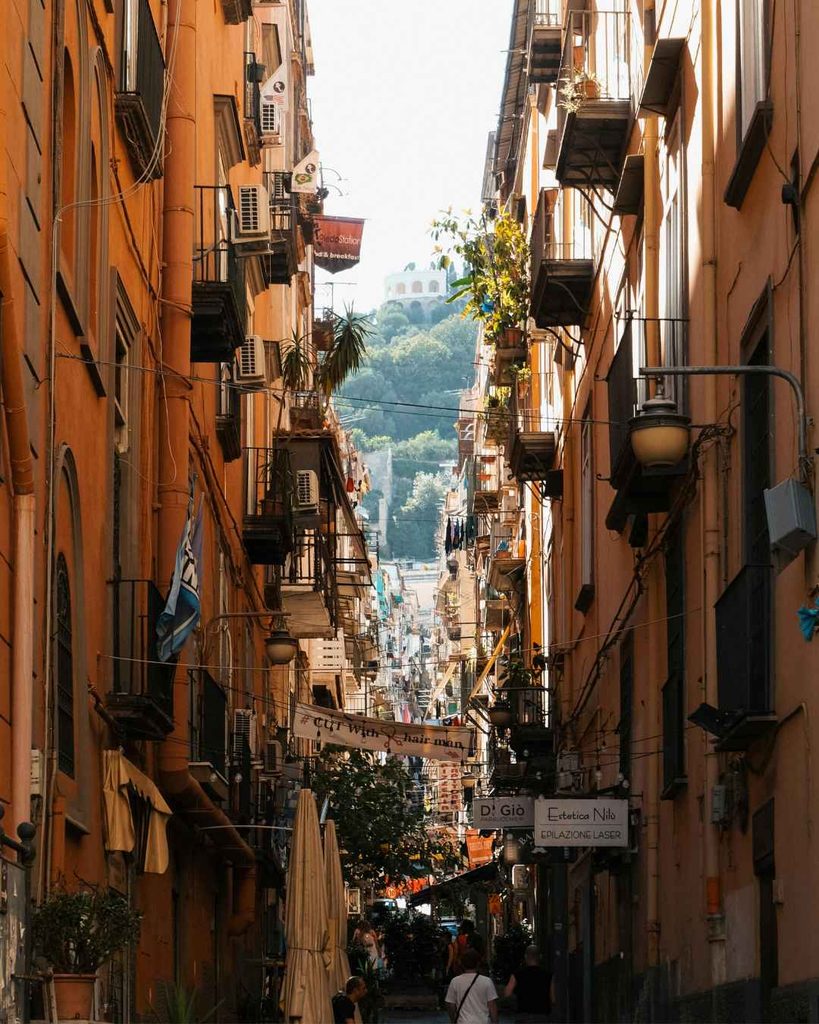
In Naples, everyday life is more visible. The city is less touristy, and the locals still set the pace. The markets of Pignasecca and Porta Nolana are working markets, where the Neapolitans buy their food and household goods.
The streets of the Quartieri Spagnoli are filled with locals, and the cafes are filled with people who have lived in the neighborhood for generations. The city is less polished than Rome, but it is more authentic.
The everyday life of Rome is also visible in the small neighborhoods outside the historic center. The Garbatella, a neighborhood built in the 1920s, has a strong local identity and a village-like atmosphere. The Pigneto, a working-class neighborhood, has a lively street life and a growing food scene.
The everyday life of Naples is visible everywhere. The city is a collection of neighborhoods, each with its own character and its own traditions. The Sanità, the Quartieri Spagnoli, the Vomero, and the Chiaia are all different, but they all share a strong sense of local identity.
Street Life and Local Culture: Elegant Rome vs. Unfiltered Naples
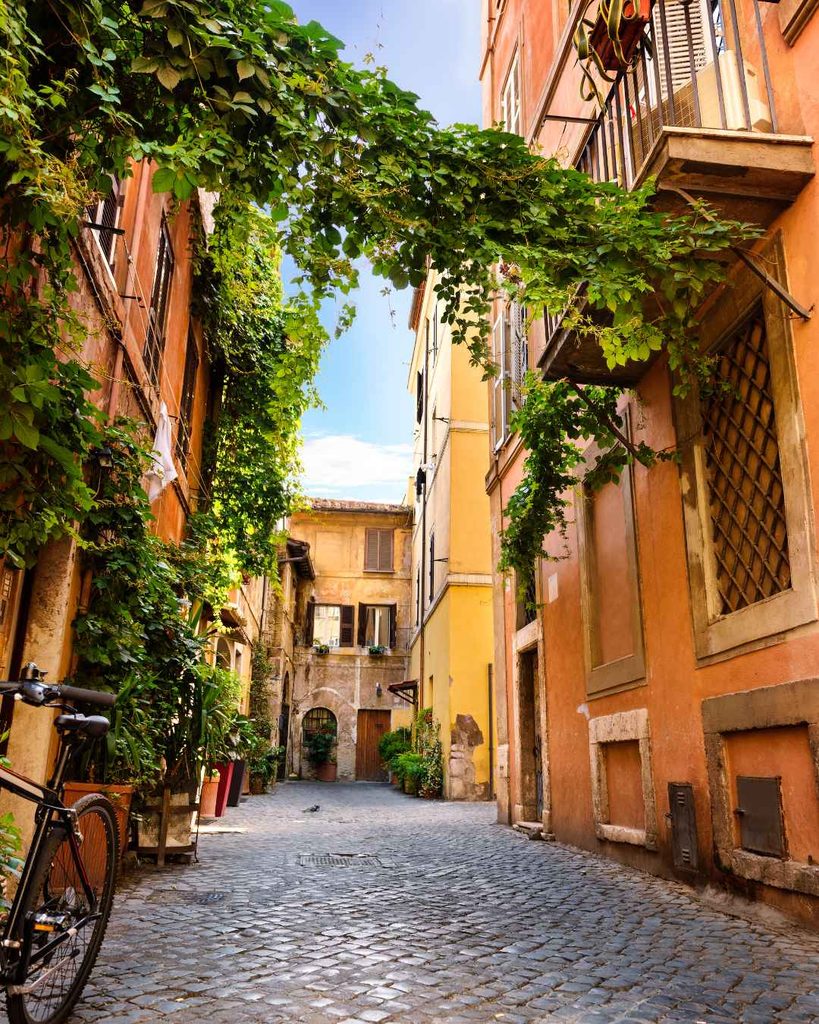
The street life of Rome is elegant and refined. The streets are wide, the buildings are well-maintained, and the atmosphere is orderly. The Romans are stylish and well-dressed, and the cafes are elegant and polished.
The street life of Naples is unfiltered and raw. The streets are narrow and chaotic, and the buildings are weathered and covered in graffiti. The Neapolitans are loud and expressive, and the cafes are casual and lively.
Both cities have a strong street culture, but they express it differently. Rome is the city of the passeggiata, the elegant evening walk. Naples is the city of the vicoli, the narrow alleys where life is lived in public.
In Rome, the street is a stage. In Naples, the street is a living room. Both are authentic, but Naples is more unfiltered.
The street life of Rome is also shaped by its history. The city has been a center of power for centuries, and the streets reflect that history. The wide avenues, the grand piazzas, and the monumental buildings are all designed to impress.
The street life of Naples is shaped by its geography. The city is built on a hill, and the streets are narrow and steep. The alleys are dark and cool, and the piazzas are small and intimate. The street life is more intimate and more communal.
Food: Roman Classics vs. The Birthplace of Pizza

The food of Rome is bold and hearty. The most famous dishes are carbonara, amatriciana, cacio e pepe, and gricia. These are pasta dishes made with simple ingredients, and they are best eaten in the trattorias where the recipes have been passed down for generations.
The food of Naples is the food of the sea and the street. The most famous dish is pizza, which was born in Naples and is still the best in the world. The pizza margherita, with its tomato, mozzarella, and basil, is a masterpiece of simplicity.
The pizza fritta, a fried pizza, is a street food that is beloved by the locals. The food of Naples is more varied than the food of Rome. It includes seafood, pasta, and street food. The city is also famous for its pastries, including sfogliatella and babà.
Both cities have excellent food, but Naples is the more authentic food city. The food is less expensive, more varied, and more closely tied to the daily life of the people.
The food of Rome is also excellent, but it is more formal. The restaurants are often elegant, and the service is attentive. The food is designed to be enjoyed slowly, with a glass of wine and a view of the city.
The food of Naples is more casual. The restaurants are often family-run, and the service is friendly and informal. The food is designed to be enjoyed with friends and family, and the atmosphere is lively and convivial.
Historic Streets and Architecture: Ancient Grandeur vs. Raw Beauty
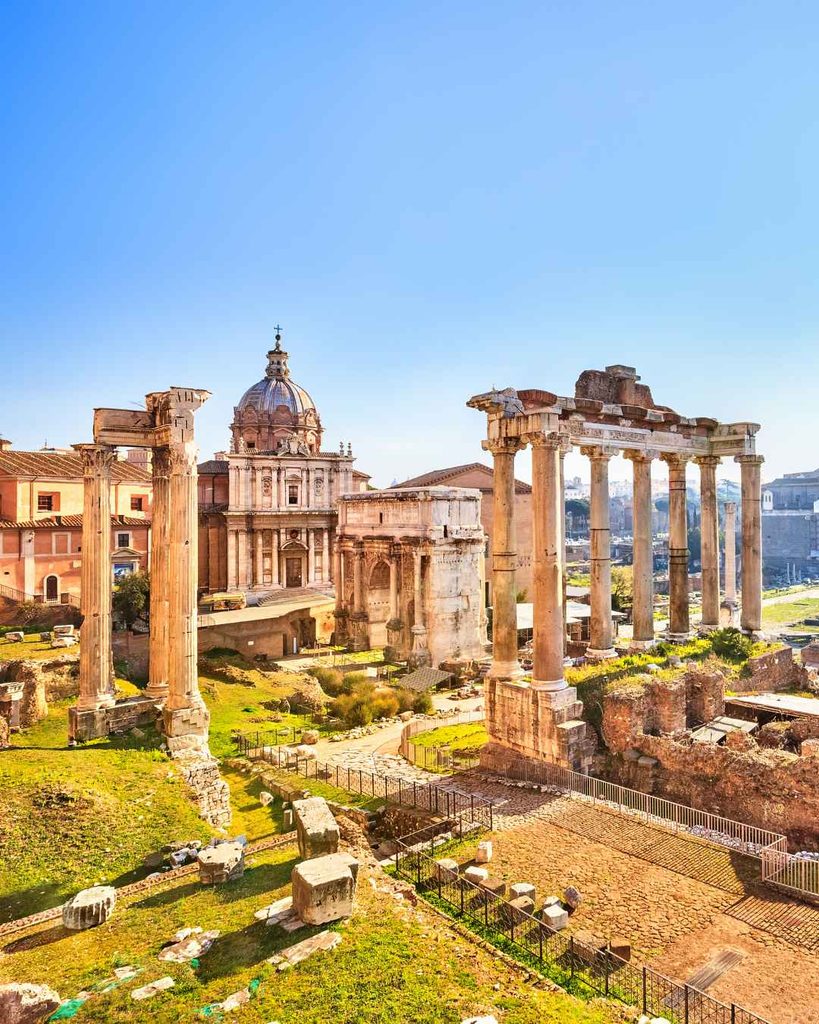
The architecture of Rome is monumental. The city is filled with ancient ruins, Renaissance palazzos, and Baroque churches. The Colosseum, the Roman Forum, the Pantheon, and St. Peter’s Basilica are all in Rome, and they are among the most important buildings in the world.
The architecture of Naples is more varied. The city has a well-preserved historic center, which is a UNESCO World Heritage Site. It has castles, churches, and palazzos, and it has a unique underground city that was carved out of the volcanic rock beneath the streets.
The architecture of Rome is more monumental. The architecture of Naples is more raw and more layered. Both are beautiful, but Rome is more polished, and Naples is more authentic.
The architecture of Rome is also more ancient. The city has been continuously inhabited for more than two thousand years, and the buildings reflect that history. The Colosseum, the Pantheon, and the Forum are all testaments to the power and sophistication of ancient Rome.
The architecture of Naples is more medieval and Baroque. The city was founded by the Greeks, and it has been ruled by the Romans, the Byzantines, the Normans, the Spanish, and the Bourbons. Each of these cultures left its mark on the city, and the architecture reflects that layered history.
Ancient Rome vs. Underground Naples: Which City Has the More Fascinating History?
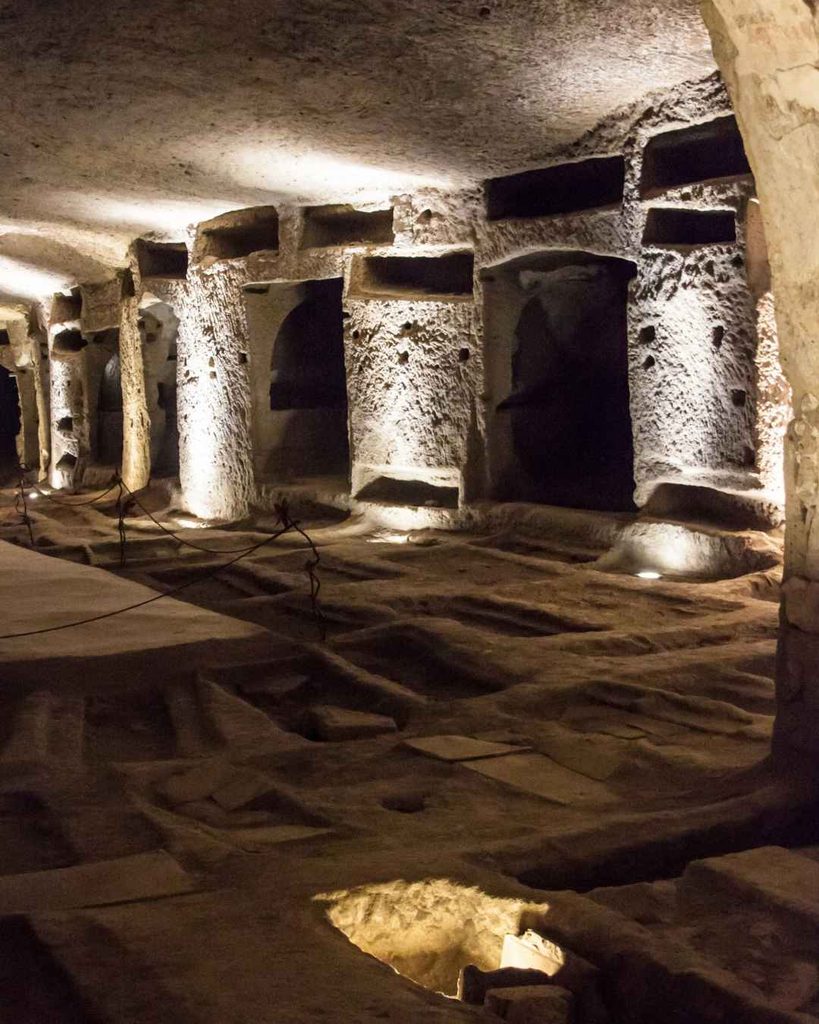
Rome has the more famous history. It was the capital of the Roman Empire, and it has been a center of power, culture, and religion for more than two thousand years. The city is filled with monuments that tell the story of its history, from the Colosseum to the Vatican.
Naples has a history that is just as fascinating, but less famous. The city was founded by the Greeks, and it has been ruled by the Romans, the Byzantines, the Normans, the Spanish, and the Bourbons.
The underground city of Naples is one of the most fascinating places in Italy. It is a labyrinth of tunnels, chambers, and cisterns that were carved out of the volcanic rock over thousands of years.
The underground city was used by the Greeks, the Romans, and the early Christians, and it is now open to visitors.
Both cities have a rich history, but Rome’s is more famous, and Naples’s is more hidden. If you want the more famous history, Rome is the answer. If you want the more hidden history, Naples is the answer.
The history of Rome is also more accessible. The city has a wealth of museums, monuments, and archaeological sites, and the history is well-documented and well-preserved. The history of Naples is more difficult to access, but it is also more rewarding for travelers who are willing to look beyond the surface.
When in Naples, I highly recommend doing the underground guided tour. This is the tour I recommend.
The Neighborhoods Where Locals Still Set the Pace
In Rome, the neighborhoods where locals still set the pace are becoming harder to find. The historic center is dominated by tourism, and the residential neighborhoods are increasingly expensive.
But there are still neighborhoods where the locals set the pace. Monti, near the Colosseum, is a neighborhood with a strong local identity, with vintage shops, independent boutiques, and small restaurants.
Testaccio, south of the historic center, is a working-class neighborhood with a famous market and a strong food culture. Trastevere, across the river, has a village-like atmosphere, with narrow streets and local trattorias.
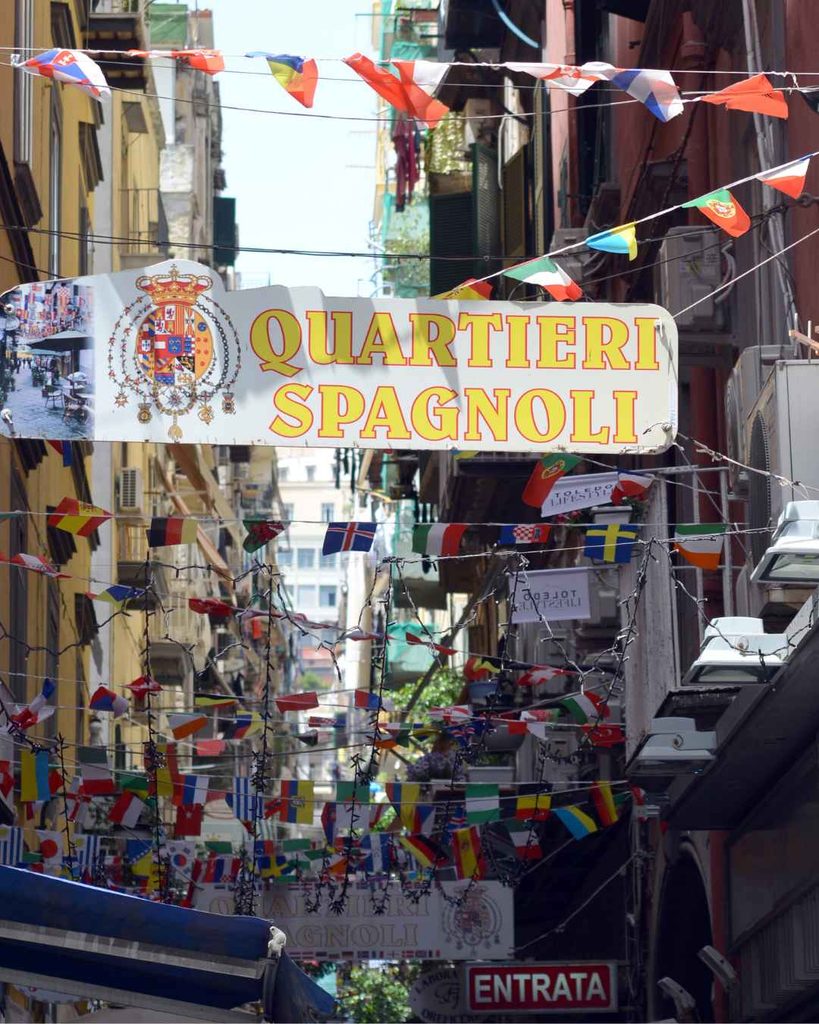
In Naples, the neighborhoods where locals still set the pace are everywhere. The Quartieri Spagnoli, the Spanish Quarters, are a maze of narrow streets and alleys where the locals live, work, and socialize.
The Sanità neighborhood is another example, with a strong local identity and a vibrant street life. The Neapolitan neighborhoods are more authentic than the Roman ones because tourism has not yet overwhelmed them.
You can walk through the Quartieri Spagnoli and see the locals going about their daily lives, hanging laundry from the balconies, cooking in the streets, and talking to their neighbors.
The neighborhoods of Rome are also more dispersed. The historic center is the main tourist area, but the residential neighborhoods are spread across the city. The neighborhoods of Naples are more concentrated. The city is compact, and the neighborhoods are all within walking distance of each other.
Tourism and Crowds: Has Rome Lost Its Authenticity?
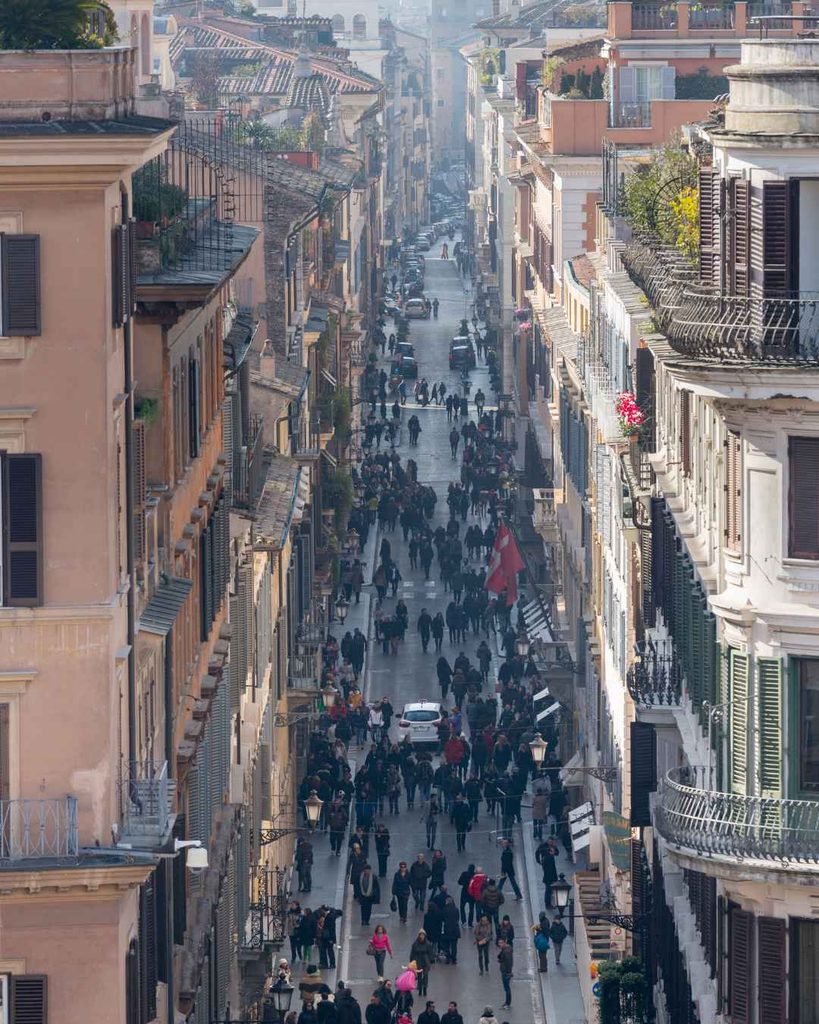
Rome is one of the most visited cities in the world, and tourism has shaped the city in significant ways. The historic center is filled with visitors, and many of the restaurants and shops cater to them rather than to the locals.
The result is that some parts of Rome have lost their authenticity. The area around the Trevi Fountain, for example, is now dominated by tourists, and the restaurants in the area are overpriced and mediocre. The Spanish Steps and the Pantheon are also crowded, especially in high season.
But Rome has not lost its authenticity entirely. There are still neighborhoods where the locals set the pace, and there are still restaurants where the food is authentic and the prices are reasonable. The key is to know where to look.
Naples is less affected by tourism. The city receives a fraction of the visitors that Rome receives, and the tourism infrastructure is less developed. The result is that Naples has retained more of its authenticity. The locals still set the pace, the food is still authentic, and the prices are still reasonable.
The tourism of Rome is also more organized. The city has a well-developed tourism infrastructure, with hotels, restaurants, and attractions that are designed for visitors.
The tourism of Naples is more informal. The city has fewer hotels and restaurants that cater to tourists, and the tourism is more integrated into the daily life of the city.
Related Post: Where to Stay in Rome if You Hate Crowds
The Naples You Rarely See in Travel Brochures
The Naples you rarely see in travel brochures is the Naples of the working-class neighborhoods. It is the Naples of the Quartieri Spagnoli, where the laundry hangs from the balconies and the children play in the streets.
It is the Naples of the Sanità, where the catacombs of San Gennaro are located and where the locals still practice the traditions of their ancestors. It is the Naples of the markets, where the vendors sell fish, vegetables, and household goods.
This Naples is not polished or picturesque. It is raw, chaotic, and sometimes difficult. But it is also authentic, and it is the Naples that the Neapolitans know and love.
Local Traditions, Superstitions, and Religious Festivals
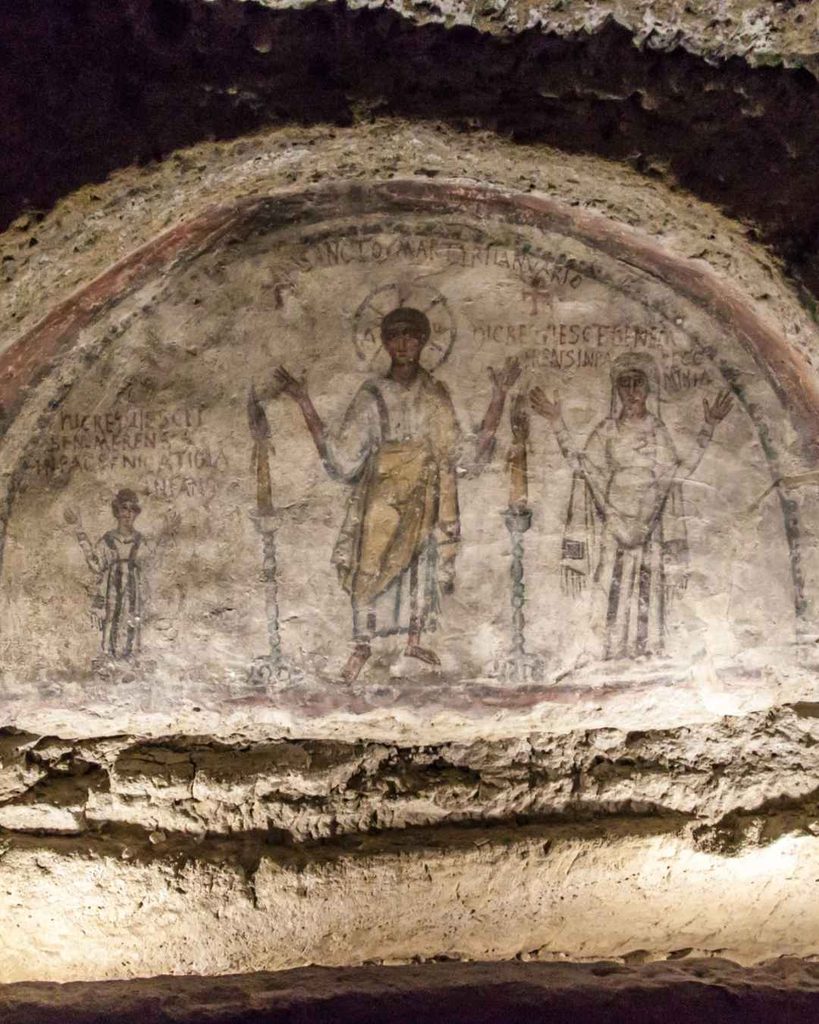
Naples is a city of traditions, superstitions, and religious festivals. The most famous festival is the Feast of San Gennaro, which takes place in September and celebrates the patron saint of Naples.
The festival includes a procession through the streets, a mass in the cathedral, and the famous miracle of the liquefaction of the saint’s blood. The blood is kept in a reliquary in the cathedral, and it is believed to liquefy three times a year. If the blood does not liquefy, it is considered a bad omen for the city.
Another important tradition is the cult of the dead, which is practiced in the Fontanelle cemetery. The cemetery is filled with skulls, and the locals adopt the skulls of the dead and pray for them in exchange for favors.
The Neapolitans are also famous for their superstitions. The most famous is the belief in the evil eye, the malocchio, which is believed to bring bad luck.
The Neapolitans use amulets and gestures to protect themselves from the evil eye, and the practice is still widespread today.
Rome has its own traditions and festivals, including the Palio di Roma and the Festa de’ Noantri. But the traditions of Naples are more intense, more colorful, and more closely tied to the daily life of the people.
The People: What Makes Romans and Neapolitans Different?
Romans and Neapolitans share a national identity, but spend a little time in both cities, and you may notice differences in how people express themselves, interact with strangers, and go about their daily lives.
Romans can come across as self-assured and occasionally reserved, with an understandable pride in a city whose history and monuments attract visitors from every corner of the world. Living amid such extraordinary heritage, they are also accustomed to the constant presence of tourists.
In Naples, social life often feels more spontaneous and expressive. Conversations spill into the streets, neighbourhood cafés become gathering places, and family ties and local traditions play a visible role in everyday life.
Neapolitans are famous for their warmth, humour, and strong attachment to their city, even when they are quick to acknowledge its problems.
It is tempting to reduce the difference to a simple contrast: Rome’s grandeur and composure against Naples’ energy and improvisation.
Reality, of course, is more complicated. Both cities have reserved people and outgoing ones, and neither can be defined by a single personality.
Yet their distinct histories, regional traditions, and rhythms of daily life give each a character of its own. Experiencing both cities offers a fascinating glimpse into the many different ways of being Italian.
Prices: Which City Offers a More Affordable Italian Experience?
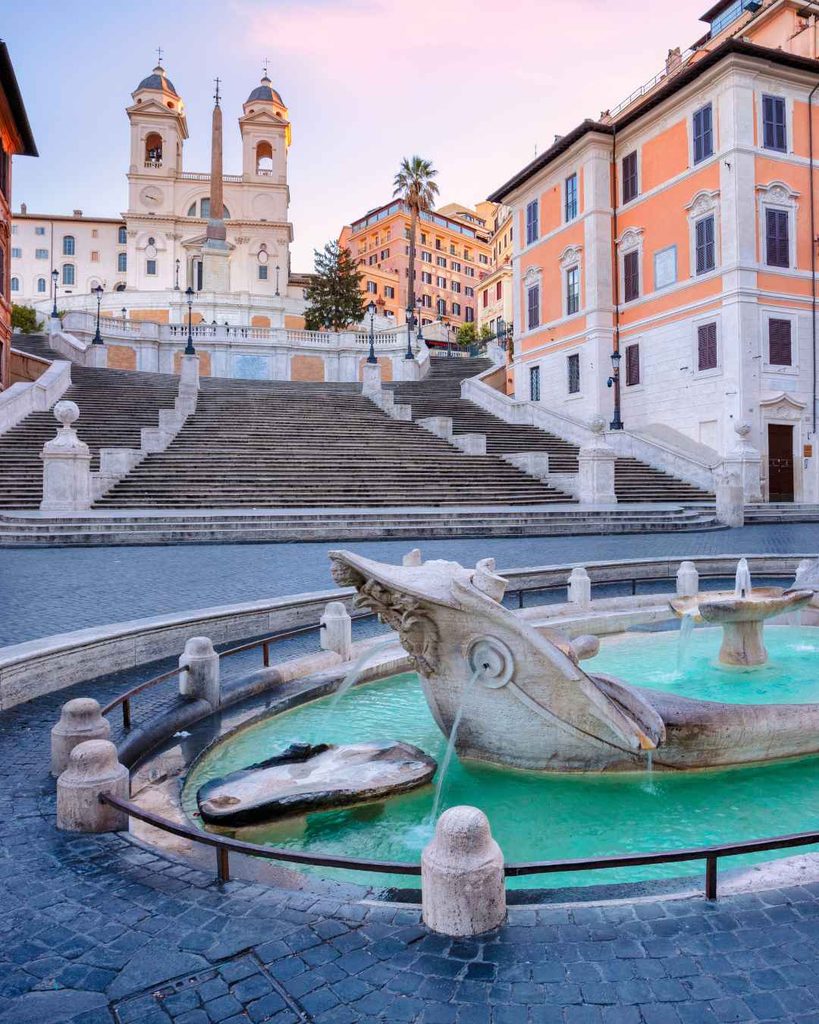
Naples generally gives your money more breathing room than Rome. From hotel rooms and restaurant meals to getting around the city, everyday travel expenses tend to be lower in Naples, making it an attractive choice for visitors who want to experience Italy without stretching their budget too far.
The difference can be particularly noticeable when it comes to accommodation. A comfortable mid-range hotel in Naples may cost considerably less than a similar property in Rome, leaving you with more money to spend on sightseeing, local food, and exploring the surrounding region.
Dining can also be cheaper, especially if you take advantage of Naples’ neighbourhood trattorias, traditional pizzerias, and small family-run eateries rather than tourist-oriented restaurants.
Transport costs and other everyday expenses can add to those savings, although prices vary depending on the season, location, and how you choose to travel.
On balance, Naples is usually the better-value destination, particularly for travellers who prioritise affordable accommodation, excellent food, and an authentic urban experience over luxury hotels and expensive tourist attractions.
Related post: This is where you should stay in Rome
Nightlife and the Italian Tradition of the Evening Passeggiata
The evening passeggiata is an Italian tradition that is practiced in both cities. In Rome, the passeggiata is elegant and refined. The Romans dress up and walk through the streets of the historic center, stopping for a coffee or a gelato.
The passeggiata in Rome is a social ritual, a way of seeing and being seen. The streets of the historic center are filled with people, and the atmosphere is lively and sophisticated. The cafes and bars are full, and the evening continues late into the night.
In Naples, the passeggiata is livelier and more chaotic. The Neapolitans walk through the streets of the historic center, stopping to talk to friends and neighbors, and the atmosphere is more informal. The passeggiata in Naples is less about being seen and more about being together.
Both cities have a vibrant nightlife. Rome has elegant bars and clubs, while Naples has a more casual and authentic nightlife scene. The Neapolitans gather in the piazzas and the streets, and the atmosphere is lively and friendly. The nightlife in Naples is less expensive and more accessible, and it is a good way to experience the city’s authentic culture.
The nightlife of Rome is also more formal. The bars and clubs are often elegant, and the dress code is more formal. The nightlife of Naples is more casual. The bars and clubs are often informal, and the dress code is more relaxed.
Which City Is Better for History Enthusiasts?
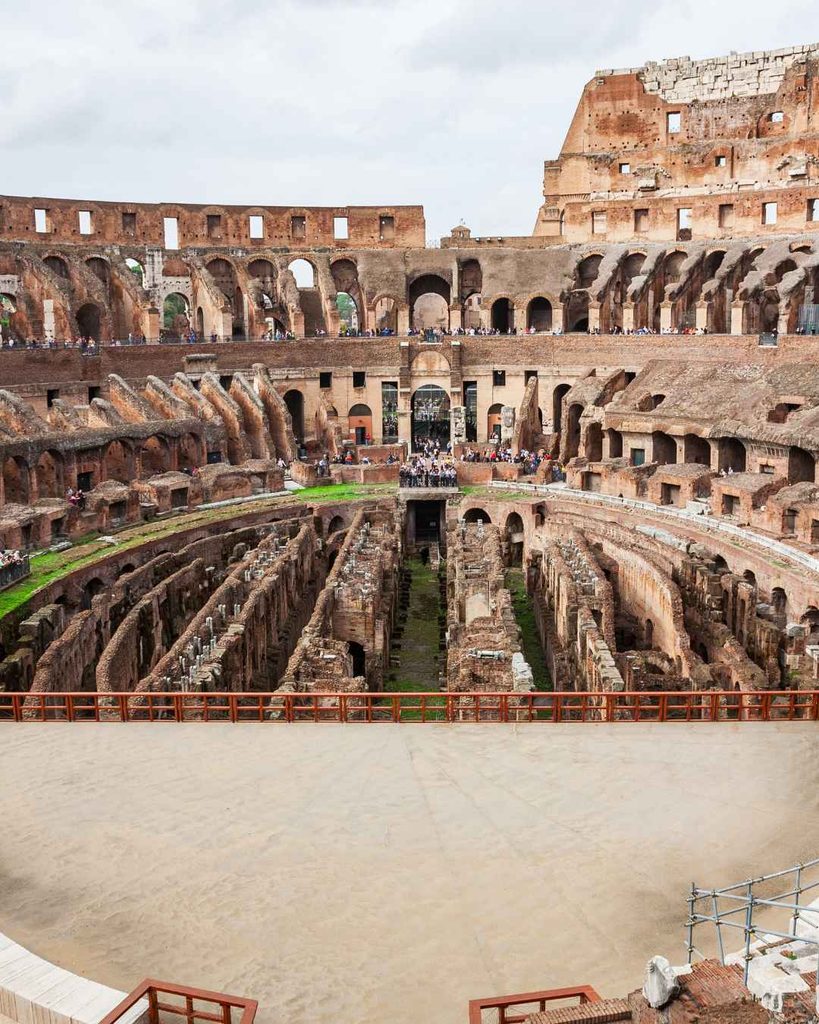
Rome is the better city for history enthusiasts. It has the Colosseum, the Roman Forum, the Pantheon, and the Vatican, and it is one of the most important historical cities in the world.
The city is a living museum, and every street, every piazza, and every building has a story to tell. The history of Rome spans more than two thousand years, from the founding of the city to the present day.
Naples has a rich history, but it is less famous. It has the ruins of Pompeii and Herculaneum nearby, and it has a fascinating underground city. But it does not have the same concentration of monuments that Rome has.
The verdict on history is clear. Rome is the better city for history enthusiasts.
Which City Is Better for First-Time Visitors to Italy?
Rome is the better city for first-time visitors to Italy. It is more famous, more accessible, and more polished. It has the iconic sights that people want to see, and it has a well-developed tourism infrastructure.
The city is easy to navigate, and the major sights are within walking distance of each other. The public transport system is efficient, and there are plenty of hotels, restaurants, and shops.
Naples is more challenging for first-time visitors. It is chaotic, noisy, and sometimes overwhelming. It is a city that rewards travelers who are willing to look beyond the surface, but it is not the easiest introduction to Italy.
The verdict on first-time visitors is clear. Rome is the better city for first-time visitors.
In Rome, there are so many activities and experiences that will make your trip unforgettable, most of which you need to book in advance. Check out some of the best ones in this guide.
Rome vs. Naples: Which City Feels More Authentically Italian?
There is no single answer to this question. Rome and Naples are both authentically Italian, but they express their Italianness in different ways.
Rome is the Italy of elegance, order, and grandeur. It is the Italy of the postcard, the Italy of the monuments, the Italy of the history books.
Naples is the Italy of chaos, warmth, and authenticity. It is the Italy of the street, the Italy of the people, the Italy of everyday life.
If you want the more authentic experience, Naples is the answer. It is the city where the locals still set the pace, where the food is still authentic, and where the prices are still reasonable. That is the Italy I want to experience. And that is why I would choose Naples.
Again, feel free to go through the list below of my Italy recommendations that I have crafted after years of travel to this beautiful country:
- Packing List: Things Not to Go to Italy Without
- Must-Do Things: Unforgettable Experiences
- Where to Stay: Best Hotels in Italy.
- Where to Stay in Rome: Rome’s Best Neighborhoods
- Where to Stay in Florence: Picking the Best Area
- Where to Stay in Venice: Venice’s Best Districts
- Italy’s Cobblestone Streets: Best Shoes For the Job
- Backpack or Suitcase?: Italy Luggage Guide
- Travel Insurance: Always Be Covered
- E-Sim: Be Connected At All Times