
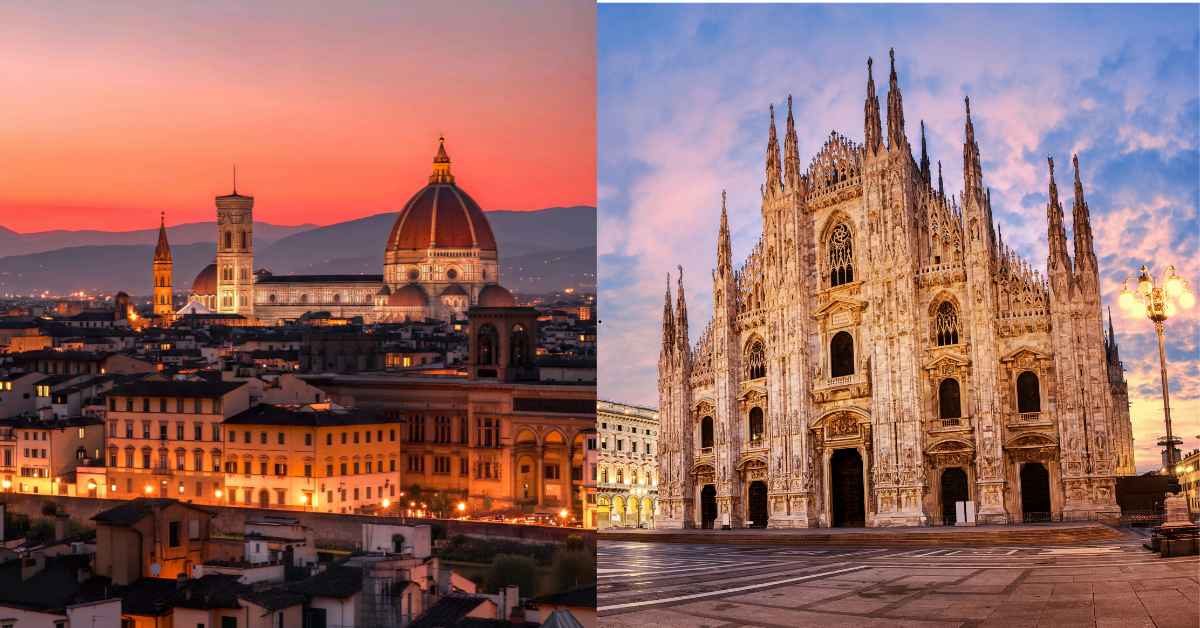
Few countries offer such a striking contrast between past and present as Italy. In Florence, you can spend the morning standing before Michelangelo’s David, walk beneath Brunelleschi’s magnificent dome in the afternoon, and finish the day in a centuries-old piazza surrounded by Renaissance palaces.
In Milan, you can admire one of the most spectacular Gothic cathedrals in Europe, browse some of the world’s most prestigious fashion houses, and watch the city come alive around stylish cafés and fashionable aperitivo bars.
Both cities are beautiful, both are steeped in history, and both have helped shape Italian culture. Yet they offer remarkably different experiences. Florence feels intimate, artistic, and deeply connected to the Renaissance that transformed Europe.
Milan is cosmopolitan, ambitious, and constantly evolving, with an energy that reflects modern Italy at its most confident.
So, if you have limited time in Italy, which city deserves a place on your itinerary? Is Florence’s extraordinary concentration of art and architectural beauty enough to make it the obvious choice, or does Milan offer more than its reputation as a fashion and business capital suggests?
To find out, we need to look beyond the famous landmarks. From architecture, art, and food to neighbourhoods, nightlife, accommodation, costs, and day trips, this comparison explores what makes each city special, where they differ, and what you can realistically expect from a visit.
By the end, you should have a much clearer idea of whether Florence’s Renaissance splendour or Milan’s modern Italian style is the better match for your trip.
Before you read further, remember that Italy rewards travelers who come prepared. I’ve found a few things especially useful on an Italy trip, and they’re worth having and/or knowing beforehand. See the checklist here. Also, if you want me to plan an Italy trip for you that you will never forget, drop me a message here
Stepping Into a Renaissance City vs. a Modern Metropolis
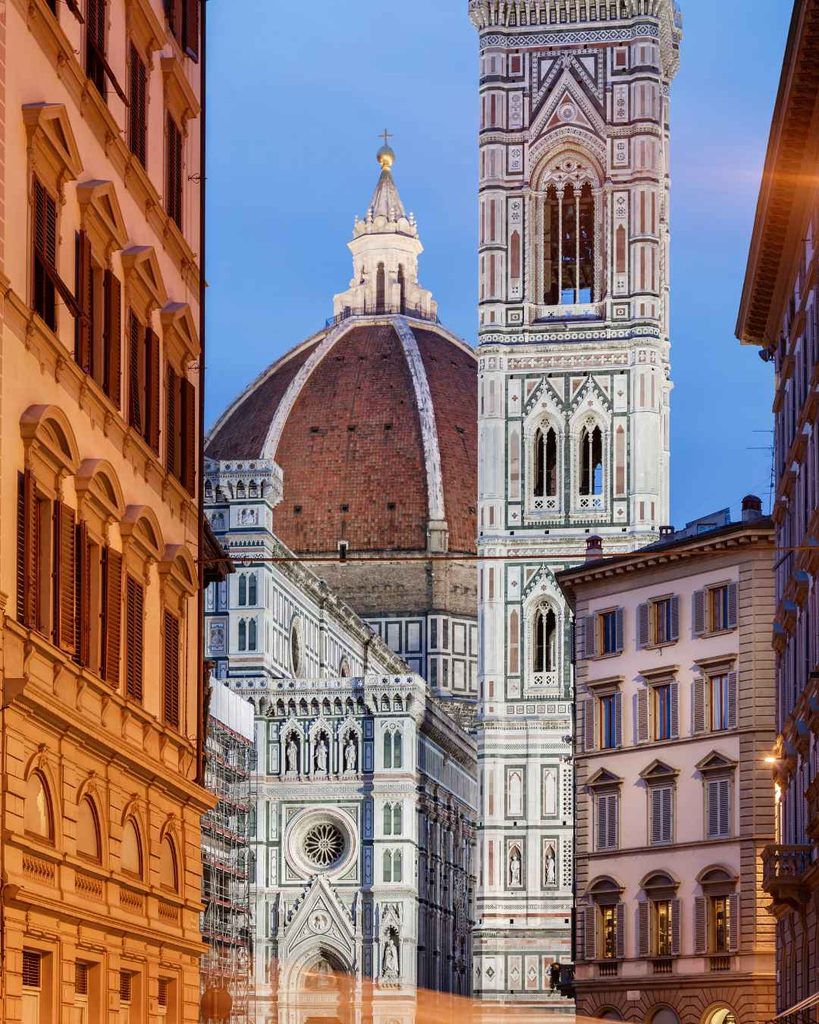
The first impression of Florence is one of density. You step out of the train station and the city closes around you. The streets are narrow, the buildings are tall, and the monuments are everywhere.
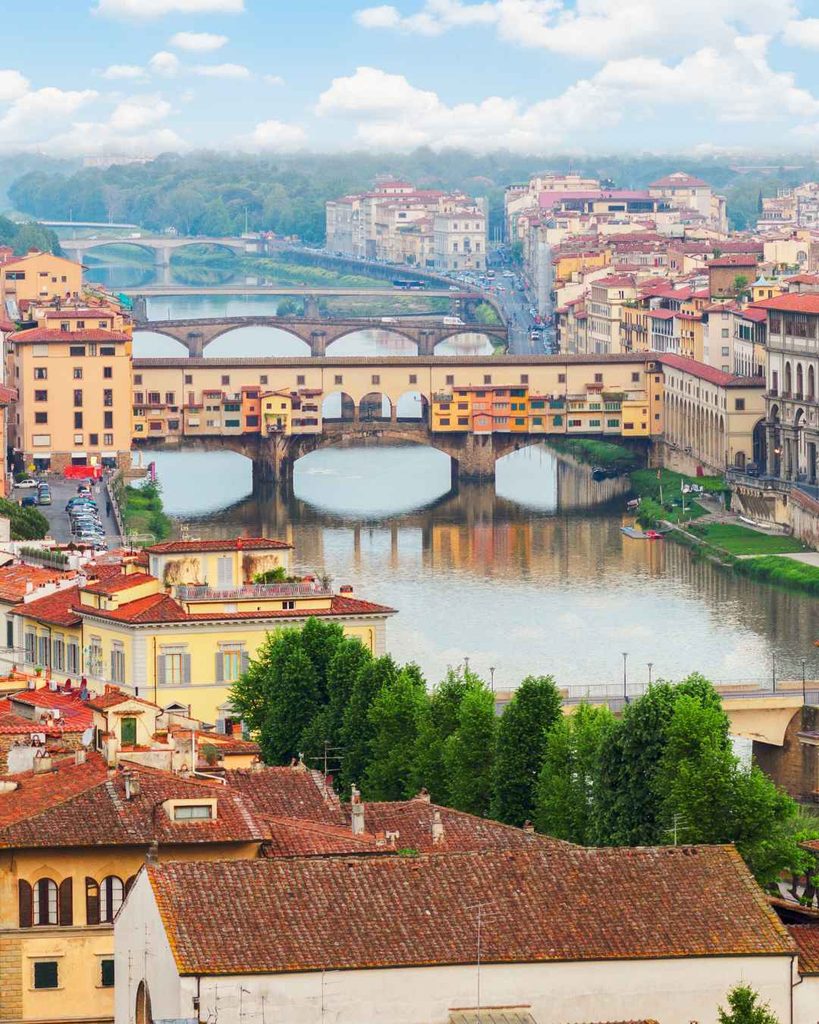
The Duomo, with its striped marble and its enormous dome, dominates the skyline. The Palazzo Vecchio, with its tower, anchors the political heart of the city. The Arno River curves through the center, and the Ponte Vecchio, lined with jewelry shops, is one of the most famous bridges in the world.
Florence feels like a city that has been preserved in amber. It is beautiful, but it is also static. The city is a museum, and the visitors are there to look.
The historic center is a UNESCO World Heritage Site, and it is one of the best-preserved Renaissance cityscapes in Europe. The streets are lined with palazzos, churches, and piazzas that have not changed in centuries. The result is a city that feels like it exists outside of time.
The first impression of Milan is one of energy. You step out of the train station and the city opens up around you. The streets are wide, the buildings are grand, and the traffic is busy.
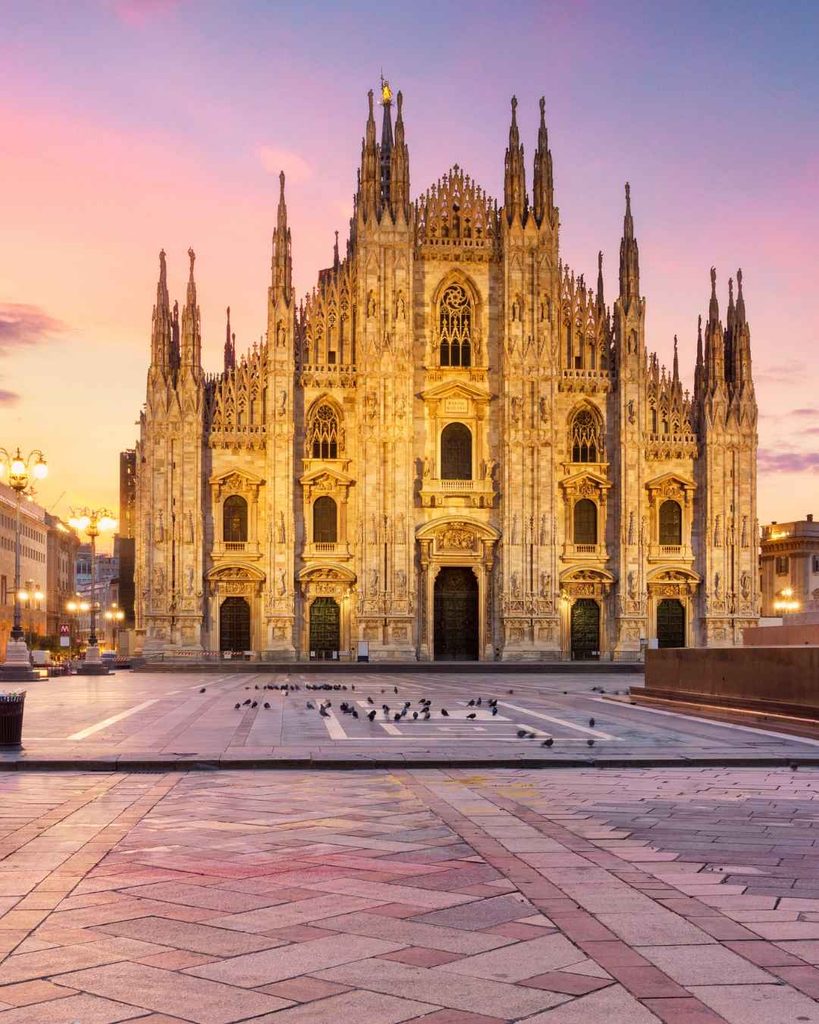
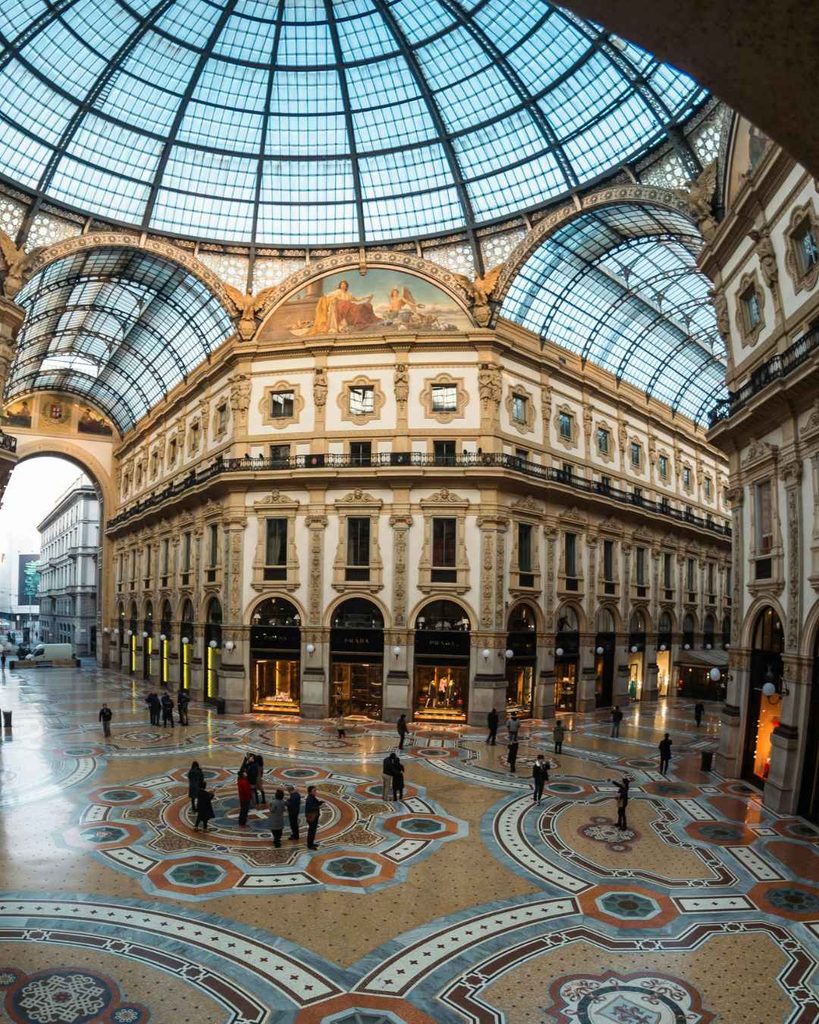
The Duomo, with its Gothic spires and its marble facade, is the center of the city. The Galleria Vittorio Emanuele II, a glass-roofed arcade, is one of the most elegant shopping spaces in Europe. The city is a mix of old and new, and the atmosphere is dynamic.
Milan feels like a city that is constantly in motion. It is a place of business, fashion, and design. The city is not a museum. It is a living, working city.
The first impression of Milan is also one of sophistication. The city is stylish and well-dressed, and the people are elegant and confident. The cafes are full, the shops are busy, and the streets are alive with the hum of commerce.
Architecture: Brunelleschi’s Dome vs. Milan’s Gothic Duomo
The architecture of Florence is a testament to the genius of the Renaissance. The Duomo, with Brunelleschi’s dome, is one of the greatest achievements of engineering and design.
The dome is the largest masonry dome ever built, and it was constructed without the wooden centering that would have been required by traditional methods. The result is a building that is both beautiful and revolutionary.
The architecture of Florence is also harmonious. The city was built with a sense of proportion and order, and the buildings are designed to work together. The piazzas, the streets, and the monuments all contribute to a unified composition.
The church of Santa Croce, the Basilica of Santa Maria Novella, and the Palazzo Medici Riccardi are all masterpieces of Renaissance architecture. The city is a showcase of the best that the Renaissance had to offer.
The architecture of Milan is more varied. The Duomo is one of the largest Gothic cathedrals in the world, with more than three thousand statues and a facade of white marble.
The cathedral took nearly six centuries to complete, and it is one of the most ambitious building projects in the history of Europe. The result is a building that is both awe-inspiring and slightly chaotic.
The city is also home to some of the most important buildings of the modern era, including the Pirelli Tower, designed by Gio Ponti, and the Bosco Verticale, a pair of residential towers covered in trees.
The Galleria Vittorio Emanuele II is a masterpiece of nineteenth-century architecture, with its glass roof, its mosaic floors, and its elegant shops. The Castello Sforzesco is a medieval fortress that now houses several museums.
The architecture of Milan is a mix of Gothic, Renaissance, Baroque, and modern. The city has been shaped by centuries of history, and the buildings reflect that history. The result is a city that is diverse and dynamic.
Art and Museums: Michelangelo, Botticelli, and Leonardo da Vinci
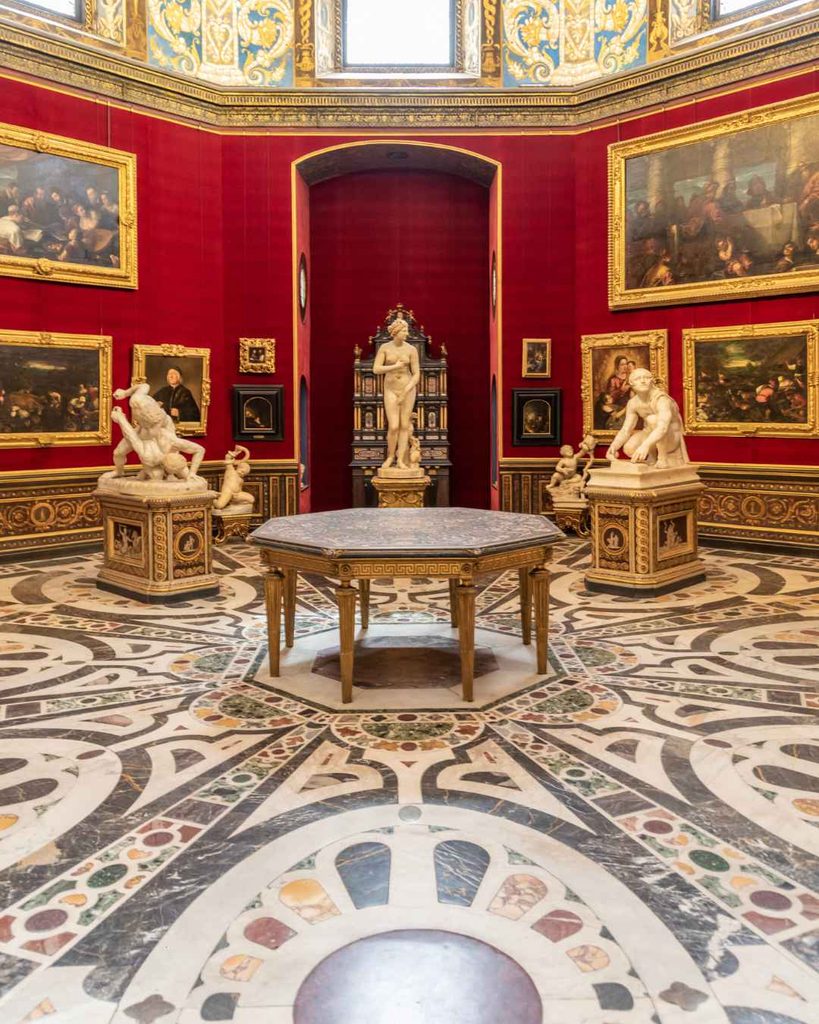
Florence is the home of the Renaissance, and its art collections are unmatched. The Uffizi Gallery contains the greatest collection of Italian Renaissance painting in the world, including Botticelli’s Birth of Venus and Primavera.
The Accademia houses Michelangelo’s David, one of the most famous sculptures in the world. The Bargello contains Donatello’s bronze David and other masterpieces of sculpture.
The city is also home to the Brancacci Chapel, with frescoes by Masaccio, and the Medici Chapels, with tombs designed by Michelangelo. The art of Florence is not just beautiful. It is revolutionary.
The Uffizi is one of the most visited museums in the world, and it contains works by Giotto, Leonardo, Raphael, and Titian. The Pitti Palace, across the river, houses the Palatine Gallery, with one of the best collections of Raphael paintings in the world.
Milan is also home to great art, but it is less famous than Florence. The Pinacoteca di Brera contains one of the most important collections of Italian painting in the world, including works by Raphael, Caravaggio, and Mantegna.
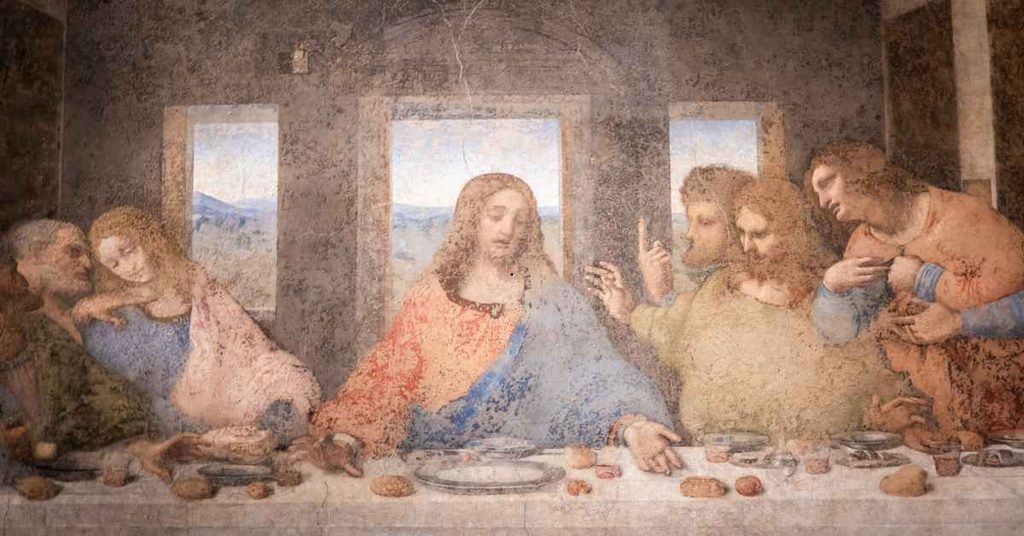
The city is also home to Leonardo da Vinci’s Last Supper, one of the most famous paintings in the world. The painting is in the refectory of the Convent of Santa Maria delle Grazie, and it requires a reservation to see.
The art of Milan is more dispersed than the art of Florence. It is found in churches, museums, and private collections. But it is just as important, and it is often less crowded.
The city is also home to the Museo del Novecento, which is dedicated to twentieth-century art, and the Fondazione Prada, which is one of the most important contemporary art spaces in Europe.
Recommended: Best walking tour in Milan, including The Last Supper.
Food: Tuscan Traditions vs. Milanese Classics
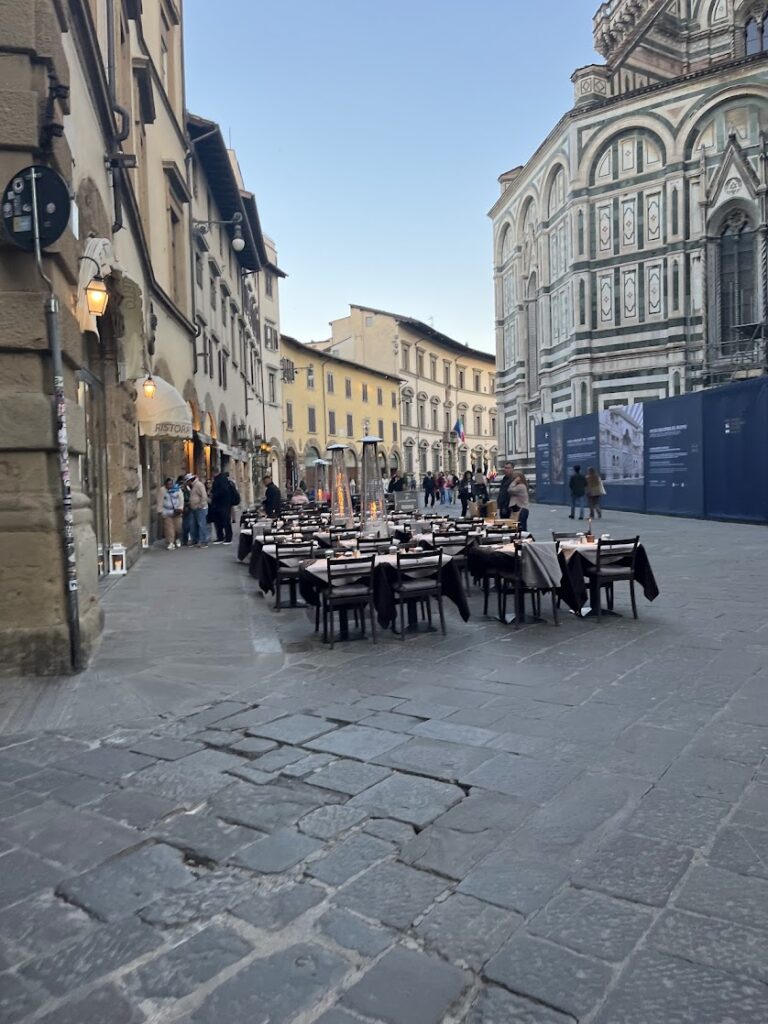
The food of Florence is Tuscan, with a focus on simple ingredients and rustic flavors. The most famous dish is bistecca alla fiorentina, a thick T-bone steak grilled rare and served with olive oil and lemon.
Other dishes include ribollita, a thick bread and vegetable soup, and pappardelle al cinghiale, pasta with wild boar sauce. The food of Florence is hearty and satisfying, and it is best eaten in the trattorias where the recipes have been passed down for generations.
The food of Florence is also simple. The ingredients are fresh, and the cooking is straightforward. The cuisine is based on what is available locally, and it is designed to be eaten with family and friends.
The food of Milan is Milanese, with a focus on rice, meat, and dairy. The most famous dish is risotto alla milanese, made with saffron and bone marrow.
Other dishes include osso buco, a braised veal shank, and cotoletta alla milanese, a breaded veal cutlet. The food of Milan is more refined than the food of Florence, and it is often served in elegant restaurants.
The food of Milan is also more diverse. The city has a long tradition of immigration, and the cuisine reflects that history. There are restaurants serving food from every region of Italy and from around the world.
Must Do: The best food tours and cooking classes in Florence
History and Culture: The Cradle of the Renaissance vs. Italy’s Industrial Capital
Florence is the cradle of the Renaissance. It was the city where Dante wrote the Divine Comedy, where Machiavelli wrote The Prince, and where the Medici family ruled for centuries.
The city was a republic, a duchy, and a cultural capital, and its history is intertwined with the history of Western civilization. The Renaissance began in Florence, and it changed the world.
The history of Florence is also the history of art. The city was home to Giotto, Masaccio, Botticelli, Leonardo, and Michelangelo, and their works are still there, in the churches and museums where they were created.
Milan is Italy’s industrial capital. It was the city where the Italian fashion industry was born, and it is still the center of Italian design and business.
The city has a long history, including a period of rule by the Visconti and Sforza families, and it was one of the most important cities of the Renaissance. But Milan is more famous for its modern achievements than for its Renaissance past.
The history of Milan is also the history of power. The city was the capital of the Western Roman Empire, and it was one of the most important cities of the Middle Ages. The Castello Sforzesco and the Duomo are both testaments to the city’s past glory.
The Neighborhoods That Reveal Each City’s True Character
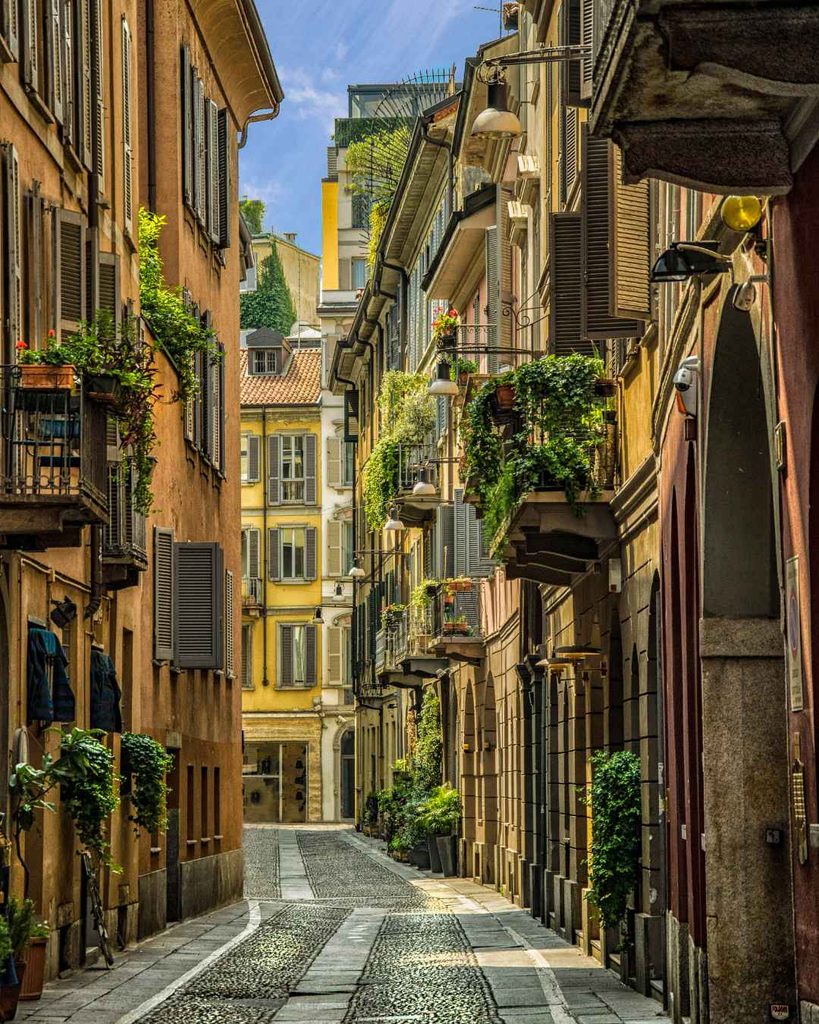
The neighborhoods of Florence reveal the city’s character. The Oltrarno, across the river, is the artisan quarter, with workshops making leather goods, jewelry, and marbled paper.
The Santo Spirito neighborhood is the heart of the Oltrarno, with a beautiful piazza and a church designed by Brunelleschi. The Santa Croce neighborhood is lively and full of character, with a beautiful church and a lively piazza.
The neighborhoods of Florence are also more intimate. The city is small, and the neighborhoods are close together. You can walk from one neighborhood to another in a few minutes, and the character changes with each step.
The neighborhoods of Milan reveal a different character. The Brera district is the artistic heart of the city, with galleries, boutiques, and cafes. The Navigli district is the canal district, with a lively nightlife and a vibrant food scene.
The Porta Nuova district is the modern heart of the city, with the Bosco Verticale and the UniCredit Tower. The Quadrilatero della Moda is the fashion district, with the most important boutiques in Italy.
The neighborhoods of Milan are also more diverse. The city is larger, and the neighborhoods have different characters. The Brera is elegant and artistic. The Navigli is lively and bohemian. The Porta Nuova is modern and sleek.
Related Post: The Florence Neighborhood I Would Choose Every Time.
Nightlife: Aperitivo Culture vs. Florence’s Wine Bars
The nightlife of Milan is famous for its aperitivo culture. The aperitivo is a pre-dinner drink, usually a spritz or a negroni, served with a small snack or a buffet of appetizers.
The bars and cafes of Milan are lively in the evening, and the atmosphere is sophisticated and stylish. The Navigli district is the center of Milan’s nightlife, with bars and clubs that stay open until late.
The aperitivo is a ritual in Milan. It is a way of ending the day and beginning the evening, and it is a social occasion. The bars are full of people, and the atmosphere is relaxed and convivial.
The nightlife of Florence is more relaxed. The city is famous for its wine bars, the enoteche, where you can taste local wines and eat small plates of cheese and cured meats.
The Oltrarno and the Santa Croce neighborhoods are the centers of Florence’s nightlife, with bars and restaurants that are popular with locals and visitors. The atmosphere is warm and convivial, and the evenings are spent eating, drinking, and talking.
The nightlife of Florence is also more intimate. The city is small, and the bars are often small and family-run. The atmosphere is friendly, and it is easy to meet people.
Costs: Which City Is More Expensive to Visit?
Milan is more expensive than Florence. The cost of accommodation, food, and transport is higher in Milan than in Florence, and the city is one of the most expensive in Italy.
A mid-range hotel in Milan can cost significantly more than a comparable hotel in Florence. A meal in a restaurant can cost fifty euros or more per person, compared to thirty or forty in Florence.
Florence is expensive but more affordable. There are more budget options, particularly in the Oltrarno and around the train station. Food is more reasonably priced, and there are plenty of free things to do, from walking the streets to visiting churches.
The cost of living in Milan is also higher. The city is the economic capital of Italy, and the prices reflect that. The cost of housing, food, and transport is higher in Milan than in any other city in Italy.
Related post: 5 Florence experiences worth every euro.
Accommodation: Where to Stay in Florence vs. Milan
Florence has a wide range of accommodation, from budget hostels to luxury hotels. The most popular areas are the historic center, the Oltrarno, and the Santa Croce neighborhood.
The historic center is the most convenient, but it is also the most crowded and the most expensive. The Oltrarno is quieter and more local, with a village feel. Santa Croce is lively and full of character.
Milan has a wide range of accommodation, from budget hotels to luxury properties. The most popular areas are the historic center, the Brera district, and the Navigli district.
The historic center is the most convenient, but it is also the most expensive. Brera is elegant and artistic, with galleries and boutiques. The Navigli is lively and full of bars and restaurants.
The accommodation in Milan is also more modern. The city has a wide range of hotels that are designed for business travelers, with modern amenities and convenient locations.
Related post: The best places to stay in Milan
Day Trips: Tuscany’s Hilltop Towns vs. Lake Como and Northern Italy
Florence is an excellent base for exploring Tuscany. The hill towns of Siena, San Gimignano, and Pienza are all within easy reach by train or car.
The Chianti wine region is also nearby, with vineyards and castles that are worth visiting. Florence is a good base for travelers who want to explore the Tuscan countryside.
The hill towns of Tuscany are some of the most beautiful in Italy. Siena is a medieval gem, with one of the best-preserved city centers in Europe. San Gimignano is the town of towers, with fourteen medieval towers still standing. This day trip takes you to Siena, San Gimignano, and Pisa.
Milan is an excellent base for exploring northern Italy. Lake Como, Lake Maggiore, and Lake Garda are all within easy reach by train or car.
The cities of Verona, Bergamo, and Turin are also nearby, and they are worth visiting. Milan is a good base for travelers who want to explore the north of Italy.
Lake Como is one of the most beautiful lakes in the world, with its dramatic scenery and its elegant villas. Verona is the city of Romeo and Juliet, with a well-preserved historic center and a Roman arena.
If you want to do a day trip to Lake Como from Milan that also includes a boat tour of the lake, as well as Lugano, Switzerland, this is the tour I recommend.
Which City Is Better for Art and History Lovers?
Florence is the better city for art and history lovers. It is the home of the Renaissance, and its art collections are unmatched. The Uffizi, the Accademia, and the Bargello are all in Florence, and they contain some of the most important works of art in the world.
Milan has important art, including Leonardo’s Last Supper and the Pinacoteca di Brera, but it is not as rich as Florence. The verdict on art and history is clear. Florence is the better city.
The Uffizi Gallery is a must-visit in Florence. A guided tour helps you to understand what exactly you are looking at. They also include a skip-the-line ticket. This is the one I recommend.
Which City Is Better for Fashion and Design Enthusiasts?
Milan is the better city for fashion and design enthusiasts. It is the capital of Italian fashion, and it is home to the most important fashion houses in the country.
The Quadrilatero della Moda is the fashion district, with boutiques from Prada, Gucci, Versace, and Armani. The city also hosts Milan Fashion Week, one of the most important events in the fashion calendar.
Florence has a strong tradition of leather goods and artisan craftsmanship, but it is not a fashion capital. The verdict on fashion and design is clear. Milan is the better city.
Which City Has the Better Food Scene?
Florence has the better food scene for traditional Italian cuisine. The food is hearty, rustic, and deeply satisfying, and it is best eaten in the trattorias where the recipes have been passed down for generations.
Milan has a more refined food scene, with elegant restaurants and innovative cuisine. The city is also home to some of the best aperitivo bars in Italy.
The verdict on food depends on what you want. If you want traditional Italian cuisine, Florence is the answer. If you want refined dining and aperitivo culture, Milan is the answer.
Which City Is More Romantic?
Florence is the more romantic city. The narrow streets, the beautiful bridges, the views from Piazzale Michelangelo, and the art are all romantic.
Milan is also romantic, but in a different way. The city is elegant and sophisticated, with beautiful architecture and a lively atmosphere. But it is not as intimate as Florence.
The verdict on romance is clear. Florence is the more romantic city.
Florence vs. Milan for First-Time Visitors to Italy
Florence is the better city for first-time visitors to Italy. It is more famous, more accessible, and more romantic. It has the iconic sights that people want to see, and it is easy to navigate.
Milan is more challenging for first-time visitors. It is a business city, and it is less focused on tourism. It is a good city for travelers who have already been to Italy and want to see something different.
The verdict on first-time visitors is clear. Florence is the better city.
Who Should Choose Florence?
Florence is an ideal destination for art lovers, history enthusiasts, and anyone drawn to romance and old-world beauty.
It is a city where Renaissance masterpieces are part of everyday life, where magnificent palaces and centuries-old churches line narrow cobblestone streets, and where almost every turn reveals another architectural treasure.
For travelers who dream of experiencing the Italy of paintings, historic piazzas, and golden sunsets over terracotta rooftops, Florence is difficult to resist.
Related Post: This is where you should stay when visiting Florence
Who Should Choose Milan?
Milan is the ideal choice for fashion lovers, design enthusiasts, and travelers who enjoy the energy of a modern, cosmopolitan city.
It is a place to explore elegant shopping arcades, browse prestigious fashion boutiques, discover contemporary art and architecture, and experience Italy’s celebrated aperitivo tradition as locals gather for drinks and small bites after work.
For those who want to see a more sophisticated, forward-looking side of Italy, where creativity, business, and style shape everyday life, Milan has a character all its own.
Again, feel free to go through the list below of my Italy recommendations that I have crafted after years of travel to this beautiful country:
- Packing List: Things Not to Go to Italy Without
- Must-Do Things: Unforgettable Experiences
- Where to Stay: Best Hotels in Italy.
- Where to Stay in Rome: Rome’s Best Neighborhoods
- Where to Stay in Florence: Picking the Best Area
- Where to Stay in Venice: Venice’s Best Districts
- Italy’s Cobblestone Streets: Best Shoes For the Job
- Backpack or Suitcase?: Italy Luggage Guide
- Travel Insurance: Always Be Covered
- E-Sim: Be Connected At All Times