
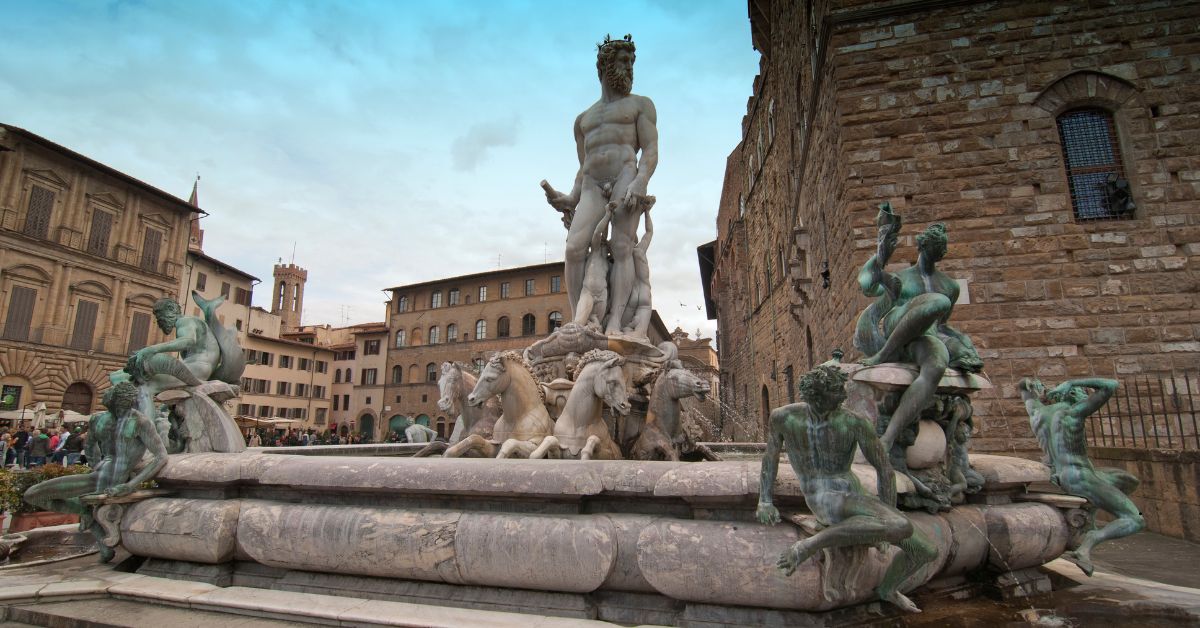
Let me start with something that might sound dramatic: I almost hated Florence the first time I went.
I know, I know. Florence is supposed to be this magical Renaissance dreamland. And it is. But here’s the thing nobody tells you before you go—it is also packed with overpriced nonsense designed to separate tourists from their money as quickly as possible.
My first trip, I ate a twenty-euro plate of frozen pasta sitting three feet from the Duomo. I bought a “handmade Italian leather” belt that disintegrated within two months.
I was young, I was excited, and I had no idea what I was doing.
This guide exists so you don’t make the same mistakes. I’m not going to tell you to skip Florence. That would be insane. What I am going to do is point out 5 specific traps—the ones that are genuinely not worth your time or money—and give you real alternatives that locals actually use.
Let’s get into it.
1. The “Authentic” Leather Markets at San Lorenzo and Porcellino
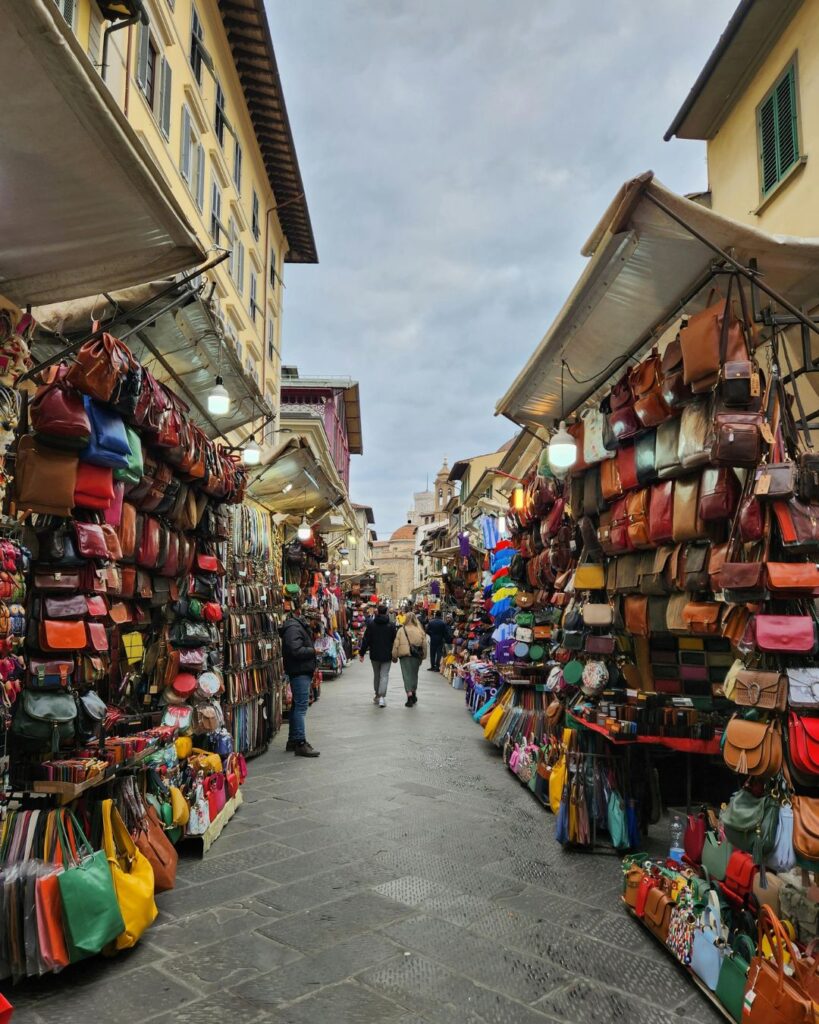
You cannot walk more than thirty seconds in central Florence without someone trying to sell you leather. The main hunting grounds are the San Lorenzo market (the big outdoor stalls near the basilica) and the loggia around Il Porcellino, the bronze pig statue near Ponte Vecchio.
Here’s what will happen: you’ll see beautiful jackets, soft bags, and belts that smell vaguely like leather. A friendly vendor will tell you this is real Florentine leather, handmade in a nearby workshop. They might even hold a lighter to a scrap piece to prove it’s genuine.
It is almost all fake.
Not fake as in plastic—fake as in mass-produced in China or Pakistan, shipped to Florence, and sold to you for five times what it’s worth. The leather is real, technically. But it’s low-grade, often bonded leather (shavings glued together), and it will crack, peel, or lose its color within a year.
I bought a brown leather jacket at San Lorenzo for 120 euros. It felt like a steal. Six months later, the lining was shredding and the leather had turned this weird orange-gray color. A cobbler in my hometown took one look at it and said, “This isn’t Italian leather. This is Pakistani leather with an Italian stamp.”
The worst part? You can find the exact same jacket on Alibaba for fifteen dollars.
What to do instead:
Cross the river to Oltrarno. This is where actual Florentine artisans still work. Walk down Via dei Serragli or Via Santo Spirito and look for small workshops with names like bottega artigiana on the door. You’ll hear the sound of sewing machines inside.
Two specific places to try: Il Perseo (known for fair prices and honesty) and Officine Nora (modern but traditional quality). If you want to be absolutely sure you’re getting real Florentine leather, look for the Consorzio dei Tanneri di Ponte Vecchio certification—but honestly, just ask the shop owner where the leather was tanned. A real artisan will proudly tell you. A fake will get defensive.
How to spot genuine leather without being an expert: smell it (should be rich and complex, not chemical), look at the edge (real leather has a rough, fibrous edge, not a painted one), and bend it (real leather creases naturally). If it’s perfectly uniform and shiny like plastic, it probably is plastic.
2. Eating Lunch at Piazza della Signoria or Piazza del Duomo
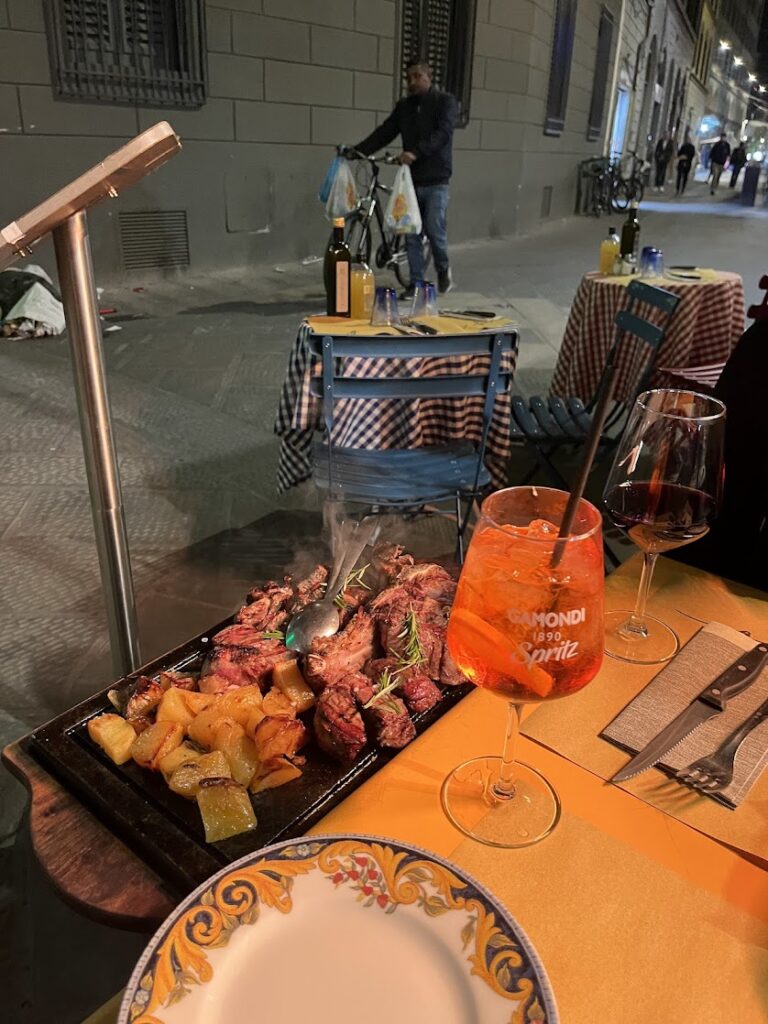
I understand the temptation. You’ve been walking for hours. Your feet hurt. You look up and see a beautiful square with the Duomo or Palazzo Vecchio right there. There are little tables outside with umbrellas and a waiter in a white apron. It looks romantic. It looks Italian.
It is a trap.
Sit down at one of those cafés and you will pay eight euros for a cappuccino that would cost 1.50 anywhere else. A sad, dry panino will run you eighteen euros. A plate of pasta? Twenty-two euros minimum, and I promise you it came out of a bag.
Then there’s the coperto. That’s the cover charge—basically a fee for the bread you didn’t ask for and the napkin you didn’t need. In these squares, it can be five or six euros per person. For a family of four, that’s twenty-four euros before you’ve even ordered.
I made this mistake exactly once. My wife and I sat at a café in Piazza della Signoria, ordered two spritzes and a small plate of olives, and the bill came to forty-seven euros. Forty-seven euros for two drinks and ten olives. I still get angry thinking about it.
What to do instead:
Walk five minutes. That’s literally all it takes. Florence is tiny.
Go to Mercato Centrale. The ground floor is a traditional Italian market—butchers, cheese shops, pasta vendors—and there are little counters where you can eat standing up for a few euros. The upstairs is a modern food hall with more options and seating, but it’s slightly pricier. Both are infinitely better than the square cafés.
Or find a forno—a bakery. Look for Il Forno on Via dei Cimatori. You can get a piece of schiacciata (Tuscan flatbread) stuffed with prosciutto and mozzarella for four euros. Eat it leaning against a wall like a real Florentine.
Even better: find a trippaio. These are food carts that sell lampredotto—a sandwich made from cow’s fourth stomach. I know how that sounds. Just trust me. It’s boiled until it’s tender, served on a crusty roll with green sauce, and costs about four euros. It’s the most authentic thing you can eat in Florence. Look for the cart near Mercato Nuovo or the one outside Sant’Ambrogio market.
One last tip: If a restaurant has pictures of the food on the menu, walk away. Real Florentine restaurants don’t need to show you what spaghetti looks like.
3 – Overpriced Ponte Vecchio Gold and Jewelry
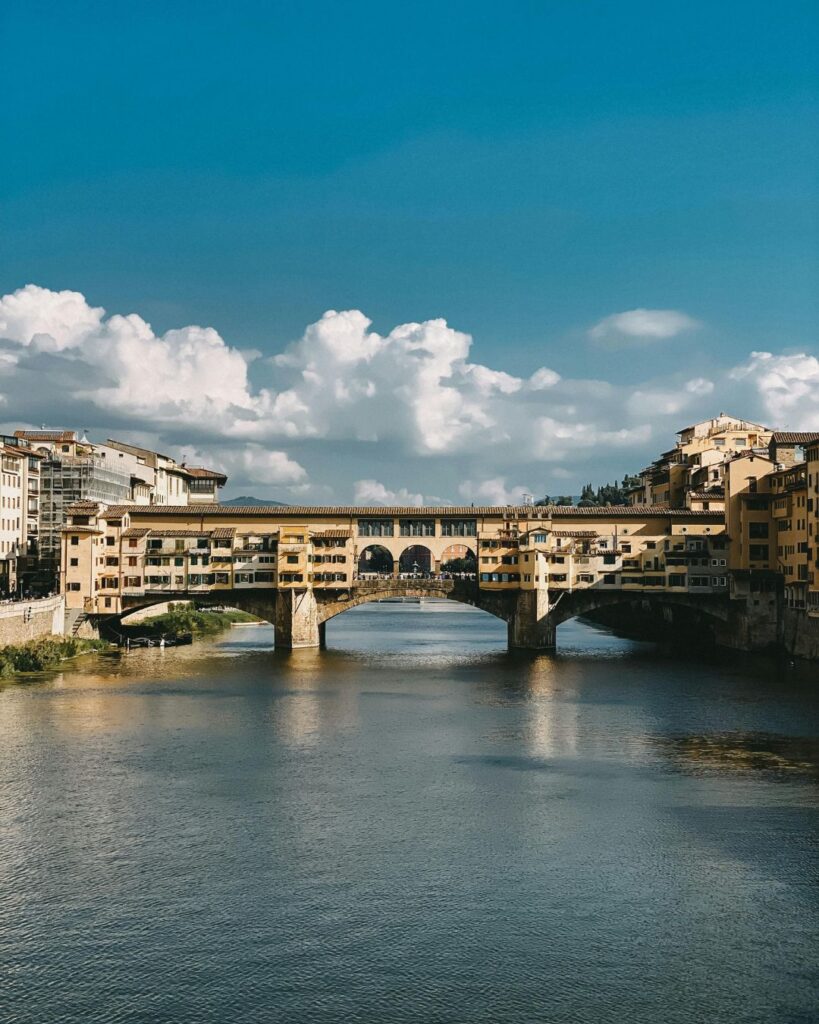
Ponte Vecchio is beautiful. There’s no arguing with that. It’s the only Florentine bridge to survive World War II, and it has these tiny little shops stacked along its sides like something out of a fairy tale.
But here’s what you need to know: those shops used to be butchers. Then the Medici family got tired of the smell and replaced them with goldsmiths in the 1590s. The same families have held those leases for centuries. They do not need your money.
The prices are absurd. A simple gold ring that would cost two hundred euros in a normal shop will be eight hundred euros on Ponte Vecchio. A pair of diamond earrings? Add a zero. You’re not paying for the gold—you’re paying for the address.
And here’s something the guidebooks won’t tell you: many of those shops don’t even make the jewelry themselves anymore. They rent the display case to a third party. The actual craftsmanship happens in a factory somewhere outside Florence, often in Arezzo, and the markup is astronomical.
I watched a couple from Texas buy two gold bracelets on Ponte Vecchio for 1,200 euros each. The exact same bracelets were selling across the river for 350.
What to do instead:
Window shop on Ponte Vecchio. Take your photos. Enjoy the history. Then put your wallet away and cross to the Oltrarno side.
Walk down Via Santo Spirito or Via dei Serragli. These streets are full of real goldsmiths and jewelers—actual workshops where you can sometimes see the artist working through the window. Officine Nora (again) does beautiful modern work at fair prices. Il Perseo is great for classic pieces. For antique and vintage jewelry, try Mercato delle Pulci on Piazza dei Ciompi—it’s a flea market with real finds if you’re willing to dig.
One more thing: if you really want something from Ponte Vecchio, go to the shops that sell watches or cameos (the carved shell jewelry). Those are less inflated than the gold. But honestly? Save your money for the artisans on the other side of the river.
4. The “Skip the Line” Ticket Resellers on the Street
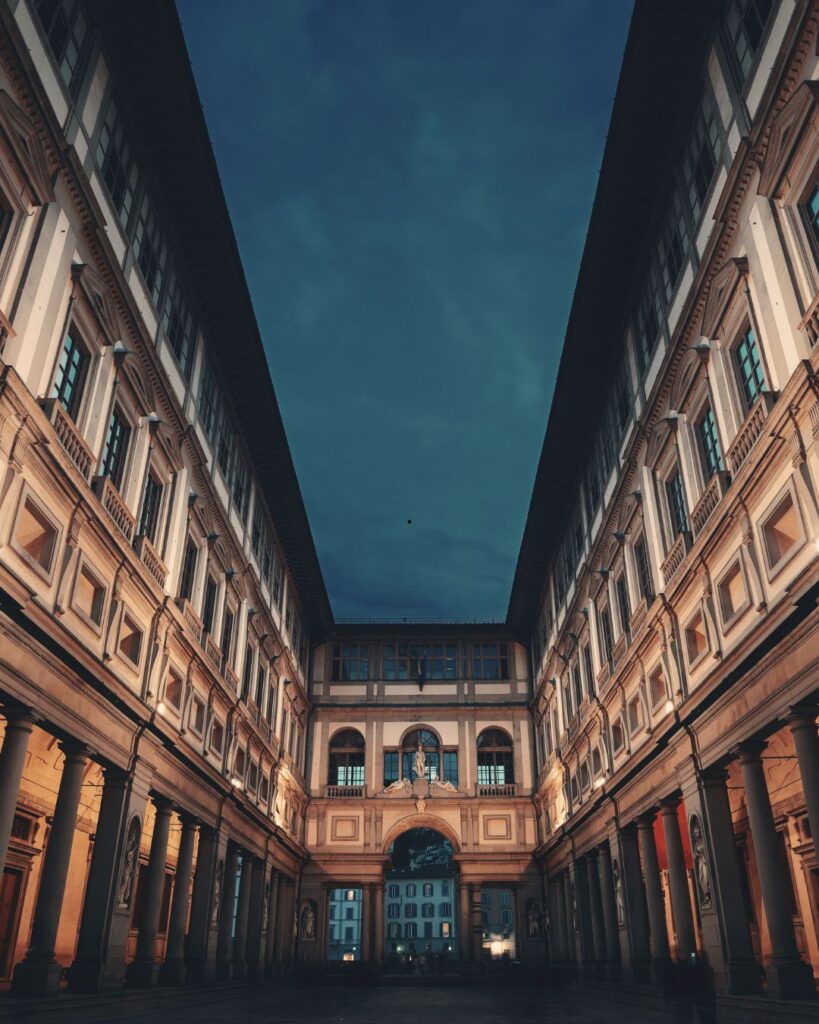
You’ll see them near the Uffizi, the Accademia, and the Duomo complex. They wear lanyards or bright vests and carry tablets. They shout “Skip the line! Skip the line!” at every tourist who walks past.
They are not official. They are resellers. And they are almost always a bad deal.
Here’s how it works: they book tickets on the same official website you could use yourself, then charge you an extra ten to fifteen euros per ticket for the privilege. Sometimes they’re legit—just overpriced. Other times they sell fake tickets or tickets that have already been scanned. I’ve personally watched a family get turned away from the Uffizi because their “skip the line” tickets were printed on regular paper and the QR code didn’t work.
The worst ones will tell you the official ticket office is sold out for the whole week. That’s almost never true. They just want you to panic-buy from them.
What to do instead:
Book directly through the official Florence museum website. A trick I use is to go to Google Maps and search the particlular attraction (for example Uffizi Gallery). There you will see “official ticket” click on it and you will land on the official website. This helps you to avoid fake websites when you earch directly on Google.
That’s it. That’s the whole trick. A reservation fee is usually four euros on top of the ticket price, which is a fraction of what the street resellers charge.
If you’re planning to visit at least five museums, look into the Firenze Card. It’s expensive—around eighty-five euros—but it gets you into almost everything and includes skip-the-line access. Do the math on your itinerary first. For most people, buying individual tickets with reservations is cheaper.
Also: go at off times. Tuesday and Wednesday are the least crowded days. Summer evenings (many museums stay open until 7 PM or later on Tuesdays and Thursdays) are surprisingly quiet. And whatever you do, don’t go to the Accademia or Uffizi on the first Sunday of the month—that’s free admission day, and the lines stretch for blocks.
How to spot a fake reseller: they’re never inside a building. They only take cash or ask you to follow them to an ATM. Their “office” is a folding table on the sidewalk. And they get nervous when you ask for a receipt. Just walk past them.
5. The Medici Chapels Without Context (Or Just the Crypt)
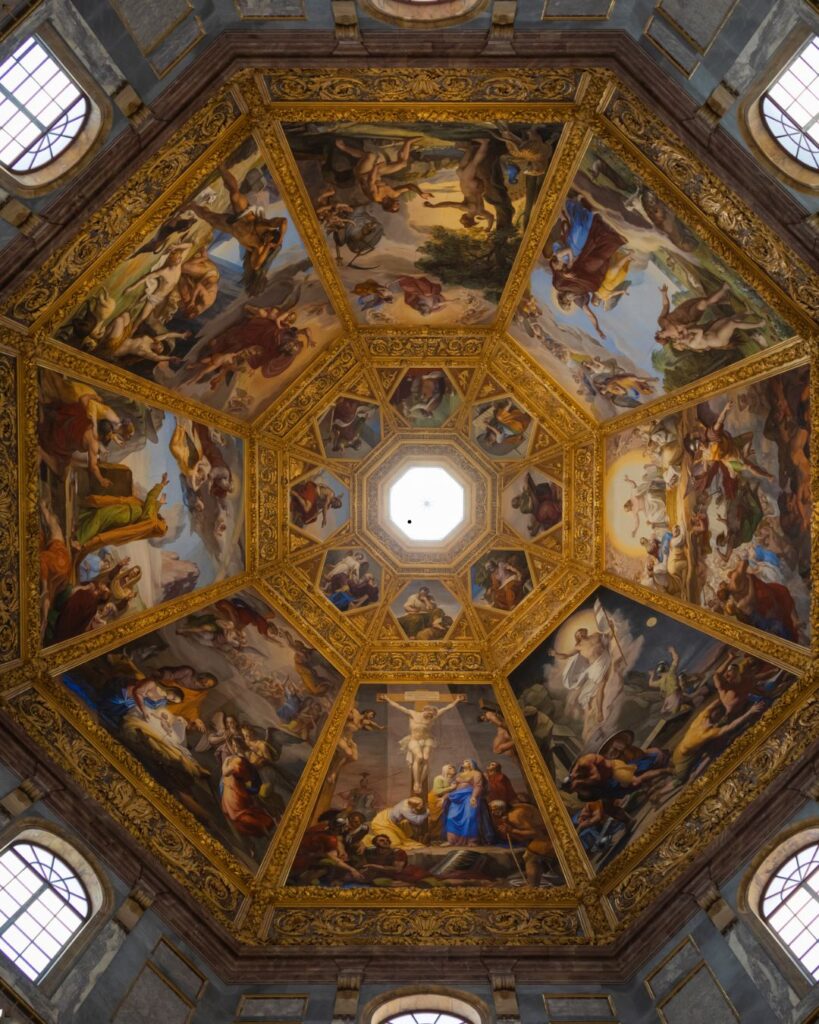
Okay, I need to be careful here because the Medici Chapels are genuinely important. Michelangelo’s New Sacristy is one of the greatest works of Renaissance sculpture ever made. The Princes’ Chapel is absurdly opulent—lined entirely with semi-precious stones.
But I have watched so many tourists walk in, look around for ten minutes, say “That’s it?” and walk back out confused and annoyed.
The problem is context. The Medici Chapels are not a traditional museum. There are no big explanatory plaques. The crypt with the copper vases—the thing everyone thinks is the main attraction—is actually just the basement where the grand dukes’ organs were buried. (Yes, their organs. Separately. It’s weird.)
If you walk in without a guide or at least an audio guide, you will miss everything that matters. You’ll see the unattractive crypt first, get bored, and rush through the Michelangelo sculptures without understanding why they’re revolutionary.
And the ticket is nine euros. That’s not nothing.
What to do instead:
If you really want to see the Medici Chapels, do one of two things: either book a guided tour or download the official audio guide on your phone before you go. The audio guide is cheap and makes the whole experience make sense.
But here’s a better idea: pair the chapels with other Medici sites to get the full story. Start at Palazzo Medici Riccardi (the family’s original palace, which has a beautiful courtyard that’s free to enter). Then walk to San Lorenzo Basilica (the Medici parish church, which has Donatello’s bronze pulpits and is often overlooked). Then do the chapels. That sequence will actually teach you something.
Or honestly? If you’re not a hardcore Renaissance art history person, skip the chapels entirely. Go to Santa Croce instead. It’s the same price, less crowded, and you’ll see Michelangelo’s actual tomb, plus Galileo’s, plus Machiavelli’s. That’s a better use of two hours for most visitors.
I’ll say it plainly: the Medici Chapels are for people who already know they want to see Michelangelo’s New Sacristy. If that sentence didn’t excite you, save your nine euros and go get gelato.
Quick-Fire Mini Traps (Because I Could Keep Going)
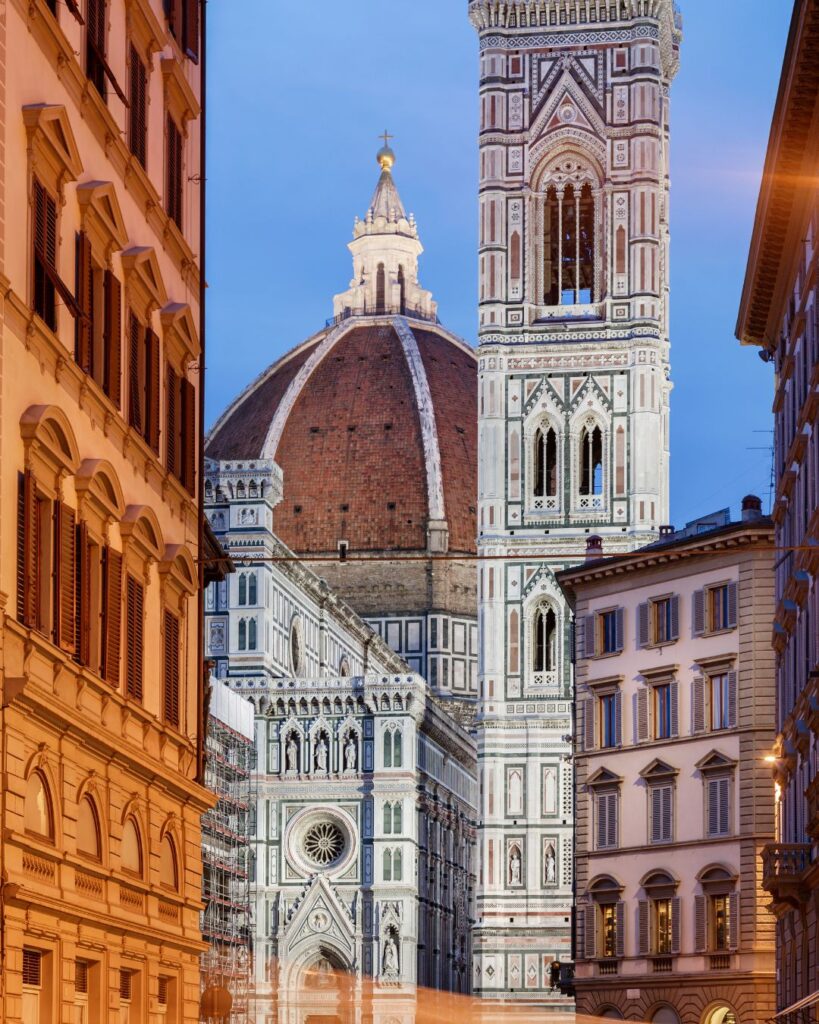
The plastic souvenir stalls everywhere. You know the ones—they sell cheap “I Love Florence” magnets, fake David statues, and snow globes shaped like the Duomo. All of it is made in China. If you want a real souvenir, buy local spices from the Mercato Centrale, a bottle of Chianti from a enoteca (wine shop), or a handmade paper bookmark from Il Papiro (a real Florentine paper company).
The “free” rose or bracelet scam. A man will approach you near the Duomo, say something nice, and try to put a bracelet on your wrist or hand you a rose. If you take it, he’ll demand money. Ten euros minimum. Just say “no grazie” firmly and keep walking. Do not engage.
Overpriced bottled water. Tourists buy plastic bottles from street kiosks for two or three euros each. Florence has free public fountains everywhere—look for the green cast-iron fontanelle. They look like little dog fountains but they dispense cold, clean drinking water. Refill your own bottle all day for free.
A Few Insider Tips to Send You Off Right
Florence is a small city. Almost everything in this guide is within a fifteen-minute walk of everything else. That’s the secret: just walk a few blocks away from the main squares and the prices drop, the quality goes up, and the crowds disappear.
Best time to visit: late October or March. You’ll get mild weather and thin crowds. July and August are genuinely miserable—hot, packed, and expensive.
One free thing that’s absolutely worth your time: sunset at Piazzale Michelangelo. Go up there with a beer from a corner shop (buy it before you climb the hill), sit on the steps, and watch the sun turn the Duomo orange. It’s perfect. And on your way back down, stop at Gelateria La Carraia on the river. Best gelato for the price in Florence.
Finally, a rule of thumb for eating: if the menu has English translations and photos, you’re in a tourist restaurant. If the menu is handwritten on a chalkboard in Italian only, you’re in a good spot. Learn to say “Cosa ci consiglia?” (“What do you recommend?”) and let the staff take care of you.
My favorite place for a quick bite in Florence is Pino’s Sandwiches. Unlike other places, you don’t have to queue, and the sandwiches are so delicious.
Go Enjoy the Real Florence
Look, Florence is incredible. It has more world-class art per square mile than almost any place on earth. But it also has more traps than it should. That’s what happens when millions of people visit the same small city every year.
The good news is that the traps are easy to avoid once you know what to look for. The leather market isn’t going anywhere. The overpriced square cafés aren’t closing. You can walk right past them and spend your money on things that actually matter—a real handmade belt from an Oltrarno craftsman, a four-euro sandwich that tastes like heaven, a sunset view that makes you emotional for no good reason.
Save this post. Share it with a friend who’s planning a Florence trip. And when you get there, ignore the noise, cross the river, and find the real city. It’s waiting for you.
Related Post: 5 Florence Experiences That Are Worth Every Euro
NOTE BEFORE YOU GO: Italy rewards travelers who go prepared. And it is easy to ruin your trip. I have a checklist for you, of things you need to know and pack before you go. CHECK IT OUT HERE. Also, if you enjoy my work and wouldn’t mind supporting me, you can book your accommodation through my affiliate link: BOOKING.COM. I may earn a commission on qualifying bookings, at no extra cost to you. Thank You!