
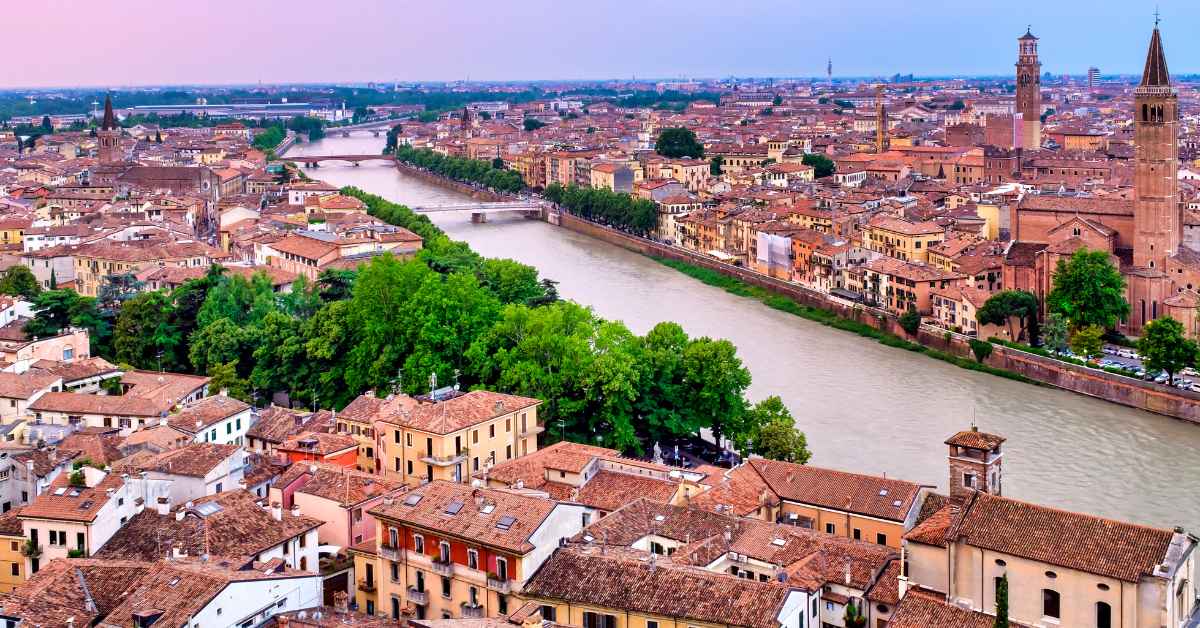
Most travelers rush through Verona on a day trip between Venice and Milan. That’s a mistake. I’ve made that mistake myself, and when I finally slowed down here with my wife, we realized Verona isn’t just a stopover. It’s a city that rewards the patient traveler.
Yes, Verona has the balcony from Romeo and Juliet. But it also has a Roman arena that still rocks with opera singers, a medieval river castle, some of Italy’s most underrated wine bars, and a pace of life that feels genuinely Italian rather than purely touristic.
Think of Verona as Venice’s quieter, more affordable cousin. No canals, but plenty of charm. No cruise ship crowds, but plenty of history. And unlike many Italian cities, Verona actually feels lived in, not just looked at.
This guide will help you plan the right number of days, find the best neighborhoods to stay in, eat like a local, and discover corners that most tourists walk right past.
Quick Planning Essentials
Let’s start with the basics so you can make smart decisions before you go.
Best time to visit: May, June, and September are ideal. The weather is warm but not sweltering, and the opera season at the Arena kicks off in June. July and August are hot and crowded, though the evening operas are magical. Winter is quiet and foggy, with Christmas markets adding a cozy glow. My wife and I visited in early October, and we had blue skies and empty piazzas.
How many days you need: One day is enough to see the highlights if you’re passing through. Two days let you breathe, visit a museum or two, and enjoy an evening apéritivo. Three days give you time for a day trip to Lake Garda or the Valpolicella wine region.
Daily budget: A budget traveler can get by on €70–90 with a hostel bed and pizza slices. Mid-range (nice B&B, good dinners) runs €150–200 per person. Luxury with opera tickets and fancy dining? €300 and up.
Getting there: Verona’s airport (Valerio Catullo, VRN) has flights from several European cities. Trains are easier for most travelers. High-speed trains connect Verona to Milan in 1 hour 15 minutes, Venice in 1 hour, and Bologna in 50 minutes. The main station is Verona Porta Nuova, about a 20-minute walk from the historic center or a quick bus ride. Driving is possible but not recommended inside the center, which has limited traffic zones (ZTL) that fine you automatically.
Where to Stay in Verona
Choosing the right neighborhood changes everything. Here’s where to lay your head.
- Centro Storico (Historic Center): This is where you want to be for your first visit. You’ll step out your door onto medieval lanes, with the Arena and Piazza delle Erbe just minutes away. It’s not cheap, but the convenience is worth it. Try Hotel Aurora or B&B Palazzo Cavalli.
- Veronetta: Cross the old Roman bridge (Ponte Pietra) and you enter a student neighborhood with cheaper rooms, laid-back bars, and a real local feel. It’s a 15-minute walk to the main sights, but the walk across the river is lovely. We stayed here on our second visit and loved the evening energy.
- Near Porta Nuova Station: This area is practical if you’re arriving late or leaving early the next day. It’s modern and a bit characterless, but the train connections are unbeatable. Hotel Milano is a solid choice.
- San Zeno: This quiet residential pocket surrounds the beautiful Basilica of San Zeno. It feels like a small village inside the city, with family-run trattorias and a peaceful vibe. It’s a 15-minute walk from the Arena, but the tranquility is worth the extra steps. CHECK ACCOMODATION HERE
Top Attractions
Let’s tour the big sights, but I’ll give you the practical details that guidebooks often skip.
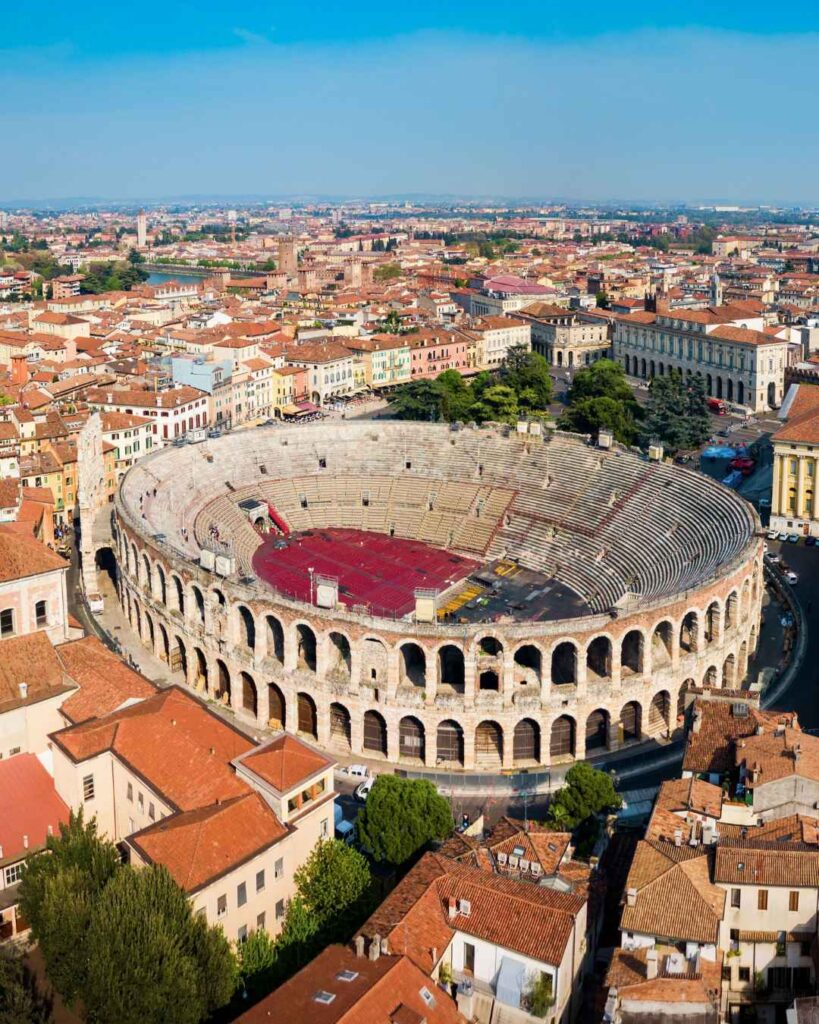
Arena di Verona: This Roman amphitheater from 30 AD is older than the Colosseum and in better shape. It seats 15,000 people, and from June to August, it hosts opera performances that are genuinely moving. If you’re not here for opera, you can still visit during the day.
The ticket lets you walk around the interior and climb to the top tier for a view over Piazza Bra. Buy tickets online in advance for opera nights, and bring a cushion unless you enjoy three hours on ancient stone. Day visits rarely sell out.
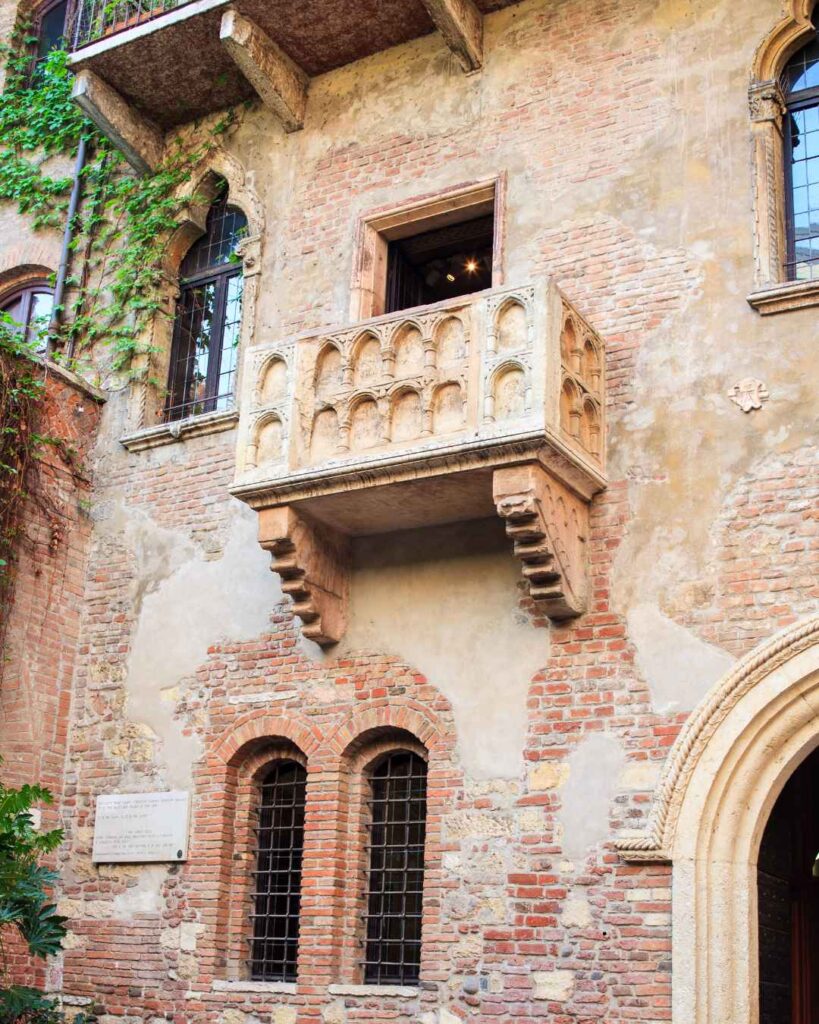
Juliet’s House (Casa di Giulietta): Let me be honest with you. This place is a zoo from 10 a.m. to 4 p.m. Hundreds of people cram into a small courtyard to touch Juliet’s bronze statue (supposedly good luck) and stand on the balcony. The house wasn’t actually Juliet’s—it was a medieval inn later turned into a shrine to Shakespeare’s story.
Go early (before 9 a.m.) or late (after 5 p.m.) to avoid the madness. Or skip it entirely and visit Juliet’s Tomb, which is quieter and more atmospheric. My wife and I went at 8 a.m., had the courtyard almost to ourselves, and then enjoyed a peaceful breakfast nearby. That’s the way to do it.
Piazza delle Erbe: This is Verona’s living room. Once the Roman forum, it’s now a market square with colorful umbrellas selling produce, souvenirs, and leather goods. Grab a spritz at one of the cafes, watch the shoppers, and look up at the frescoed buildings and the towering Madonna Verona fountain. The square connects to Piazza dei Signori, a more refined Renaissance square with Dante’s statue.
Castelvecchio and Ponte Scaligero: This is my favorite sight in Verona. The castle is a red-brick fortress from the 1350s, now home to an excellent museum with medieval armor, Venetian paintings, and a haunting statue of St. George. But the real highlight is the Ponte Scaligero, the bridge that leads out of the castle. It was blown up by the Germans in World War II and rebuilt brick by brick. Walk across it, look down at the Adige River, and feel the history beneath your feet.
Basilica of San Zeno Maggiore: This Romanesque church is a masterpiece. The bronze doors from the 11th century show biblical scenes scratched into the metal. The interior has a crypt containing the tomb of San Zeno, and the tufa stone ceiling feels ancient and solemn. It’s a 10-minute walk from the Arena and rarely crowded. The church also has a peaceful cloister and a tower you can climb.
Teatro Romano and Archaeological Museum: A Roman theater built into the hillside, still used for summer performances. It’s smaller and more intimate than the Arena, and the attached museum has Roman mosaics and fragments. The best part is the view from the top of the theater—you can see the whole city spread out below.
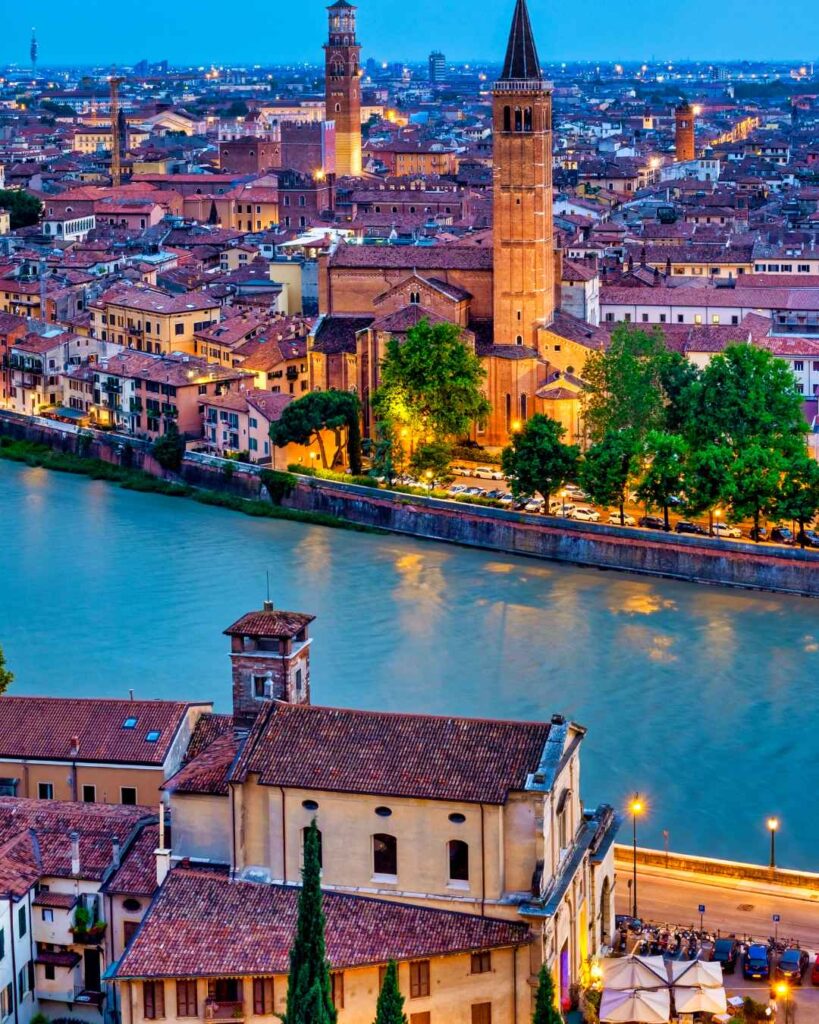
Torre dei Lamberti: For the best panoramic view of Verona, climb this 84-meter tower in Piazza delle Erbe. You can take the stairs (368 of them) or pay a little extra for the elevator. The view of red rooftops, church domes, and the looping Adige River is worth every step. The Verona Card includes one climb.
Juliet’s House Deep Dive (Managing Expectations)
I want to spend a moment longer on Juliet’s House because it causes so much confusion.
Here’s the truth: There is no historical evidence that Juliet Capulet ever lived in this house. Shakespeare never visited Verona. He based his play on an Italian poem, and the balcony was added by later tourism promoters. The house was built in the 13th century and later owned by the Dal Cappello family—Cappello sounds a bit like Capulet. That’s the extent of the connection.
But tourism is a kind of magic, too. Millions of people have left love notes on the courtyard walls, rubbed the statue’s breast for good luck in love, and stood on that balcony pretending to call for Romeo. It’s silly and crowded and wonderful if you embrace the theater of it.
If you want a more authentic literary experience, walk 15 minutes to the Church of San Francesco al Corso, where Juliet’s Tomb is located in a quiet crypt. There’s no balcony, no crowds, just a stone sarcophagus and a chance to reflect. It’s a fraction of the price and ten times more peaceful.
Also, if you want to write a letter to Juliet, you can. The Club di Giulietta in Verona receives thousands of letters every year, and volunteers write back. Address your letter to “Juliet, Verona, Italy.” It actually works.
Hidden Gems and Less-Crowded Alternatives
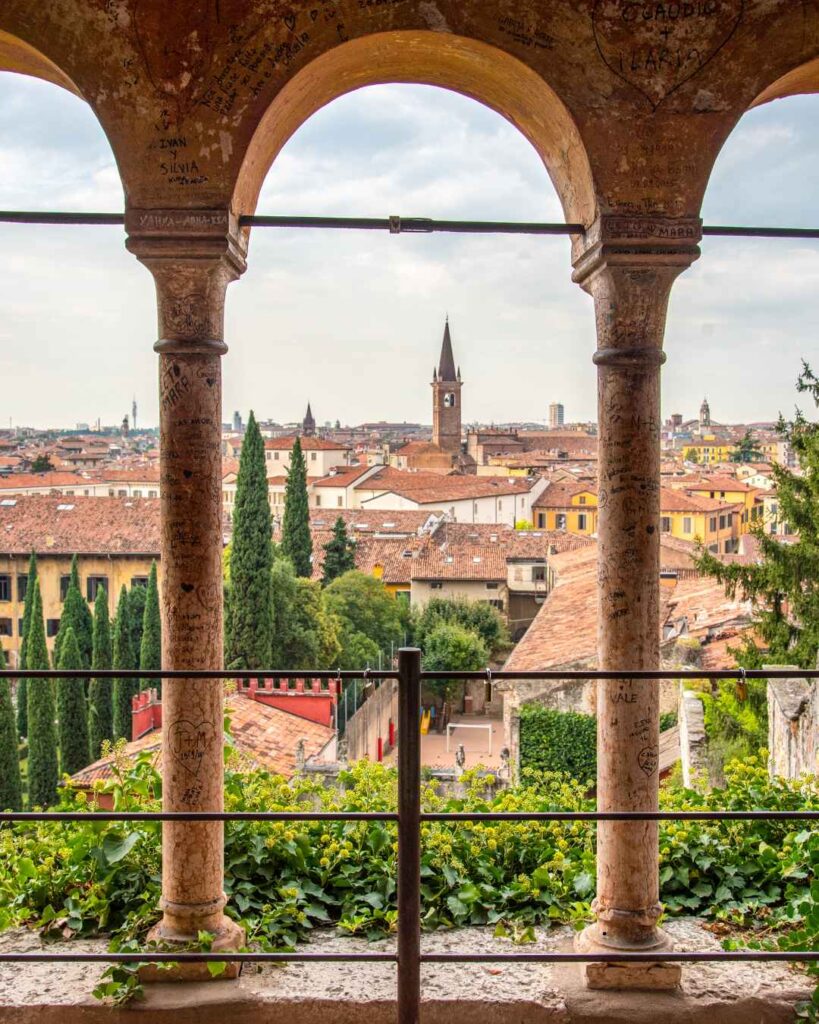
You’ve seen the big sights. Now let’s find the quiet corners that make Verona special.
Giardino Giusti: A Renaissance garden behind a palace, with cypress trees, hedge mazes, and a belvedere (viewpoint) overlooking the city. It’s one of the oldest gardens in Italy, and it feels like a secret. The entrance is easy to miss, which keeps the crowds away.
Scaliger Tombs (Arche Scaligere): These Gothic funerary monuments are tucked right next to a church in the center. Most people walk right past them. But if you pause and look up, you’ll see elaborate canopies, knight statues on horseback, and a level of medieval craftsmanship that is breathtaking. They’re free to view from the street, and you can pay a small fee to go inside the gated area.
Funicolare di Castel San Pietro: For two euros, a tiny cable car carries you up the hill to Castel San Pietro. The castle itself isn’t much to see (it’s a restaurant now), but the terrace has the best sunset view in Verona. Bring a glass of wine from the small bar up top and watch the city turn gold. My wife and I did this twice because the first evening was so perfect.
Via Sottoriva: While tourists pack the main streets, this covered medieval lane runs parallel to the river, hidden under arches and vaults. It’s a shady, cool escape on hot days, and several small bars here serve excellent apéritivo with local wine.
Bicycle tour along the Adige: Rent a bike from Verona Bike or Bicimia and follow the river path north. You’ll pass under Ponte Scaligero, see the Roman theater from below, and reach a quiet park where locals picnic. It’s flat, easy, and totally different from the city center.
Verona’s Food and Drink Scene
Italian food varies so much by region, and Verona has its own proud traditions. Here’s what to eat and where to find it.
Must-try dishes: Pastissada de caval is a horse meat stew cooked slowly with red wine and onions. It sounds strange, but it’s rich, tender, and deeply flavorful. Risotto al tastasal uses leftover pork seasonings, and bigoli is a thick spaghetti served with duck or donkey ragu. Less obvious but delicious.
Street food: Sfogliatine veronesi are flaky pastries filled with jam or cream, perfect for breakfast. Tortellini di Valeggio come from nearby Valeggio sul Mincio, and you’ll find them in broth or with butter and sage.
Best apéritivo spots: Piazza delle Erbe has expensive drinks with a view, but for a more local scene, head to Via Sottoriva or the streets around Veronetta. A spritz or a glass of Soave costs €4–6 and usually comes with small snacks like olives, chips, and cheese. For a riverside experience, try Le Foglie or Bar al Ponte.
Restaurant recommendations by style:
- Traditional osteria: Osteria il Ciottolo (tiny, no tourists, incredible pastissada)
- Modern Italian: Osteria la Fontanina (romantic courtyard, excellent wine list)
- Vegetarian-friendly: La Lanterna (not strictly veg but has great veg options)
- Late-night eats: Pizza al Taglio (by the slice) at La Fiamma or various spots near Piazza Bra
Wine: Verona is surrounded by famous wine regions. Valpolicella (light red), Amarone (big, bold red), Soave (crisp white), and Recioto (sweet dessert wine). Many wine bars offer tasting flights. Try Enoteca Fontana del Vin in Piazza delle Erbe or Accademia del Buon Gusto for a sit-down tasting.
Day Trips from Verona
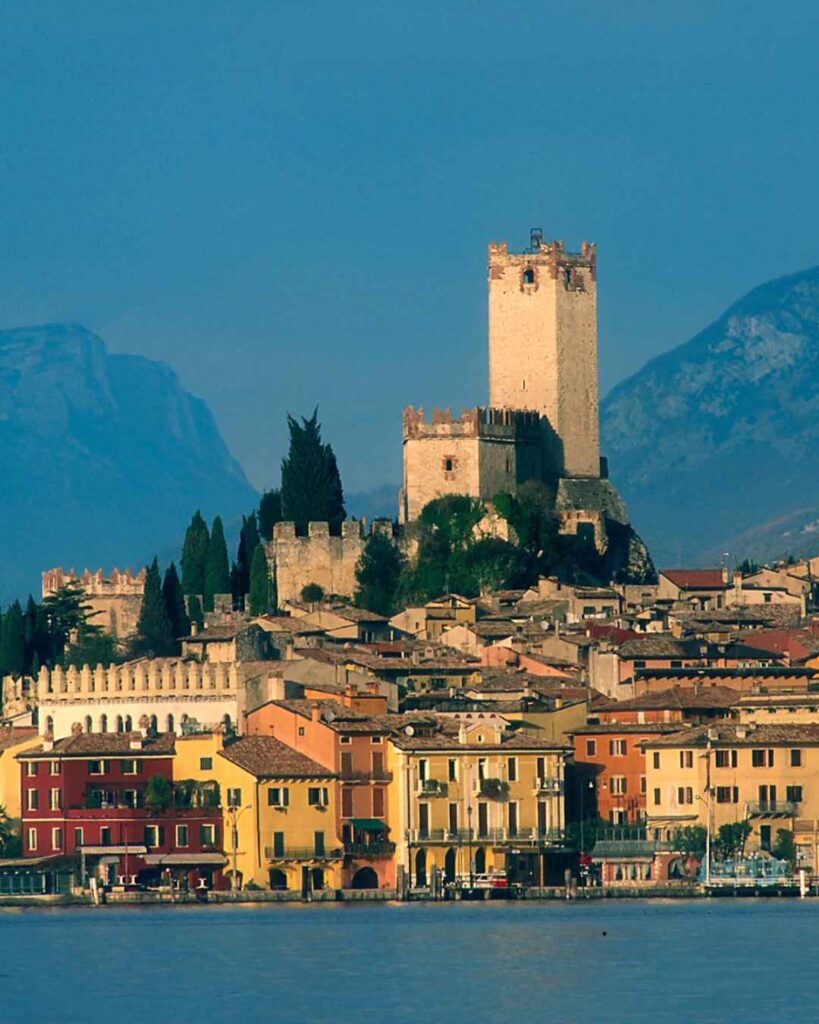
Verona makes an excellent base for exploring northern Italy. All of these are doable by public transport.
Lake Garda: Only 20 minutes by train to Peschiera del Garda, then a ferry or bus to the prettier towns. Bardolino has wine and a lakeside promenade. Sirmione has a castle and Roman ruins. Malcesine has a cable car up Monte Baldo. My wife and I took the train to Desenzano, then a ferry to Sirmione, and felt like we’d discovered a Mediterranean paradise.
Valpolicella wine region: Buses run from Verona to towns like San Pietro in Cariano and Negrar. Better yet, book a half-day bike tour that includes tastings at two or three wineries. The rolling hills of vineyards and olive groves are beautiful even if you don’t drink.
Soave: A perfectly preserved medieval town enclosed by castle walls, 20 minutes by train. You can walk the walls, visit the castle, and taste Soave wine at the foot of the fortress. It’s a half-day trip at most.
Mantua (Mantova): A UNESCO city with massive palaces, a huge lake, and the incredible Palazzo Te with its erotic frescoes. It’s 30 minutes by train from Verona and deserves a full day.
Lessinia Natural Park: For hikers, buses go into the hills north of Verona. This area has fossils, prehistoric caves, and malga (mountain farms) selling fresh cheese. It’s a world away from the city.
Festivals and Events
Plan your trip around one of these, and you’ll see Verona at its best.
Verona Opera Festival: June through August. The Arena becomes a magical night theater. Tickets range from €30 to €200. Bring bug spray and a cushion.
Bacanal del Gnoco: The Friday before Carnival (February). The San Zeno neighborhood celebrates gnocchi with a giant free serving from a food truck. It’s messy, fun, and very local.
Vinitaly: April. The world’s largest wine fair. Tens of thousands of wine professionals descend on Verona. It’s overwhelming but amazing for wine lovers.
Tocatì: September. A festival of street games from around the world. You’ll see adults playing traditional games, spinning tops, and throwing flags. Delightful for families.
Christmas markets: December. Piazza dei Signori and the courtyard of Castelvecchio fill with wooden stalls selling mulled wine, crafts, and roasted chestnuts.
Sample Itineraries
Here are three ways to structure your time.
One day in Verona: Start at the Arena at 9 a.m. Walk to Piazza delle Erbe and Piazza dei Signori. See the Scaliger Tombs. Lunch in Via Sottoriva. Afternoon at Castelvecchio and Ponte Scaligero. Juliet’s House in the late afternoon (quieter by 5 p.m.). Sunset at the funicolare to Castel San Pietro. Dinner near Piazza Bra.
Two days in Verona: Day one as above. Day two, cross the river to Veronetta, visit the Teatro Romano and Archaeological Museum, then walk up to Giardino Giusti. Afternoon apéritivo in Veronetta. Evening at the opera if you’re here in summer.
Three days in Verona: Two days in the city, then a day trip to Lake Garda or Valpolicella. On your third day, take it slow. Visit San Zeno Basilica in the morning, have a long lunch, and wander without an agenda.
Practical Tips
Book Arena tickets on the official website (arena.it). Resellers charge more. For operas, seats on the stone steps are cheapest, but you’ll want a cushion (sold outside). Reserved seats in the lower sections cost more but include backs and armrests.
Verona Card: Costs about €25 for 24 hours or €30 for 48 hours. It includes entry to the Arena, Castelvecchio, Teatro Romano, Giardino Giusti, and Torre dei Lamberti plus free bus transport. Do the math: if you’ll visit three or more of those sights, it pays for itself. The card also lets you skip some ticket lines.
Public transport: Buses run from Porta Nuova station to the center (lines 11, 12, 13). Within the center, walk everywhere. Bike sharing is available through Mobike or Verona Bike.
Opening hours quirks: Many churches and shops close from 12:30 to 3:30 for riposo. Restaurants often don’t serve dinner before 7 p.m. Plan accordingly.
Safety and scams: Verona is safe, but Juliet’s House has a famous scam where people put “friendship bracelets” on your wrist then demand payment. Politely say no and keep walking. Pickpockets are rare but exist near the station.
Accessibility: The historic center is flat and partly pedestrianized. The Arena is accessible for wheelchairs via a ramp to the lower level. Torre dei Lamberti has an elevator. Castelvecchio has some stairs, but is generally manageable.
Photos and Instagram-Worthy Spots
You don’t need to be an influencer to want good photos. Here’s where to find them.
Best viewpoints: Ponte Pietra at golden hour (the light hits the river and the Roman theater). Castel San Pietro at sunset (arrive 30 minutes before). Torre dei Lamberti (any time, but morning light is best).
Hidden photo spots: Cortile del Mercato Vecchio, a quiet courtyard off Piazza delle Erbe with a beautiful well. Arco dei Gavi, a Roman arch near Castelvecchio that frames the castle perfectly.
Best light: Early morning (7–9 a.m.) for empty streets. Golden hour (6–7 p.m. in summer, 4–5 p.m. in winter) for warm light on stone.
Packing and Logistics Checklist
- Comfortable walking shoes like these ones. Cobblestones are unforgiving.
- A light jacket or sweater, even in summer, for cool evenings and chilly churches.
- A refillable water bottle. Verona has public fountains (fontanelle) with safe, cold water.
- A cushion if you’re attending an opera on the stone steps.
- Sunscreen and a hat in summer. The Arena offers no shade.
- An umbrella if visiting in spring or fall. Rain can appear suddenly.
- Power adapter (Italy uses types C, F, and L, 230V).
Conclusion and Final Pro Tips
Here’s what I wish I’d known before my first trip.
One thing most tourists miss: The Verona Card includes a free climb of Torre dei Lamberti, but many people don’t realize you can also use it for the funicolare and for Giardino Giusti. That’s three great experiences for one card price.
How to experience Verona like a local: Avoid restaurants with picture menus and someone standing outside trying to lure you in. Instead, walk one street back from the main piazza. Look for places where the menu is handwritten and the customers speak Italian. Order the regional wine, not Chianti. And never ask for cappuccino after 11 a.m.
Finally, don’t over-plan. Verona rewards wandering. My wife and I discovered our favorite meal by following the sound of laughter down an alley. We found a tiny wine shop where the owner poured us samples of Amarone and told us stories about the hillside vineyards. That’s the real Verona.
So yes, see the balcony. Hear the opera. Climb the tower. But leave time to get lost. That’s where the magic lives.
NOTE BEFORE YOU GO: Italy rewards travelers who go prepared. And it is easy to ruin your trip. I have a checklist for you of things you should never go to Italy without. CHECK IT OUT HERE. I have also curated a list of some of the best hotels in Italy. I would highly recommend checking them out before booking. THESE ARE THE BEST HOTELS IN ITALY. And for unique experiences, attractions, and tours, don’t book before CHECKING THIS OUT. Thank me later!