

There is a reason most people love Italy. The food, the art, the people – everything invites you to slow down and savour la dolce vita. But here’s a truth many guidebooks skip: some of the harmless habits you have at home can get you fined, scolded, or even arrested in Italy.
Don’t panic. With a little local knowledge, you can stay on the right side of the law and enjoy your trip without a single nasty surprise. Let me walk you through the most surprising things that are illegal in Italy – from food and fashion to beaches and bridges.
Food and Drink Laws That Catch Tourists Off Guard
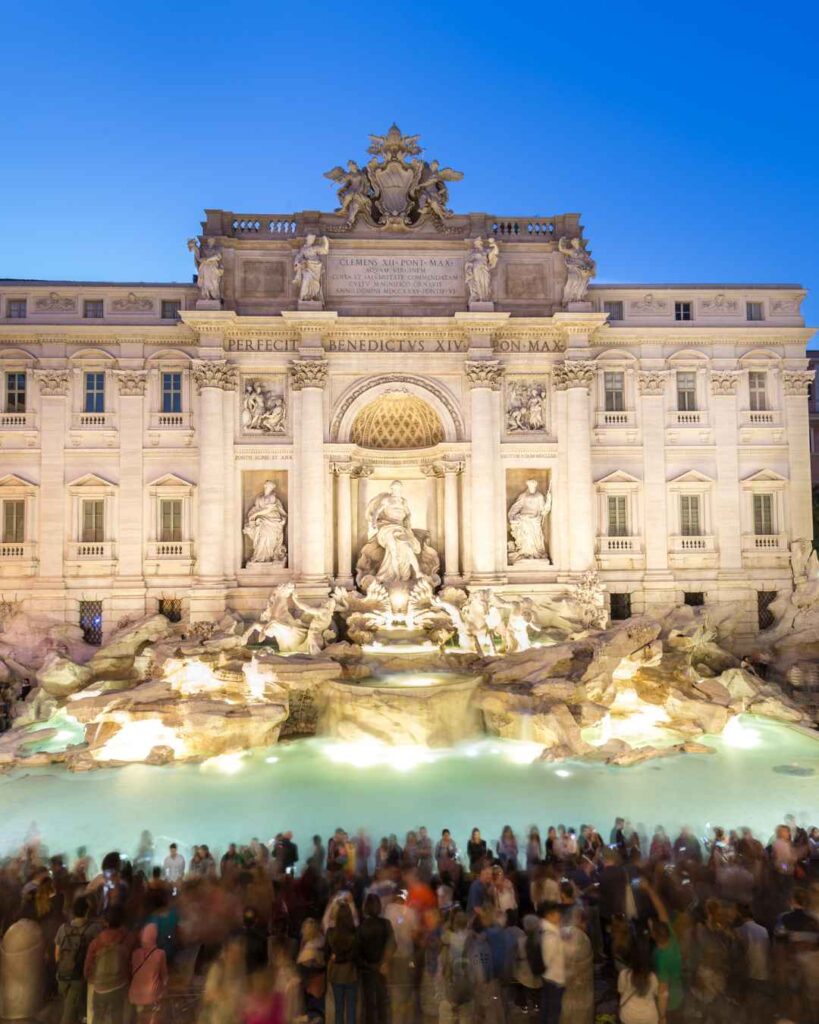
Italians take their food rituals seriously, and some rules are written into law. Others are unwritten but enforced with a passion.
Eating or drinking near historic fountains is forbidden in many cities. In Rome, sitting on the edge of the Trevi Fountain with a gelato or a beer will earn you a fine of up to 250 euros. The same goes for Florence’s Porcellino fountain and Venice’s canalside wells. The reason is simple: these monuments are centuries old, and sticky fingers, spilled drinks, and dropped food speed up their decay.
Then there is the famous cappuccino rule. While not technically a criminal law, drinking a cappuccino after 11 am is a cultural crime that can get you publicly corrected by a barista. Many travelers have been overcharged or simply refused service. Italians believe milk-heavy coffee upsets digestion after a meal, so stick to espresso in the afternoon.
Taking more than three coins from the Trevi Fountain is actually theft. Each year, the coins are collected for a Catholic charity that runs a supermarket for the poor. Scooping out coins, even for a good cause, is treated as stealing public funds.
Bringing raw seafood into the Venice lagoon is illegal under strict anti-bioinvasion laws. Fishermen and tourists alike can face hefty fines for introducing non-native species into this delicate ecosystem. If you buy fresh fish at the Rialto market, eat it the same day – don’t take it for a boat ride.
Selling homemade limoncello or cured meats without a health license is a serious offence. This surprises many travelers who buy from a friendly local. If the seller hasn’t registered with the health authority, both buyer and seller can be fined. Always buy preserved foods from licensed shops.
Beach Rules That Baffle Foreigners
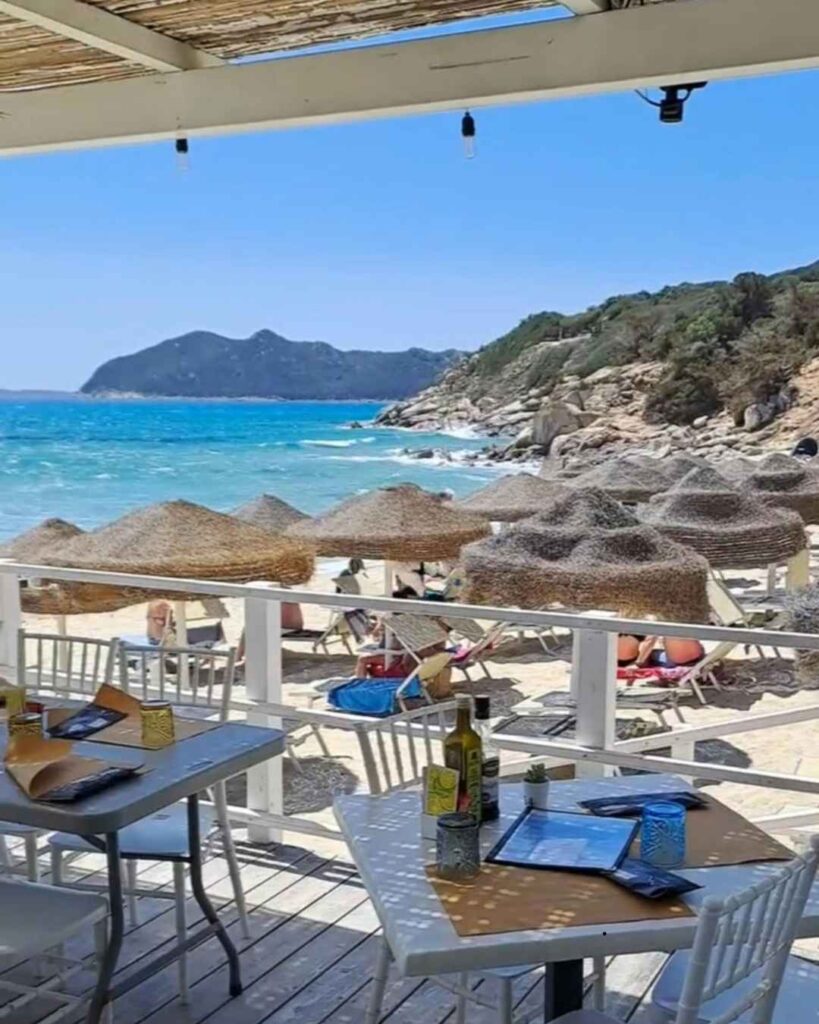
Italy’s beaches are glorious, but the laws protecting them are strict. On the island of Sardinia, building sandcastles is banned on certain stretches of beach. This protects the nests of sea turtles, which are easily disturbed. Even a small shovel can crush an egg hidden just below the surface.
Taking sand, shells, or stones from any Italian beach is illegal. Tourists have been fined over 3,000 euros for filling a small bottle with Sardinian sand. Sicily and Liguria have similar laws. The coastlines are considered public heritage, and every pebble removed is a small act of vandalism.
Changing clothes inside your car at the beach can get you fined for public indecency. Even if you think you are hidden, Italian law says any exposed skin beyond a swimsuit in a parking area is unacceptable. Fines range from 200 to 700 euros. Use a proper changing cabin or a beach towel wrapped around you.
Using a towel to reserve a free beach spot is illegal in many coastal towns. Police regularly confiscate towels left unattended. The rule is simple: if you are not physically present, you cannot claim the sand.
City Life and Public Space Restrictions
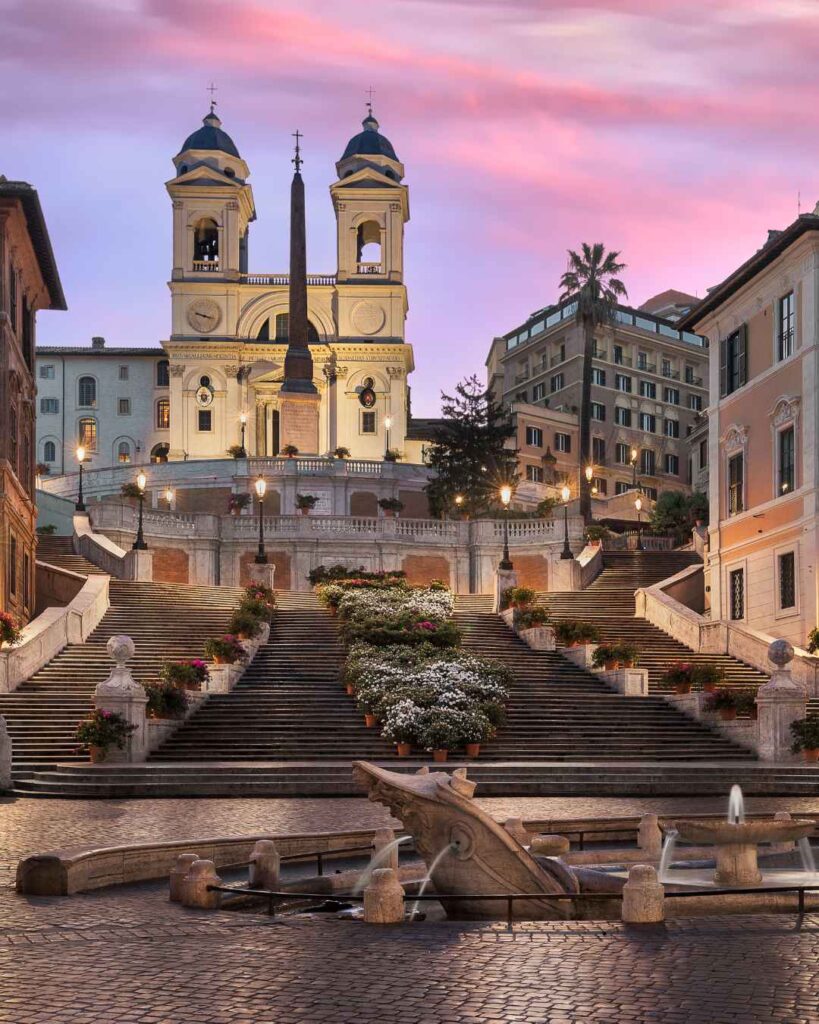
Italy’s historic centers are like open-air cathedrals, and they are protected by strict ordinances. Sitting on the steps of the Duomo in Florence or the Spanish Steps in Rome is forbidden. The fines start at 400 euros. These steps are fragile, and a crowd of seated tourists blocks passage for everyone else.
Feeding pigeons in Venice is illegal and comes with a 500 euro fine. The birds carry disease and their droppings erode marble. In St. Mark’s Square, special patrols watch for pigeon feeders. The same law applies in many other Italian piazzas.
Wearing a face mask to conceal your identity – for reasons other than health – is against the law. Italy passed anti-terrorism legislation years ago that bans masks in public. During the pandemic, medical masks were obviously exempt, but a balaclava or ski mask in summer will land you in trouble.
Using a Segway in historic centers is illegal in Rome, Florence, and Turin. The cobblestones are dangerous for Segways, and the vehicles annoy pedestrians. Rent a bicycle or walk – you will see much more anyway.
Playing loud music or busking without a permit is banned in most city centers. Florence and Bologna are particularly strict. Fines can reach 1,000 euros. If you want to hear street music, look for performers with an official badge – they have passed an audition and follow volume limits.
Driving and Transport Laws You Might Not Expect
Driving in Italy requires attention, and some rules are unique. Wearing flip-flops while driving is illegal. Police can fine you up to 300 euros for lack of proper control. Your foot can slip off the pedal, so keep proper shoes in the car for driving.
Riding a scooter without a helmet is a classic tourist mistake. Even for a short trip to the corner shop, you need a helmet. Fines are steep, and you will also lose points on your license.
Turning right on a red light is never allowed in Italy, unless a specific green arrow light is illuminated. This catches many American drivers off guard. Just wait for the green.
Having a phone mount attached to your windshield or dashboard can be considered a distraction, even if you are not using the phone. Some judges have upheld fines for this. The safest approach is to remove the mount before driving.
Cycling without a bell or lights after dark is illegal and dangerous. Fines start at 50 euros, and in rural areas, police actively check for reflectors and working headlights.
Tourist Fun That Is Actually a Crime
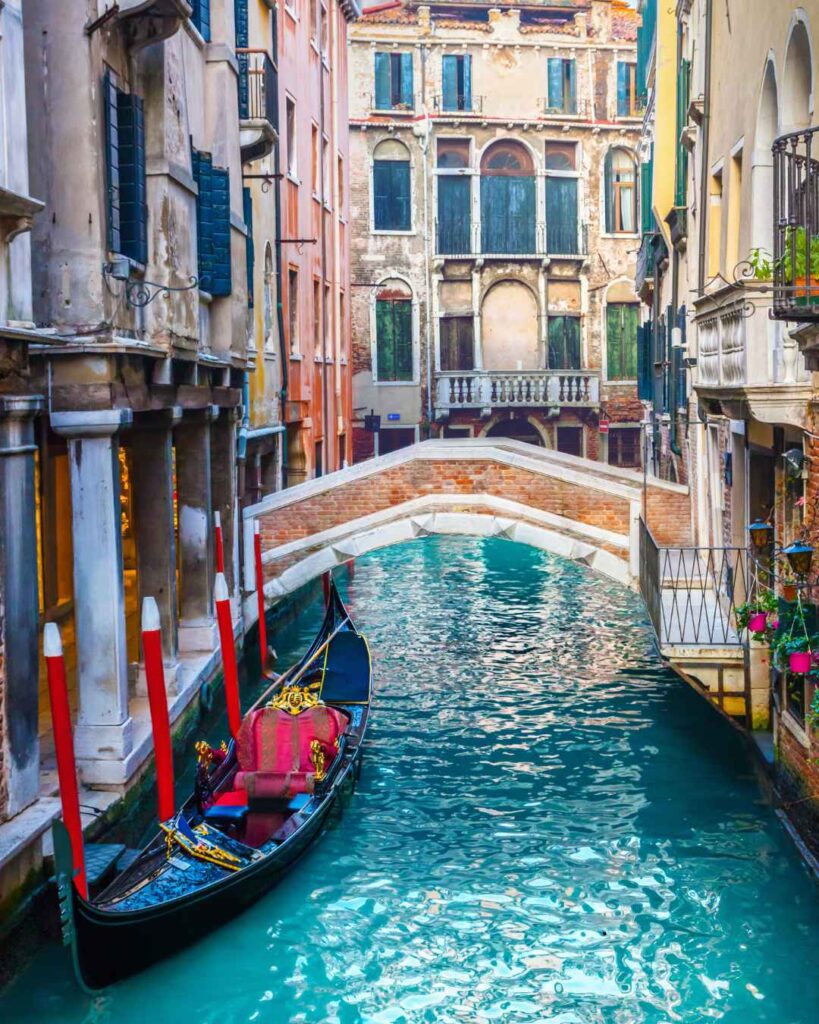
Jumping into Venice’s canals is a rite of passage for no one except the foolish. It is illegal, dangerous, and disrespectful. The fines start at 500 euros, and each year a few tourists are arrested. The canals are not swimming pools – they are active waterways with boats and unpredictable currents.
Climbing trees in public parks, especially in Rome’s Villa Borghese, is banned. Many of these trees are centuries old and fragile. A fine of 500 euros awaits anyone caught with both feet off the ground in a protected tree.
Littering, even a cigarette butt, is heavily fined. Italian cities have zero-tolerance policies, with fines up to 500 euros. Use public bins, and carry a portable ashtray for cigarette butts.
Writing a love lock on a bridge is romantic on television, but illegal in Florence. The Ponte Vecchio is covered in locks that damage the structure. Police patrol regularly, and fines exceed 200 euros. If you want to declare your love, send a postcard instead.
Taking wedding photos inside historic churches without permission is considered trespassing. Many churches are also active places of worship. Always ask the sacristan or office staff before setting up a tripod or a white dress.
Laws About Personal Behaviour
Begging with children or animals is illegal throughout Italy. The law considers it exploitation, and police have the power to remove children or animals from the beggar. If you see this happening, report it to the local police, not to social media.
Sleeping in your car overnight outside a designated campsite is banned under anti-nomadism laws. You can be fined, and your vehicle can be impounded. Rest stops on highways are sometimes allowed, but any urban or natural area is off limits. Use an actual campsite or a hotel.
Public drunkenness, even without disorderly behaviour, is illegal in many tourist hotspots. Florence, Rome, and Naples all have ordinances against visible intoxication. The fine is modest, but a night in a holding cell is a terrible way to spend your vacation.
Refusing to provide identification to a police officer when asked is a crime. Italy requires everyone – including tourists – to carry a passport or a copy of it. If you cannot identify yourself, you can be detained until your identity is confirmed.
Property and Accommodation Rules
Renting out a room on Airbnb or similar platforms comes with a serious legal requirement. The host must register every guest’s ID with the local police within 24 hours. If you are the guest and your host skips this step, you could be asked to leave the property. Responsible hosts will ask to see your passport – that is a good sign.
Hanging laundry on a balcony that faces a church or a historic street is illegal in many small towns. These decorum ordinances are taken seriously. Your underwear flapping in the breeze is considered an eyesore. Use a drying rack inside or on a rear balcony.
Flying a drone over historical sites without a permit can lead to fines of 10,000 euros or more. All of Rome’s centro storico, Florence’s historic centre, and Venice’s lagoon are no-fly zones for drones without special permission. Leave the drone at home – your smartphone camera will do just fine.
Fashion and Dress Code Laws
Going shirtless or wearing only a swimsuit outside the beach area is illegal in every Italian city. Even on a 35-degree day, you need a shirt and shorts. Fines for indecent exposure are common near train stations and popular piazzas.
Wearing camouflage clothing is illegal for civilians in Italy. This law dates back to anti-impersonation rules designed to prevent people from looking like military personnel. Camo jackets, trousers, and hats can all result in a fine. Leave the army surplus gear at home.
Regional and Seasonal Bans
Water fights in summer are banned in several Sicilian villages. During droughts, which happen often, using potable water for anything other than drinking, cooking, or hygiene is a crime. Fines are issued to anyone caught with a water gun or hose in a public square.
Fireworks, sparklers, and sky lanterns are banned near forests all year round. Italy has devastating wildfires every summer, and even a small spark can start a catastrophe. The fines are heavy, and if a fire spreads, you could face jail time for arson.
Final Thoughts – Respect the Rules, Enjoy the Trip
None of these laws are meant to trap you. They exist to protect Italy’s art, nature, and way of life. When you follow them, you become a thoughtful traveller rather than an accidental outlaw. Before you visit a specific town, check its municipal website for local ordinances – they can change quickly and vary widely.
If you do receive a fine, pay it promptly. Unpaid fines can follow you home and grow with interest. European countries share data, so you could be stopped at the airport years later.
Italy is generous and welcoming. She just asks that you treat her with care. Respect the fountains, keep your shirt on, and for goodness’ sake, save the cappuccino for breakfast. Do that, and Italy will reward you with the journey of a lifetime.
NOTE BEFORE YOU GO: Italy rewards travelers who go prepared. And it is easy to ruin your trip. I have a checklist for you of things you should never go to Italy without. CHECK IT OUT HERE. I have also curated a list of some of the best hotels in Italy. I would highly recommend checking them out before booking. THESE ARE THE BEST HOTELS IN ITALY. And for unique experiences, attractions, and tours, don’t book before CHECKING THIS OUT. Thank me later!