
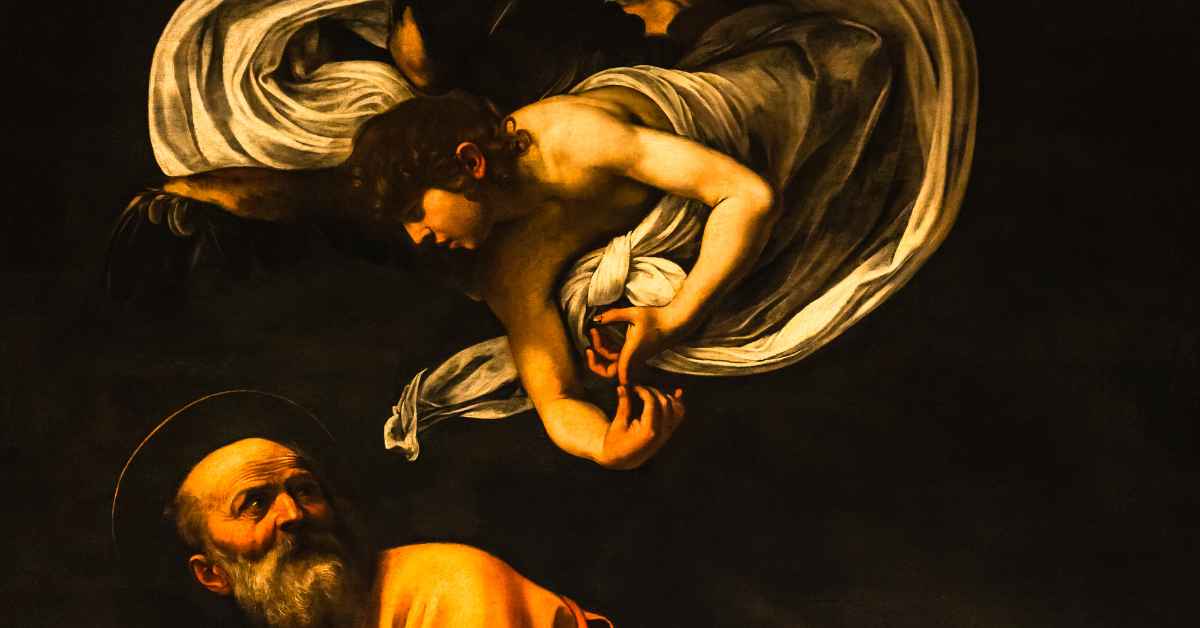
Rome is the only city in the world where you can walk down a random street, step into a church because the door was open, and find yourself standing in front of a masterpiece that would be the highlight of any museum.
The art is not contained here. It is not behind glass or behind a ticket counter. It is part of the fabric of the city, and it is available to anyone who knows where to look.
Most visitors spend their time in the Vatican Museums and the Galleria Borghese, and those are extraordinary places. But some of Rome’s most beautiful artworks are free.
They are in churches, in piazzas, on bridges, and on street corners. They are part of the daily life of the city, and they are waiting to be discovered.
This post is a guide to those artworks. It covers the sculptures, paintings, fountains, and monuments that you can see without entering a museum. It tells you where to find them, what to look for, and why they matter.
Before you read further, remember that Italy rewards travelers who come prepared. I’ve found a few things especially useful on an Italy trip, and they’re worth having and/or knowing beforehand. See the checklist here. Also, if you want me to plan an Italy trip for you that you will never forget, drop me a message here
Bernini’s Ecstasy of Saint Teresa in Santa Maria della Vittoria
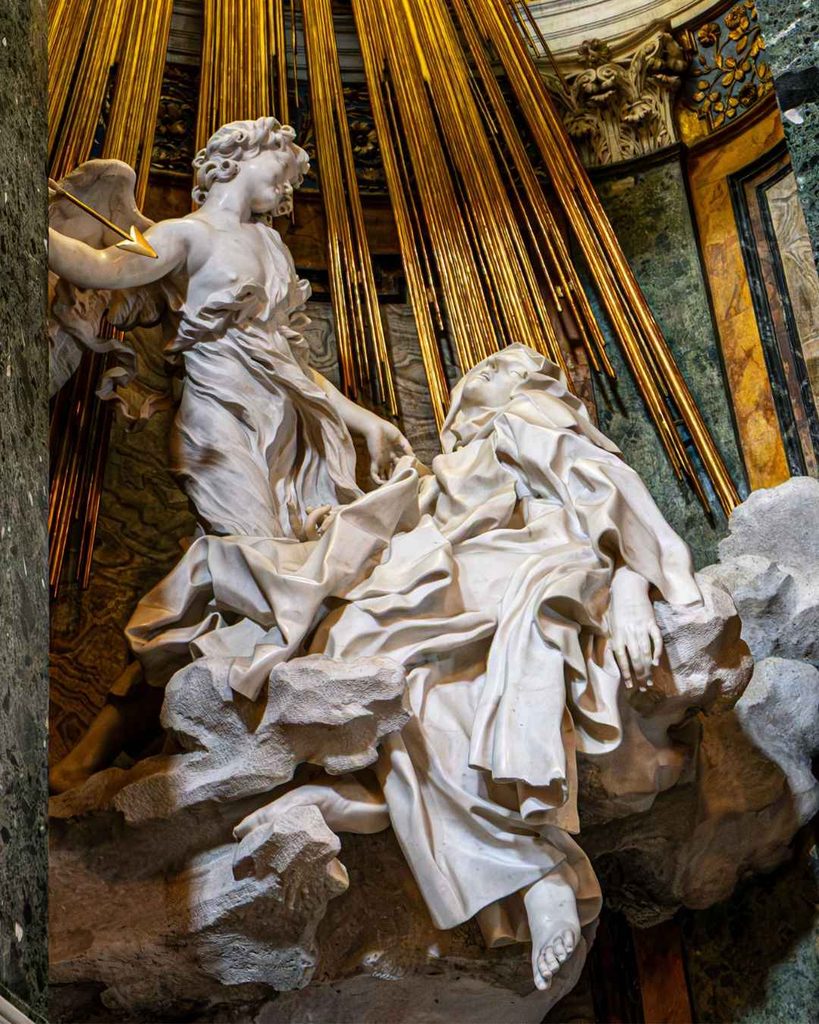
The Ecstasy of Saint Teresa is one of the most important sculptures of the Baroque, and it is in a church that most visitors never think to enter. The Church of Santa Maria della Vittoria is on the Quirinal Hill, a short walk from the Termini train station.
The sculpture is in the Cornaro Chapel, which Bernini designed as a complete theatrical setting. The chapel is not just a frame for the sculpture. It is part of the artwork, and it was designed to create a specific emotional effect.
The sculpture depicts a vision described by Saint Teresa of Ávila, a Spanish nun who described an angel piercing her heart with a golden arrow. She wrote that the pain was so great that she moaned, but the sweetness was so excessive that she could not wish to be rid of it.
Bernini shows Teresa reclining on a cloud, her body limp, her head thrown back, her mouth open. Her eyes are half-closed, and her expression is one of complete surrender. An angel stands above her, holding the arrow, about to strike. The angel is smiling, and his drapery swirls around him.
The chapel is designed to be a theater. There are relief sculptures of the Cornaro family members on either side, sitting in what look like theater boxes, watching the scene unfold. The viewer is invited to join them, to become part of the audience for this divine drama.
The light comes from a hidden window above the sculpture, and it falls directly on the figures, making them seem to glow. The effect is theatrical and deeply emotional. It is one of the most important works of art in Rome, and it is free to see.
The church is open every day, and the chapel is on the left side of the nave. There is usually a small crowd, but the chapel is large enough to accommodate visitors without feeling crowded.
Michelangelo’s Moses in San Pietro in Vincoli
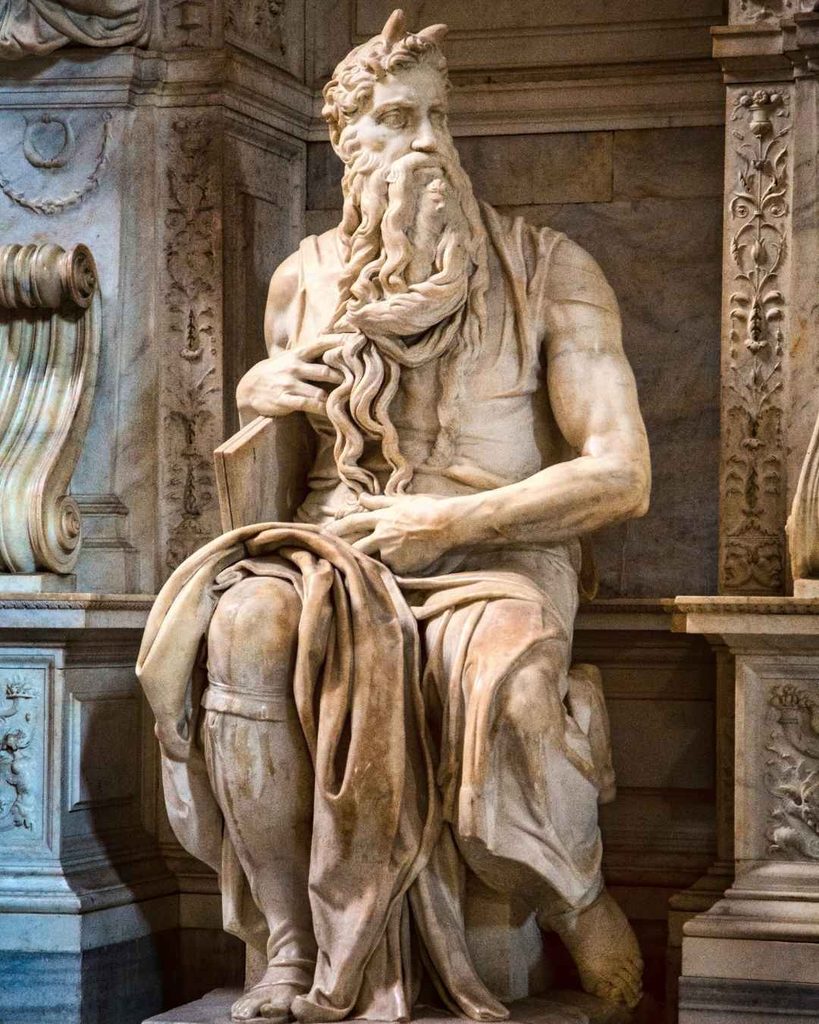
The Moses is one of Michelangelo’s greatest sculptures, and it is in a quiet church in the Monti neighborhood, a short walk from the Colosseum. The church of San Pietro in Vincoli is named for the chains of Saint Peter, which are displayed beneath the main altar.
The chains are a relic, and they are worth seeing, but the Moses is the main attraction. The statue was commissioned by Pope Julius II for his tomb, a project that Michelangelo worked on for forty years and never finished.
The original design called for a monumental free-standing tomb with forty statues. But the project was scaled back again and again, and the final version, installed in 1545, is a fraction of what Michelangelo had envisioned.
The Moses was intended for the middle level of the tomb, but it was placed in a smaller monument.
The statue depicts the moment after Moses has descended from Mount Sinai and found the Israelites worshipping a golden calf. He is seated, his body tense, his gaze fixed on something we cannot see. His muscles are taut, his veins are swollen, and he seems to be on the verge of rising to his feet.
The horns on Moses’s head come from a mistranslation of the Hebrew Bible. The Hebrew word for “rays” was translated as “horns” in the Latin Vulgate, and Michelangelo followed the tradition that had been established by earlier artists. The horns were understood as a sign of divine radiance, not of evil.
The church is free to enter, and the Moses is in the right transept. There is a coin-operated light box that illuminates the statue, so bring a coin. The church is usually quiet, and you can spend as long as you like in front of the sculpture.
Caravaggio’s Paintings in San Luigi dei Francesi
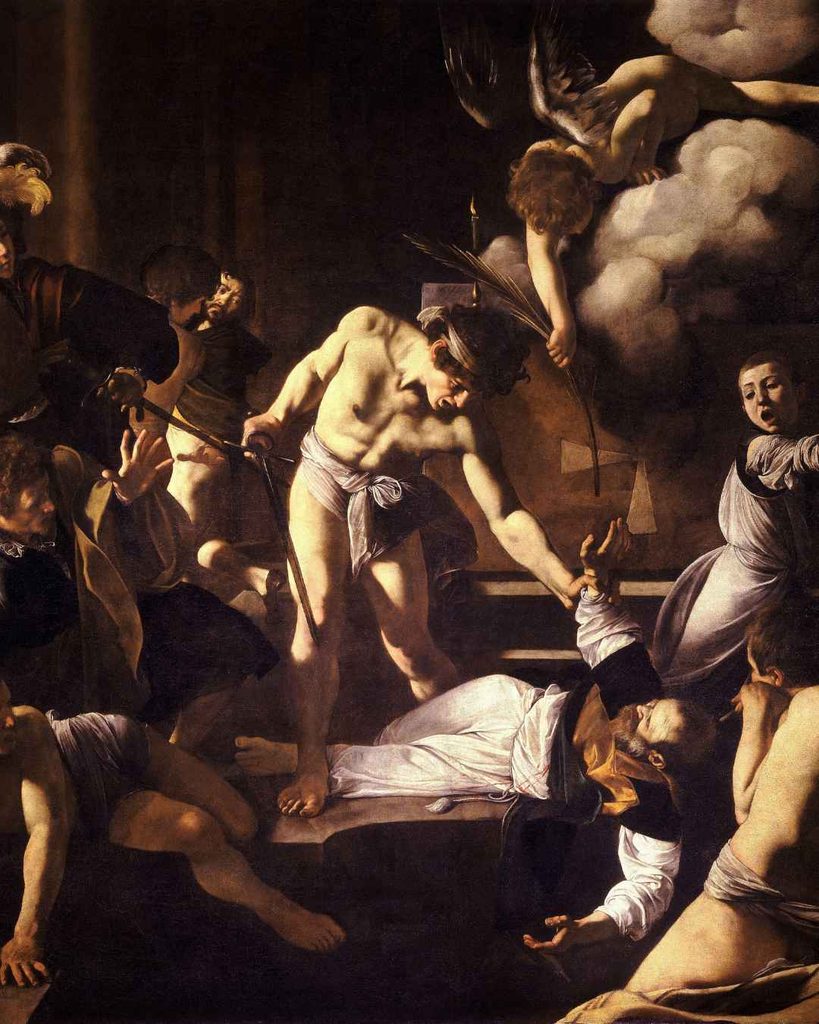
The Church of San Luigi dei Francesi, near Piazza Navona, contains three paintings by Caravaggio that are among the most important works of the Baroque. They are in the Contarelli Chapel, at the end of the left nave, and they depict the life of Saint Matthew.
The Calling of Saint Matthew shows the moment when Christ calls Matthew to follow him. The scene is set in a dark room, and a single beam of light illuminates the tax collector and his companions. Christ’s hand is extended, and the gesture is echoed by Matthew’s own hand, which points to himself as if to say, “Who, me?”
The painting is dramatic and immediate, and it changed the way artists used light and shadow. The light is not just a source of illumination. It is a symbol of divine grace, and it falls on Matthew like a revelation.
The Inspiration of Saint Matthew shows the evangelist writing his Gospel, guided by an angel. The relationship between Matthew and the angel is intimate and intense, and the painting is a meditation on divine inspiration.
The angel is counting on his fingers, as if dictating the text, and Matthew is listening with intense concentration.
The Martyrdom of Saint Matthew depicts the death of the apostle, and it is violent and chaotic. The painting is a masterpiece of dramatic composition, and it shows Caravaggio’s ability to capture the moment of death. The assassin is standing over the fallen apostle, and the crowd is recoiling in horror.
The church is free to enter, and the paintings are in the Contarelli Chapel. The chapel is usually crowded, but the paintings are large and easy to see.
Michelangelo’s Pietà in St. Peter’s Basilica
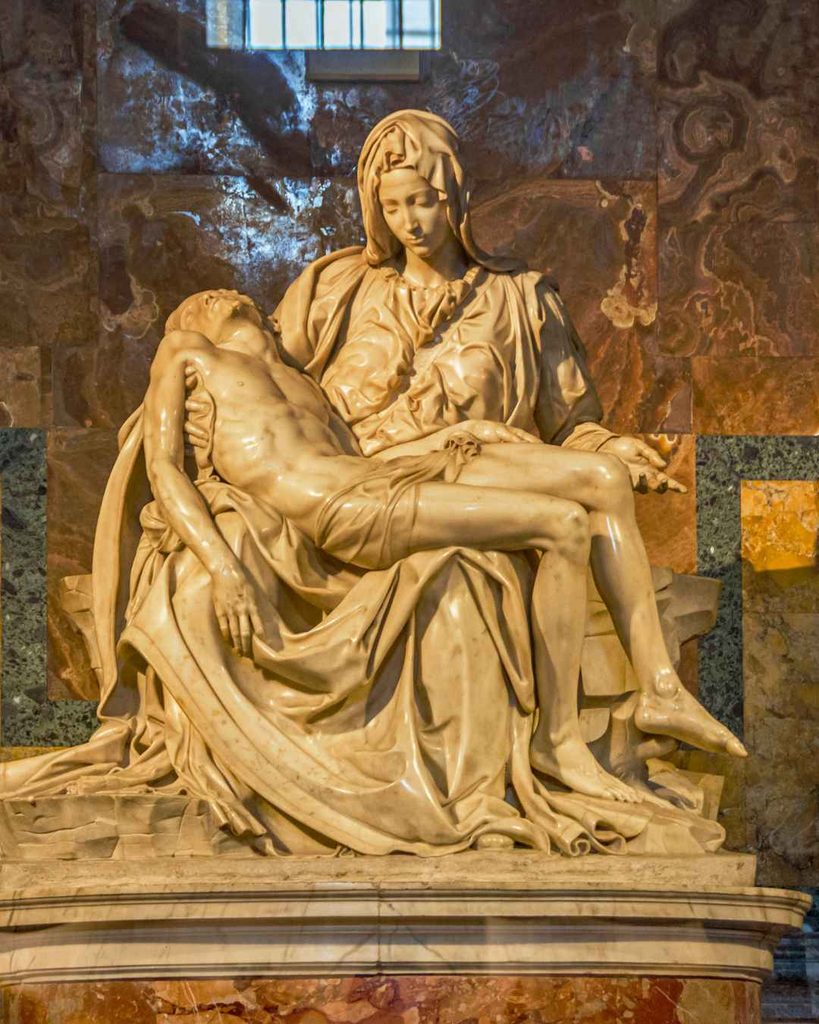
The Pietà is the first great work Michelangelo completed in Rome, and it is still the one that moves people most. It is in St. Peter’s Basilica, in the first chapel on the right, and it is impossible to miss.
Michelangelo was twenty-three years old when he received the commission. He carved the sculpture from a single block of Carrara marble in just nine months. The Pietà depicts the Virgin Mary holding the dead body of Christ, and it is a masterpiece of balance and harmony.
Mary’s face is young, younger than her son’s, because she is Immaculate and without sin. Her right hand supports Christ’s body, while her left hand invites the viewer to look, to contemplate, to adore.
The sculpture is designed to be seen from the front, but if you move to the side, you will notice that Mary’s body is larger than it should be, scaled up so that she can cradle a full-grown man without appearing to struggle.
The Pietà is the only work Michelangelo ever signed. The inscription is carved on the sash that crosses Mary’s breast. According to Vasari, Michelangelo signed it because he was proud of the work, and because he wanted to claim it as his own after hearing visitors attribute it to another sculptor.
The sculpture has survived more than five centuries, but it has not been without incident. In 1972, a man attacked the statue with a hammer, damaging Mary’s arm and face. The restoration took years, and the sculpture is now behind bulletproof glass.
The basilica is free to enter, and the Pietà is in the first chapel on the right. The basilica is usually crowded, but the Pietà is large enough to see from a distance.
Bernini’s Fountain of the Four Rivers in Piazza Navona
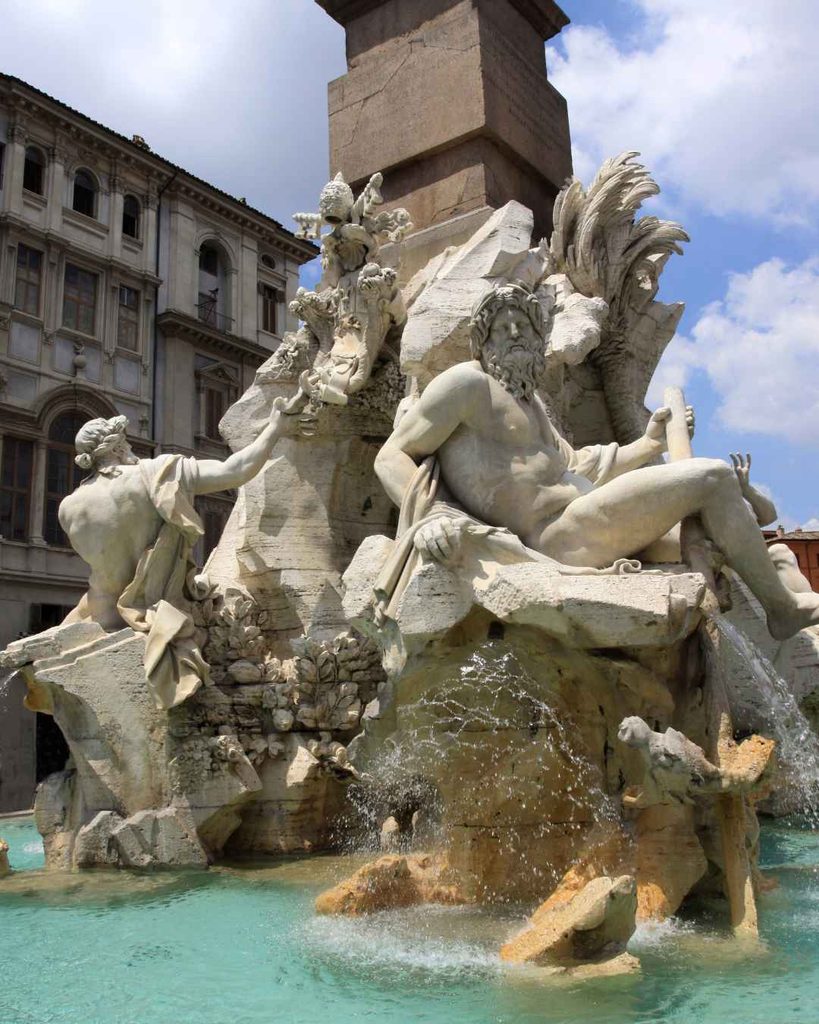
The Fountain of the Four Rivers is one of Bernini’s most famous works, and it is in the center of Piazza Navona. The fountain was commissioned by Pope Innocent X and completed between 1648 and 1651.
The fountain is crowned by an ancient Egyptian obelisk, which rises from a rocky base. Around the base are four colossal figures representing the great rivers of the world: the Danube, the Nile, the Ganges, and the Rio de la Plata. Each figure is surrounded by plants and animals from its region.
The Nile figure has a cloth over its head, representing the fact that the source of the Nile was unknown at the time. The Rio de la Plata figure is raising its hand, and some say it is shielding its eyes from the church of Sant’Agnese in Agone, which was designed by Bernini’s rival Borromini.
The fountain is free to see, and it is particularly beautiful at night when it is lit up. The piazza is one of the most beautiful in Rome, and the fountain is the centerpiece of the square.
The Trevi Fountain and Its Magnificent Sculptures
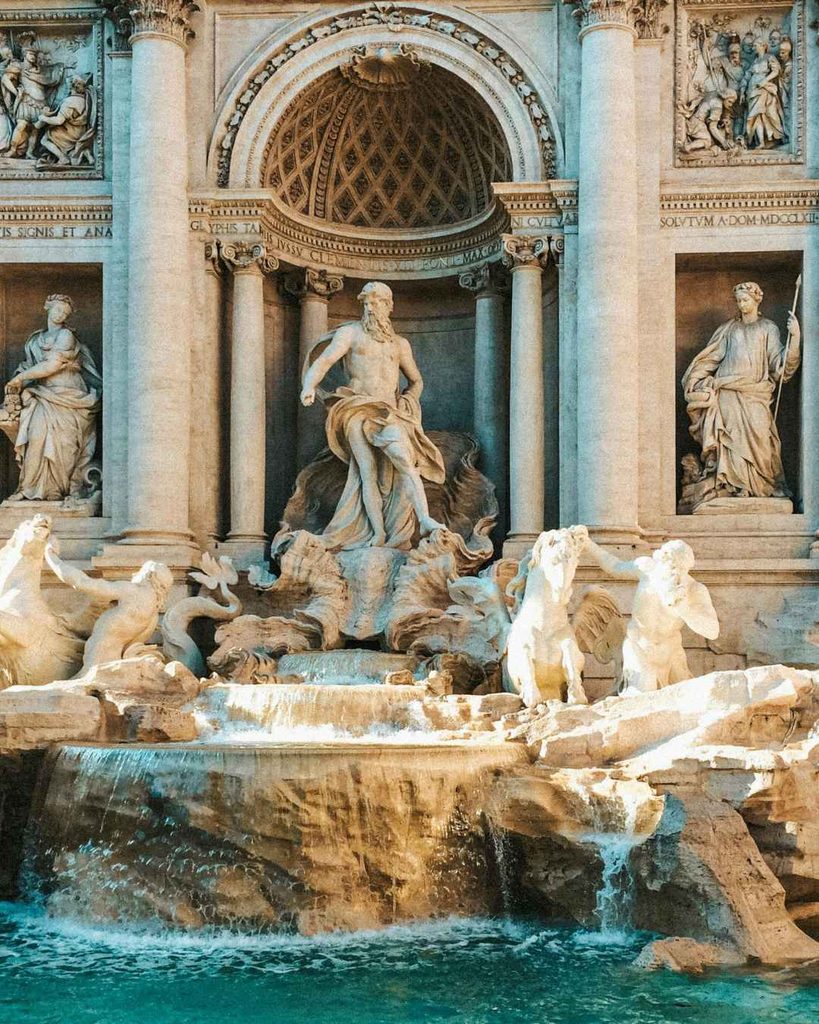
The Trevi Fountain is the most famous fountain in the world, and it is also one of the most beautiful. It was designed by Nicola Salvi and completed in 1762, and it is the terminal point of the Aqua Virgo, an ancient aqueduct that has been in continuous use for more than two thousand years.
The fountain is dominated by the statue of Oceanus, the god of the sea, who stands in a shell-shaped chariot pulled by two horses. One horse is calm, and the other is agitated, representing the different moods of the sea. Tritons guide the horses through the water.
The facade of the fountain is articulated like a triumphal arch, and it contains two reliefs that allude to the legend of the source and the history of the aqueduct. On the right, a virgin indicates the source to Roman soldiers. On the left, Agrippa orders the construction of the aqueduct.
The fountain is free to see, and it is particularly beautiful at night when it is lit up. The fountain is always crowded, but the crowds are part of the experience.
Bernini’s Elephant Carrying an Obelisk in Piazza della Minerva
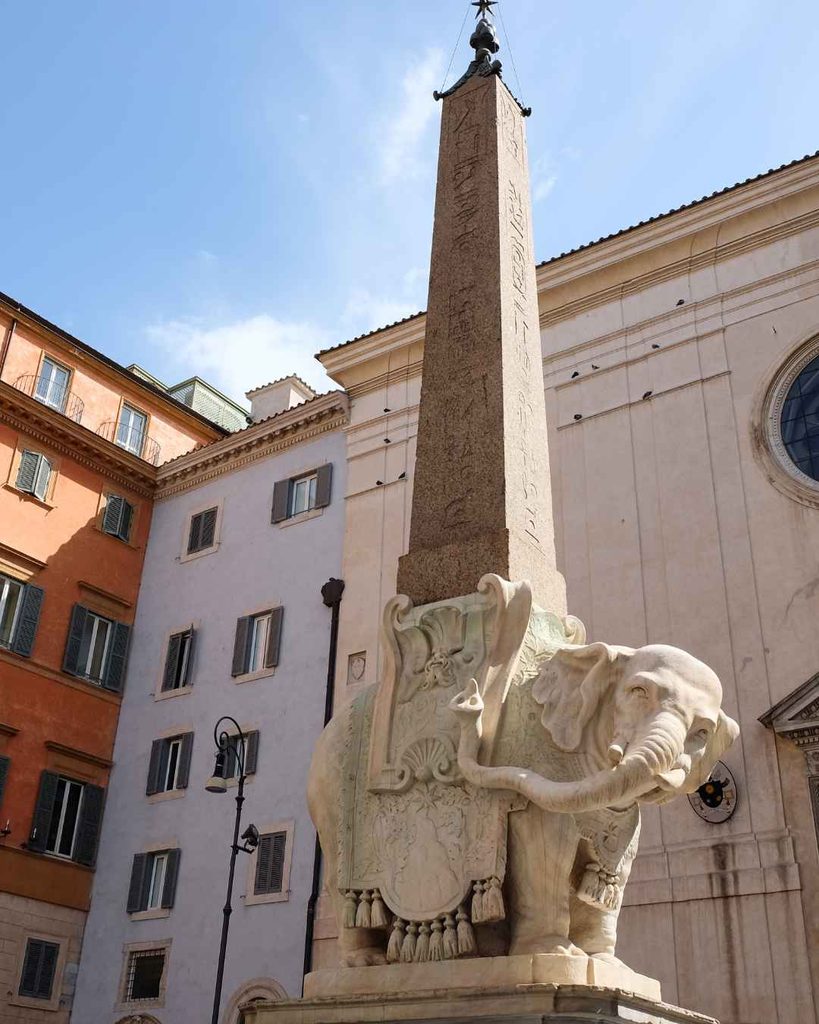
The elephant carrying an obelisk is one of Bernini’s most charming works, and it is in Piazza della Minerva, near the Pantheon. The sculpture was commissioned by Pope Alexander VII and unveiled in 1667.
The elephant was designed by Bernini and probably executed by his assistant Ercole Ferrata. It carries a small Egyptian obelisk on its back, and it stands in front of the church of Santa Maria sopra Minerva.
The elephant has a stocky, almost comic appearance, and it is known as “Minerva’s Piglet” because its short legs and central support make it look more like a pig than an elephant.
According to legend, Bernini took his revenge on the Dominican friars who insisted on the central support by facing the rear of the elephant toward their convent.
The sculpture is free to see, and it is a favorite stop for tourists. The piazza is small and quiet, and the elephant is a charming surprise in the middle of the city.
The Angel Sculptures Along Ponte Sant’Angelo
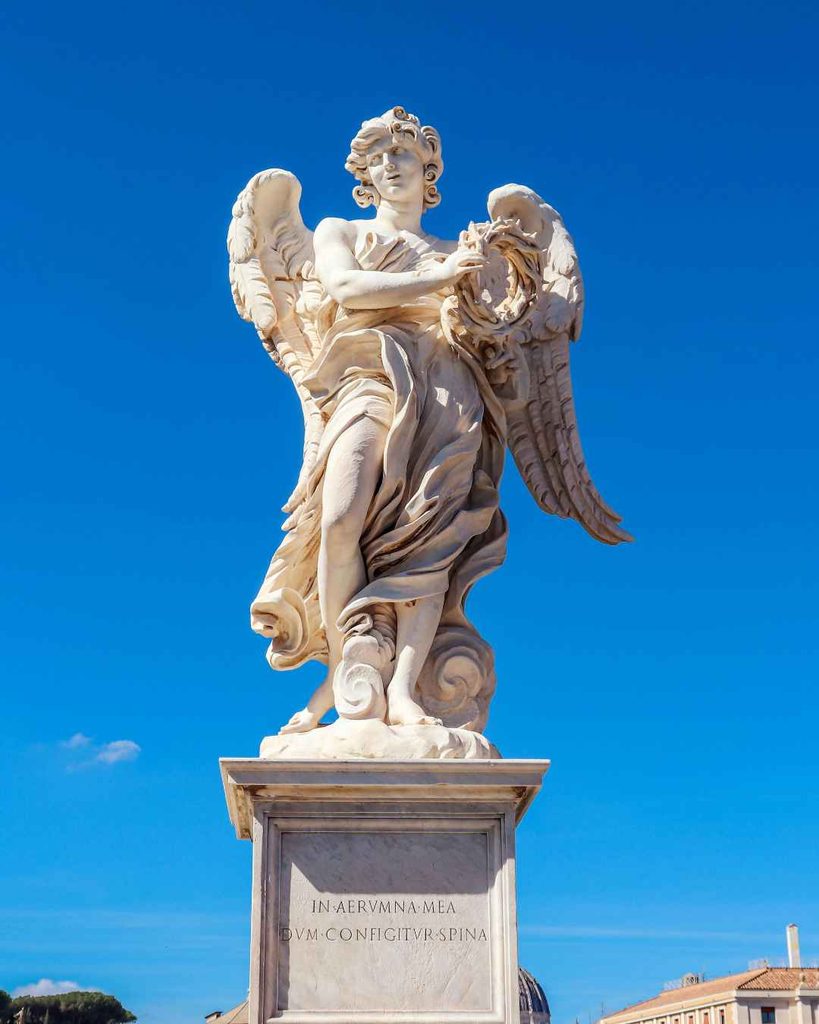
The Ponte Sant’Angelo is one of the most beautiful bridges in Rome, and it is lined with ten angel sculptures designed by Bernini. The bridge was built by Hadrian in the second century AD to connect his mausoleum to the city, and it was later adorned with the angels.
The angels were designed by Bernini and executed by his workshop in the 1660s. Each angel carries an instrument of the Passion: the cross, the nails, the crown of thorns, the spear, the sponge, the robe, the dice, the whip, the column, and the inscription.
The angels are beautiful and expressive, and they are some of the finest sculptures of the Baroque. The bridge is free to walk across, and the angels are visible from every angle.
The bridge is particularly beautiful at night, when the angels are lit up and the Tiber flows beneath them. It is a favorite spot for photographers and romantics.
Trajan’s Column and Its Extraordinary Spiral of Ancient Roman Reliefs
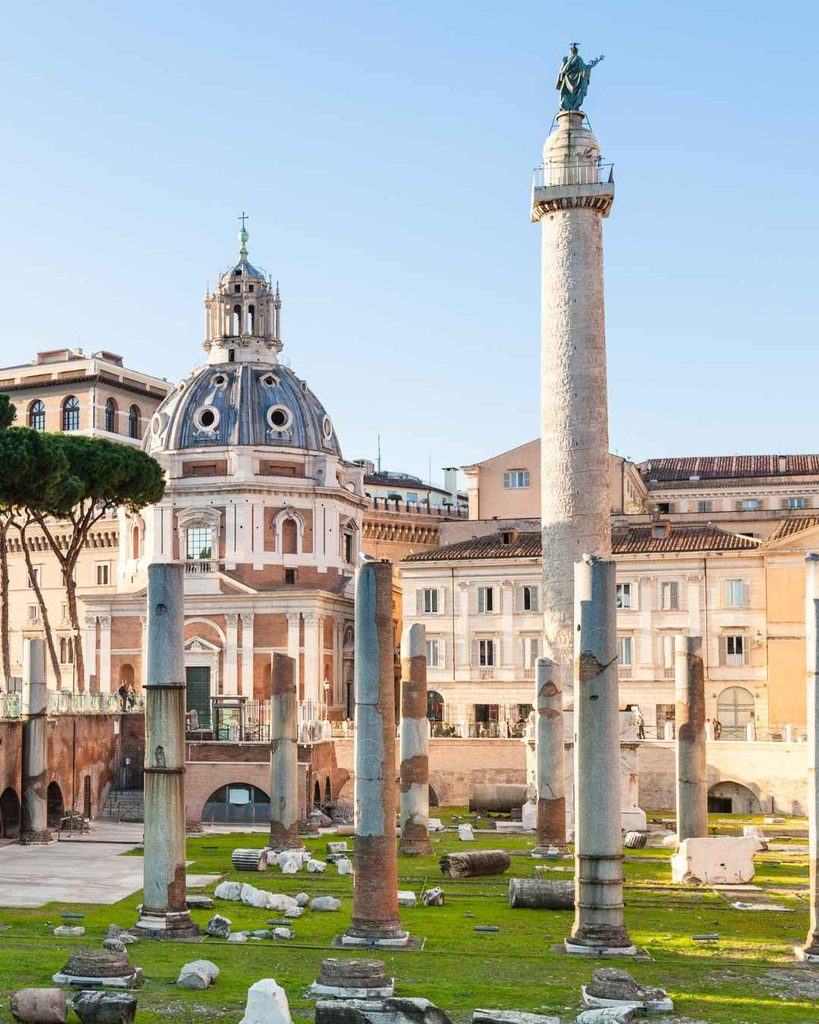
Trajan’s Column is one of the most extraordinary monuments of ancient Rome, and it is in the Forum of Trajan, near the Vittoriano. The column was completed in 113 AD to commemorate the emperor’s victory in the Dacian Wars.
The column is covered in a spiral of reliefs that depict the entire campaign, from the departure of the army to the final victory. The reliefs contain more than two thousand figures, and they are a masterpiece of narrative sculpture.
The column is free to see, and it is particularly impressive when viewed from the ground. The reliefs are difficult to see in detail, but the overall effect is overwhelming. The column is a testament to the skill of Roman sculptors and to the power of the Roman Empire.
Bernini’s Fountain of the Triton in Piazza Barberini
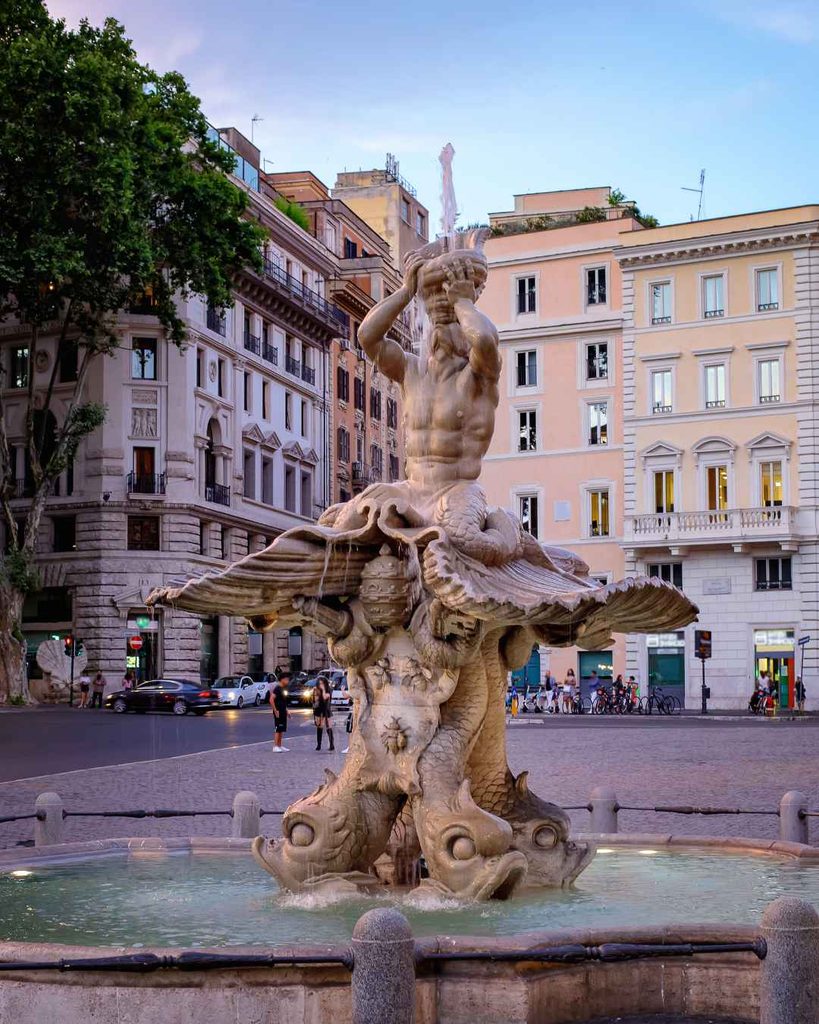
The Fountain of the Triton is one of Bernini’s most elegant works, and it is in Piazza Barberini. The fountain was completed in 1643, and it depicts Triton, the son of Neptune, kneeling on a large open shell held up by four dolphins.
Triton is blowing a conch shell, and water shoots from it into the air. The fountain is smaller than the Four Rivers, but it is equally charming. The dolphins are stylized and graceful, and the water flows in a constant, mesmerizing stream.
The fountain is free to see, and it is particularly beautiful in the morning when the light is soft. The piazza is busy, but the fountain is a quiet corner in the middle of the city.
The Fountain of the Moor in Piazza Navona
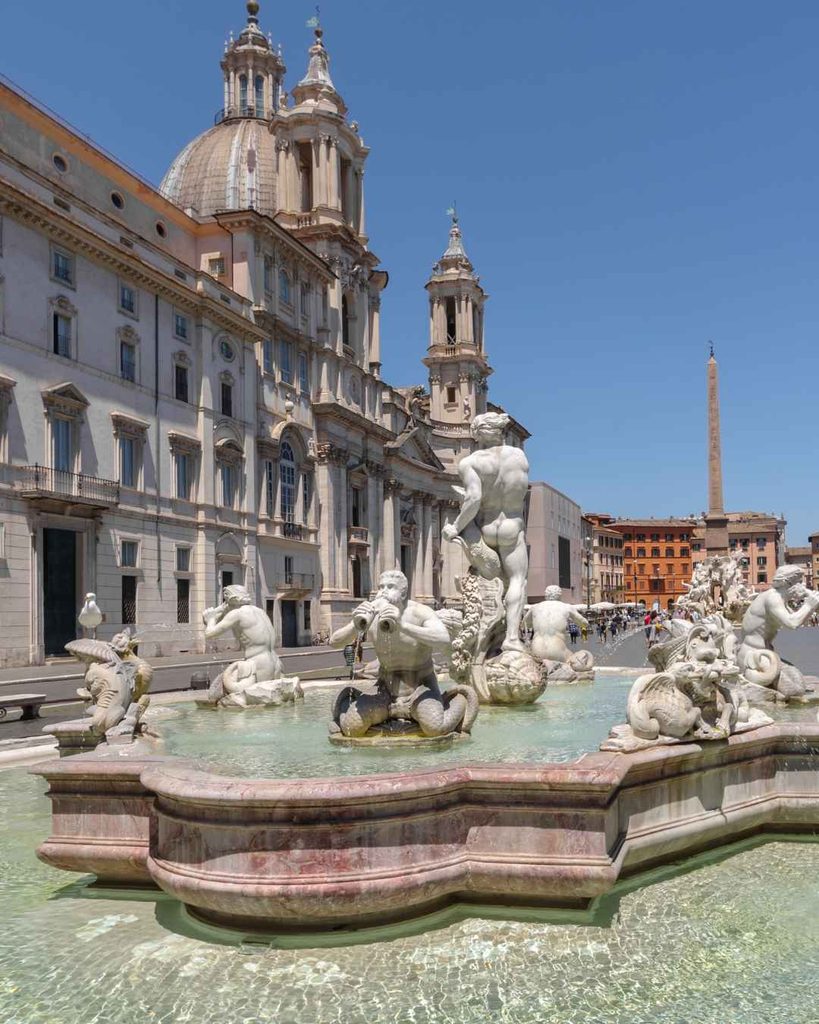
The Fountain of the Moor is one of the three fountains in Piazza Navona, and it is one of Bernini’s most important works. The fountain was originally designed by Giacomo della Porta in the sixteenth century, and Bernini added the figure of the Moor in the seventeenth century.
The Moor is a muscular figure who stands on a shell and holds a fish, from which water flows into the basin. The figure is dynamic and expressive, and it is a masterpiece of Baroque sculpture.
The fountain is free to see, and it is particularly beautiful at night when it is lit up. The piazza is one of the most beautiful in Rome, and the fountain is a favorite spot for tourists and locals alike.
The Ancient Bronze Statue of Marcus Aurelius on the Capitoline Hill
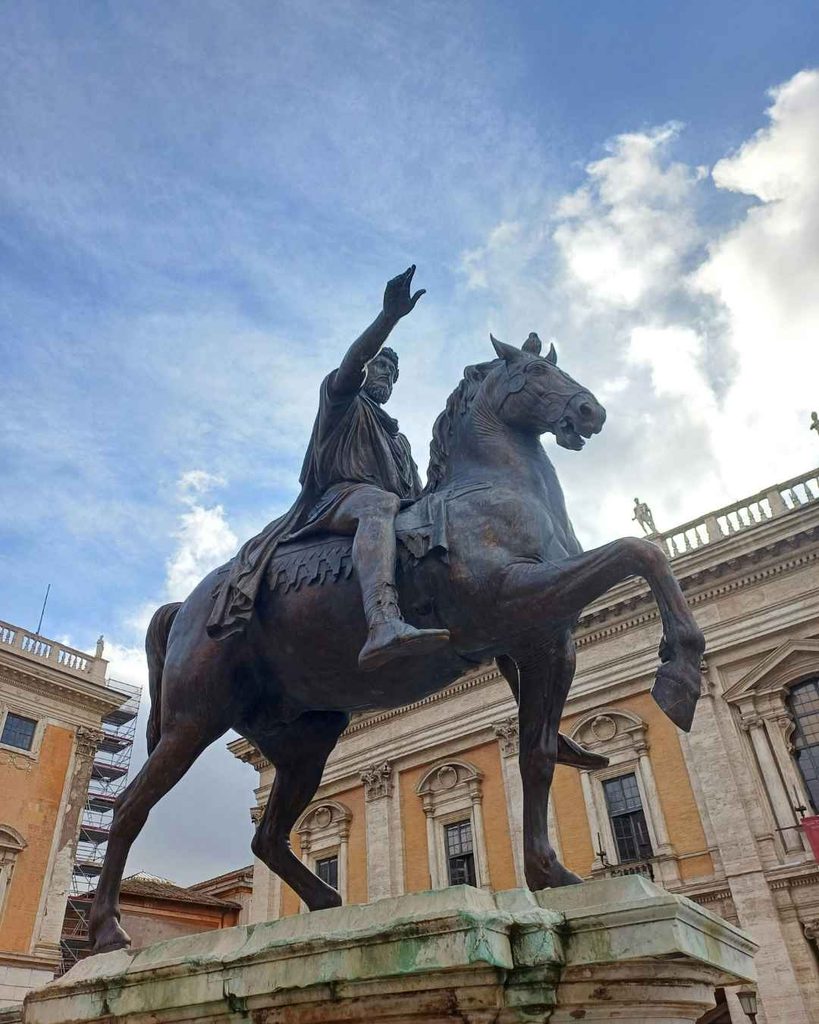
The bronze statue of Marcus Aurelius is one of the most important works of ancient Roman art, and it is in the Piazza del Campidoglio on the Capitoline Hill. The statue is a replica; the original is in the Capitoline Museums.
The statue depicts the emperor on horseback, and it is the only equestrian statue of a Roman emperor to survive from antiquity. It was probably erected in 176 AD, and it was moved to the Capitoline Hill in the sixteenth century.
The statue is free to see, and it is particularly beautiful in the late afternoon when the light is golden. The piazza is one of the most beautiful in Rome, and the statue is the centerpiece of the square.
The Madonnelle of Rome: The Beautiful Religious Shrines Hidden Along the Streets
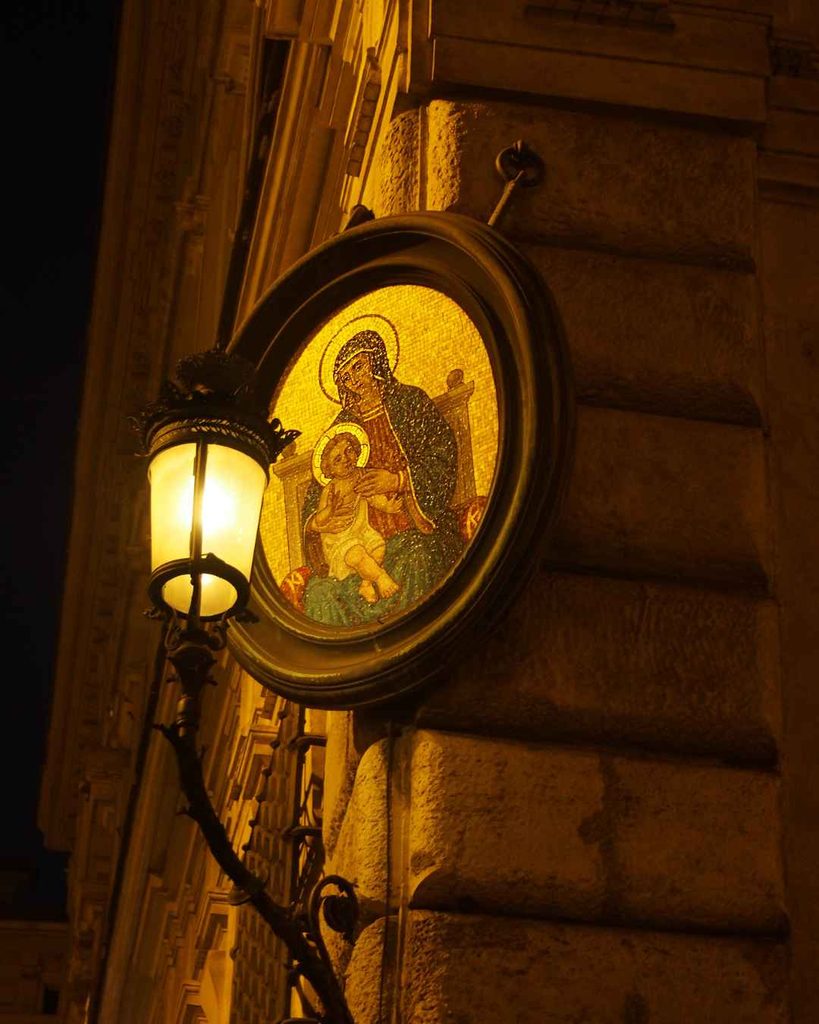
The Madonnelle are small religious shrines that are scattered throughout the streets of Rome. They are images of the Virgin Mary that are placed on the corners of buildings, often in niches or on small altars.
The Madonnelle date back to the seventeenth and eighteenth centuries, when they were installed to protect the city from plague, famine, and other disasters. They are a unique form of street art, and they are one of the hidden treasures of Rome.
The Madonnelle are everywhere, but they are easy to miss. Look for them on the corners of buildings, above doorways, and in small niches. They are a reminder that Rome is a city of faith as well as a city of art.
Some of the Madonnelle are simple, and some are elaborate. Some are painted, and some are sculpted. Some are lit at night, and some are dark. But they are all part of the fabric of the city, and they are all worth looking for.
Finally
Rome is a city where art is not confined to museums. It is in the churches, the piazzas, the bridges, and the streets. It is available to anyone who takes the time to look.
The Ecstasy of Saint Teresa. The Moses. The Caravaggios in San Luigi dei Francesi. The Pietà. The Fountain of the Four Rivers. The Trevi Fountain. The elephant obelisk. The angels of Ponte Sant’Angelo. Trajan’s Column. The Fountain of the Triton. The Fountain of the Moor. The Marcus Aurelius. The Madonnelle.
These are the artworks that make Rome unique. They are free, they are beautiful, and they are waiting to be discovered.
Tip: Rome is a great city for art and history lovers. If you need recommendations of things to see when there, check out this guide.
Again, feel free to go through the list below of my Italy recommendations that I have crafted after years of travel to this beautiful country:
- Packing List: Things Not to Go to Italy Without
- Must-Do Things: Unforgettable Experiences
- Where to Stay: Best Hotels in Italy.
- Where to Stay in Rome: Rome’s Best Neighborhoods
- Where to Stay in Florence: Picking the Best Area
- Where to Stay in Venice: Venice’s Best Districts
- Italy’s Cobblestone Streets: Best Shoes For the Job
- Backpack or Suitcase?: Italy Luggage Guide
- Travel Insurance: Always Be Covered
- E-Sim: Be Connected At All Times