

Rome has a way of making you feel like you need to buy something. Everywhere you turn, there is a ticket to purchase, a line to join, a reservation to make. The Colosseum, the Vatican, the Galleria Borghese, the Pantheon.
The list of things that require advance planning is long, and it grows longer every year. It is easy to arrive in the city with the impression that the best experiences are the ones you pay for.
That impression is wrong. Some of the most memorable experiences in Rome are free. They do not require a ticket, a reservation, or a place in line.
They happen in the piazzas, the churches, the markets, and the streets. They happen when you slow down, sit down, and pay attention.
This article is about those experiences. It is about the things that make Rome feel alive, the things that locals do, and the things that visitors often miss because they are too busy checking off the list. By the end, you will have a different idea of what a trip to Rome can be.
Before you read further, remember that Italy rewards travelers who come prepared. I’ve found a few things especially useful on an Italy trip, and they’re worth having and/or knowing beforehand. See the checklist here. Also, if you want me to plan an Italy trip for you that you will never forget, drop me a message here
The Piazzas Are the Living Rooms of Rome
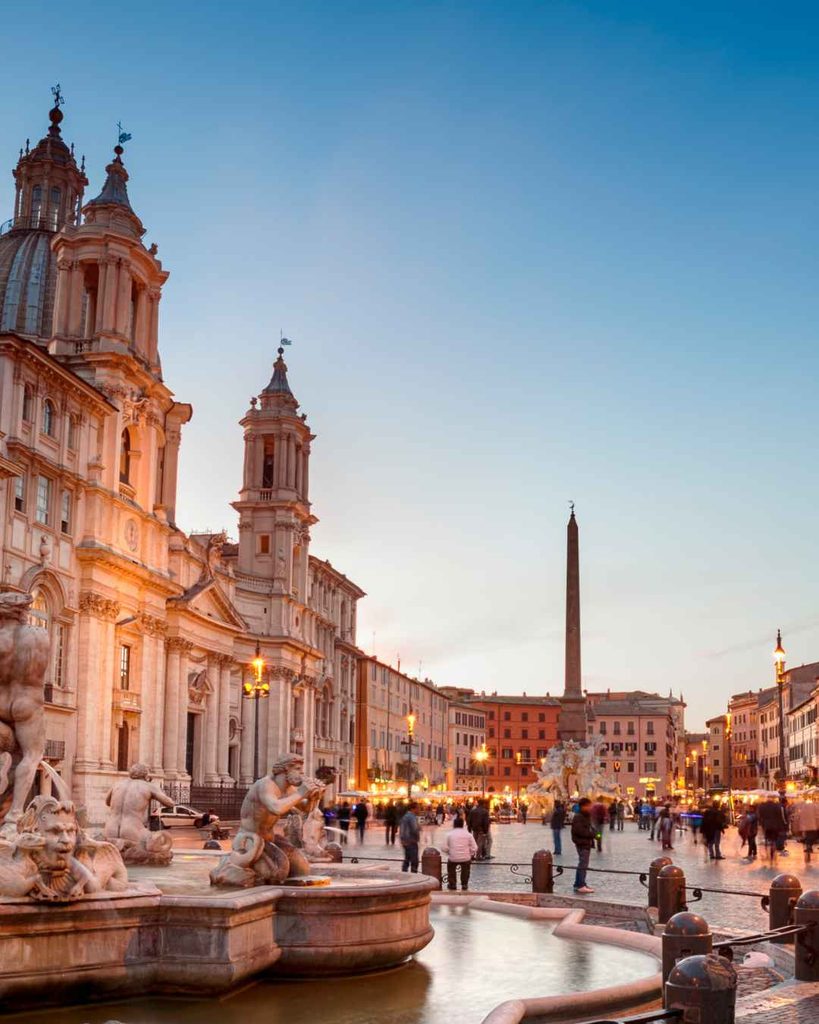
Rome is a city of piazzas, and they are the places where the city comes together. They are not just public squares. They are living rooms, stages, and gathering places, and they are best experienced by sitting down and staying a while.
The most famous piazza is Piazza Navona, with its three fountains and its Baroque church. It is beautiful, and it is crowded. But the piazzas that locals use are often the ones that tourists walk past without noticing.
Piazza San Cosimato, in Trastevere, is a good example. It has a small market in the mornings, where you can buy fruit and vegetables from vendors who have been there for decades.
In the afternoon, it becomes a place for families, with children playing around the fountain and parents sitting on benches. In the evening, it is quiet and residential, and the cafes around the square serve coffee and wine to people who live in the neighborhood.
Piazza della Madonna dei Monti, in the Monti district, is another. It is small and intimate, with a fountain that is one of the oldest in the city.
The bars and restaurants around the square are popular with locals and travelers alike, and the atmosphere is relaxed and friendly. Sit on the edge of the fountain, order a glass of wine, and watch the evening unfold.
Piazza di Sant’Egidio, also in Trastevere, is quieter still. It is a small square with a church and a few cafes, and it is a good place to escape the crowds. In the evening, the square fills with locals who come to talk, drink, and watch their children play. It is one of the most pleasant places in the city to spend an hour.
The lesson is simple. Find a piazza. Sit down. Stay for a while. The piazza is not a place to pass through. It is a place to be. Bring a book, order a coffee, and let the city come to you. You will see more of Rome from a bench in a piazza than you will from the queue at the Vatican Museums.
One thing to know about Roman piazzas is that they are often busiest in the evening. The passeggiata, the evening walk, brings people out in force, and the piazzas become stages for social life. This is the best time to sit and watch. Order a drink, settle in, and let the city perform for you.
The Nasoni Are Rome’s Drinking Fountains, and They Are Everywhere
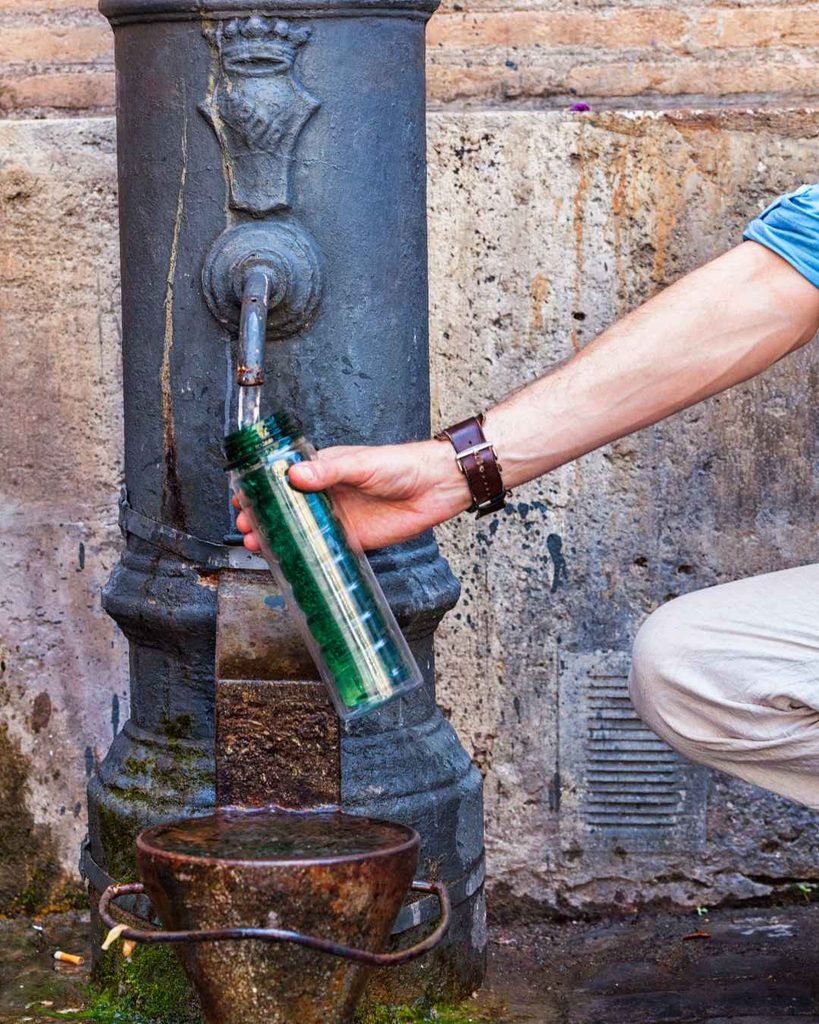
Rome has more than two thousand public drinking fountains, known as nasoni, which means “big noses” in Italian. They are everywhere. You will see them on street corners, in piazzas, and along the sidewalks, and they are one of the most useful and least appreciated features of the city.
The nasoni are made of cast iron and shaped like a column, with a curved spout that looks like a nose. The water comes from the same aqueducts that have served the city since Roman times, and it is clean, cold, and free. You can fill your water bottle at any nason, and you will never need to buy bottled water in Rome.
The nasoni are not just practical. They are a part of the city’s identity. They are used by everyone, from tourists to taxi drivers to the men who clean the streets. They are a reminder that Rome has been supplying water to its citizens for two thousand years, and that the city’s infrastructure is one of the things that makes it great.
The water in Rome is among the best in Europe. It comes from springs in the Apennine Mountains and travels to the city through a network of aqueducts, some of which date back to ancient Rome.
The water is monitored constantly, and it is safe to drink. You will see Romans filling their bottles at the nasoni every day, and you should do the same.
Find a nason. Fill your bottle. Drink the water. It is one of the simplest pleasures in Rome, and it is available to anyone.
The Churches Are Free Museums
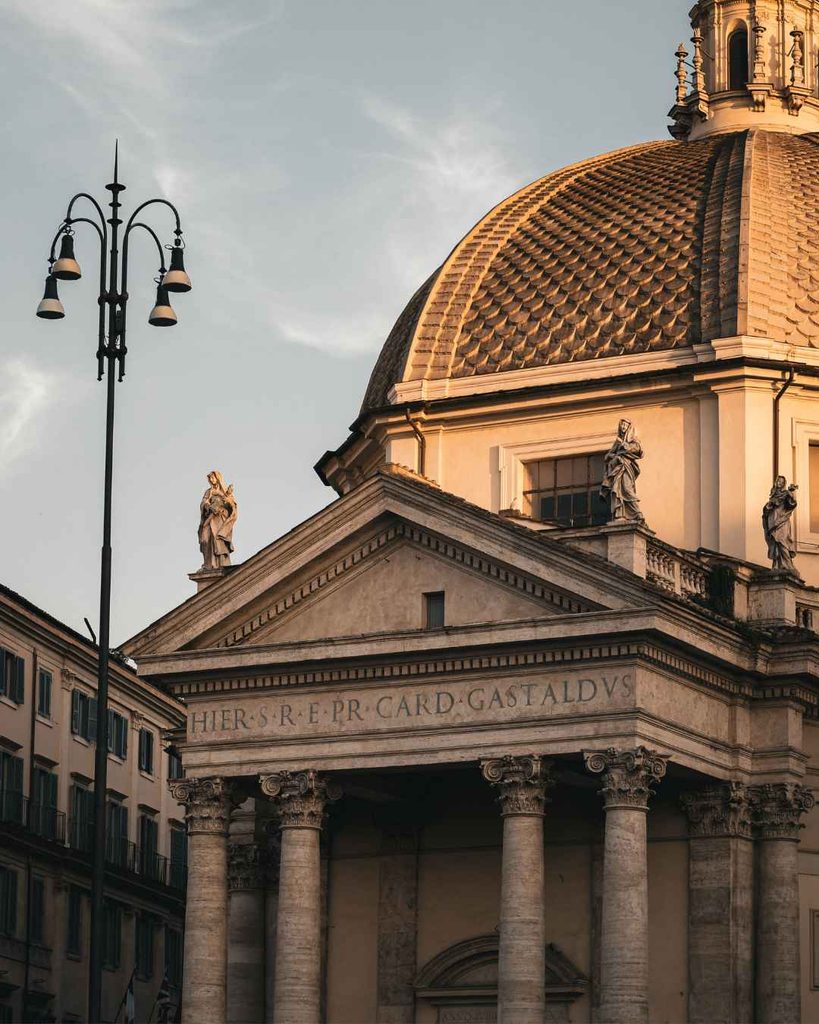
Rome has more than nine hundred churches, and most of them are free to enter. Many of them contain masterpieces that would be the highlight of a museum, and you can see them without a ticket, a reservation, or a line.
The Church of San Luigi dei Francesi, near Piazza Navona, contains three paintings by Caravaggio, including the Calling of Saint Matthew, one of the most important works in Western art. The church is free, and you can walk in and stand in front of the paintings without a crowd.
The Church of Santa Maria del Popolo, near the Spanish Steps, contains two more Caravaggios and a chapel designed by Raphael.
The Church of Santa Maria sopra Minerva, near the Pantheon, contains a sculpture of Christ by Michelangelo. The Basilica of Santa Maria in Trastevere has mosaics that are among the most beautiful in Rome.
The Basilica of San Clemente, near the Colosseum, is a church with three levels. The current church was built in the twelfth century, on top of a fourth-century basilica, which was built on top of a first-century Roman building.
You can descend through the levels and walk through the streets of ancient Rome. The lowest level contains a temple to Mithras, a Persian god who was popular among Roman soldiers. The descent is not for everyone, but it is one of the most rewarding experiences in the city.
The Church of Santa Prassede, near Santa Maria Maggiore, contains mosaics that are among the finest in Rome. The Church of Santa Cecilia in Trastevere has a crypt and a statue of the saint that is one of the most beautiful sculptures in the city.
The Church of San Pietro in Vincoli, near the Colosseum, contains Michelangelo’s Moses, which was intended for the tomb of Pope Julius II.
The lesson is to look at the churches. If you see a door open, walk in. You do not need to know what is inside. The churches of Rome are full of art, and most of it is available to anyone who takes the time to look.
One thing to remember is the dress code. Many churches require covered shoulders and knees. A scarf can help with shoulders, but knees require actual coverage. It is worth carrying a light layer with you, even in summer, in case you decide to step into a church.
The Markets Are a Window into Daily Life

Rome has several markets, and they are among the best places to experience daily life in the city. They are free to visit, and they are full of color, noise, and character.
The Testaccio Market is the best food market in Rome. It is in the Testaccio neighborhood, which is south of the historic center, and it is where locals go to buy produce, cheese, meat, and prepared food.
The market has dozens of stalls, and the vendors are happy to talk about what they are selling. You can buy ingredients for a picnic, or you can eat at one of the food stalls, which serve everything from pizza to pasta to sandwiches.
Campo de’ Fiori is a market in the morning and a nightlife hub in the evening. The morning market is a good place to buy fruit, vegetables, and spices, and the square is surrounded by cafes and restaurants that come alive after dark.
The statue in the center of the square is Giordano Bruno, a philosopher who was burned at the stake for heresy, and it is a reminder that Rome’s history is not always comfortable.
The Porta Portese market, held on Sunday mornings in Trastevere, is one of the largest flea markets in Italy. It sells everything from antiques to clothing to household goods, and it is a good place to wander and look. It is crowded, so watch your belongings, but it is worth a visit.
The Mercato Centrale, near Termini station, is a modern food market with stalls selling everything from pizza to cheese to gelato. It is open every day, and it is a good place to eat if you are in the area. The market is in a restored nineteenth-century building, and it has a lively atmosphere.
The Streets Are the Best Museum
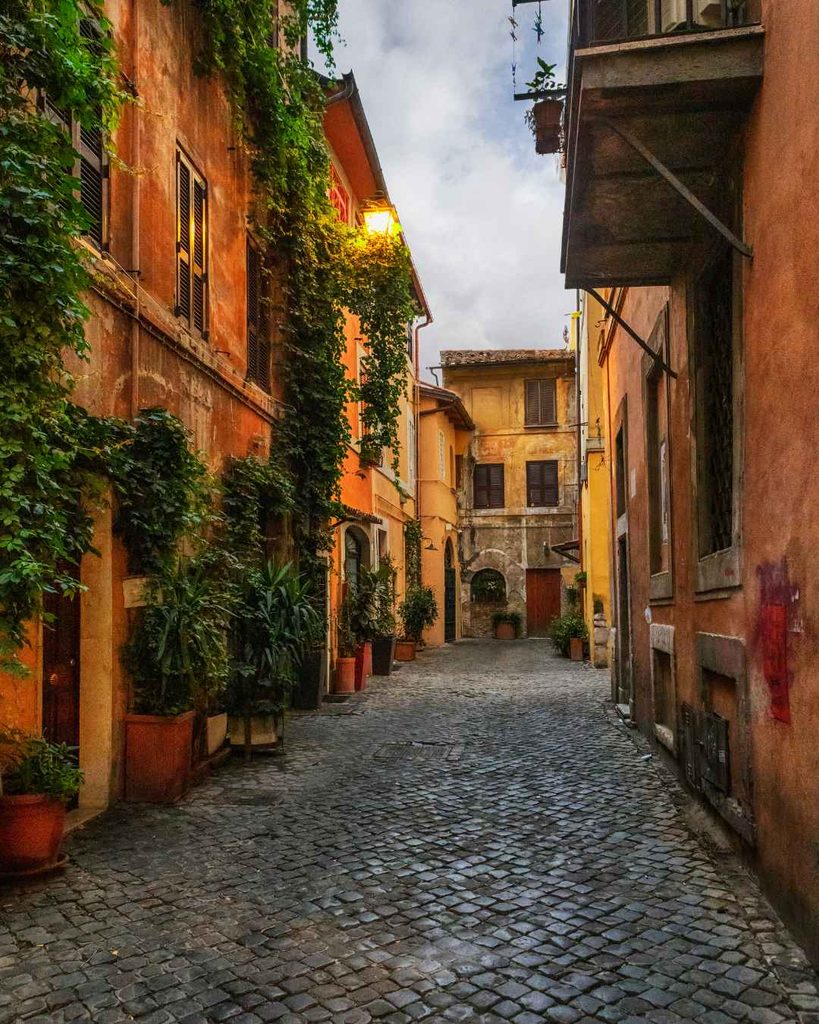
Rome is a city that rewards walking. The streets are full of details that you miss if you are moving quickly, and some of the best experiences in the city are simply the experience of walking through it.
Walk through the Jewish Ghetto and look at the plaques on the walls that commemorate the deportation of the Jews during the Second World War. Walk through Monti and look at the vintage shops and the street art.
Walk along the Tiber and watch the river flow past the bridges and the boats. Walk through Trastevere in the morning and watch the neighborhood wake up.
The streets of Rome are not just a way to get from one place to another. They are the place itself. They are where the city lives, and they are full of stories. Walk slowly. Look up. Look down. Look at the doorways and the balconies and the cobblestones. You will see things you would miss in a taxi.
One of the best walks in Rome is the one that follows the Tiber from the Ponte Sisto to the Ponte Sant’Angelo. The walk takes about an hour, and it passes through some of the most beautiful parts of the city. You can see the bridges, the boats, and the buildings that line the river. It is particularly beautiful at sunset.
Another good walk is the one that climbs the Aventine Hill. The hill is quiet and residential, and it has some of the best views in the city. The walk passes the Orange Garden, the keyhole of the Knights of Malta, and the Church of Santa Sabina. It is a good way to escape the crowds and see a different side of Rome.
The Sunset Is Free, and It Is Spectacular

Rome is a city of sunsets, and the best places to see them are free and open to anyone. The sunsets in Rome are famous for their color, which comes from the way the light interacts with the dust and humidity in the air. The result is a sky that turns orange, pink, and purple, and a city that glows in the fading light.
The Gianicolo, the hill above Trastevere, is one of the best places to watch the sunset. You can see the entire city spread out below you, from the Vatican to the Colosseum, and the view is particularly good in the late afternoon.
The Pincio, the terrace above the Spanish Steps, is another good spot. The view from the Aventine Hill, near the Orange Garden, is quieter and more intimate.
The best thing about the sunset in Rome is that it happens every day. You do not need a ticket, a reservation, or a plan. You just need to find a spot and be there when the sun goes down. It is one of the simplest pleasures in the city, and it is available to anyone.
The Passeggiata Is a Ritual Worth Joining
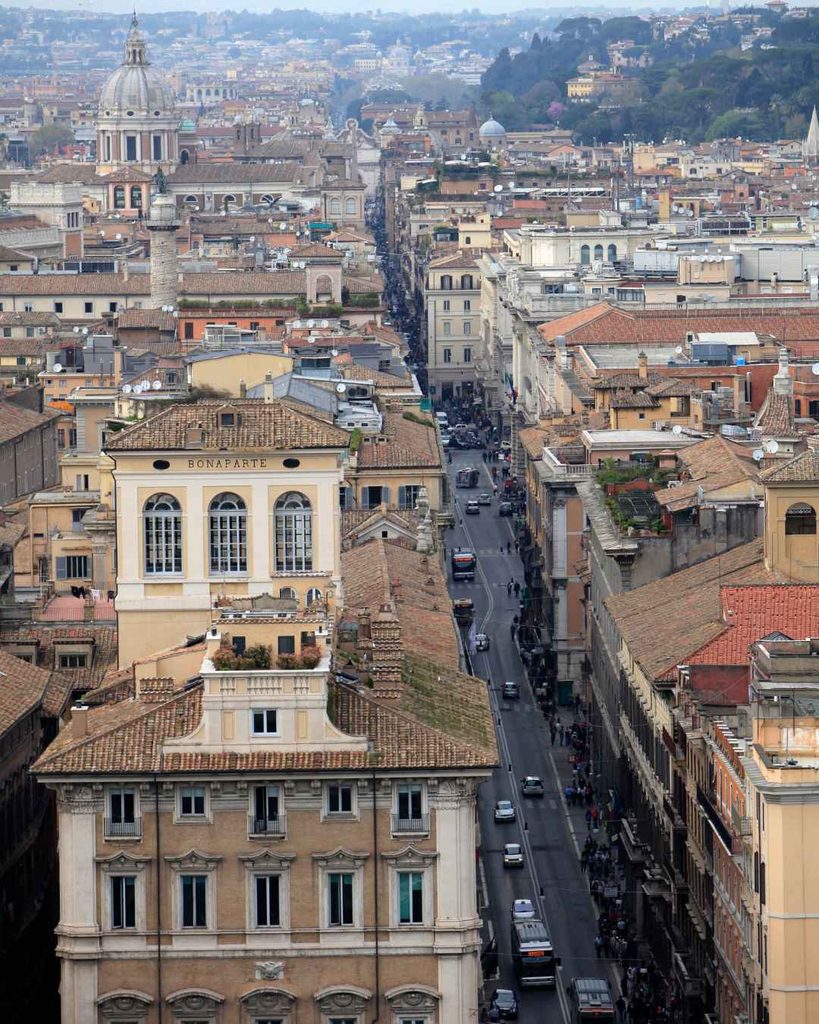
The passeggiata is the evening walk that Italians take before dinner. It is a ritual in cities and towns across the country, and Rome is no exception.
In the late afternoon and early evening, the streets fill with people walking without a destination. They are seeing and being seen, greeting friends, and enjoying the cool of the evening.
The best place to join the passeggiata in Rome is Via del Corso, the main street that runs from Piazza del Popolo to Piazza Venezia. The street is closed to traffic in the evenings, and it fills with people walking, talking, and shopping. It is a good place to see Romans in their element, and it is free.
The passeggiata is not a performance. It is a habit, and it is one of the things that makes Italian cities feel so alive. Join it. Walk without a destination. Watch the people around you. You will understand something about Italy that you cannot learn from a guidebook.
The Aperitivo Is a Custom Worth Adopting
Aperitivo is the Italian version of happy hour, but it is more than that. It is a ritual, a way of ending the day and beginning the evening. In Rome, aperitivo usually happens between six and nine in the evening, and it involves a drink and a small snack.
The drink is usually a spritz, a Negroni, or a glass of wine. The snack is usually olives, chips, or a small plate of cheese and cured meats. Some bars offer a full buffet of appetizers, and the price of the drink includes access to the food. This is called apericena, and it is a way to have dinner for the price of a drink.
The best aperitivo spots in Rome are the bars in Trastevere, Monti, and the Centro Storico. Freni e Frizioni, in Trastevere, is a good example. It has a buffet of appetizers that is included in the price of the drink, and the atmosphere is relaxed and friendly. Il Sorpasso, near the Vatican, is another good option.
Aperitivo is not about the food or the drink. It is about the pause. It is a moment to stop, to sit, to talk, and to watch the city go by. It is one of the pleasures of Italian life, and it is available to anyone.
The Art of Doing Nothing
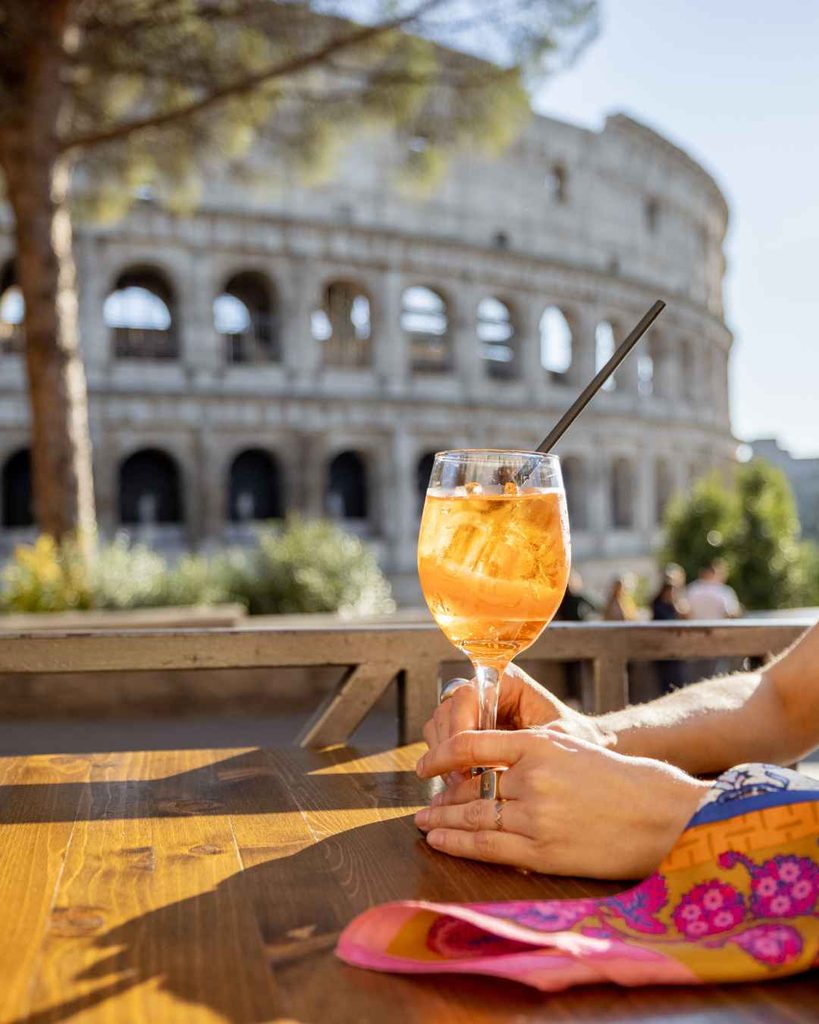
The most memorable experiences in Rome are often the ones that involve doing nothing at all. Sitting in a piazza. Watching the light change. Listening to the sounds of the city. Watching people go by.
This is not laziness. It is a way of being present. Rome is a city that rewards attention, and the more attention you give it, the more it gives you. If you are always moving, always checking off the next thing on your list, you will miss the things that make the city special.
Find a bench. Sit down. Stay for an hour. Watch the people. Listen to the sounds. Let the city come to you. This is the experience that you cannot book, cannot reserve, and cannot plan. It is also the one you will remember longest.
The Views from the Hills Are Free
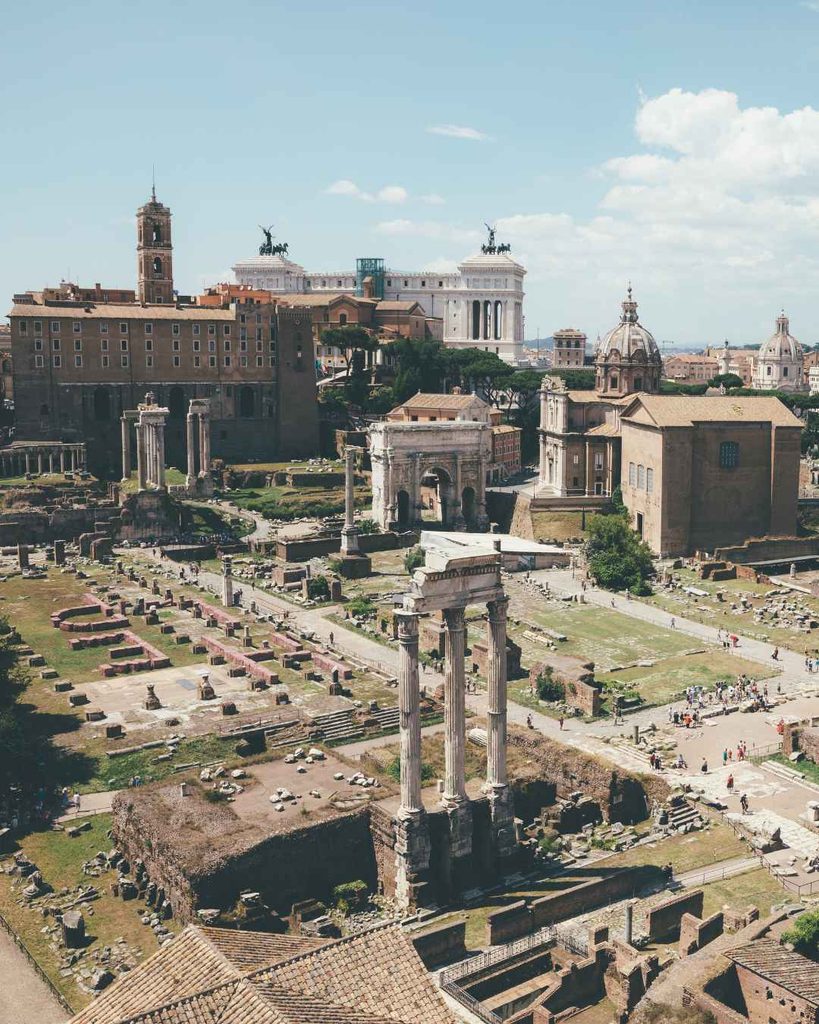
Rome is built on seven hills, and several of them offer views that are as good as anything you will pay for. The Gianicolo, the Aventine, the Pincio, and the Capitoline all have terraces or viewpoints that are open to the public and free to visit.
The view from the Capitoline Hill, behind the Capitoline Museums, looks out over the Roman Forum. It is one of the best views in the city, and it is particularly beautiful in the late afternoon, when the light hits the ruins. The terrace is free, and you can walk there from Piazza Venezia.
The view from the Pincio, above the Spanish Steps, looks out over Piazza del Popolo and across the city. It is a good place to watch the sunset, and it is easy to reach. The terrace is free, and it is a good place to escape the crowds of the Spanish Steps.
The view from the Aventine Hill, near the Orange Garden, looks out over the Tiber and toward St. Peter’s. It is quieter than the other viewpoints, and it is a good place to sit and think. The garden is free, and it is open during daylight hours.
The Fountains Are Free, and They Are Everywhere
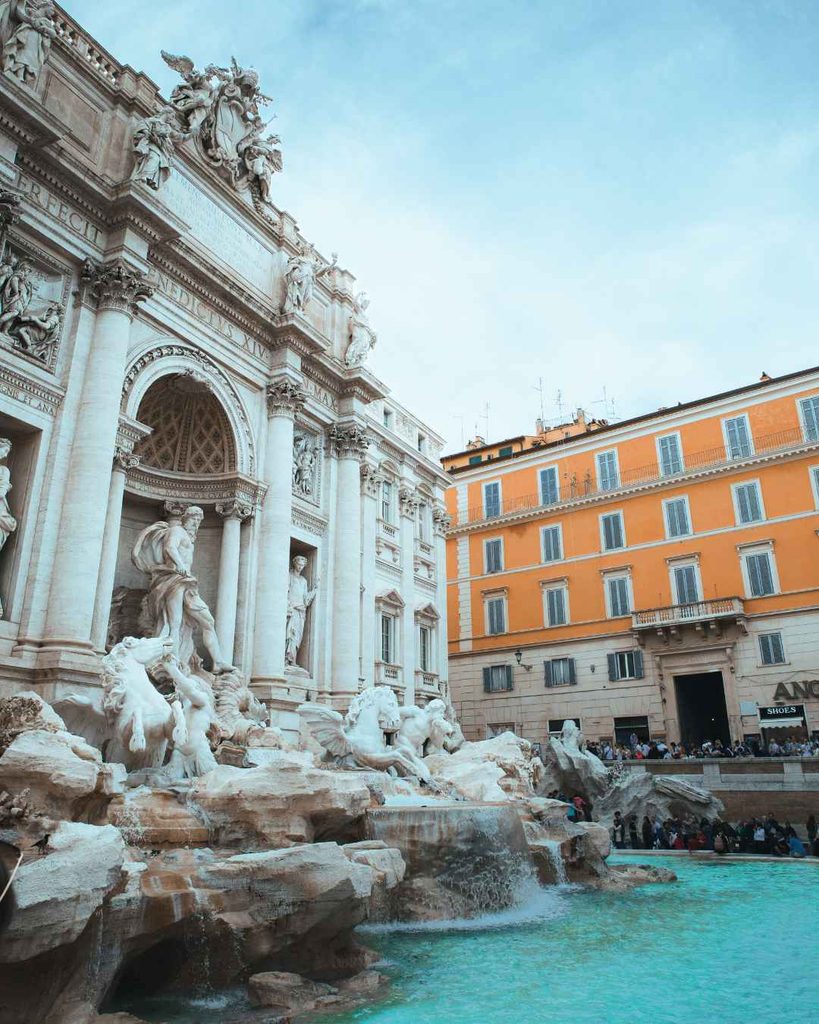
Rome is a city of fountains, and many of them are free to visit and enjoy. The Trevi Fountain is the most famous, but it is also the most crowded. The fountains in Piazza Navona, the Fountain of the Bees, the Fountain of the Tortoises, and the Fountain of the Four Rivers are all free, and they are all worth seeing.
The Fountain of the Bees, in Piazza Barberini, is one of the smallest and most beautiful fountains in Rome. It was designed by Bernini, and it features three bees, the symbol of the Barberini family. The fountain is easy to miss, but it is worth seeking out.
The Fountain of the Tortoises, in Piazza Mattei, is another small and beautiful fountain. It was designed in the sixteenth century, and it features four bronze tortoises that spout water into a basin. The fountain is in a quiet square, and it is a good place to escape the crowds.
The Churches Are Free, and They Are Full of Music
Many churches in Rome host free concerts, especially in the evenings. The concerts range from classical music to Gregorian chant, and they are a good way to experience the city’s musical heritage without paying for a ticket.
The Church of Sant’Ignazio, near the Pantheon, hosts concerts of Baroque music. The Church of Santa Maria del Popolo hosts concerts of chamber music. The Basilica of Santa Maria in Trastevere hosts concerts of sacred music. The concerts are usually free, though a donation is appreciated.
The music in the churches is one of the things that makes Rome special. It is a reminder that the city has been a center of art and culture for centuries, and that the churches are not just museums but living places of worship.
Final Thoughts
Rome is a city that is full of experiences that do not require a ticket. The piazzas, the churches, the markets, the streets, the sunsets, the rituals. These are the things that make the city what it is, and they are available to anyone who is willing to slow down and pay attention.
You should still visit the Colosseum. You should still see the Sistine Chapel. You should still climb the dome of St. Peter’s and throw a coin in the Trevi Fountain. These are the things that make Rome famous, and they are worth the time and the money.
But do not forget the things that are free. Sit in a piazza. Drink from a nason. Walk into a church. Visit a market. Watch the sunset. Join the passeggiata. Have an aperitivo. Do nothing.
These are the moments that make Rome unforgettable. These are the moments that you will remember when you get home. And these are the moments that do not require a ticket.
Again, feel free to go through the list below of my Italy recommendations that I have crafted after years of travel to this beautiful country:
- Packing List: Things Not to Go to Italy Without
- Must-Do Things: Unforgettable Experiences
- Where to Stay: Best Hotels in Italy.
- Where to Stay in Rome: Rome’s Best Neighborhoods
- Where to Stay in Florence: Picking the Best Area
- Where to Stay in Venice: Venice’s Best Districts
- Italy’s Cobblestone Streets: Best Shoes For the Job
- Backpack or Suitcase?: Italy Luggage Guide
- Travel Insurance: Always Be Covered
- E-Sim: Be Connected At All Times