
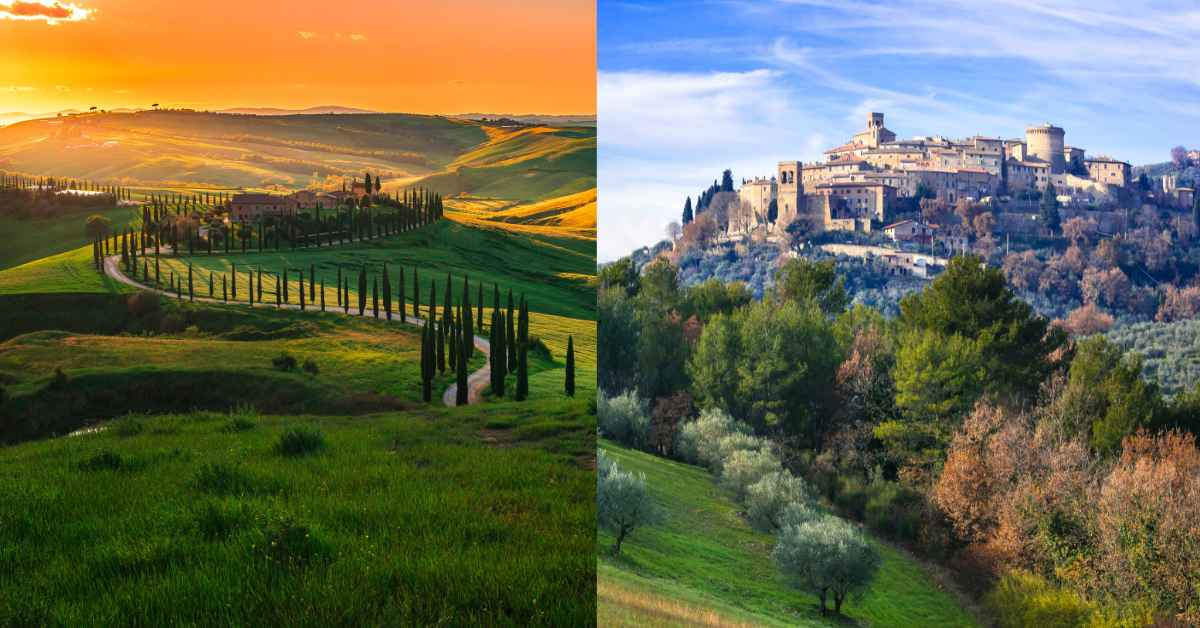
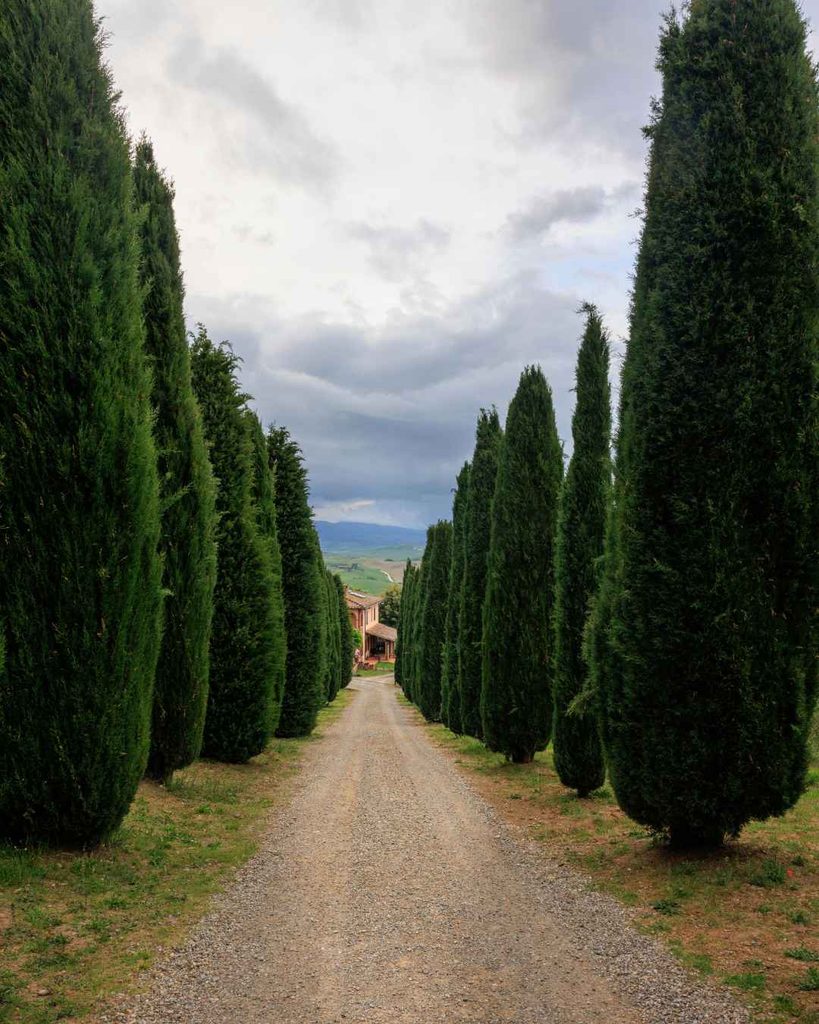
There is a particular image that comes to mind when someone says the word “Italy.” It is not the Colosseum, and it is not the canals of Venice. It is a landscape: rolling hills, cypress trees lining a road that curves toward a stone farmhouse.
Vineyards stretch into the distance, and the light of late afternoon turns everything gold. That image is Tuscany. It has been painted, photographed, and reproduced so many times that it has become the shorthand for the Italian countryside itself.
But there is another region, just to the east, that looks very similar and yet remains almost unknown to most international travelers. It is Umbria, the green heart of Italy, a land of medieval hill towns, forested valleys, and quiet roads.
You can drive for an hour without seeing another tourist. Umbria is often called the “next Tuscany,” which is both a compliment and an injustice. It is not the next Tuscany. It is its own place.
It has its own character, its own history, and its own kind of beauty. This article is a detailed comparison of the two regions. It covers their landscapes, their towns, their food, their wine, their art, their costs, their crowds, and the practical realities of visiting each.
By the end, you will understand what makes each region special. You will be able to decide which one is right for your trip.
Before you read further, remember that Italy rewards travelers who come prepared. I’ve found a few things especially useful on an Italy trip, and they’re worth having and/or knowing beforehand. See the checklist here. Also, if you want me to plan an Italy trip for you that you will never forget, drop me a message here
Why Everyone Dreams of the Tuscan Countryside
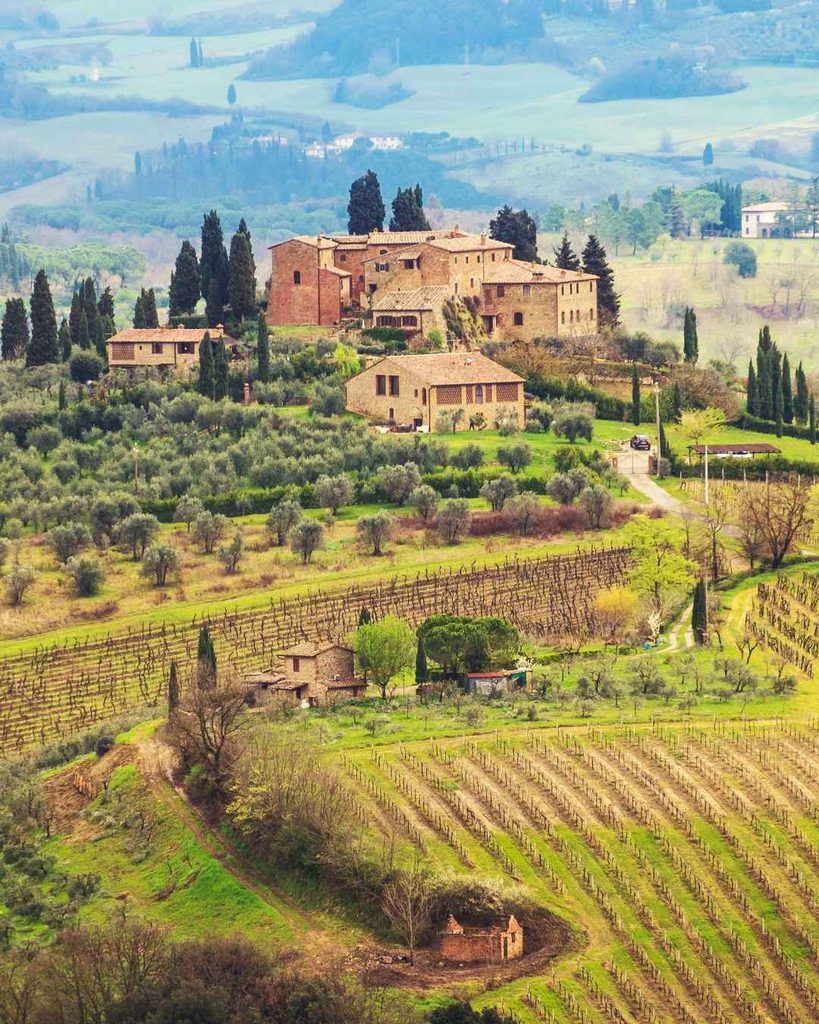
The dream of Tuscany is one of the most powerful dreams in travel. It is a dream of beauty, of slow living, of wine and olive oil and long lunches under the sun.
It is a dream that has been shaped by centuries of art, literature, and film. It is a dream that is, in many ways, entirely accurate.
Tuscany is beautiful. The Val d’Orcia, a UNESCO World Heritage Site, is one of the most photographed landscapes in the world. The rolling hills, the cypress-lined roads, the isolated farmhouses, and the golden light have been celebrated by painters and poets for centuries.
The hill towns, including Pienza, Montepulciano, Montalcino, and San Gimignano, are among the most beautiful in Italy. The cities, Florence and Siena, are among the most important in Europe.
But the dream of Tuscany is also a dream of something else. It is a dream of a simpler life, of a connection to the land, of meals that last for hours and conversations that last for days.
It is a dream that has been marketed so effectively that it has become almost a brand. And that brand, for better and for worse, has shaped the way the region is experienced today.
Tuscany vs. Umbria at a Glance
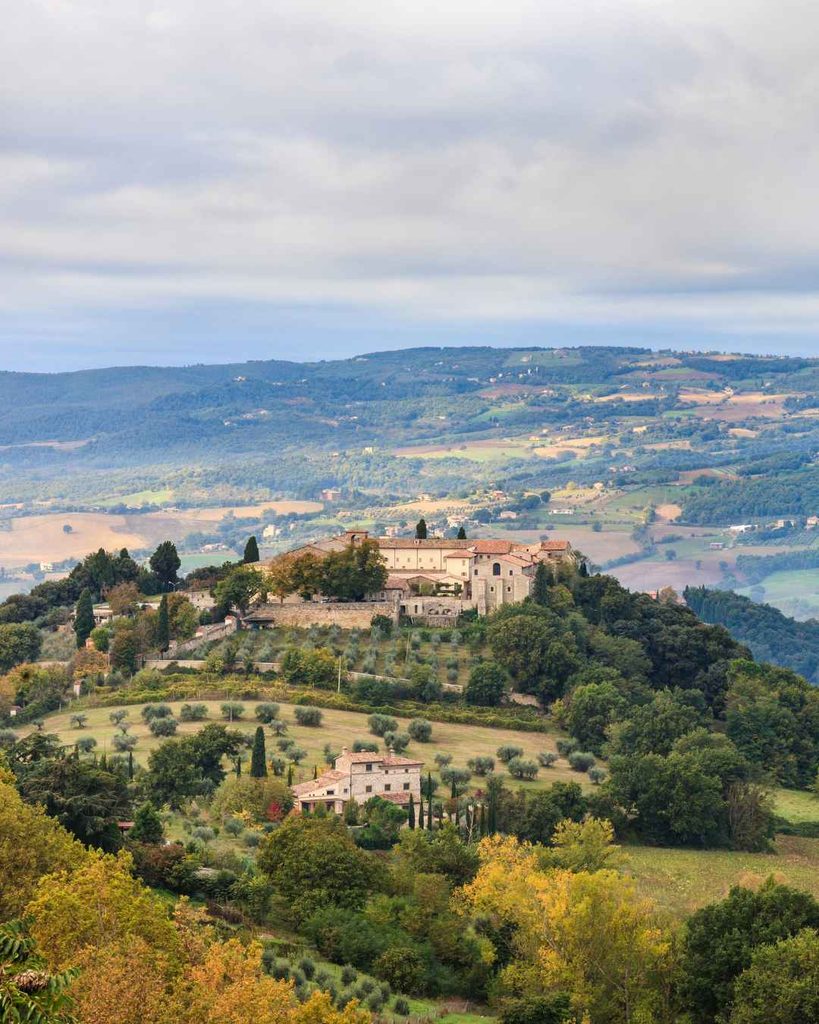
Tuscany and Umbria are neighbors, and they share a border that runs through the Apennine Mountains. They are both in central Italy, both known for their hill towns and their landscapes.
Both have a strong agricultural tradition. But they are different in important ways. Tuscany is larger, more famous, and more visited.
It has a coastline, a major airport, and a network of high-speed trains that connect it to Rome and Florence. It is the home of the Renaissance, and it has a concentration of art and architecture that is unmatched anywhere in the world.
Umbria is smaller, quieter, and less visited. It is the only region in Italy that has no coastline and no border with a foreign country. It is often called the “green heart” of Italy because of its forests and its agricultural land.
It is the home of Saint Francis of Assisi, and it has a rich tradition of medieval art and architecture.
Landscapes and Scenery: Rolling Hills vs. Untouched Green Valleys
The landscape of Tuscany is the landscape of the postcard. The rolling hills of the Val d’Orcia, the vineyards of Chianti, the olive groves of the Maremma. The light is golden, the colors are warm, and the scenery is almost too beautiful to be real.
But Tuscany is also more varied than the postcard suggests. It has a coastline, with beaches and pine forests. It has mountains, with the Apuan Alps and the Apennines. It has wetlands, with the Maremma marshes.
And it has cities, with Florence and Siena and Pisa. The landscape of Umbria is greener, softer, and more forested. The region is dominated by the Apennines and by the Tiber River, which flows through the center of the region.
The hills are less dramatic than in Tuscany, but the valleys are more lush, and the forests are more extensive. Umbria is also more untouched. There are fewer vineyards, fewer cypress-lined roads, and fewer farmhouses converted into luxury hotels.
The landscape is more agricultural, more working, and more real. It is the landscape of small farms, of olive groves, and of medieval villages that have not changed in centuries.
The verdict on landscapes depends on what you prefer. If you want the classic, postcard beauty of Tuscany, Tuscany is the answer. If you want something greener, quieter, and less discovered, Umbria is the answer.
Hilltop Towns: Pienza and Montepulciano vs. Orvieto and Spello
The hill towns of Tuscany are among the most beautiful in Italy. Pienza is a Renaissance gem, rebuilt by Pope Pius II as an ideal city. Montepulciano is a wine town, with a main street that climbs from the lower gate to the upper piazza.
Montalcino is a fortress town, known for its Brunello wine. San Gimignano is the town of towers, with fourteen medieval towers still standing.
These towns are beautiful, but they are also crowded. In high season, the streets are filled with tour groups, the restaurants are overpriced, and the atmosphere can feel more like a theme park than a living community.
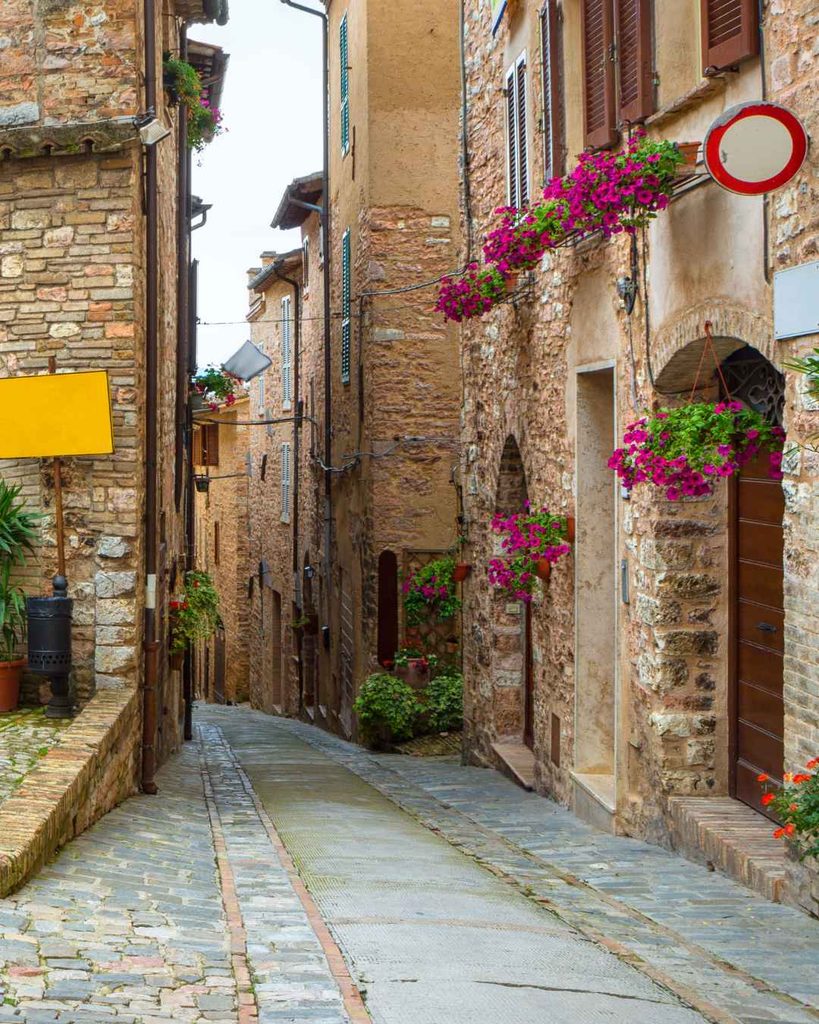
The hill towns of Umbria are just as beautiful, but they are less crowded. Orvieto is a stunning town built on a tufa cliff, with a cathedral that is one of the finest in Italy. Spello is a small town with Roman gates and medieval streets, known for its flower festival.
Assisi is the birthplace of Saint Francis, with a basilica that contains some of the greatest frescoes of the Middle Ages. Perugia is a lively university town, with a historic center that is a maze of medieval streets.
These towns are less famous than their Tuscan counterparts, but they are just as beautiful, and they are often quieter. You can walk through Spello in the evening and feel like you have the town to yourself.
You can sit in a piazza in Orvieto and watch the local families go by. The experience is more intimate and more authentic. The verdict on hill towns is a tie. Tuscany has the more famous towns. Umbria has the more peaceful ones.
Related Post: The most beautiful villages in Tuscany.
Food and Wine: Which Region Tastes More Like Italy?
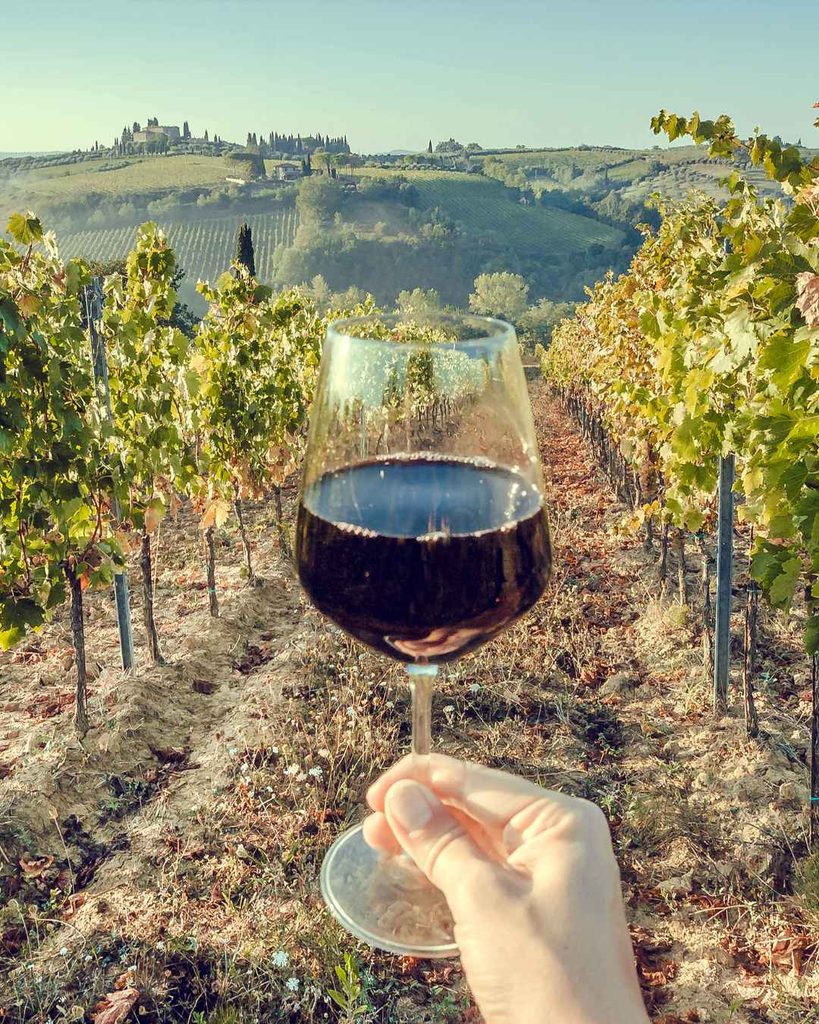
The food of Tuscany is bold, hearty, and rustic. It is the food of the countryside, based on bread, beans, and olive oil. The most famous dish is ribollita, a thick soup of bread and vegetables.
The bistecca alla fiorentina, a thick T-bone steak grilled rare, is a Tuscan specialty. Pecorino cheese, cured meats, and Chianti wine are all part of the Tuscan table.
The food of Umbria is similar, but it has its own character. Umbria is famous for its black truffles, particularly in the area around Norcia. It is also famous for its lentils, its olive oil, and its cured meats.
The region produces excellent wines, including Sagrantino di Montefalco, a powerful red, and Orvieto Classico, a crisp white. The food of Umbria is often described as more rustic and more traditional than the food of Tuscany.
It is less focused on tourism and more focused on local ingredients. The restaurants are often family-run, and the prices are often lower. The experience is more authentic.
The verdict on food and wine depends on what you want. If you want the famous dishes of Tuscany, Tuscany is the answer. If you want something more rustic and less discovered, Umbria is the answer.
Art, History, and Architecture: Renaissance Grandeur vs. Medieval Charm
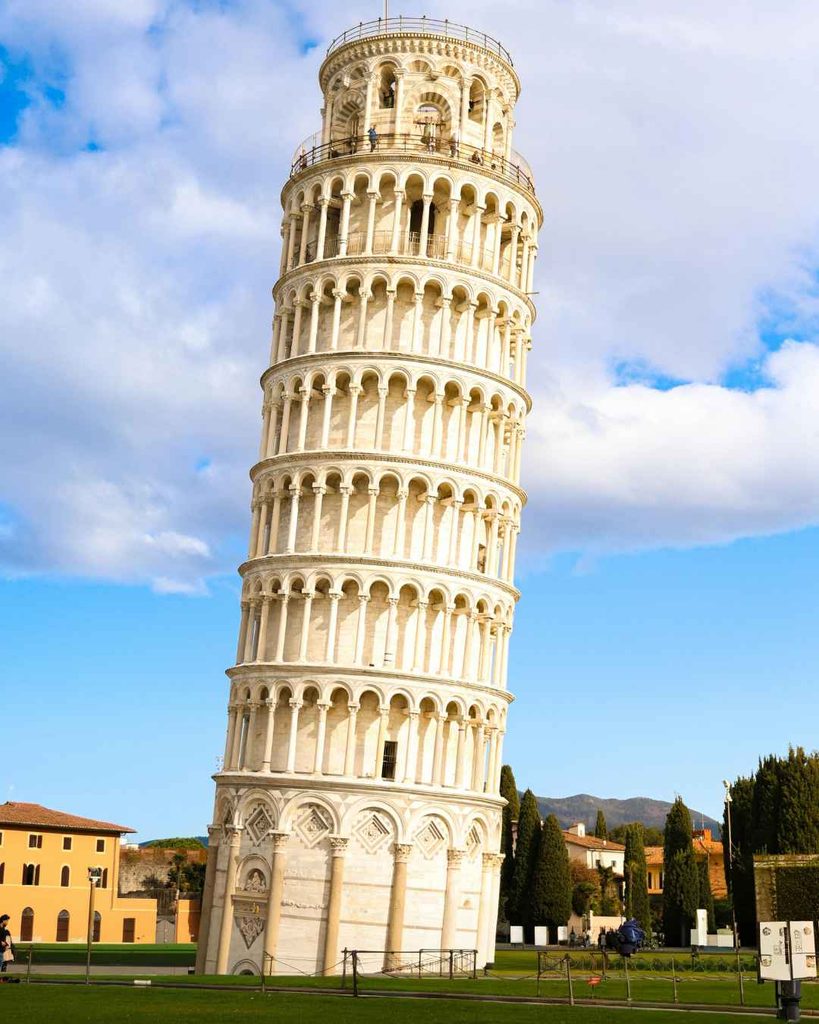
Tuscany is the home of the Renaissance, and its art and architecture are unmatched. Florence contains the greatest concentration of Renaissance art in the world. Siena has one of the best-preserved medieval city centers in Europe.
Pisa has its famous leaning tower. The region is filled with churches, museums, and palazzos that contain masterpieces by Giotto, Botticelli, Leonardo, Michelangelo, and Raphael.
Umbria is the home of the Middle Ages, and its art and architecture are equally impressive, though less famous. Assisi has the Basilica of Saint Francis, with frescoes by Giotto and Cimabue. Orvieto has a cathedral with a facade that is one of the most beautiful in Italy.
Perugia has a Gothic cathedral and a series of medieval streets. Spello has Roman gates and medieval churches. The art of Umbria is more focused on the medieval period and the early Renaissance.
It is less famous than the art of Tuscany, but it is just as important. The frescoes in Assisi are among the greatest achievements of medieval art. The cathedral of Orvieto is a masterpiece of Gothic architecture.
The region is filled with small churches and museums that contain works by lesser-known but equally talented artists. The verdict on art and history is clear. Tuscany has the greater concentration of masterpieces.
Umbria has the more intimate and less crowded experience. If you are an art lover, Tuscany is the answer. If you want to discover something new, Umbria is the answer.
The Famous Tuscan Vineyards vs. Umbria’s Quiet Wine Country
Tuscany is one of the most famous wine regions in the world. Chianti, Brunello di Montalcino, Vino Nobile di Montepulciano, and the Super Tuscans of Bolgheri are all produced here.
The region has a long history of winemaking, and its wines are among the most prestigious in Italy. The vineyards of Tuscany are beautiful, and many of them are open for tastings and tours.
The Chianti region, between Florence and Siena, is the most famous, with a landscape of vineyards, olive groves, and cypress trees. The Val d’Orcia is home to Montalcino and its Brunello, one of the most important wines in Italy.
Umbria is a quieter wine region, but it is just as interesting. The region produces Sagrantino di Montefalco, a powerful red wine that is one of the most distinctive in Italy. It also produces Orvieto Classico, a crisp white wine that has been made since the Middle Ages.
The vineyards of Umbria are smaller and less famous than those of Tuscany. But they are often more authentic, and the tastings are often more personal.
The verdict on wine depends on what you want. If you want the famous wines of Tuscany, Tuscany is the answer. If you want something quieter and less discovered, Umbria is the answer.
Crowds and Tourism: Is Tuscany Too Popular?
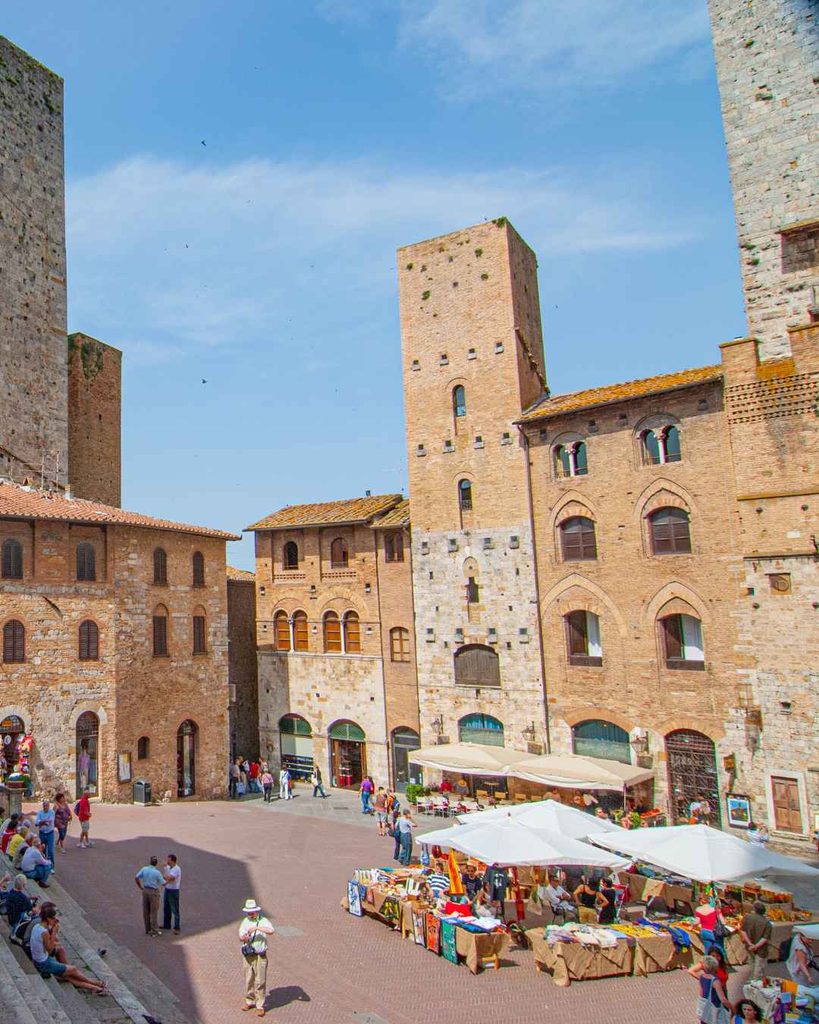
Tuscany is one of the most visited regions in Italy, and its most famous towns are often overwhelmed by tourists. Florence receives millions of visitors a year, and the historic center is often packed.
Siena, Pisa, and San Gimignano are also crowded, especially in high season. The Val d’Orcia, which is a UNESCO World Heritage Site, is also affected by tourism.
Tour buses and rental cars fill the narrow roads. Umbria is much less visited. The region receives a fraction of the tourists that Tuscany receives, and its towns are often quiet, even in high season.
You can walk through Spello or Montefalco in the evening and feel like you have the town to yourself. You can sit in a restaurant in Orvieto and be surrounded by locals rather than tourists.
The verdict on crowds is clear. Umbria is the quieter region. If you want to avoid the crowds, Umbria is the answer.
Accommodation: Luxury Farmhouses vs. Authentic Agriturismos
Tuscany has a wide range of accommodation, from luxury hotels to budget hostels. The most famous options are the converted farmhouses and villas that dot the countryside.
These properties offer a taste of the Tuscan dream, with swimming pools, gardens, and views of the rolling hills. But they can also be expensive, and the most famous ones book up months in advance.
Umbria also has a wide range of accommodation, but it is generally more affordable and more authentic. The region has many agriturismos, working farms that offer accommodation and meals.
These properties are often family-run, and they offer a more personal experience than the large hotels of Tuscany. The food is often homemade, the wine is often produced on the farm, and the atmosphere is often more relaxed.
The verdict on accommodation depends on what you want. If you want luxury and the classic Tuscan dream, Tuscany is the answer. If you want something more authentic and more affordable, Umbria is the answer.
Related Post: Villages, Villas, or Agriturismos: Where Should You Stay in Tuscany?
Costs: Which Region Offers Better Value for Money?
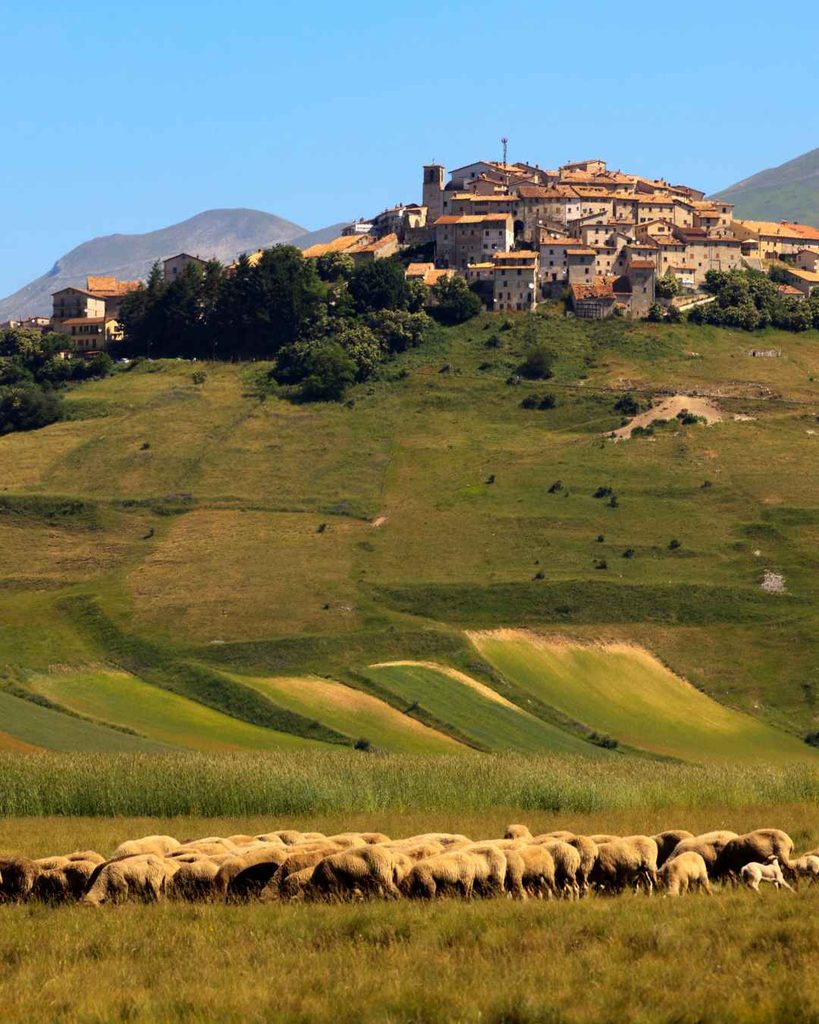
Tuscany is generally more expensive than Umbria. The most famous towns, particularly Florence and Siena, have some of the highest hotel prices in Italy.
The restaurants and shops cater to a wealthy clientele. There are budget options, but the overall cost of a trip to Tuscany is higher.
Umbria is more affordable. The region has a wide range of accommodation, from budget hotels to luxury villas, and the prices are generally lower than in Tuscany.
Food and wine are also more reasonably priced, and there are plenty of free things to do, from walking the streets to visiting churches. The verdict on costs is clear.
Umbria offers better value for money. Tuscany is more expensive.
The Best Towns to Visit in Tuscany
Tuscany has many beautiful towns, but some are more worth visiting than others. Florence is the capital of the Renaissance and one of the most important cities in Europe.
Siena is a medieval gem, with one of the best-preserved city centers in Italy. Pienza is a Renaissance ideal city, with a beautiful cathedral and a stunning view of the Val d’Orcia.
Montepulciano is a wine town, with a main street that climbs to a beautiful piazza. Montalcino is a fortress town, with a famous wine and a beautiful fortress.
San Gimignano is the town of towers, with a skyline that is unique in Italy.
Related Post: The Roads, Villages and Views That Make Tuscany So Special.
The Best Towns to Visit in Umbria
Umbria has many beautiful towns, and they are often less crowded than their Tuscan counterparts. Assisi is the birthplace of Saint Francis and one of the most important pilgrimage sites in Italy.
Orvieto is a stunning town built on a tufa cliff, with a cathedral that is one of the finest in Italy. Spello is a small town with Roman gates and medieval streets, known for its flower festival.
Perugia is a lively university town, with a historic center that is a maze of medieval streets. Montefalco is a wine town, known for its Sagrantino wine and its beautiful views.
Todi is a hill town with a beautiful piazza and a quiet atmosphere.
Romantic Escapes: Which Region Is Better for Couples?
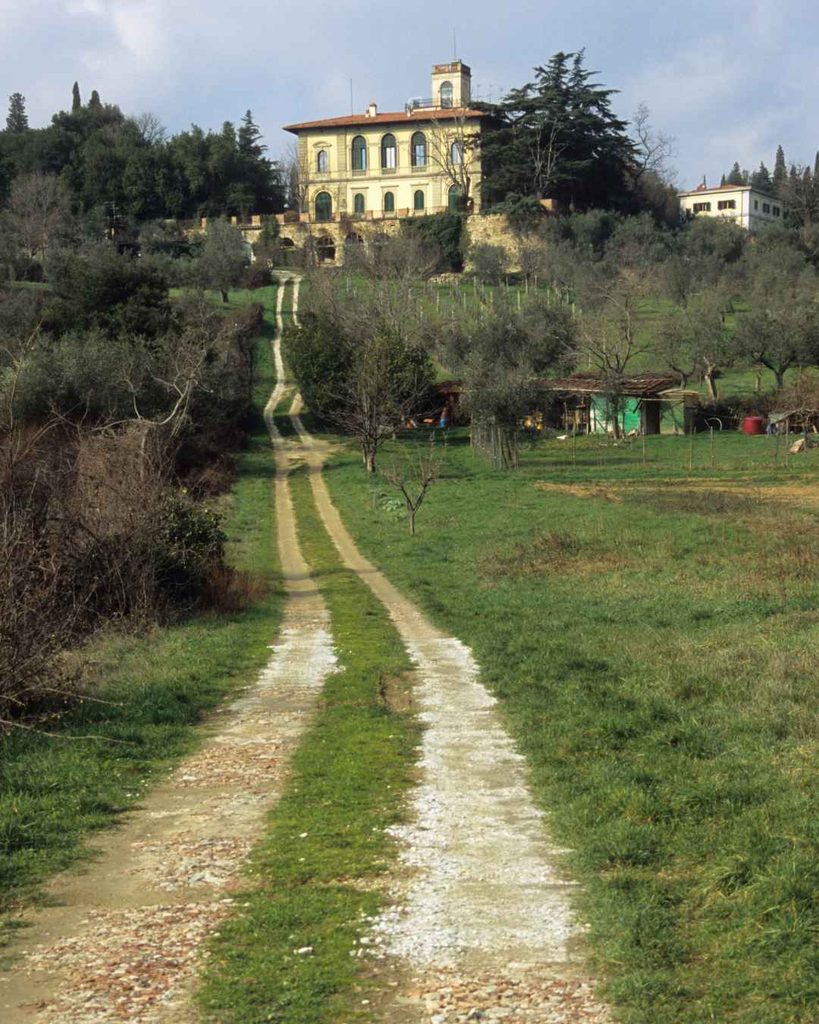
Both regions are romantic, but they offer different kinds of romance. Tuscany is the classic romantic destination, with its rolling hills, its cypress-lined roads, and its luxury farmhouses.
It is the place for honeymoons, anniversaries, and proposals. The romance is built into the landscape.
Umbria is also romantic, but in a different way. The romance is quieter, more intimate, and more authentic. A candlelit dinner in a small restaurant in Spello, a walk through the medieval streets of Assisi, a sunset over the green valleys.
It is a more personal romance, and it is often more affordable. The verdict on romance depends on what you want. If you want the classic, postcard romance of Tuscany, Tuscany is the answer.
If you want something quieter and more intimate, Umbria is the answer.
Who Should Choose Tuscany?
Tuscany is the right choice for travelers who want the classic Italian countryside experience. It is the right choice for art lovers who want to see the masterpieces of the Renaissance.
It is the right choice for wine lovers, who want to taste Chianti and Brunello. It is the right choice for travelers who want the convenience of a well-developed tourism infrastructure, with good hotels, restaurants, and transport.
Tuscany is also the right choice for first-time visitors to Italy, who want to see the places they have dreamed about. It is the right choice for travelers who want the postcard experience and who are willing to pay for it.
There are so many things to do in Tuscany. Check out some of the best experiences in this guide.
Who Should Choose Umbria?

Umbria is the right choice for travelers who want something quieter, more authentic, and less discovered. It is the right choice for travelers who want to avoid the crowds and experience the real Italy.
It is the right choice for travelers who want to discover a region that is just as beautiful as Tuscany but far less visited. Umbria is also the right choice for budget travelers who want better value for money.
It is the right choice for food and wine lovers, who want to taste the truffles, the lentils, and the Sagrantino. It is the right choice for travelers who want a more personal experience, with family-run hotels, small restaurants, and quiet roads.
Can You Visit Both Regions on the Same Trip?
Yes. Tuscany and Umbria are neighbors, and they are connected by a network of roads and trains. You can easily combine the two regions in a single trip, spending a few days in Tuscany and a few days in Umbria.
The most convenient route is to start in Florence, explore Tuscany, and then drive or take a train to Umbria. The train from Florence to Perugia takes about two hours, and the drive takes about an hour and a half.
You can also combine the two regions with a visit to Rome, which is about an hour and a half from Orvieto by train. If you have a car, you can explore both regions at your own pace, stopping in the small towns and villages that are not on the main tourist routes.
This is the best way to experience the countryside, and it allows you to see the contrast between the two regions.
Tuscany vs. Umbria: Which Region Would I Choose?
There is no single answer to this question. Tuscany and Umbria are both beautiful, and both are worth visiting. But if I had to choose one, I would choose Umbria.
Tuscany is extraordinary, but it is also a victim of its own success. The most famous towns are crowded, the prices are high, and the experience can feel manufactured.
Umbria offers many of the same pleasures, with rolling hills, medieval towns, excellent food and wine, and beautiful landscapes. But it does so without the crowds and the prices.
Umbria feels like Tuscany did thirty years ago. It is quiet, authentic, and undiscovered. It is the place where you can still find a small restaurant where the owner greets you by name.
It is the place where you can find a family-run hotel where the rooms are simple but comfortable. It is the place where you can find a hill town where the only sound is the church bell.
That is the Italy I want to experience. And that is why I would choose Umbria.
A Final Thought
The question of which region is better is ultimately a question about what you are looking for. Tuscany is the classic, the dream, the postcard. Umbria is the discovery, the secret, the real thing.
Both are worth visiting. Both will stay with you. And both will make you understand why the Italian countryside is one of the most beloved places on earth.
Again, feel free to go through the list below of my Italy recommendations that I have crafted after years of travel to this beautiful country:
- Packing List: Things Not to Go to Italy Without
- Must-Do Things: Unforgettable Experiences
- Where to Stay: Best Hotels in Italy.
- Where to Stay in Rome: Rome’s Best Neighborhoods
- Where to Stay in Florence: Picking the Best Area
- Where to Stay in Venice: Venice’s Best Districts
- Italy’s Cobblestone Streets: Best Shoes For the Job
- Backpack or Suitcase?: Italy Luggage Guide
- Travel Insurance: Always Be Covered
- E-Sim: Be Connected At All Times