
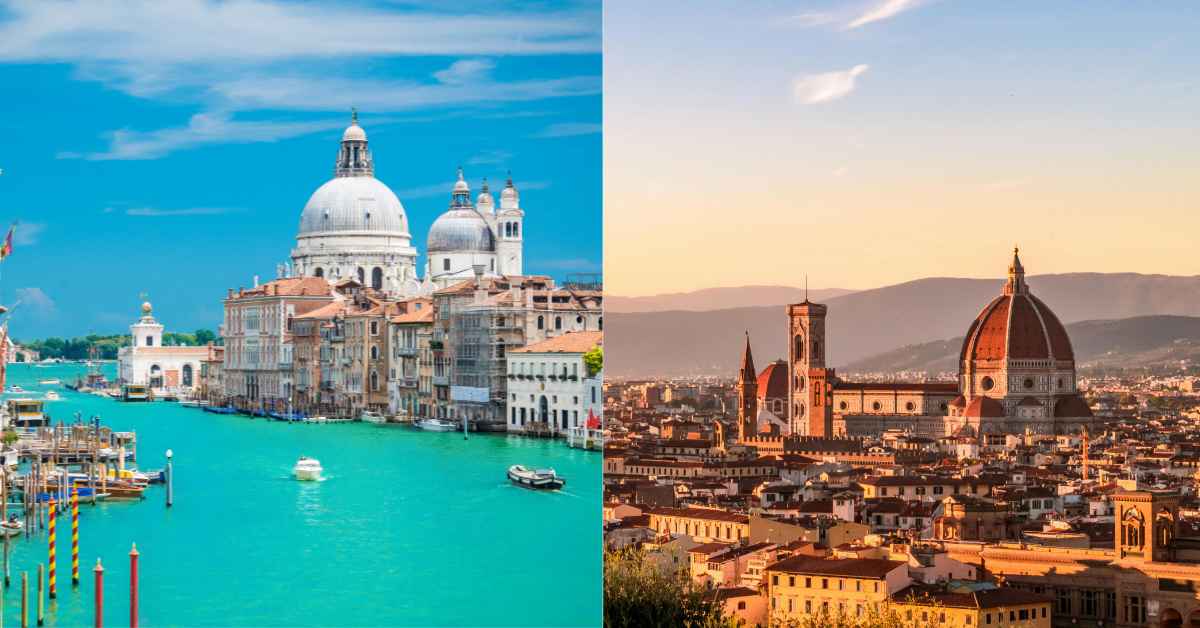
Both cities are famous. Both are beautiful. Both have been attracting visitors for hundreds of years. But they are not the same place, and they do not offer the same experience.
Venice is a city of water, of reflections, of a dreamlike unreality that exists nowhere else on earth. Florence is a city of stone, of domes, of a concentrated artistic heritage that shaped the modern world.
One is a floating labyrinth that rewards getting lost. The other is a compact open-air museum that rewards looking closely.
This post is a detailed comparison of the two. It covers their architecture, their atmosphere, their history, their art, their streets, their food, their costs, and the practical realities of visiting each.
By the end, you will understand what makes each city magical in its own way, and you will be able to decide which one is right for you.
Before you read further, remember that Italy rewards travelers who come prepared. I’ve found a few things especially useful on an Italy trip, and they’re worth having and/or knowing beforehand. See the checklist here. Also, if you want me to plan an Italy trip for you that you will never forget, drop me a message here
First Impressions: Venice vs. Florence
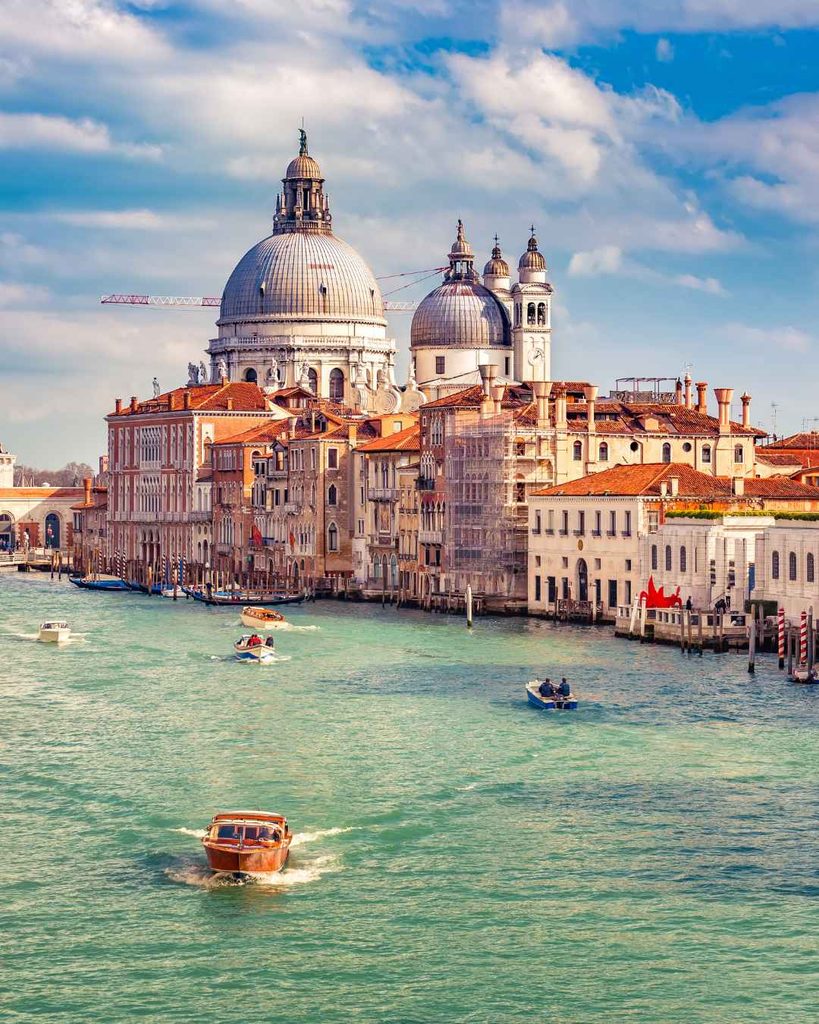
The first impression of Venice is one of disbelief. You step out of the train station, and there is no road. There is water. A canal, wide and green, with boats gliding past and buildings rising directly from the edge.
The streets are narrow, the bridges are steep, and the city feels like a film set that somehow became real. It is disorienting, magical, and utterly unlike anywhere else.
The first impression of Florence is one of density. The historic center is compact, almost entirely flat, and packed with monuments. You turn a corner and there is the Duomo, enormous and striped in green and white marble.
Turn another corner, and you see the Palazzo Vecchio, its tower piercing the sky. The city feels like a single enormous museum, and every street leads to another masterpiece.
Venice greets you with silence and water. There are no cars, no scooters, no engines. The only sounds are footsteps, voices, and the lapping of water against stone. It takes a few hours to adjust to the rhythm of the city, to accept that you will get lost, and to stop trying to follow a map.
Florence greets you with noise and energy. The streets are filled with people, the piazzas are crowded, and the city has a busy, commercial feel that can be overwhelming at first.
But the beauty of the city is immediate and undeniable, and it does not take long to understand why Florence is one of the most beloved cities in the world.
Which City Has the More Beautiful Architecture?
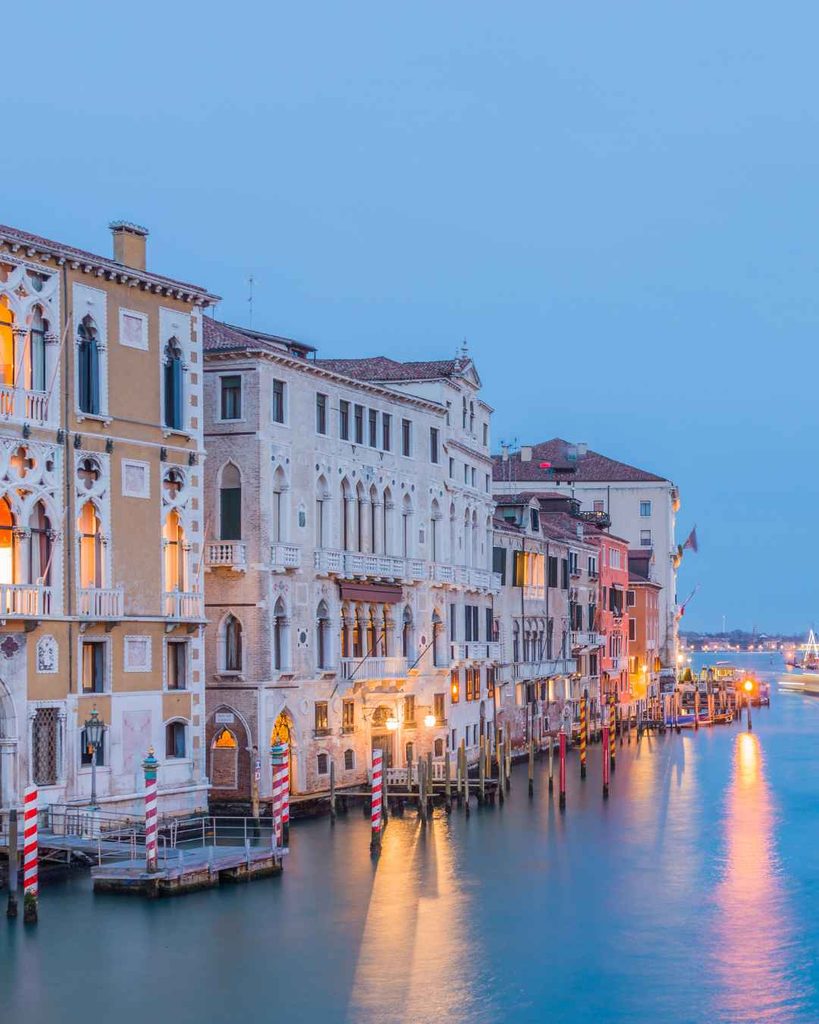
Venice is a city of architectural fantasy. The Grand Canal is lined with palazzos that rise directly from the water, their facades a mix of Byzantine, Gothic, and Renaissance styles.
The Basilica of San Marco is a masterpiece of Byzantine architecture, with its golden mosaics, its domes, and its horses of Saint Mark. The Doge’s Palace is a Gothic masterpiece, with its delicate arcades and its pink and white marble facade.
The architecture of Venice is not just beautiful. It is impossible. The city is built on wooden piles driven into the mud of the lagoon, and the buildings are designed to float.
The architects of Venice developed techniques for building on water that were centuries ahead of their time. The result is a city that seems to defy the laws of nature.
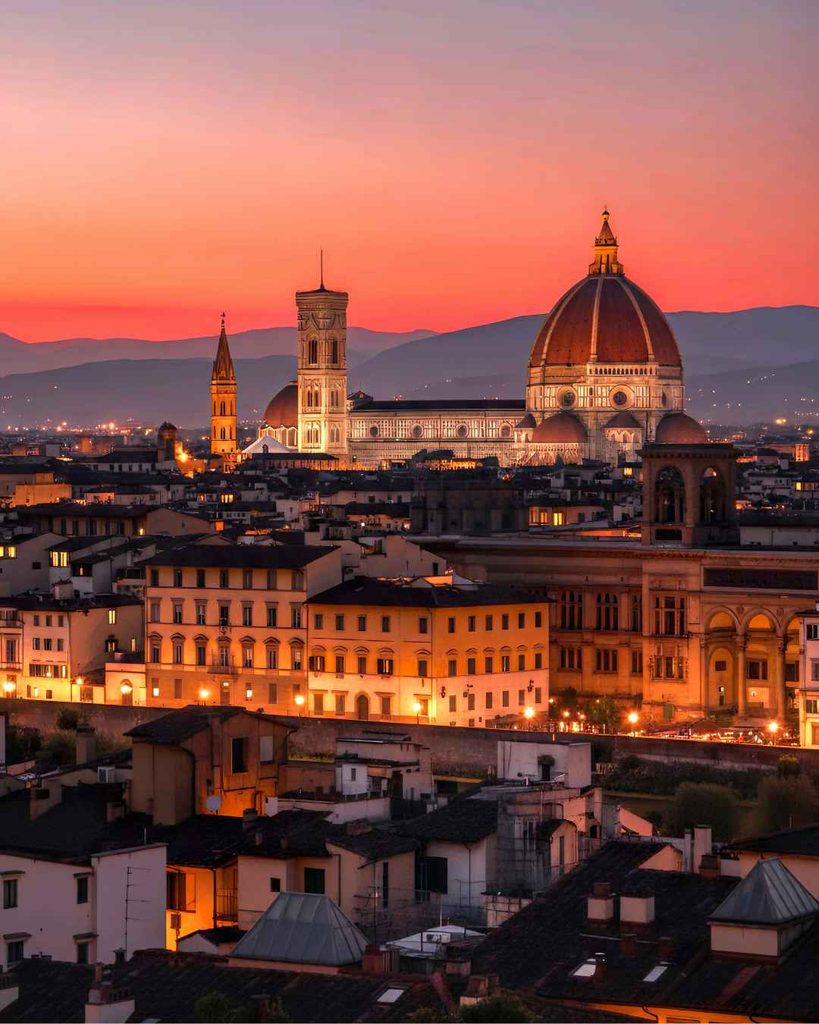
Florence is a city of architectural harmony. The Duomo, with Brunelleschi’s dome, is one of the greatest achievements of the Renaissance.
The dome was the largest masonry dome ever built, and it was constructed without the wooden centering that would have been required by traditional methods. The Palazzo Vecchio is a fortress of a building, its tower a symbol of civic power.
The churches of Santa Croce and Santa Maria Novella are masterpieces of Gothic and Renaissance architecture.
The bridges, the piazzas, and the streets are all part of a unified urban design that has been admired for centuries. Florence is a city that was built with intention, and every building is part of a larger composition.
The verdict on architecture depends on what you prefer. If you want fantasy, color, and variety, Venice is the answer. If you want harmony, proportion, and the perfection of the Renaissance, Florence is the answer.
Venice vs. Florence: Which Has the More Magical Atmosphere?
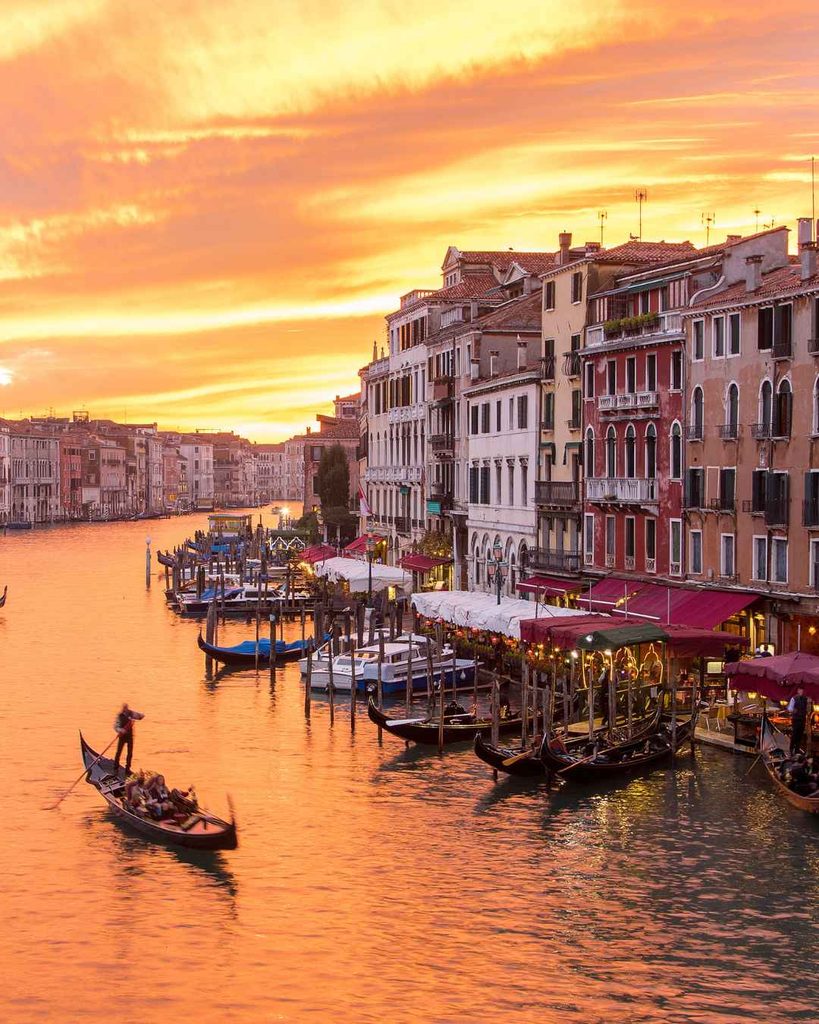
Venice is almost universally considered the more magical city. It is a place that feels like nowhere else on earth. The canals, the reflections, the way the light shifts on the water.
The quiet of the early morning, when the day-trippers have not yet arrived and the city belongs to the people who live there. The glow of the streetlamps on the water at night. It is a city of dreams.
The magic of Venice is in its unreality. The city does not feel like a place where people live. It feels like a place where people dream.
The buildings seem to float, the streets seem to disappear into the water, and the light is always changing. It is a city that rewards those who surrender to it, who stop trying to control their experience and let the city guide them.
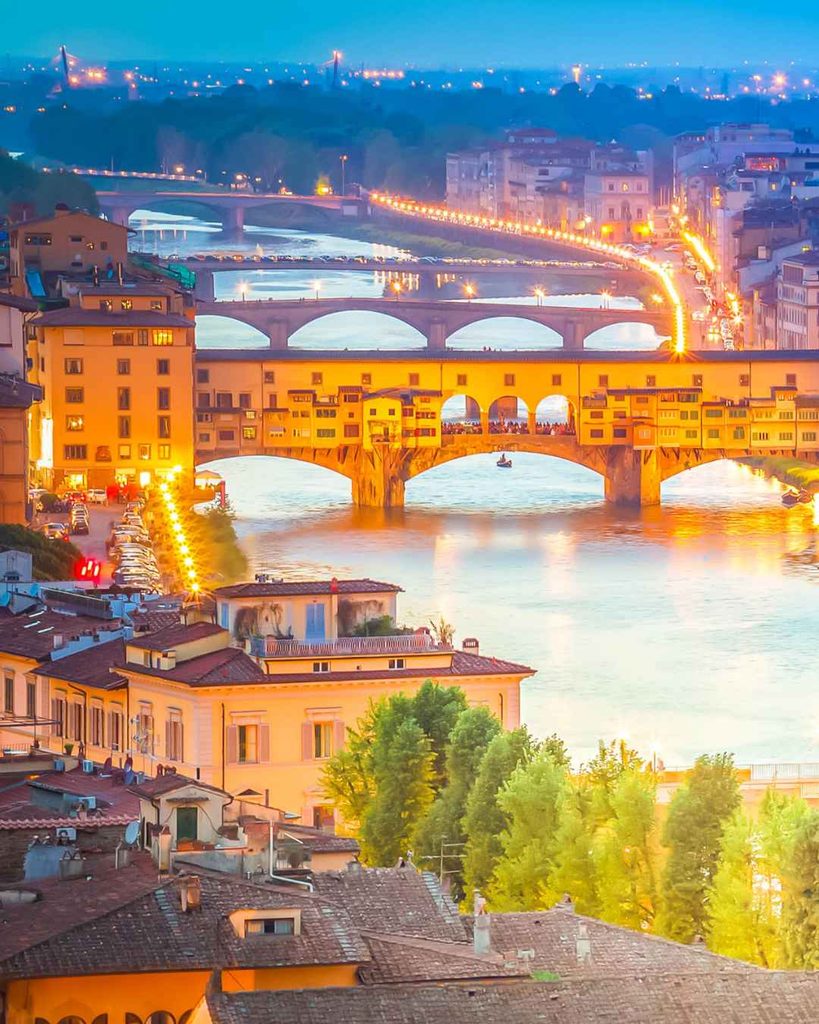
Florence is also magical, but in a different way. The magic is in the art, the history, and the beauty of the city itself. A walk across the Ponte Vecchio at sunset, a view of the Duomo from a rooftop terrace, a quiet corner in the Oltrarno where the tourists never go. It is a more grounded magic, but it is no less powerful.
The magic of Florence is in its density. The city is small enough to walk across in an hour, and yet it contains more masterpieces per square meter than almost anywhere else on earth.
Every street, every church, every piazza contains something worth seeing. The city is a treasure chest, and the magic is in the discovery.
The verdict on atmosphere is clear. Venice has the more magical atmosphere. It is a city that feels like a dream, and that is something that no other city in the world can match.
Florence has the more inspiring atmosphere. It is a city that makes you want to create, to learn, and to see more.
Which City Has the Richer History?
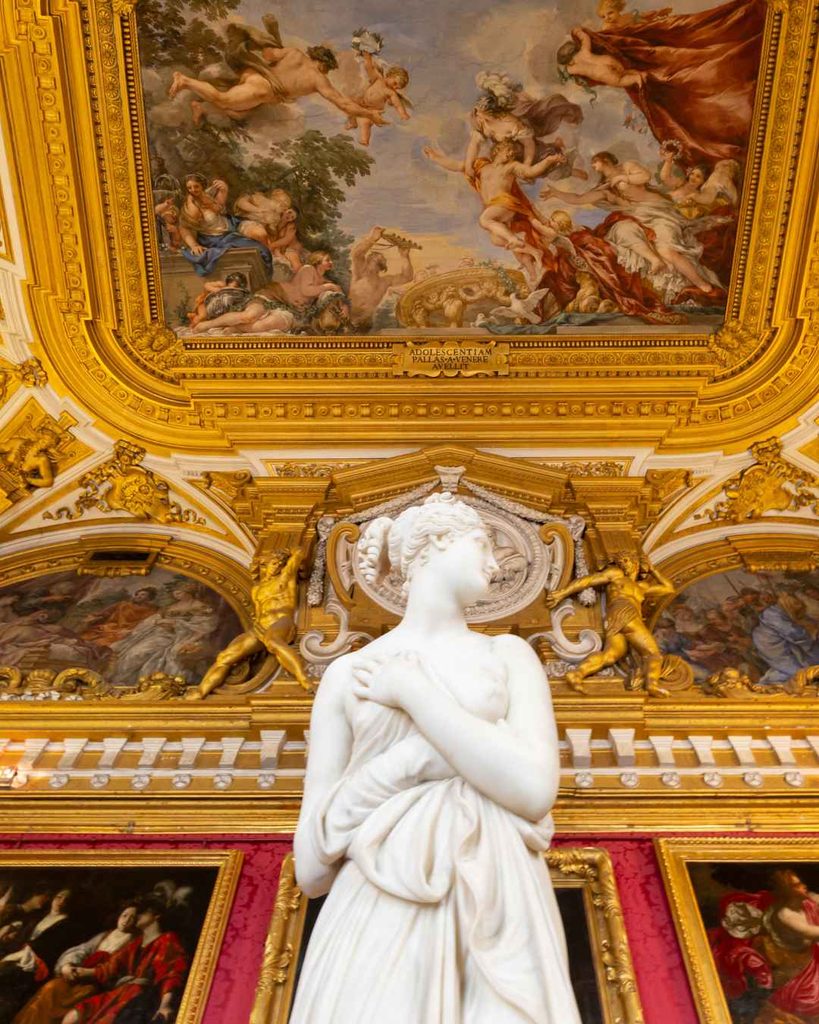
Florence has the richer history in terms of political and cultural significance. It was the birthplace of the Renaissance, the city where Dante wrote the Divine Comedy, where Machiavelli wrote The Prince, and where the Medici family ruled for centuries.
The city was a republic, a duchy, and a cultural capital, and its history is intertwined with the history of Western civilization.
The history of Florence is the history of the modern world. The Renaissance began here, and it changed everything. The artists, writers, and thinkers of Florence invented new ways of seeing the world, and their ideas spread across Europe and beyond.
The city was also a political laboratory, where new forms of government and new ideas about power were tested and debated.
Venice has a longer and more complex history. It was founded in the fifth century, and it became a maritime republic that dominated the Mediterranean for centuries.
The Venetian Republic lasted for more than a thousand years, and it was one of the most powerful and sophisticated states in Europe. Its history is one of trade, exploration, and empire.
The history of Venice is the history of the sea. The city built its wealth on trade, and its ships sailed to every corner of the known world.
The Venetian Republic was a commercial empire, and its merchants, sailors, and diplomats shaped the course of European history. The city was also a center of art, music, and publishing, and it produced some of the greatest artists of the Renaissance.
The verdict on history is a tie. Florence has the richer cultural history. Venice has the longer and more complex political history. Both are extraordinary.
The Art and Masterpieces You Can’t Afford to Miss
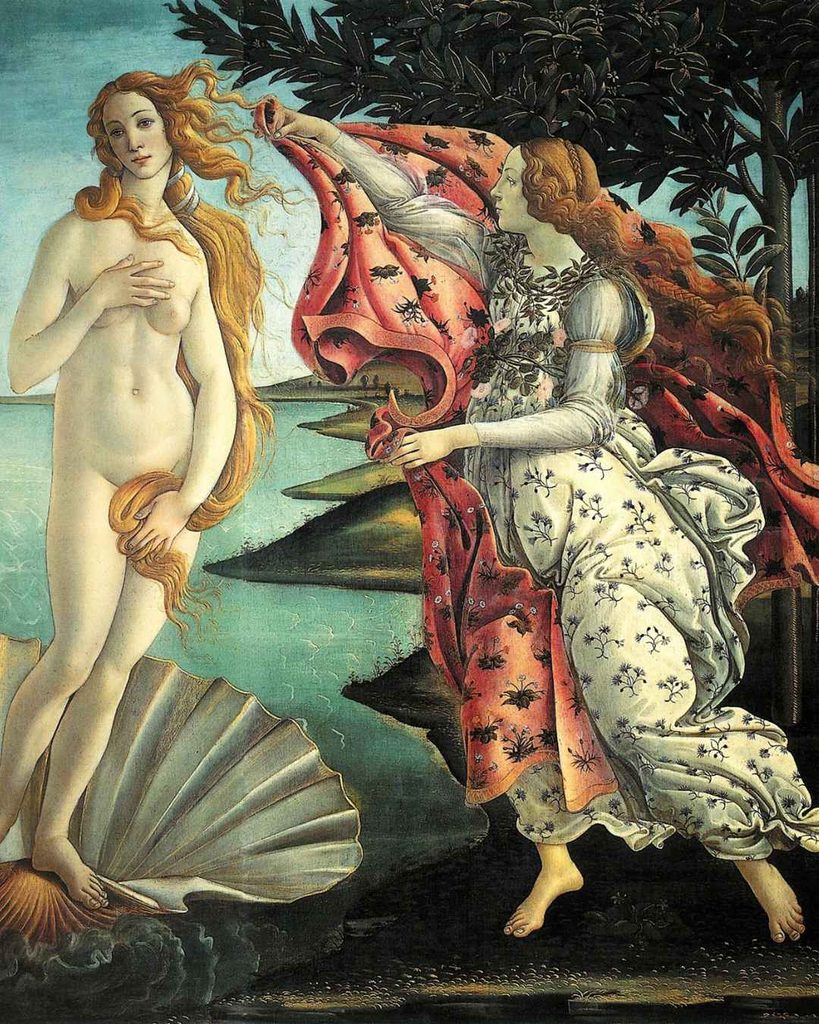
Florence is the cradle of the Renaissance, and its art collection is unmatched in density and significance. The Uffizi Gallery contains the greatest collection of Italian Renaissance painting in the world, including Botticelli’s Birth of Venus and Primavera, Leonardo’s Annunciation, and Michelangelo’s Doni Tondo.
The Accademia houses Michelangelo’s David. The Duomo complex, the Bargello, the Brancacci Chapel, and the Pitti Palace all contain masterpieces.
The art of Florence is not just beautiful. It is revolutionary. The artists of Florence developed new techniques for representing the human body, new ways of using perspective, and new ideas about the role of art in society.
They created works that were not just decorations but statements about the nature of humanity and the divine.
Venice’s art is different. It is rich, but it is more dispersed. The Gallerie dell’Accademia has an excellent collection of Venetian painting, including works by Titian, Veronese, and Tintoretto.
The Doge’s Palace contains some of the largest and most impressive paintings in Italy. The Peggy Guggenheim Collection is a gem of modern art. But Venice does not have the same concentration of canonical Renaissance masterpieces that Florence does.
The art of Venice is not just beautiful. It is sensual. The Venetian painters were masters of color and light, and their works are full of warmth, texture, and emotion. They painted the human body with a sensuality that was unusual for the time, and they created works that were designed to please the eye as much as the mind.
The verdict on art is clear. Florence has the greater art collection, particularly in the field of Renaissance painting and sculpture. If you are an art lover, Florence is the answer.
Although you can buy tickets to various attractions from official websites, guided tours come in handy so that you understand what you are looking at. Check some of Florence’s art guided tours in this guide.
Which City Has the Most Beautiful Streets and Hidden Corners?
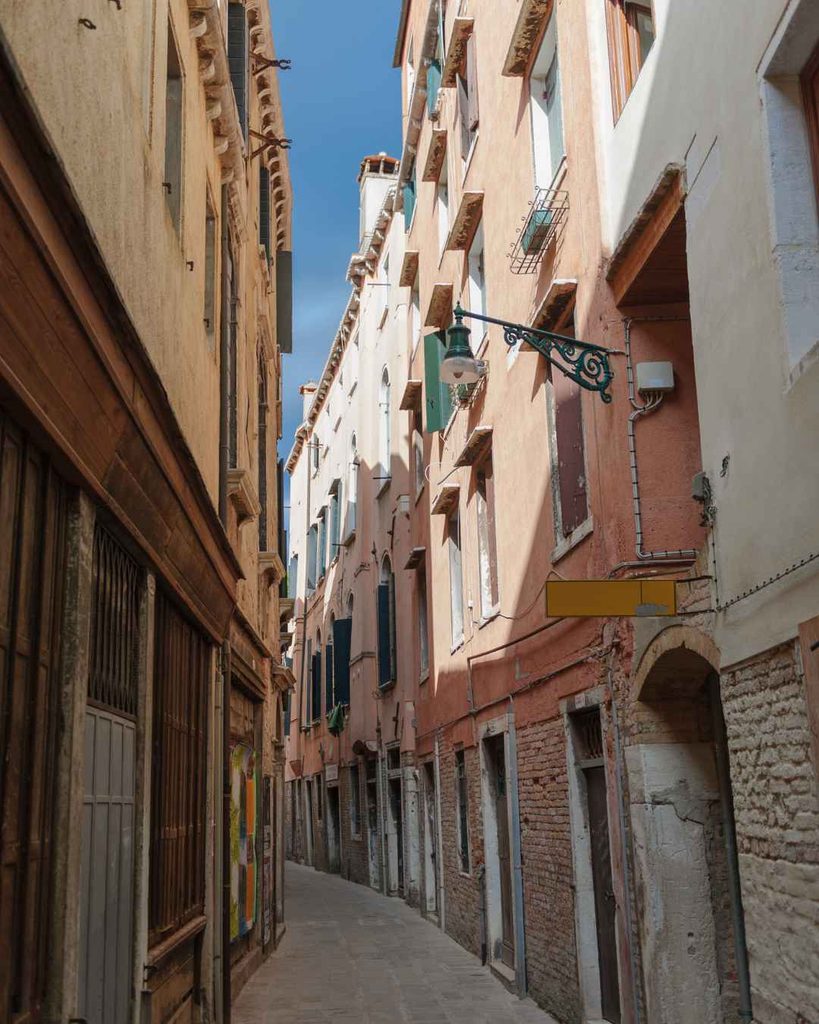
Venice is the city of hidden corners. The narrow alleys, the small bridges, the quiet squares where the only sound is the water lapping against the stone.
The city is a labyrinth, and getting lost is part of the experience. Every corner reveals something new: a hidden church, a small garden, a glimpse of the canal.
The streets of Venice are not just beautiful. They are mysterious. The city is designed to confuse, and the streets seem to lead nowhere and everywhere at the same time.
The effect is disorienting, but it is also liberating. In Venice, you cannot follow a plan. You can only follow your instincts.
Florence is the city of beautiful streets. The streets of the historic center are lined with Renaissance palazzos, and every one of them has a story.
The Oltrarno, across the river, is quieter and more local, with artisan workshops and small trattorias. The streets around Santa Croce are lively and full of character.
The streets of Florence are not just beautiful. They are harmonious. The city was designed with a sense of proportion and order, and the streets are arranged in a way that always leads to something worth seeing.
The effect is calming, but it is also inspiring. In Florence, you feel like you are part of a larger composition.
The verdict on streets and hidden corners is clear. Venice has the more beautiful and more mysterious streets. Florence has the more elegant and more harmonious streets. Both are worth exploring on foot.
Venice’s Canals vs. Florence’s Arno River and Ponte Vecchio
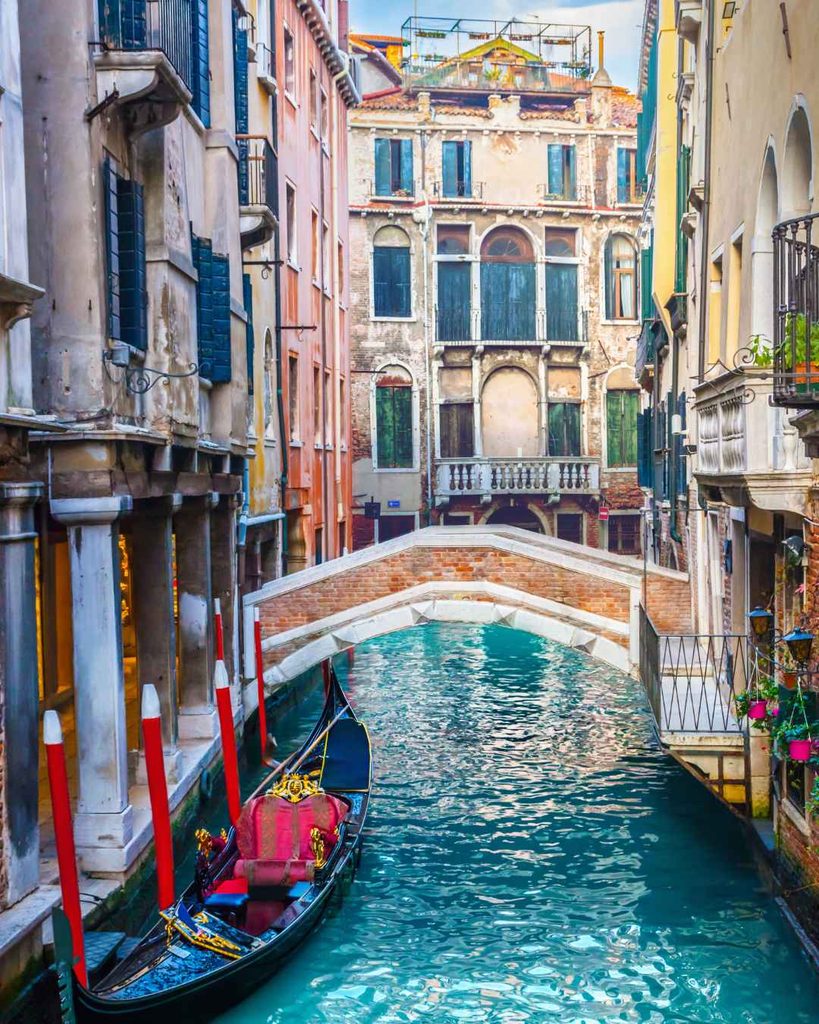
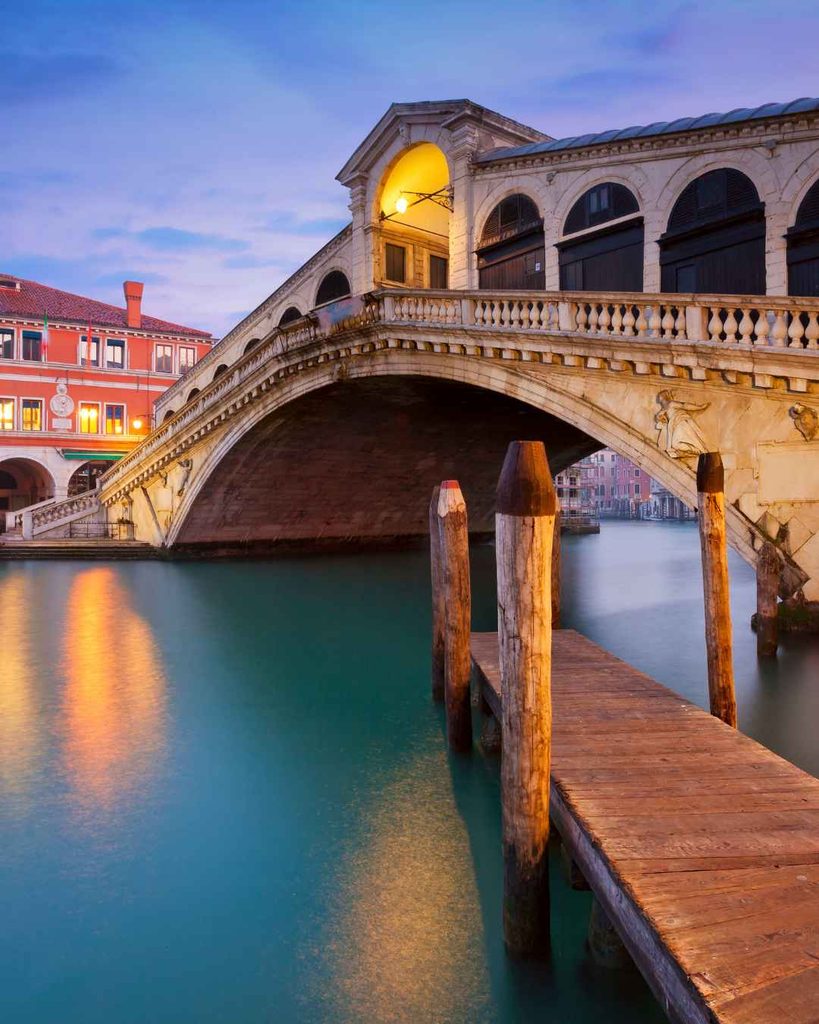
The canals of Venice are the lifeblood of the city. The Grand Canal is the main artery, lined with palazzos and crossed by the Rialto Bridge.
The smaller canals are quieter, and the side canals are where you find the real Venice. A gondola ride is a cliché, but it is also a genuine experience.
The canals are not just beautiful. They are functional. They are the streets of Venice, and they are used for transport, commerce, and daily life. The boats that glide past are not just for tourists.
They are taxis, delivery trucks, and ambulances. The canals are the veins of the city, and they carry the lifeblood of Venice.
Florence’s Arno River is a different kind of beauty. The river curves through the city, and the bridges that cross it are among the most beautiful in Italy.
The Ponte Vecchio, lined with jewelry shops, is the most famous. The Lungarni, the streets that run along the river, are elegant and offer views of the bridges and the hills beyond.
The Arno is not just beautiful. It is historical. The river has been at the center of Florentine life for centuries, and it has witnessed floods, battles, and celebrations. The bridges that cross it are not just engineering feats. They are symbols of the city’s resilience and its beauty.
The verdict on waterways is a tie. Venice’s canals are more dramatic and more central to the life of the city. Florence’s Arno is more elegant and more intimate. Both are beautiful in their own way.
Which City Has the Best Food?

Florence is the better city for food. Tuscan cuisine is bold, hearty, and deeply satisfying. The bistecca alla fiorentina, a thick T-bone steak grilled rare and served with olive oil and lemon, is one of the great dishes of Italy.
Ribollita, a thick bread and vegetable soup, is comfort food at its best. Pappardelle al cinghiale, pasta with wild boar sauce, is rich and deeply flavored. The wine, Chianti and Brunello, is among the finest in the world.
The food of Florence is not just delicious. It is honest. The ingredients are simple, and the cooking is straightforward. The cuisine is based on what is available locally, and it is designed to be eaten with family and friends. The food of Florence is not fancy. It is satisfying.
Venice’s food is excellent but more limited. The cuisine is seafood-focused, with dishes like risotto al nero di seppia, sarde in saor, and fritto misto.
The bacari, the small wine bars that serve cicchetti, are a wonderful way to eat, but the variety is smaller than in Florence. The city is also more expensive, and it is easier to find a mediocre meal in a tourist area.
The food of Venice is not just delicious. It is surprising. The cuisine is based on the sea, and the flavors are often unusual.
The bacari are a unique way to eat, and the cicchetti are a delightful way to sample a range of dishes. The food of Venice is not as famous as the food of Florence, but it is well worth seeking out.
The verdict on food is clear. Florence is the better city for food, with more variety, better value, and a deeper culinary tradition.
Which City Is More Romantic?
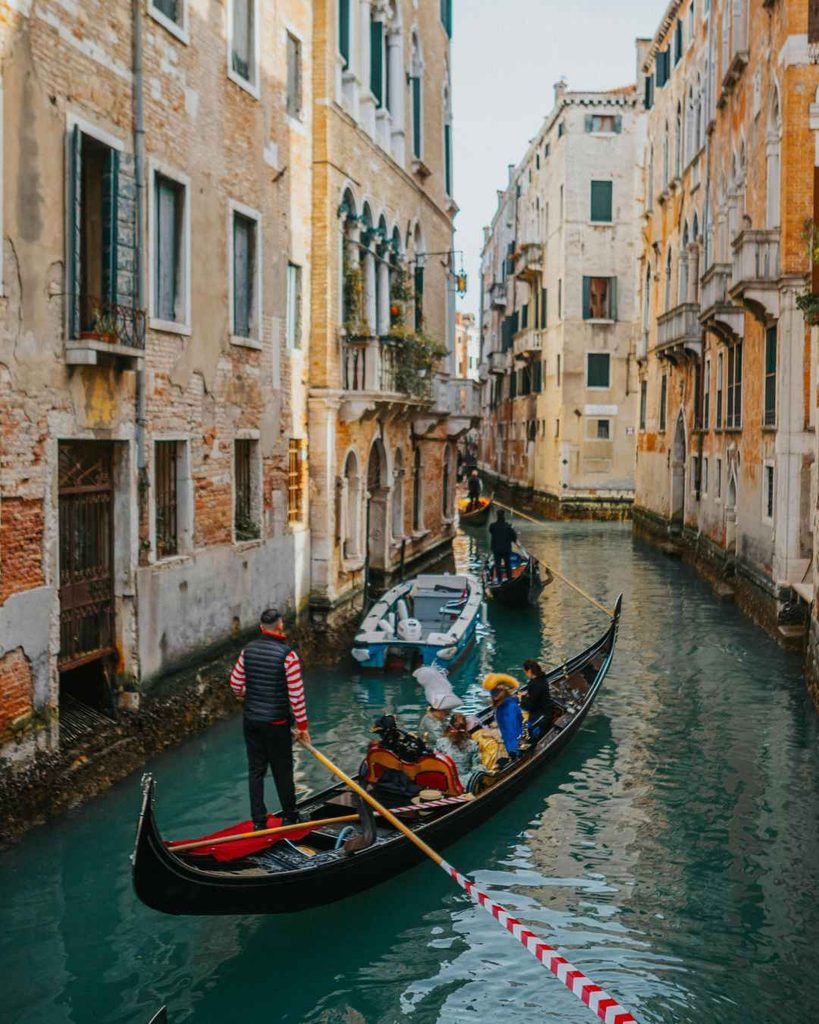
Venice is almost universally considered the most romantic city in the world. The canals, the gondolas, the quiet alleys, the way the city glows at sunset. It is a place for couples, for honeymoons, for anniversaries. The romance is built into the fabric of the city.
The romance of Venice is not just about the setting. It is about the way the city makes you feel. The city is quiet, intimate, and mysterious.
The streets are narrow, the bridges are small, and the canals are always there, reflecting the light. It is a place where you can walk for hours and never see another soul. It is a place where time seems to slow down.
Florence is also romantic, but in a different way. The romance is less about atmosphere and more about beauty. A walk across the Ponte Vecchio at sunset, a dinner in a candlelit trattoria in the Oltrarno, a view of the Duomo from a rooftop terrace. It is a more grounded, more intimate romance.
The romance of Florence is not just about the beauty. It is about the art and the history. The city is full of stories, and every street, every church, every painting has a story to tell. It is a place where you can feel connected to the past, and that is its own kind of romance.
The verdict on romance depends on what you want. If you want the classic, dreamlike romance of water and gondolas, Venice is the answer. If you want the warm, artistic romance of stone and wine, Florence is the answer.
If you are planning to do a romantic trip to Venice, make sure you choose a hotel that gives that romantic vibe. I have a few recommendations for you. Check out this post.
Venice vs. Florence: Which Is More Expensive?
Venice is more expensive than Florence. Accommodation in Venice is the most expensive in Italy, particularly in the historic center.
A mid-range hotel in Venice can cost significantly more than a comparable hotel in Florence. Food and drink are also more expensive, and the day-tripper fee adds another cost for visitors who are not staying overnight.
The expense of Venice is not just about the cost of living. It is about the cost of doing business on water. Everything in Venice has to be transported by boat, and the cost of transport adds to the price of everything. The result is a city that is expensive for everyone, including the people who live there.
Florence is expensive but more affordable. There are more budget options, particularly in the Oltrarno and around the train station. Food is more reasonably priced, and there are plenty of free things to do, from walking the streets to visiting churches.
The expense of Florence is not just about the cost of living. It is about the cost of tourism. The city is one of the most visited in Europe, and prices are high in the most popular areas. But there are still bargains to be found, and the city is much more affordable than Venice.
The verdict on costs is clear. Florence is more affordable. Venice is more expensive.
Would you like to stay in a hotel in Florence with a stunning view of the Duomo? Check out these 7 options
Which City Has the Best Views and Sunset Spots?
Venice has some of the most beautiful views in the world. The view from the Rialto Bridge, looking down the Grand Canal. The view from the Campanile of San Marco, with the city spread out below you and the lagoon in the distance.
The view from the Accademia Bridge, looking toward the Salute. The view from the vaporetto, as you glide past the palazzos. The sunsets in Venice are legendary, and the way the light reflects on the water is unlike anything else.
The views of Venice are not just beautiful. They are unique. There is no other city in the world where you can see the sky reflected in the streets, or where the buildings seem to float on the water. The views of Venice are views of a city that does not exist anywhere else.
Florence also has extraordinary views. The view from Piazzale Michelangelo, with the Duomo at the center and the Arno winding through the city. The view from San Miniato al Monte, which is quieter and more intimate.
The view from the dome of the Duomo, with the city spread out below you. The sunsets in Florence are beautiful, and the way the light turns the stone to gold is unforgettable.
The views of Florence are not just beautiful. They are panoramic. The city sits in a valley, and the hills around it offer vistas that stretch for miles. The views of Florence are views of a city that has been admired for centuries, and they are just as impressive today as they were in the Renaissance.
The verdict on views is a tie. Both cities have extraordinary views, and both are best experienced at sunset. Venice’s views are more unique. Florence’s views are more panoramic.
Which City Is Easier to Explore on Foot?
Florence is easier to explore on foot. The historic center is compact, almost entirely flat, and all the major sights are within walking distance.
The train station is in the center, and the airport is a short tram ride away. You can see the Duomo, the Uffizi, the Accademia, and the Ponte Vecchio in a single day without using public transport.
The ease of exploring Florence is not just about the size of the city. It is about the design of the city. The streets are wide, the piazzas are open, and the sidewalks are well-maintained. The city is designed for walking, and it is a pleasure to explore on foot.
Venice is more difficult. The city is a labyrinth of alleys and canals, and getting from one place to another often involves crossing bridges and taking long detours. The vaporetto, the water bus, is expensive and often crowded. The airport is across the lagoon, and reaching the city requires a boat or a bus.
The difficulty of exploring Venice is not just about the layout of the city. It is about the nature of the city. Venice is built on water, and the streets are narrow and winding. The bridges are steep, and the vaporettos are often crowded. The city is not designed for walking, and it can be exhausting to explore on foot.
The verdict on ease of exploration is clear. Florence is easier. If you want a city that is simple to navigate, Florence is the answer.
Practical Tips for Visiting Venice
Venice is a city that rewards planning. Book your accommodation well in advance, especially if you are traveling between April and October. Stay overnight if you can, because the city is at its best in the early morning and late evening, when the day-trippers have gone.
Buy a vaporetto pass if you plan to use the water buses. A single ride is expensive, but a multi-day pass is a good value. Wear comfortable shoes, because you will walk more than you expect. Carry a water bottle, because there are public fountains throughout the city.
Avoid the restaurants in the most touristy areas, particularly around San Marco. Walk a few streets away and you will find better food at better prices. Try the cicchetti in a bacaro, and have a spritz at a local bar.
Be aware of the day-tripper fee, which applies to visitors who are not staying overnight. The fee is charged on certain days during peak season, and it is designed to manage the crowds. Check the official website for details before you travel.
Related post: Where to Stay in Venice If You Want to Be Close to Everything.
Practical Tips for Visiting Florence
Florence also rewards planning. Book your museum tickets in advance, especially for the Uffizi and the Accademia. The most popular time slots sell out weeks or months ahead, and the lines can be hours long.
Stay in the Oltrarno if you want a quieter, more local experience. It is across the river from the historic center, and it has a village feel, with artisan workshops and good restaurants. The walk to the center takes about fifteen minutes.
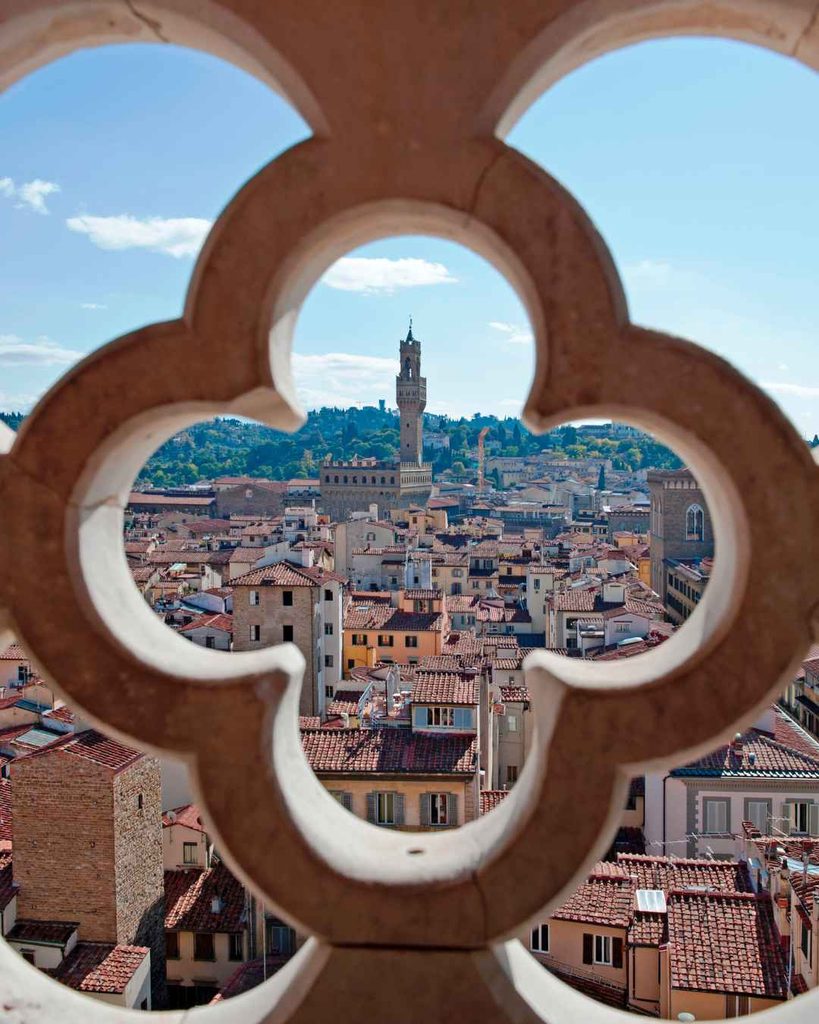
Climb the Duomo or Giotto’s Bell Tower for the best views in the city. Book the dome climb in advance, because it sells out. Visit the churches, which are free and often contain masterpieces that would be the highlight of a museum.
Eat the bistecca alla fiorentina at least once. It is a Florentine tradition, and it is worth the expense. Try the gelato at a gelateria that makes its own gelato, and avoid the places with brightly colored displays.
Related Post: The best day trips to do from Florence.
Venice vs. Florence: Which Should You Visit First?
There is no single answer to this question. Venice and Florence are both magical, but they offer different kinds of magic.
Venice is the more magical city in terms of atmosphere. It is a place that feels like nowhere else on earth, a city of water and dreams. It is the place to go if you want romance, if you want to be surprised, if you want an experience that you cannot have anywhere else.
Florence is the more magical city in terms of art and history. It is the place where the Renaissance began, and it contains more masterpieces per square meter than any other city in the world. It is the place to go if you love painting, sculpture, and architecture, and if you want to understand the roots of Western civilization.
If you have to choose one, the choice depends on what you value most. If you want atmosphere and uniqueness, choose Venice. If you want art and history, choose Florence.
But the best answer might be to visit both. The two cities are connected by a high-speed train that takes about two hours, and they are close enough to combine in a single trip. Spend a few days in Venice, experiencing the canals and the quiet evenings.
Then take the train to Florence, where you can see the David and the Birth of Venus and eat the best steak of your life. You will get the best of both worlds, and you will understand why these two cities have been drawing travelers for centuries.
A Final Thought
The question of which city is more magical is ultimately a question about what you are looking for. Venice is magical in the way that a dream is magical. It is strange, beautiful, and impossible. Florence is magical in the way that a masterpiece is magical. It is profound, inspiring, and unforgettable.
Both are worth visiting. Both will stay with you. And both will make you understand why Italy is the most beloved country in the world.
Again, feel free to go through the list below of my Italy recommendations that I have crafted after years of travel to this beautiful country:
- Packing List: Things Not to Go to Italy Without
- Must-Do Things: Unforgettable Experiences
- Where to Stay: Best Hotels in Italy.
- Where to Stay in Rome: Rome’s Best Neighborhoods
- Where to Stay in Florence: Picking the Best Area
- Where to Stay in Venice: Venice’s Best Districts
- Italy’s Cobblestone Streets: Best Shoes For the Job
- Backpack or Suitcase?: Italy Luggage Guide
- Travel Insurance: Always Be Covered
- E-Sim: Be Connected At All Times