
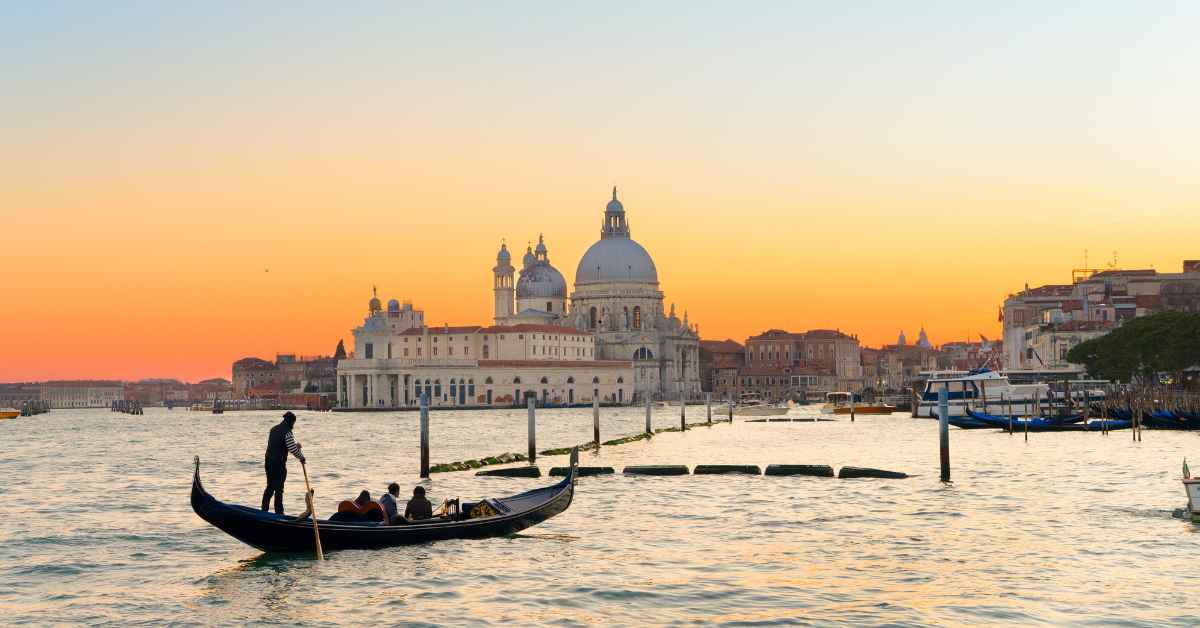
Venice is not a city that reveals itself easily. The first-time visitor arrives at the train station or the Piazzale Roma, steps out into a world of water and stone, and realizes that the rules are different here. There are no cars. There are no straight lines.
The streets are narrow, the canals are everywhere, and the bridges have steps that will make you regret every unnecessary item in your luggage. The question of where to stay becomes more than a question of comfort.
It becomes a question of how much of Venice you actually want to experience, and how much of it you want to spend walking to and from your hotel.
This article is for travelers who want to be close to everything. Not just close to the famous sights, but close to the rhythm of the city, close to the restaurants and cafes that locals use, close to the vaporetto stops that connect you to the rest of the lagoon.
It covers the neighborhoods that make this possible, the hotels within them that are worth your money, and the practical realities of moving around a city built on water.
Before you read further, remember that Italy rewards travelers who come prepared. I’ve found a few things especially useful on an Italy trip, and they’re worth having and/or knowing beforehand. See the checklist here
Venice’s Outlook
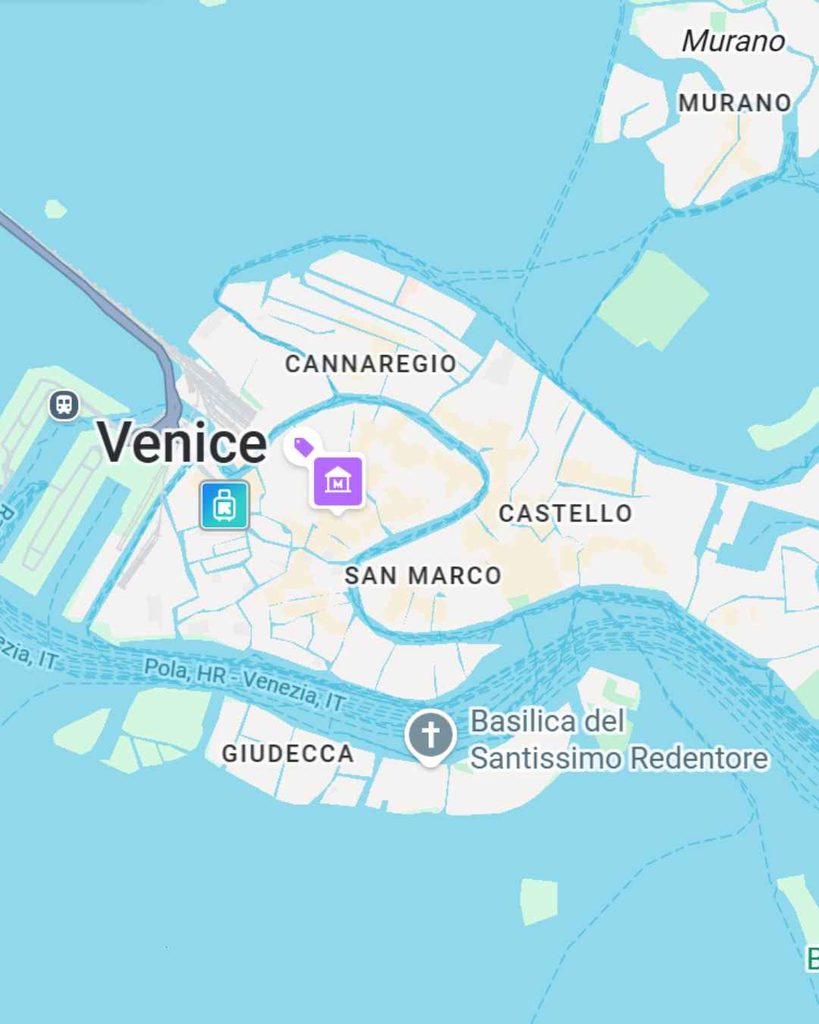
Before you can choose a neighborhood, you need to understand how Venice is laid out. The historic center is divided into six sestieri, or districts, each with its own character and its own relationship to the major attractions.
San Marco is the heart of the tourist Venice. It contains Piazza San Marco, the Basilica, the Doge’s Palace, and the Campanile. It is the most famous part of the city, and it is also the most crowded. Staying here means you are steps from the icons, but it also means you are in the middle of the crush from morning until evening.
San Polo is the smallest sestiere, and it contains the Rialto Bridge and the Rialto Market. It is more residential than San Marco, with a mix of locals and visitors, and it is within easy walking distance of both the Rialto and Piazza San Marco. The market is one of the best places in the city to buy fresh produce, fish, and spices.
Dorsoduro sits on the southern side of the Grand Canal, across from San Marco. It is home to the Peggy Guggenheim Collection, the Gallerie dell’Accademia, and the Basilica di Santa Maria della Salute. It is quieter than San Marco and San Polo, with a more residential feel, and it has a concentration of good restaurants and bars.
Cannaregio is the northernmost sestiere, stretching from the train station to the Jewish Ghetto. It is the most residential of the central districts, with affordable restaurants, local shops, and a relaxed atmosphere. It is convenient for travelers arriving by train, and it is within walking distance of the Rialto and San Marco.
Castello occupies the eastern part of the city, stretching from San Marco to the Arsenale. It is home to the Biennale, the Giardini, and the Arsenale, and it has a mix of residential streets and quiet canals. It is less crowded than San Marco, but still close to the major sights.
Santa Croce and San Giacomo dell’Orio sit on the western side of the city, near the Piazzale Roma and the train station. This area is convenient for arrivals and departures, but it is further from the major attractions.
The key insight for travelers who want to be close to everything is that Venice is smaller than it looks. The entire historic center is walkable, and the vaporetto system connects the major points quickly.
The difference between staying in San Marco and staying in Cannaregio is often just a fifteen-minute walk, but that walk can change the entire feel of your trip.
San Marco
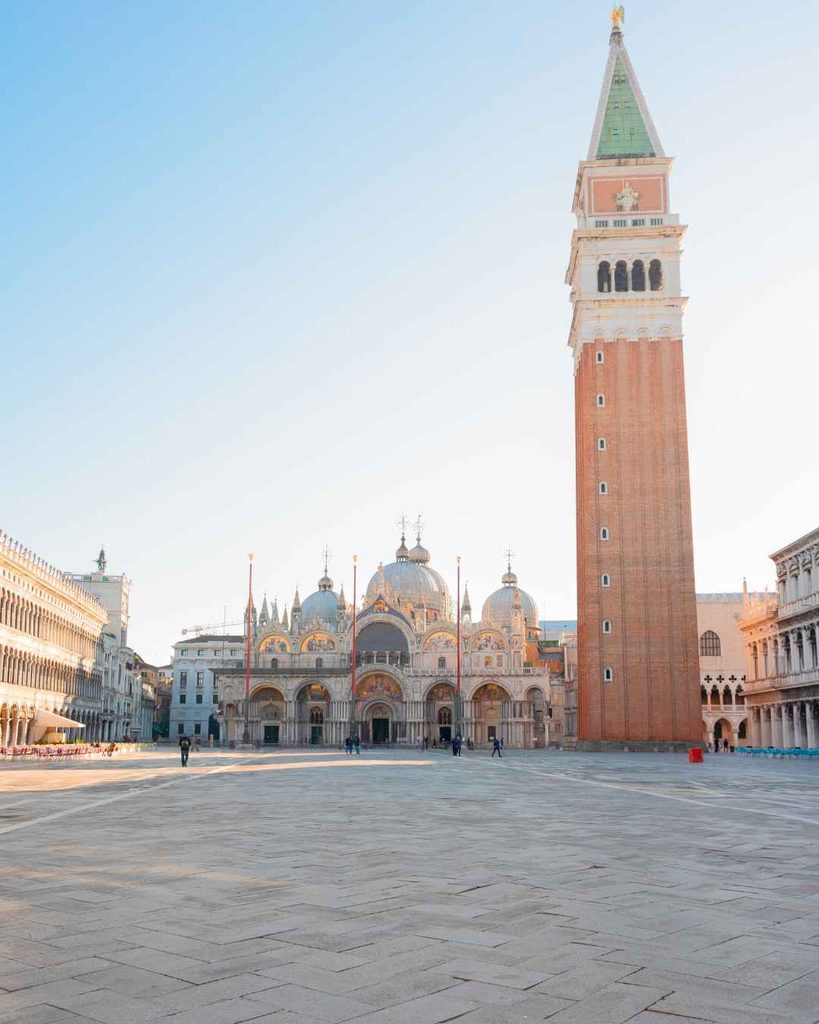
San Marco is the most central neighborhood in Venice. It contains the city’s most famous landmarks, and it is within walking distance of almost everything else. If your priority is being steps from the Basilica, the Doge’s Palace, and the Campanile, San Marco is the obvious choice.
The downside of San Marco is the crowds. This is the most visited part of Venice, and during the day it can feel overwhelming. The streets around Piazza San Marco are packed with tour groups, and the restaurants and shops in the area cater almost entirely to visitors.
But the crowds thin out in the evening, and if you stay here, you get to experience Piazza San Marco at its quietest, when the day-trippers have gone and the square belongs to the people who are staying overnight.
Hotel Danieli
The Hotel Danieli is one of the most famous hotels in Venice. It occupies a historic palazzo on the Riva degli Schiavoni, with views across the lagoon to San Giorgio Maggiore.
The building itself is part of the experience, with grand staircases, frescoed ceilings, and a restaurant terrace that overlooks the water. It is expensive, but it is one of those hotels that people remember for the rest of their lives.
Nolinski Venezia
The Nolinski Venezia is a more modern option, located in a restored palazzo near Piazza San Marco. It has a peaceful courtyard restaurant, a library bar with live piano music, and an indoor rooftop pool.
It is intimate and stylish, with a design-forward aesthetic that sets it apart from the more traditional hotels in the area.
Hotel Dona Palace
The Hotel Dona Palace is set in a fourteenth-century palazzo beside the Bridge of Sighs. It offers great value for its location, with a private water taxi dock that lets you arrive and depart by boat.
The rooms are comfortable and traditionally decorated, and the location is hard to beat for exploring San Marco and the surrounding area.
Hotel Orion
The Hotel Orion is a budget-friendly option just fifty meters from Piazza San Marco. The rooms are simple but comfortable, decorated in a traditional Venetian style with exposed-beam ceilings and tiled floors.
There is a continental breakfast available for an additional charge, and the 24-hour reception is helpful for travelers arriving late. It is one of the best-value options in the San Marco area.
San Polo and the Rialto
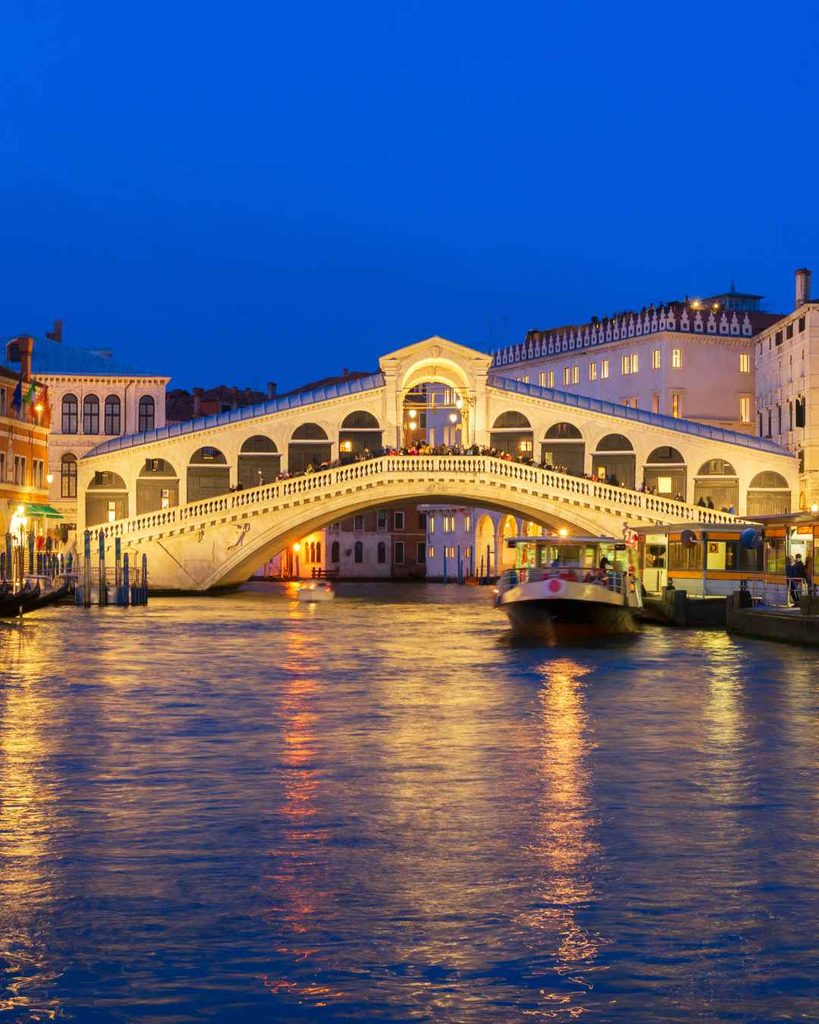
San Polo is the smallest sestiere, and it contains the Rialto Bridge and the Rialto Market. It is more residential than San Marco, with a mix of locals and visitors, and it is within easy walking distance of both the Rialto and Piazza San Marco. The market is one of the best places in the city to buy fresh produce, fish, and spices.
Staying in San Polo means you are close to the Rialto Bridge, which is one of the most famous sights in Venice, but you are also close to the quieter streets behind the market, where locals do their shopping and where the restaurants are more affordable and more authentic.
H10 Palazzo Canova
The H10 Palazzo Canova is a four-star hotel on the Grand Canal, with a terrace and a bar. The rooms are modern and comfortable, and the breakfast is generous. The location is excellent for exploring the Rialto area, and the hotel is within walking distance of San Marco.
Rialto Suite 707
Rialto Suite 707 is a small hotel just two minutes from the Rialto Bridge. The rooms have air conditioning and free Wi-Fi, and the location is ideal for travelers who want to be in the middle of the action. It is a good choice for couples and solo travelers who want a central base without the crowds of San Marco.
Hotel Casa W
Hotel Casa W is a boutique hotel near the Basilica dei Frari, one of the most important churches in Venice. It has a garden, a bar, and allergy-free rooms. The design is modern and stylish, and the location is quiet but still within walking distance of the Rialto and San Marco. The breakfast is excellent, with fresh orange juice and coffee prepared to order.
Ca’ San Rocco
Ca’ San Rocco is a small hotel in a quiet area, just five minutes on foot from both the train station and the bus terminus at Piazzale Roma. It is a good choice for travelers arriving by train or bus, and it is within walking distance of the Rialto and San Marco. The breakfast is simple but fresh, and the staff are helpful.
Dorsoduro
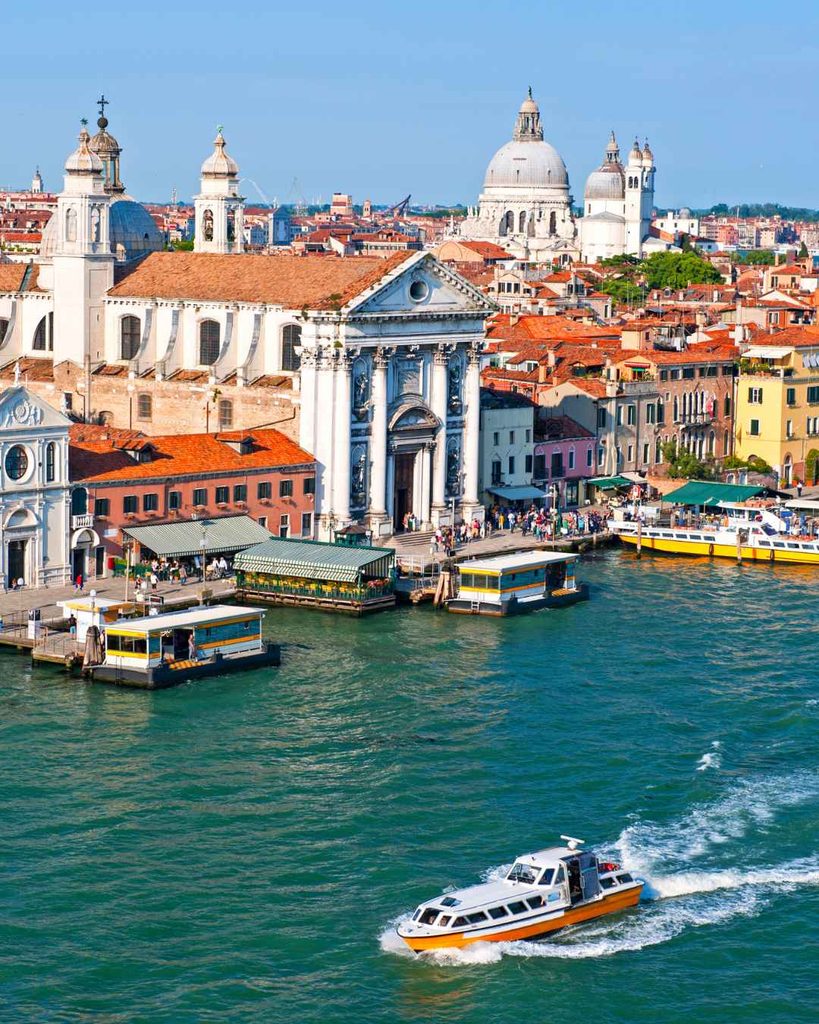
Dorsoduro sits on the southern side of the Grand Canal, across from San Marco. It is home to the Peggy Guggenheim Collection, the Gallerie dell’Accademia, and the Basilica di Santa Maria della Salute. It is quieter than San Marco and San Polo, with a more residential feel, and it has a concentration of good restaurants and bars.
Staying in Dorsoduro means you are close to the Accademia Bridge, which connects you to San Marco, and you are close to the Zattere, the waterfront promenade that runs along the Giudecca Canal.
The neighborhood has a relaxed atmosphere, and it is popular with travelers who want a quieter base without sacrificing convenience.
Ca’ Maria Adele
Ca’ Maria Adele is a romantic hotel hidden next to the Basilica di Santa Maria della Salute. Each room is decorated with velvet furnishings and Murano glass chandeliers, and many have windows or balconies facing the canals. It is one of the most romantic hotels in Venice, and it is a popular choice for honeymooners.
Locanda Ca’ Zose
Locanda Ca’ Zose is a small hotel in Dorsoduro, within a fifteen-minute walk of the Doge’s Palace and St. Mark’s Basilica. It is close to the Peggy Guggenheim Collection and the Basilica di Santa Maria della Salute. The rooms are comfortable and traditionally decorated, and the buffet breakfast is available for a small fee.
Hotel Agli Alboretti
Hotel Agli Alboretti is a comfortable hotel in Dorsoduro, a one-minute walk from the Accademia Bridge and the Accademia vaporetto stop. It is about a five-minute walk from the Zattere waterfront and about twenty minutes from Piazza San Marco. The rooms are spacious, and there are numerous good restaurants nearby.
Pensione Accademia
Pensione Accademia is a family-run hotel set in a traditional seventeenth-century villa with beautiful gardens and antique furniture. It is a budget-friendly boutique option that offers a genuine Venetian experience. The location is quiet and convenient, within walking distance of the Accademia and the Zattere.
Cannaregio
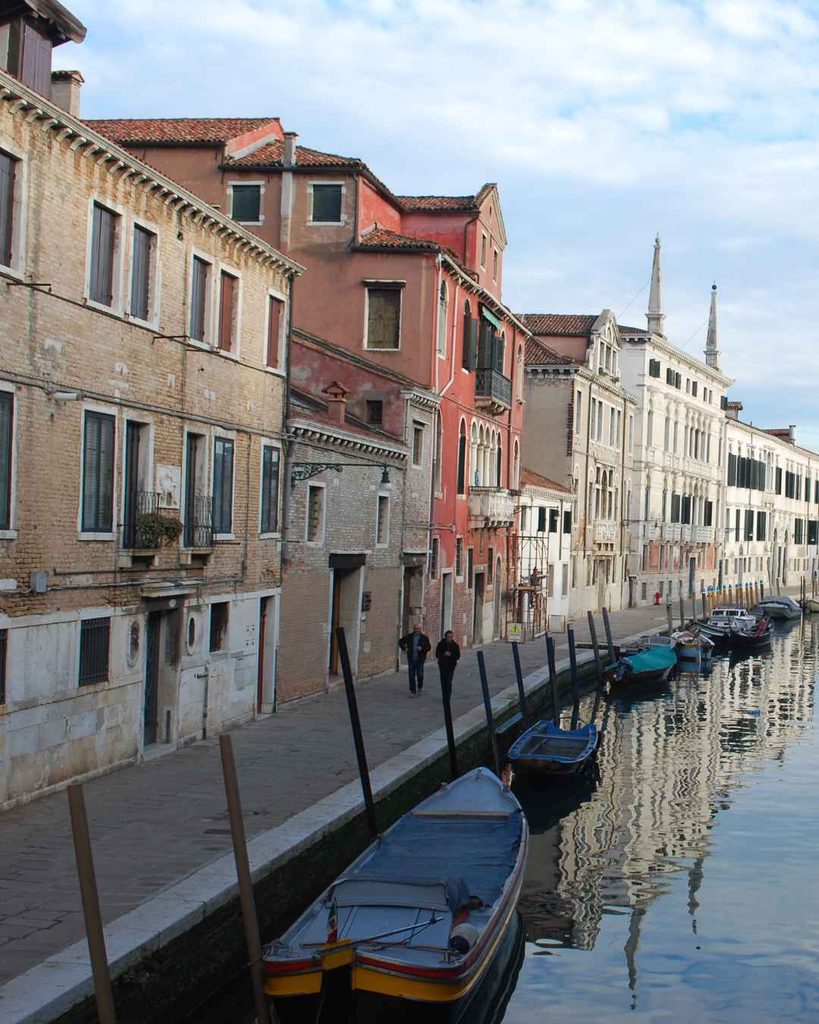
Cannaregio is the northernmost sestiere, stretching from the train station to the Jewish Ghetto. It is the most residential of the central districts, with affordable restaurants, local shops, and a relaxed atmosphere. It is convenient for travelers arriving by train, and it is within walking distance of the Rialto and San Marco.
Staying in Cannaregio means you are close to the train station, which is a significant advantage if you are arriving or departing by rail. It also means you are close to the Jewish Ghetto, one of the most historically significant areas in Venice, and to the Strada Nova, the main pedestrian street that runs from the station to the Rialto.
Carnival Palace
Carnival Palace is a modern hotel in the Jewish Ghetto area, just thirty feet from the Tre Archi vaporetto stop. The rooms are ultra-modern, with hardwood floors and free Wi-Fi. It is a good choice for travelers who want a quiet location with easy access to the rest of the city.
Alloggi Santa Sofia
Alloggi Santa Sofia is a small hotel in the Cannaregio district, just a few minutes from the Grand Canal and the Ca’ d’Oro vaporetto stop. The rooms are simply furnished but comfortable, and the location is convenient for exploring the northern part of the city. The breakfast has variety, and the staff are friendly.
Radisson Collection Hotel, Palazzo Nani Venice
The Radisson Collection Hotel is a more upscale option in Cannaregio, with a fitness center, a garden, a restaurant, and a bar. The rooms are classic but modern, and the staff are knowledgeable and helpful. It is about twenty minutes from the main attractions, but it has a vaporetto stop nearby for easy access.
Hotel Giorgione
Hotel Giorgione is a four-star hotel in an eighteenth-century building in central Venice. It has two-bedroom suites and family-friendly amenities, including a billiards table and a courtyard pool. The Rialto Bridge is about a fifteen-minute walk away. It is a good choice for families who want space and comfort.
Castello
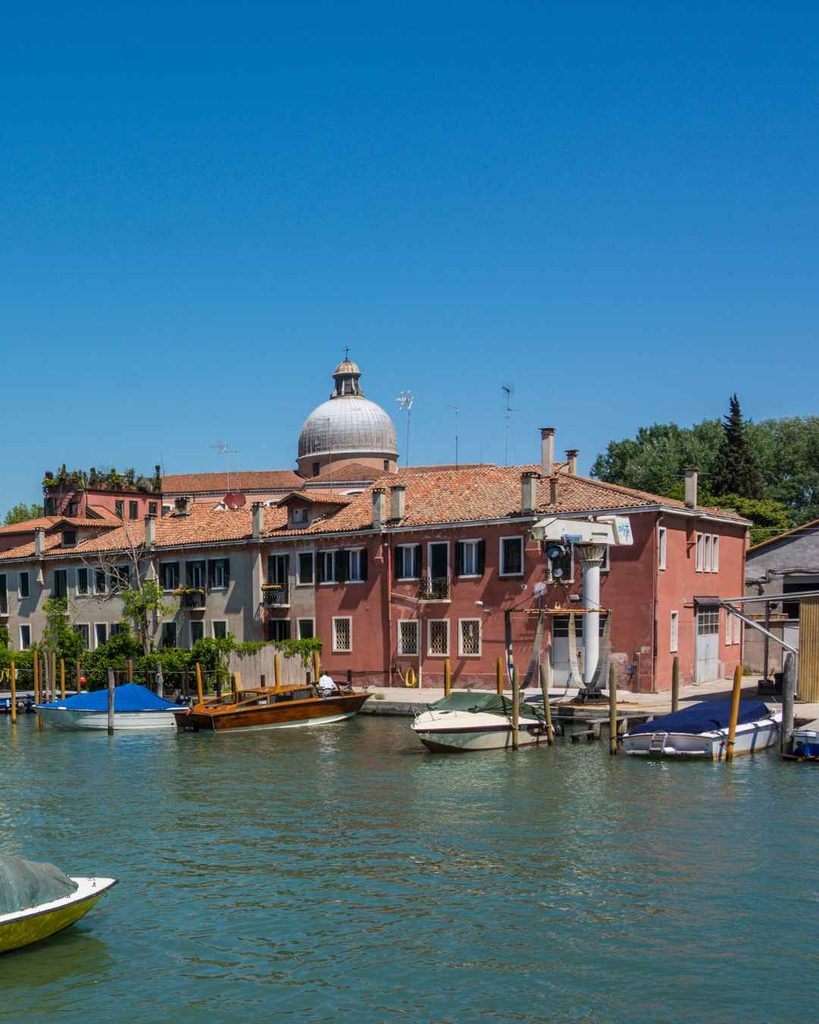
Castello occupies the eastern part of the city, stretching from San Marco to the Arsenale. It is home to the Biennale, the Giardini, and the Arsenale, and it has a mix of residential streets and quiet canals. It is less crowded than San Marco, but still close to the major sights.
Staying in Castello means you are close to the Biennale and the Giardini, and you are within walking distance of San Marco. The neighborhood has a local feel, with affordable restaurants and quiet squares.
Londra Palace Venezia
The Londra Palace Venezia is a historic hotel on the Riva degli Schiavoni, with views across the lagoon. It has been a magnet for writers, artists, and intellectuals for generations. The rooms are elegant, and the location is perfect for exploring Castello and San Marco.
Hotel Metropole Venezia
Hotel Metropole Venezia is a luxurious hotel with eclectic art and original antique furniture. It is housed in a historic building, and it has a reputation for being one of the most unique hotels in Venice. The location is quiet but convenient, within walking distance of San Marco.
Palazzo Vitturi
Palazzo Vitturi is a more affordable option in Castello, housed in a thirteenth-century Byzantine palace with Murano chandeliers and frescoed ceilings. It is a good choice for travelers who want a historic setting without the luxury price tag.
Santa Croce and San Giacomo dell’Orio
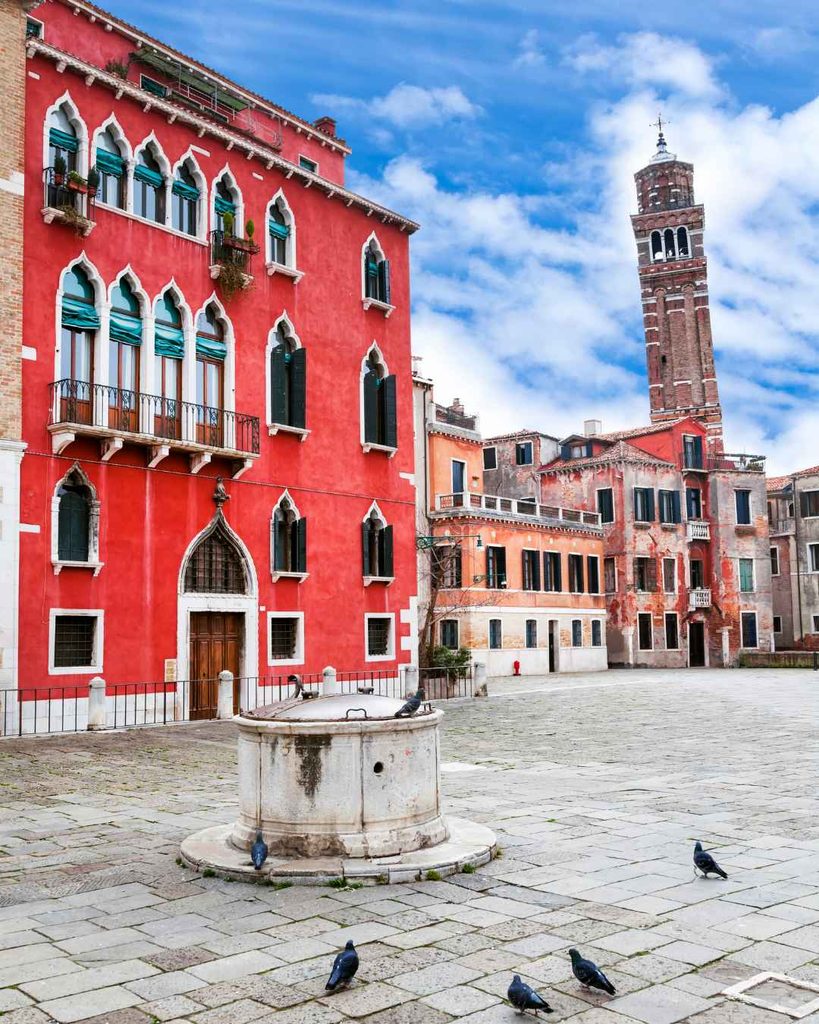
Santa Croce and San Giacomo dell’Orio sit on the western side of the city, near the Piazzale Roma and the train station. This area is convenient for arrivals and departures, but it is further from the major attractions. It is a good choice for travelers who are arriving late or departing early, or who want a quieter base with easy access to transport.
Hotel Al Ponte Antico
Hotel Al Ponte Antico is a small luxury hotel in a palazzo right on the Grand Canal. It has rave reviews for its hospitality, and the suite on the Grand Canal is a unique Venice experience. It is a good choice for travelers who want a special stay with easy access to the train station.
Ca’ Angeli
Ca’ Angeli is a small hotel with views over the Grand Canal from its lounge and breakfast room. The Rialto Bridge is nearby, and it is about a ten-minute walk to the train station. It is a good value option for travelers who want a canal view without the luxury price.
What to Consider When Choosing
The most important thing to consider when choosing where to stay in Venice is how much walking you are willing to do. Venice is a walking city, and the bridges have steps.
If you have heavy luggage, you will want to minimize the number of bridges you cross. If you have mobility issues, you will want to stay close to a vaporetto stop.
The second thing to consider is how much you value quiet. San Marco and San Polo are the most central, but they are also the most crowded. Dorsoduro, Cannaregio, and Castello are quieter, but they require a longer walk to reach the major sights.
The third thing to consider is your budget. Venice is expensive, and hotels in San Marco are the most expensive of all. Cannaregio and Santa Croce offer better value, and Dorsoduro has a range of options from budget to luxury.
The fourth thing to consider is how you are arriving. If you are arriving by train, Cannaregio and Santa Croce are the most convenient. If you are arriving by water taxi, any neighborhood works, but San Marco and Dorsoduro have the most docks.
To Conclude
Venice is a city that rewards travelers who choose their base carefully. The right neighborhood can make the difference between a trip that feels effortless and one that feels like a constant struggle with crowds and logistics. The wrong neighborhood can leave you exhausted before you even start exploring.
If you want to be in the middle of everything, San Marco is the obvious choice. If you want a quieter base that is still close to the action, Dorsoduro and Cannaregio are excellent options.
If you are arriving by train, Cannaregio and Santa Croce are the most convenient. If you want a romantic escape, Dorsoduro is the most intimate.
Whichever neighborhood you choose, the important thing is to accept that Venice is a city to be explored on foot. The bridges, the canals, the narrow streets, and the hidden squares are all part of the experience.
Choose a base that lets you enjoy that experience without feeling like you are fighting it. Then put on comfortable shoes, leave the luggage at the hotel, and get lost. That is when Venice reveals itself.
Again, feel free to go through the list below of my Italy recommendations that I have crafted after years of travel to this beautiful country:
- Packing List: Things Not to Go to Italy Without
- Must-Do Things: Unforgettable Experiences
- Where to Stay: Best Hotels in Italy.
- Where to Stay in Rome: Rome’s Best Neighborhoods
- Where to Stay in Florence: Picking the Best Area
- Where to Stay in Venice: Venice’s Best Districts
- Italy’s Cobblestone Streets: Best Shoes For the Job
- Backpack or Suitcase?: Italy Luggage Guide
- Travel Insurance: Always Be Covered
- E-Sim: Be Connected At All Times