
You have probably already read the packing lists. The ones that tell you to bring a universal adapter, comfortable shoes, and a scarf. They are useful. But they leave out the other half of the equation.
Most travelers overpack for Italy. Not because they are careless, but because they are anxious. They worry about the weather, about looking underdressed, about needing something they cannot find. So they pack for every possibility, and they end up carrying a bag that is heavier than it needs to be.
Every unnecessary item you pack is weight you carry up train station stairs. It is space you lose in a small hotel room. It is attention you draw as a tourist who packed for a different kind of trip.
The things you bring to Italy matter. But the things you leave behind matter just as much. This article is about what to leave at home.
Before you read further, remember that Italy rewards travelers who come prepared. I’ve found a few things especially useful on an Italy trip, and they’re worth having and/or knowing beforehand. See the checklist here
Why Packing Light Matters
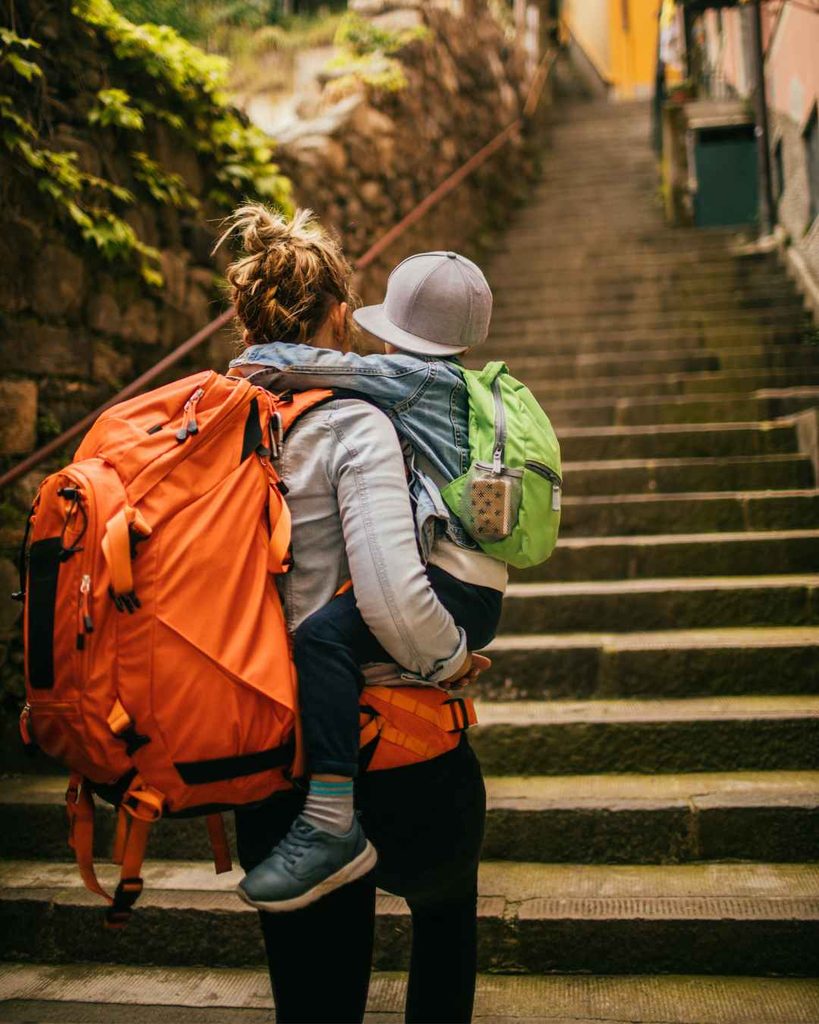
Italy is not a country that rewards heavy luggage. The historic centers are paved with cobblestones that punish rolling suitcases. The train stations have stairs that require you to lift your bag.
The hotels are often in buildings that predate elevators. The streets are narrow, the bridges have steps, and the vaporettos in Venice are crowded with people who will not appreciate your oversized suitcase.
Beyond the logistics, there is a simple fact. You will enjoy your trip more if you are not managing a heavy bag. The less you carry, the more freely you can move.
The more freely you move, the more you see. The more you see, the better your trip. The goal is not to travel with nothing. The goal is to travel with only what you need.
That means leaving behind the things that seem useful but are not. It means leaving behind the things that are easier to buy in Italy than to pack. It means leaving behind the things that do not fit the climate or the culture.
Clothing You Should Leave at Home
Athletic Wear
Athletic wear is fine for the gym, but it stands out in Italian cities. Yoga pants, running shorts, gym leggings, and athletic tops are not what people wear to walk around town.
If you want to blend in, choose casual clothing that is comfortable but not athletic. This is not about judgment. It is about practicality. When you dress like you are heading to the gym, you are treated like a tourist.
When you dress reasonably well, you are treated better. The difference is small but real. Leave the athletic wear at home.
High Heels
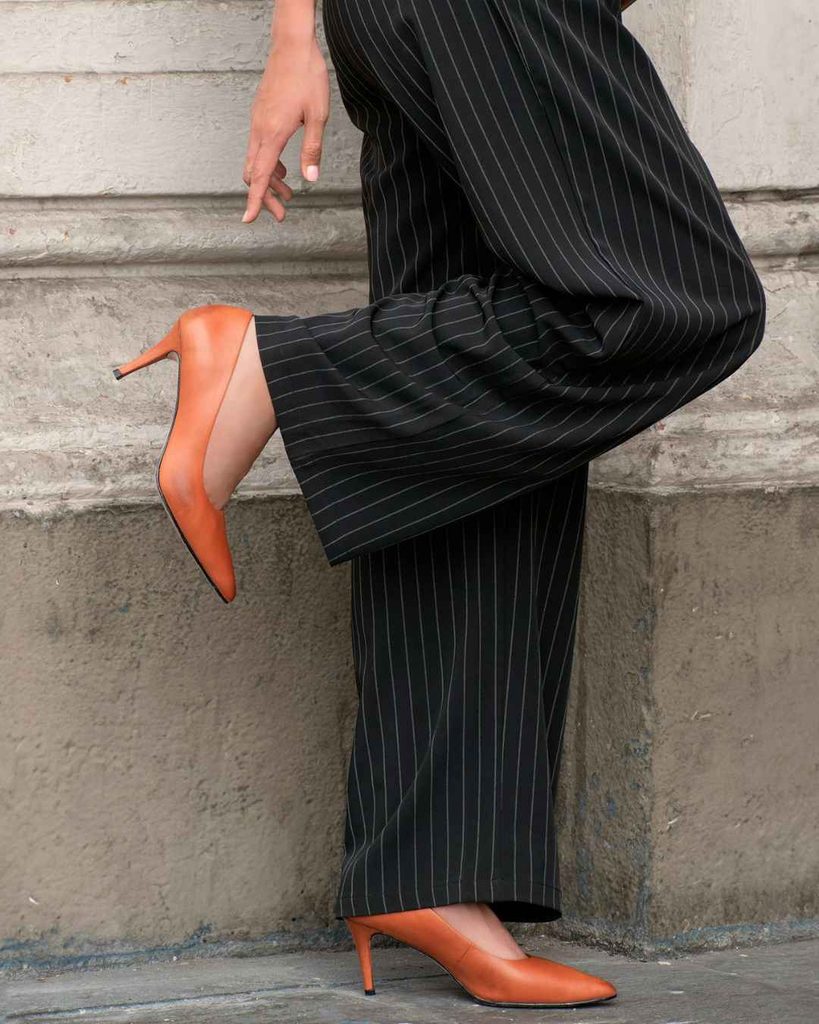
Cobblestones and high heels do not mix. I have watched women in Rome hobble across the sampietrini, clutching a companion’s arm for balance. It is not a good look, and it is not comfortable.
High heels are dangerous on uneven stone. They are uncomfortable for any distance. If you want to dress up for dinner, bring a comfortable pair of flats or low heels instead.
Your feet will thank you, and you will enjoy your trip more. Leave the high heels at home.
Brand-New Shoes
This is the single most common mistake travelers make. New shoes, no matter how comfortable they feel in the store, will cause blisters when you walk ten miles a day.
Bring shoes you have already broken in. If you buy new shoes for the trip, wear them around the house and on short walks for at least a week before you leave.
The break-in period is not optional. It is essential. Your feet need time to adjust to the shoes, and the shoes need time to adjust to your feet. Leave the brand-new shoes at home.
Too Much Denim
Denim is acceptable in Italy, but head-to-toe denim looks distinctly American. A denim jacket over a dress is fine. Jeans with a denim shirt are not.
Mix denim with other fabrics to create a more balanced look. A pair of dark jeans with a linen shirt is a good combination. A denim jacket with chinos is another.
The goal is to look like you made an effort, not like you are wearing a uniform. Leave the double denim at home.
Heavy Jackets
Unless you are traveling in the dead of winter, a heavy jacket is usually unnecessary. Italy’s climate is milder than many travelers expect.
A heavy jacket is bulky and difficult to pack. It takes up space in your suitcase and adds weight to your shoulders. A lightweight layer that you can add or remove is more versatile.
Bring a packable jacket instead. It will keep you warm when you need it and take up almost no space when you do not. Leave the heavy jacket at home.
The Formal Outfit You Might Need
Many travelers pack a formal outfit just in case they go somewhere nice. In practice, most trips do not include a formal event.
The outfit takes up space that could be used for something else. Unless you have a specific reservation at a Michelin-starred restaurant or an event that requires formal dress, leave it at home.
A smart-casual outfit is enough for almost every situation. A nice dress or a button-down shirt with trousers will work for any restaurant you are likely to visit. Leave the formal outfit at home.
Clothes You Are Saving for a Special Occasion
If you have not worn it in the last year, you will not wear it in Italy. This is a simple rule, and it is almost always true.
The clothes you are saving for a special occasion are not the clothes you will reach for when you are packing. You will reach for the things you wear all the time. Leave the special-occasion clothes at home.
Revealing Clothing
Italy is a modest country in many ways. Revealing clothing can attract unwanted attention. If you plan to visit churches, cover your shoulders and knees.
If you do not, you will be turned away at the door. Many churches enforce dress codes, and they are stricter than you might expect. A scarf can cover your shoulders, but knees require actual coverage.
Bring clothing that covers you appropriately. Leave the revealing clothing at home.
Loud Logos and Branding
Clothes with large logos or brand names can make you look like a tourist. Choose understated pieces that do not advertise anything.
This is not just about style. It is about safety. Flashy clothing can make you a target for pickpockets. The less attention you draw, the safer you are.
Leave the loud logos at home. Choose neutral colors and simple designs.
Footwear You Should Leave at Home
Flip-Flops
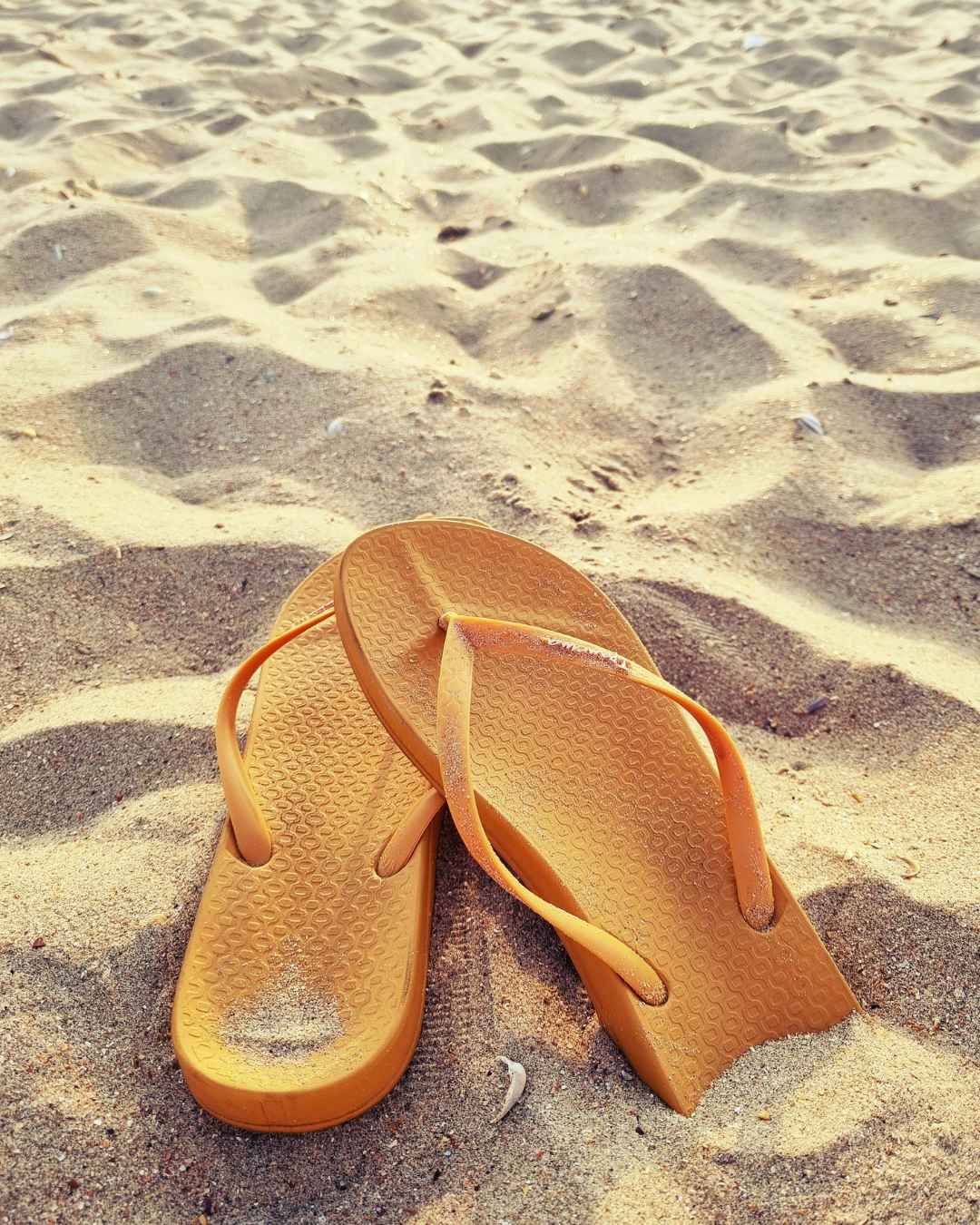
Flip-flops are fine for the beach or the hotel. They offer no support and no protection. On cobblestones, they are uncomfortable and dangerous.
If you want sandals, choose a pair with secure straps and supportive footbeds. Teva, Birkenstock, and Keen all make excellent options. Read more about the appropriate sandals to bring to Italy in this post.
They will keep your feet cool, and they will protect you from the uneven surfaces. Leave the flip-flops at home.
Shoes You Have Not Worn in Years
If you have not worn a pair of shoes recently, they will hurt. Bring shoes that your feet are accustomed to.
Old shoes can also fall apart at the worst possible moment. The sole can separate, the stitching can fail, and you can end up walking barefoot through a piazza.
Check your shoes before you pack them. If they are worn out, leave them at home.
Shoes That Are Almost Comfortable
If a shoe rubs slightly in the store, it will rub badly after six hours of walking. This is a rule that has never failed me.
The slight rub becomes a blister. The blister becomes a wound. The wound becomes an infection if you are not careful. Leave the almost-comfortable shoes at home.
Multiple Pairs of Shoes
You do not need four pairs of shoes for a two-week trip. Two pairs, plus maybe a third for evenings, are plenty.
Shoes are the heaviest and bulkiest items in most bags. The fewer you bring, the lighter your bag. The lighter your bag, the easier your trip.
Choose your shoes carefully. Bring the ones that are comfortable, versatile, and broken in. Leave the rest at home.
Electronics You Should Leave at Home
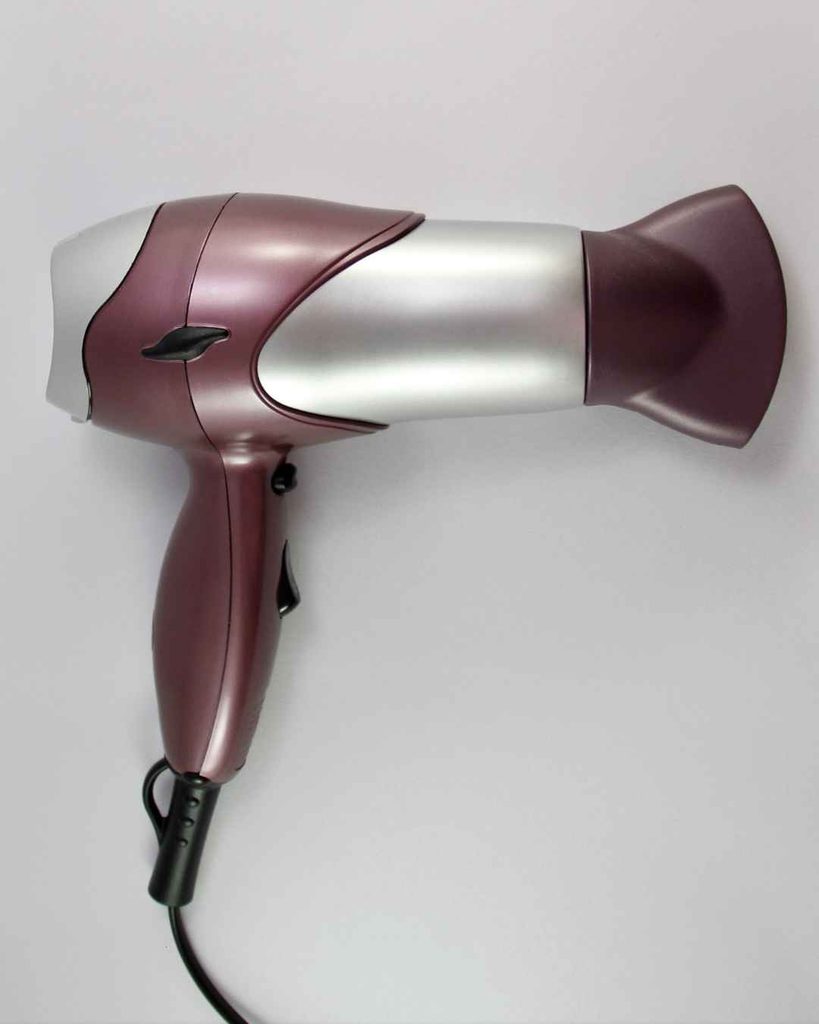
Hair Dryers
Most hotels in Italy provide hair dryers. If they do not, you can buy one in Italy for less than the cost of a voltage converter.
A full-sized hair dryer is bulky, heavy, and likely to burn out when plugged into a 220-volt socket with only an adapter. The voltage difference is not something you can ignore.
Leave the hair dryer at home. Use the one at the hotel, or buy one when you arrive.
Flat Irons and Curling Irons
The same logic applies to styling tools. Most hotels do not provide them, but they are widely available in Italy.
If you must bring yours, check the voltage. Most are not dual-voltage. Plugging a 110-volt appliance into a 220-volt socket can cause a fire.
Leave the styling tools at home. Buy them in Italy if you need them.
Multiple Chargers
You do not need a separate charger for every device. Bring one or two chargers that can handle multiple devices.
A multi-port USB charger is a good alternative to a bag full of individual chargers. It takes up less space and weighs less.
Leave the extra chargers at home. Bring one good one.
Laptops
Unless you are traveling for work or need a laptop for a specific purpose, leave it at home. A laptop is heavy, valuable, and a target for theft.
Your phone is enough for most travel needs. You can check email, browse the web, and take photos. You do not need a laptop for a vacation.
Leave the laptop at home. Enjoy the break from the screen.
Drones
Italy has strict regulations on drone use. Many areas, including historic centers and archaeological sites, are off-limits.
Leave the drone at home unless you have checked the regulations and obtained any necessary permits. The fines for illegal drone use can be substantial.
Even if you have a permit, the drone is bulky and fragile. It is one more thing to carry and one more thing to worry about. Leave it at home.
Travel Irons
Most hotels do not allow travel irons, and they are a fire hazard. If you need to iron something, ask the hotel.
They will usually provide an iron and an ironing board. If they do not, you can send your clothes out for pressing.
Leave the travel iron at home. It is not worth the risk.
Toiletries You Should Leave at Home
Full-Sized Toiletries
Full-sized toiletries are heavy and take up space. Transfer your shampoo, conditioner, and body wash into small travel bottles.
Or buy them in Italy. Italian pharmacies and supermarkets sell everything you need. The brands are different, but the products are the same.
Leave the full-sized toiletries at home. Travel light.
Full-Sized Towels
You do not need a full-sized towel. Hotels provide towels. If you are staying in a hostel or apartment, a quick-drying travel towel is a better choice.
A travel towel takes up less space and dries faster. It is also lighter. Leave the cotton towel at home.
More Than 100 Milliliters of Liquid
If you are flying with carry-on only, remember that liquids must be in containers of 100 milliliters or less. This is a rule that is enforced strictly.
Leave the full-sized bottles at home, or plan to check a bag. If you are checking a bag, you can bring larger bottles, but you still do not need them.
Buy what you need in Italy. It is easier and lighter.
Travel Gear You Should Leave at Home
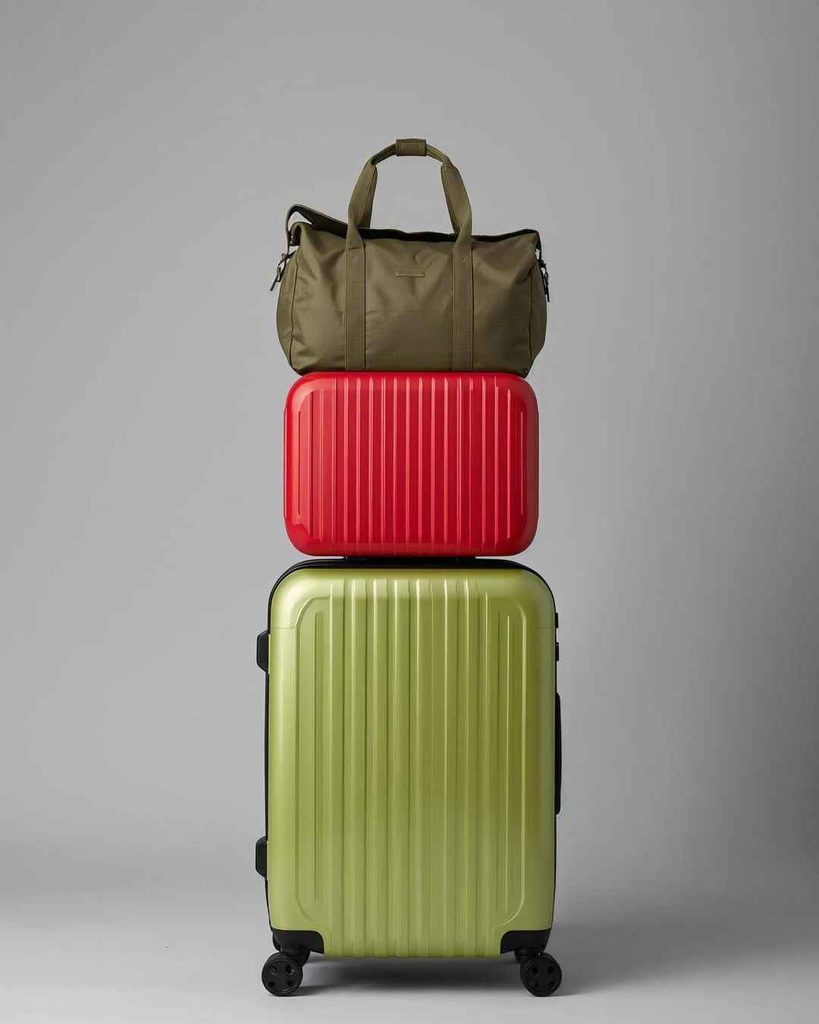
Large Backpacks and Suitcases
A large backpack or suitcase is difficult to manage in Italy. The streets are narrow, the trains are crowded, and the stairs are everywhere.
A carry-on-sized bag is easier to handle and less likely to be a burden. It fits in overhead racks, it is easier to lift, and it does not slow you down.
Leave the large bag at home. Travel with a carry-on.
Multiple Security Accessories
You do not need a money belt, a neck wallet, and a hidden pouch. One secure crossbody bag and one hidden pouch for your passport and backup cards is enough.
Too many security accessories make it harder to find what you need. They also make you look anxious, which is not a good look.
Choose one system that works for you. Leave the rest at home.
Bulky Guidebooks
A bulky guidebook is heavy and outdated the moment it is printed. Download offline maps and use your phone for restaurant recommendations.
If you want a paper backup, bring a small map of the city you are visiting. It will be lighter and more useful.
Leave the bulky guidebook at home. Travel with your phone.
Multiple Adapters
You do not need a universal adapter for every device. One adapter with multiple USB ports is enough for most travelers.
It will charge your phone, your tablet, and your camera. It takes up less space and weighs less.
Leave the extra adapters at home. Bring one good one.
Things That Are Easier to Buy in Italy
Some items are easier to buy in Italy than to pack. Sunscreen, insect repellent, shampoo, and other toiletries are widely available.
Umbrellas are sold everywhere, and they are often better quality than the compact ones you bring from home. If you forget something, you can almost always find it in Italy.
The exception is prescription medication. Bring enough for your entire trip, plus a few extra days in case of delays.
Keep medications in their original containers with the prescription label visible. This is important for customs and for your own safety.
Must-Bring Items for Italy
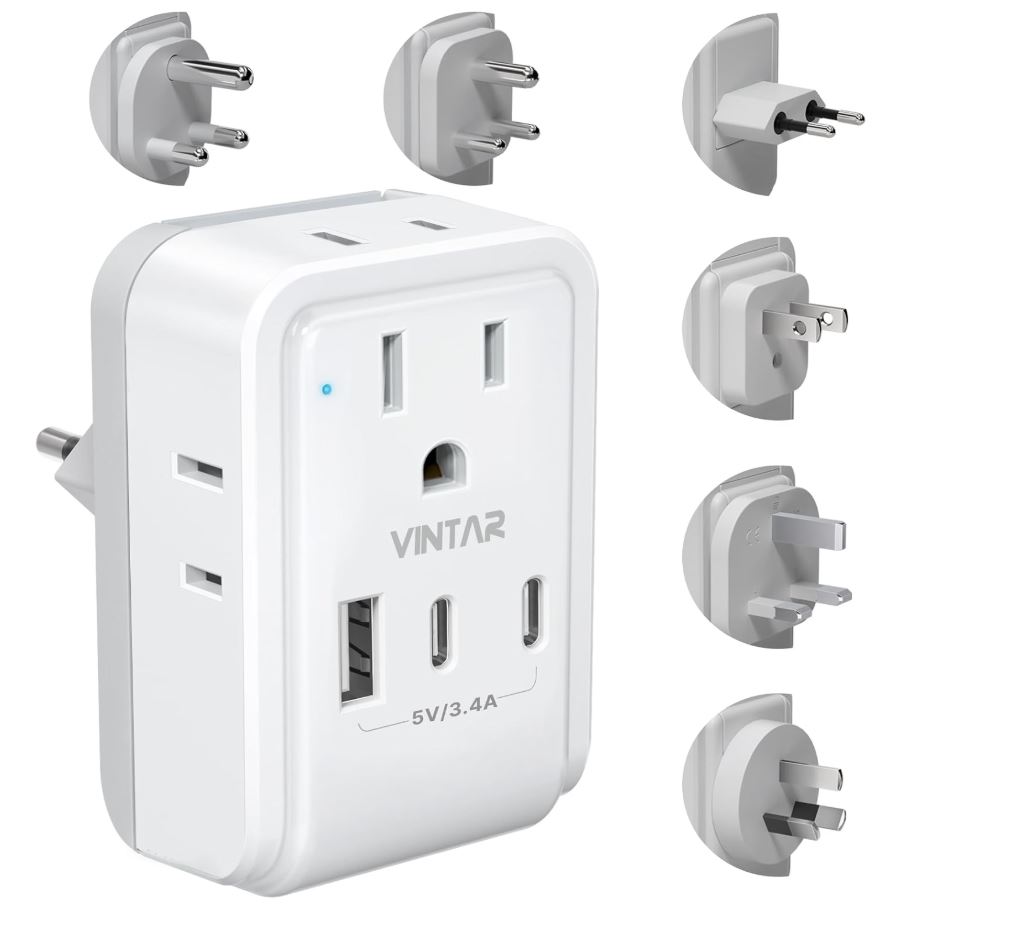
Now that we have covered what to leave behind, here is a short list of the things you should definitely bring. These are the items that earn their place in your bag.
A universal power adapter with USB ports. Italy uses Type C and Type L plugs and 220 volts. You will need to charge your devices.
Comfortable, broken-in walking shoes. You will walk more than you expect on surfaces that are harder than you expect.
A crossbody bag or money belt. Keep your valuables close to your body in crowded areas.
A portable phone charger. Your phone will be your map, your translator, and your camera. It will run out of battery at the worst possible moment.
A light layer for cool evenings and air-conditioned museums. A scarf, which doubles as a shoulder covering for churches.
A reusable water bottle. Italy has public fountains where you can refill for free.
Any prescription medications you take, plus a copy of your prescription. A photocopy of your passport, kept separate from the original.
A small first-aid kit with bandages, blister patches, and pain relievers. It weighs almost nothing and can save a day of your trip. I have written a packing guide for Italy in a different post. Read it here.
How to Decide What to Leave Behind
The decision about what to leave behind is not always easy. Here are some questions to ask yourself as you pack.
Have I worn this in the last year? If the answer is no, leave it at home. You will not wear it in Italy.
Can I buy this in Italy? If the answer is yes, consider leaving it at home. You can always buy it if you need it.
Is this essential for my trip? If the answer is no, leave it at home. You do not need to pack for every possibility.
Will I regret carrying this? If the answer is yes, leave it at home. The things you carry should make your trip easier, not harder.
Final Thoughts
Packing for Italy is not about bringing everything you might need. It is about bringing the things that will make your trip easier, more comfortable, and more enjoyable.
The right packing list is not the longest one. It is the one that fits your trip, your style, and your needs.
Leave the athletic wear, the high heels, the brand-new shoes, and the heavy jacket at home. Leave the hair dryer, the laptop, and the drone.
Leave the full-sized toiletries and the bulky guidebook. Leave the multiple chargers and the travel iron.
Bring comfortable shoes. Bring layers. Bring a secure bag. Bring the things that will keep you healthy and comfortable.
Leave the rest at home. Italy is a country that rewards travelers who are prepared but not obsessive.
Bring what you need, leave room for spontaneity, and do not spend your trip worrying about what you forgot. The best trips are the ones where you are present, not the ones where you packed perfectly.
So make your list, remove the things you do not need, and go. Italy is waiting.
Again, feel free to go through the list below of my Italy recommendations that I have crafted after years of travel to this beautiful country:
- Packing List: Things Not to Go to Italy Without
- Must-Do Things: Unforgettable Experiences
- Where to Stay: Best Hotels in Italy.
- Where to Stay in Rome: Rome’s Best Neighborhoods
- Where to Stay in Florence: Picking the Best Area
- Where to Stay in Venice: Venice’s Best Districts
- Italy’s Cobblestone Streets: Best Shoes For the Job
- Backpack or Suitcase?: Italy Luggage Guide
- Travel Insurance: Always Be Covered
- E-Sim: Be Connected At All Times