
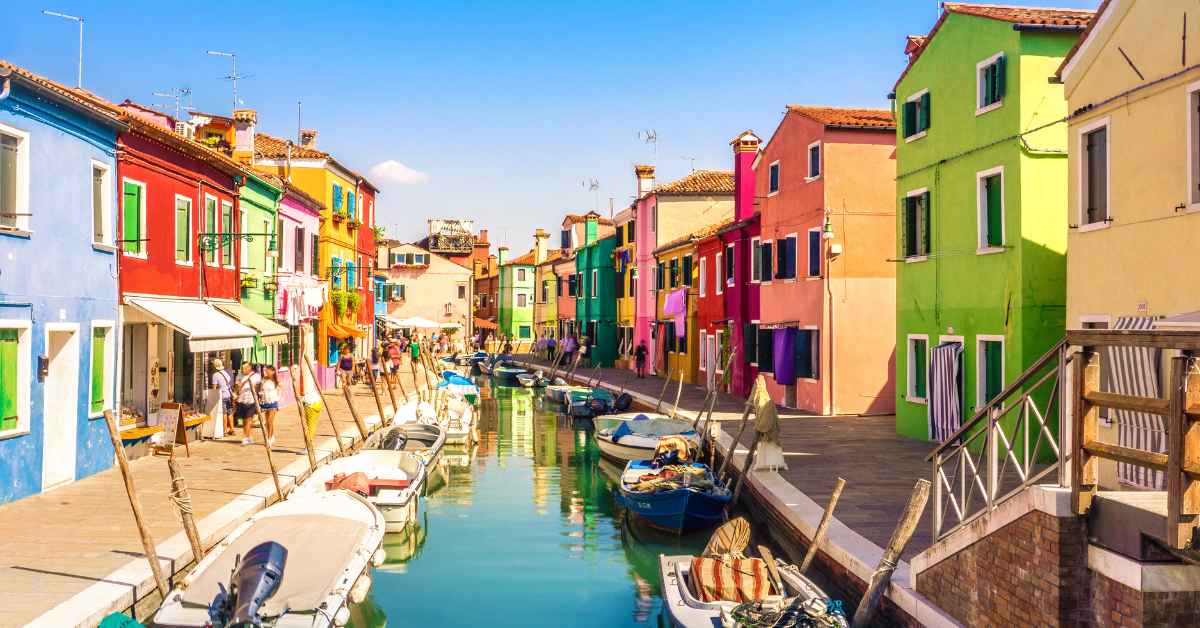
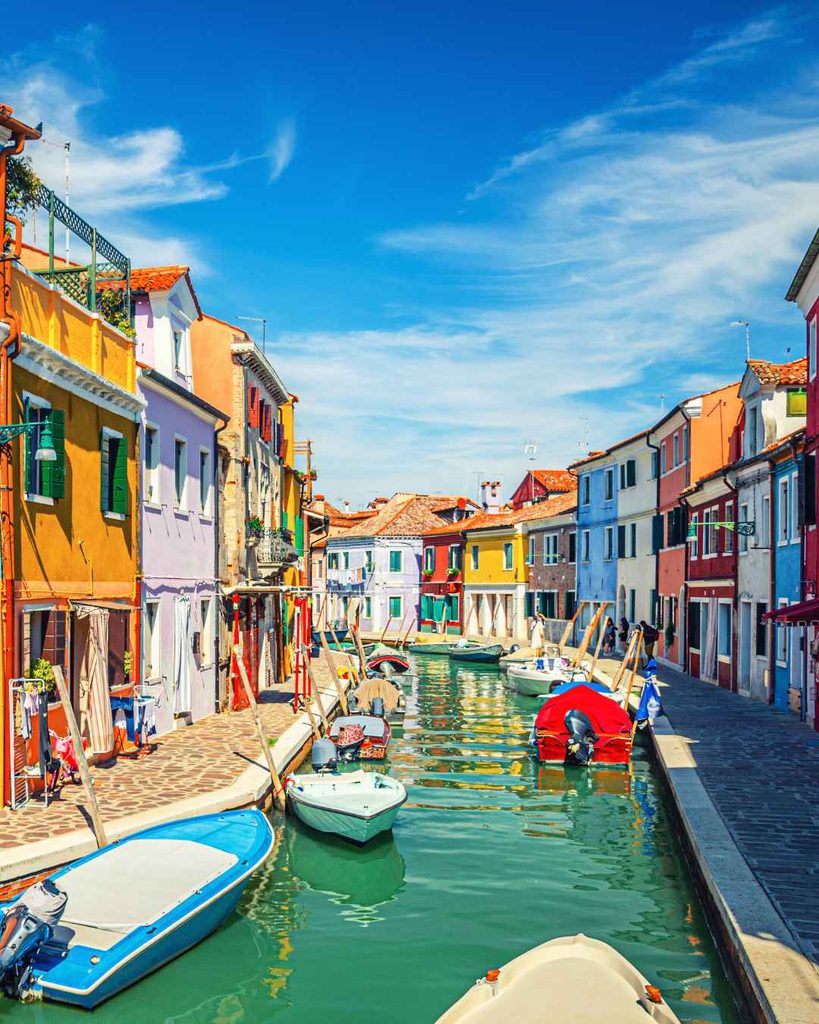
Venice is one of those places that everyone thinks they know before they arrive. They have seen the photographs. The gondola gliding through a narrow canal, the Bridge of Sighs at sunset, the pastel facades of Burano reflected in the water.
They have read the books, watched the films, and heard the stories from friends who came back with the same look on their faces. So they arrive with expectations, and the expectations are usually met, because Venice is genuinely as beautiful as everyone says.
But there is another Venice that exists alongside the postcard one, and it is this Venice that stays with you long after the trip is over. It is the Venice of the quiet corners, the residential neighborhoods, the morning markets, and the evening passeggiata.
It is the Venice where people still live, still work, still raise families, and still complain about the tourists who fill their streets.
This article is about that Venice. It is not an argument against visiting the famous sights, because you should. It is an invitation to look beyond them, to go deeper, and to discover the city that the postcards tend to leave out.
Before you read further, remember that Italy rewards travelers who come prepared. I’ve found a few things especially useful on an Italy trip, and they’re worth having and/or knowing beforehand. See the checklist here. Also, if you want me to plan an Italy trip for you that you will never forget, drop me a message here
The Venice Everyone Dreams About Before They Arrive
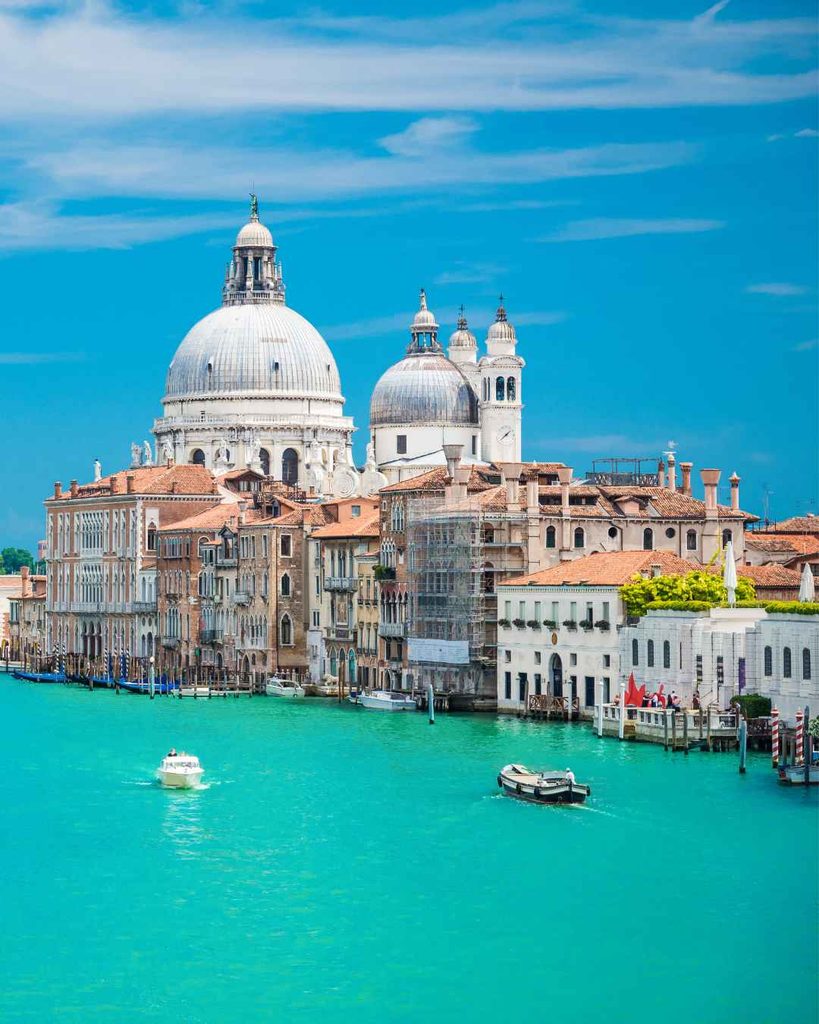
The dream of Venice is one of the most powerful dreams in travel. It is a dream of romance, of mystery, of a city that seems to float on the water. It is a dream that has been shaped by centuries of art, literature, and film.
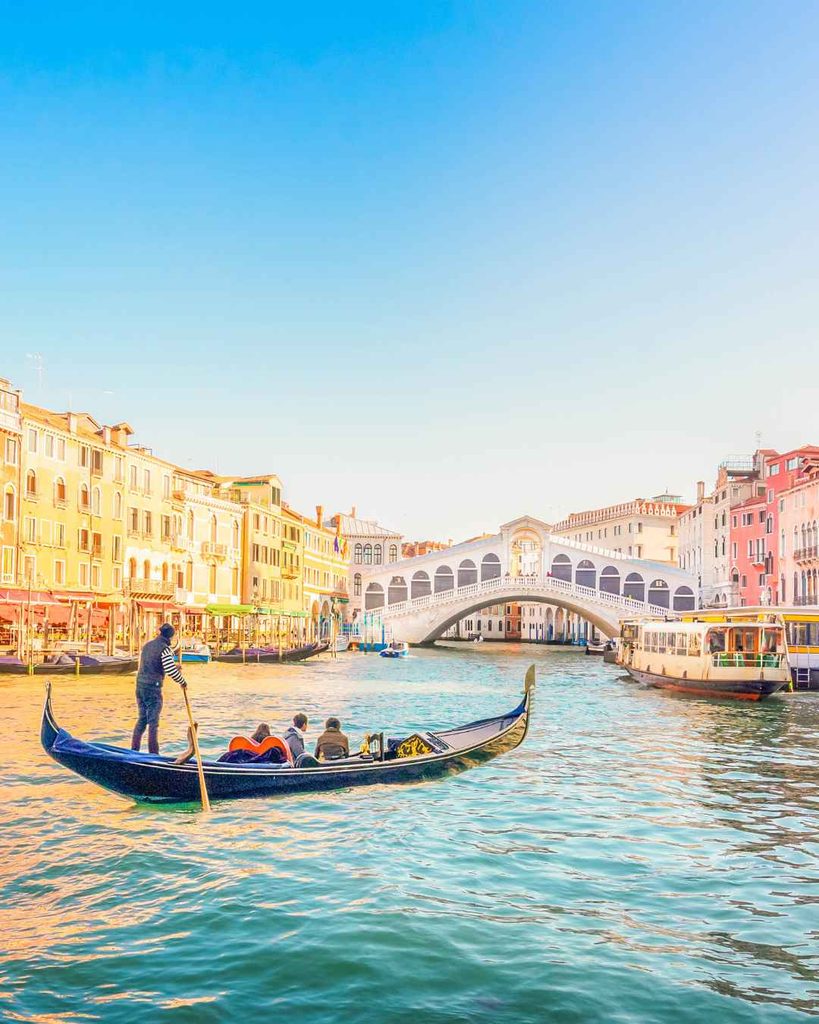
The dream begins with the canals. The Grand Canal, lined with palazzos that rise directly from the water. The smaller canals, quiet and intimate, where the only sound is the lapping of water against stone. The gondolas, gliding silently past, their gondoliers singing.
The dream continues with the architecture. The Basilica of San Marco, with its golden mosaics and its domes. The Doge’s Palace, with its delicate arcades and its pink and white marble. The bridges, the piazzas, the narrow streets that seem to lead nowhere and everywhere at the same time.
The dream ends with the atmosphere. The romance, the mystery, the sense of a city that exists outside of time. It is a dream that has been marketed so effectively that it has become almost a brand.
What the Postcards Never Show You
The postcards do not show you the crowds. They do not show you the thousands of day-trippers who descend on the city every day, filling the streets and the bridges and the vaporettos.
They do not show you the queues. The line to enter St. Mark’s Basilica, the line to climb the Campanile, the line to buy a ticket for the vaporetto. They do not show you the prices.
The coffee that costs ten euros, the gondola ride that costs eighty, the restaurant meal that costs more than it should. They do not show you the heat.
The summer days when the temperature climbs above thirty-five degrees, and the humidity makes it feel even hotter. They do not show you the acqua alta.
The winter floods that inundate the city, forcing pedestrians to walk on raised platforms. They do not show you the decay. The buildings that are crumbling, the foundations that are sinking, the water that is rising.
They do not show you the emptiness. The houses that are abandoned, the shops that are closing, the neighborhoods that are losing their residents. The postcards show you a dream. But dreams are not the whole story.
St. Mark’s Square: Magnificent Beauty vs. Tourist Crowds
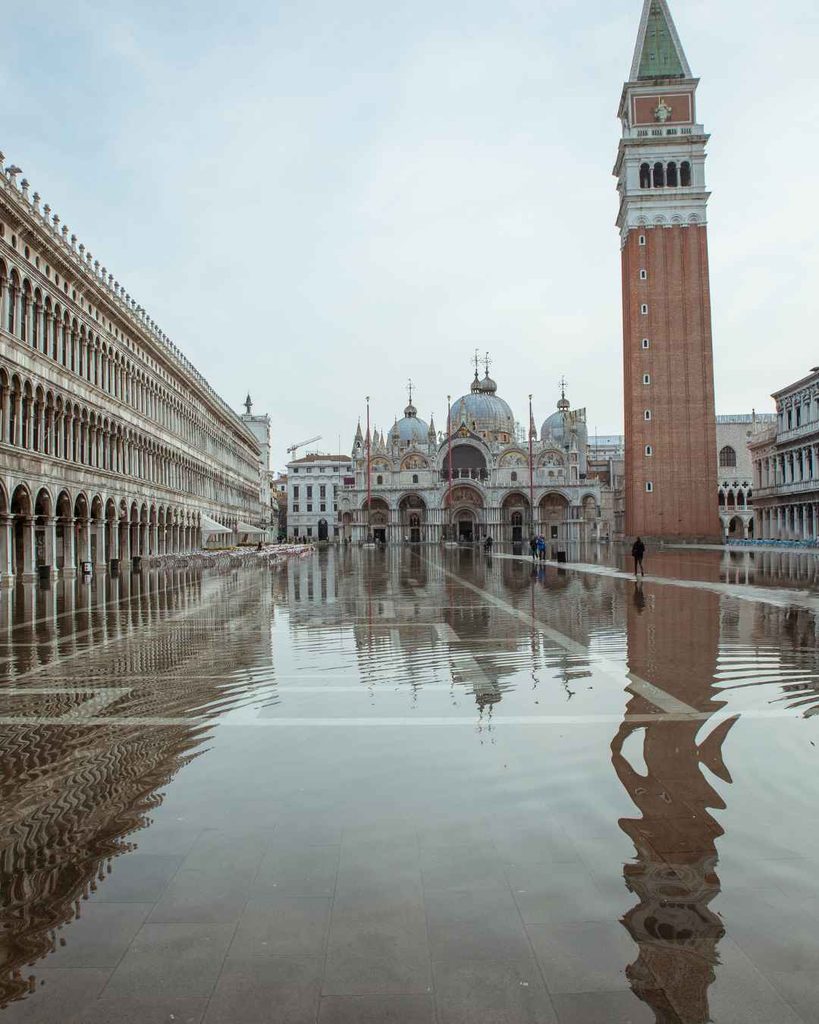
St. Mark’s Square is one of the most beautiful public spaces in the world. It has been called the drawing room of Europe, and it is easy to see why. The square is surrounded by some of the most important buildings in Venice.
The Basilica of San Marco, with its golden mosaics and its domes. The Doge’s Palace, with its delicate arcades and its pink and white marble. The Campanile, the bell tower that offers panoramic views of the city. The Procuratie, the long buildings that frame the square and house the cafes and shops.
But St. Mark’s Square is also one of the most crowded places in Italy. In high season, the square is packed with tourists, and the experience can be overwhelming. The queues for the basilica can be hours long, and the cafes charge premium prices for the privilege of sitting in the square.
The square is also vulnerable to flooding. During the acqua alta, the water rises and covers the pavement, forcing pedestrians to walk on raised platforms. The square is often the first place to flood, and it is one of the most dramatic sights in Venice.
The Grand Canal: Romantic Waterways vs. Everyday Traffic
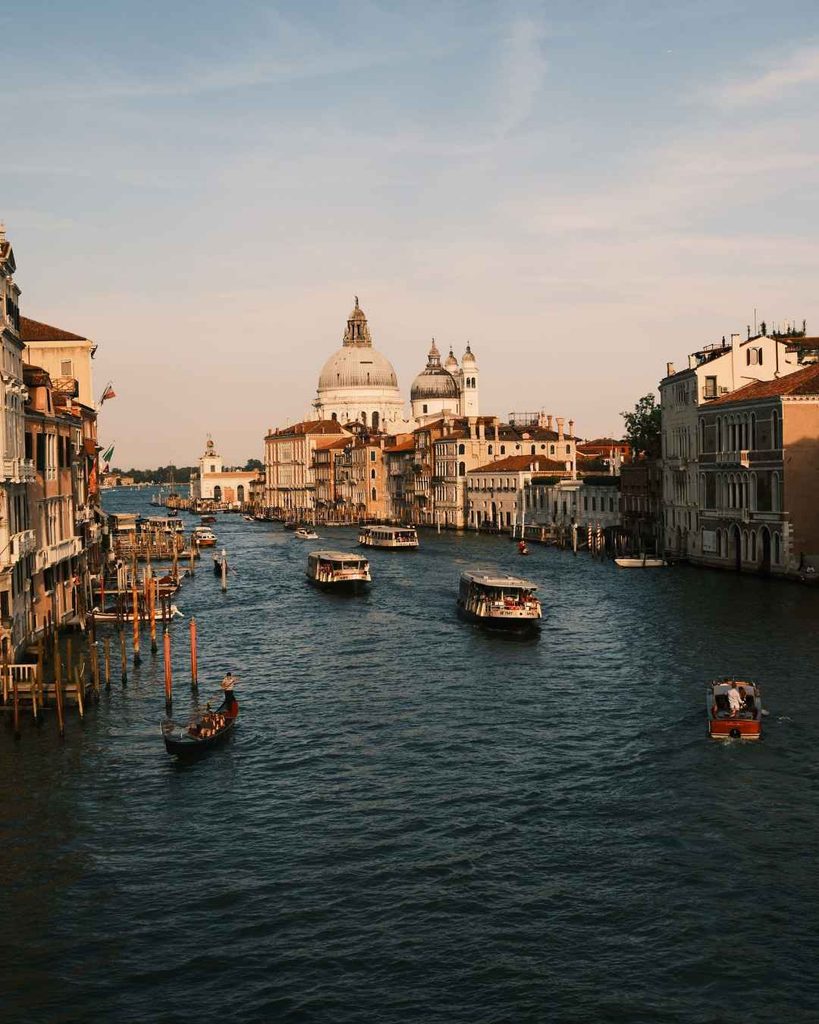
The Grand Canal is the most famous waterway in the world. It is a four-kilometer-long canal that curves through the heart of Venice, lined with more than 170 palazzos. It is the main artery of the city, and it has been for centuries.
The Grand Canal is beautiful. The palazzos, the bridges, the water taxis, the gondolas. It is a sight that everyone should see at least once. But the Grand Canal is also a working waterway.
It is used by vaporettos, water taxis, delivery boats, and garbage collectors. It is the equivalent of a main road, and it is busy from morning until night. The water is often choppy, and the boats create waves that lap against the buildings.
The Grand Canal is not the romantic waterway of the postcards. It is a working canal, and it is all the more interesting for it. If you want to see the romantic version, take a gondola ride in the smaller canals. If you want to see the real version, take the vaporetto and watch the city go by.
Beyond the Famous Canals: The Venice Most Visitors Never See
The Venice most visitors never see is the Venice of the residential neighborhoods. It is the Venice of Cannaregio, where the Jewish Ghetto was established in 1516 and where the locals still shop at the market.
It is the Venice of Castello, where the Biennale is held and where the streets are quiet and residential. It is the Venice of Dorsoduro, where the Peggy Guggenheim Collection is located and where the students from the university fill the cafes.
These neighborhoods are not on the main tourist route. They do not have the famous sights. But they have something more valuable: they have real life. You can walk through Cannaregio and see the locals going about their day.
You can sit in a cafe in Castello and watch the children play in the square. You can explore the back streets of Dorsoduro and find a small church with a beautiful painting. These are the experiences that make Venice memorable.
Getting Lost in Venice: The Best and Worst Part of the Experience
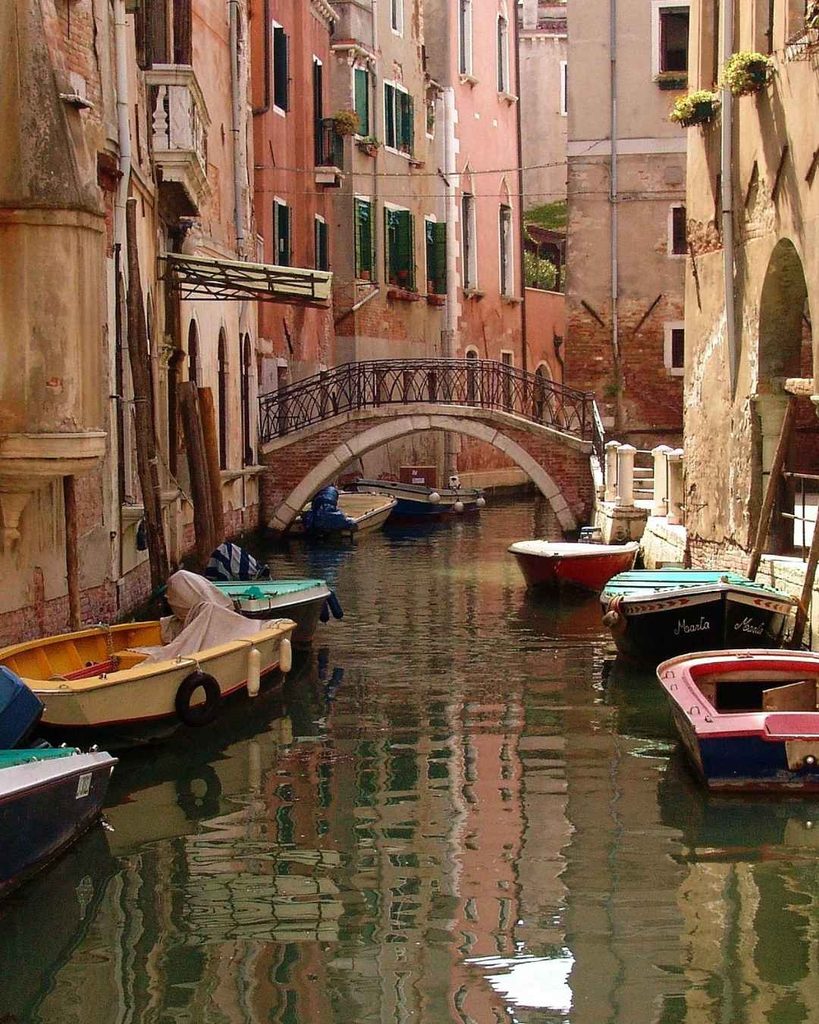
Getting lost in Venice is both the best and the worst part of the experience. It is the worst part because the city is a labyrinth, and it is easy to get disoriented.
The streets are narrow, the canals are everywhere, and the bridges have steps that make it difficult to navigate. The signage is confusing, and the maps are often inaccurate. It is easy to walk in circles for hours.
But getting lost is also the best part of the experience. It is how you discover the hidden corners, the quiet piazzas, the small churches, and the local restaurants. It is how you find the Venice that is not on the tourist route.
The key is to embrace it. Do not try to follow a map. Do not try to stick to a schedule. Let yourself wander. Follow your instincts. Turn down a street because it looks interesting. Cross a bridge because it looks beautiful. You will find something unexpected.
The Problem of Overtourism: Is Venice Becoming a Victim of Its Own Beauty?
Venice is a victim of its own beauty. The city is so beautiful that everyone wants to see it, and the result is that the city is being overwhelmed by tourism.
The population of Venice has been declining for decades. In the 1950s, the city had about 175,000 residents. Today, it has fewer than 50,000. The residents have been driven out by rising rents, the difficulty of daily life in a city built on water, and the sense that the city no longer belongs to them.
The city is also struggling with the environmental impact of tourism. The cruise ships that bring thousands of visitors every day are damaging the lagoon. The crowds are damaging the buildings. The rising water levels are threatening the city’s existence.
The city has taken some steps to address the problem. It has banned large cruise ships from the Giudecca Canal. It has introduced a day-tripper fee for visitors who are not staying overnight. It has limited the number of tourists who can enter certain areas.
But the problem is not easily solved. Venice is a city that depends on tourism, and it is a city that is being destroyed by tourism. It is a paradox that the city has not yet resolved.
Restaurants, Tourist Menus, and Where Venetians Actually Eat
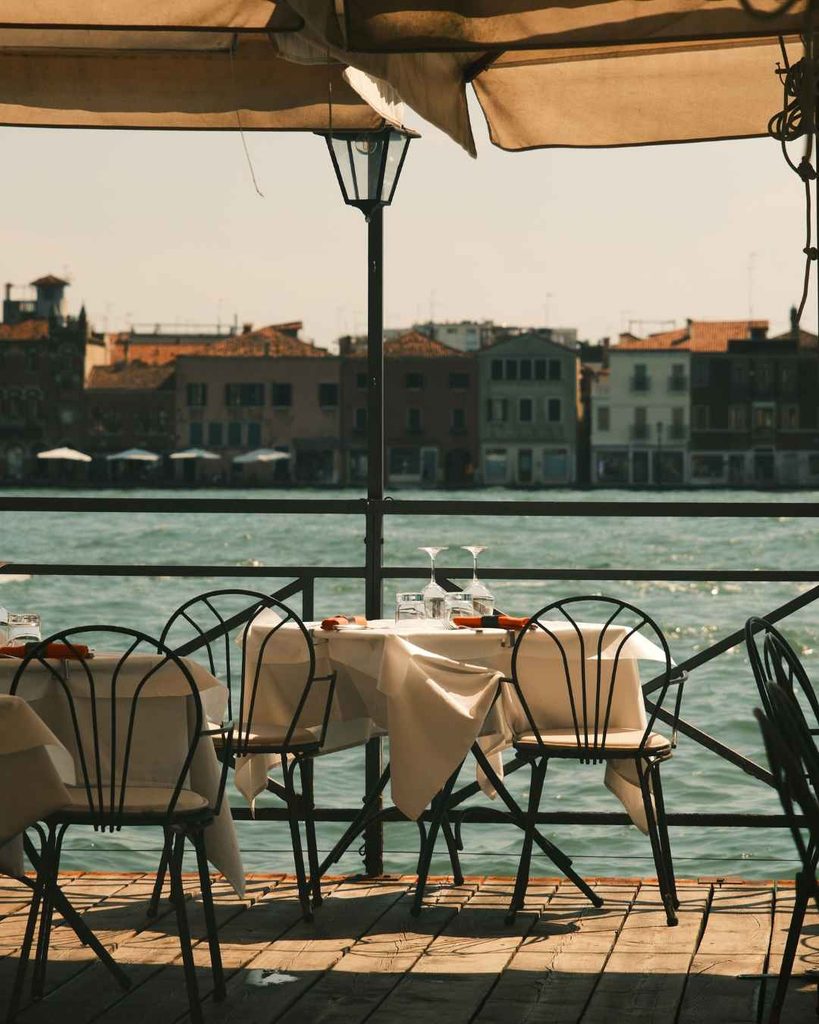
The restaurants in the most touristy areas of Venice are often overpriced and mediocre. They cater to the crowds, and they do not need to be good to fill their tables. The menus are in five languages, and the food is often frozen or pre-prepared.
If you want to eat well in Venice, you need to go where the locals eat. The bacari, the small wine bars that serve cicchetti, are a good place to start. They are often family-run, and they serve small plates of food that are perfect for a quick lunch or a snack.
The restaurants in the residential neighborhoods, particularly in Cannaregio and Castello, are often better and cheaper than the ones in the tourist areas. They serve traditional Venetian dishes, such as risotto al nero di seppia, sarde in saor, and fritto misto.
The key is to look for the places that are full of Venetians. If the menu is in Italian and the customers are speaking it, you are in the right place. If the menu is in five languages and the customers are all tourists, you are in the wrong place.
Gondola Rides: Are They Worth the Money?
A gondola ride is one of the most iconic experiences in Venice. It is also one of the most expensive. A standard ride lasts about thirty minutes and costs around eighty euros. For many travelers, it is a once-in-a-lifetime experience, and it is worth the money.
But the gondola ride is not for everyone. The gondoliers are often more interested in chatting with each other than in providing a romantic experience. The route is often crowded with other gondolas, and the canals are not as quiet as you might imagine.
If you want a more authentic experience, consider taking a gondola ride in the smaller canals, away from the Grand Canal. The experience is quieter, and the gondolier is more likely to share stories about the city. Also, you will be photographed a lot by random people standing on the many Venice bridges.
Alternatively, you can take a traghetto, a public gondola that crosses the Grand Canal for a few euros.
Venice After Dark: When the City Finally Breathes
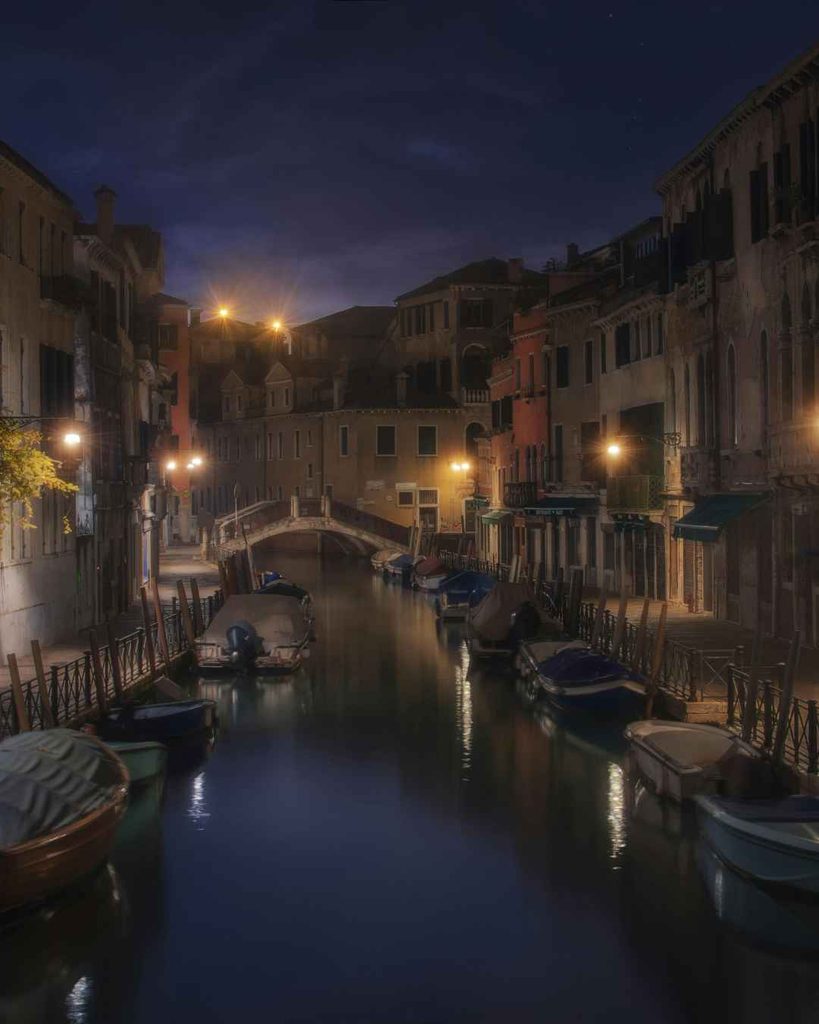
Venice after dark is a different city. The day-trippers have gone, and the streets are quiet. The locals come out to walk, to eat, and to socialize. The city feels like it belongs to the people who live there.
The piazzas are lit by the streetlamps, and the canals reflect the lights of the buildings. The restaurants are full of Venetians, and the bars are full of young people. It is a side of Venice that most visitors never see, and it is one of the best reasons to stay overnight.
The best places to experience Venice after dark are the residential neighborhoods. Cannaregio, Castello, and Dorsoduro are all quiet in the evening, and they have a good selection of bars and restaurants. The Piazza San Marco is also beautiful at night, when it is lit up and the crowds have gone.
The Islands of Venice: Murano, Burano, and the Places Beyond the Postcards
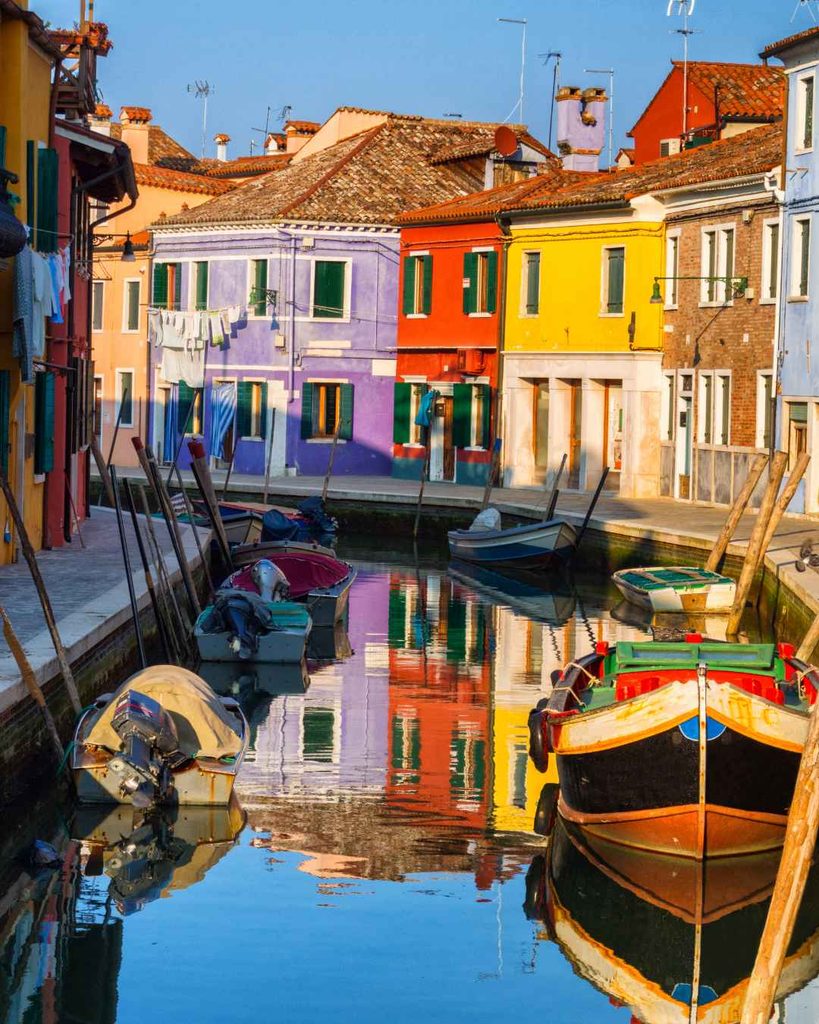
The islands of the Venetian lagoon are some of the most beautiful places in Italy. Murano is famous for its glass, and Burano is famous for its lace and its colorful houses.
But the islands are also more than their postcards suggest. Murano is a working island, with factories and workshops that have been producing glass for centuries. Burano is a fishing village, with a strong sense of community and a tradition of lace-making that goes back to the sixteenth century.
The other islands of the lagoon are less famous but equally interesting. Torcello is one of the oldest settlements in the lagoon, with a cathedral that contains some of the finest mosaics in Italy. Sant’Erasmo is the vegetable garden of Venice, with farms that supply the city’s markets.
If you want to do a guided day trip to these beautiful Venetian islands, this is the tour I recommend.
The Venice That Is Slowly Disappearing
Venice is a city that is slowly disappearing. The water levels are rising, and the city is sinking. The buildings are decaying, and the population is declining. The city that we know today may not exist in a hundred years.
The Italian government has invested billions of euros in the MOSE project, a system of barriers that is designed to protect the city from flooding. But the project has been plagued by delays, cost overruns, and corruption. It is not clear whether it will be completed in time to save the city.
The disappearance of Venice is a tragedy that is happening in slow motion. It is a reminder that even the most beautiful cities are fragile, and that they need to be protected.
Common Mistakes Tourists Make in Venice
There are several common mistakes that tourists make in Venice. The first is to visit as a day trip. Venice is a city that is best experienced overnight, when the day-trippers have gone and the city belongs to the people who live there.
The second mistake is to stay in the most touristy areas. The hotels around San Marco are expensive and often noisy. The hotels in the residential neighborhoods are cheaper, quieter, and more authentic.
The third mistake is to eat in the restaurants around the main sights. These restaurants are often overpriced and mediocre. The best food is in the bacari and the trattorias in the residential neighborhoods.
The fourth mistake is to try to see everything in a single day. Venice is a city that rewards slow exploration. Take your time, get lost, and let the city reveal itself to you.
How to Experience Venice Beyond the Tourist Trail
To experience Venice beyond the tourist trail, you need to get away from the main sights. Explore the residential neighborhoods. Visit the markets. Eat in the bacari. Take the vaporetto to the islands.
Walk without a map. Get lost. Talk to the locals. Ask for recommendations. The best experiences in Venice are the ones you cannot plan.
Stay overnight. Visit in the shoulder season. Avoid the peak summer months. Venice is a city that rewards those who take their time and look beyond the obvious.
Also, participate in activities and experiences that show you the real Venice. Check out some of those activities in this guide.
The Best Time to Visit for a More Authentic Experience
The best time to visit Venice for a more authentic experience is the shoulder season, from April to May and from September to October. The weather is mild, the crowds are thinner, and the city is at its most beautiful.
Winter is also a good time to visit, though the weather can be cold and wet. The advantage of winter is that the city is quiet, and you can experience Venice without the crowds. The disadvantage is that some restaurants and hotels close for the season.
The worst time to visit is the peak summer months, from June to August. The city is crowded, the weather is hot and humid, and the prices are at their highest. If you must visit in summer, stay overnight and explore the city in the early morning and late evening, when the day-trippers have gone.
Is Venice Still Worth Visiting Despite Its Problems?
Yes. Venice is still worth visiting, despite its problems. It is one of the most beautiful cities in the world, and it is unlike anywhere else on earth. The problems of overtourism and environmental degradation are real, but they do not diminish the experience of being in the city.
The key is to visit responsibly. Stay overnight. Avoid the peak season. Eat in the local restaurants. Explore the residential neighborhoods. Respect the city and its residents. If you do these things, you will experience the real Venice, and you will understand why it is so special.
Related Post: Where to Stay in Venice If You Want to Be Close to Everything
What I Wish Every First-Time Visitor Knew About Venice
I wish every first-time visitor knew that Venice is not a theme park. It is a living city, with real people who live real lives. I wish they knew that the best experiences are not the ones you can buy.
They are the ones you discover by walking, by looking, and by paying attention. I wish they knew that the city is fragile, and that it needs to be protected. I wish they knew that the real Venice is not the Venice of the postcards.
It is the Venice of the quiet corners, the local restaurants, the morning markets, and the evening passeggiata. It is the Venice that exists alongside the famous one, and it is waiting to be discovered.
So go to Venice. See the famous sights. Take the gondola ride. Buy the postcard. But then put the postcard away and go explore. The real Venice is waiting for you. And it is more beautiful than any postcard could ever show.
Again, feel free to go through the list below of my Italy recommendations that I have crafted after years of travel to this beautiful country:
- Packing List: Things Not to Go to Italy Without
- Must-Do Things: Unforgettable Experiences
- Where to Stay: Best Hotels in Italy.
- Where to Stay in Rome: Rome’s Best Neighborhoods
- Where to Stay in Florence: Picking the Best Area
- Where to Stay in Venice: Venice’s Best Districts
- Italy’s Cobblestone Streets: Best Shoes For the Job
- Backpack or Suitcase?: Italy Luggage Guide
- Travel Insurance: Always Be Covered
- E-Sim: Be Connected At All Times