
Rome is an experience, a living museum where the ancient world hums alongside the rhythms of modern life. For a first-time visitor, the sheer volume of must-see sights can be overwhelming, but the true magic of the Eternal City lies in balancing its monumental history with its intimate, everyday pleasures.
This guide is designed to do exactly that. It moves beyond the standard checklist to reveal the 20 best things to do in Rome, blending iconic landmarks with authentic local experiences to help you craft a journey that is as profound as it is delicious. This is not a race; it is a slow, deliberate immersion into one of the most layered and captivating cities on earth.
The key to enjoying Rome is to resist the urge to tick boxes and instead allow yourself to get lost in its winding alleys and sun-drenched piazzas. Every corner holds a story, and every meal is an opportunity to connect with a culinary tradition that stretches back millennia. With that spirit in mind, let us explore the very best that the Eternal City has to offer.
Before you read further, remember that Italy rewards travelers who come prepared. I’ve found a few things especially useful on an Italy trip, and they’re worth having and/or knowing beforehand. See the checklist here. Also, if you want me to plan an Italy trip for you that you will never forget, drop me a message here
1. The Colosseum, Roman Forum, and Palatine Hill
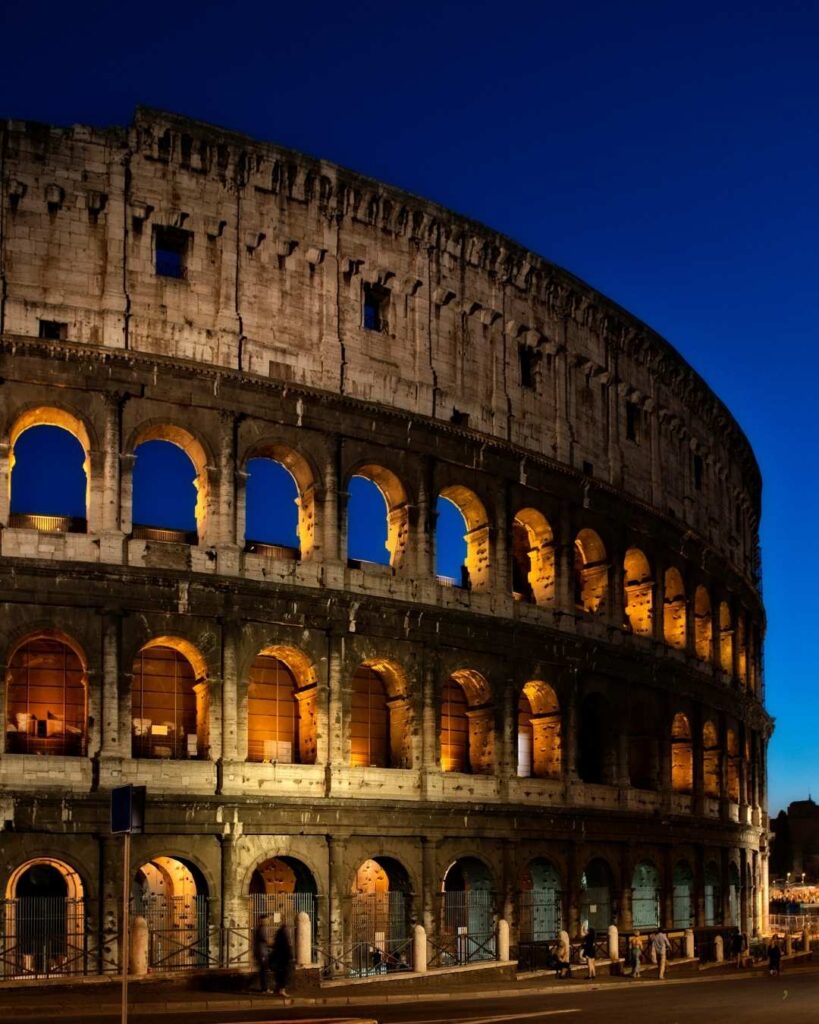
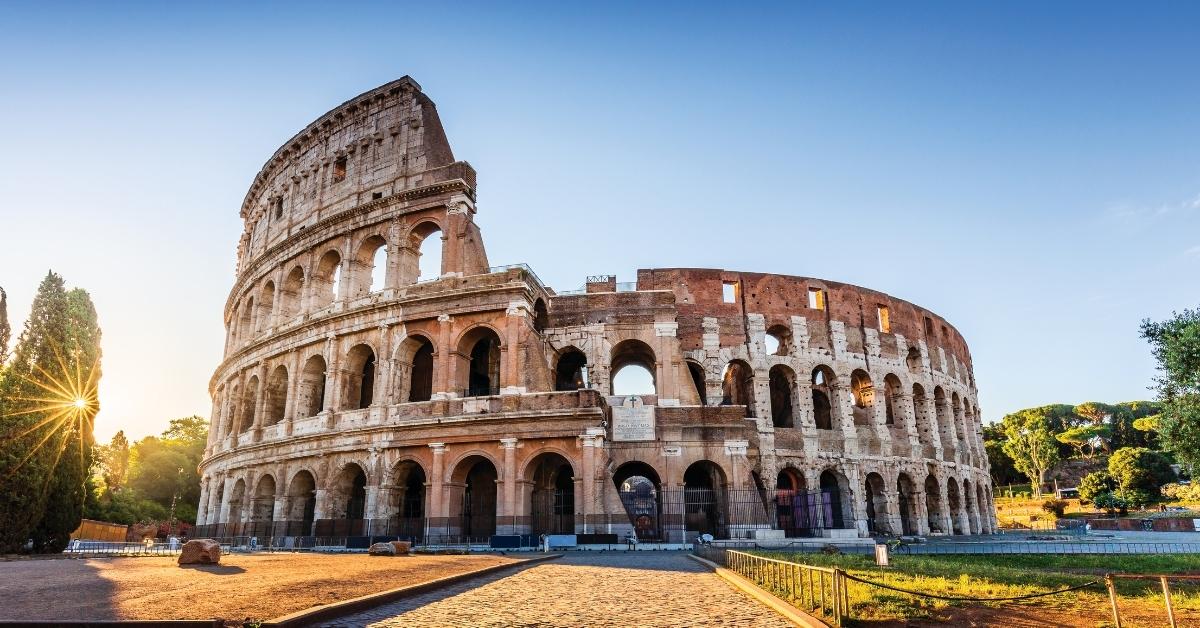
Start with the undisputed symbol of the Roman Empire: the Colosseum. More than just an ancient stadium, it is a testament to the engineering genius and brutal spectacles of ancient Rome. Standing inside its massive stone walls, you can almost hear the roar of fifty thousand spectators cheering for gladiators and wild beasts.
Given its immense popularity, timed-entry reservations are now mandatory and should be booked well in advance. This will save you from hours-long queues that can sap the energy from even the most enthusiastic traveler.
Right next door, the Roman Forum was the political and social heart of the city. Walking through its ruins, past the remnants of temples and government buildings, you can almost hear the echoes of orators and merchants conducting the business of an empire.
Overlooking it all is Palatine Hill, where emperors built their lavish palaces. It offers one of the best vantage points to contemplate the sheer scale of Roman ambition. It is a surprisingly peaceful spot to sit and watch the sun cast long shadows over the ancient stones below.
2. The Pantheon
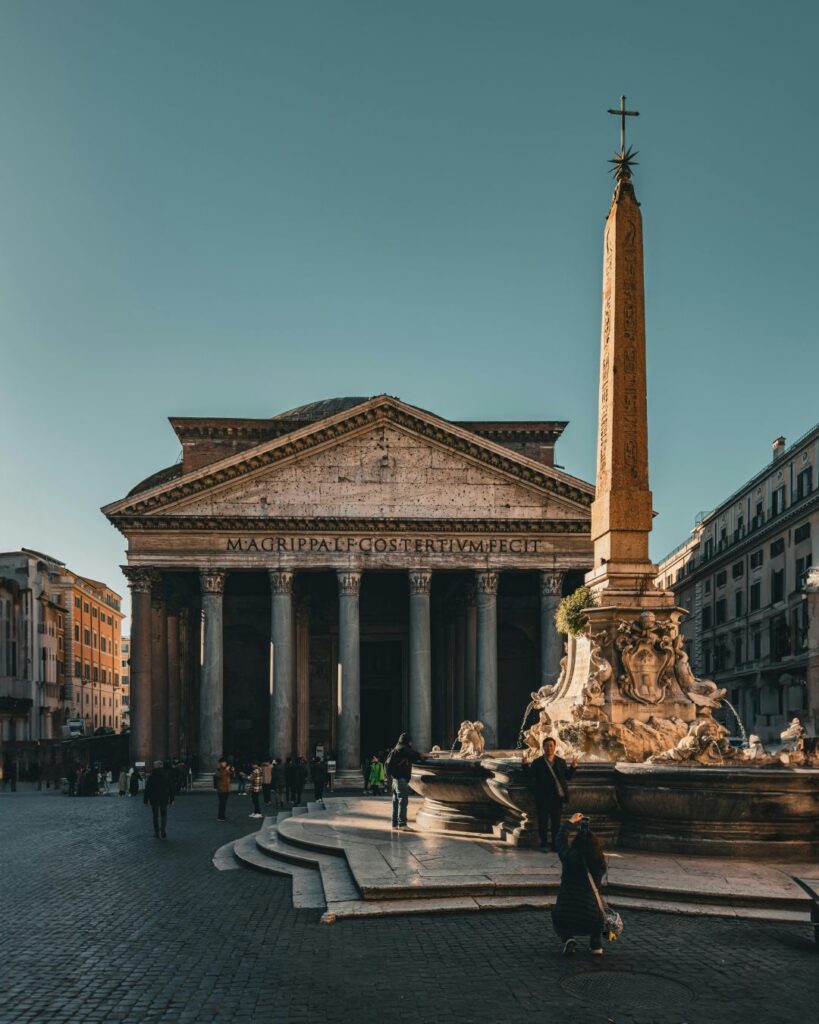
A marvel of ancient engineering, the Pantheon’s unreinforced concrete dome remains the largest in the world, nearly two thousand years after it was built. Its oculus, a giant open hole at the top, is the only source of light and creates a profound effect as sunlight and rain enter the space. When it rains, a slight mist drifts down into the rotunda, and the marble floor slopes gently to drain the water away.
This detail reveals the genius of its architects. The Pantheon makes you feel small in the best possible way, and it remains one of the most spiritually resonant buildings in the city. It is also the final resting place of the artist Raphael, adding a layer of artistic pilgrimage to its historical significance.
Entry is free, and it is best visited in the early morning or late afternoon when the crowds thin out and the light through the oculus is at its most dramatic.
3. The Vatican: St. Peter’s Basilica and the Vatican Museums
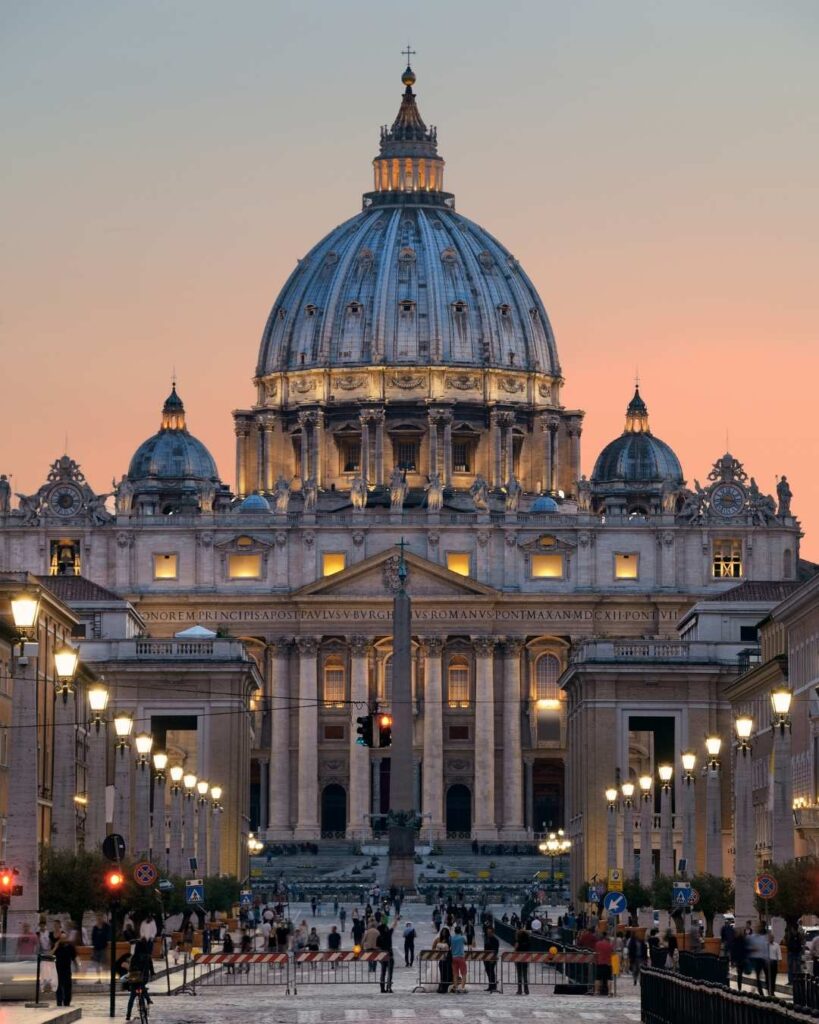
An entire country within a city, the Vatican is a pilgrimage site for art lovers and the faithful alike. St. Peter’s Basilica is staggering in its grandeur. Entry is free, but the sheer scale and beauty inside are enough to make you dizzy. You will find Michelangelo’s heartbreakingly beautiful Pietà, a sculpture so delicate and emotive that it seems almost impossible that it was carved from a single block of marble.
The design of the basilica itself, with its soaring ceilings and gleaming altars, is so grand it almost defies comprehension. For the best view of Rome, climb to the top of the dome. It is a five-hundred-and-fifty-one-step journey that is well worth the effort, though an elevator can get you partway up if your legs are already tired from sightseeing.
The Vatican Museums house one of the world’s greatest art collections, and they culminate in the Sistine Chapel, where Michelangelo’s ceiling leaves visitors breathless. To avoid the mammoth crowds, booking a skip-the-line ticket in advance is not just recommended; it is essential. A guided tour is also highly recommended to navigate the seven kilometers of galleries efficiently and to understand the art on display.
The sheer volume of works can be overwhelming, but having an expert to guide you through the highlights transforms the experience. It changes the experience from a chaotic shuffle into a curated journey through human creativity.
4. Beyond the Big Three: The Baths of Caracalla
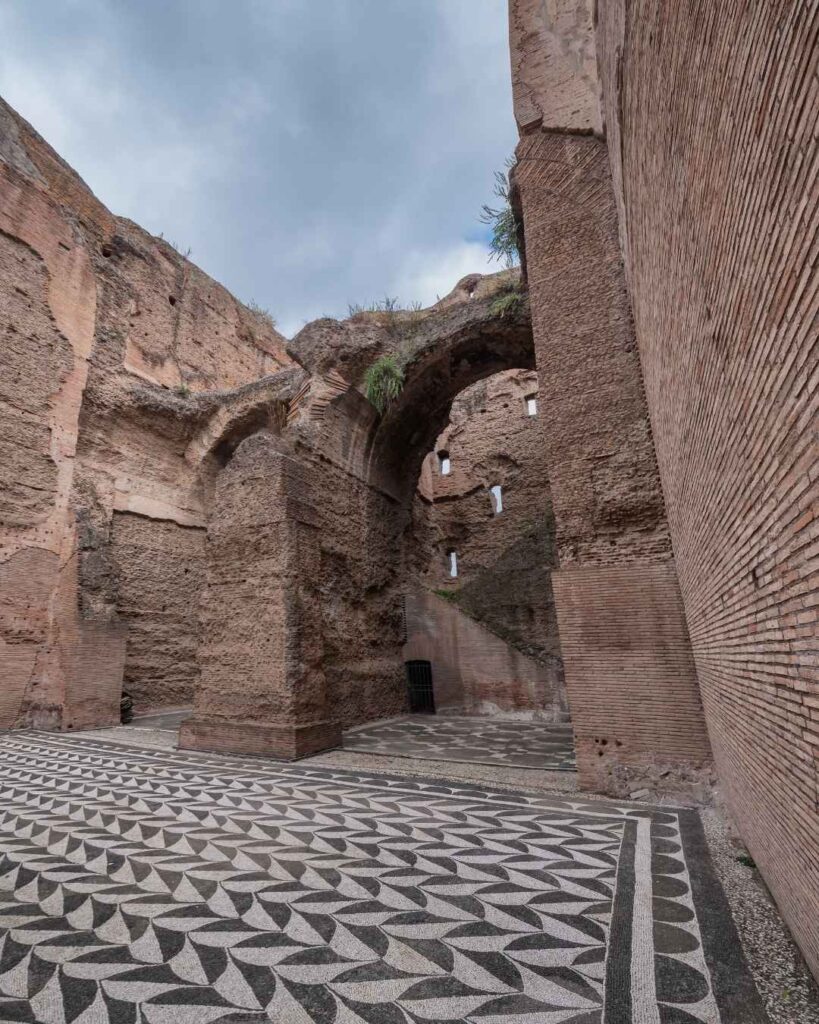
While the Colosseum gets all the glory, the Baths of Caracalla offer a more intimate and less crowded glimpse into ancient Roman life. These sprawling ruins were once a massive social hub where up to sixteen hundred citizens would bathe, exercise, and socialize daily. The scale is still stunning, and you can wander through the remains of the caldarium, the tepidarium, and the frigidarium.
Imagining the steam and chatter that once filled these spaces brings the ruins to life. In the summer, the ruins host opera performances, which is an unforgettable way to experience the site. Sitting among ancient stones while listening to the soaring notes of an aria is the kind of memory that stays with you forever. It is a reminder that Rome’s ancient spaces are not just relics to be observed but living venues that continue to inspire and entertain.
5. Galleria Borghese
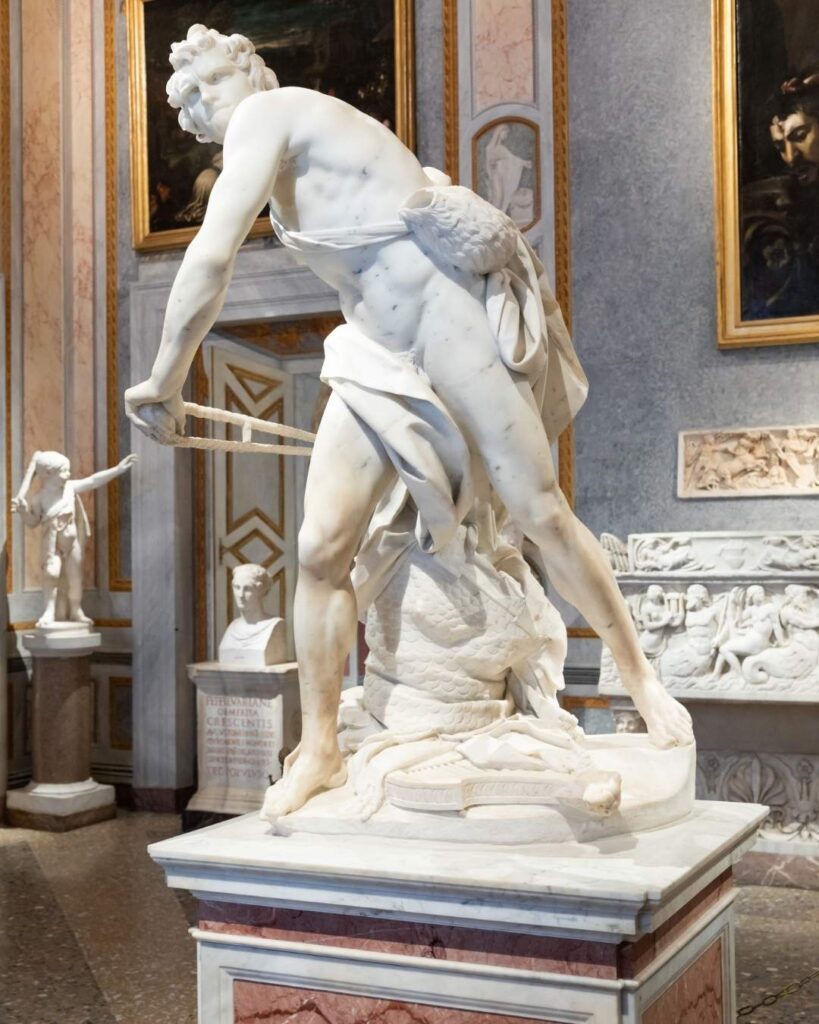
Housed in a stunning villa within the Borghese Gardens, this museum contains a world-class collection of sculptures by Bernini and paintings by Caravaggio and Raphael. The museum is famously strict about visitor numbers, allowing access in two-hour slots for only three hundred and sixty people at a time. This makes for a civilized, uncrowded viewing experience, which is a rare luxury in Rome.
However, it also means that you must book in advance, sometimes weeks ahead during peak seasons. The Bernini sculptures, in particular, are breathtaking. His rendering of marble looks so soft and lifelike that you will find yourself wanting to reach out and touch it.
6. The Capitoline Museums

Designed by Michelangelo, the Capitoline Museums are actually the oldest public art collection in the world. Located on Capitoline Hill, they offer a spectacular overview of Roman civilization, from monumental statues to intricate artifacts. The famous bronze statue of the she-wolf nursing Romulus and Remus is housed here, along with the colossal bronze head and hand of Emperor Constantine.
These pieces give you a sense of the sheer scale of ancient Roman statuary. The museums also offer incredible panoramic views of the Roman Forum from their terraces. This is a fantastic alternative to the more crowded Vatican Museums and provides a deeper dive into the city’s own history, rather than a global collection.
7. A Caravaggio Treasure Hunt

The Baroque master Caravaggio left his mark all over Rome. There are about twenty-five of his works in the city, and seeking them out can feel like a thrilling treasure hunt. You can find them in major museums like the Galleria Borghese and Palazzo Barberini, but also in unassuming churches like San Luigi dei Francesi and Santa Maria del Popolo.
The churches are free to enter, and finding a Caravaggio tucked away in a quiet chapel makes the discovery feel personal. His use of light and shadow, his dramatic realism, and his gritty, human depictions of biblical scenes were revolutionary for their time. This is a free and deeply engaging way to explore the city’s center while connecting with one of its most influential artists.
8. Palazzo Doria Pamphilj
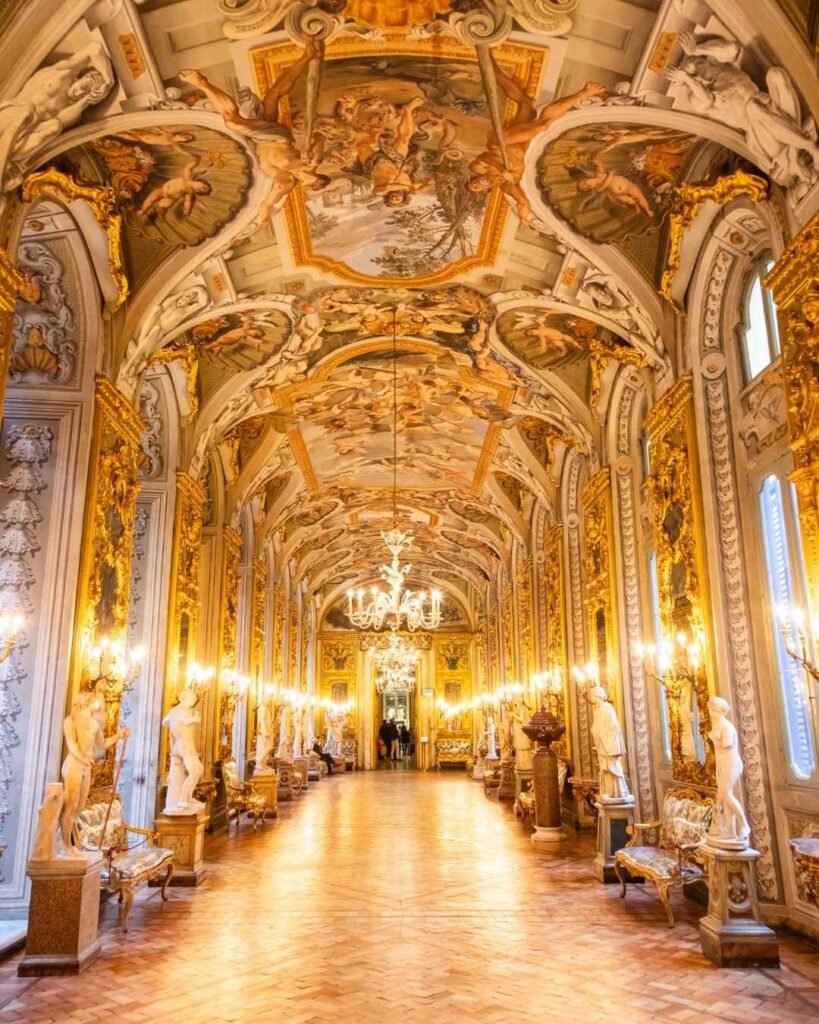
Step inside this aristocratic palace to see how Roman nobility once lived. The gallery is famous for its opulent Hall of Mirrors, which is similar to the one at Versailles but perhaps even more intimate. The palace houses a magnificent private art collection that includes works by Velázquez, Caravaggio, and Titian.
One of the highlights is the portrait of Pope Innocent X by Velázquez, which is considered one of the greatest portraits ever painted. The palace is refined and relatively crowd-free compared to the public museums. It offers a serene glimpse into the lives of Rome’s elite families.
Tip: If you want to do a guided tour in Rome or if the tickets to a specific attraction are sold out on the official website, this is the company I would recommend you to book from.
9. The Spanish Steps and Via dei Condotti
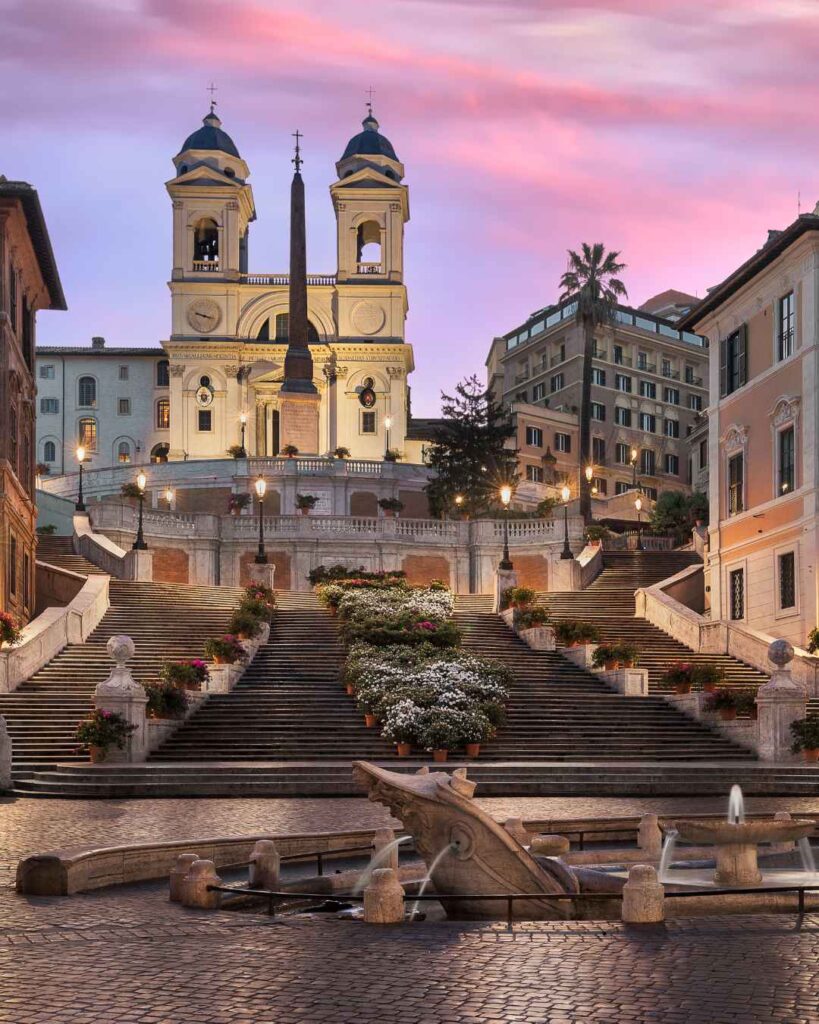
Piazza di Spagna is a hub of high fashion and elegant street life. The monumental Spanish Steps are one of the most photographed landmarks in the city, and they lead to the chic shopping district of Via dei Condotti. This street is home to all the major Italian luxury brands like Gucci, Prada, and Armani.
It is a perfect spot for a stroll and some high-end window-shopping. The steps themselves are a wonderful place to people-watch, though it is worth noting that sitting on the steps is now prohibited by law. The fountain at the base, the Fontana della Barcaccia, is a lovely piece of Baroque sculpture that looks like a half-sunken boat.
10. The Trevi Fountain at Night

The Trevi Fountain is undeniably magnificent, but it is also perpetually mobbed during the day. The solution is to visit in the evening or late at night when the lighting transforms it into something magical. The warm glow of the lamps casts a golden hue over the travertine, and the sound of rushing water seems louder and more dramatic.
The crowds thin out significantly after ten in the evening, allowing you to actually appreciate the fountain’s intricate sculptures depicting Oceanus and his horses. Toss a coin over your left shoulder with your right hand, as tradition dictates, to ensure your return to Rome. It is a small ritual that connects you to millions of other visitors who have made the same wish.
11. Stroll Through the Historic Center
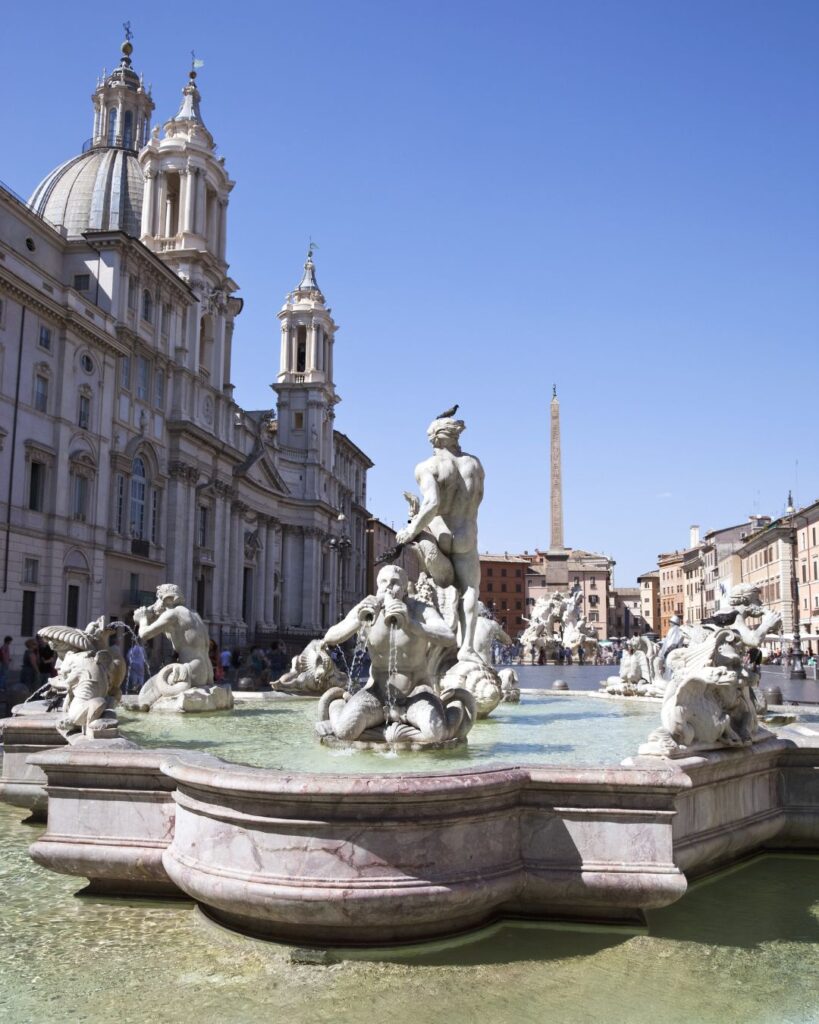
Get lost in the tangle of cobbled alleys that make up the Centro Storico. From the vibrant, street-art-filled Piazza Navona, which is built on the ruins of an ancient stadium and features Bernini’s magnificent Fountain of the Four Rivers, to the lively Campo de’ Fiori market, which buzzes with vendors in the morning and aperitivo-seekers in the evening, you will discover the city’s beating heart.
A walk through this area is a must for feeling the rhythm of Roman life. Wander without a map, turn down any alley that looks interesting, and you will stumble upon hidden courtyards, tiny churches, and charming little shops. These are the discoveries you would never find in a guidebook.
12. Villa Borghese Gardens
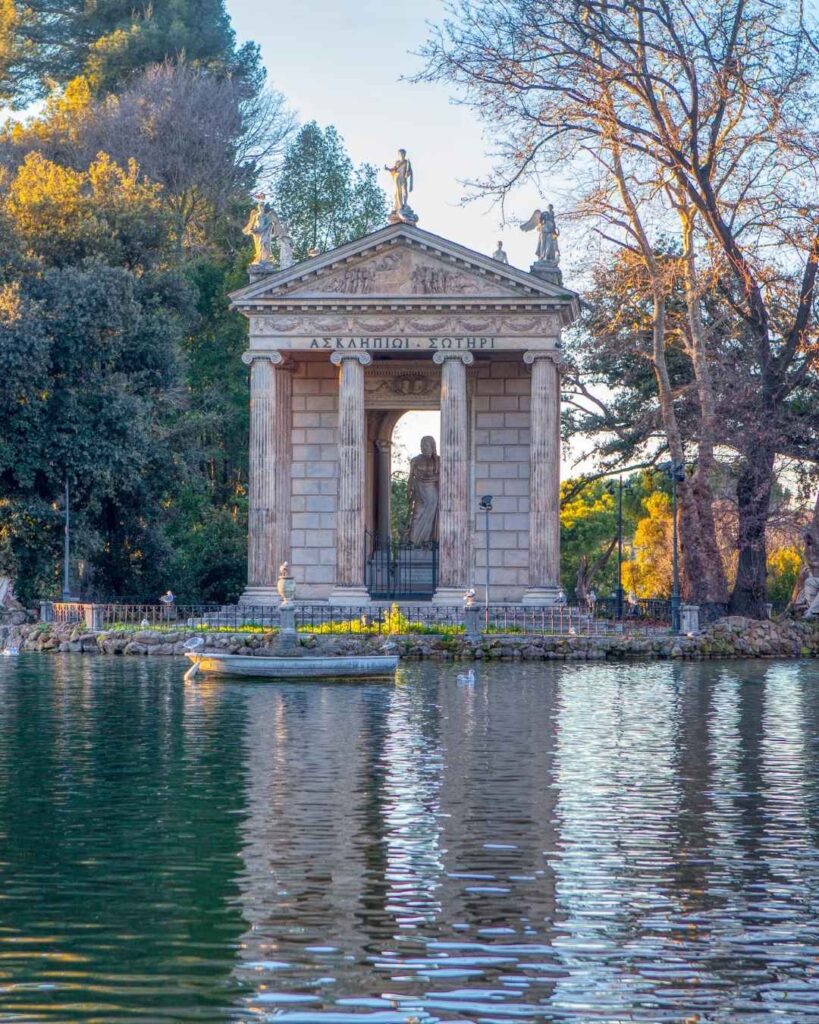
When the city’s monumental nature becomes overwhelming, head to the Villa Borghese Gardens. This sprawling green oasis offers a tranquil escape from the marble, with tree-lined paths, a lake where you can rent a rowboat, and the Galleria Borghese sitting at its heart. The gardens are the perfect place for a lazy afternoon.
Rent a bike or a surrey and explore the winding paths, or simply find a bench under a pine tree and enjoy a moment of quiet reflection. The view of the city from the Pincio Terrace is spectacular, especially at sunset when the domes and rooftops are bathed in golden light.
13. The Aventine Keyhole

One of Rome’s most charming and oddly moving secrets is the Aventine Keyhole on the Knights of Malta Square. Look through the unassuming green door, and you will see a perfectly framed view of St. Peter’s Basilica through a hedge-lined corridor. It is a clever piece of urban design that never fails to delight.
It feels like discovering a secret that only a few people know about. The walk up the Aventine Hill is pleasant, passing through a quiet residential neighborhood with beautiful villas and orange trees. The keyhole itself is a moment of pure, simple magic that captures the essence of Rome’s hidden wonders.
14. Master the Quartet of Roman Pasta

You cannot leave Rome without trying its four classic pasta dishes, which are essentially variations on a brilliant theme. Cacio e Pepe is a deceptively simple masterpiece made with just Pecorino Romano cheese and black pepper. The alchemy of these two ingredients creates a creamy, luxurious sauce that clings perfectly to the pasta.
La Gricia is Cacio e Pepe with the addition of crispy guanciale, which is cured pork cheek, adding a salty, savory depth. Carbonara is La Gricia with the addition of egg, creating a rich, silky sauce that coats every strand perfectly. Amatriciana is a tomato-based sauce with guanciale and Pecorino, a slightly more robust and tangy version.
Aim to try them all at authentic, local trattorias. The best places are often small, unassuming, and packed with Romans speaking loudly and gesturing wildly.
15. The Art of Aperitivo

Join the locals in the sacred ritual of aperitivo, the pre-dinner drink and snack between six and nine in the evening. Order a Spritz or a Negroni, and you will be served a selection of complimentary snacks that can range from chips and olives to a full buffet of small bites. It is the perfect way to unwind after a day of sightseeing.
This is a quintessential Roman social experience. The best aperitivo spots are in lively piazzas or along charming side streets where you can watch the city transition from the busy day to the festive evening. It is more than a drink; it is a ritual of transition.
16. The Best Snacks: Gelato, Supplì, and Pizza al Taglio

Rome is a city built for grazing, and its street food is legendary. Gelato is an obvious must, and you can find excellent gelato all over the city. For truly unique flavors like black sesame or even cacio e pepe, seek out artisanal gelaterias that experiment with bold combinations.
Supplì are the king of Roman street food. They are breaded and fried rice balls with a meat and mozzarella center that stretches like a telephone wire when you break it, which is why they are called supplì al telefono. Pizza al Taglio is pizza sold by the slice, and it is perfect for a quick and delicious lunch on the go. You pay by weight, choose your toppings, and eat it standing up on the street, just like a local.
17. Experience the Testaccio Market
For a truly authentic food experience, leave the historic center and head to the Testaccio Market. This is a covered market filled with over one hundred vendors selling fresh produce, meats, cheeses, and other local specialties. It is geared towards Romans, not tourists, and the energy is palpable.
Stop at one of the famous stalls for an excellent panino with classic Roman offal, such as tripe, tongue, or brisket. Alternatively, pick up ingredients for a picnic to enjoy in a nearby park. The market is a window into the daily life of Romans and a culinary adventure in itself.
18. The Jewish Ghetto: A Culinary and Historical Gem
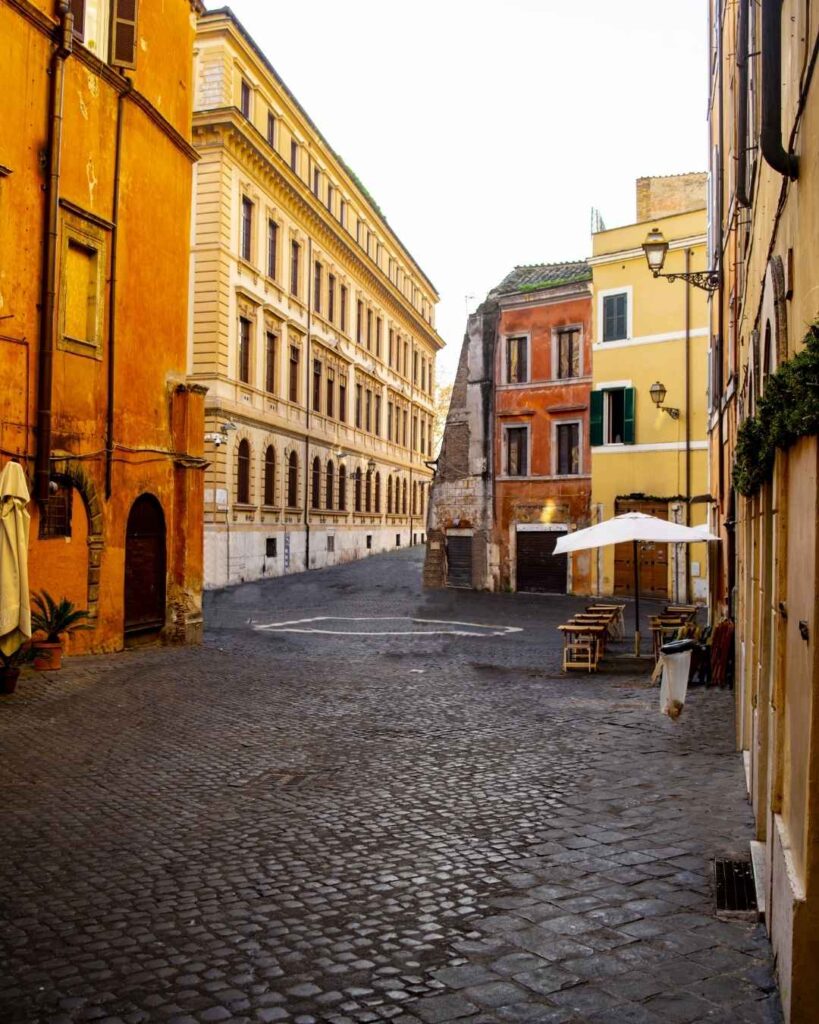
The Jewish Ghetto is one of Rome’s oldest and most historically rich neighborhoods. It is a place of deep history and resilience. Here, you must try Carciofi alla Giudia, which are Jewish-style fried artichokes. They are crispy, golden, and absolutely delicious, a testament to the culinary ingenuity of the community.
This area is perfect for a stroll, a visit to the Great Synagogue, and a meal steeped in a unique culinary history. The flavors here have been passed down through generations, and eating in the Ghetto is a way of connecting with a story that is both ancient and alive.
19. The Appian Way and Parco degli Acquedotti
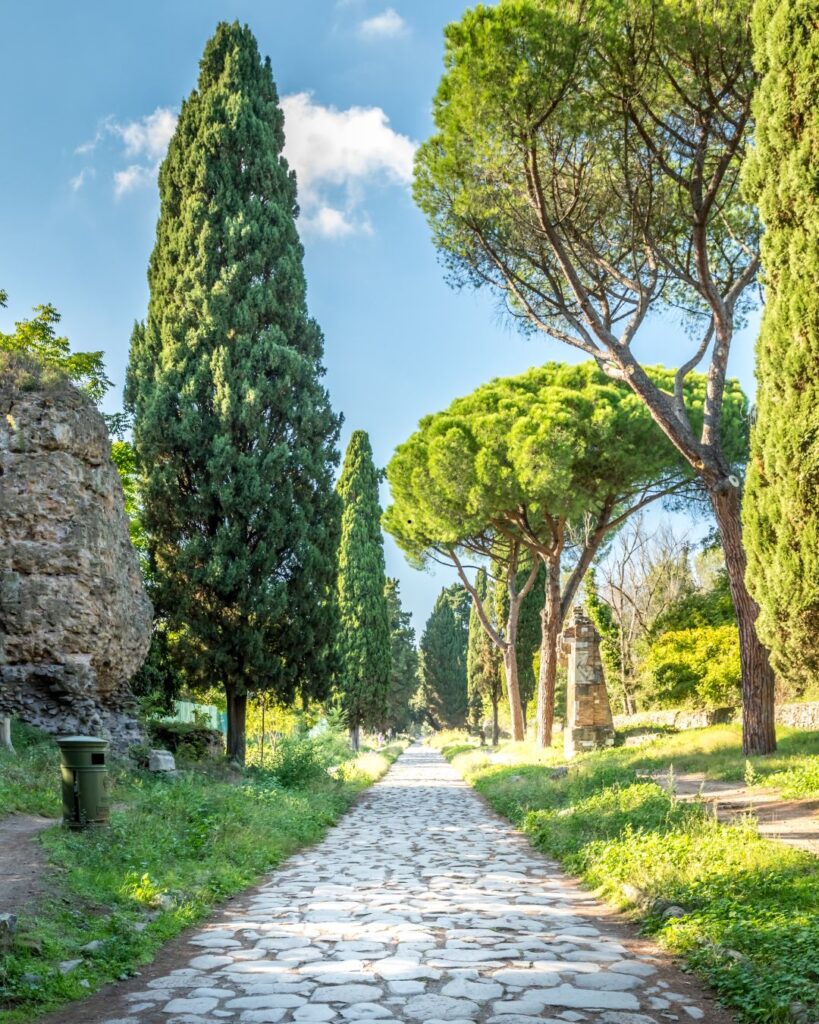
Rent a bike and cycle along the Appian Way, one of the oldest and most important roads of the Roman Empire. The further you get from the city center, the more peaceful it becomes, with ancient tombs and ruins lining the route. It is a journey back in time.
For a truly local experience, pack a picnic and head to the Parco degli Acquedotti. This is a park on the outskirts of the city where you can picnic in the shadow of six ancient Roman aqueducts. This is a favorite weekend activity for Romans, who come to relax, play, and enjoy the simple pleasure of being surrounded by ancient history. It is a humbling and beautiful experience.
20. Rooftops and Viewpoints

End your Roman journey with a breathtaking view of the city’s terracotta rooftops. Sip a cocktail at sunset from a rooftop bar, watching the light fade over the dome of St. Peter’s and the distant hills. The view from the Janiculum Hill is one of the best panoramic views of the city.
It stretches from St. Peter’s dome to the distant hills, and at noon every day, a cannon is fired. This is a quirky tradition that has continued since 1847. It is a perfect vantage point to reflect on all you have seen and to make a silent promise to return.
Related post: The best neighborhoods to stay in Rome.
Again, feel free to go through the list below of my Italy recommendations that I have crafted after years of travel to this beautiful country:
- Packing List: Things Not to Go to Italy Without
- Must-Do Things: Unforgettable Experiences
- Where to Stay: Best Hotels in Italy.
- Where to Stay in Rome: Rome’s Best Neighborhoods
- Where to Stay in Florence: Picking the Best Area
- Where to Stay in Venice: Venice’s Best Districts
- Italy’s Cobblestone Streets: Best Shoes For the Job
- Backpack or Suitcase?: Italy Luggage Guide
- Travel Insurance: Always Be Covered
- E-Sim: Be Connected At All Times