
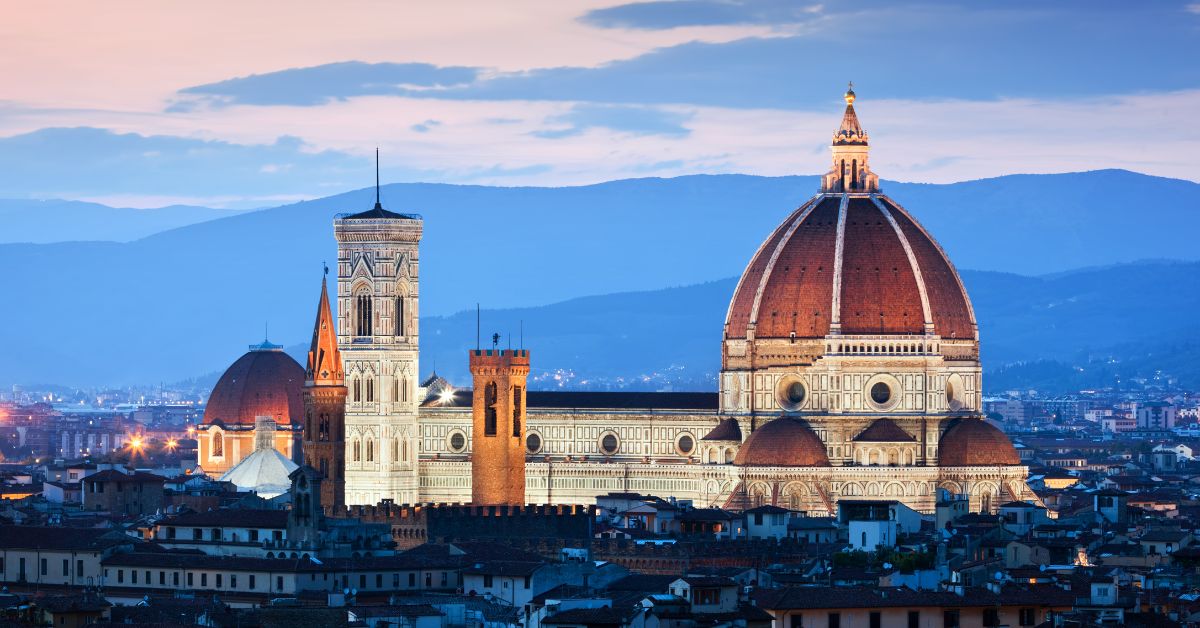
I thought I was prepared. I had my camera, my walking shoes, and a meticulously highlighted list of must-see masterpieces. But by the end of my first day in Florence, I was dehydrated, overwhelmed, and standing in a forty-five-minute line for a mediocre eighteen-euro plate of pasta near the Duomo.
Florence is magical, no doubt about it. Yet it is also crowded, expensive, and full of pitfalls that guidebooks rarely mention. After spending a week learning the hard way, I have put together everything I wish someone had told me before I went.
The Duomo Is More Than Just a Photo Op – Book Everything in Advance
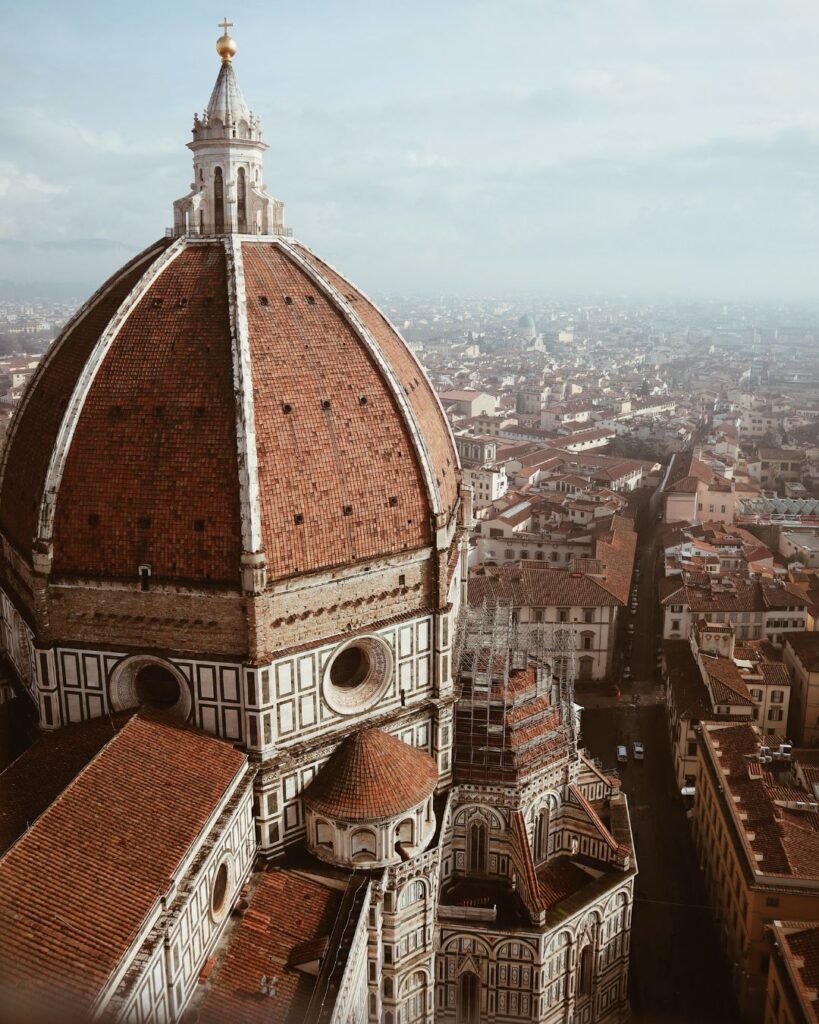
The Duomo is more than just a photo opportunity, and booking everything in advance is not a suggestion but a survival strategy. Climbing Brunelleschi’s Dome requires a timed ticket, and those tickets often sell out days or even weeks ahead, especially during peak seasons.
What I did not realize is that the standard ticket also includes the baptistery, the bell tower, and the museum, but it does not cover the cathedral interior, which is free to enter yet still demands waiting in a long, slow-moving line.
The climb itself is four hundred and sixty-three steep, narrow steps, and the passage becomes so tight in places that you can feel the stone pressing against both shoulders at once. If you are claustrophobic or have any mobility concerns, this experience can be genuinely distressing rather than exhilarating.
David Bigger Than You Expect – And Surrounded by Crowds
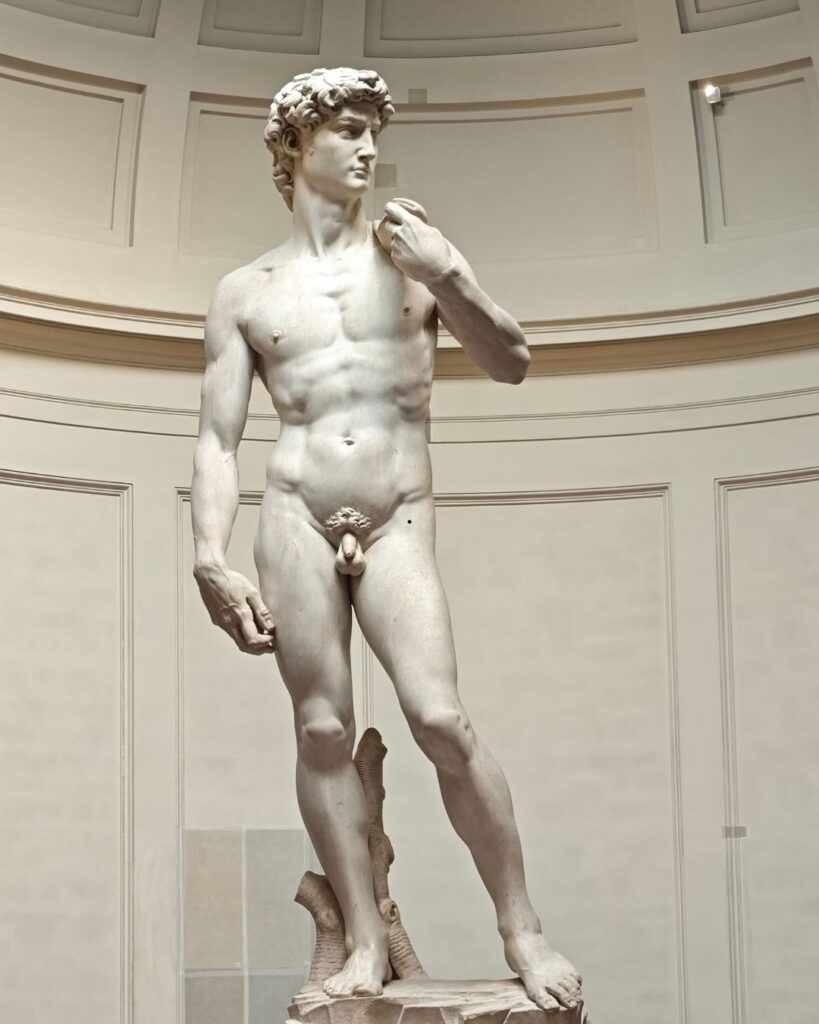
Michelangelo’s David is nothing short of colossal—towering far above every visitor in the room—and yet he is always surrounded by a sea of smartphones and shuffling tourists. The statue resides in the Accademia Gallery, a museum that is otherwise fairly modest, but the line to enter snakes around the block even in the so-called off-season.
I learned the hard way that booking tickets one or two months in advance is the only way to avoid wasting two hours of your precious Florentine daylight standing on hot pavement. When you finally reach the front of the line and turn the corner into the tribune, the David is suddenly right there, seventeen feet of luminous white marble, dominating the entire space.
The sheer size is staggering, but even more striking are the details that no photograph can capture—the swollen veins in his oversized hands, the furrow between his brows, the intense, almost unsettling gaze that follows you across the room.
Florence Is Walkable, But Your Shoes Will Pay the Price
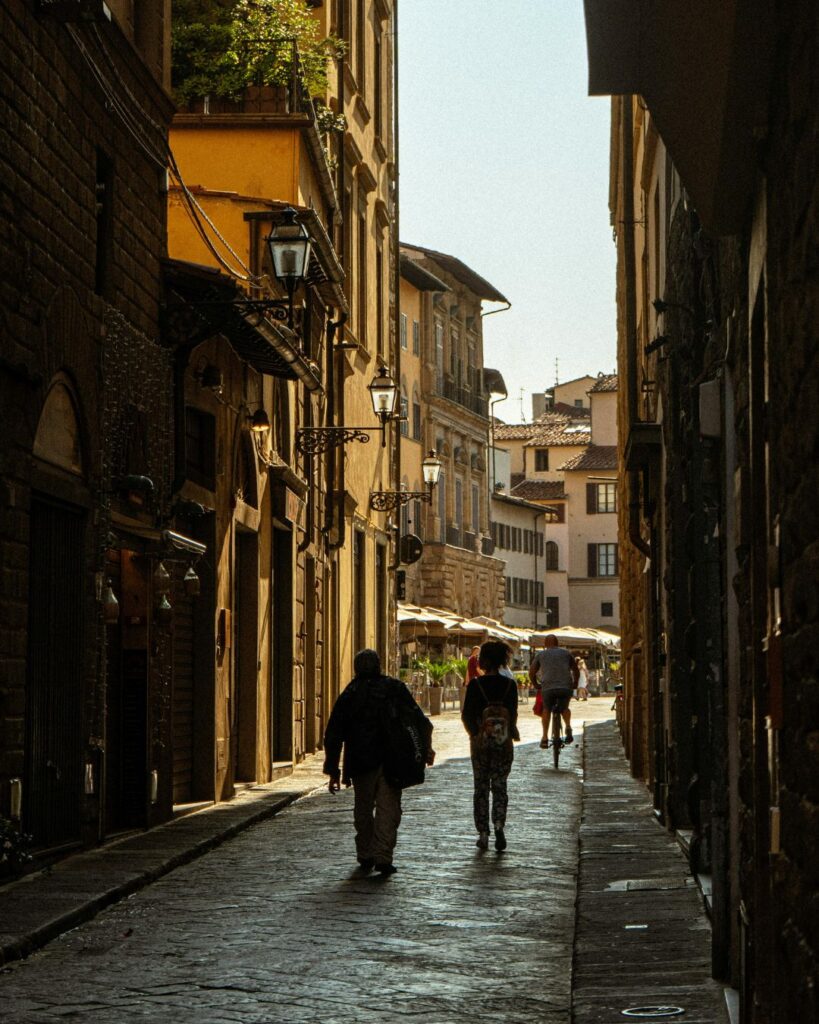
Florence is wonderfully walkable, but your shoes will pay a terrible price for all that charming old-world beauty. Cobblestones cover nearly every street and piazza in the historic center, and while they look romantic in golden hour light, they are brutal on thin soles and unsupportive footwear.
I made the mistake of wearing fashionable leather sneakers on my first day, and by midday, I was limping from blister to blister. The distances themselves are not large, from the train station at Santa Maria Novella to the viewpoint at Piazzale Michelangelo is only about a thirty-minute stroll, but you will easily walk ten to fifteen miles per day if you are trying to see the major sights.
Leave the stylish shoes for your dinner reservation and invest in good shoes like these ones with good grip. Your feet will thank you by the second day, and you will be able to keep going when the less prepared tourists around you are hobbling back to their hotels.
The Uffizi Gallery Is Overwhelming – Plan Your Must-Sees Beforehand
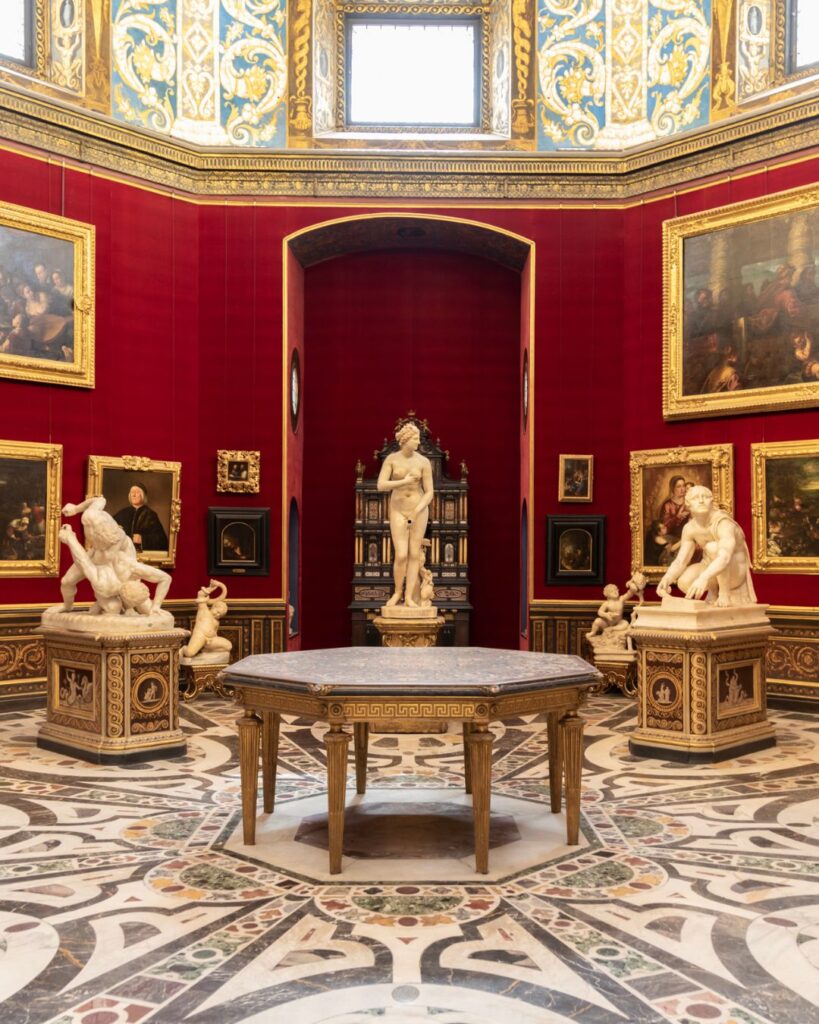
The Uffizi Gallery is overflowing with masterpieces to the point of being overwhelming, and trying to see everything will leave you exhausted and unsatisfied. The museum houses hundreds of paintings spread across dozens of rooms, including Botticelli’s Birth of Venus, Leonardo da Vinci’s Annunciation, and Caravaggio’s Medusa.
What I wish I had known is that you should not attempt to see it all. Instead, pick five to ten key pieces before you arrive, study their locations on the museum map, and focus your energy on those.
The museum fatigue hits hard and fast, somewhere around room twenty, when your eyes glaze over and every Madonna and child starts to look the same. By limiting your focus, you will actually remember what you saw, and you will leave the Uffizi feeling inspired rather than drained.
The Real Florentine Food Isn’t What You Expect
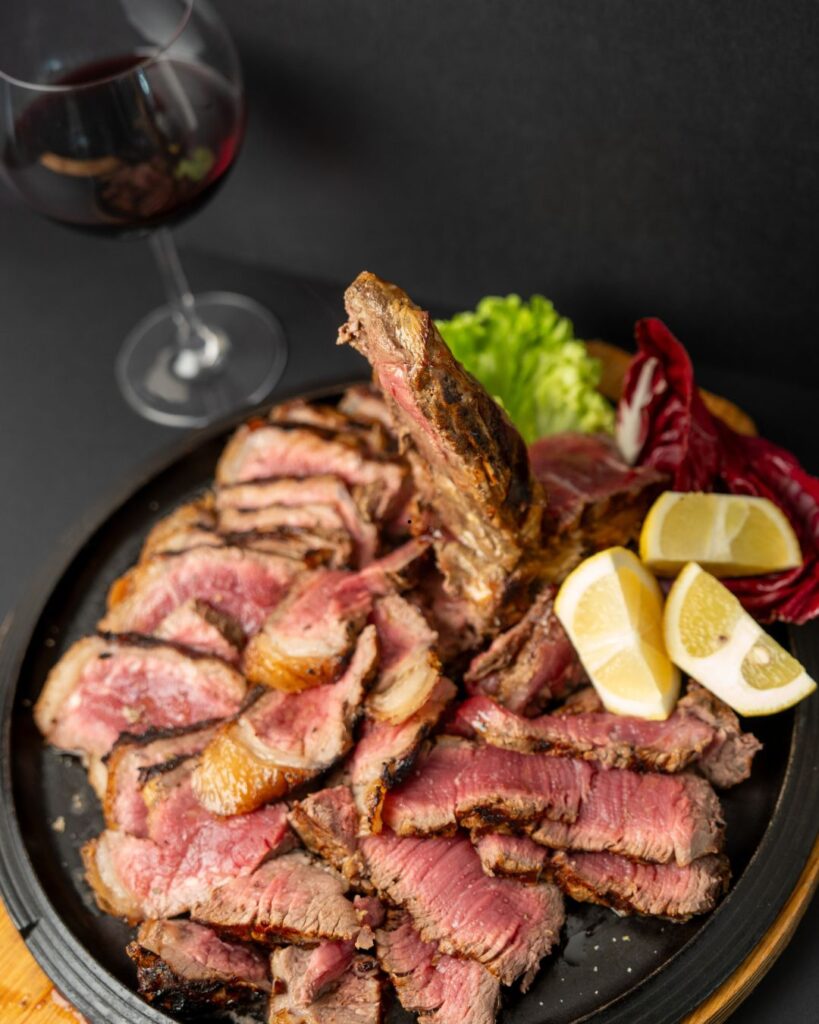
The real Florentine food is not what most tourists end up eating, because the restaurants near the Duomo and the Ponte Vecchio serve frozen pasta and pre-made pizza to unsuspecting visitors.
I ate a terrible, gluey risotto on my first night simply because I was tired and hungry and the terrace looked inviting. The truth is that you need to cross the Arno River into the Oltrarno district to find the good stuff. That is where you will find bistecca alla fiorentina, a massive T-bone steak served rare and seasoned with nothing but salt, pepper, and olive oil.
It is also where you can try lampredotto, a sandwich made from cow’s fourth stomach, which sounds alarming but is actually rich, tender, and delicious when served on a crusty roll with green sauce. Do not be afraid of the street food vendors in the central market, either. Their sandwiches are far better than most sit-down restaurants in the tourist zone.
The Famous Sunset at Piazzale Michelangelo Gets Packed by 5 PM
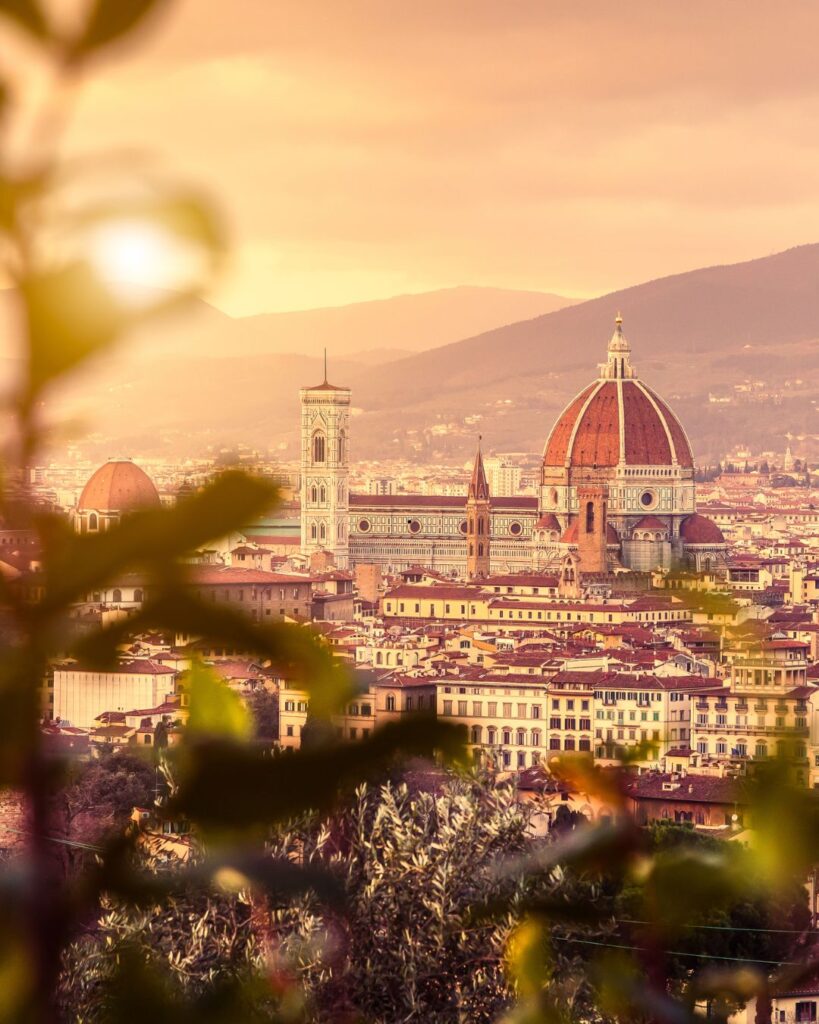
The famous sunset at Piazzale Michelangelo gets packed to the point of being uncomfortable by five in the afternoon, even in the spring and fall. I arrived an hour before sunset thinking I was being smart, only to find the stairs already three rows deep with tripods and selfie sticks.
What I wish I had known is that you can get the same view with a fraction of the crowd by walking just a few minutes higher to San Miniato al Monte, a beautiful Romanesque church that sits above the main viewpoint.
The sunset colors are just as spectacular from there, and the monks sometimes chant vespers inside as the sky turns orange and pink over the city. Even better, consider going to Piazzale Michelangelo at sunrise instead. The light is gorgeous, the city is quiet, and you will have the entire terrace almost to yourself.
Churches Are Free or Cheap – And Contain Masterpieces
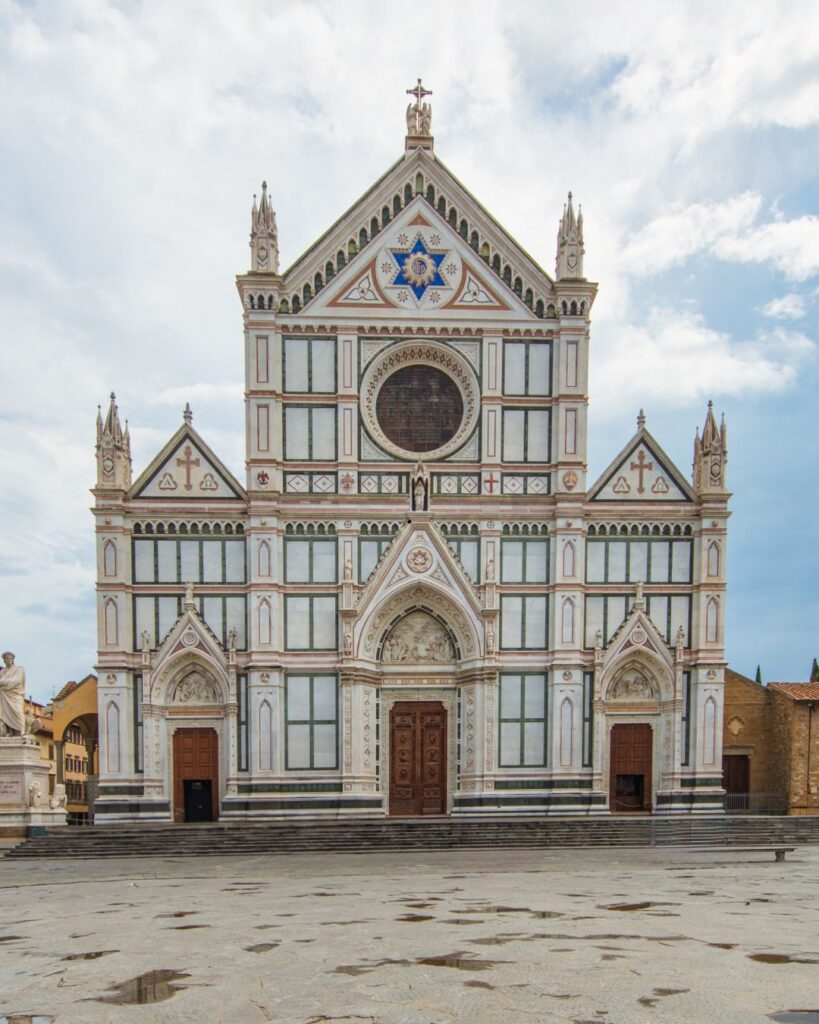
The churches of Florence are often free or very cheap to enter, and they contain masterpieces that would be the highlight of any other city’s museums. Santa Croce, for example, holds the tombs of Michelangelo, Galileo, and Machiavelli, plus stunning frescoes by Giotto. Santa Maria Novella has Masaccio’s Holy Trinity, a painting that essentially invented Renaissance perspective.
What caught me off guard was how much more peaceful these churches are compared to the major museums. You can stand in front of a Giotto fresco in near silence, with only the echo of footsteps on stone floors, while the Uffizi next door is a roaring river of tour groups. Many churches charge a modest entrance fee of three to eight euros, but that small cost is a bargain for the serenity and the art.
The Leather Market Is Mostly Not Florentine
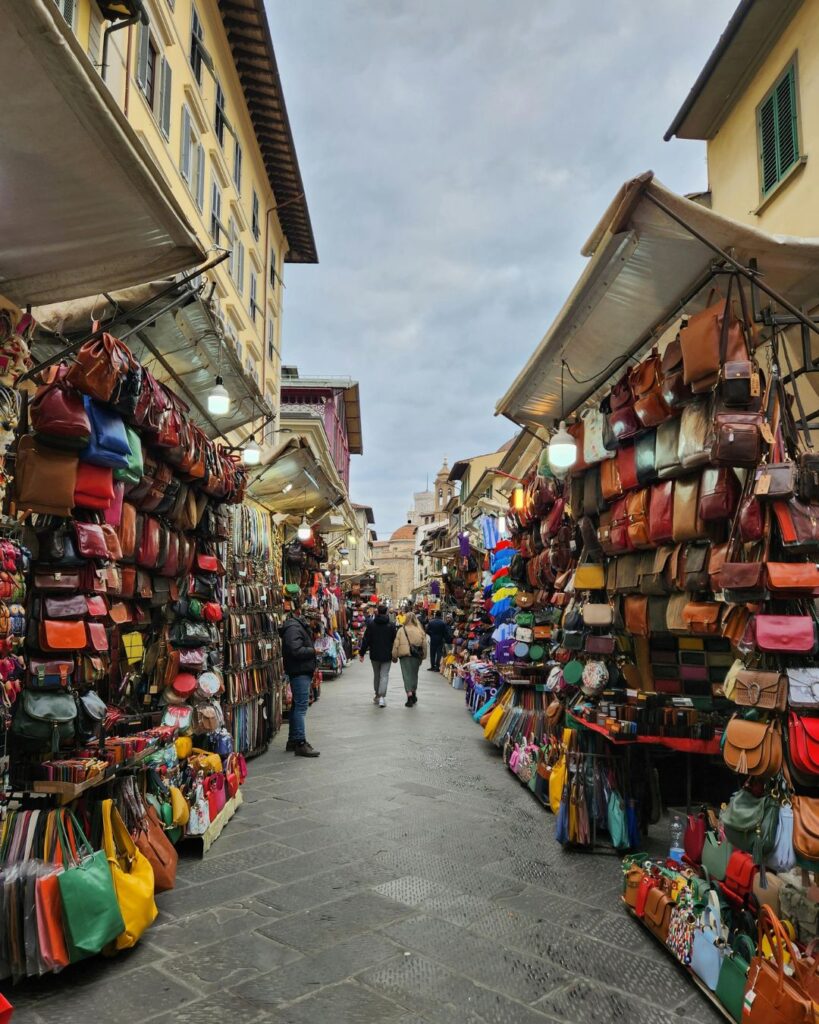
The leather market at San Lorenzo is mostly not Florentine at all, despite what the vendors will tell you. The stalls are piled high with jackets, bags, and belts that look authentic but are largely mass-produced in other countries and shipped in.
I almost bought what I thought was a beautiful handmade wallet before a local friend stopped me. The real Florentine leather workshops are hidden in the Oltrarno and near Santa Croce, small storefronts where you can actually see the artisans cutting and stitching the leather by hand.
Look for the Consorzio dei Maestri Pellettieri sign, which certifies genuine local craftsmanship. Be prepared to pay accordingly, a quality leather belt will cost upwards of fifty euros, and a handbag will easily be two hundred or more. That is not a rip-off. That is what handmade Italian leather actually costs.
You Need to Book Dinner Reservations for Any Decent Restaurant
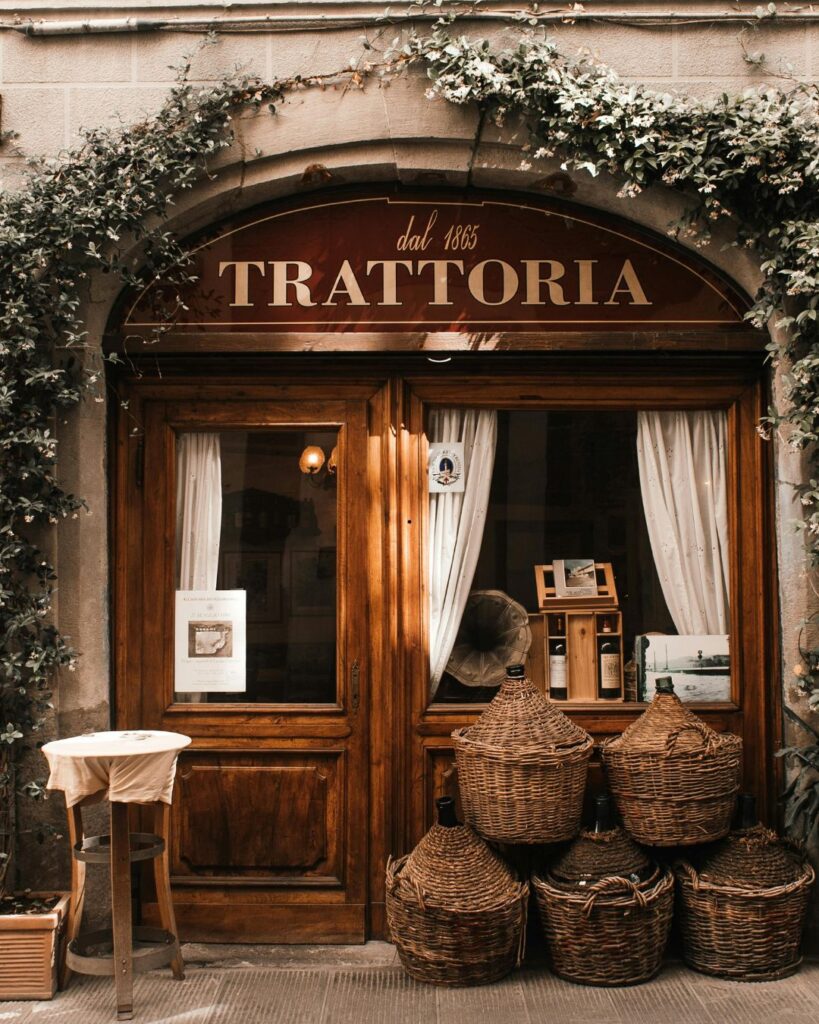
You need to book dinner reservations for any decent restaurant, sometimes several days in advance. I learned this the hard way when I tried to walk into a highly recommended trattoria at eight o’clock on a Tuesday night, only to be turned away because every table was booked through the weekend. Walk-ins are possible only at the tourist traps or before seven in the evening, when most Italians are still having an aperitivo.
Use an app like The Fork to secure your spots ahead of time, and do not sleep on places like Trattoria 4 Leoni on the Oltrarno side or Osteria Santo Spirito near the piazza of the same name. A reservation might feel like overplanning, but it is the difference between eating sublime pasta in a cozy room and eating rubbery gnocchi while watching other people enjoy their meals.
The Arno’s Romantic Evening Walk Has a Catch
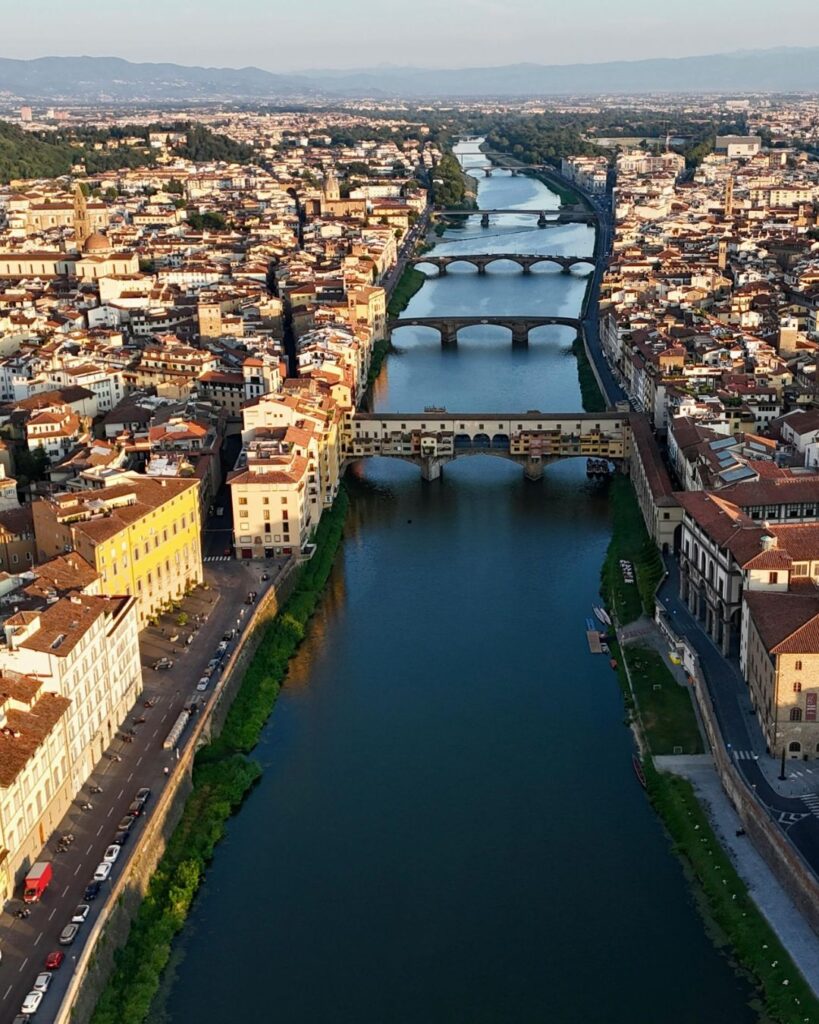
The romantic evening walk along the Arno River has a significant downside that no one mentions, which is the mosquitoes. In the summer and early autumn, the riverbanks are swarms of them, and they are relentless. I came back to my hotel after a lovely sunset stroll with a dozen bites on each ankle. Bring insect repellent and apply it before you head out, especially if you plan to linger near the water. Also, the Ponte Vecchio itself is absolutely clogged with tourists until around ten at night, which makes it hard to appreciate the famous golden jewelry shops and the Vasari Corridor above. Go at seven in the morning instead. The light is soft, the bridge is nearly empty, and you can take photos without strangers photobombing every frame.
Florence Has a Slow Church You Shouldn’t Miss
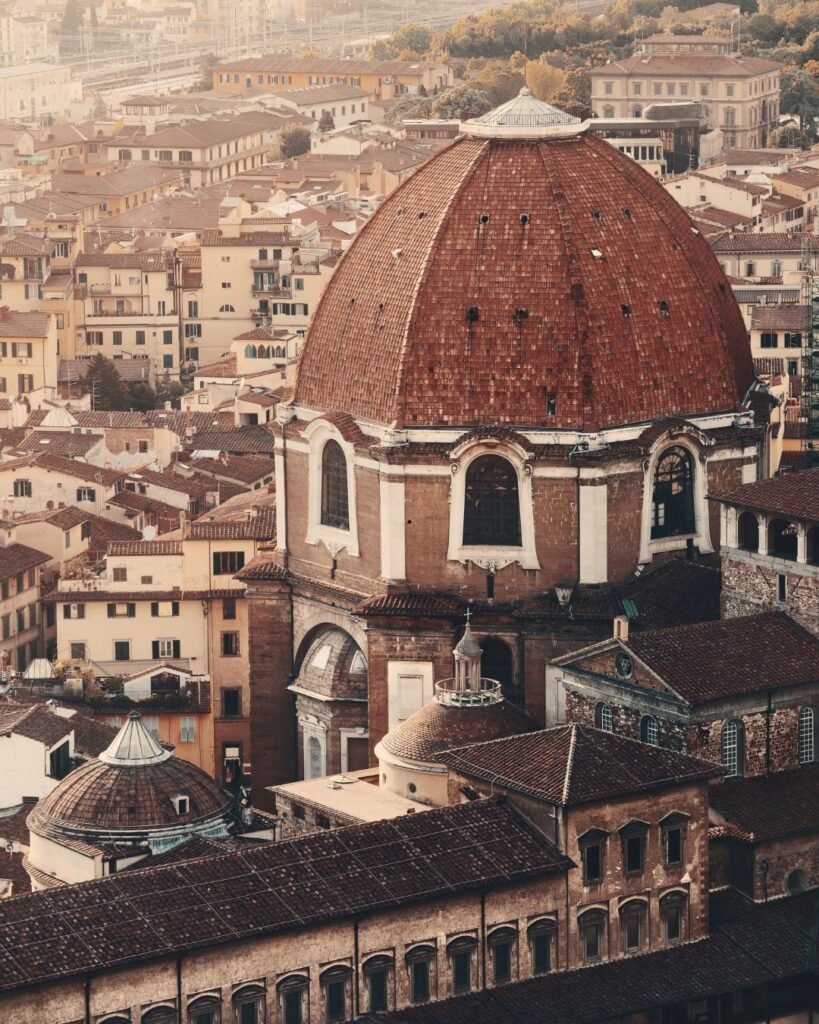
One overlooked gem that most visitors miss entirely is the Medici Chapels, which are technically part of the church of San Lorenzo but feel like a world apart. The chapels contain Michelangelo’s New Sacristy, where his stunning allegorical statues of Dawn, Dusk, Day, and Night recline over the tombs of Medici dukes. I walked into this room expecting something nice and was completely floored.
The figures seem to breathe, their muscles tensing and relaxing in the dim light. Best of all, there were almost no other tourists there. The Accademia had been a zoo, but here I stood alone with some of Michelangelo’s most profound work, listening to my own heartbeat in the silence. Do not make the mistake of skipping this place because it is less famous than the Duomo or the Uffizi.
Public Bathrooms Are Rare and Often Require Coins
Public bathrooms are rare in Florence, and the ones that do exist often require coins. The museums have clean, reliable facilities, but out on the streets, you cannot count on finding a free public toilet. I spent an uncomfortable afternoon desperately searching for a restroom near the Piazza della Signoria before I learned the local trick.
Any café or bar will let you use their bathroom if you buy something, even just a one-euro espresso drunk standing at the counter. This is perfectly normal and accepted. Alternatively, carry a handful of fifty-cent and one-euro coins with you at all times, because the paid public toilets near major sights cost money and do not make change. The one near Santa Croce, for example, requires exactly one euro to open the turnstile.
The Train Station Area Is Convenient but Not Charming
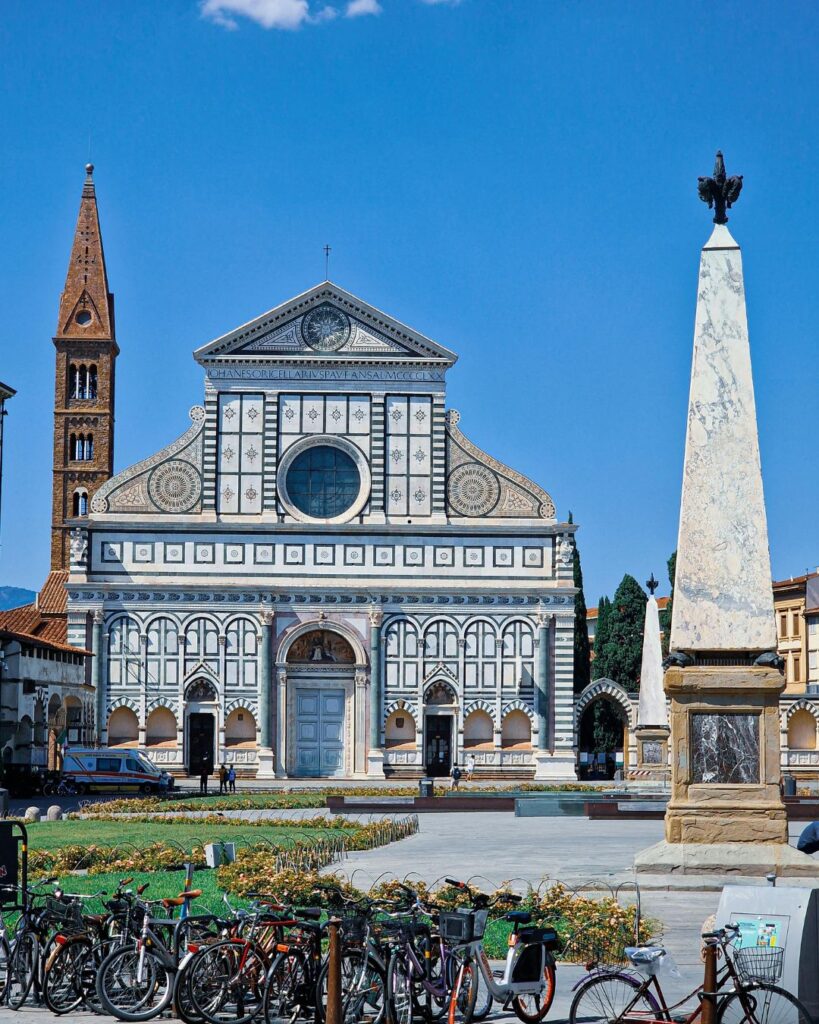
The area around the Santa Maria Novella train station is convenient but decidedly not charming, especially after dark. I booked a hotel there thinking I would save time and money, and while both of those things were true, I regretted it every evening. The streets near the station attract a rougher crowd, including pickpockets and street vendors selling counterfeit goods, and the overall feeling is grimy rather than romantic.
What I wish I had known is to book accommodations in the Oltrarno, in Santo Spirito, or near Santa Croce instead. You will be a fifteen-minute walk from the Duomo rather than a five-minute walk, but you will also be surrounded by neighborhood trattorias, quiet piazzas with local families, and the kind of authentic Florentine atmosphere that makes you feel like a resident rather than a tourist.
August Is Unbearably Hot and Crowded – And Many Shops Close
August is unbearably hot and crowded, and many of the best local shops and restaurants close down for two or three weeks in the middle of the month. I cannot emphasize this enough, do not visit Florence in August if you have any flexibility. The temperatures regularly soar above ninety-five degrees Fahrenheit, the humidity makes it feel even worse, and the city smells like a mixture of sweat, hot leather, and sun-baked stone.
On top of that, the Ferragosto holiday on August fifteenth means that much of the city shuts down as Florentines flee to the coast or the mountains. The best times to visit are May, early June before the fifteenth, and September through October. The weather is mild, the crowds are thinner, and the city actually feels like it belongs to the people who live there.
You Don’t Need a Rental Car – In Fact, It’s a Liability
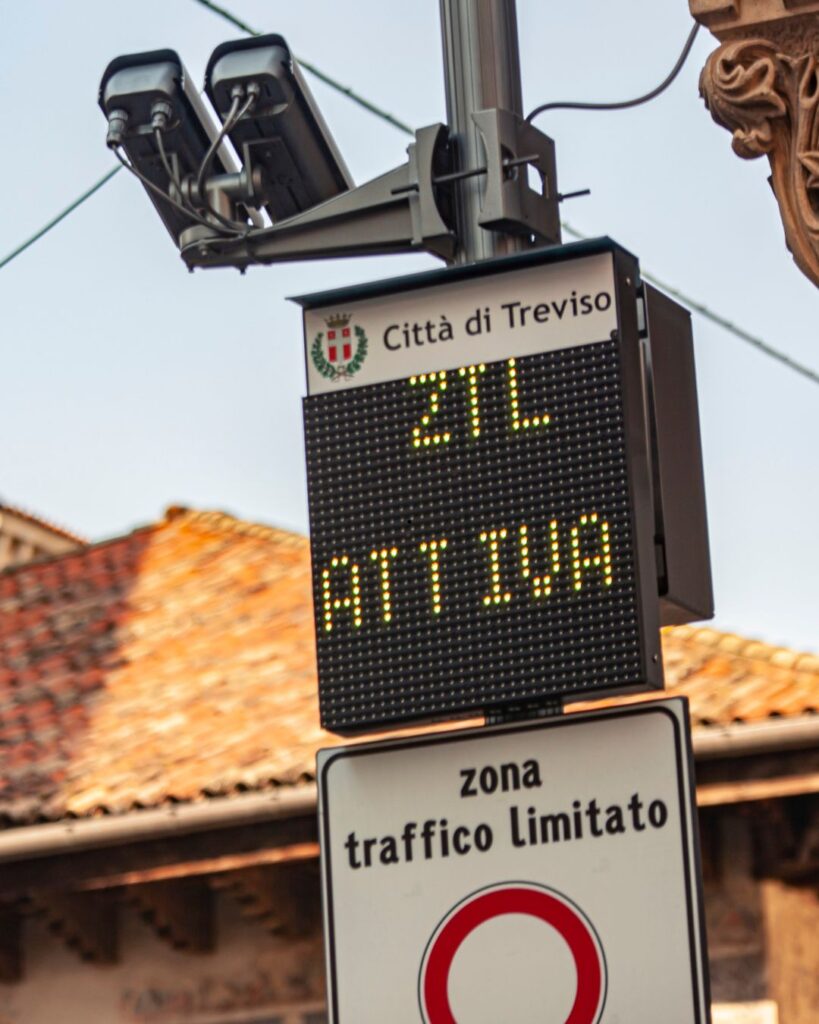
You do not need a rental car in Florence, and in fact, having one is a liability that will cost you time and money. The historic center is protected by a Limited Traffic Zone, or ZTL, which uses cameras to automatically photograph and fine any unauthorized vehicle that enters. These fines start at over one hundred euros and can arrive in the mail months after you have returned home.
I met a traveler who received three separate fines from a single afternoon of trying to reach his hotel. If you absolutely must drive to Florence, park at the Villa Costanza tram stop on the outskirts and take the modern tram directly into the city center. Better yet, arrive by train from wherever you are coming from, because Florence’s train station is centrally located and well connected to the rest of Italy.
The Fake David at Piazza della Signoria Is a Great Alternative
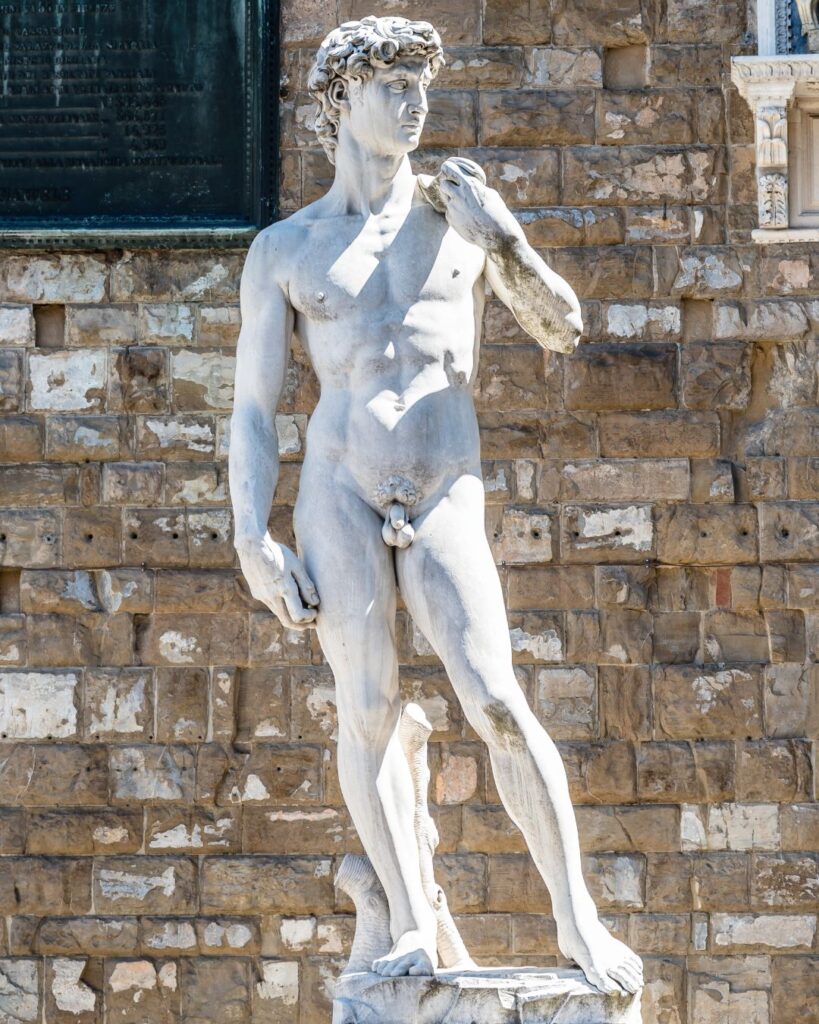
The replica of David that stands in the Piazza della Signoria is a perfect substitute for photographs, and you should use it to your advantage. The real David is inside the Accademia, but the original outdoor location in front of the Palazzo Vecchio now holds a flawless copy.
I recommend going to the piazza first thing in the morning, taking all the photos you want with the replica, and then heading to the Accademia solely to see the real statue up close. That way, you are not fighting for a good photo angle inside a crowded museum.
You can simply stand and look at the genuine masterpiece without the pressure of capturing it on your phone. And while you are in the piazza, look around at the other statues in the Loggia dei Lanzi, including Cellini’s bronze Perseus with the head of Medusa, which is one of the most thrilling sculptures in all of Florence.
Learn a Few Italian Phrases – It Changes Everything
Learning just a few basic Italian phrases will change everything about how you are treated in shops and restaurants. You do not need to be fluent, but knowing how to say buongiorno for good morning, per favore for please, grazie for thank you, and dov’è il bagno for where is the bathroom will make a noticeable difference.
I watched a tourist struggle to order a coffee in English while the barista grew visibly impatient, then the next customer said un caffè, per favore and received a warm smile and rapid service. Florentines are proud of their language and their city, and they genuinely appreciate even a clumsy attempt at Italian. Do not be shy about it. You will make mistakes, they will smile, and you will have a better experience than if you simply assumed that everyone speaks perfect English.
Florence Has a Free Museum Night – But Go Late
Florence has a free museum night on the first Sunday of every month, when all state museums including the Uffizi and the Accademia open their doors at no cost. This sounds like a wonderful bargain, and it is, but the catch is that the lines can stretch to two or three hours long. I made the mistake of arriving at the Uffizi at noon on a free Sunday and found a queue that wrapped around the entire building and down the street.
What I wish I had known is to go in the last two hours before closing, around five to seven in the evening. By that time, most of the early birds have gone home, the line shrinks dramatically, and you can walk right in. You will not see everything in two hours, but you will see the highlights for free, which is a fair trade.
The Street Artists and Gift Scams Are Aggressive
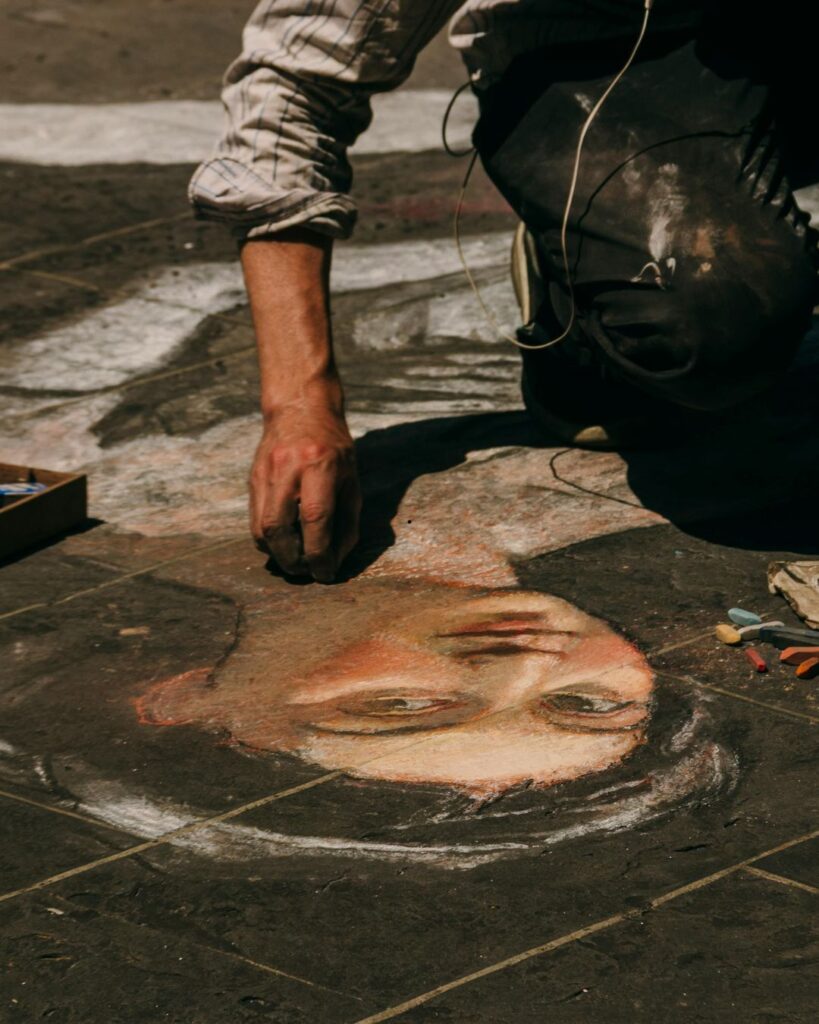
The street artists and gift scammers near the main tourist sights are aggressive, and you need to know how to handle them before they catch you off guard. The most common trick is the friendship bracelet scam, where a man will tie a small colored string around your wrist without asking, then demand ten euros for the gift you never wanted.
Another variation involves someone shoving a rose into your hand or asking you to sign a fake petition for deaf children. I fell for the petition once, and while I was distracted signing my name, an accomplice tried to unzip my bag. The only solution is to be firm and rude if necessary. Say no, grazie loudly, do not break your stride, and do not make eye contact. These scammers are looking for tourists who seem polite or uncertain. Do not give them that opening.
One Day Is Not Enough – But Even Five Days Feels Short
One day in Florence is not enough, but even five days will feel too short once you understand how much there is to see and experience. Many travelers try to day-trip from Rome or from the Cinque Terre, cramming the Duomo, David, and a panino into a frantic twelve hours. They leave thinking they have seen Florence, but they have really only touched the surface.
I recommend a minimum of three to four full days. Use one day for the Duomo complex including the baptistery, the bell tower, and the climb. Use another for the Uffizi and the Palazzo Vecchio. Use a third for the Accademia, the Medici Chapels, and Santa Croce.
Use a fourth to explore the Oltrarno, wander the Boboli Gardens, and watch the sunset from San Miniato al Monte. And even then, you will leave wishing you had booked a longer stay. That is not a failure of planning. That is simply the effect Florence has on people. It draws you in, demands your full attention, and then haunts you long after you have gone home.
And that’s it. What else would you include in this list?
Again, feel free to go through the list below of my Italy recommendations that I have crafted after years of travel to this beautiful country:
- Packing List: Things Not to Go to Italy Without
- Must-Do Things: Unforgettable Experiences
- Where to Stay: Best Hotels in Italy.
- Where to Stay in Rome: Rome’s Best Neighborhoods
- Where to Stay in Florence: Picking the Best Area
- Where to Stay in Venice: Venice’s Best Districts
- Italy’s Cobblestone Streets: Best Shoes For the Job
- Backpack or Suitcase?: Italy Luggage Guide
- Travel Insurance: Always Be Covered
- E-Sim: Be Connected At All Times