
Have you seen those “expectation vs reality” videos on TikTok and Instagram? That can happen to you in Florence if you fail to plan your trip properly.
A few days before your trip, you imagine yourself standing before Michelangelo’s David, gazing up at Brunelleschi’s magnificent dome, and eating incredible pasta at a little family-run trattoria. Then you arrive. And you find yourself sweating in a two-hour line for the Duomo, surrounded by a hundred other frustrated tourists holding selfie sticks.
You finally get inside the Uffizi, but it’s so crowded you can barely see Botticelli’s Venus. You’re exhausted, hungry, and somehow underwhelmed. You start to wonder if Florence is overrated.
Here’s the hard truth: Florence is not overrated. But most first-time visitors ruin their trip before they even land. They don’t mean to. They just make one critical mistake that turns a magical Renaissance city into a stressful, crowded disappointment.
The good news? This mistake is completely avoidable. And fixing it doesn’t require more money or more days. It just requires a simple shift in how you plan.
What Exactly Is This One Mistake?
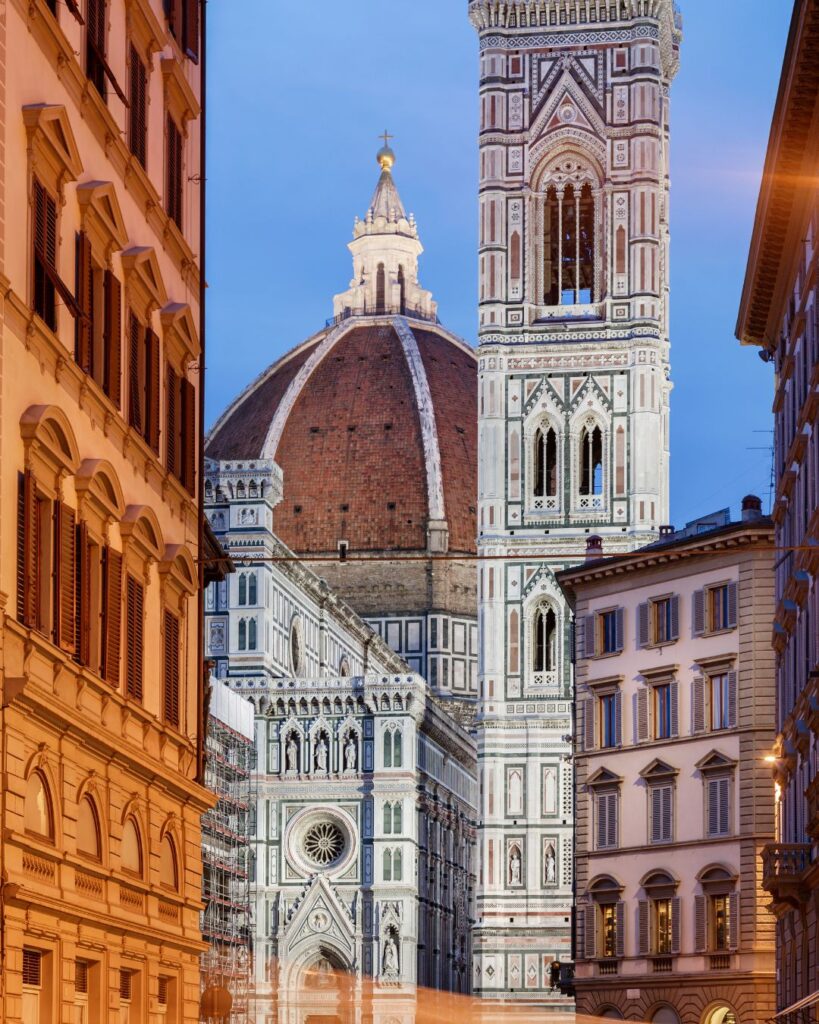
The mistake is simple: treating Florence like a theme park you can “complete” in 48 hours without any advance planning. First-time visitors arrive with a checklist of must-see sights—the Uffizi, Accademia, Duomo climb, Ponte Vecchio, Santa Croce, Palazzo Pitti—and they assume they can just show up and figure it out.
They pack every single day from 9 AM to 9 PM. They make zero reservations because they don’t want to be locked into a schedule. And then reality hits.
What happens next is painfully predictable. You spend three to four hours per day standing in lines. That’s half a waking day gone, just waiting. You get hungry and desperate, so you grab an overpriced sandwich from a tourist trap near the cathedral. You rush through the Accademia in twenty minutes because you’re already behind schedule.
You climb the dome but barely remember it because you were too tired to appreciate the view. By day two, you’re irritable and your feet hurt. You start skipping things you actually wanted to see just to sit down somewhere quiet. You leave Florence feeling like you failed.
And here’s the real tragedy: Florence is small enough that all of this chaos is completely unnecessary. The city rewards patience and punishes panic. But most first-timers don’t realize that until it’s too late.
Why Almost Everyone Makes This Mistake
You might be thinking, “I’m a smart traveler. I wouldn’t do this.” But here’s why even smart travelers fall into the trap.
First, there’s enormous bucket list pressure. Every guidebook, every Instagram post, every friend who’s been to Italy tells you that you absolutely cannot miss David, the Duomo, the Uffizi, the Ponte Vecchio, and a dozen other sights. You start to feel that if you skip even one of them, you’ve somehow failed Florence. So you cram everything in, even though the city’s historic center is tiny and everyone funnels into the same eight streets between 10 AM and 4 PM.
Second, many online itineraries are completely unrealistic. Search “Florence in 2 days,” and you’ll find blog posts listing ten to twelve sights per day. Those itineraries were written either by professional travel writers who visited in the dead of winter, or by people who never actually waited in a July line.
They assume you can teleport from the Uffizi to the Accademia to the Duomo climb without considering transit time, bathroom breaks, lunch, or the simple fact that standing takes energy.
Third, there’s a powerful fear of missing out. You worry that if you sit in a piazza for an hour doing nothing but drinking wine and watching old men play cards, you’re wasting precious trip time. But the opposite is true. Rushing from sight to sight is what wastes Florence.
The real magic happens in the gaps between the famous attractions—the quiet courtyard you stumble into, the perfect gelato you find by wandering, the conversation with a shopkeeper who teaches you something about Florentine leather.
Once you understand that, you’re already halfway to solving the problem.
The Real Cost of This Mistake (Beyond Just Being Annoyed)
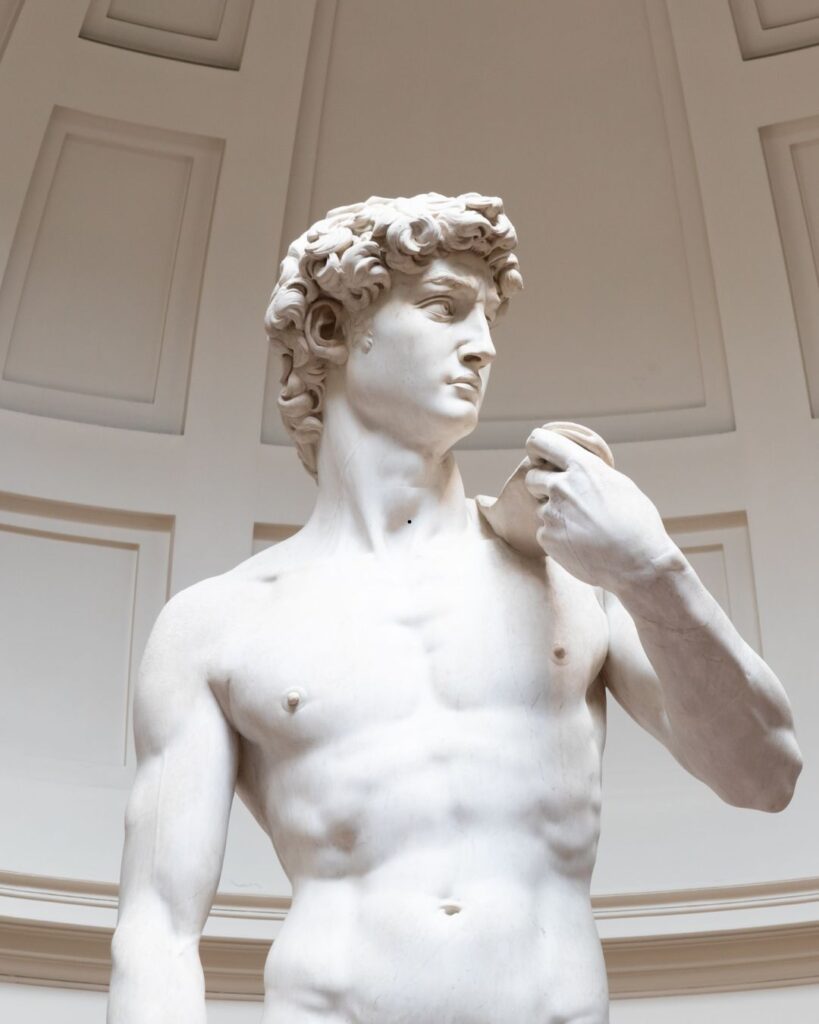
Let me put some numbers on this so you understand what’s really at stake. The Accademia, home to Michelangelo’s David, typically has a wait time of ninety minutes to two hours without a reservation. The Uffizi is about the same.
That’s three to four hours of your trip spent standing in two lines alone. Add the Duomo climb, which often sells out by 9:30 AM, and you might miss it entirely. You’ve now lost half a day to waiting or disappointment.
The financial cost adds up too. When you’re exhausted and defeated by lines, you become vulnerable to street touts selling overpriced “skip the line” tours. Some of these are legitimate but marked up 200 percent. Others are outright scams. You end up paying double what you would have paid for a simple reserved ticket booked three weeks earlier. And for what? The same museum experience, just with less waiting and more resentment.
But the real tragedy isn’t time or money. It’s what you miss entirely. The first-time visitor who spends half their trip standing in lines never makes it to San Miniato al Monte, a Romanesque church with the best view in Florence and one tenth the crowd of Piazzale Michelangelo.
They never wander through the Oltrarno neighborhood, where artisans still work in centuries-old workshops, and the wine flows cheaper and friendlier. They never discover the Officina Profumo-Farmaceutica di Santa Maria Novella, a stunning 400-year-old pharmacy that looks like a Renaissance palace. They leave Florence having seen the famous sights but never having felt the city.
That’s the real loss. And it’s completely avoidable.
How to Avoid It: A 3-Step Fix That Actually Works
Enough with the problems. Let’s talk solutions. You can avoid this entire mess with three straightforward steps. None of them require special skills or extra money. They just require planning ahead and trusting a different approach.
Step 1: Book Every Major Sight Before You Leave Home
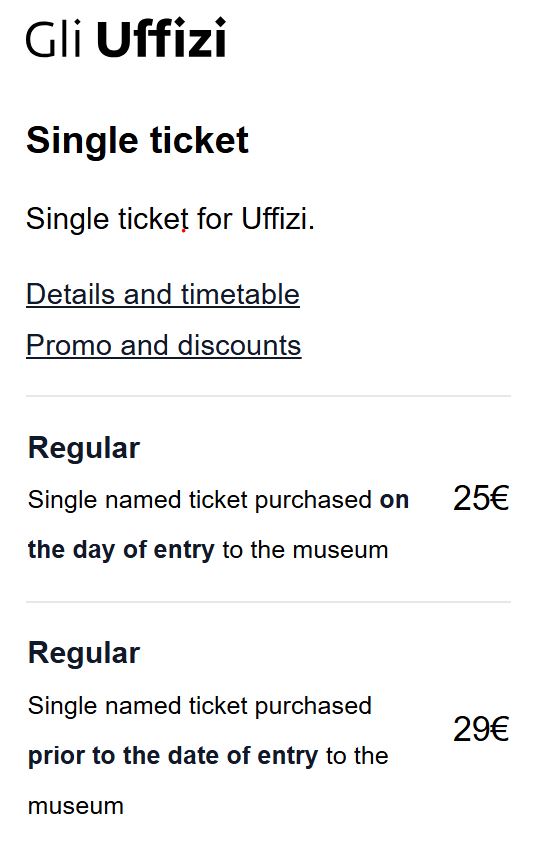
I cannot emphasize this enough. Do not wait until you arrive in Florence to book your museum tickets. Do not tell yourself you’ll “see how you feel” that morning. Do not assume that because it’s low season, you’ll be fine. Just book them.
For the Accademia (David), book your tickets two to four weeks in advance. Morning slots sell out first, so aim for 8:30 or 9 AM if you want to be ahead of the crowds. For the Uffizi, book one to two weeks ahead. Tuesday and Thursday mornings tend to be slightly quieter than other days.
For the Duomo climb, which is Brunelleschi’s dome, book as far in advance as possible—months ahead if you’re traveling in peak season from May through October. This is the single most competitive ticket in Florence.
For secondary sights like Palazzo Vecchio, Boboli Gardens, and the Medici Chapels, you can usually book one week ahead or even a few days before. But don’t push it. The official websites for each museum are your best bet—avoid third-party resellers who add fees and sometimes sell fake tickets. The official sites are easy to use, and many accept PayPal or credit cards from international visitors.
Step 2: Schedule One Big Sight Per Day (Maximum Two)
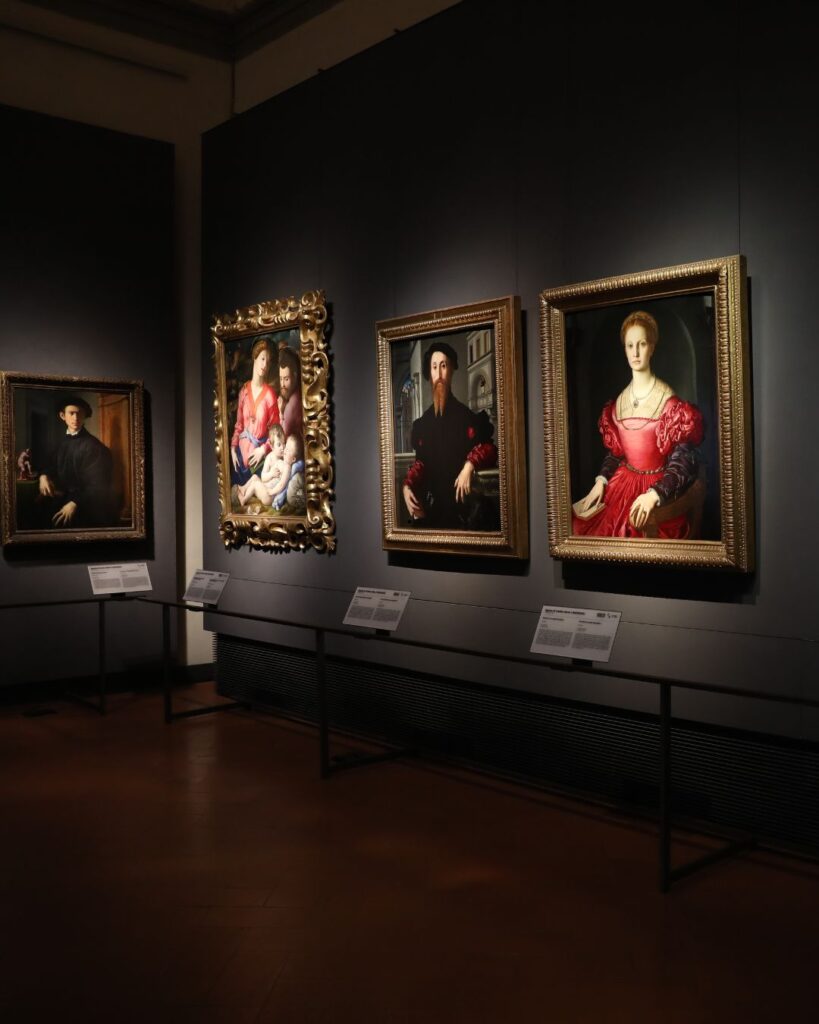
Here’s the rule that saves Florence trips: only one “ticketed marathon museum” per day. That means one day for the Uffizi. One separate day for the Accademia. One day for the Duomo climb. You do not combine the Uffizi and the Accademia into the same morning, no matter how efficient you think you are.
A good morning looks like this: Uffizi at 8:30 AM. You’re inside before the crowds swell. You spend two to two and a half hours there, which is plenty. By 11 AM, you’re walking out into fresh air while the line outside has grown to an hour long. You feel like you’ve won a small victory.
Your afternoon then becomes open. You have a long, slow lunch somewhere away from the tourist core—maybe near the Sant’Ambrogio market. You wander without a destination. You stumble into a church you’ve never heard of. You sit in a piazza and read a book. In the evening, you walk up to Piazzale Michelangelo for sunset, then cross the river to the Oltrarno for dinner in a square full of locals, not tour groups.
That day you saw one major museum. But you also experienced ten small moments of Florence that most rushed visitors miss entirely. That trade is always worth it.
Step 3: Build Your Trip Around Golden Hours and Free Spaces
Florence has three golden hours that most tourists ignore. Use them.
The first golden hour is sunrise, roughly 6 to 7:30 AM depending on the season. The Duomo plaza is almost empty at this hour. You can take photos without strangers in them. You can walk across the Ponte Vecchio without being jostled. You can hear your own footsteps on the cobblestones. Most visitors are still asleep. This is your time.
The second golden hour is late afternoon, from about 4 to 6 PM. The morning crowds have thinned out. The heat has broken. Artisan streets like Via dei Serragli and Via Santo Spirito come alive with small shops that actually want your business. This is the best time to buy leather, paper, or jewelry—not at noon when everyone is hangry, and everything feels transactional.
The third golden hour is evening, from 8 to 10 PM. Florentines come out to socialize. Piazza Santo Spirito fills with people drinking wine outdoors. The hard-core tourists have retreated to their hotels. You can find a table at a trattoria without waiting. The city exhales. So should you.
And don’t overlook Florence’s free gems. San Miniato al Monte is a church just above Piazzale Michelangelo with an even better view and a fraction of the crowd. It costs nothing. The Mercato Centrale food hall upstairs is lively, affordable, and requires no reservation.
The historic Santa Maria Novella pharmacy is free to enter and looks like a museum of Renaissance perfume bottles. These places are not secrets to locals. But to the panicked first-timer standing in line for David, they might as well be invisible.
A Sample 3-Day Florence Itinerary (The No-Mistake Version)
If you want a concrete plan to steal, here’s exactly how three days could look using the principles above. Feel free to adjust based on your interests, but keep the rhythm: one big sight per morning, open afternoons, golden hour evenings.
Day 1 – Renaissance Core
Start your trip with the Uffizi at 8:30 AM with a reserved ticket. See Botticelli’s Birth of Venus and Leonardo’s Annunciation before the galleries get crowded. You’ll be done by 11 AM. Walk east to the Sant’Ambrogio market neighborhood for lunch—prices drop significantly once you leave the cathedral area.
In the afternoon, explore the Duomo’s exterior and Baptistery (no lines for these) and climb Giotto’s Bell Tower instead of the dome. The tower gives you better photo angles and a slightly shorter wait. End your day at Piazzale Michelangelo for sunset. Bring a bottle of wine or a beer from a corner shop and sit on the steps with everyone else.
Day 2 – David and the Other Side of the River
Start with the Accademia at 9 AM. Spend time with David—he’s worth more than a quick glance—but don’t linger for hours. By 10:30 AM, you’re out. Cross the Ponte Vecchio before 11 AM, because by noon it becomes a moving sidewalk of selfie sticks.
Spend the rest of the day in the Oltrarno. Visit the Pitti Palace and wander the Boboli Gardens slowly. This is your one big sight for the day, so take your time. For dinner, find a trattoria on a side street off Piazza Santo Spirito rather than the main square. Better food, quieter atmosphere, happier wallet.
Day 3 – Deep Cuts Where Crowds Don’t Go
Your final day is for everything the rushed tourist misses. Spend the morning at Santa Croce, the Franciscan church that holds the tombs of Michelangelo, Galileo, and Machiavelli. There’s also a small leather school inside where you can watch artisans work. For the afternoon, visit the San Marco Museum, a former monastery where Fra Angelico painted his exquisite frescoes in serene, silent cells.
Most tourists never set foot here, which means you might have entire rooms to yourself. If you still have energy, end at the Medici Chapels to see Michelangelo’s New Sacristy—dark, dramatic, and gloriously quiet. For your final evening, either hunt for historic wine windows in the Oltrarno or grab a rooftop spritz at La Rinascente department store, where the view of the Duomo at sunset will ruin you for all other cities.
Bonus Tips for the Smart Traveler
If you want to go deeper, here are a few more quick tips worth writing down.
Use only official museum websites: Uffizi.it, GalleriaAccademiaFirenze.it, and OperaDuomoFirenze.it. Third-party resellers add unnecessary fees and occasionally sell invalid tickets.
The best time to visit Florence for the fewest crowds is November through March, excluding the Christmas and New Year’s weeks. Yes, it’s cooler and darker earlier. But you will have the city to yourself in a way that summer travelers cannot imagine.
The most underrated booking in Florence is the Cappella Brancacci, home to Masaccio’s revolutionary frescoes. Only twenty people are allowed inside at a time, so you must book about a week ahead. It is worth every bit of that effort.
The Firenze Card is not worth it for most first-timers. It only pays off if you visit six or more major sights within 72 hours. For most people, paying per sight and booking each one separately is cheaper and more flexible.
Finally, one free thing that feels like a cheat code: sunset from San Miniato al Monte. It is a ten-minute walk above Piazzale Michelangelo. Fewer people, better view, and no cost. Go there. Thank me later.
Related: You will wish you knew this before visiting Florence
Again, feel free to go through the list below of my Italy recommendations that I have crafted after years of travel to this beautiful country:
- Packing List: Things Not to Go to Italy Without
- Must-Do Things: Unforgettable Experiences
- Where to Stay: Best Hotels in Italy.
- Where to Stay in Rome: Rome’s Best Neighborhoods
- Where to Stay in Florence: Picking the Best Area
- Where to Stay in Venice: Venice’s Best Districts
- Italy’s Cobblestone Streets: Best Shoes For the Job
- Backpack or Suitcase?: Italy Luggage Guide
- Travel Insurance: Always Be Covered
- E-Sim: Be Connected At All Times