
From the misty dawn light creeping over the Tuscan hills to the golden hour glow that sets Venice’s canals ablaze, every corner of this beautiful nation offers a picture-perfect moment. But taking truly memorable photographs in Italy requires more than just showing up with a camera and hoping for the best. It demands thoughtful preparation, an understanding of the unique light, and a willingness to wake up before the rest of the world.
Over the years of exploring this incredible country, I have learned that the difference between a snapshot and a masterpiece often comes down to timing and technique. The crowds are relentless, the midday sun is harsh, and the iconic locations have been photographed a million times before. Yet with the right approach, you can capture images that feel fresh, personal, and deeply evocative of the Italian spirit.
Learning to read the light and plan your day around it will transform your photography. I always check the sunrise and sunset times for each location and build my itinerary around these golden moments, ensuring that my camera is ready when the magic happens. The effort of an early morning wake-up call is always rewarded with images that capture the soul of Italy.
Stop experiencing Italy like everyone else. Your trip is different because you are different. Tell me when you’re going, who you’re traveling with, where you want to go, what you absolutely want to see and do, your budget, and anything else that matters to you. I’ll put it all together into a tailor-made Italy itinerary that tells you where to go, where to stay, what to eat, and how to make the most of your time. Use this form
Essential Gear Without the Bulk

When packing for Italy, the temptation is to bring every piece of equipment you own, but the reality of cobblestone streets, steep staircases, and crowded piazzas quickly teaches you that less is often more. A lightweight mirrorless camera like this one is ideal for travel, offering excellent image quality without weighing you down during long days of exploration. For lenses, a wide-angle zoom is essential for capturing sweeping piazzas, cathedral interiors, and dramatic upward angles of ancient ruins.
A standard zoom lens will serve as your everyday workhorse, perfect for street photography, general scenes, and capturing the vibrant life of Italian cities. If you have room for a telephoto lens, it is invaluable for isolating architectural details, compressing the rolling Tuscan hills, and capturing intimate portraits of locals going about their daily lives. A small, sturdy tripod is another essential piece of gear, particularly for low-light conditions and long exposures at dawn or dusk.
Do not forget the practical essentials: extra batteries, which will drain faster than you expect, and plenty of memory cards, because you will shoot far more than you anticipate. A neutral density filter can be useful for smoothing water effects in Cinque Terre or creating dreamy long exposures of famous fountains. Pack smart, travel light, and your back and shoulders will thank you at the end of each day.
Mastering Camera Settings for Any Situation

While modern cameras do an excellent job in automatic modes, taking creative control of your settings will unlock a new level of photographic expression. For most daytime shooting, aperture priority mode is your best friend, allowing you to control depth of field while the camera handles shutter speed. For landscapes and cityscapes, an aperture between f/8 and f/13 typically keeps everything sharp from foreground to background, while wider apertures like f/2.8 create beautiful blurred backgrounds for portraits and street photography.
When shooting at sunrise or sunset, keep your ISO as low as possible to maintain image quality, typically between 100 and 200, and let your shutter speed adjust accordingly. In bright sunlight, you might need to increase your ISO slightly to maintain a fast enough shutter speed for handheld shooting. Overcast days present a different challenge, often requiring a higher ISO, around 400, to keep your images properly exposed without introducing blur.
My approach is to keep things simple: I set my camera to aperture priority, choose the desired depth of field, and use exposure compensation to fine-tune the brightness. This gives me the flexibility to react quickly to changing light conditions while maintaining creative control over the final image. With practice, these settings become second nature, allowing you to focus on composition rather than technical details.
Composition Techniques That Elevate Your Photos
Great photography is about more than just pointing your camera at something beautiful; it is about arranging the elements within your frame to guide the viewer’s eye and tell a compelling story. Leading lines are one of the most powerful compositional tools at your disposal, and Italy offers them in abundance. The graceful curve of a Venetian canal, the ancient stone pavement of the Roman Forum, and the sweeping road to a Tuscan hilltop village all draw the viewer naturally into your photograph.
Framing is another technique that works beautifully in Italy, where archways, columns, and doorways create perfect natural frames for your subjects. Shooting the Colosseum through one of its own arches, or capturing a gondola through the window of a canal-side building, adds depth and context to your images.
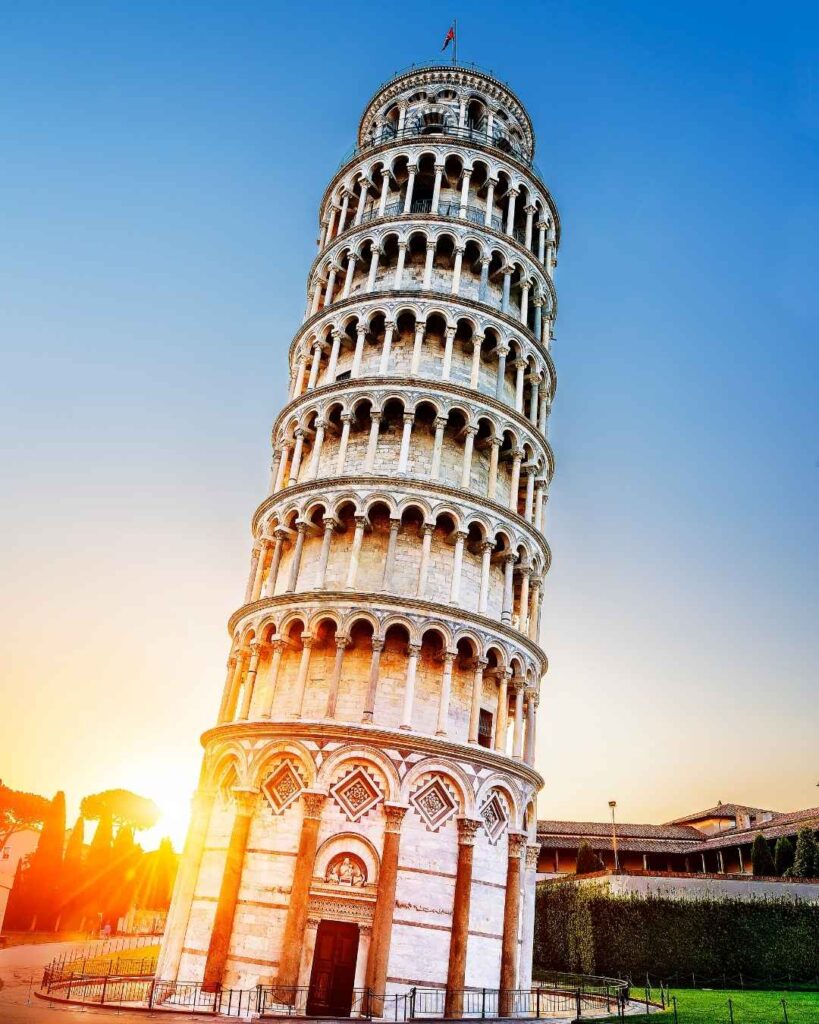
Diagonal lines, rather than horizontal or vertical compositions, add energy and dynamism, particularly in the strong architectural lines of Venice’s Doge’s Palace or the leaning tower of Pisa.
Including foreground interest is essential for creating a sense of depth and scale in your photographs. A single cypress tree silhouetted against a Tuscan sunset, a gondola in the foreground leading to the Rialto Bridge, or a local nonna hanging laundry in a side alley all serve to anchor the viewer and provide a sense of place. These elements transform a simple record shot into a photograph that feels immersive and alive.
Including People for Scale and Storytelling
While the monuments and landscapes of Italy are undeniably stunning, some of the most memorable photographs are those that include people. A gondolier navigating a narrow canal, a couple sharing gelato on the Spanish Steps, or an elderly vendor arranging produce at a market stall all add a human dimension that makes your images relatable and dynamic. Including people also provides a crucial sense of scale, helping viewers appreciate the immense size of landmarks like the Colosseum or the Duomo in Florence.
That said, it is important to be respectful when photographing locals. A smile and a gesture asking permission go a long way, and you will often find that people are flattered by the attention. Street photography in Italy is a rich tradition, and the vibrant daily life of the country offers endless opportunities for candid, authentic moments.
I find that the side streets away from the main tourist thoroughfares are where the real magic happens, with scenes that feel spontaneous and genuine.
When photographing crowds, consider using a slow shutter speed to create a sense of movement, with the blurred figures contrasting against the sharp, timeless architecture. Alternatively, embrace the crowds and use them as compositional elements, filling your frame with the energy and chaos that is so characteristic of Italian piazzas. Either way, do not be afraid to include people in your photographs; they are an integral part of the Italian experience.
Shooting Without the Crowds
Italy’s most famous landmarks are among the most visited tourist attractions in the world, and the crowds can be overwhelming. Yet with some strategic planning, it is entirely possible to capture clean, crowd-free images that look as though you had the place to yourself.
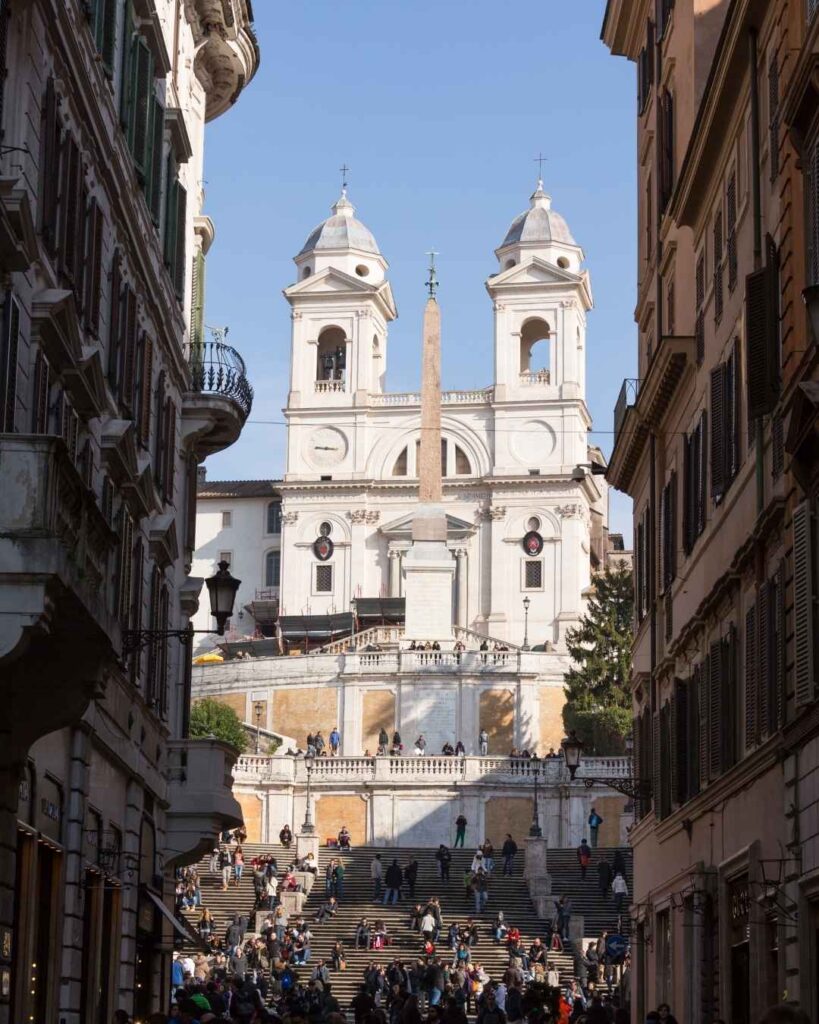
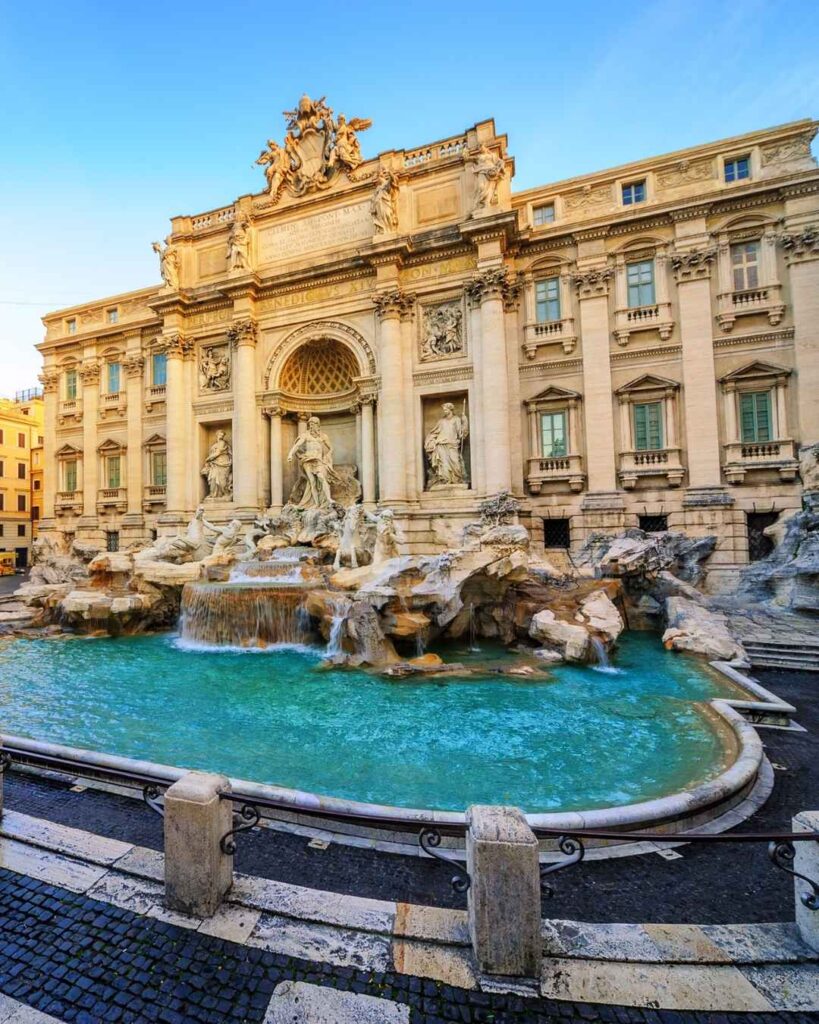
The most effective strategy is simply to arrive early, and I cannot stress this enough. The Trevi Fountain, the Spanish Steps, and St. Mark’s Square are entirely different places at dawn, when the only sounds are the birds and the gentle flow of water.
Sunset offers another opportunity for cleaner shots, particularly at the Colosseum, where the crowds begin to thin as the day draws to a close. The Pantheon is best visited right when it opens, giving you a brief window of relative peace before the tour groups arrive.
For locations where arriving early is not practical, consider exploring alternative angles that avoid the main throngs. Instead of shooting the Colosseum from street level, head to Colle Oppio Park for an elevated view early in the morning.
Patience is also a valuable tool in crowd management. If you find yourself in a busy spot, simply wait. The courtyard of the Doge’s Palace might be packed with tourists, but eventually there will be a moment when the crowd parts and you can capture your shot. With a combination of early mornings, strategic positioning, and a little patience, you can come away with images that feel intimate and untouched.
Rome: The Eternal City Through Your Lens
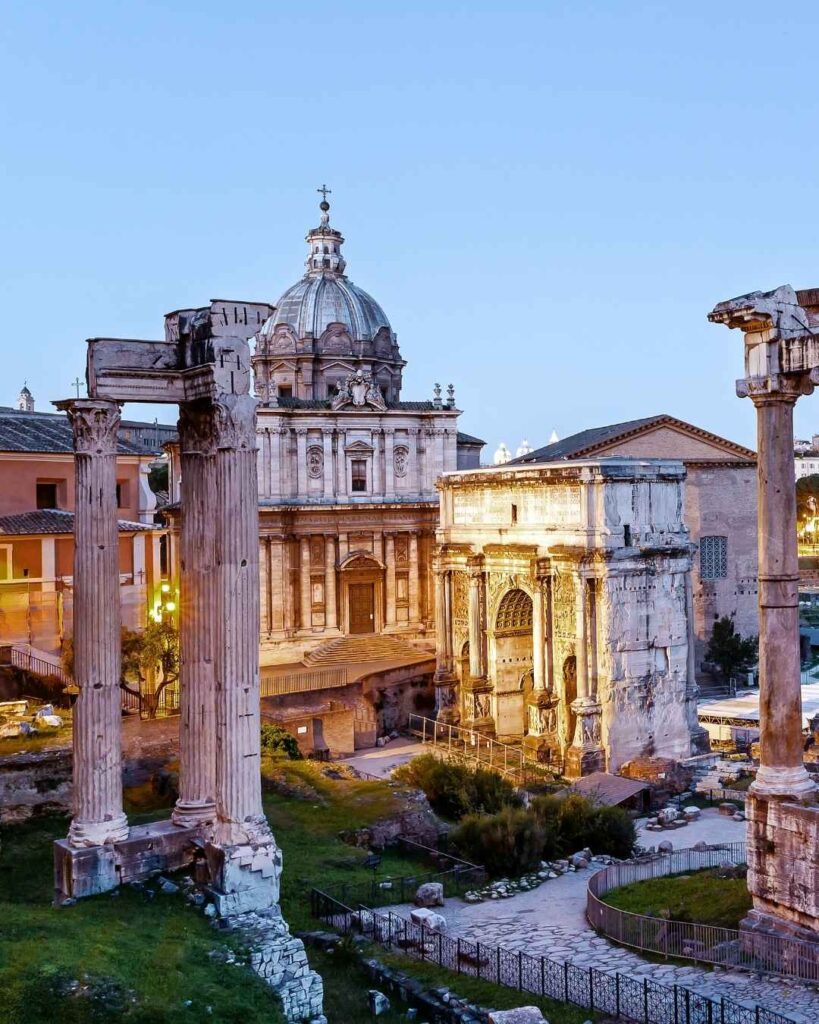
Rome is a photographer’s paradise, a city where ancient history and modern life coexist in a chaotic but beautiful dance. The Colosseum is at its most photogenic during the golden hour, when the setting sun bathes the ancient stone in warm, dramatic light.
I recommend arriving about an hour before sunset and staying until the lights come on, allowing you to capture the transition from day to night in a single location. For a fresh perspective, shoot the Colosseum from the arena floor looking up, framing the ruins and sky through the arcade openings.
The Roman Forum is best captured in the soft morning light, when the ancient stones glow with a golden warmth. Use the Sacred Way as a leading line to draw the viewer through the ruins, and experiment with low-angle shots that make the columns pierce dramatically against the sky. The Pantheon offers a unique photographic opportunity at noon, when the oculus projects a visible beam of light into the interior. Stand directly under this beam for dramatic, ethereal shots that emphasize the building’s architectural genius.
For the Trevi Fountain, abandon the daytime crowds and visit after 10 PM, when the night lighting transforms the fountain into a magical spectacle. The warm yellow lights reflecting on the blue-green water create a painterly effect, and long exposures can smooth the water for a dreamy finish.
The Spanish Steps are another early morning necessity, with the backlighting at sunrise creating a beautiful glow that flatters the entire composition. Do not forget to explore Rome’s hidden gems, like the monumental EUR district, for architectural photography that is completely different from the usual tourist fare.
Florence: Renaissance Splendor Captured
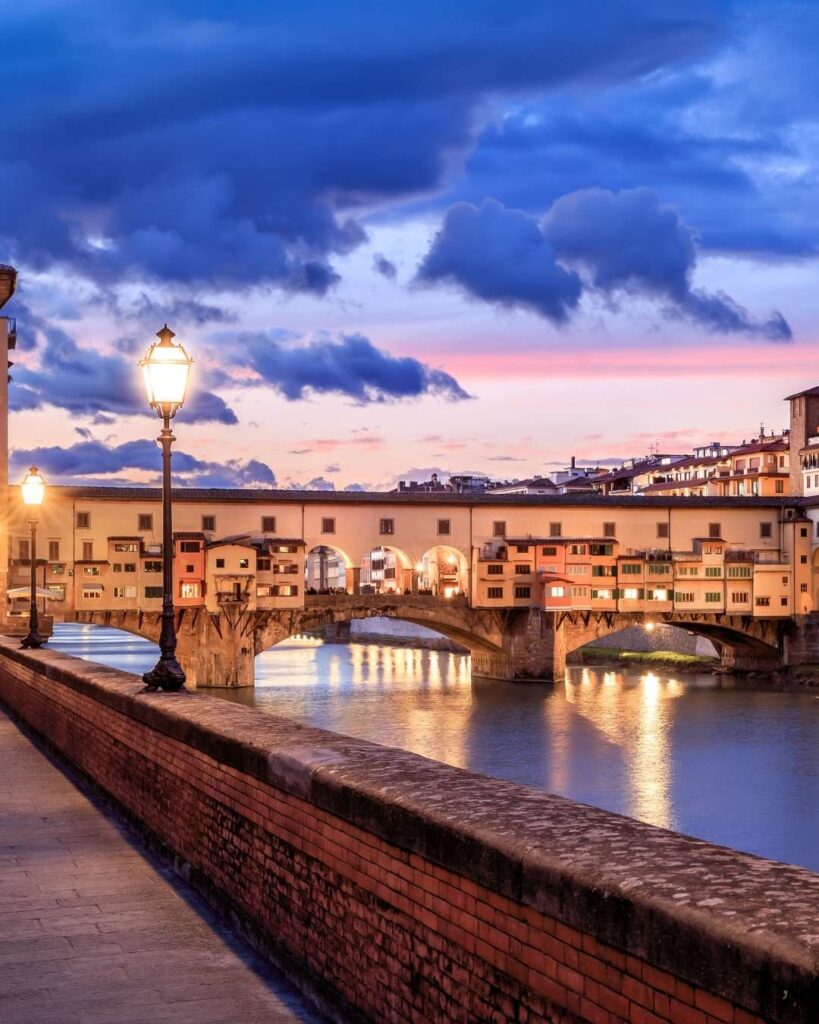
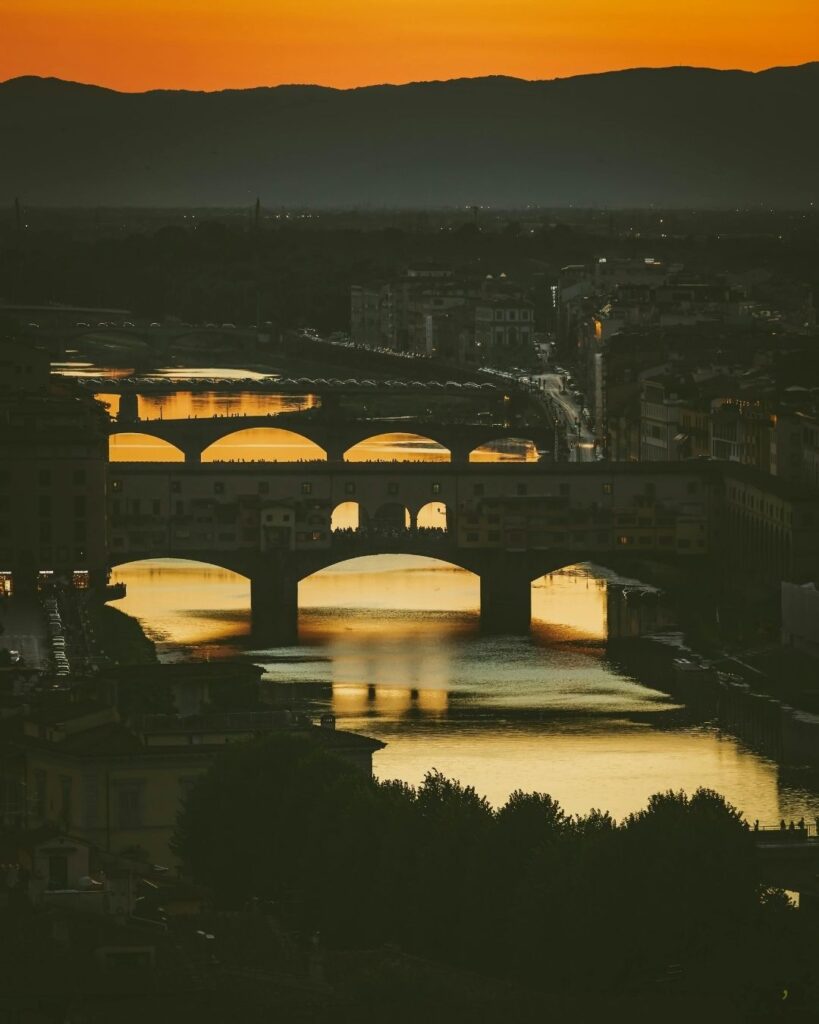
Florence is a city that rewards the photographer who is willing to climb. The view from Piazzale Michelangelo at sunset is nothing short of spectacular, offering a panoramic sweep of the city with the Duomo, Palazzo Vecchio, and Ponte Vecchio all framed together against the glowing sky.
Arrive early to secure a good spot, as this viewpoint is justifiably popular, and bring a zoom lens to isolate architectural details across the skyline. For an equally stunning perspective, climb the 463 steps of the Duomo itself and capture the city from the heart of its most iconic landmark.
Ponte Vecchio is another Florence favorite, best photographed in the late afternoon when the natural light enhances the warm colors of the buildings. Use the river as a reflective surface to capture the bridge and its famed jewelry shops in a beautiful mirrored composition.
The real magic of Florence, however, lies in its side streets and alleys, where the symmetry of Renaissance architecture creates endless opportunities for framed shots and geometric compositions.
Street photography in Florence is a joy, with the city’s historic center providing a backdrop that is both beautiful and full of life. Look for archways and doorways that naturally frame your subjects, and do not be afraid to wait for the perfect moment when a local or a fellow traveler walks into your composition.
The light in Florence has a particular quality that seems to enhance every color and texture, and with patience, you will capture images that feel like Renaissance paintings come to life.
Venice: The Floating City of Canals
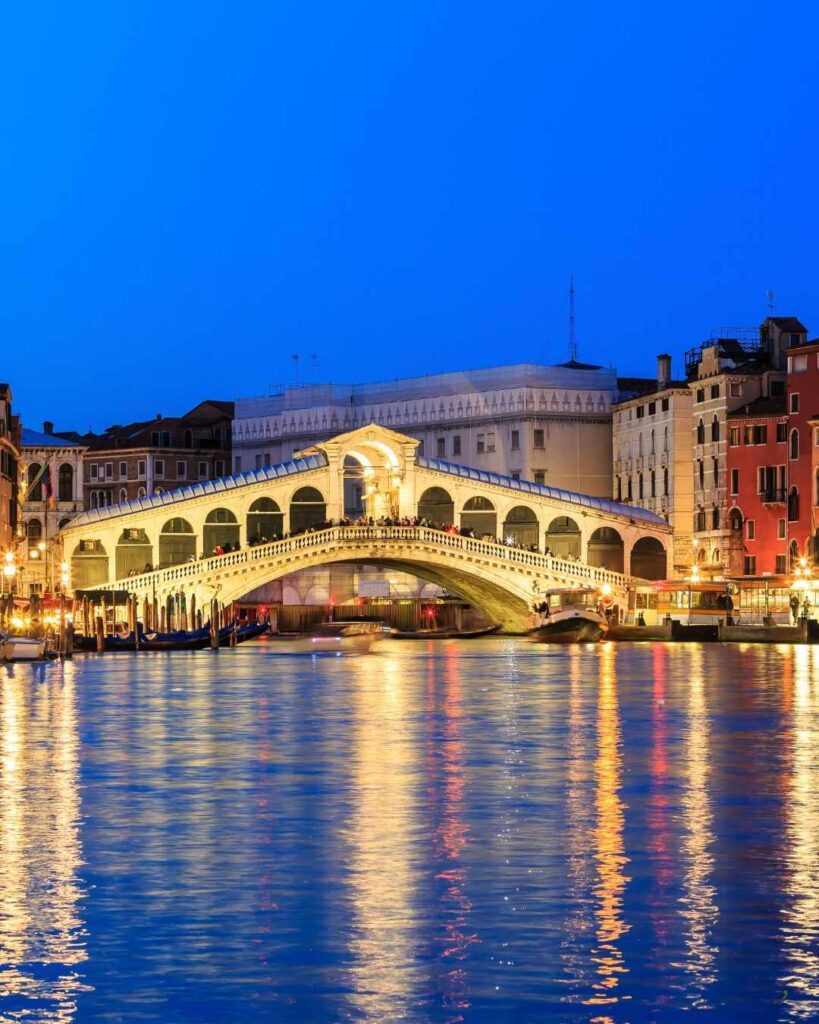
Venice is perhaps the most photographed city in the world, and for good reason. St. Mark’s Square is magnificent at any hour, but it is truly magical at sunrise, when the soft, warm light illuminates the basilica and the campanile while the square is still tranquil and empty. Use the diagonal lines of the surrounding buildings to draw the viewer into your composition, and experiment with low angles that emphasize the grandeur of the architecture. The view from the bell tower offers a sweeping panorama that captures the unique layout of this extraordinary city.
The Rialto Bridge is another essential Venice shot, best captured at sunset when the warm light reflects off the Grand Canal. Position yourself either on the bridge itself, looking down the canal, or shoot the bridge from a gondola or water bus for a classic view that includes the iconic arches. For a different perspective, explore the less-visited districts of Cannaregio and Dorsoduro, where the narrow canals and charming bridges offer equally beautiful compositions without the overwhelming crowds.
Burano, with its brightly colored houses, is a photographer’s dream and well worth the vaporetto ride. Arrive early in the morning to capture the vibrant colors in soft light, and do not forget to photograph the reflections of the houses in the calm canal waters. Venice also offers excellent opportunities for nighttime photography, with the warm lights of the city reflecting beautifully off the water. A tripod is essential for these long exposures, but the results are worth the extra weight in your bag.
Tuscany: Rolling Hills and Iconic Landscapes
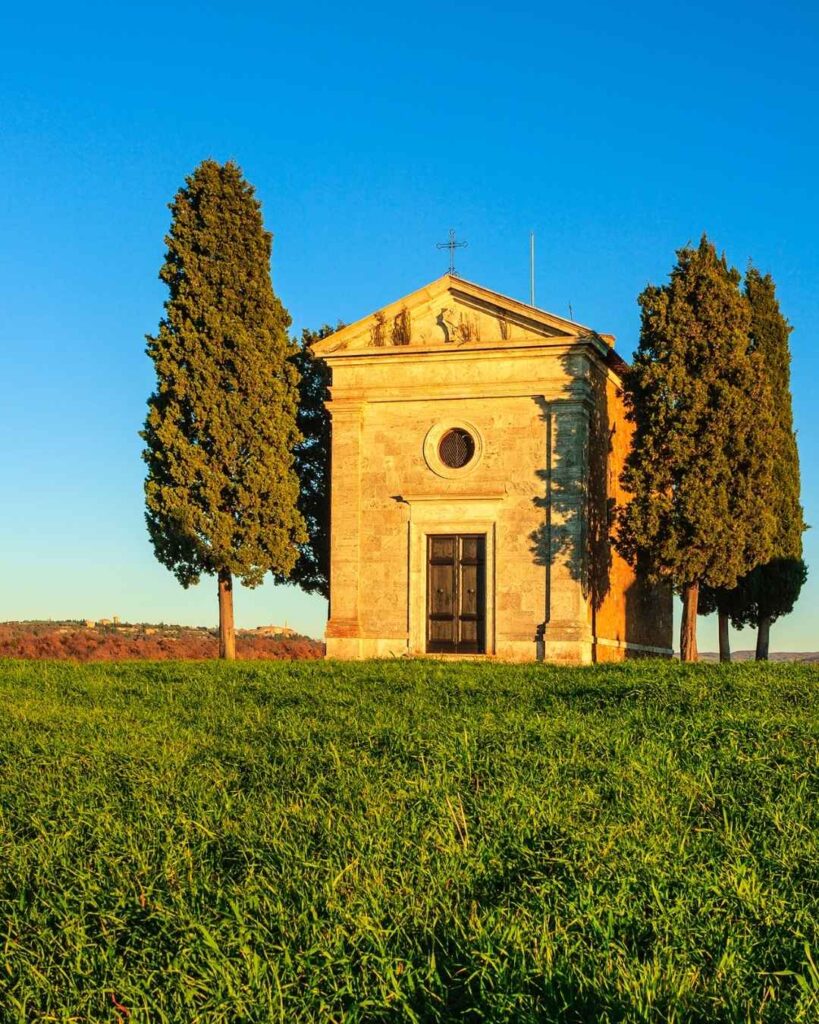
Tuscany is the quintessential Italian landscape, and capturing its beauty is a highlight of any photography trip to the country. The Val d’Orcia is the heart of this region, a UNESCO World Heritage site that seems almost too perfect to be real.
The best time to shoot here is at sunrise, when the morning mist curls through the valleys, and the golden light begins to illuminate the iconic cypress trees. Position yourself near Pienza or Montepulciano for the classic views, and use a telephoto lens to compress the perspective, bringing the distant hills visually closer.
The Chapel of Vitaleta is one of the most photographed spots in Tuscany, and for good reason. The small chapel sits alone in the rolling hills, framed by cypress trees and bathed in the warm Tuscan light. Arrive early to avoid the crowds and capture the scene in soft, early morning light. Podere Belvedere is another classic location, offering a view that perfectly encapsulates the Tuscan landscape with its winding roads and solitary farmhouses.
Pienza itself is a hilltop town that offers sweeping vantage points over the surrounding countryside. The best time to shoot here is at sunset, when the long shadows and warm tones create an incredible depth and atmosphere. Summer brings lush green hills, while autumn offers a palette of gold and ochre that is equally beautiful. No matter when you visit, Tuscany delivers landscapes that are timeless and deeply evocative of the Italian spirit.
Cinque Terre and the Amalfi Coast
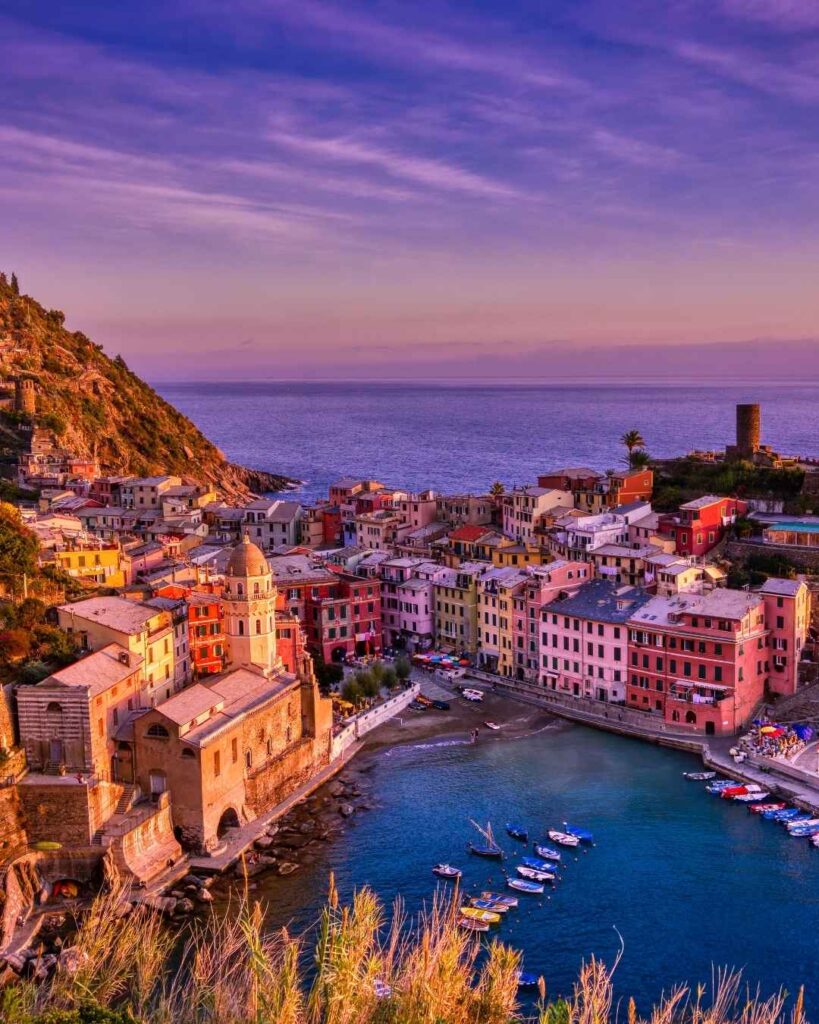
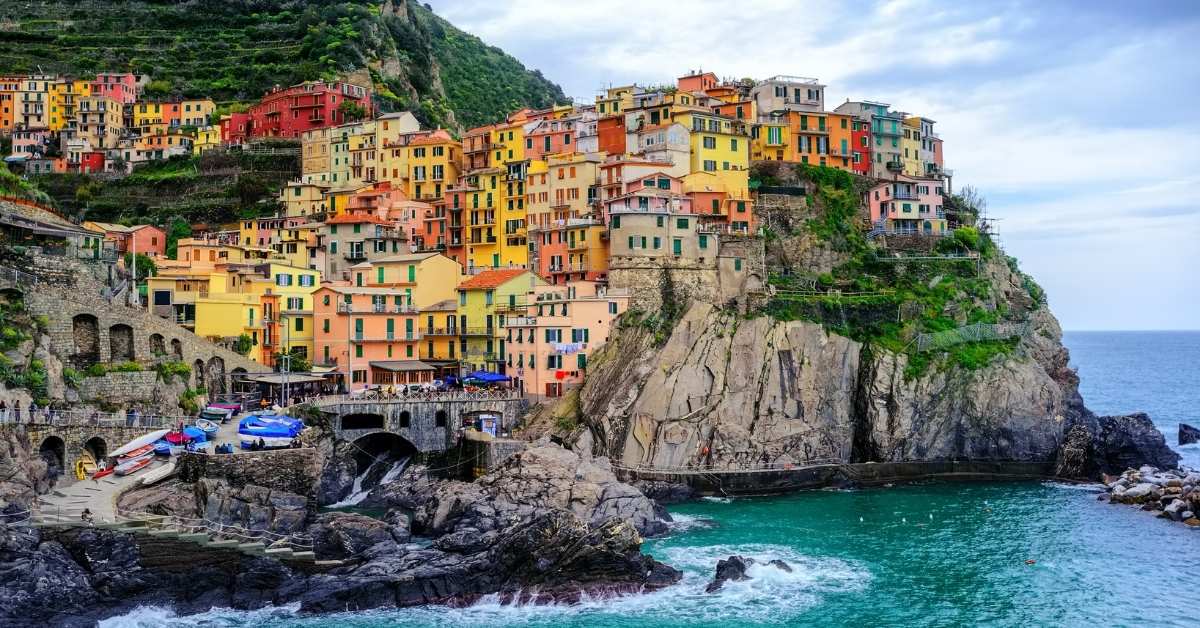
The colorful coastal villages of Cinque Terre are among Italy’s most photographed locations, and for good reason. Manarola is the iconic shot, with its pastel houses clinging to the cliffs above the sea. The best time to photograph this view is at sunset, when the warm light paints the buildings in shades of gold and pink. Use a neutral density filter to smooth the water and create a dreamy, long-exposure effect that contrasts beautifully with the sharp detail of the houses.
Riomaggiore is another Cinque Terre gem, best captured during the golden hour when the pastel tones glow with a warm, saturated light. For a different perspective, hike the trail above the harbor at Vernazza, which offers a sweeping view of the village and the surrounding coastline. The Amalfi Coast offers similar photographic opportunities, with Positano being the standout location. Walk up the steps behind the main beach and shoot back toward the sea, capturing the cascading homes that tumble down the cliffside.
Ravello offers a different perspective, with the gardens of Villa Rufolo providing a beautiful foreground that frames the dramatic coastal views. Spring is particularly photogenic here, with the floral blooms adding vibrant color to the already stunning scenery. Whether you are shooting the rugged coastline or the charming hilltop villages, the Amalfi Coast rewards the photographer who is willing to explore and find the perfect viewpoint.
Hidden Gems for the Adventurous Photographer
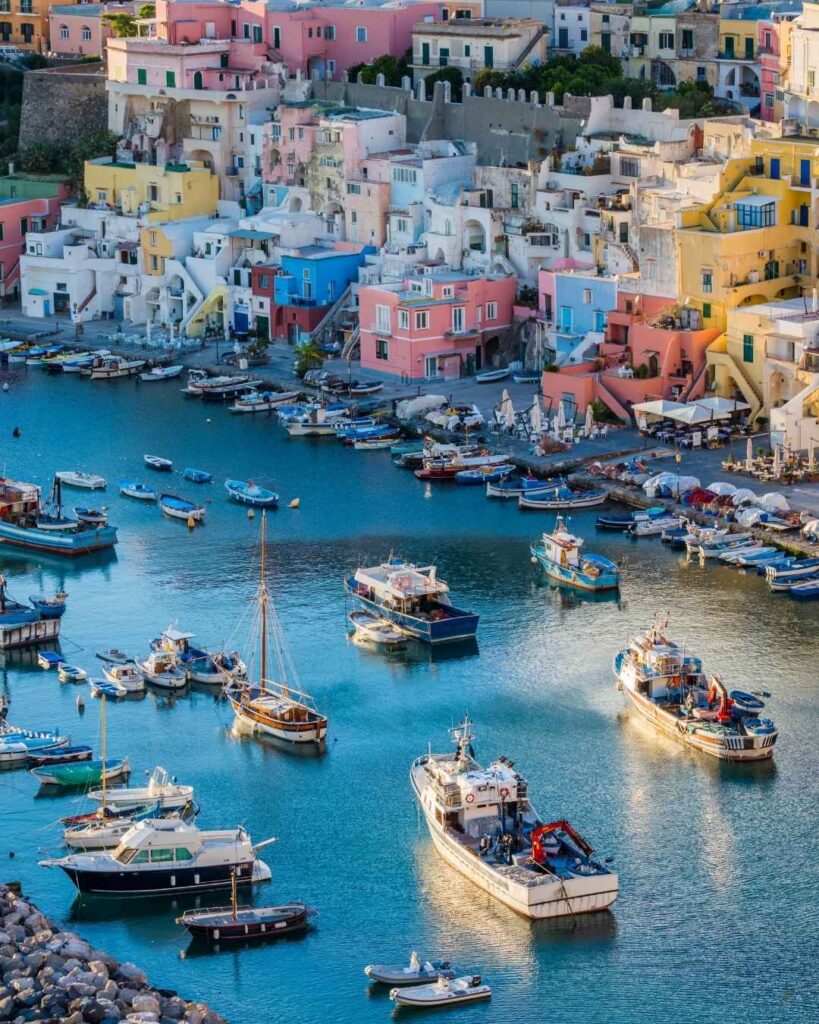
While the famous sights of Italy are undeniably spectacular, some of the most rewarding photography comes from exploring the country’s lesser-known corners. Civita di Bagnoregio, the so-called floating city, is a photographer’s dream, particularly during the blue hour or just after a storm when dramatic skies add mood and atmosphere. The long bridge leading to the town creates a perfect leading line, and the mist that often rises from the valley adds a mystical quality to the scene.
Alberobello, with its unique whitewashed trulli houses, is another hidden gem that offers excellent photographic opportunities. Nighttime is particularly magical here, when the soft lighting highlights the textures of the stone and the warm glow from the windows creates a cozy, inviting atmosphere. Long exposures can capture the starry skies above the distinctive conical roofs, creating images that are truly unique.
For photographers seeking authentic street photography opportunities, the towns of Modica, Ragusa, and Enna in Sicily offer well-preserved architecture and vibrant local life. Padua, Vicenza, and Treviso are excellent alternatives to the more crowded cities of Venice and Florence, with picturesque rivers and rich history that reward exploration. These hidden gems offer the chance to capture Italy away from the tourist crowds, with images that feel fresh and personal.
Practical Advice for the Photography Traveler
Planning your photography trip to Italy requires careful consideration of logistics, from transportation to accommodation. Regional trains connect the major destinations and offer picturesque views along the way, making them an excellent choice for photographers who want to capture the countryside between cities. Booking train tickets in advance through Trenitalia can save you money and ensure you get a seat with a good view, while downloading offline maps is essential in cities where GPS can be unreliable.
For accommodation, consider staying in agroturismos in rural areas, which offer charming interiors and terraces with stunning views of the Tuscan countryside. In cities, apartment rentals with scenic balconies can provide unique photo opportunities without the crowds of public viewpoints. The budget-conscious photographer will appreciate that many of Italy’s best photo spots are completely free, from Piazzale Michelangelo in Florence to Gianicolo Hill in Rome.
Dressing appropriately is also important, with light-colored outfits photographing beautifully against Italy’s warm-toned backgrounds. Comfortable walking shoes are essential, as you will spend long hours exploring on foot. Remember that churches in Italy require modest dress, so always carry a light cover-up for your shoulders and knees. My wife and I learned this lesson the hard way when we were turned away from a beautiful church in Florence, and it is a mistake we have never repeated.
Recommended Gear for Photographing Italy
Wide-Angle Zoom Lens
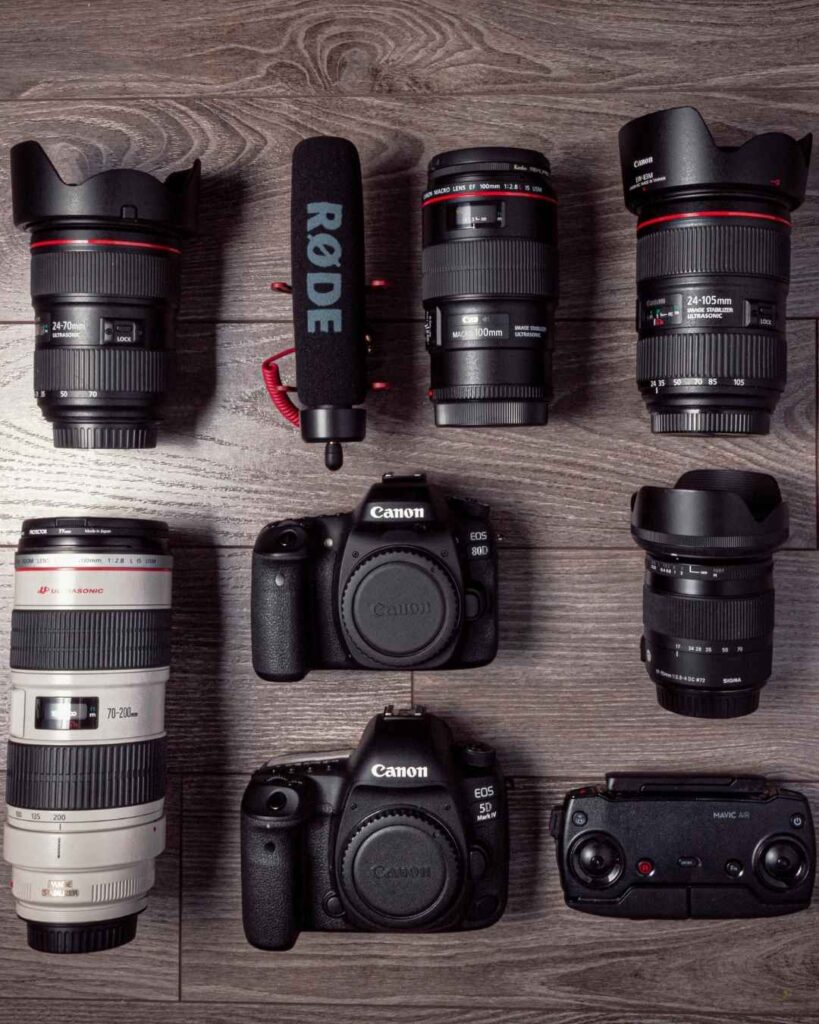
A wide-angle zoom lens, ideally in the 16-35mm range, is an absolute necessity for travel photography in Italy. This lens will allow you to capture the sweeping grandeur of St. Peter’s Square, the dramatic interior of the Duomo in Florence, and the tight, atmospheric alleyways of Venice. Its versatility makes it perfect for architectural photography, and the ability to go wide is invaluable when you are trying to fit a towering cathedral or a sprawling piazza into a single frame. This is the one I would recommend.
Standard Zoom Lens
A standard zoom lens, such as a 24-70mm, is your everyday workhorse and will probably spend the most time on your camera. This focal length range is perfect for general street photography, capturing market scenes, and framing environmental portraits of locals and fellow travelers. Its mid-range zoom capability allows you to compose shots quickly without having to change lenses, which is a significant advantage in the fast-paced environment of Italian cities. I recommend this one.
Telephoto Zoom Lens
A telephoto lens in the 70-200mm range is invaluable for isolating details and compressing perspective in the Italian landscape. This lens will allow you to capture the intricate mosaics of Venetian churches, the distant farmhouses nestled in the Tuscan hills, and the expressions of people in crowded piazzas without intruding on their space. Its ability to bring distant subjects closer makes it an essential tool for any serious travel photographer. This is the best one.
Lightweight Travel Tripod
A small, sturdy tripod is essential for low-light photography and will dramatically improve your images at dawn and dusk. It allows you to use slow shutter speeds for smooth water effects, sharp night shots, and creative long exposures of fountains and canals. Look for a model that is light enough to carry comfortably but stable enough to support your camera in windy conditions on a Venetian bridge or a Tuscan hilltop. This here is a great choice.
Neutral Density Filters
A set of neutral density filters, particularly a 6-stop or 10-stop filter, will give you creative control over exposure in bright conditions. These filters allow you to use slow shutter speeds even in daylight, creating dreamy, ethereal effects on water and clouds. They are especially useful for photographing the coastal villages of Cinque Terre and the fountains of Rome, where the smoothing of water can transform a simple image into a work of art.
Spare Batteries and Memory Cards
This is perhaps the most practical piece of advice I can offer: bring more batteries and memory cards than you think you will need. The demands of travel photography, including constant reviewing of images and the cold of early mornings, can drain batteries quickly. Similarly, the sheer volume of photographic opportunities in Italy means you will shoot far more than you anticipate, and running out of storage space is a frustrating experience you want to avoid at all costs.
Conclusion
NOTE BEFORE YOU GO: Italy rewards travelers who go prepared. And it is easy to ruin your trip. I have a checklist for you of things you should never go to Italy without. CHECK IT OUT HERE. I have also curated a list of some of the best hotels in Italy. I would highly recommend checking them out before booking. THESE ARE THE BEST HOTELS IN ITALY. And for unique experiences, attractions, and tours, don’t book before CHECKING THIS OUT. Thank me later!