
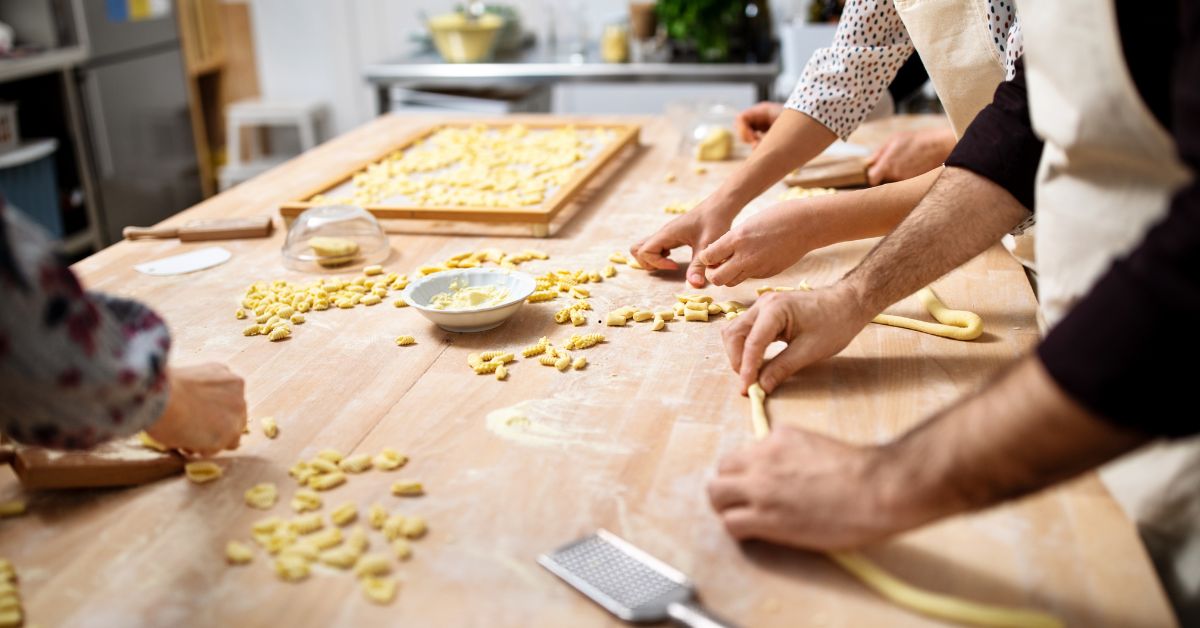
Some travel experiences show you a place. Cooking classes let you taste it, knead it, and bring a piece of it home.
There’s something deeply satisfying about standing in an Italian kitchen, your hands dusted with flour, learning to make pasta from scratch from someone who learned the exact same technique from their grandmother. It’s not just about the recipe—it’s about understanding why Italians are so particular about their ingredients, why regional dishes exist, and why a simple plate of pasta can feel like a revelation.
Cooking classes have become one of the most popular activities for travelers to Italy, and for good reason. They offer a window into daily life that museums and monuments can’t provide. Whether you have two hours or a full week, here’s everything you need to know about cooking classes in Italy.
Before you read further, remember that Italy rewards travelers who come prepared. I’ve found a few things especially useful on an Italy trip, and they’re worth having and/or knowing beforehand. See the checklist here. Also, if you want me to plan an Italy trip for you that you will never forget, drop me a message here
What Actually Happens in a Cooking Class
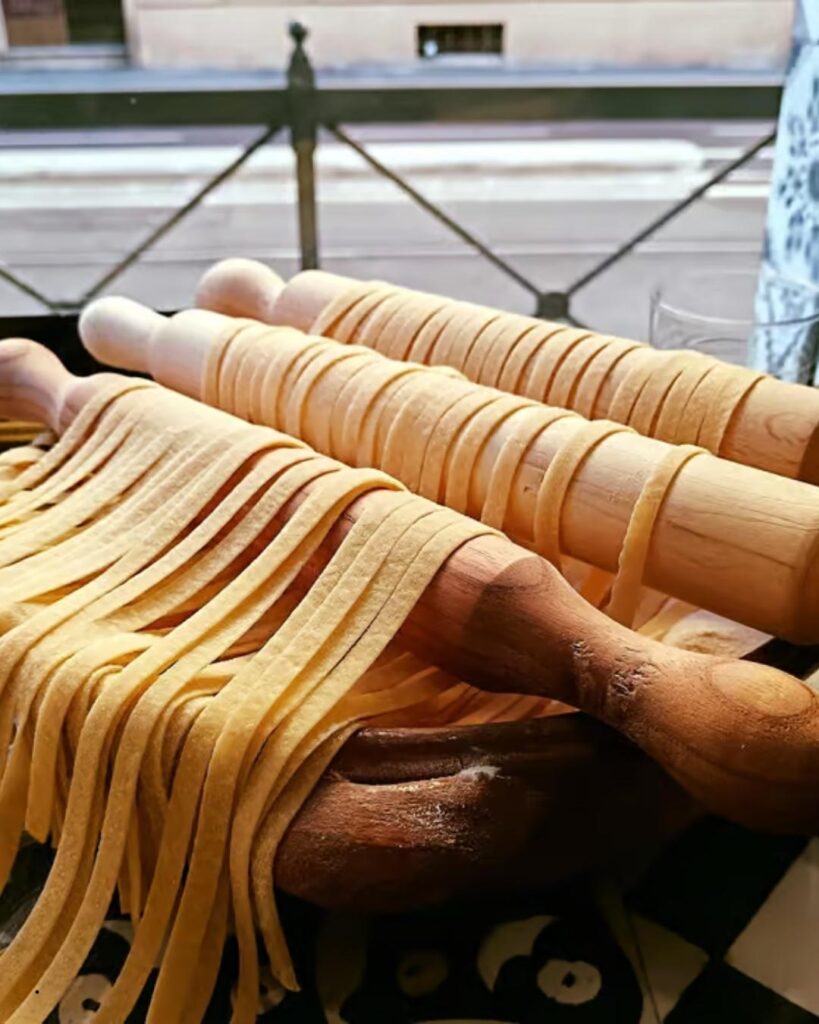
Most cooking classes follow a similar rhythm, though the specifics vary depending on the region and the type of experience you book.
You show up to a kitchen—usually in a residential neighborhood, a small culinary school, or a farmhouse in the countryside—and get a welcome drink. Prosecco, an Aperol spritz, or a glass of wine are almost always part of the deal. Then the chef introduces the menu for the day.
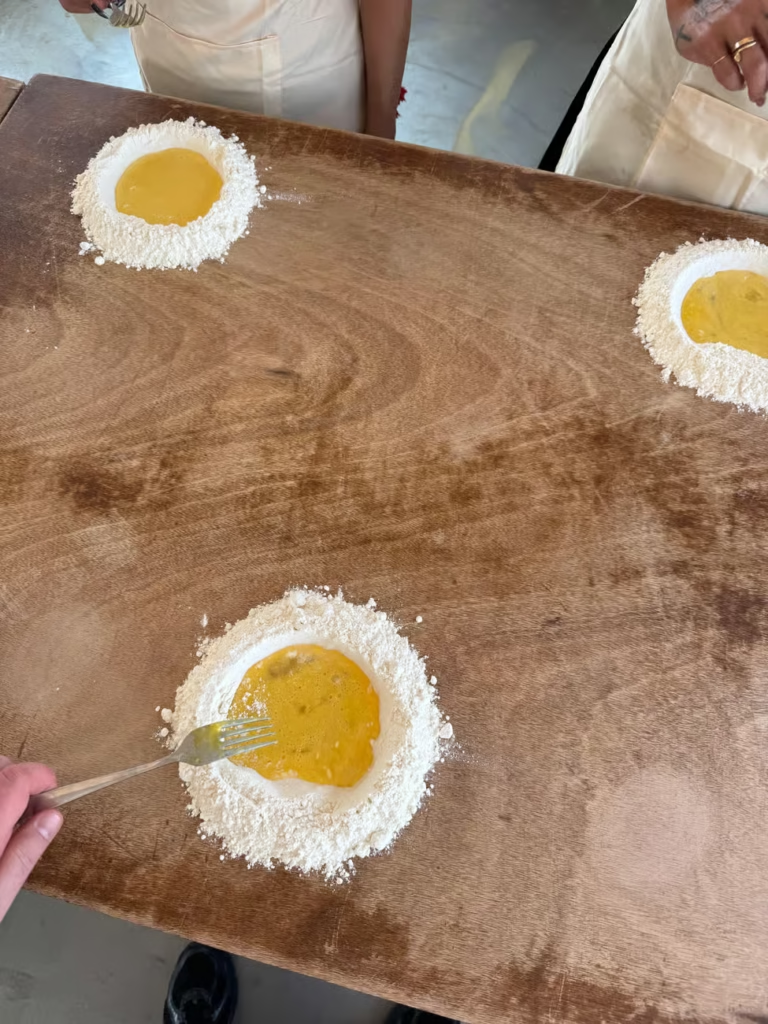
Then you cook. And this is the important part: you are not watching a chef prepare food while you take notes. You are doing it yourself, from cracking eggs into the flour well to crimping ravioli edges. The chef walks around, fixes your technique, and occasionally takes over when things go sideways.
Then you eat everything you made. With wine. This is the part nobody warns you about—you are having a full meal at noon, and it is hard to do anything productive afterward.
What’s Typically Included
A typical class includes a welcome drink, all ingredients and equipment, hands-on instruction making two to three dishes, a full sit-down meal of what you cooked, wine with the meal, and recipes to take home. Most classes run two to three hours, though longer ones that include a market visit can stretch to five or seven hours.
Types of Cooking Classes
Pasta Making Classes
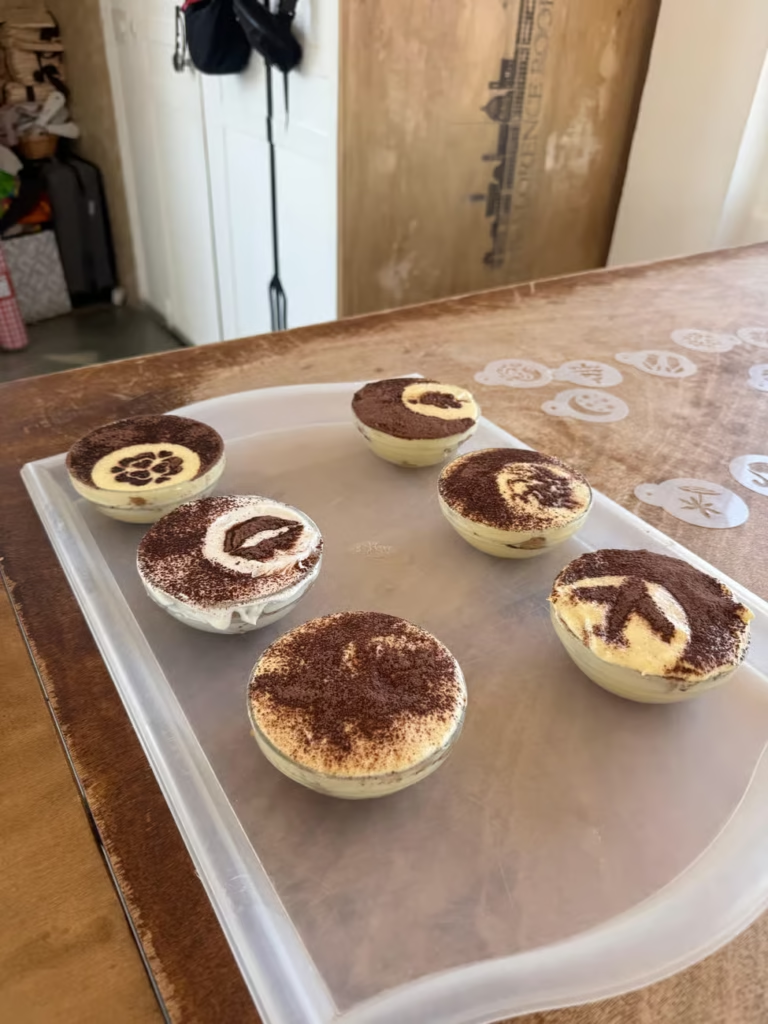
This is what most people picture when they think “Italian cooking class.” You will make fresh pasta from scratch—usually fettuccine, ravioli, or a regional shape like pici or trofie—plus a sauce. Carbonara, amatriciana, cacio e pepe, or puttanesca are common choices depending on the chef and season. Many classes also include a dessert, typically tiramisu or gelato.
Pasta classes are the most satisfying because you genuinely learn a skill you can replicate at home. All you need is flour, eggs, and a flat surface—no special equipment required, though a pasta machine helps. The downside is that if your group is slow, you might spend more time waiting for others to catch up.
Best for: Couples, serious food lovers, anyone who cooks at home and wants to learn proper technique. Check the class here.
Pizza Making Classes
Pizza classes are more laid-back. You learn to stretch dough, build a proper Margherita, and use a wood-fired or commercial oven. These are easier than pasta classes because pizza dough is more forgiving—if your crust comes out a little thick or uneven, it still tastes great.
In Naples, the birthplace of modern pizza, the Associazione Verace Pizza Napoletana offers certified courses where you learn from master pizzaioli using Caputo 00 flour, San Marzano tomatoes, and fior di latte from Agerola. The dough is fermented slowly, and you learn to stretch it using traditional Neapolitan techniques before baking it at 450°C for sixty to ninety seconds.
Best for: Families with kids, groups of friends, people who want a fun activity more than a serious cooking lesson.
Market Tour + Cook
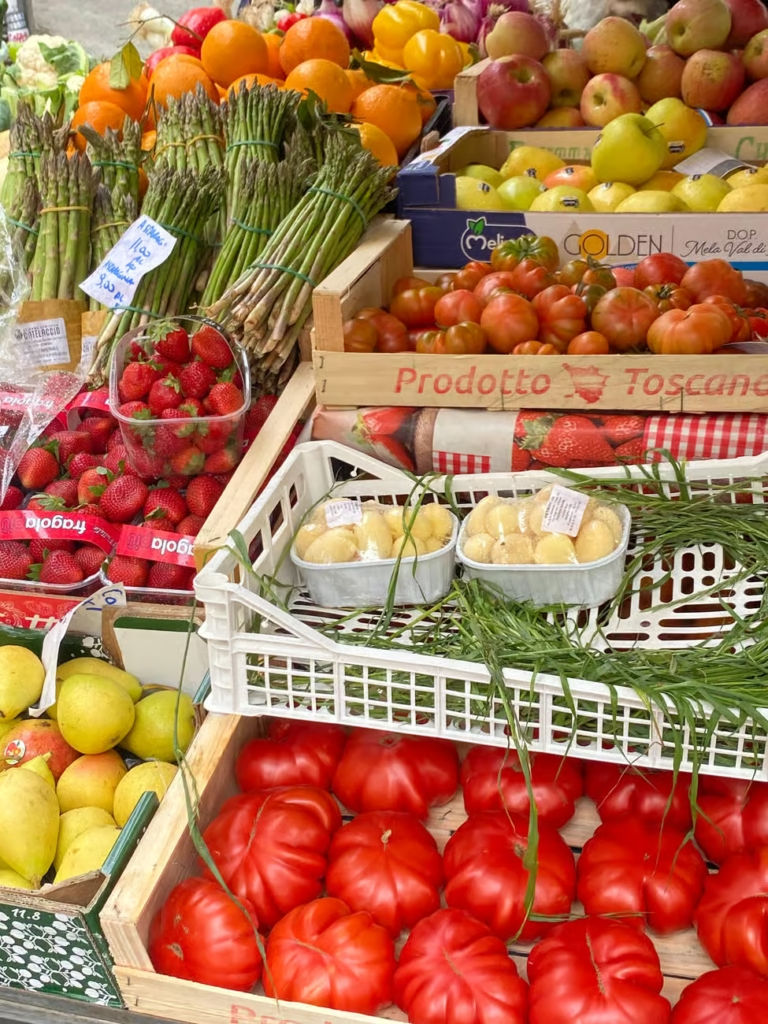
These start at a local market—Campo de’ Fiori or Testaccio in Rome, Mercato del Capo in Palermo, or the Central Market in Florence—where you shop with the chef, learn about seasonal ingredients, and pick out what you will cook. Then you head to the kitchen and prepare a full meal using what you bought.
These run longer, four to seven hours, and cost more, usually $150 to $270. But they are the most complete experience. The market portion teaches you things no other cooking class covers: how to tell if tomatoes are actually ripe, why Roman artichokes look different from what you see at home, and which vendors are the real deal versus tourist traps.
Best for: Anyone with half a day to spare who really wants to understand Italian food culture.
Regional Cooking Class Highlights
Italian cuisine is intensely regional. What you cook in Milan has little to do with what you cook in Palermo.
Tuscany and Central Italy
Tuscany’s rustic cuisine is built on simple, high-quality ingredients. Typical courses cover handmade pasta like pici, a thick, hand-rolled spaghetti, soups like ribollita, and the famous bistecca alla Fiorentina. Many classes include vineyard visits and wine tastings, because you are in Chianti country.
For the most authentic experience, look for classes taught by local women in agriturismi or farmhouses, not corporate kitchens in the city center. These classes focus on cucina povera—peasant cooking—the art of taking simple ingredients and coaxing maximum flavor out of them with zero waste.
Emilia-Romagna
Bologna calls itself “la grassa”—the fat one—for good reason. This is the home of ragù alla Bolognese, tortellini, and lasagna. Seek out sfogline schools, where professional pasta makers teach you to roll pasta sheets so thin you can read a newspaper through them. You spend hours learning to form tortellini by hand, folding them around a filling of prosciutto, mortadella, and Parmigiano-Reggiano.
If in Bologna, check out these classes.
Southern Italy and Sicily
Southern Italy offers rich, bold flavors built on fresh seafood, citrus, and tomatoes. In Palermo, you might make arancine (fried rice balls), pasta alla Norma, and cannoli from scratch, starting with a visit to the Mercato del Capo.
In Naples, it’s all about pizza. The nonprofit Associazione Verace Pizza Napoletana has been training pizzaioli since 1984 and offers a tourist-friendly Neapolitan Pizza Maker for a Day course where you learn the proper technique for stretching, topping, and baking pizza.
These are the classes I recommend in Naples
Northern Italy
In Milan, you might learn to make risotto alla Milanese, where saffron gives the rice its signature golden color. Professional programs offered by institutions like the Congusto Institute range from short-term experiences to advanced multi-week courses.
Specific Class Recommendations
Rome
Rome has an overwhelming number of cooking classes, ranging from budget to splurge.
The Fettuccine Pasta Cooking Class in Rome’s City Center is the most popular option—$46 for two hours of hands-on instruction with a professional chef, and the price includes a full meal with wine. It’s well-run and central.
For something more social, Spritz & Spaghetti is a tipsy three-hour class where you cook pasta and drink spritz cocktails. It’s gimmicky but genuinely fun, and you’ll leave with new friends.
The Cooking Class in Rome’s Countryside is the splurge—$267 for seven hours, including transportation to a farmhouse where you cook with ingredients grown on-site. It’s the most unique experience on this list.
Florence
Florence is packed with cooking classes, many of which combine pizza and gelato making.
The Authentic Pizza & Gelato Experience runs 2.5 hours and includes unlimited wine, but be aware that the dough and gelato base are prepared in advance due to time constraints. You learn the technique, but you don’t do every step from scratch.
The SING Pasta Cooking Class is something else entirely. Voted the best cooking class in Florence for 2025-2026, this one is loud, social, and entertaining. You make fresh pasta from scratch, drink wine, and sing along with the chef. It’s not for everyone, but it’s wildly popular.
Market-to-Table Experiences
Market-to-table experiences are the gold standard for food lovers. They begin not in the kitchen, but at a local market, where you learn to navigate the stalls like a local.
In Palermo, the Mercato del Capo is one of the most authentic markets in Italy. You walk with your chef through the narrow alleyways, past stalls of fresh fish and colorful produce, tasting local products along the way. Then you head to the cooking school to prepare what you bought.
If the market is closed, most classes substitute with a special introduction and extra tastings at the cooking school.
What to Look for in a Cooking Class
Not all cooking classes are created equal. As culinary tourism has exploded, major cities have become flooded with factory-style cooking schools where you walk into a commercial kitchen alongside twenty other tourists and follow a scripted lesson.
Here’s what to look for:
Small groups. A class with fewer than ten participants ensures you get personal attention.
Authentic settings. Look for classes taught in private homes, family-run agriturismi, or small culinary schools, not industrial kitchens.
Real chefs or home cooks. The best instructors are either professional chefs with genuine experience or local cooks who have been making these dishes for decades.
Regional focus. Make sure the class reflects the local cuisine. You don’t go to Bologna to learn pizza-making, and you don’t go to Naples to learn risotto.
Dietary accommodations. Many classes can accommodate vegetarian guests, but celiac guests should double-check—gluten-free pasta is not always available, and cross-contamination is a concern. Most classes require advance notice.
Practical Details
Duration and Cost
Most classes run two to three hours and cost between $40 and $100 per person. Longer classes that include market visits can run five to seven hours and cost $150 to $270. Multi-day culinary vacations can exceed $1,000.
Booking
Book at least two weeks ahead if you are visiting in peak season. The most popular classes, like the Roman pasta class, can sell out weeks in advance. Many classes can be booked through platforms like GetYourGuide and Cool Destinations.
What to Bring
Comfortable shoes are essential—you will be standing for hours. Bring a camera, though some classes restrict photography during the cooking portion, and consider bringing a notebook for taking notes. Most classes provide aprons and all necessary equipment.
Dietary Restrictions
In most classes, vegetarian guests can be accommodated, but you must inform the school in advance. Celiac guests should contact the school directly before booking, as many classes are not suitable for those with gluten intolerance.
Why Take a Cooking Class in Italy
Participating in a cooking class in Italy is more than just learning a recipe. It’s an immersion into local culture—understanding regional ingredients, seeing traditional techniques, and hearing stories directly from those who live them every day.
A meal at a restaurant is over in an hour. A cooking class stays with you. You learn skills you can replicate at home, and you carry the memory of that shared meal—the chef’s stories, the laughter, the wine—long after you’ve returned.
My wife and I took a pasta class in Rome on our last trip. We still make that dough at home, and every time we do, we remember the chaos of that tiny kitchen, the chef shouting encouragement in a mix of Italian and English, and the satisfaction of eating something we made with our own hands.
It’s not just a cooking class. It’s a story you get to tell over and over again, every time you make pasta for friends or family. And that’s the real magic of learning to cook in Italy.
Again, feel free to go through the list below of my Italy recommendations that I have crafted after years of travel to this beautiful country:
- Packing List: Things Not to Go to Italy Without
- Must-Do Things: Unforgettable Experiences
- Where to Stay: Best Hotels in Italy.
- Where to Stay in Rome: Rome’s Best Neighborhoods
- Where to Stay in Florence: Picking the Best Area
- Where to Stay in Venice: Venice’s Best Districts
- Italy’s Cobblestone Streets: Best Shoes For the Job
- Backpack or Suitcase?: Italy Luggage Guide
- Travel Insurance: Always Be Covered
- E-Sim: Be Connected At All Times