
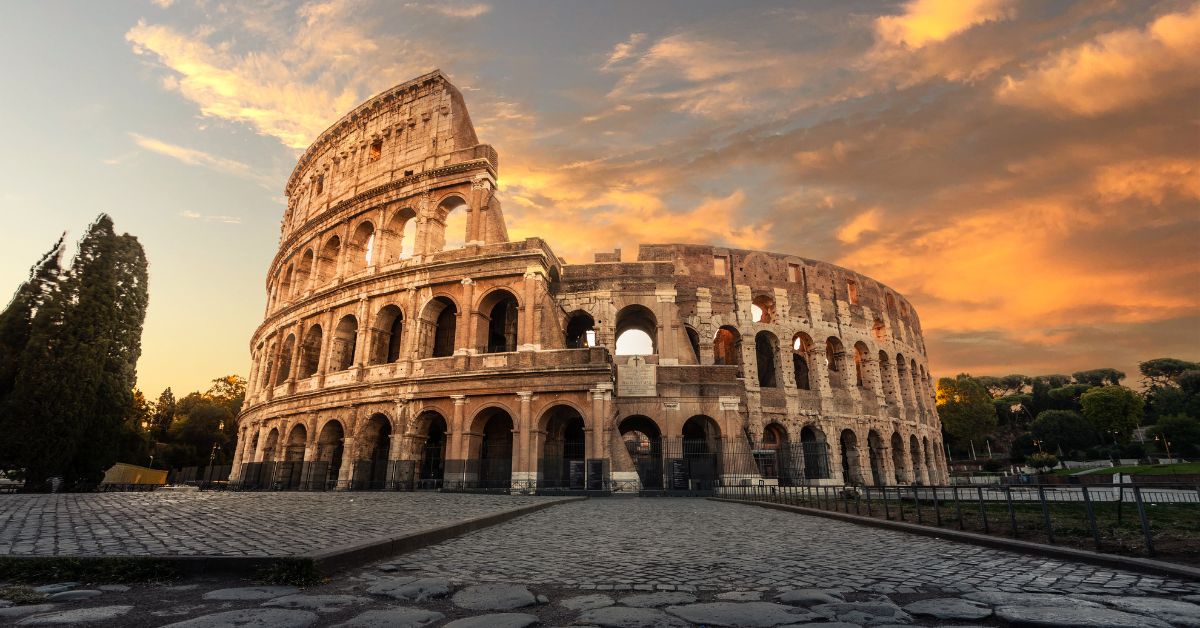
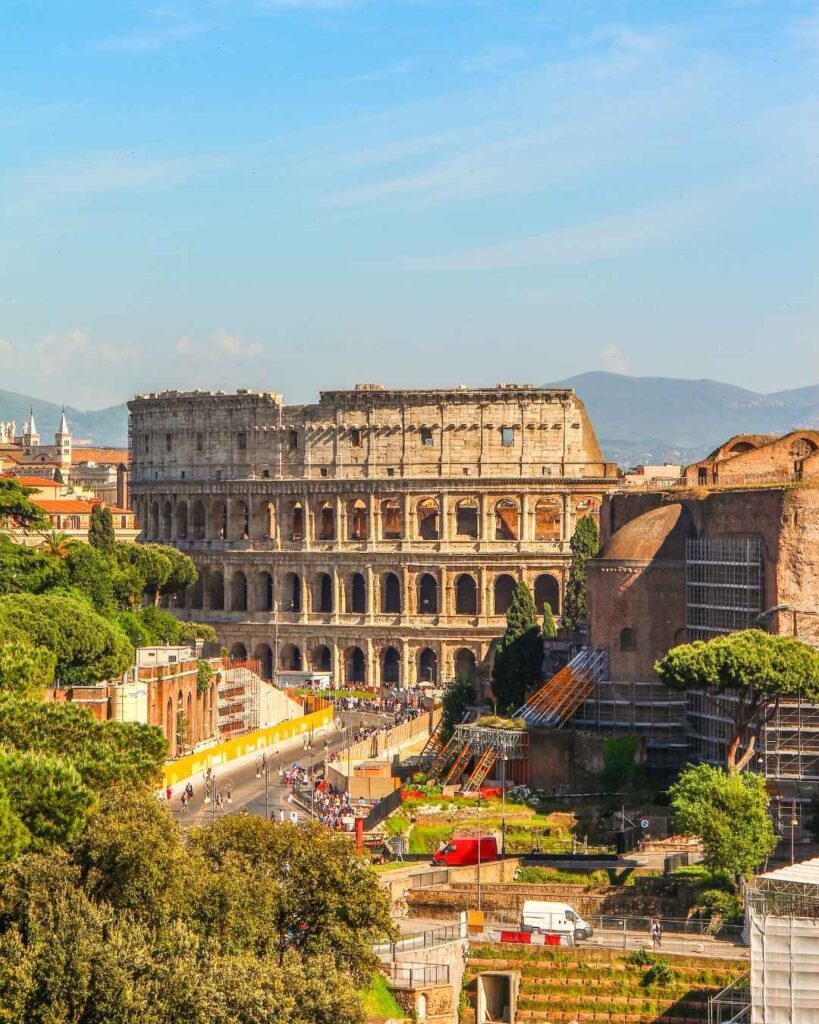
When you step out of the metro station and see it looming against the Roman sky, you understand why it has survived for nearly two thousand years. This was no mere building. This was a statement of power, a monument to Roman engineering and ambition, and a stage for the most brutal and spectacular entertainment the ancient world ever devised.
More than ten million people visit each year, making it the most popular attraction in Italy. And with that many visitors comes chaos—long lines, sold-out tickets, and confusion about what you’re actually buying. Here’s everything you need to know to navigate it like a pro.
Stop experiencing Italy like everyone else. Your trip is different because you are different. Tell me when you’re going, who you’re traveling with, where you want to go, what you absolutely want to see and do, your budget, and anything else that matters to you. I’ll put it all together into a tailor-made Italy itinerary that tells you where to go, where to stay, what to eat, and how to make the most of your time. Use this form
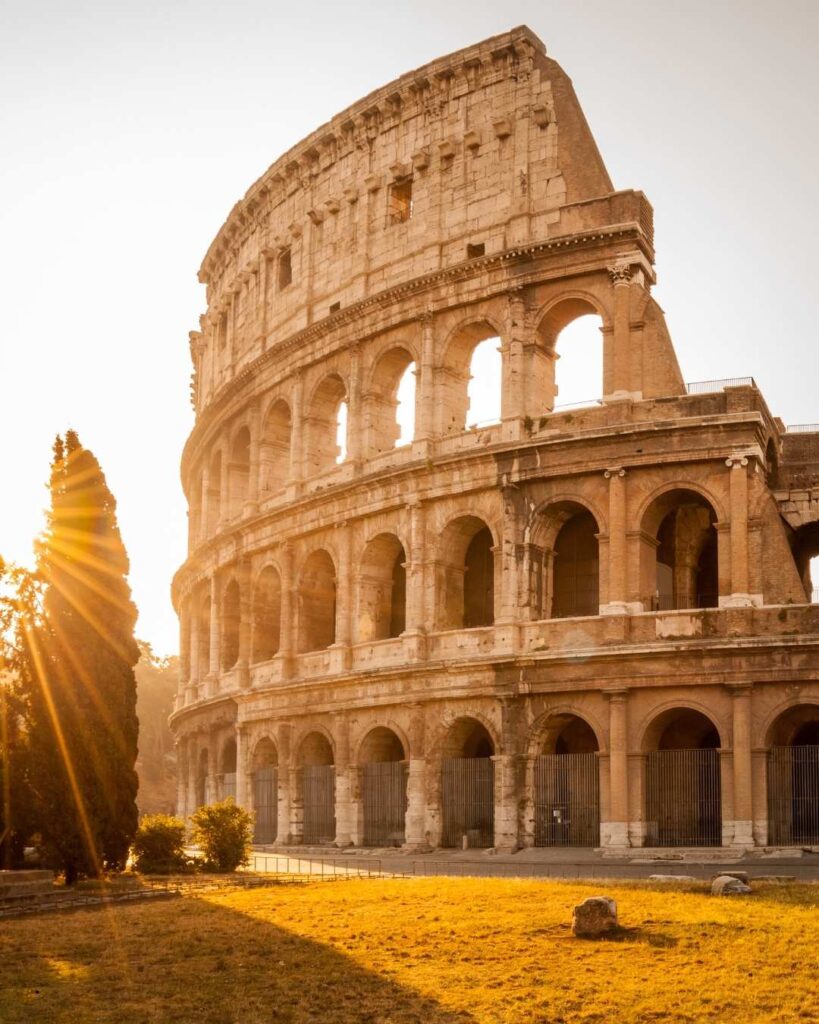
The Colosseum wasn’t always called that. Its original name was the Flavian Amphitheatre, after the dynasty of emperors who built it. Construction began under Vespasian in 72 AD and was completed by his son Titus in 80 AD. It was a gift to the Roman people, built on the site of Nero’s private lake after the tyrant emperor’s fall.
The engineering is staggering. The structure stands about 160 feet tall, with an elliptical shape measuring 620 feet by 511 feet. It held an estimated 50,000 to 80,000 spectators, with seating arranged by social class, the emperor in the best seat, senators and knights closer to the action, and women and slaves at the very top.
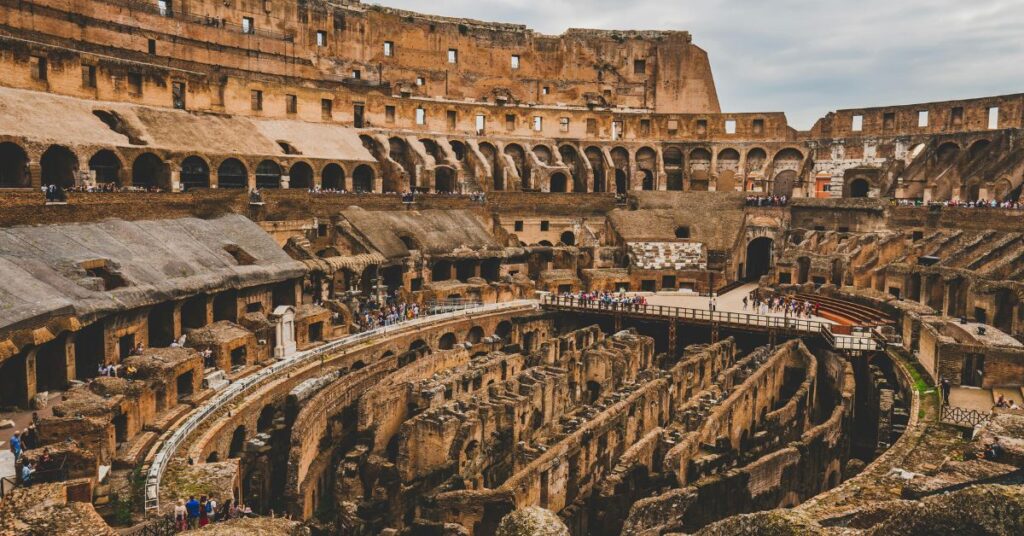
Below the arena floor lies the hypogeum, a two-level underground labyrinth of tunnels, chambers, and elevators where gladiators, animals, and stage machinery were kept before performances. It was added a decade after the original construction under Emperor Domitian. This is where the real drama happened backstage, with wild animals and fighters waiting in the dark, listening to the roar of the crowd above.
What you see today is only a fraction of the original structure. Earthquakes, stone-robbers, and centuries of neglect stripped away much of the marble and metal. But what remains is still magnificent, and it still draws the crowds like nothing else in Rome.
The Masterpieces You Cannot Miss
The Arena Floor
Walking onto the arena floor is the closest you’ll get to experiencing what a gladiator felt. The reconstructed wooden platform sits about 15 feet below where the original arena once stood, and it gives you a sense of the scale of the space. Look up at the tiers of seats and imagine 50,000 people screaming for blood, and you’ll understand why this place still captivates.
The Underground
The hypogeum is restricted to guided tours, like this one, and it’s absolutely worth the extra cost. Standing in those dimly lit tunnels, you can see the remains of the wooden elevators and pulley systems that hoisted gladiators and wild animals onto the arena floor. It feels less like a ruin and more like a backstage area that’s just been abandoned.
The Upper Tiers
From the upper levels, you get a different perspective, not just of the Colosseum itself but of the surrounding city. The view over the Roman Forum and Palatine Hill is spectacular, and the evening light hitting the stone creates a golden glow that is pure magic.
The Arch of Constantine
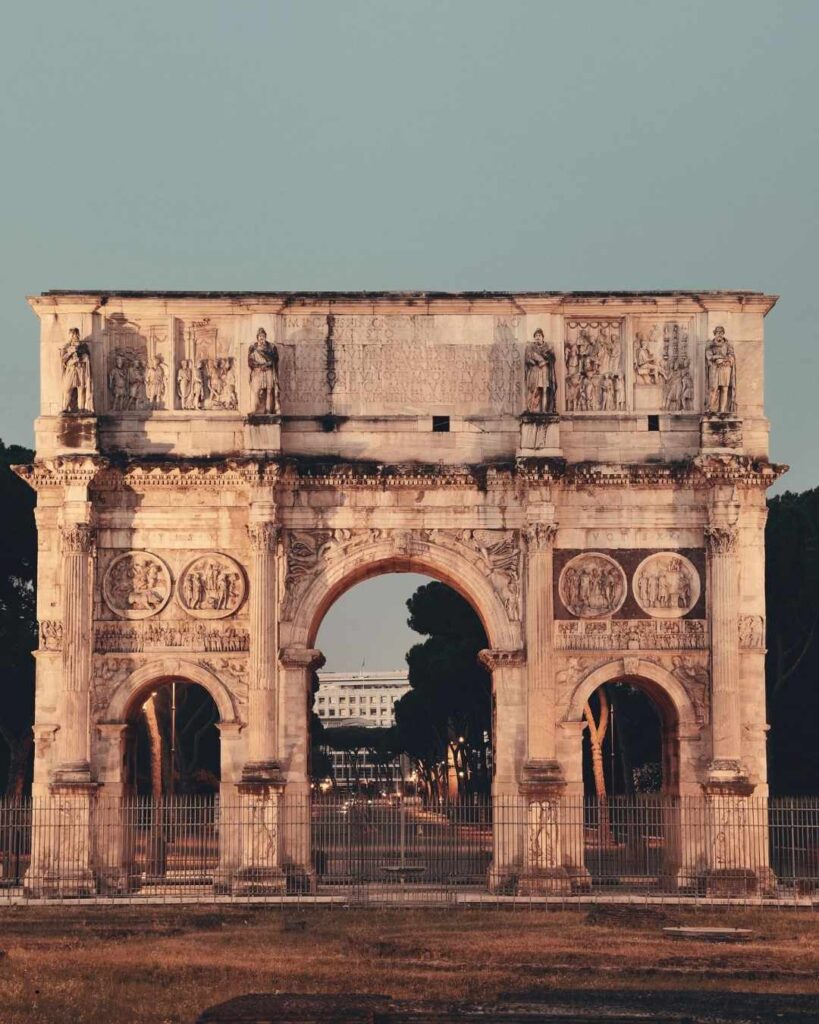
Just outside the Colosseum, this triumphal arch commemorates Constantine’s victory at the Battle of the Milvian Bridge. It’s free to view and makes for a fantastic photo with the Colosseum in the background.
Types of Tickets and Tours
This is where things get complicated. The Colosseum offers five different ticket types, and choosing the right one makes all the difference. All these are available on the official website.
Standard Entry Ticket
The basic ticket costs around 18 euros and includes one timed entry to the Colosseum with access to the ground level and bottom tiers of seats. It also includes same-day or next-day access to the Roman Forum and Palatine Hill, depending on the ticket type. This is the budget option, and it’s fine if you’re just looking for a quick visit.
Full Experience Arena Ticket
This ticket costs about 24 euros and includes access to the arena floor in addition to the ground level and bottom tiers. You enter through the Gladiator’s Gate, which is an experience in itself. The arena floor is where the action happened, and standing there gives you a whole new appreciation for the scale of the events.
Full Experience Underground Ticket
This is where things get exclusive. The underground tour takes you into the hypogeum, the restricted tunnels where gladiators and animals were held. These tours are only available with a guide, and they sell out weeks in advance. Prices typically range from 80 to 120 euros depending on the operator and season. This is the tour I recommend
Full Experience Attic Ticket
This ticket gives you access to the upper tiers of the Colosseum, with excellent views down into the arena and across the surrounding area. It’s less popular than the underground and arena options, but it’s a great choice if you want a quieter experience.
Night Tours
This is the secret weapon. After-hours tours take place when the Colosseum is closed to the general public. The crowds vanish, the air cools, and the monument is bathed in golden light. These tours usually include the arena floor and sometimes the underground, and they are genuinely magical. This is the night tour I recommend.
Guided Tours
You can visit the Colosseum without a guide, but it’s not the best way to experience it. A good guide brings the history to life, telling stories about the gladiators, the spectacles, and the engineering. They also navigate the crowds more efficiently and get you through security faster.
Group tours are the budget option, with prices starting around 40 euros in addition to the entry fee. Private tours are more expensive, starting around 200 euros, but you get a licensed archaeologist or art historian to yourself, and you can customize the route. Check the options available here.
Practical Details for Your Visit
Tickets and Reservations
You must book in advance. This is not optional. Tickets sell out days and sometimes weeks ahead, especially for the underground tours and the arena floor. The official website is your best bet, but verified partners like Klook and GetYourGuide also offer legitimate tickets with instant mobile confirmation.
When you book, you’ll select a specific time slot for the Colosseum. Arrive at least 15 minutes early for security screening. If you’re late, you’ll be denied entry.
Bring photo ID for every member of your group. The name on your ticket must match the name on your ID, or you won’t be allowed in.
Skip-the-Line vs. Timed Entry
Here’s an important distinction. “Skip-the-line” on a ticket usually means you skip the ticket office queue. You still have to pass through security screening, which can take 10 to 30 minutes during peak times. There is no way to skip security. Anyone who claims otherwise is selling you a fantasy.
Opening Hours
The Colosseum is open year-round, with hours varying by season. The general rule is 9:00 AM to roughly one hour before sunset, with last entry one hour before closing. It’s closed on Christmas Day, New Year’s Day, and May 1.
Best Time to Visit
Early morning, right at opening time, is the quietest. Late afternoon, about an hour before closing, is also good. Midday is the worst—it’s hot, packed, and the security lines are longest. If you can, book a night tour for the most atmospheric experience.
How Long to Spend
Plan for about one to one and a half hours for the Colosseum itself. The Roman Forum and Palatine Hill will take another two hours combined. It’s a half-day commitment if you want to see everything properly.
What to Wear
Comfortable shoes, like these ones, are non-negotiable. The streets are uneven cobblestones, and Palatine Hill involves actual climbing. Bring a hat and sunscreen in summer; there’s almost no shade on the upper levels. In winter, it can be chilly and windy, so bring a jacket.
What to Bring
Bring a water bottle; there are drinking fountains scattered around the archaeological area. Large bags and backpacks are not allowed inside, so travel light.
Accessibility
The ground floor of the Colosseum is wheelchair accessible, and there’s an elevator to the second tier. The underground areas and upper tiers are not accessible to wheelchairs or strollers. The Roman Forum paths are uneven and difficult for mobility-impaired visitors.
The Roman Forum and Palatine Hill
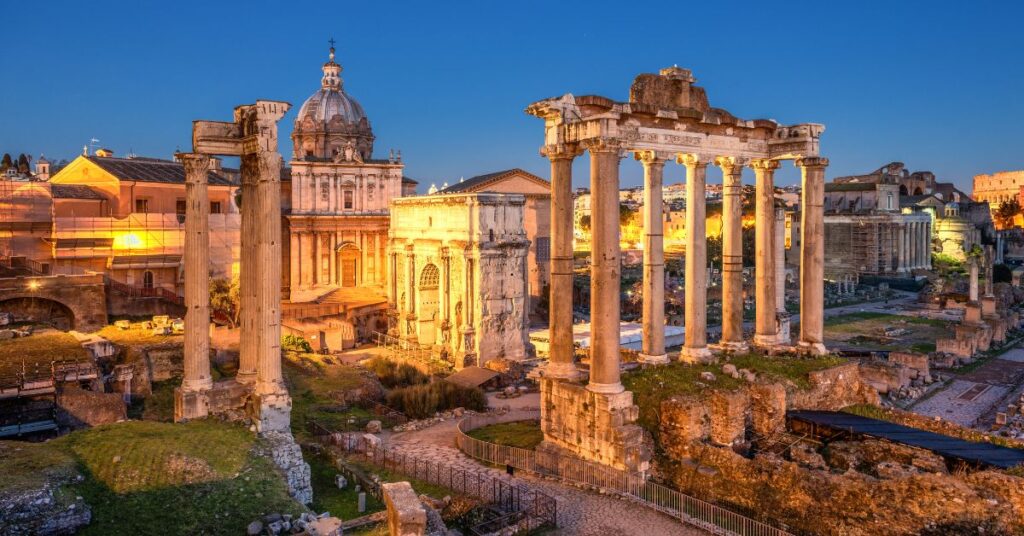
Every Colosseum ticket includes admission to the Roman Forum and Palatine Hill. Most visitors don’t realize this until they arrive, so it’s worth planning your day around all three sites.
The Roman Forum was the political and commercial heart of ancient Rome. It’s an open-air site spread across a long valley between hills, with ruins of temples, basilicas, and government buildings. Without some guidance, it can look like a confusing pile of stones. With it, each pile has a story. The Temple of Saturn, the Arch of Septimius Severus, and the House of the Vestal Virgins are among the highlights.
Palatine Hill overlooks the Forum and is where Rome’s wealthiest citizens and emperors built their palaces. The views from the top are genuinely worth the climb; you can see across the Forum, over to the Colosseum, and out toward the Circus Maximus. The Farnese Gardens up here are a quiet spot to rest if you need a break.
Plan roughly 1.5 hours for the Colosseum, 1.5 hours for the Forum, and one hour for Palatine Hill. That’s a full half-day, so don’t try to cram it into a quick morning stop.
Getting There
The Colosseum is at Piazza del Colosseo, right in the center of Rome. The easiest way is to take the Metro Line B to the Colosseo station, which deposits you right at the monument’s feet. Several bus lines also stop nearby. If you’re walking from the Roman Forum or Palatine Hill, it’s a short stroll through the archaeological area.
A Few More Pro Tips
Book your tickets as far in advance as possible, especially for the underground and night tours. The official site releases tickets about 30 days ahead, often at 8:45 AM Rome time. Set an alarm.
If you miss out on the official tickets, check verified partners like Klook and GetYourGuide. They often have reserved allocations for small-group tours.
Start your day at Palatine Hill or the Roman Forum, rather than the Colosseum. The lines at the Forum entrance are often shorter, and you can then walk to the Colosseum within your time slot.
Bring a good map or download the audio app on your phone before you go. Mobile signal inside the Colosseum can be patchy.
Wear a money belt. The crowds are thick, and pickpockets are common in Rome.
Plan your route. You can’t see everything, so prioritize the areas that interest you most.
Final Thoughts
The Colosseum is the symbol of Rome for a reason. It’s magnificent, brutal, and awe-inspiring, and it connects you to the ancient world in a way that no museum ever could.
My wife and I booked a night tour of the underground, and it was one of the best decisions we made in Rome. Walking through those tunnels after sunset, with the crowds gone and the lights casting long shadows across the stone, we felt like we were stepping into a time machine. The guide told us stories of the gladiators, the animals, and the thousands who died for the entertainment of the masses. It was haunting and unforgettable.
Here’s what I tell my readers: don’t try to see everything. The Colosseum, the Forum, and Palatine Hill together represent a full day of walking and history. Choose the ticket that gives you access to the areas you care about most. Book it well in advance. Arrive early. Wear good shoes. And when you stand on that arena floor, looking up at the tiers where the crowds once roared, take a moment to appreciate that you’re standing at the center of one of the great stages of human history.
Rome without the Colosseum is like Paris without the Eiffel Tower. It’s the heart of the city, the reason millions come here every year. Plan, go early, and let it work its magic.
NOTE BEFORE YOU GO: Italy rewards travelers who go prepared. And it is easy to ruin your trip. I have a checklist for you of things you should never go to Italy without. CHECK IT OUT HERE. I have also curated a list of some of the best hotels in Italy. I would highly recommend checking them out before booking. THESE ARE THE BEST HOTELS IN ITALY. And for unique experiences, attractions, and tours, don’t book before CHECKING THIS OUT. Thank me later!