
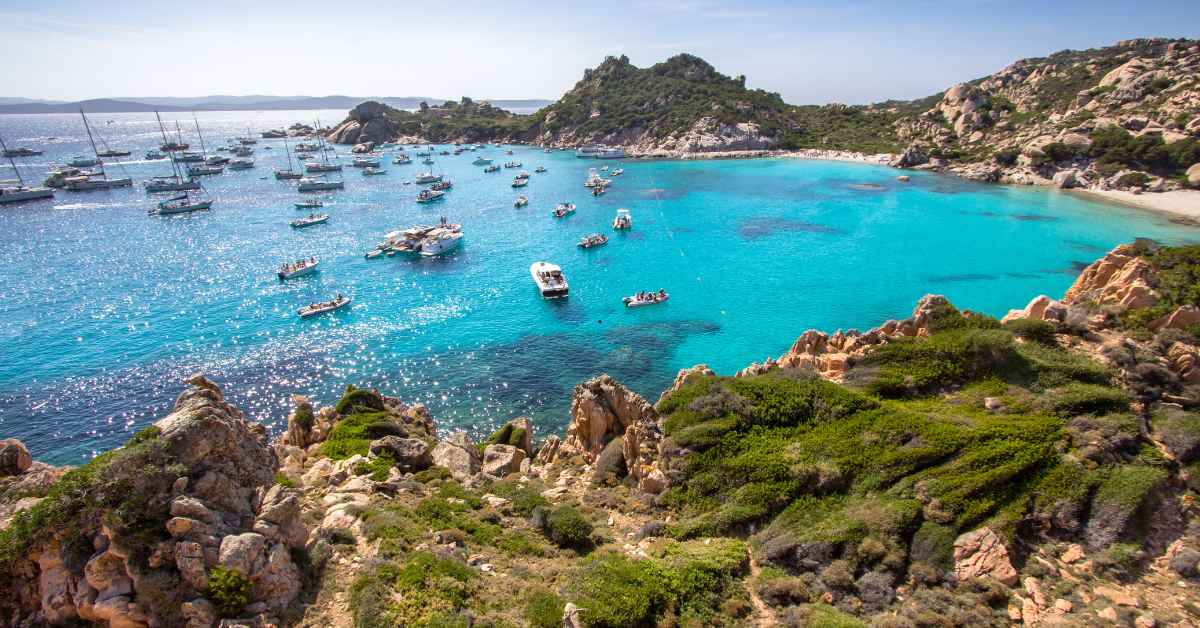
The first time I stepped onto Sardinian soil, I knew I was somewhere different. It wasn’t just the clarity of the water or the rugged beauty of the landscape—though both are jaw-dropping. It was something in the air. A sense that this island, a world away from mainland Italy, follows its own rhythm, its own rules.
And after spending weeks exploring its coastline, its mountains, and its ancient villages, I can tell you this: Sardinia doesn’t just make a great travel destination. It changes how you think about travel itself.
Sardinia is the Mediterranean’s second-largest island, and with a landmass larger than some countries, it offers an astounding variety of experiences. On one end, you have the Costa Smeralda, a stretch of coastline famous for its turquoise waters and celebrity-studded resorts.
On the other, you have the rugged interior, where time seems to stand still and shepherds still roam the hills. Between these two extremes lies an island of incredible depth, where ancient history, unique cuisine, and warm hospitality combine to create something truly special.
Before reading further, please take the time to ensure you have packed everything you need for your trip to Italy. See the checklist here.
Getting There and Getting Around
Let’s start with the practical stuff, because getting to Sardinia has become increasingly convenient for international travelers. The island has three main airports: Cagliari-Elmas in the south, Olbia-Costa Smeralda in the northeast, and Alghero-Fertilia in the northwest.
Each serves as a gateway to a different part of the island, so your arrival point should depend largely on where you plan to spend most of your time. Direct flights from major European hubs are plentiful, and during the summer months, seasonal charters and even some direct routes from the United States make the journey more manageable than ever.
But the real adventure begins once you land. Here is my strongest piece of advice, and I cannot emphasize this enough: rent a car. Public transportation exists in Sardinia, but it is limited and will significantly restrict where you can go. Some of the island’s greatest treasures are its hidden beaches and remote mountain villages, and you simply will not reach them on a bus. Rent a car here.
The main roads, known as superstrade, are toll-free and in good condition. But be prepared for narrow, winding roads once you venture off the beaten path, especially in the interior. On more than one occasion, my wife and I found that the journey itself became part of the adventure, especially when we discovered a seemingly random turnoff that led to a breathtaking view or a secluded cove.
Parking follows a simple color code: blue lines mean paid parking, white lines are free, and yellow lines are for residents and disabled drivers. Keep a stash of coins handy for those blue-line meters, and always check the signs for time limits. Speed limits are strictly enforced, and the winding mountain roads demand caution, but the freedom of having your own wheels is absolutely essential to experiencing Sardinia on your own terms.
When to Visit
Sardinia is a year-round destination, but the experience varies dramatically depending on the season.
Summer, from June through August, is when the island comes alive in full force. The beaches are packed, the water is warm, and the nightlife is vibrant. This is the time for beach lovers and social butterflies, but it comes with a price: crowds are intense, and accommodation prices skyrocket. If you are dreaming of the Costa Smeralda at its most glamorous, summer is your window, but book everything well in advance and be prepared for peak-season chaos.
Spring, from April to May, and autumn, from September to October, are what I consider the sweet spots. The weather is still warm enough for swimming, the landscapes are lush and blooming, and the crowds thin out considerably. Prices are more reasonable, and the overall atmosphere is more relaxed. Autumn, in particular, brings the Autunno in Barbagia festival, where villages throughout the interior open their doors to visitors, offering traditional foods, crafts, and a glimpse into local life that you simply will not find in the summer months.
Winter, from November to March, transforms Sardinia into a quiet, introspective place. Many coastal resorts shut down completely, but this is the perfect time for hiking, exploring archaeological sites without the throngs of tourists, and experiencing the mountain villages at their most authentic. The weather can be chilly and rainy, especially in the interior, but the trade-off is an intimacy with the island that summer visitors never experience.
Tip: If you are looking for recommendations for some of the best things to do in Sardinia, check out this guide.
The Ancient Soul of Sardinia

Before we dive into the regions and the beaches and the food, we need to talk about what makes Sardinia truly unique. Scattered across the island, you will find over seven thousand mysterious stone towers called nuraghi. These conical structures, built during the Bronze Age, are found nowhere else on Earth.
No one knows exactly what purpose they served—some say fortresses, others say religious temples, and still others propose they were astronomical observatories. Whatever their original function, they stand as a testament to an ancient civilization that thrived on this island long before the Romans ever set foot here.
The crown jewel of these sites is Su Nuraxi di Barumini, located in the island’s center. This UNESCO World Heritage site is the best-preserved and most complete nuraghe complex in Sardinia. Walking through its central tower and the surrounding village, you can almost hear the echoes of the people who lived there nearly four thousand years ago.
The stonework is remarkable, and the sheer scale of the project—built without mortar, using only massive stones fitted together—leaves you in awe of what human determination can achieve.
But the nuraghi are just the beginning. The Giants of Mont’e Prama, discovered in the 1970s, are a collection of colossal stone statues depicting warriors, archers, and boxers. These figures, dating back to the same period as the nuraghi, are among the most significant archaeological finds in the entire Mediterranean. Some are now on display in Cabras and in Cagliari, and they offer a tantalizing glimpse into the beliefs and artistry of Sardinia’s earliest inhabitants.
Beyond the Nuragic civilization, the island bears the fingerprints of everyone who passed through: Phoenicians, Carthaginians, Romans, Vandals, Byzantines, and Aragonese. Sites like Tharros on the Sinis Peninsula and Nora near Cagliari offer remarkably preserved ruins that tell the story of these successive waves of settlement. The Nora Stone, found in Cagliari, is the oldest Phoenician text in Western Europe—a small fragment of writing that connects Sardinia to the wider ancient world in ways that still surprise historians.
And then there is the Spanish influence, which lingers most visibly in Alghero, a city where the local dialect is still Catalan and the architecture feels more Iberian than Italian. This layered history, visible in every corner of the island, gives Sardinia a depth that you will not find in many European destinations. It is not just a place to see—it is a place to feel, to wonder, and to connect with something ancient and enduring.
The Flavors of Sardinia

If you come to Sardinia for the beaches, you will stay for the food. Sardinian cuisine is a reflection of the island’s geography: simple, robust, and deeply connected to the land and the sea. This is not the refined, fussy cooking of Milan or Florence. This is food that comes from shepherds and farmers, from fishermen and grandmothers who have been making the same dishes for centuries.
Let us start with the meat, because no discussion of Sardinian food is complete without mentioning porceddu. This is suckling pig, slow-roasted over an open fire until the skin is crackling and crisp and the meat is so tender it falls off the bone. The preparation is deceptively simple—just salt, pepper, and rosemary—but the result is nothing short of transcendent. If you see porceddu on a menu, order it immediately. Do not hesitate. Do not look at the other options. Just order it.
For pasta lovers, Sardinia offers something truly unique: culurgiones. These are Sardinia’s stuffed pasta, shaped like small purses and traditionally filled with potato, pecorino cheese, and mint. The filling is creamy and earthy, and the pasta itself has a satisfying chew that reminds you that this is handmade food, not mass-produced convenience. Each region has its own variation, and part of the fun is tasting your way through the island to find your favorite.
The bread here is just as remarkable. Pane carasau is the iconic flatbread of Sardinia, wafer-thin and crispy, layered like a stack of phyllo dough. It is served with almost every meal, and it is the perfect vehicle for soaking up the juices from grilled meats or the oil from a simple antipasto. In some places, you will also find pane guttiau, which is pane carasau drizzled with olive oil and sprinkled with salt—a simple snack that is surprisingly addictive.
Seafood, naturally, is spectacular along the coast. Bottarga, the cured roe of tuna or mullet, is known as the gold caviar of Sardinia. It is grated over pasta for an intense, briny umami flavor that is unlike anything else. Ricci di mare, or sea urchin pasta, is another coastal specialty that adventurous eaters should try at least once. The flavor is rich and oceanic, and it captures the essence of the Mediterranean in a single bite.
Cheese lovers will be in paradise. Sardinia has nearly twice as many sheep as people, and pecorino sardo is the island’s signature cheese. It ranges from fresh and mild to aged and sharp, and it appears in everything from pasta fillings to cheese boards to the sweet, honey-drenched dessert called seadas. Speaking of desserts, seadas is a fried pastry filled with pecorino and drizzled with honey—a perfect ending to any meal, and a reminder that Sardinians know how to balance sweet and savory like few others.
And then there is the wine. Cannonau, the island’s flagship red, is rich and full-bodied, and it is famously high in antioxidants—one of the reasons Sardinia is a Blue Zone where people live exceptionally long lives. Vermentino di Gallura is the premium white, crisp and mineral-driven, perfect with seafood. And Vernaccia di Oristano is a distinctive dessert wine that pairs beautifully with seadas or aged cheeses. Ordering a bottle of Cannonau with a plate of porceddu might just be the most Sardinian dining experience you can have.
The South: Cagliari and the Heart of History

Begin your journey in Cagliari, the island’s capital and largest city. This is a city of contrasts: ancient and modern, bustling and relaxed, sophisticated and earthy. The heart of Cagliari is the Castello district, a walled medieval hilltop neighborhood with narrow cobblestone streets, grand palazzos, and sweeping views over the city and the Gulf of Cagliari.
Make your way to the Bastione di Saint Remy, the city’s most spectacular viewpoint. From here, you can watch the sunset paint the sky in shades of orange and pink while the city spreads out below you. It is a moment that captures the magic of Sardinia—the beauty, the history, the sense that you are standing somewhere truly special.
The National Archaeological Museum, also in the Castello district, is essential for anyone interested in the island’s ancient past. It houses the Nora Stone and countless artifacts from the Nuragic, Phoenician, and Roman periods. Walking through its galleries, you will begin to understand just how deep Sardinia’s history goes.
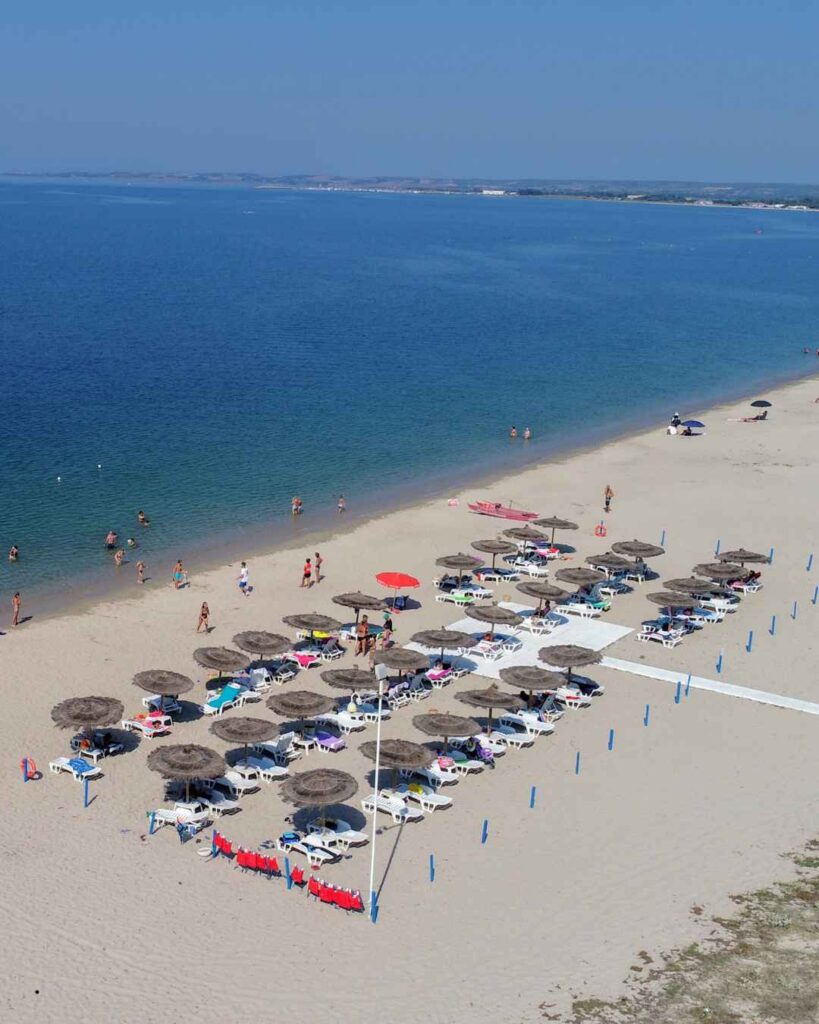
When you need a break from history, Poetto Beach offers miles of sandy shoreline right next to the city. It is the place to see and be seen, with beach clubs and bars lining the waterfront. And if you keep your eyes open, you might spot flamingos in the salt marshes near the city—a surreal sight that reminds you that Sardinia is also a haven for wildlife.
A short drive from Cagliari takes you to the archaeological site of Nora, near the town of Pula. This ancient Phoenician and Roman city is perched on a peninsula jutting into the sea, and its remarkably preserved theatre offers a stunning backdrop of blue water and blue sky. The nearby beaches of Su Giudeu and Tuerredda are among the best in the south, with calm, crystal-clear water that is perfect for families.
For hikers and nature lovers, the Sette Fratelli Regional Park, just east of Cagliari, offers oak forests and hiking trails where you might spot wild boars and golden eagles. It is a reminder that Sardinia’s interior is just as beautiful as its coastline, and that the island rewards those who venture off the main roads.
The West: Oristano and the Sinis Peninsula
The west coast of Sardinia is home to some of the island’s most spectacular archaeological sites and its most charming small towns. Oristano, the region’s capital, is a quiet city with a slower pace, but it is also the gateway to the Sinis Peninsula, a stretch of coastline that feels untouched by time.
Tharros, at the end of the peninsula, is a breathtaking site. The ruins of this ancient Phoenician and Roman city sit on a hill overlooking the sea, and the combination of history and natural beauty is almost overwhelming. Walk among the remains of temples, baths, and houses, and imagine what life must have been like for the people who lived here two thousand years ago. The setting is so dramatic that it is easy to understand why they chose this spot.
Nearby, the town of Cabras is famous for its bottarga, and the surrounding lagoon is a haven for birds and wildlife. This is also the home of the Mont’e Prama statues, the giant figures that have rewritten the history of Sardinia’s ancient civilizations. Seeing them up close, you realize just how sophisticated and artistic these Bronze Age people were.
Further north, the town of Bosa is one of Sardinia’s hidden gems. Built on a hillside along the Temo River, Bosa is a riot of colorful houses, narrow alleys, and a medieval castle that dominates the skyline. It is quiet, unpretentious, and utterly charming—the kind of place where you can lose yourself for a day and feel like you have discovered a secret that no one else knows.
If you happen to visit in spring, the carnival of Sa Sartiglia in Oristano is an unforgettable spectacle. This equestrian jousting event dates back centuries, and it involves masked riders galloping through the streets and attempting to spear a star-shaped target with their swords. It is chaotic, thrilling, and deeply traditional—exactly the kind of cultural experience that makes Sardinia so special.
The Northwest: Alghero, Sassari, and Catalan Flair

Alghero is unlike any other city in Sardinia. Known as the Catalan Town, its old quarter is a maze of cobblestone streets, Gothic architecture, and Spanish-influenced courtyards. The local dialect is still Catalan, and the seafood here is some of the best on the island, reflecting the city’s deep connection to the sea.
The highlight of any visit to Alghero is Neptune’s Grotto, a spectacular sea cave accessible by boat or via a long staircase carved into the cliffs. The cave is a cathedral of limestone, with stalactites and stalagmites forming otherworldly shapes, and the light filtering through the water creates an ethereal blue glow that you will not forget.
Just north of Alghero, the beach of La Pelosa near Stintino is one of the most photographed spots in Sardinia. The water is impossibly clear and turquoise, and a distinctive watchtower stands guard over the sand like a sentinel from another era. It is beautiful, but it is also crowded in summer, so arrive early or visit in the shoulder season to fully appreciate its magic.
Sassari, Sardinia’s second-largest city, is often overlooked by tourists, but it rewards those who take the time to explore. Its old town is rich with history and culture, and the city’s lively university gives it a youthful energy that contrasts with the more sleepy coastal towns. From Sassari, it is an easy drive to Castelsardo, a medieval town perched on a cliff with a magnificent cathedral and stunning views over the Gulf of Asinara.
The Northeast: The Glamorous Costa Smeralda
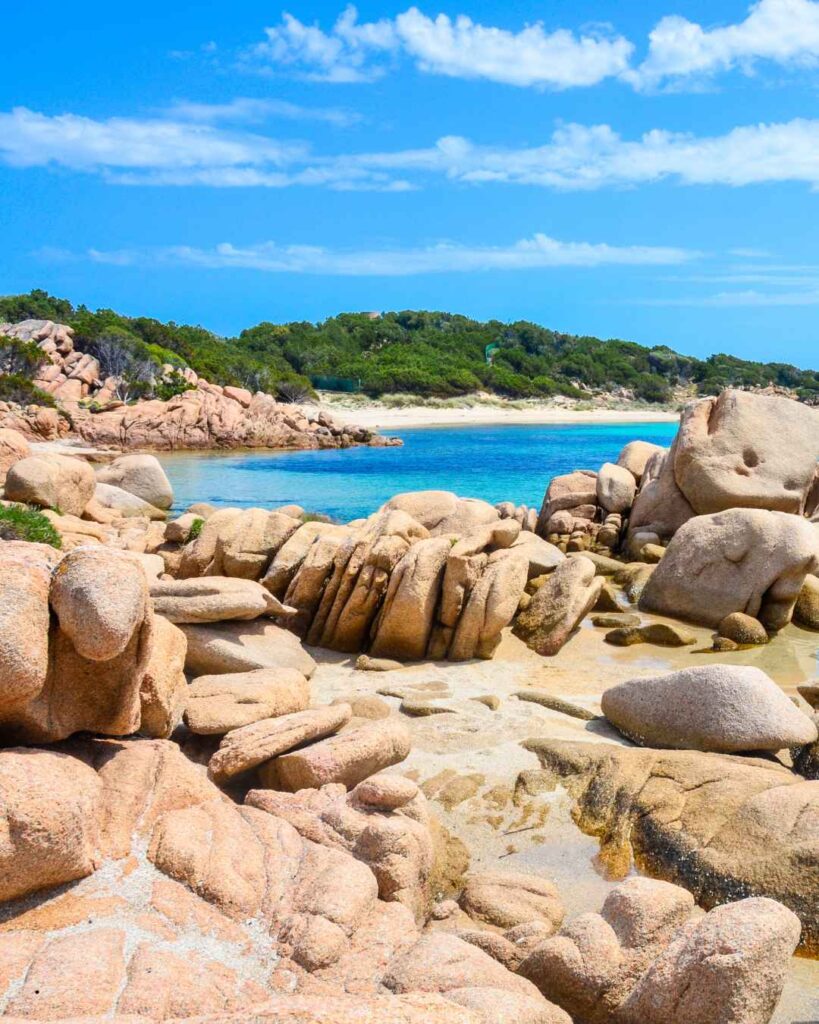
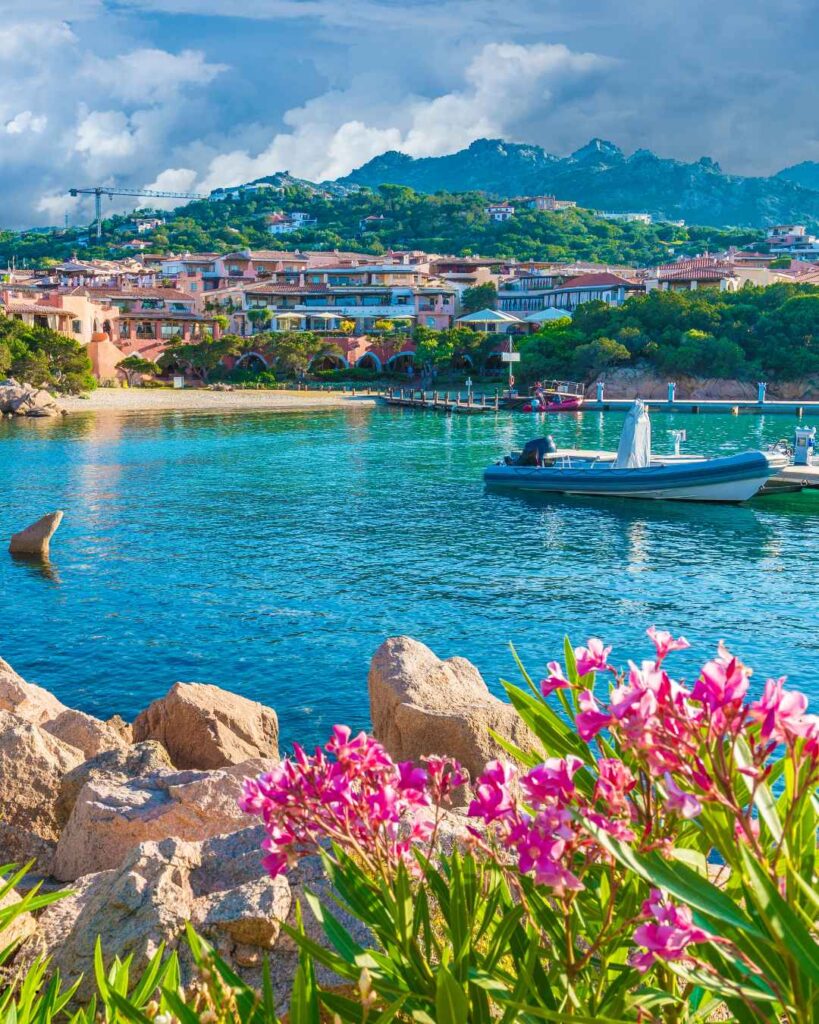
This is the Sardinia that appears in glossy magazines and celebrity gossip columns. The Costa Smeralda, or Emerald Coast, is a stretch of northeastern coastline that has been a playground for the rich and famous since the 1960s. Resorts like Porto Cervo and Porto Rotondo offer luxury shopping, fine dining, and world-class marinas filled with yachts that cost more than most houses.
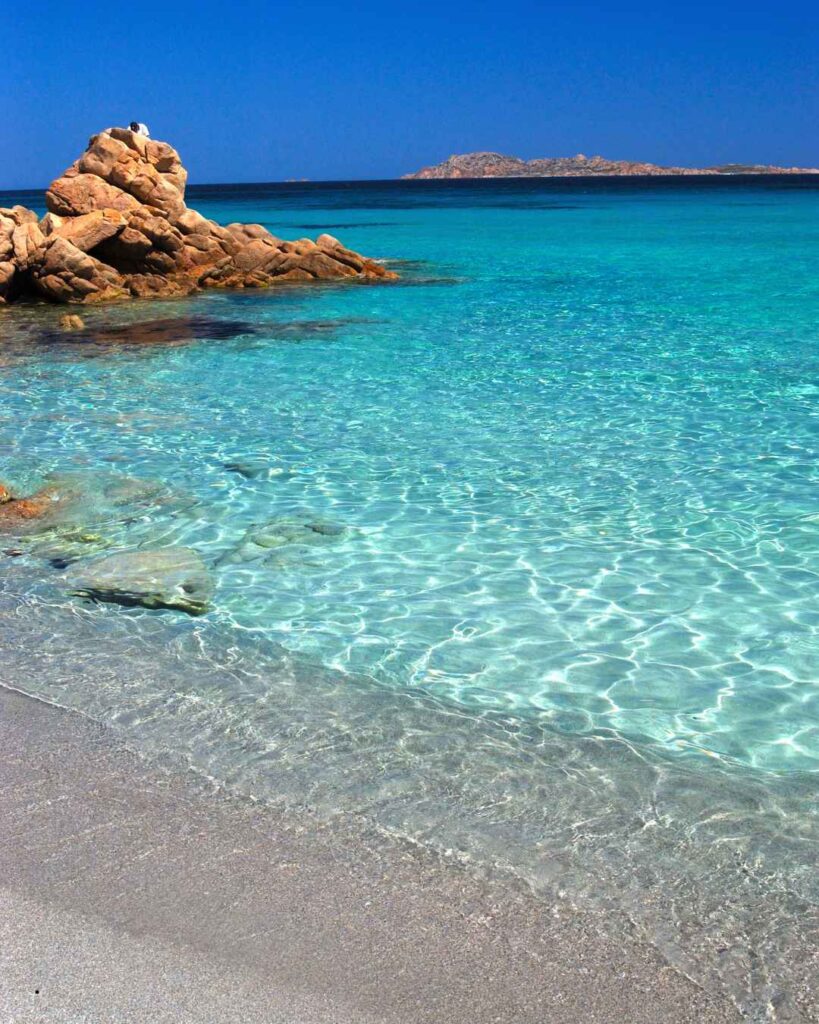
But here is the thing about the Costa Smeralda: it is also genuinely beautiful. The beaches here are nothing short of spectacular. Spiaggia del Principe, Capriccioli, and Liscia Ruja offer powdery white sand and water so clear you can see the bottom from twenty feet above.
Yes, the crowds are intense in summer, and yes, the prices are high. But the beauty is undeniable, and even if you are not a billionaire, you can still enjoy a day at these beaches and feel like you are living the high life.
For the full Costa Smeralda experience, you need to get out on the water. The La Maddalena Archipelago, just off the northeastern coast, is a national park and one of the most beautiful places in the Mediterranean. Charter a boat for the day and explore the islands of La Maddalena, Caprera, and Budelli. Swim in natural pools of impossibly turquoise water, anchor in secluded coves, and picnic on the deck while the world drifts by.
Budelli Island is home to the famous Spiaggia Rosa, or Pink Beach, where the sand takes on a delicate pink hue from crushed coral and shells. Access has been restricted in recent years to protect this fragile ecosystem, but you can still see it from the water and appreciate its ethereal beauty. The entire archipelago is a reminder that Sardinia is not just about luxury—it is also about preserving the natural wonders that make it so special.
If the Costa Smeralda feels too polished for your taste, head south to San Teodoro. It is less glamorous and more relaxed, with beautiful beaches like La Cinta that attract a younger, more bohemian crowd. The vibe here is casual and fun, and it is a great base for exploring the northeastern coast without the five-star price tags.
The East and Interior: The Wild Heart of Sardinia
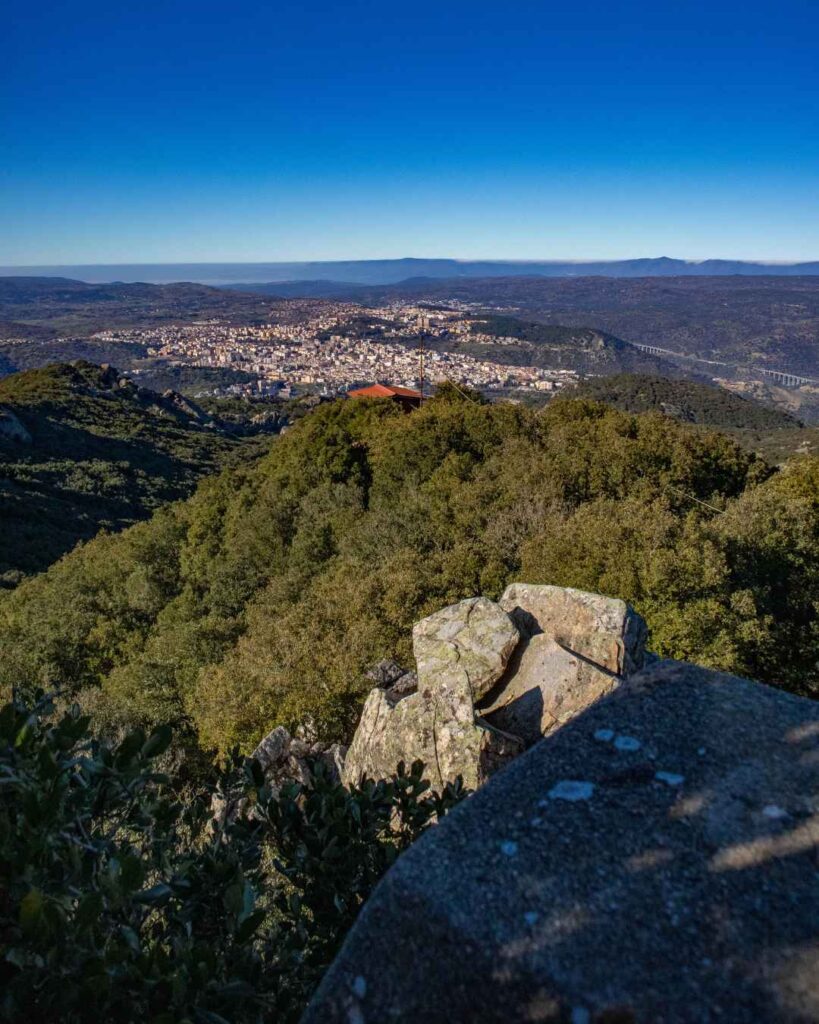
For many travelers, the real Sardinia lies in the interior. This is the land of shepherds and mountaineers, of ancient traditions and rugged landscapes. The city of Nuoro is the cultural capital of this region, and its Ethnographic Museum is the best place to understand the island’s pastoral traditions. The museum is filled with artifacts, costumes, and tools that tell the story of Sardinian life over the centuries, and it provides context for everything you will see in the countryside.
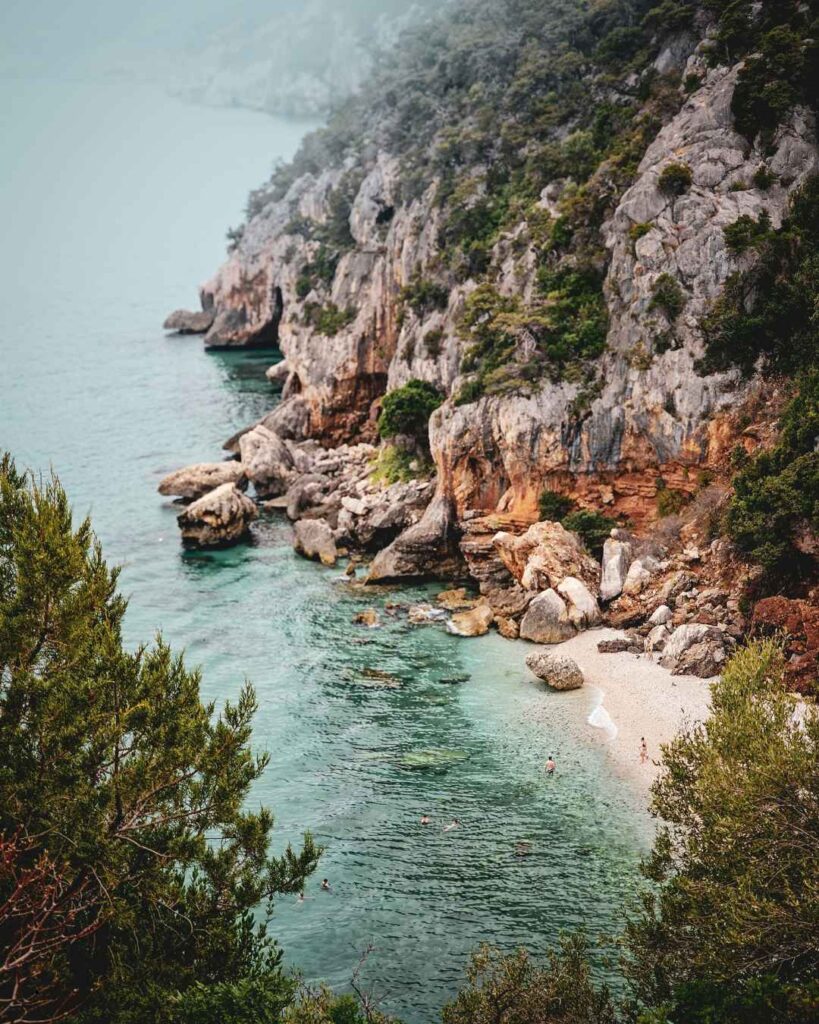
The Ogliastra coast, south of Nuoro, is one of the most dramatic stretches of shoreline in the Mediterranean. Limestone cliffs plunge into the sea, and hidden coves are accessible only by boat or via strenuous hikes. This is the land of adventure, where rock climbers scale sheer faces and hikers follow trails that have been used for centuries.
The Gulf of Orosei, with its stunning coves like Cala Goloritzé, is a must-see for anyone willing to put in the effort. Cala Goloritzé is so beautiful that it has been recognized as a UNESCO World Heritage site, and it is only reachable by boat or by a challenging hike that rewards you with a beach that feels like paradise.
Inland, the Gennargentu National Park is Sardinia’s wildest and most mountainous region. La Marmora, the island’s highest peak, offers challenging hikes and sweeping views that stretch all the way to the coast. The park is home to wild boars, golden eagles, and the elusive Sardinian deer, and it is a world away from the crowded beaches of the summer season.
One of the most intriguing sites in the interior is Tiscali, a hidden village built into a sinkhole. Accessible only by hiking, this Nuragic settlement is a testament to the ingenuity of Sardinia’s ancient inhabitants, who created a community in a place that seems impossible to inhabit. Walking through its ruins, you feel like an explorer discovering something long forgotten by the outside world.
Crafting Your Perfect Itinerary
Sardinia is not an island you see in a weekend. It demands time, patience, and a willingness to slow down. But depending on your interests and your available days, there are several ways to approach your trip.
For beach lovers, I recommend basing yourself on the Costa Smeralda or near La Pelosa and dedicating your days to swimming, sunbathing, and boat trips. The La Maddalena Archipelago is essential, and a day spent exploring its islands is a day you will never forget. Do not rush. Spend your evenings dining on fresh seafood and local wines, and let the rhythm of the coast carry you through your stay.
For history buffs, base yourself in Cagliari or Oristano and plan days to visit Su Nuraxi, Tharros, and Nora. These sites are the heart of Sardinia’s ancient past, and they deserve time and attention. Combine them with visits to the museums in Cagliari and Nuoro, and you will leave the island with a deep understanding of its layered history.
For adventurers, base yourself in Nuoro or along the Ogliastra coast. Hiking, rock climbing, and mountain biking are all available here, and the landscapes are some of the most dramatic in Italy. The Gulf of Orosei should be your primary focus, with its boat trips and coastal hikes offering a level of beauty that rivals anything in the Mediterranean.
For families, the south around Pula and Chia is ideal. The beaches are calm and shallow, the resorts offer endless activities for children, and the archaeological sites are close enough for day trips without overwhelming young travelers.
And for those who have the luxury of time, I recommend a circular tour that takes in all of these regions. Start in Cagliari, head west to Tharros and Bosa, continue north to Alghero and the Costa Smeralda, then cut inland to Nuoro and the Gennargentu mountains before returning south along the Ogliastra coast. This route covers the island’s diversity and allows you to experience its many faces without backtracking.
And as for accommodation, this is where you should choose from.
Essential Travel Tips
A few final pieces of advice to make your journey smoother. Pack sunscreen with a high SPF, a hat, swimwear, and beach shoes for the rocky coves. A light jacket is useful for cooler evenings, even in summer. If you are visiting in July or August, book accommodation and car rentals well in advance. The most popular spots fill up months ahead of time.
Learning a little Italian goes a long way. The Sardinians appreciate any effort to speak their language, though a few words of Sardo will be warmly received. And be respectful: dress modestly when visiting churches, be careful on the winding mountain roads, and leave no trace in the natural areas.
One of the most important things to understand about Sardinia is its pace. The island operates on its own schedule, and things move slowly here. Embrace it. Do not try to cram too much into a single day. Leave room for the unexpected—a detour to a beach you did not plan for, a conversation with a local who points you toward a restaurant you would never have found on your own. These moments are what make Sardinia unforgettable.
The Sardinian Secret
There is a reason Sardinia is one of the world’s five Blue Zones, places where people live measurably longer and healthier lives. It is not just the diet of Cannonau wine, pecorino cheese, and pane carasau. It is the lifestyle: the strong community ties, the deep connection to the land, the unhurried rhythm of daily life. Sardinians do not rush. They spend time with family and friends. They walk in the hills and swim in the sea. They eat local food and drink local wine. They live simply, and in living simply, they live well.
When you visit Sardinia, you are not just visiting an island. You are visiting a way of life. And if you let it, that way of life will stay with you long after you have returned home. You will find yourself slowing down. You will find yourself savoring a meal instead of rushing through it. You will find yourself looking for the quiet corners, the hidden beaches, the ancient stones that tell stories older than any nation.
Sardinia is beautiful, yes. Its beaches are world-class, its food is extraordinary, its history is ancient and rich. But what makes Sardinia truly special is the way it changes you. It reminds you that there is more to travel than checking items off a list. It reminds you that the best journeys are not about seeing everything, but about feeling something.
And on this island, surrounded by the Mediterranean and the mountains and the people who have called it home for millennia, you will feel something. Something deep. Something lasting. Something that will call you back again and again.
NOTE BEFORE YOU GO: Italy rewards travelers who go prepared. And it is easy to ruin your trip. I have a checklist for you of things you should never go to Italy without. CHECK IT OUT HERE. I have also curated a list of some of the best hotels in Italy. I would highly recommend checking them out before booking. THESE ARE THE BEST HOTELS IN ITALY. And for unique experiences, attractions, and tours, don’t book before CHECKING THIS OUT. Thank me later!