
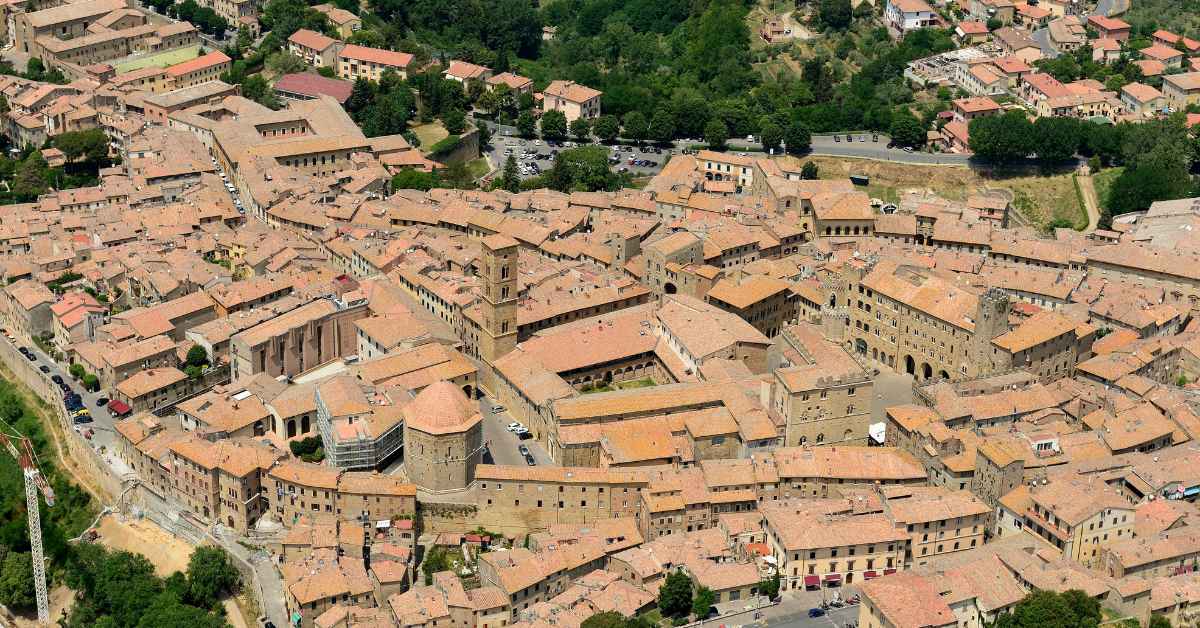
While some people love Tuscany for the countryside, my favorite thing in Tuscany is the towns and cute little villages. And Volterra is one such place. Perched dramatically on a ridge of high sandstone cliffs, this ancient town commands sweeping views over the Sienese hills and the Val di Cecina.
While its more famous neighbors may draw larger crowds, Volterra offers something rarer and perhaps more profound: a journey through nearly three millennia of uninterrupted history, from the mysterious Etruscans to the Romans, through the Middle Ages, and into the present day.
It is a place where the layers of civilization are not hidden in a museum, but carved into the very stones of the streets. For any traveler seeking the authentic, soulful heart of Tuscany, Volterra is an essential pilgrimage.
Before you read further, remember that Italy rewards travelers who come prepared. I’ve found a few things especially useful on an Italy trip, and they’re worth having and/or knowing beforehand. See the checklist here. Also, if you want me to plan an Italy trip for you that you will never forget, drop me a message here
Why Volterra Stands Apart
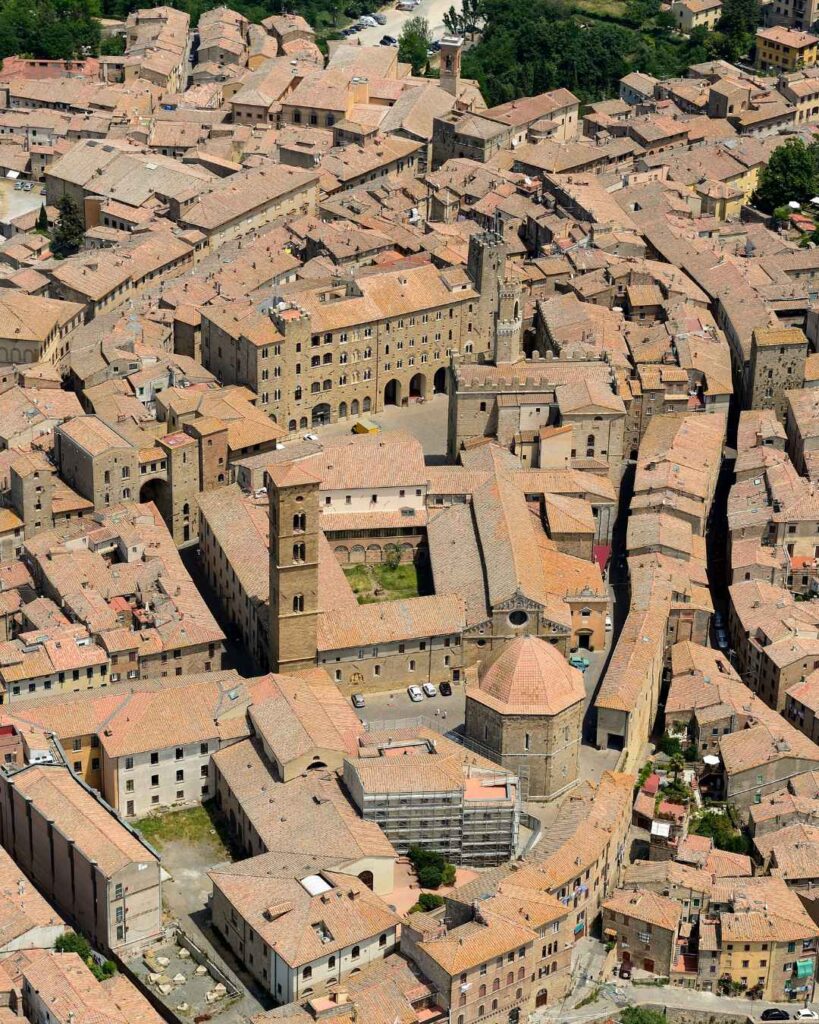
Volterra is not just another hilltop town; it is a window into Italy’s deepest past. Originally a flourishing Etruscan settlement named Velathri, the town was home to an estimated twenty-five thousand people at its peak.
It was one of the twelve most important cities of the Etruscan League, a loose confederation of powerful city-states that dominated central Italy before the rise of Rome.
When the Romans conquered the city in the third century B.C., renaming it Volaterrae, they added their own layer to its rich tapestry. The result is a place where you can stand on a medieval piazza and be surrounded by buildings that incorporate Roman and Etruscan stones.
This is not history you read about; it is history you walk through. The town’s well-preserved medieval architecture, with its burnt-red buildings and narrow cobbled lanes, only adds to its timeless allure, making it feel like a world apart from the modern rush.
Getting There and Getting Around
The most flexible way to reach Volterra and explore the surrounding Tuscan countryside is by car. The town is situated just over an hour’s drive from both Pisa International Airport and Florence Airport, making it an excellent addition to any Tuscan itinerary.
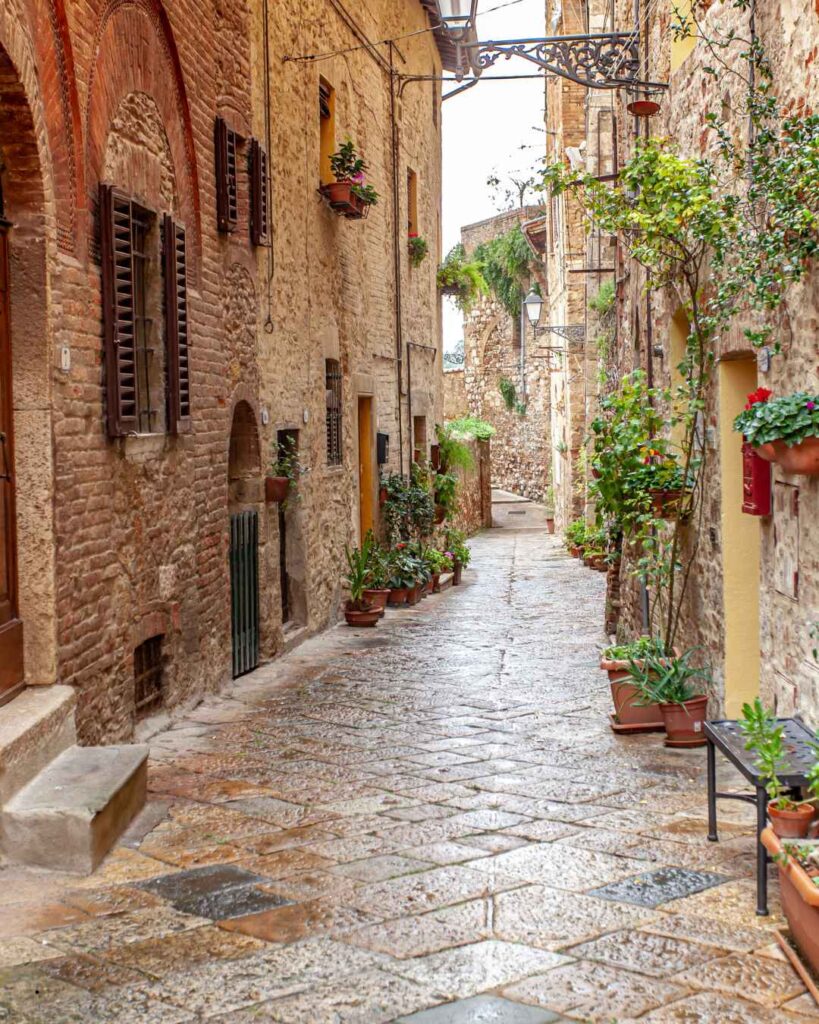
The drive itself is a pleasure, winding through the rolling hills and past vineyards and olive groves that define the region’s landscape. If you are coming from Florence, the journey takes you through some of Tuscany’s most iconic scenery. Once you arrive, the historic center is compact and best explored on foot, though its cobblestone streets are hilly, so comfortable walking shoes are an absolute necessity.
The town’s walkability is part of its charm, allowing you to discover hidden corners and quiet views that are easily missed from a car. Parking is available outside the city walls, as the historic center is largely pedestrianised.
When to Visit
The best times to experience Volterra are during the shoulder seasons of spring, from April to June, and autumn, from September to October. During these months, the weather is mild and pleasant, the crowds are thinner, and the Tuscan landscape is at its most beautiful.
Spring brings a burst of wildflowers to the surrounding countryside, while autumn offers the golden hues of the harvest and the excitement of the wine season. Summer, from July to August, is the peak tourist season, bringing hot weather and larger crowds.
However, this is also when the town comes alive with events like the Volterra Jazz Festival, adding a vibrant, modern energy to the ancient streets. Winter offers a quiet and atmospheric retreat, perfect for those seeking solitude and the raw beauty of the Tuscan hills in the off-season.
The Heart of Volterra: Piazza dei Priori
Your exploration of Volterra should begin at its magnificent main square, the Piazza dei Priori. This is one of the oldest medieval squares in Tuscany, and it serves as the civic and social heart of the town. The square is dominated by the Palazzo dei Priori, the town hall, which dates back to the thirteenth century and is one of the oldest in the region. Its austere, crenelated facade is a classic example of medieval Tuscan civic architecture, and it is adorned with the coats of arms of the various podestà who governed the city over the centuries.
Across the square, the Palazzo Pretorio, with its triple-arched loggia, adds to the sense of a perfectly preserved medieval stage. The square is not merely a tourist attraction; it is a living space where locals gather, children play, and visitors can linger at a café, absorbing the atmosphere. The peaceful atmosphere invites you to linger in one of the cafés before exploring the surrounding streets.
The Cathedral of Santa Maria Assunta
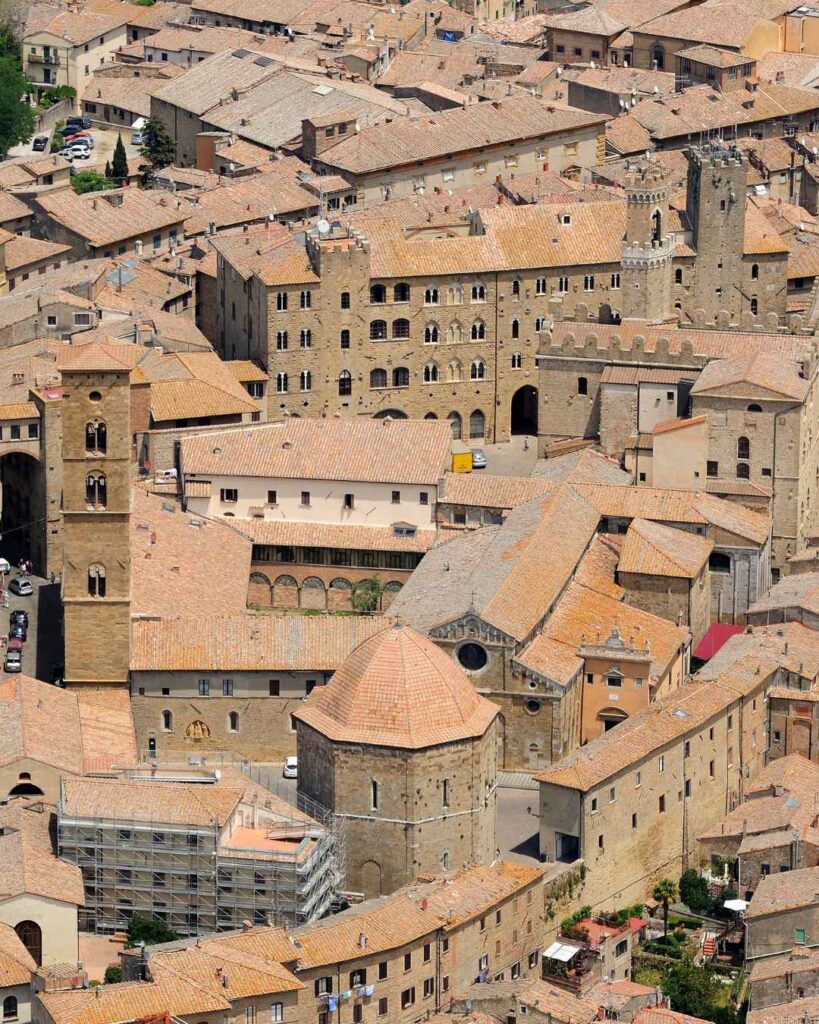
Adjacent to the piazza stands the Cattedrale di Santa Maria Assunta, a Romanesque cathedral that has been a place of worship for centuries. Its striking black and white striped marble exterior is characteristic of many Tuscan churches, hinting at the artistic influences that flowed through the region. Inside, the cathedral is home to a wealth of artwork and monuments dedicated to Volterran saints, with frescoes that are absolutely breathtaking.
The interior is a testament to the town’s enduring religious and artistic heritage, with its soaring columns and intricate altarpieces. It is a place of quiet contemplation, a stark contrast to the bustling piazza outside, and offers a moment of peace before you continue your journey through the ages.
Exploring Etruscan Volterra
Volterra’s true claim to fame, however, lies in its Etruscan heritage, and there is no better place to begin your exploration of this ancient civilization than the Guarnacci Etruscan Museum. This is one of the oldest public museums in Europe, and it houses one of Italy’s most significant collections of Etruscan artefacts.
As you wander through its halls, you will encounter thousands of funerary urns, each a masterpiece of alabaster carving with intricate relief scenes and portrait sculptures of the deceased, which provide a rare and intimate glimpse into the lives and beliefs of the Etruscan people. The museum’s most famous treasure is the “Ombra della Sera,” or “Shadow of the Evening,” a tall, slender bronze votive statue that has become a symbol of Volterra.
Its elongated form is strikingly modern, a piece of ancient art that feels surprisingly contemporary. The sheer number and quality of the items on display here are a testament to Volterra’s ancient prosperity and importance.
Beyond the museum, the Etruscan legacy is etched into the very fabric of the city. You can walk through the Porta all’Arco, a monumental Etruscan city gate dating back to the fourth century B.C. The gate, with its faded carved heads of gods, is one of the few surviving Etruscan gates in Italy, and walking through it feels like passing through a portal to another world.
Just a short walk away, the Etruscan Acropolis offers the ruins of an ancient religious sanctuary that was used for centuries. Here, you can see the foundations of temples, altars, and cisterns, imagining the rituals and ceremonies that took place on this hilltop with its commanding views.
The Etruscans chose this spot to be close to the sky, using the signs they saw there to interpret the future. As you stand among these ancient stones, you can feel the spiritual weight of a civilization that has long since vanished but left an indelible mark on this landscape.
The Roman Legacy and Beyond
The Romans, who conquered Volterra in the third century B.C., also left their mark. The Roman Theatre, located just outside the historic center, is a spectacular sight. This sunken arena once hosted up to two thousand spectators, and it is remarkably well-preserved, with its seating and stage still intact.
Walking through the theatre, you can almost hear the echoes of the performances that once entertained the Roman elite. Close by, you can also explore the remains of the Roman Baths, where you can still see the furnace and the sauna, painting a picture of the sophisticated leisure activities of the time.
Alabaster: The Stone of Volterra
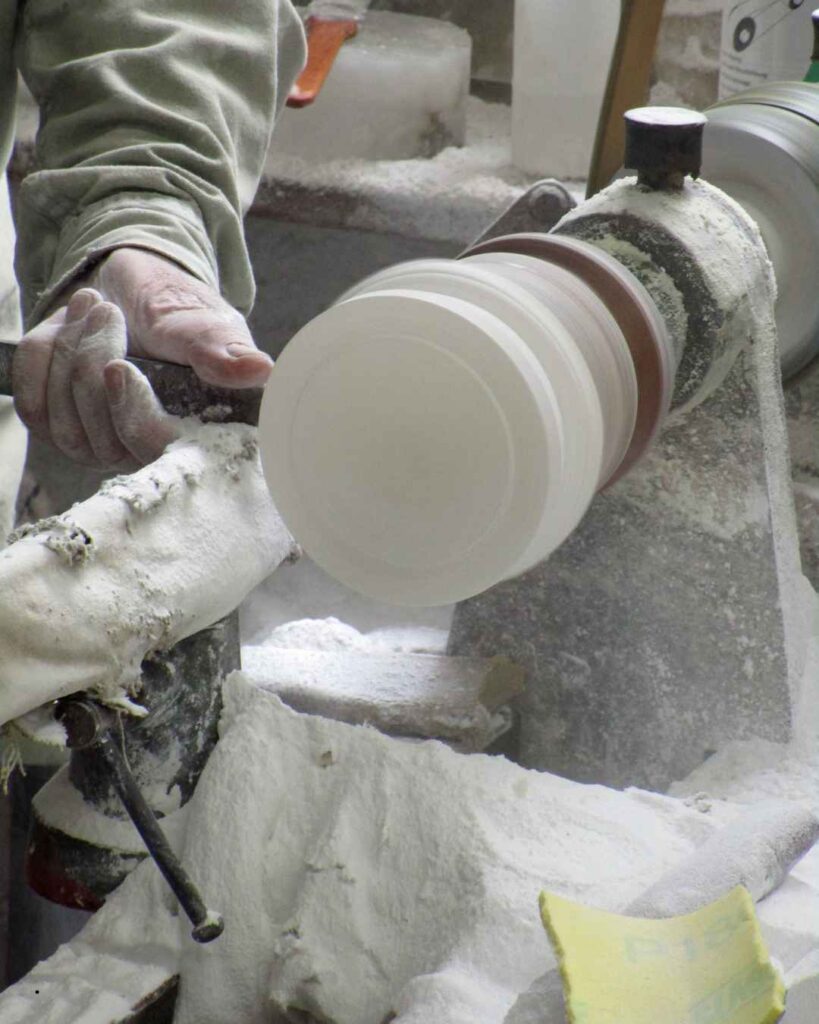
Volterra has a unique artistic tradition that sets it apart from any other Tuscan town: the craft of alabaster carving. The local stone, a soft, translucent gypsum, has been worked by artisans since the Etruscans, who used it for their funerary urns.
Today, the tradition lives on in a vibrant community of sculptors. You can visit the Ecomuseum of Alabaster to learn about the history of the craft and see a collection of artefacts. Even better, you can explore the many shops and workshops scattered throughout the historic center, where you can watch artisans at work and purchase a piece of this ancient art form as a lasting memory of your visit. It is a tangible link to the town’s past, a craft that has survived for millennia and continues to shape its identity.
The Food of Volterra: A Taste of Tuscany
Volterra offers a rich and varied culinary scene, rooted in the traditions of Tuscan peasant cooking. The local cuisine makes the most of the region’s excellent ingredients. You must try the local wild boar, or cinghiale, which is often slow-cooked in a rich ragù and served with fresh pasta.
Truffles, hunted in the surrounding woods with specially trained dogs, are another regional specialty, and you can even book a truffle hunting experience to see the hunt firsthand. The truffle pasta at places like Ristorante Etruria is legendary. For a classic Tuscan meal, seek out a trattoria offering ribollita, a hearty and delicious bread and vegetable soup.
And do not miss the opportunity to pair your meal with a glass of local wine, perhaps a crisp white from the region or a robust red from nearby Chianti. For an interesting departure from traditional Tuscan meat-heavy fare, Il Peschereccio is a beloved local spot for incredibly fresh seafood and an exceptional mixed fry.
Exploring the Val di Cecina: Activities Around Volterra
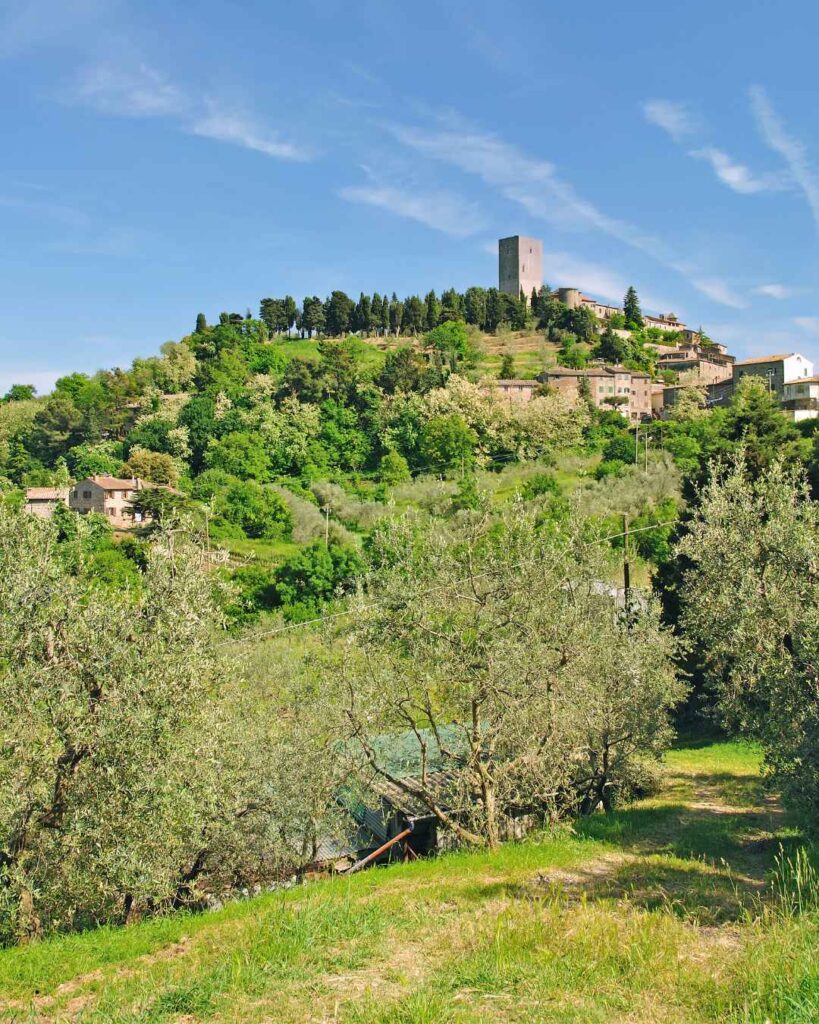
Volterra’s position on a hilltop is not just for show; it makes it an ideal base for exploring the stunning Val di Cecina. The countryside here is quintessential Tuscany, with rolling hills, cypress trees, and winding roads that beg to be explored.
One of the simplest pleasures is to take a drive on the panoramic roads that lead out from the town, stopping to photograph the timeless views. For a deeper experience, you can explore the area on foot. The Balze, the dramatic cliffs on which Volterra is perched, offer incredible panoramic views of the ancient city and the surrounding countryside, especially at sunset.
A short drive from Volterra, you can visit the charming hilltop towns of San Gimignano, famous for its medieval towers, and Monteriggioni, a perfectly preserved fortress village. Many tours combine a visit to both, making it a rewarding day trip. For a truly hands-on experience, take a cooking class at a Tuscan farmhouse in the countryside, where you can learn to make traditional fresh pasta and enjoy the fruits of your labor with local wine.
And for those who love wine, a visit to a local winery for a tour and tasting is essential, where you can sample the organic wines of the region while taking in the views of the vineyards. A guided tour like this one also comes highly recommended.
Where to Stay
Volterra offers a diverse range of accommodation options to suit every taste and budget, from luxury hotels to charming bed and breakfasts. For a truly unforgettable experience, consider staying at Borgo Pignano, a luxury farm stay just outside the town that has earned exceptional reviews for its service and stunning setting. It offers a magical step back in time in the heart of beautiful Tuscany.
If you prefer to stay within the historic center, there are numerous charming hotels and guesthouses. Hotel Foresteria, Locanda il Boschetto, and Albergo Etruria are among the most popular and well-regarded options. For a more rustic and authentic Tuscan experience, consider an agriturismo, a working farm that offers accommodation, often with a pool and beautiful views of the countryside. Many of these offer not just a room, but a taste of rural life, with home-cooked meals made from their own produce.
Practical Tips for Your Visit
Wear comfortable shoes. Volterra’s historic center is a labyrinth of steep, cobbled streets, and you will be doing a great deal of walking. Your feet will thank you. Book your accommodation well in advance, especially if you are traveling during the peak summer months or during local festivals like the Jazz Festival.
A car is highly recommended if you want to explore the surrounding countryside and the other beautiful towns of Tuscany. However, if you are relying on public transport, buses do connect Volterra to Florence and other major cities, though service can be less frequent. Book your preferred car here.
Remember that the town is perched on a hill, and views can be breathtaking, but the climb can be strenuous. Take your time, pace yourself, and be sure to stop and appreciate the vistas. And do not leave without buying a piece of alabaster, a tangible memory of this ancient and captivating town.
Conclusion
Volterra is not just a town; it is a palimpsest of history, where each generation has left its mark on the stones. It is a place where you can stand on a medieval square, look up at an Etruscan gate, and walk through a Roman theater, all within the span of an afternoon. It offers an experience that is more profound and more layered than the postcard-perfect villages of Tuscany, trading crowds for character and history.
Whether you are a history buff, a food lover, an art enthusiast, or simply a traveler seeking the authentic soul of Italy, Volterra will capture your imagination and stay with you long after you have left its ancient walls. It is, in every sense, a timeless treasure.
Again, feel free to go through the list below of my Italy recommendations that I have crafted after years of travel to this beautiful country:
- Packing List: Things Not to Go to Italy Without
- Must-Do Things: Unforgettable Experiences
- Where to Stay: Best Hotels in Italy.
- Where to Stay in Rome: Rome’s Best Neighborhoods
- Where to Stay in Florence: Picking the Best Area
- Where to Stay in Venice: Venice’s Best Districts
- Italy’s Cobblestone Streets: Best Shoes For the Job
- Backpack or Suitcase?: Italy Luggage Guide
- Travel Insurance: Always Be Covered
- E-Sim: Be Connected At All Times