
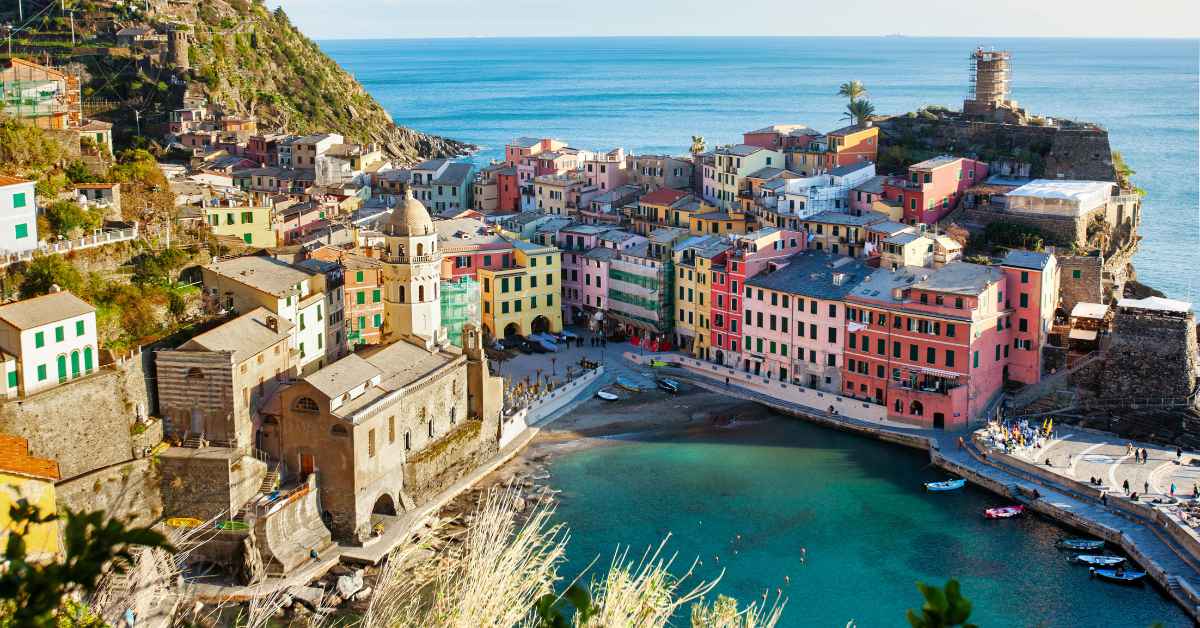
On our first night in Rome, my wife and I had an experience we wouldn’t wish on our readers. We decided to have supper at a very touristy restaurant, and the experience was nothing short of underwhelming.
First, we had to queue up for about 30 minutes in order to get a table. And finally, when we got a table, the waiter tricked us into ordering way more food than we needed. The food was not even that delicious, and since we were not familiar with the tipping culture in Italy, we still left a 15% tip on the bill.
It was honestly not a good night out, and I don’t want that for you. I am sure what happened to us keeps happening to other tourists day in and day out, but you shouldn’t fall for it. And that is just one way that people get ripped off in Italy.
As beautiful as Italy is, it is full of tourist traps and dishonest tour operators and unworthy experiences that can ruin your trip if you go unprepared.
So here is everything you need to know about the hidden costs, tourist traps, and budget destroyers lurking in the beautiful cities of Italy. Read this once, and you will save yourself hundreds, if not thousands, of dollars.
Before reading further, please take the time to ensure you have packed everything you need for your trip to Italy. See the checklist here.
The Geography of Prices

There is a simple rule in Italian tourism that will save you more money than any other piece of advice in this article. That rule is this: walk exactly three blocks away from any major landmark before you buy anything. Anywhere within a two-minute radius of the Colosseum, the Duomo, Piazza San Marco, or the Trevi Fountain, you are paying triple the price for half the quality.
It is not even about greed. The rent for those commercial spaces is astronomical, and the landlords know exactly what they have. The shopkeepers have to charge those prices to stay in business. But you do not have to pay them.
The difference is staggering. A cappuccino at a cafe overlooking the Pantheon might cost you eight euros. Walk to a side street where actual Romans are grabbing their morning coffee, and you will pay one euro twenty. The same espresso, the same quality, often from the same roaster.
The only difference is the view, and frankly, after ten minutes of looking at the Pantheon, you have seen it. You can drink your coffee around the corner and walk back to the monument with your wallet intact.
My wife and I discovered this accidentally during our second day in Rome. We were exhausted, overwhelmed, and frankly a little bitter about how much we had spent on our first dinner. Then we wandered down a narrow alley near the Campo de’ Fiori, found a tiny trattoria where the menu was written on a chalkboard in Italian with no pictures, and we ate the best pasta of our lives for about a third of what we had paid the day before.
It was a revelation. The food was better because they were cooking for locals, not for tourists who would never return. And the price was right because the landlord was not charging Colosseum-adjacent rent.
The Restaurant Scams You Did Not Know Were Legal

Let us talk about the coperto. This is a cover charge that appears on virtually every restaurant bill in Italy. It can range from one euro to four euros per person, and it covers the bread they bring to your table, the table settings, and the service. Here is the thing. It is perfectly legal, and complaining about it will only make you look like an American rube.
The trick is simply to know it is coming and factor it into your budget. If you see two euros per person on a menu, that is your coperto. If you see four euros per person in a touristy area, you should probably take your business elsewhere. But do not be surprised when it appears on your bill, and do not assume you were overcharged. It is just how things work.
Now let us talk about something that will shock every American reading this. Tipping is not expected in Italy. Let me say that again. Tipping is not expected. The service charge, your coperto, is built into the bill. The waiters are paid a living wage, and they do not rely on gratuities to survive. If you leave a twenty percent tip out of habit, that is not generosity.
That is just leaving money on the table. Italians will sometimes leave a euro or two if they had exceptional service. They will round up the bill. But that is it. I have watched Americans leave fifteen euros on a seventy-euro meal, and the waiter looked genuinely baffled. Save your tipping for your tour guides if you feel they went above and beyond. But your restaurant servers? They are fine. Take that twenty percent and use it for an extra meal somewhere else.
The coffee situation deserves its own paragraph. If you order an espresso or a cappuccino at the bar counter, you will pay around one euro twenty. If you sit down at a table, even the same table right next to the bar, that same coffee suddenly costs four or five euros.
This is not a scam. It is a service charge for taking up a table, for having a waiter bring it to you, and frankly, for lingering over your drink. Italians stand at the bar, drink their coffee in ninety seconds, and leave. They do this because it is cheaper and faster. If you want the romance of sitting in a piazza with your coffee, go ahead. Just know that you are paying for the seat, not the drink. And if you are on a budget, standing at the bar is the authentic Italian experience anyway.
There is one more restaurant trap that catches Americans constantly. Always check your receipt. There is a story that went viral last summer about a man who was charged one euro twenty for a washing-up fee. His waiter had simply added a surcharge for the glass his ice cream was served in. That is not legal, not common, and frankly, absurd.
But it happened because he did not look at his bill. Italians are generally honest, but there is always someone willing to test the limits with a tourist who seems oblivious. Take ten seconds to scan your receipt. If you see something weird, just ask. Most of the time, it is an honest mistake. Sometimes it is a test. Either way, you catch it before you pay.
The Gelato Trap
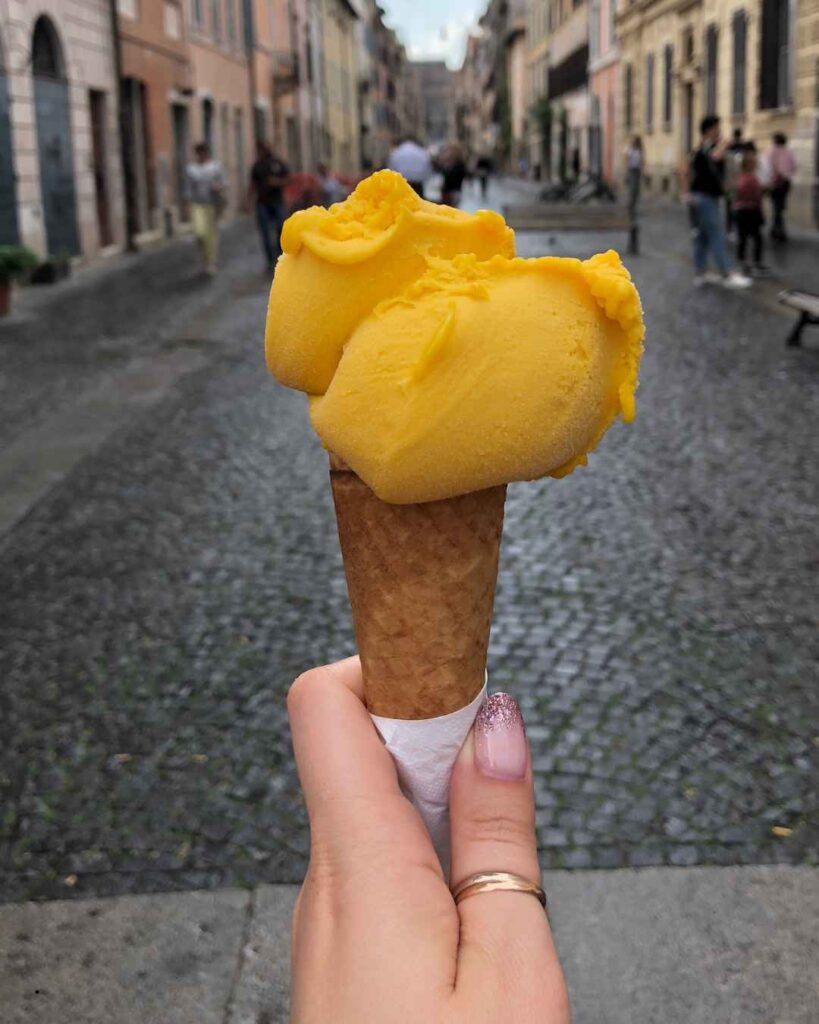
The gelato situation is where most Americans get absolutely destroyed, and it is entirely avoidable. Here is what happens. You walk into a shop with mountains of gelato piled high in vibrant colors. It looks incredible. The flavors are overflowing.
There is whipped cream and chocolate sauce and macarons and little cookies everywhere. You order a small cup. The server scoops out an enormous portion, adds whipped cream, adds a cannolo, adds a macaron, and slides it across the counter with a smile. You think this is the best day of your life. Then they tell you the price, and it is twenty-two euros for a single cup.
What happened is that you were upsold. In Italy, the size of the cup is the price. If you order a small cup, you get three euros worth of gelato. If the server wants to charge you more, they use a bigger cup, or they add extras that you did not ask for, and they do not tell you the price until you have already been upsold. It is a common tactic, and it is borderline predatory. But it is easily defeated.
First, a real gelateria does not have mountains of brightly colored gelato piled high. That is a tourist trap. Real gelato is stored in covered metal tins because it melts and the color fades naturally. Second, explicitly ask for the price before you order.
Say, “Quanto costa?” and point to the size you want. Third, when they reach for the whipped cream or a cookie, say no thank you. They are not complimentary. Fourth, check how many flavors are included in the price. Most places allow two or three. If they ask if you want to add a fourth, they are probably going to charge you extra.
The best gelato we ever had was in a tiny shop in Bologna that looked like it was from the 1970s. There was no display case. There was a handwritten list of flavors on the wall and a freezer with metal lids. The owner asked what we wanted, scooped it from the covered tins, and charged us three euros. It was perfect, and we felt like we had discovered a secret. That is the real Italian gelato experience. Not the plastic paradise near the Duomo.
Transportation Costs and the Car Rental Disaster
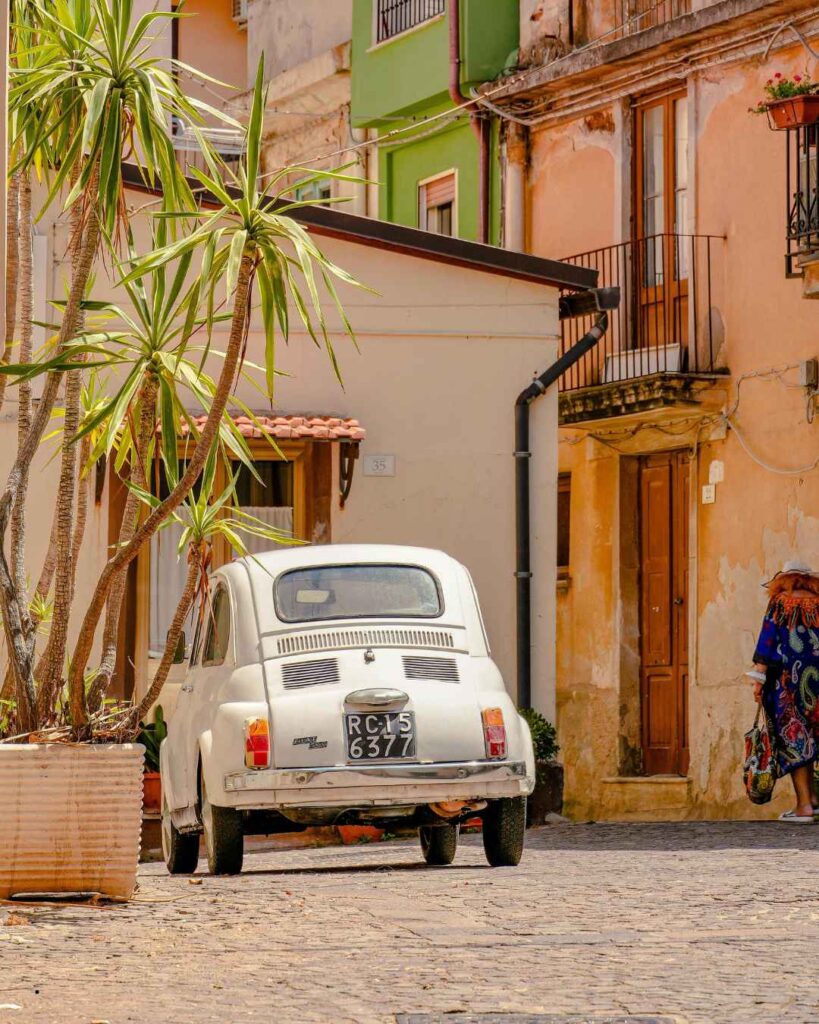
Renting a car in Italy sounds romantic, and in the countryside, it absolutely is. Driving through Tuscany, stopping at small hilltop towns, finding vineyards that are not on any tour bus route. That is a wonderful experience. Renting a car in Rome, Florence, or Naples is a nightmare straight out of a comedy film. Do not do it. Let me explain why.
Italy has ZTL zones. That is Zona a Traffico Limitato, and these are restricted traffic zones in the center of every major city. Only residents can drive in these areas. If you rent a car and drive into the center of Florence, which you will because that is where the hotel is, you will be photographed. A ticket will be sent to your rental car company.
The rental car company will forward that ticket to you along with a fifty-euro administrative fee for their trouble. The ticket itself will be around eighty euros. And you will not see any of this until you get home. You will open your mail three months later and find a traffic fine from Italy that has now accrued late fees. It is a nightmare.
Beyond the ZTL zones, parking is astronomically expensive. Garage parking in Venice is over thirty euros a day. Hotel parking in Florence can be forty euros. And that assumes you can even find a space. The streets are narrow, the drivers are aggressive, and the signs are all in Italian. You are on vacation. Do you really want to spend your time circling blocks and panicking about whether you just accidentally entered a pedestrian zone?
The train system, on the other hand, is excellent. High-speed trains like the Frecciarossa and Italo connect all the major cities, and if you book your tickets in advance, they are remarkably affordable. Booking a train ticket a month ahead of time might cost you forty euros from Rome to Florence. Booking that same ticket on the morning of your journey might cost you eighty euros.
The difference is massive. Set a calendar reminder thirty days before your trip, book all your long-distance train tickets at once, and you will save hundreds of dollars. Regional trains are even cheaper, and you do not need to book them in advance.
One more thing about transportation. Uber is essentially nonexistent in Italy for the average traveler. They have Uber Black, which is basically a limousine service, and it costs a fortune. If you need a ride, take a taxi. They are regulated, they have meters, and they are generally reliable. But even then, only take taxis when you really need them.
The metro and bus systems in Rome and Milan are efficient and cheap. A twenty-four-hour metro pass in Rome costs about eight euros. A single taxi ride from Termini station to the Vatican might cost you fifteen euros. The math is simple.
The Accommodation Traps
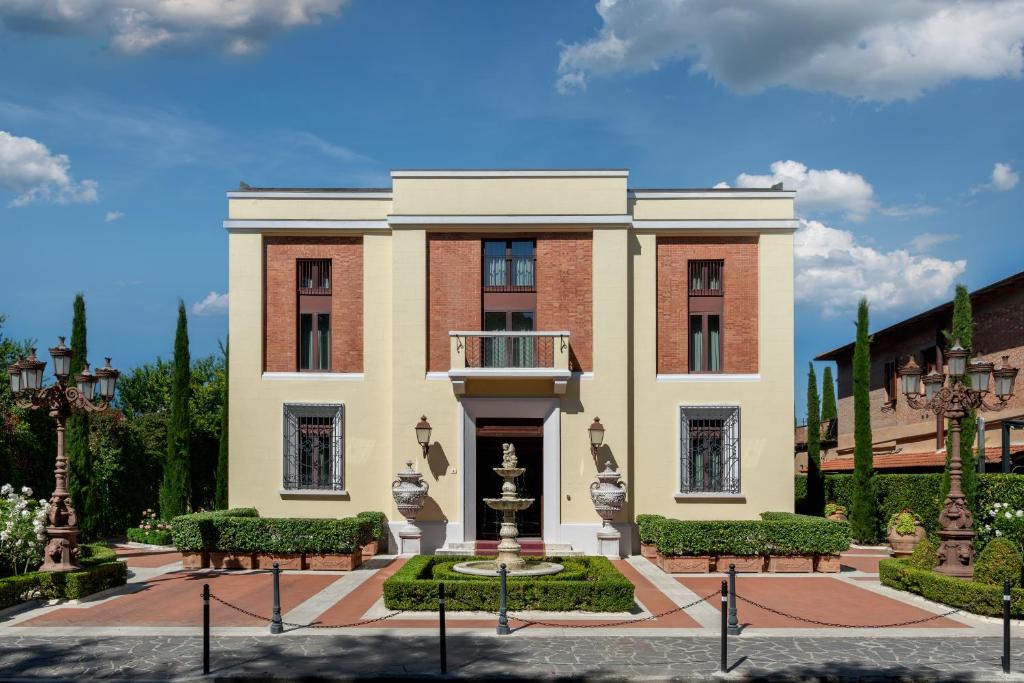
Hotels in Italy have a clever way of extracting more money from tourists, and the breakfast buffet is the most common culprit. Many hotels will charge twenty to fifty euros per person for breakfast. They will present it as an option, and weary travelers coming off a long flight will just check the box without thinking. But here is the thing. That breakfast is almost never worth it. It is usually the same pastries and eggs you could find anywhere, served in a generic hotel dining room.
Go to a local bar. Order a cappuccino and a cornetto, which is an Italian croissant, and you will pay a few euros. You will sit among actual Italians, you will hear the language being spoken naturally, and you will experience a morning routine that has been perfected over generations. You will also save a minimum of fifteen euros per person per day. Multiply that by a week, and you have paid for another dinner at a nice restaurant.
The hotel location dilemma is another thing to consider. Hotels in the historic center are expensive. Hotels outside the center are cheaper. But you need to factor in transportation costs. If you save forty euros a night by staying twenty minutes outside Florence, but you spend fifteen euros a day on train tickets to get into the city, your savings are only twenty-five euros. Then you have to factor in the time and energy of commuting. For many travelers, especially couples who want to wander back to the hotel for an afternoon rest, that time and effort is worth far more than the money saved. My advice is to calculate the total cost, not just the hotel rate.
There is also an accommodation option that most Americans overlook, and it can be significantly cheaper than a hotel. Agriturismos are farm stays that are scattered throughout the Italian countryside. They are not hostels, and they are not five-star resorts. They are working farms that rent out rooms to travelers. You get a comfortable room, you get breakfast made with ingredients from the farm, and you get to experience rural Italian life.
The prices are often half what you would pay for a comparable hotel in a city. If you are spending any time in Tuscany, Umbria, or the countryside near Naples, an agriturismo is absolutely worth considering.
If you don’t already know, this is the best place to book your Italian accommodations.
Attractions and Activities

Major attractions in Italy are not cheap. The Colosseum and the Roman Forum combined cost around eighteen euros. The Uffizi Gallery in Florence is about twenty-five euros. The Vatican Museums, which include the Sistine Chapel, are twenty euros. These are not budget-friendly prices, and they add up quickly. If you plan to visit all the major sites, you need to budget for it.
But there are ways to mitigate these costs. The first Sunday of every month, many state-run museums and archaeological sites offer free entry. This includes the Colosseum, the Uffizi, and the Pompeii ruins. If your travel dates align with the first Sunday, plan your visit around that. The catch is that everyone else has the same idea, so expect crowds. But if you are on a budget, it is a fantastic opportunity to see world-class attractions for free.
Many churches in Italy are free to enter, and they are spectacular. St. Peter’s Basilica is free. The Duomo in Florence is free. The Basilica of San Marco in Venice is free. You can spend an entire trip visiting some of the most beautiful buildings in the world without spending a cent on entry fees. Obviously, you should still pay for the museums and the archaeological sites. But if you are feeling budget pressure, churches are your best friend.
It is also worth comparing the costs of different cities. This might sound obvious, but Venice is significantly more expensive than other Italian cities. Everything from accommodation to food to transportation costs more in Venice. It is a logistical nightmare to ship anything into the city, and it is built on the water, so there are natural constraints that drive prices up. If you want to visit Venice, budget accordingly.
And consider spending fewer days there and more days in cheaper cities like Bologna, Naples, or Turin. You will see a different, equally authentic side of Italy, and your wallet will thank you.
For the best attractions and activities in Italy, some of which you may not be aware of, check out this guide.
The Itinerary Trap
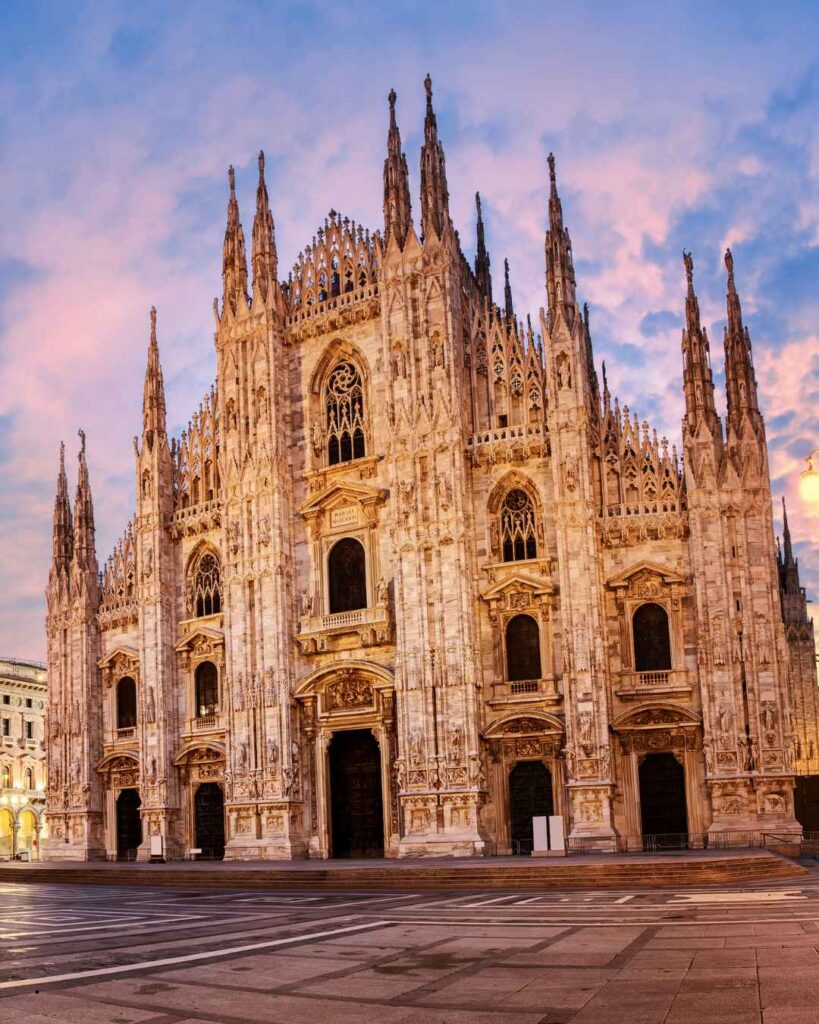
This is the one that hurts the most because it seems like a good idea at the time. You want to see everything. You have waited your whole life for this trip, and you are determined to fit Rome, Florence, Venice, Cinque Terre, and the Amalfi Coast into a single week. And so you do it. You rush from city to city, checking boxes, taking photos, and feeling like you are accomplishing something.
What you are actually accomplishing is spending a fortune. Every time you move cities, you pay for transportation. You pay for luggage storage because you cannot check into your hotel early. You pay for meals that are rushed and overpriced because you do not have time to find a good restaurant. You pay for taxis because you are exhausted and your feet hurt. You pay for impulse purchases because you feel stressed and deprived. And at the end of the week, you have spent far more than you planned, and you barely remember anything you saw.
There is a better way. Slow down. Pick two or three cities and really explore them. Get lost. Sit in a piazza for an hour and watch people walk by. Find the same cafe three days in a row until the barista knows your order. Take a cooking class. Go to a local market and buy cheese and bread and wine and have a picnic in a park. That is the Italy you came for. And it is significantly cheaper than racing from one tourist attraction to the next.
My wife and I once spent five days in a small town in the Marche region that almost no one visits. We ate at the same restaurant three times. The owner asked where we were from and then told us about his cousin in New Jersey. We walked to a beach that had maybe a dozen people on it. We spent almost nothing. And I would trade that week for a month of rushing through the standard tourist circuit. The budget trap is not just about money. It is about wasting the experience.
The Golden Rules
Protecting your budget in Italy comes down to a few simple rules. First, always check the menu before you sit down. If the prices are not clearly displayed, or if the menu has pictures of the food, or if it says tourist menu in English, walk away. There are always better options nearby.
Second, walk three blocks from any major tourist attraction before you buy anything. This rule applies to food, souvenirs, and anything else you might purchase. The markup is real, and it is substantial.
Third, stand at the bar for your coffee. It is the authentic Italian way, and it costs a fraction of sitting down. Save the table service for meals when you want to linger.
Fourth, check your receipt every single time. It takes five seconds, and it prevents surprises. If something seems off, just ask. The waiter will almost always explain it or correct it.
Fifth, book your train tickets in advance. Set a reminder and do it. The savings are enormous and require almost no effort.
Sixth, do not rent a car in any major city. Save the driving for the countryside, and use trains and public transit for everything else.
Seventh, be selective about what you pay to see. Free churches are incredible. Free museums on the first Sunday are a gift. Expensive attractions are worth it, but you do not need to see every single one.
Eighth, and this is the most important one, take your time. A rushed trip is an expensive trip. You spend more because you do not have the mental space to make good decisions. Slow down, enjoy yourself, and your budget will thank you.
Italy is not an expensive country if you know how to navigate it. The cost of living is reasonable, the food is exceptional, and the experiences are priceless. The tourists who complain about the cost are the ones who paid forty euros for a mediocre meal next to the Colosseum.
The tourists who fall in love with Italy are the ones who walked down a side street, found a tiny restaurant with a chalkboard menu, and ate the best pasta of their lives for twelve euros. Be that tourist. Your bank account will be intact, and you will have a better experience.
NOTE BEFORE YOU GO: Italy rewards travelers who go prepared. And it is easy to ruin your trip. I have a checklist for you of things you should never go to Italy without. CHECK IT OUT HERE. I have also curated a list of some of the best hotels in Italy. I would highly recommend checking them out before booking. THESE ARE THE BEST HOTELS IN ITALY. And for unique experiences, attractions, and tours, don’t book before CHECKING THIS OUT. Thank me later!