
I learned this the hard way. On my first trip to Italy, I packed nothing special. I figured I could buy whatever I needed when I arrived. That works for a lot of things, but not everything. Some items are genuinely harder to find, more expensive, or just plain different in Italy. And a few things, if you don’t have them on day one, can turn a dream trip into a headache.
This list is not about packing your entire life. It’s about the specific purchases that make a real difference. Some are practical. Some are about fitting in. A few are about saving money. All of them are things I wish someone had told me before I learned them myself.
Let me walk you through each one in detail, because the reasoning behind each purchase matters as much as the purchase itself.
Before you read further, remember that Italy rewards travelers who come prepared. I’ve found a few things especially useful on an Italy trip, and they’re worth having and/or knowing beforehand. See the checklist here
1. A Universal Power Adapter
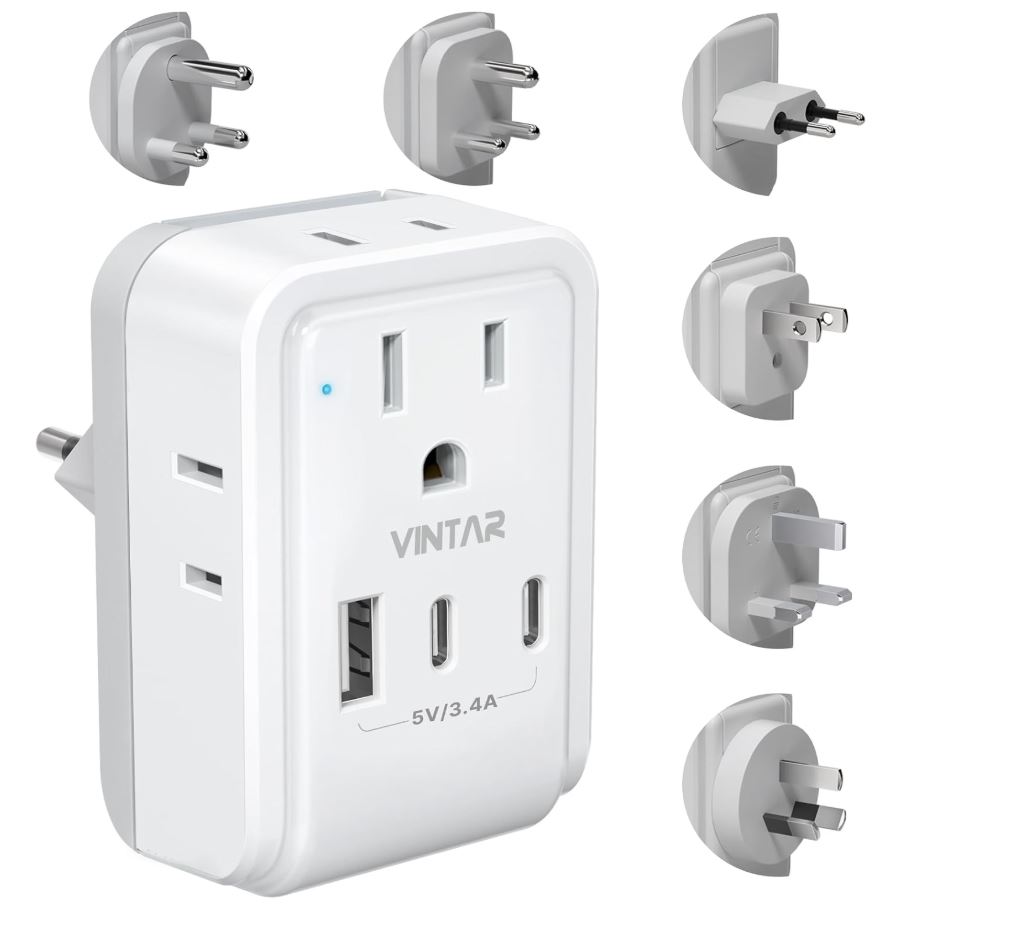
Italy uses Type C and Type L plugs. Type C is the standard two-pin European plug, and Type L is the Italian-specific three-pin plug arranged in a line. Most modern Italian outlets accept both, but older buildings sometimes have only the Type L configuration, which means a standard European adapter might not fit.
The voltage in Italy is 220 volts, compared to 110 volts in the United States and Canada. If you’re coming from North America, you need both an adapter to make your plug fit and a converter to handle the voltage difference for any device that isn’t dual-voltage.
Here’s what most people don’t realize: a universal adapter is a better purchase than a single-country adapter. Universal adapters work in multiple countries, which means you can use them on future trips. They also tend to be more versatile in how they connect to different outlet types.
Some universal adapters come with built-in USB ports, which is convenient if you’re charging a phone, a tablet, and a camera all at once. Others come with a short extension cord or a flexible design that lets you reach recessed outlets, which are common in older Italian buildings where the outlets are set deep into stone walls.
The voltage question is important. Most modern electronics are dual-voltage, meaning they can handle both 110 and 220 volts. Laptops, phones, camera chargers, and tablet chargers almost always fall into this category. Check the label on your device or charger. If it says “100-240V” or “110-220V,” you’re fine with just an adapter.
If it says “110V” only, you need a converter. Hair dryers, flat irons, curling irons, and electric shavers are the most common culprits. A 110-volt hair dryer plugged into a 220-volt socket with only an adapter can overheat, spark, or catch fire.
The safest approach is to leave high-wattage appliances at home and buy an inexpensive hair dryer in Italy. They’re widely available at pharmacies, supermarkets, and electronics shops, and they’re designed for the local voltage.
One more thing: Italy has a lot of older buildings with limited outlets. A small power strip or a multi-outlet adapter can be a lifesaver if you’re charging multiple devices and there’s only one available socket. It’s a small thing to pack and a big convenience once you’re there.
2. Travel Insurance
This is the item that feels unnecessary until the moment it isn’t. Italy does not accept US health insurance, Medicare, or most international health plans. If you get sick or injured while traveling, you pay out of pocket for medical care.
A simple emergency room visit for a sprained ankle or a bout of food poisoning can cost hundreds or even thousands of euros. A travel medical policy with at least $50,000 in emergency coverage is a small investment for real protection.
There are two main types of travel insurance. Comprehensive policies cover trip cancellation, trip interruption, lost luggage, delays, and medical expenses. They typically cost between four and eight percent of your total trip cost.
Medical-only policies cover just the health side, and they can be as cheap as a few dollars per day. For a trip to Italy, I recommend comprehensive coverage because it protects you against the things that are most likely to go wrong: a cancelled flight, a lost bag, a sudden illness that forces you to change plans.
If you’re applying for a Schengen visa, travel insurance with at least €30,000 in medical coverage is mandatory. You’ll need to show proof of coverage as part of your visa application. Even if you don’t need a visa, buy the insurance anyway.
The cost is minimal compared to the potential expense of an accident or illness abroad. And read the fine print. Some policies exclude pre-existing conditions, some have high deductibles, and some require you to pay upfront and seek reimbursement later. Know what you’re buying before you need it.
If you are open to a recommendation, this is the travel insurance I would advise you to get.
3. Comfortable Walking Shoes
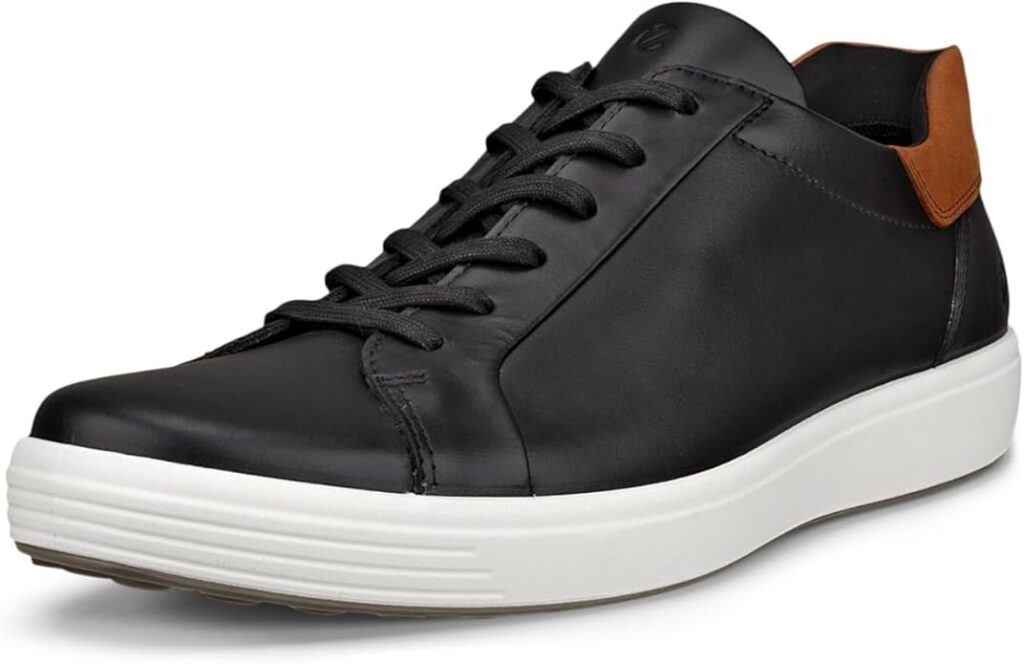
This is the single most important item on this list, and I’m not exaggerating. Italian cities are walking cities. The historic centers are pedestrianized, the streets are narrow, and the major sights are often close enough to walk between but far enough that you’ll cover several miles a day without realizing it.
The cobblestones are uneven, the hills are steep, and the marble floors of churches and museums are slippery when polished.
A good pair of walking shoes needs three things: support, grip, and a broken-in fit. Support means arch support and cushioning, because you’ll be on your feet for hours. Grip means a rubber sole with good traction, because smooth leather soles on cobblestones are a recipe for a fall.
A broken-in fit means you’ve already walked several miles in them before you leave home. New shoes, no matter how comfortable they feel in the store, will cause blisters when you’re walking ten miles a day in a foreign city.
Skip the flip-flops for anything other than the beach. Skip the brand-new fashion sneakers that look great but have no support. Skip the heels, even the low ones, unless you’re specifically going somewhere that requires them and you’re willing to change shoes afterward.
Bring two pairs of walking shoes if you have room, and alternate them. Your feet will thank you. And bring blister patches or moleskin, because even the best shoes can rub in unexpected places.
I have written a separate article about the best shoes for Italy travel. Read it here.
4. A Crossbody Bag with a Secure Closure
Pickpocketing in tourist areas of Italy is common, and it’s not just a myth. The crowded areas around the Trevi Fountain, the Spanish Steps, the Colosseum, and the main train stations are prime targets. Thieves work in teams, and they’re skilled at distraction.
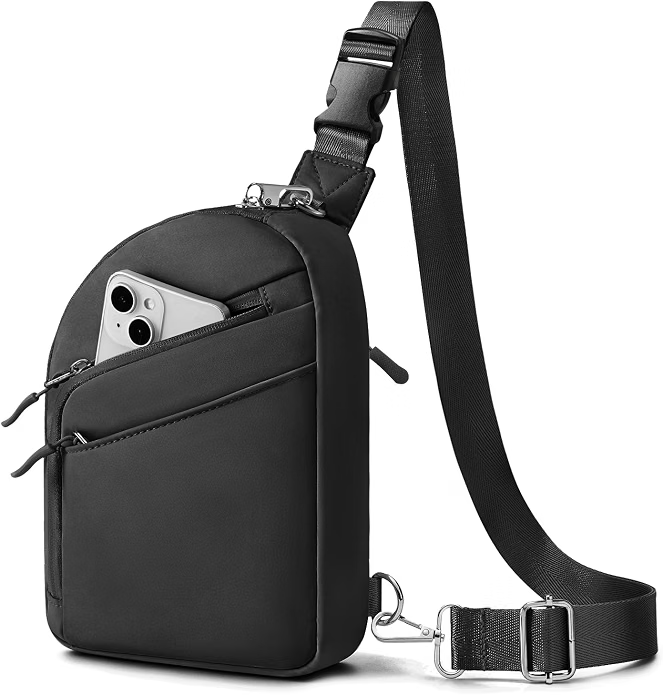
A backpack is an easy target because you can’t see it. A purse hanging off one shoulder is easy to grab or unzip. A crossbody bag that sits in front of you, with a zipper closure and maybe a hidden pocket against your body, is a much better choice.
Look for a bag with a strap that’s wide enough to be comfortable and long enough to wear across your body. The bag should sit at hip level or slightly higher, in front of you, where you can see it and feel it. A zipper closure is better than a flap, because a flap can be lifted without you noticing.
An interior hidden pocket for your passport and backup cards is a good feature. Some travel bags have locking zippers or slash-resistant straps, which are nice extras but not strictly necessary if you’re careful.
What you put in the bag matters too. Don’t carry more cash than you need for the day. Don’t carry all your credit cards in one place. Keep your passport in a separate location, ideally a hidden pouch or a hotel safe, and carry a photocopy or a photo of it on your phone. If your bag is stolen, you want the loss to be inconvenient rather than catastrophic.
5. A Portable Phone Charger
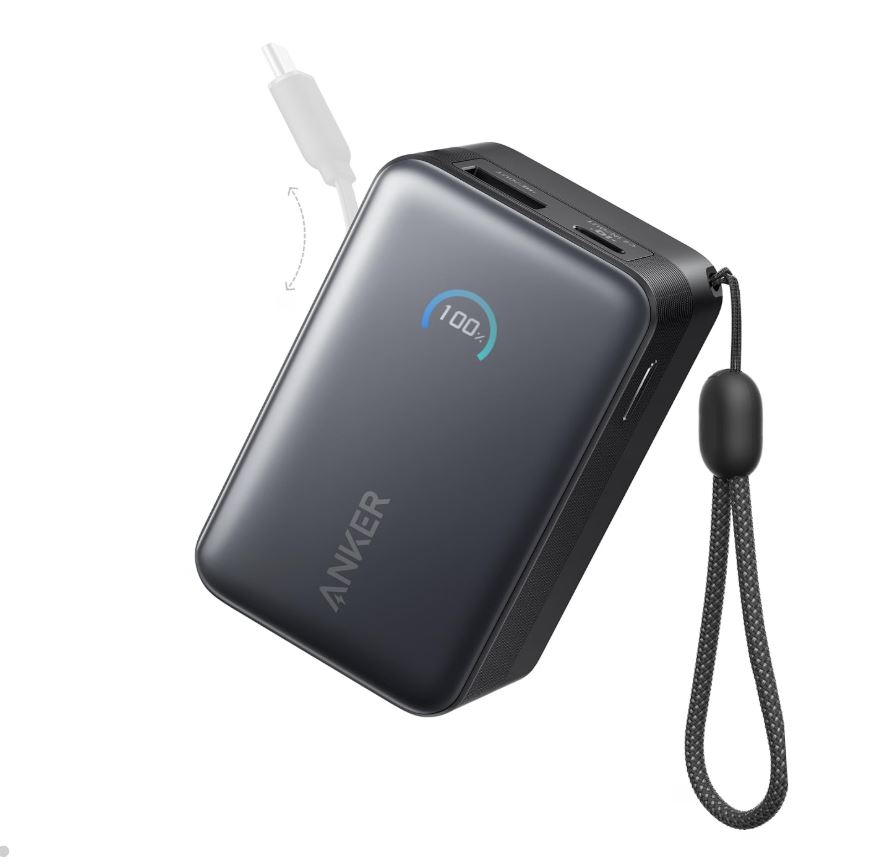
You will use your phone more than you think. Maps, translation apps, train tickets, museum reservations, restaurant searches, photos, and messages home.
A dead phone in a foreign city is a genuine problem. You can’t call a taxi, you can’t check your reservation, you can’t navigate back to your hotel.
A small portable charger that fits in your bag or pocket is cheap insurance. Look for one with at least 10,000 mAh of capacity, which is enough to charge a typical phone two or three times. Some chargers have built-in cables, which saves you from carrying a separate cord.
Others have multiple USB ports, which lets you charge your phone and your travel companion’s phone at the same time. The weight is negligible, and the peace of mind is significant.
Charge your portable charger every night, just like you charge your phone. There’s nothing worse than reaching for your backup battery and finding it dead because you forgot to plug it in.
6. A Physical Guidebook or Offline Maps
This sounds old-fashioned, but it’s practical. Phone batteries die. Data connections can be spotty, especially in older buildings with thick stone walls. Apps can crash or log you out. A small paper map or guidebook of the city you’re visiting is a backup that always works.
You don’t need a comprehensive guidebook for the whole country. A pocket-sized map of the city you’re visiting, with the major streets and landmarks marked, is enough to get you oriented when your phone fails. The DK Mini Map and Guide series is a good option because it’s genuinely pocket-sized and includes a pull-out map that’s easy to read.
Alternatively, download offline maps to your phone before you leave. Google Maps and several other apps allow you to download entire cities for offline use. Do this before you travel, when you have reliable Wi-Fi and time to spare.
The combination of a paper backup and offline maps on your phone covers almost every situation. If both fail, you can always ask a local. Italians are generally helpful to travelers who make an effort to be polite and speak a few words of Italian.
7. Breathable, Neutral Clothing
Italians dress well. Not fancy, just intentional. You’ll see this the moment you arrive. Even in casual settings, people look put together. Colors are coordinated. Fabrics drape well. Shoes are clean. It’s not about money. It’s about attention.
Neutral colors are your friend. Beige, charcoal, navy, stone, olive, and white mix easily with each other, which means you can pack fewer pieces and still look like you made an effort. Breathable fabrics like linen and cotton keep you cool in summer heat and look sharper than synthetic athletic wear.
A few well-chosen pieces — a couple of nice shirts, a pair of well-fitting trousers, a versatile dress, a light jacket — will make you feel less like a tourist and more like someone who belongs.
You don’t need a new wardrobe. You need to think about what you’re bringing and how it works together. The goal is a capsule wardrobe where every piece can be worn with at least two other pieces. That way, you can pack light and still have options. And leave the athletic wear for actual athletic activities. Yoga pants and running shoes are fine for a hike, but they stand out in a city where most people are wearing tailored trousers and leather shoes.
8. A Scarf
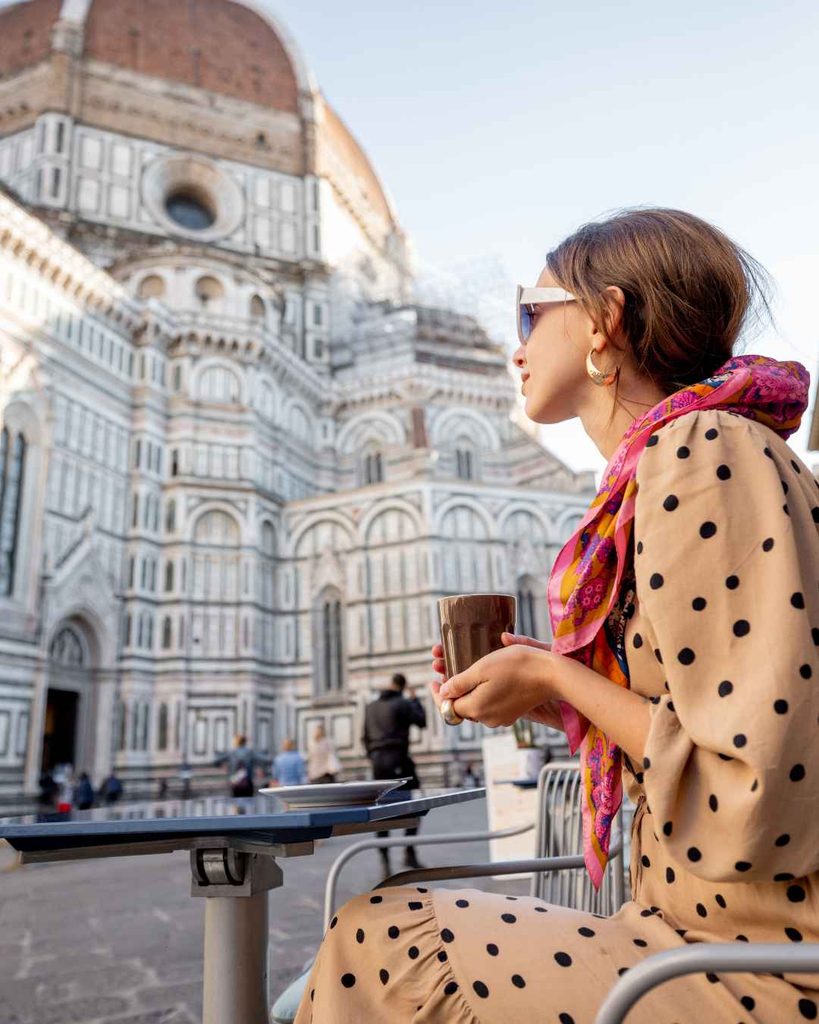
A scarf is the most Italian accessory you can own. It serves three purposes. First, it keeps you warm on cool evenings, especially near the coast or in the hills. Second, it adds style to a simple outfit. A plain shirt and trousers become more interesting with a scarf. Third, it can cover your shoulders when you visit churches that require modest dress.
A lightweight scarf takes almost no space in your bag and weighs almost nothing. Bring one in a neutral color that works with the rest of your wardrobe. Silk or a lightweight cotton blend is ideal for summer. Wool or a heavier blend is better for spring and fall. If you’re traveling in winter, a scarf is essential for warmth, not just style.
9. Clothes That Cover Your Knees and Shoulders
Many Italian churches enforce dress codes. This includes major ones like St. Peter’s Basilica in Rome, the Duomo in Florence, and St. Mark’s Basilica in Venice. The rules vary, but the general expectation is that shoulders and knees should be covered. Shorts above the knee, sleeveless tops, and low-cut shirts can get you turned away at the door.
Pack at least one outfit that covers your shoulders and knees. For women, a long skirt or loose trousers and a top with sleeves work. For men, long trousers and a collared shirt are safe. A scarf can help with shoulders, but knees require actual coverage. If you’re visiting multiple churches, it’s easier to dress modestly all day than to change clothes at every stop.
Some churches provide disposable shawls or wraps for visitors who arrive underdressed, but you can’t count on it. And honestly, it’s more respectful to arrive prepared. These are active places of worship, not just tourist attractions.
10. A Sun Hat and Sunglasses
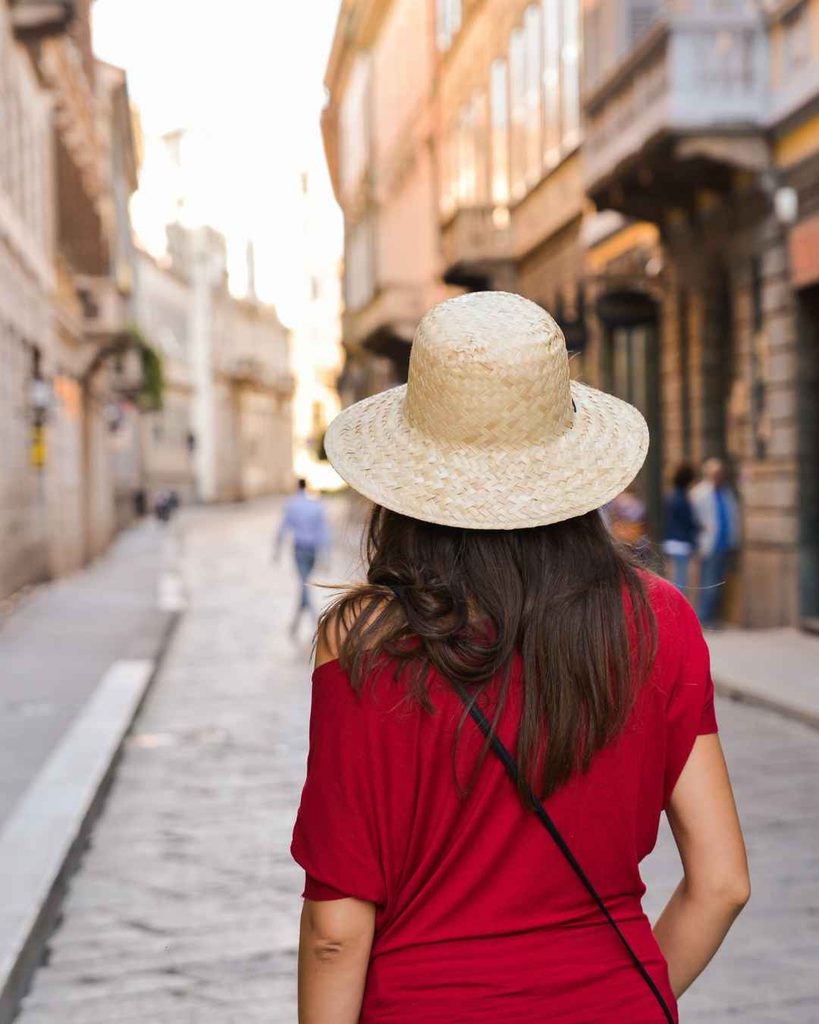
Italy gets a lot of sun, and the heat in cities like Rome and Florence can be intense, especially in July and August. The sun reflecting off stone piazzas and marble churches is stronger than you expect. A wide-brimmed hat and polarized sunglasses aren’t just accessories. They’re protection.
A hat keeps the sun off your face and neck, which reduces the risk of heat exhaustion and sunburn. A straw hat or a lightweight cotton hat is ideal for summer. A felt or wool hat works for cooler months. Sunglasses protect your eyes from glare and reduce headaches from squinting. Polarized lenses are better because they cut glare more effectively.
You can buy hats and sunglasses in Italy, and they’re widely available. But if you have a favorite hat that fits well or prescription sunglasses you need, bring them from home. It’s easier than shopping for replacements.
11. A Basic First-Aid Kit
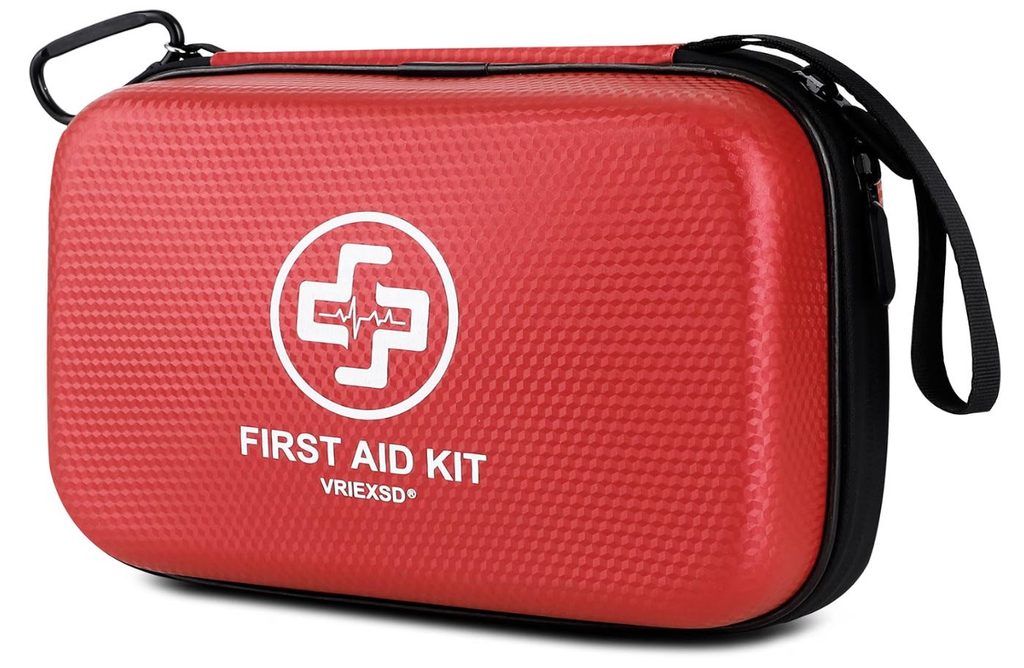
Nothing elaborate. Bandages in a few sizes, blister pads, antiseptic wipes, pain relievers, and any prescription medications you take. Italian pharmacies are good, but they’re not always open when you need them, and the brand names will be unfamiliar. Having the basics on hand means you can deal with a blister or a headache without hunting for a pharmacy.
Prescription medications deserve special attention. Bring enough for your entire trip, plus a few extra days in case of delays. Keep them in their original containers with the prescription label visible. If you take a controlled substance, check Italian regulations before you travel. Some medications that are available over the counter in your home country may be restricted or require a doctor’s note in Italy.
A small tube of antibiotic ointment is also useful. Cuts and scrapes heal slower in unfamiliar environments, and an infection can ruin a trip. Pack a few sterile gauze pads and some medical tape as well. It’s a small kit that takes up almost no space.
12. Diarrhea Medicine and Antacid
This is not glamorous, but it’s practical. Traveler’s diarrhea happens. Rich Italian food, different water, and long days can upset your stomach. Pack loperamide or bismuth subsalicylate, plus something for heartburn or indigestion. These are small, light, and can save a day of your trip.
Italian pharmacies sell similar products, but the names are different, and the instructions are in Italian. If you’re already feeling unwell, the last thing you want is to be trying to figure out which box to buy. Bringing your own means you can treat the problem immediately and get back to enjoying your trip.
Antacid tablets or chewables are also useful. Italian food is delicious but often rich. A heavy meal of pasta, cheese, and wine can leave you feeling uncomfortable. Having something on hand helps.
13. Hand Sanitizer and Tissues
Public restrooms in Italy don’t always have soap or toilet paper. This is more common in smaller towns and older establishments, but it happens in cities too. A small bottle of hand sanitizer and a pack of tissues in your bag are simple, light, and genuinely useful.
The tissues are for more than just restrooms. They’re useful for wiping your hands, cleaning your sunglasses, blotting sweat, and dealing with minor messes. A small pack takes up almost no space. Hand sanitizer is useful before meals, especially if you’re eating street food or a picnic lunch.
Some travelers also carry a small bottle of hand sanitizer with a clip that attaches to their bag. It’s convenient and ensures you always have it available.
14. Quick-Dry Underwear and Socks
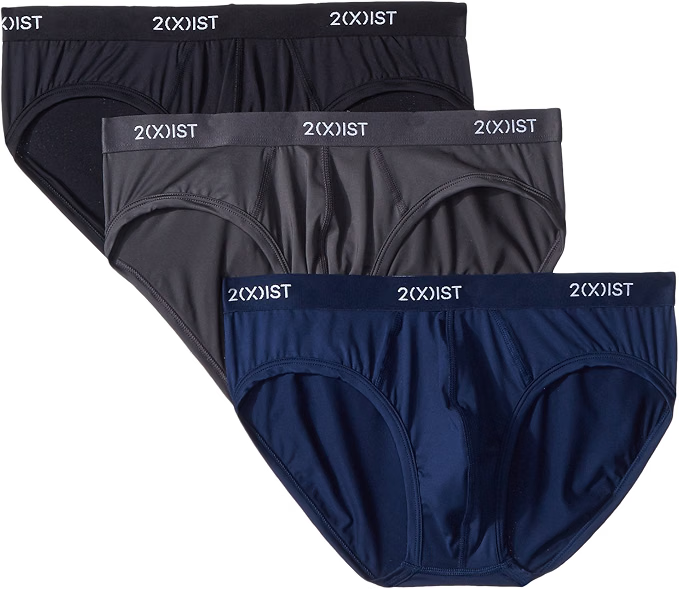
Italian hotels and apartments rarely have clothes dryers. If you’re doing laundry in a sink, quick-dry fabrics make a huge difference. Regular cotton underwear takes forever to dry, especially in humid weather or in a bathroom with no ventilation. Quick-dry versions dry overnight and pack smaller.
The same applies to socks. Cotton socks hold moisture and take a long time to dry. Merino wool or synthetic blends dry faster and resist odor better. If you’re walking a lot, having a few pairs of quick-dry socks means you can wash them at night and have them ready in the morning.
This is one of those purchases that seems minor until you’re standing in a hotel bathroom at ten at night, wringing out wet underwear and hoping it dries by morning. Quick-dry fabrics solve that problem.
15. Compression Packing Bags
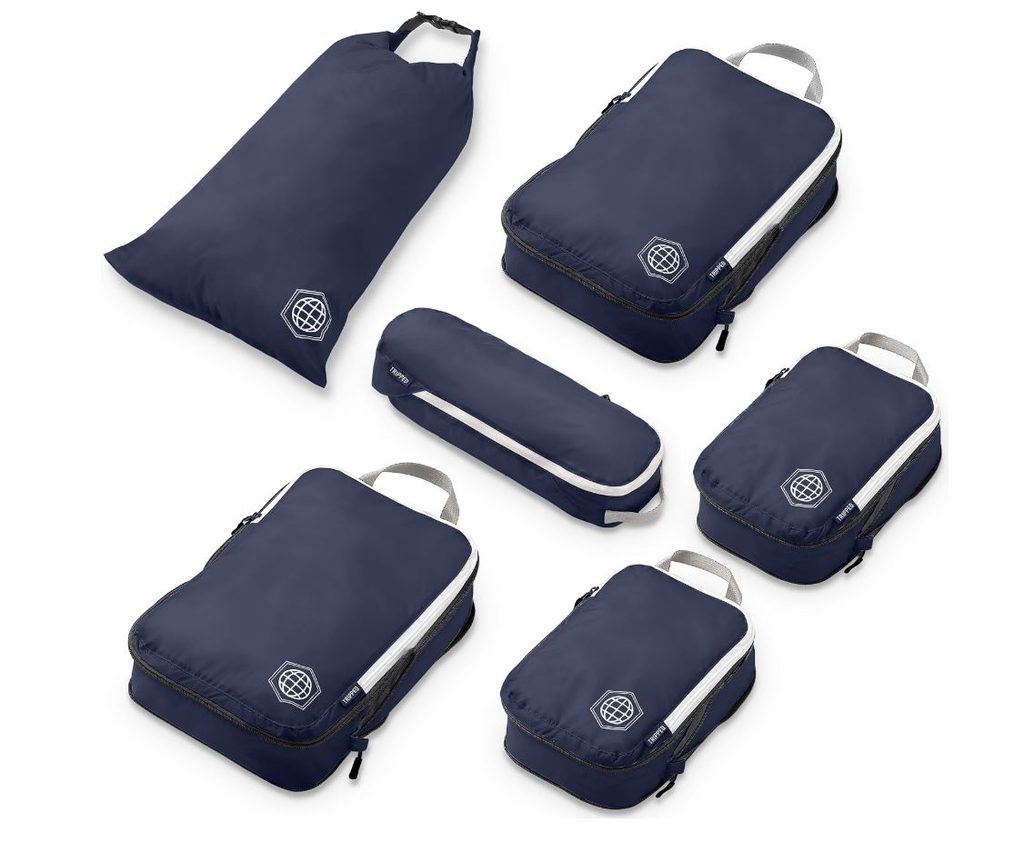
These are the zippered bags that squeeze the air out of your clothes. They work. I was skeptical until I tried them. They let you fit more into a smaller suitcase without making the bag heavier. The compression comes from squeezing the air out, not from adding weight.
The key is not to overpack them. If you compress too much into one bag, it becomes a brick. The goal is to reduce volume, not to create a bag that’s impossible to lift. Use them for bulky items like sweaters, jackets, and trousers. Roll your clothes tightly before putting them in the bag, then zip and compress. You’ll be surprised how much space you save.
Packing cubes are a related purchase. They don’t compress, but they organize. If you’re using a suitcase, packing cubes keep everything in place and make it easy to find what you need without unpacking the whole bag.
16. A SIM Card or eSIM for Italy
If you’re staying for more than a few days, a local SIM card or an eSIM is cheaper than international roaming. Italian SIM cards are affordable and come with generous data. You can buy them at the airport or in town, but having an eSIM set up before you leave means you have data the moment you land.
An eSIM is a digital SIM that you install on your phone before you travel. You can buy a plan online, install it, and activate it when you arrive. It’s more expensive than a local physical SIM in some cases, but it’s more convenient. You don’t have to find a phone shop or wait in line. You just turn on your phone, and you’re connected.
If you prefer a physical SIM, you can buy one at the airport or at a TIM, Vodafone, or WindTre store in town. You’ll need your passport to register the SIM, which is a legal requirement in Italy. The process takes about ten minutes, and the staff in phone shops are generally helpful.
This is the e-sim I use in Italy
17. A Money Belt or Hidden Pouch
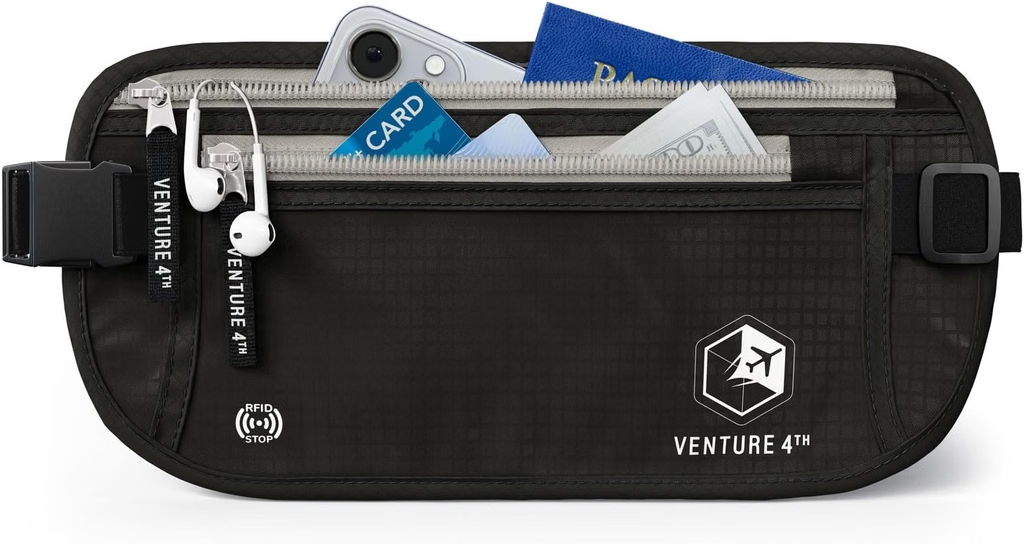
Even if you use a crossbody bag for daily carry, having a hidden pouch for your passport and backup cards is smart. Pickpockets target tourists in crowded areas, and losing your passport is a much bigger problem than losing cash.
A money belt is a thin pouch that you wear under your clothes, against your skin. It’s not comfortable in hot weather, and it’s not something you want to access frequently.
But it’s a safe place to keep your passport, your backup credit card, and a small amount of emergency cash. A hidden pouch that attaches to your belt or hangs around your neck is another option.
The goal is not to be paranoid. The goal is to have a backup plan. If your daily bag is stolen, you still have your passport and a way to pay for things. That’s the difference between an inconvenience and a disaster.
18. A Keychain Tool
Something small with a bottle opener, a tiny screwdriver, and maybe a blade. You’d be surprised how often you need to open a bottle of wine, tighten a loose screw on your suitcase, or cut something. A small multi-tool that fits on your keychain is endlessly useful.
Check the airline regulations before you fly. Tools with blades are not allowed in carry-on luggage. If you want to bring a multi-tool with a blade, pack it in your checked bag. If you’re only traveling with carry-on, look for a tool without a blade that still has a bottle opener and a screwdriver.
A corkscrew is a separate consideration. If you plan to buy wine at a local market and drink it in your room, a small corkscrew is essential. Many Italian hotels and apartments have one, but not all. A travel corkscrew that doubles as a bottle opener is a small, useful purchase.
19. A Collapsible Daypack
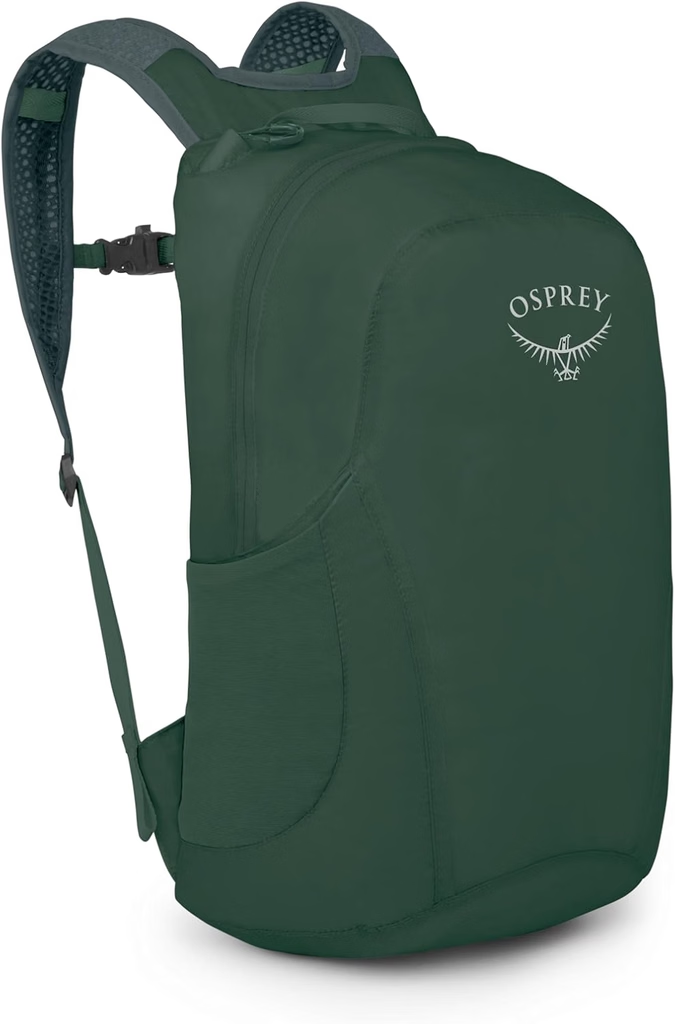
If you’re using a suitcase as your main bag, a small packable backpack or tote is useful for day trips. You can leave your suitcase at the hotel, carry only what you need, and have something to bring back souvenirs or groceries.
A collapsible daypack folds into a small pouch when you’re not using it. It takes up almost no space in your suitcase. When you need it, it expands into a full-sized backpack that can hold a water bottle, a jacket, a guidebook, and anything you buy during the day.
This is especially useful if you’re taking day trips to smaller towns or hiking areas. You don’t want to carry your suitcase with you, and you don’t want to leave your valuables in a hotel room without a safe. A daypack gives you the flexibility to carry what you need and leave the rest behind.
20. A Travel Towel
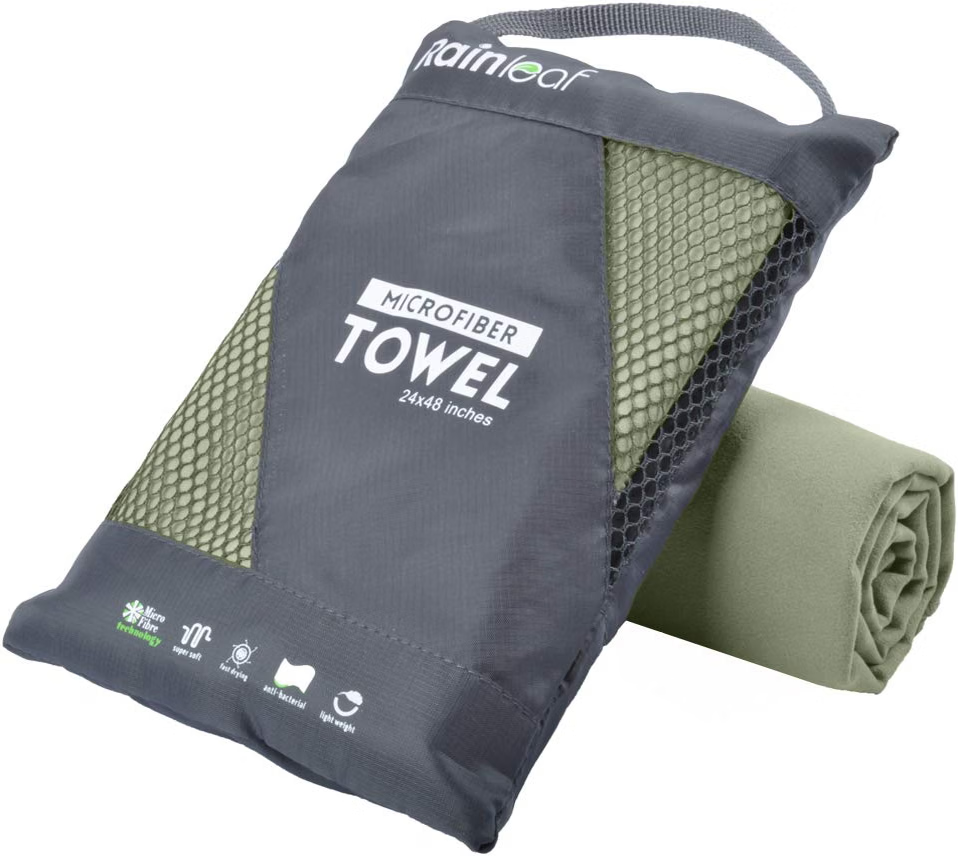
Quick-drying travel towels are useful beyond hostels. Beaches, picnics, and unexpected spills all happen. A compact travel towel takes up less space than a regular towel and dries fast.
If you’re staying in hotels, you’ll have towels provided. But if you’re going to the beach, or if you’re staying in an apartment with limited towel service, a travel towel is useful. It also works as a picnic blanket, a makeshift pillow, or a cover-up at the beach.
Look for a microfiber towel, which dries faster and packs smaller than cotton. They’re not as soft as regular towels, but they’re functional and convenient. A medium-sized towel is enough for most purposes.
21. Small Euro Bills for Arrival Day
Before you leave, get some euros in small denominations. You’ll need cash for a taxi, a coffee, or a bus ticket before you find an ATM. Airport exchange rates are terrible, and ATMs can be hard to find when you’re tired and just want to get to your hotel.
A couple hundred euros in small bills — fives, tens, and twenties — makes arrival day much smoother. You can pay for a taxi, buy a coffee while you wait for your room, and tip a porter if you need help with your bags. Small bills are also useful for markets, small shops, and cafes that don’t accept cards or have minimum purchase requirements.
You can order euros from your bank before you travel, or you can withdraw them from an ATM at the airport. The ATM option usually gives you a better exchange rate, but the airport ATMs can be crowded and sometimes run out of cash. Having a small amount of euros in advance is a good backup.
A Final Thought
You don’t need everything on this list. You don’t need to buy a whole new wardrobe or spend a fortune on gear. But a few strategic purchases before you leave can make your trip smoother, more comfortable, and more enjoyable. The things you buy before you go are the things you don’t have to worry about when you’re there.
Italy rewards travelers who are prepared but not obsessive. Bring the essentials, leave room for spontaneity, and enjoy the trip. The best memories are usually the ones you didn’t plan for. But having the right foundation makes those unplanned moments easier to enjoy.
Again, feel free to go through the list below of my Italy recommendations that I have crafted after years of travel to this beautiful country:
- Packing List: Things Not to Go to Italy Without
- Must-Do Things: Unforgettable Experiences
- Where to Stay: Best Hotels in Italy.
- Where to Stay in Rome: Rome’s Best Neighborhoods
- Where to Stay in Florence: Picking the Best Area
- Where to Stay in Venice: Venice’s Best Districts
- Italy’s Cobblestone Streets: Best Shoes For the Job
- Backpack or Suitcase?: Italy Luggage Guide
- Travel Insurance: Always Be Covered
- E-Sim: Be Connected At All Times