
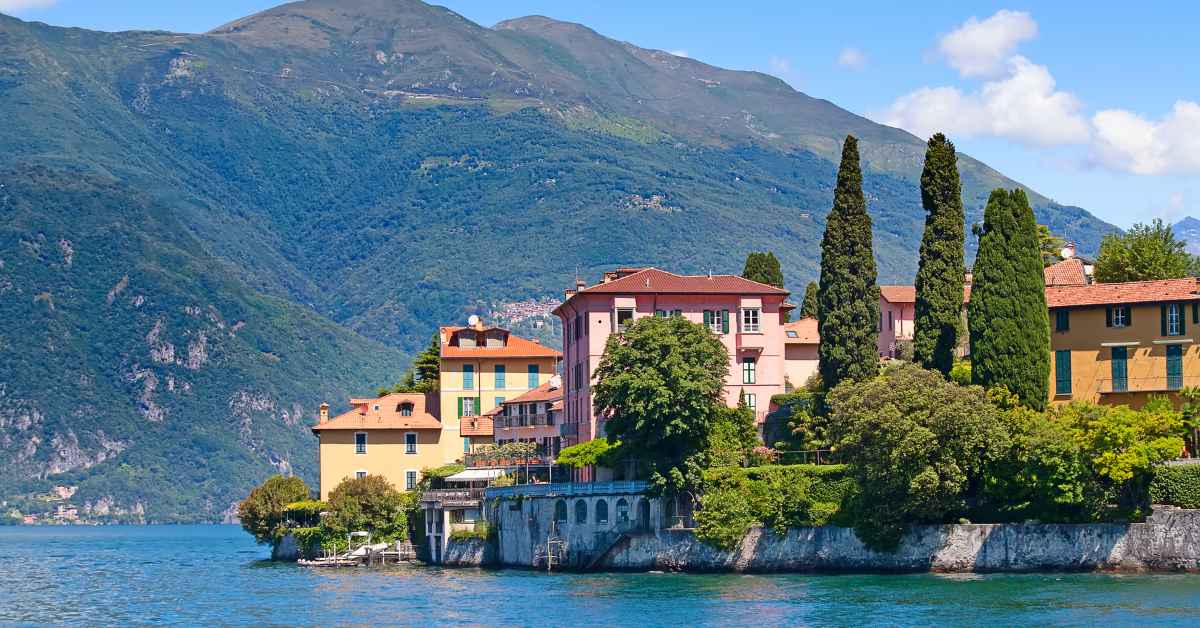
Lake Como has a way of making decisions difficult. You have seen the photographs. You have read the guides. You know you want to go. But when it comes time to choose where to actually base yourself, the lake presents a problem.
There are too many beautiful towns, and they are all close enough to each other that you could theoretically stay in any of them and visit the rest.
This is especially true for the two most popular choices on the central lake. Bellagio and Varenna sit directly across from each other, separated by a ten-minute ferry ride and a body of water that shifts from deep blue to silver depending on the hour.
They are both stunning. They are both convenient. They are both full of restaurants, hotels, and charm. And yet they are fundamentally different places, suited to different travelers and different kinds of trips.
This article is about those differences. It covers what each town actually offers, what the trade-offs are, how to get around, where to stay, what to eat, and which one you should choose based on the kind of traveler you are. By the end, you will know exactly where to book.
Before you read further, remember that Italy rewards travelers who come prepared. I’ve found a few things especially useful on an Italy trip, and they’re worth having and/or knowing beforehand. See the checklist here
The Geography That Shapes Everything
Before you can understand Bellagio or Varenna, you need to understand where they sit and why that matters.
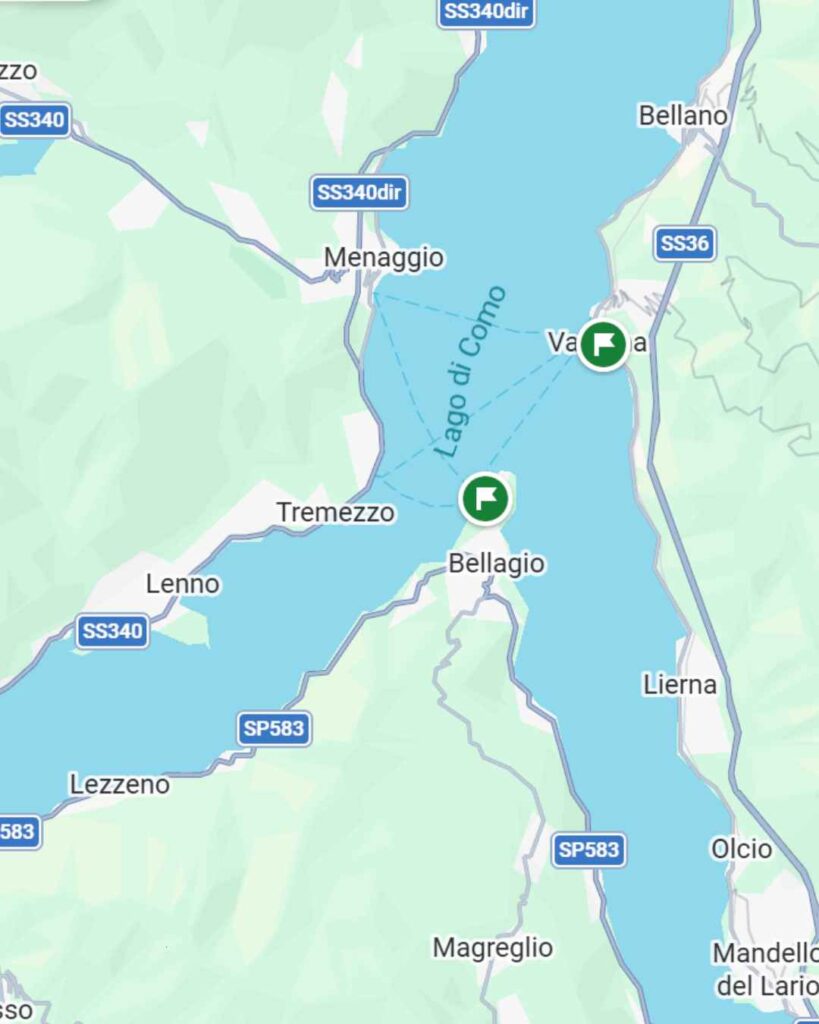
Lake Como is shaped like an inverted Y. The town of Como sits at the bottom left, Lecco at the bottom right, and the two branches meet in the middle at a promontory before extending north toward the Alps. That meeting point is Bellagio.
It is the geographic center of the lake, the place where the water splits into two distinct arms, and it has been a strategic and desirable location for centuries because of it.
Varenna sits on the eastern shore, directly across from Bellagio, at roughly the same latitude. It occupies a small piece of coastline that climbs steeply from the water into the hills, with a historic center that cascades down to a tiny harbor.
The two towns are connected by a ferry that takes about ten to fifteen minutes, which means that staying in one and visiting the other is not just possible but easy.
This proximity is the first thing to understand. You are not choosing between two destinations that require separate trips. You are choosing a base. The other town, and the rest of the lake, is always within reach.
Bellagio: The Pearl of the Lake
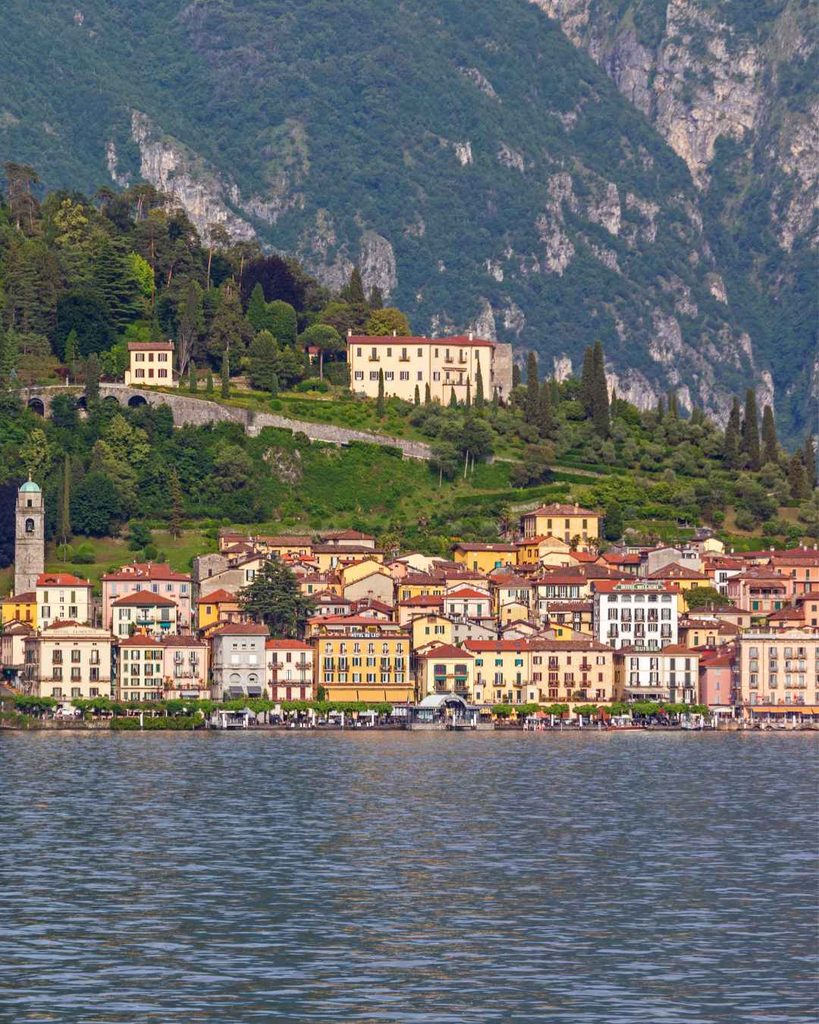
Bellagio is the most famous town on Lake Como, and it earns the reputation. It occupies a position of extraordinary natural beauty, with views across the water to the mountains in every direction.
The historic center is a labyrinth of cobblestone stairways, pastel-colored buildings, and boutique shops that wind up the hillside from the waterfront. It is the kind of place that photographs beautifully from every angle, which is part of why it draws so many visitors.
The town has a genuine center. This is not a village that empties out after the day-trippers leave. Bellagio has shops that stay open, restaurants that serve locals, and a proper passeggiata along the waterfront in the evenings.
It is the only town on the central lake with this kind of year-round, full-service infrastructure. For travelers who want a town at the end of the day, Bellagio delivers.
The attractions are substantial. Villa Melzi d’Eril, on the lakeshore, was built for Duke Francesco Melzi d’Eril and has gardens that are open to the public from March through October. The grounds include terraces, exotic plants, sculptures, a Moorish temple, and a Japanese pond.
Villa Serbelloni, on the upper part of the town, is now owned by the Rockefeller Foundation and can only be visited on authorized guided tours, but the gardens and the views from the promontory are extraordinary.
The walk to Punta Spartivento, the actual point where the lake divides, offers panoramic views of the three branches of the lake and the mountains beyond.
Bellagio also has the Lido, a lakeside complex with a pool, water slides, restaurants, and evening entertainment. It is a good option for families or anyone who wants a break from sightseeing. The waterfront itself has been recently renovated and is lovely for a stroll, especially in spring when the flowers are in bloom.
The downside of Bellagio is its popularity. In July and August, the town is overwhelmed with day-trippers. The stairways become crowded, the restaurants fill up, and the atmosphere that makes Bellagio special can feel diluted by sheer volume.
The town sits at the junction of the lake, which makes it the busiest point even in shoulder season. Properties in the immediate center are rarely as private as their photographs suggest.
The season changes everything. By late September, the stepped alleys are quiet by seven, the ferry terminal handles a fraction of its summer traffic, and the restaurants along the waterfront take same-week reservations again. Winter transforms Bellagio into something almost intimate, with the lake calm and the crowds gone.
Varenna: The Quiet Alternative
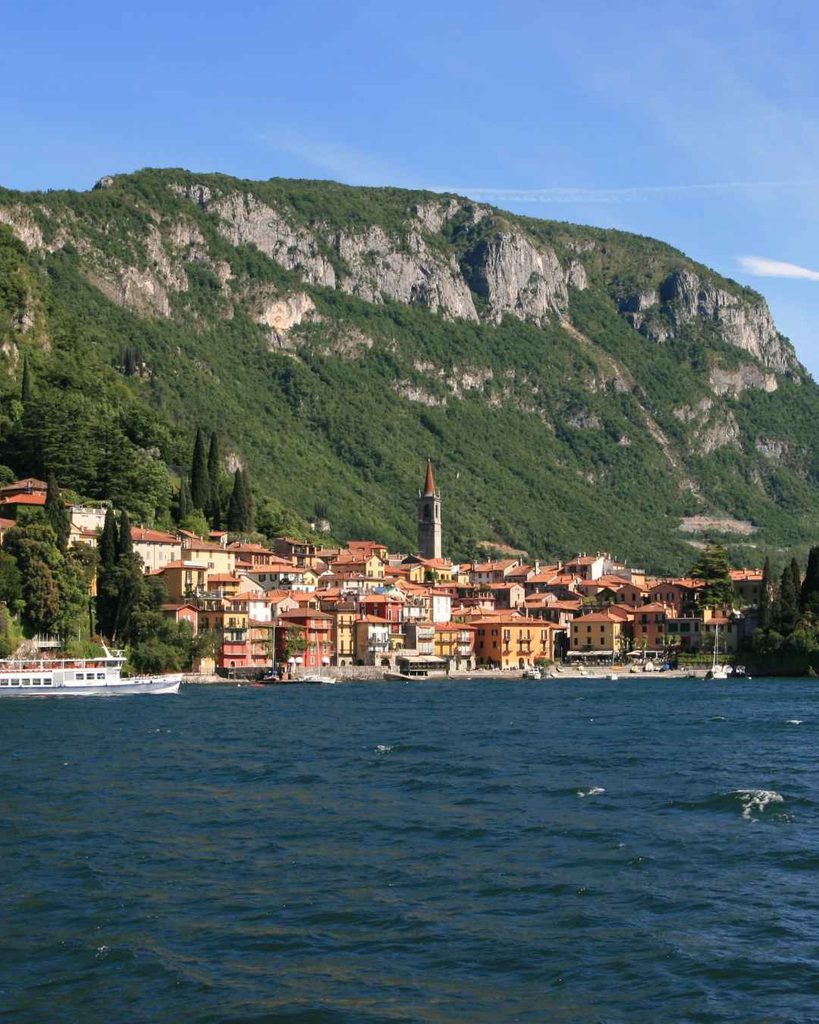
Varenna is smaller than Bellagio, and that is its defining characteristic. The town clings to the eastern shore, with narrow streets and stone staircases that wind up from the water. The buildings are pastel-colored, the shutters are wooden, and the atmosphere is more rustic and tranquil than its famous neighbor across the water.
The single most important practical fact about Varenna is that it has a train station. The Varenna-Esino station connects directly to Milan and to other destinations in Lombardy. This makes Varenna the easiest town on the central lake to reach without a car, and it also makes it convenient for day trips to Milan or onward travel.
Bellagio, by contrast, has no train station. You reach it by ferry, by bus, or by car, which adds a layer of complexity to arrival and departure.
Varenna is also, by most accounts, slightly less expensive than Bellagio for accommodation, though the difference is not dramatic. Both towns are expensive by Italian standards, and budget options are limited. Varenna does have a few hostels and more apartment rentals, which can help travelers on a tighter budget.
The attractions in Varenna are fewer than in Bellagio, but they are excellent. Villa Monastero is the star, a former convent transformed into a villa with gardens that stretch for a kilometer along the lakeshore.
The botanical collection includes palms, citrus pergolas, and marble statues, and the Hall of Mirrors inside the villa reflects the water and mountains in a way that feels almost theatrical.
Villa Cipressi, another historic property, has terraced gardens that descend toward the lake, with wisteria tunnels and cypress trees framing the views.
The Lover’s Walk, or Passerella degli Innamorati, is a lakeside promenade that clings to the cliffs between Varenna and the neighboring hamlet of Fiumelatte. It is one of the most romantic walks on the lake, with iron railings, jasmine-scented breezes, and views of Bellagio glowing gold across the water at sunset.
Above the town, Castello di Vezio sits on a hilltop with panoramic views of the lake’s three branches. The hike takes about twenty minutes, and the castle has falconry demonstrations and a reputation for ghost legends in its dungeons.
Varenna’s weakness is that it is small. There are fewer restaurants, fewer shops, and fewer evening options than Bellagio. If you want a lively evening scene with multiple choices, Varenna will feel limited. If you want quiet and intimacy, Varenna delivers.
The Transport Logistics
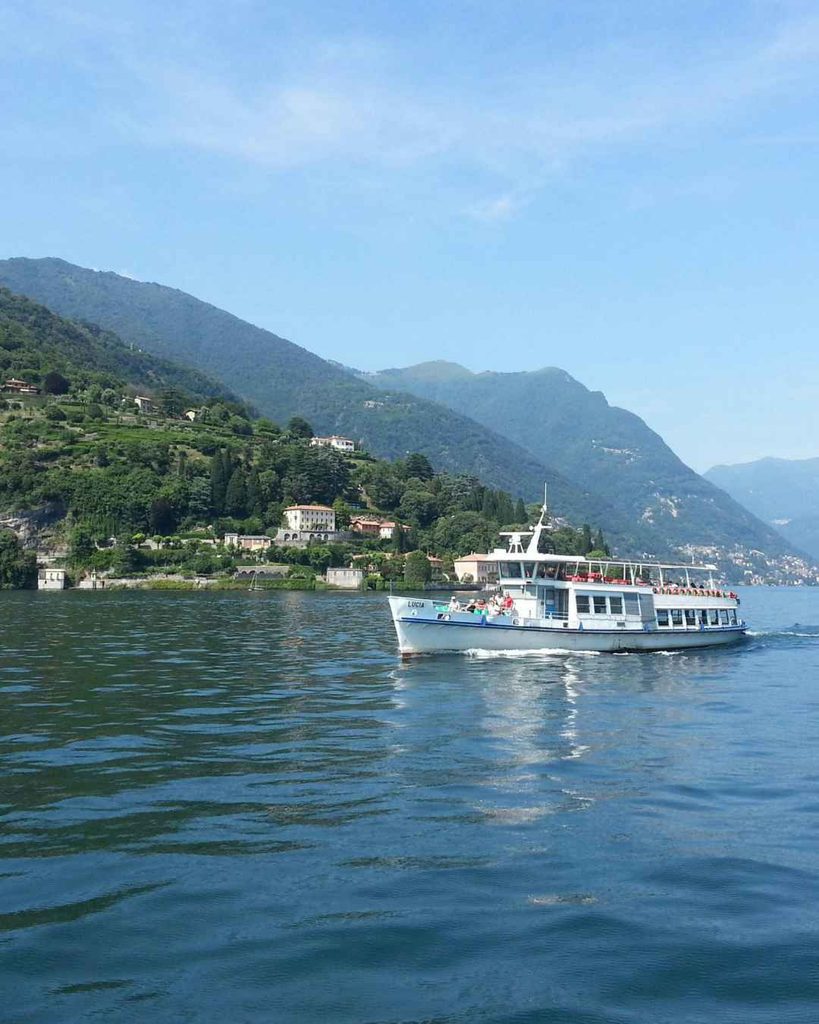
Transportation is one of the most important factors in choosing between Bellagio and Varenna, and it is where the two towns diverge most sharply.
Varenna is reached by train from Milan. The journey takes about an hour, and the station is a short walk from the town center. Trains also connect Varenna to Lecco, Bergamo, and other towns in Lombardy. If you are traveling without a car, Varenna is significantly easier to reach.
Bellagio has no train station. You can reach it by ferry from Varenna, Menaggio, or Como, by bus from Como, or by car. The bus journey from Como takes about an hour and can be crowded in high season.
The ferry from Varenna is the most pleasant option, taking ten to fifteen minutes and offering views of the lake that make the crossing a highlight in itself.
Once you are on the lake, the ferry system is your primary mode of transport. The Navigazione Lago di Como operates ferries between Bellagio, Varenna, Menaggio, and other towns.
The Bellagio-Varenna route is the most frequent, with multiple departures throughout the day. The crossing costs a few euros and is a scenic experience in its own right.
For drivers, both towns are accessible by road, but the lakeside roads are narrow, winding, and often congested in high season. Parking in Bellagio is limited and expensive.
Varenna has slightly better parking options, but it is still not a car-friendly town. If you are bringing a car, you will need to check with your accommodation about parking in advance.
The ferry system also allows you to visit other towns easily. From Bellagio or Varenna, you can reach Menaggio, Tremezzo, Villa Carlotta, and other attractions on the lake. A mid-lake day pass allows unlimited travel between the central towns and is a good value if you plan to explore.
Where to Stay
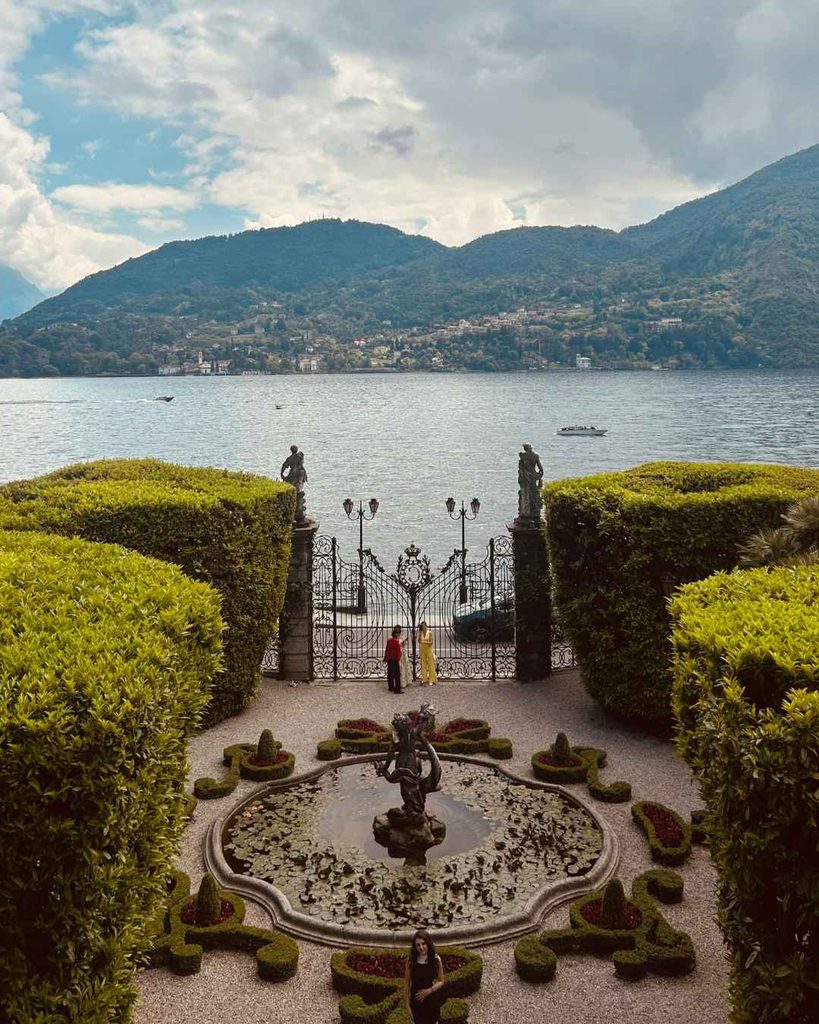
Accommodation is a major consideration, and both towns have options across the price spectrum.
Bellagio has the widest range of hotels, from luxury properties to small family-run establishments. The Grand Hotel Villa Serbelloni is the most famous, a historic property with a lakefront beach club, a large spa, and multiple dining options. It is expensive but offers a level of service and setting that is hard to match. CHECK IT OUT HERE.
Hotel Centrale is a more affordable option in the heart of the town, family-owned and known for its friendly staff, central location, and breakfast served in a leafy courtyard.
Diamond Apartments offers apartment-style accommodation with a pool, which is unusual for the lake and useful for families or longer stays. Check the options you have in Bellagio here.
Varenna has fewer hotels but plenty of apartments and a few guesthouses. Villa Monti is a Liberty-style villa converted into six apartments, with a pool and views of the lake. CHECK IT OUT HERE.
Downtown Varenna Historic Centre offers apartment rentals right in the center, within walking distance of restaurants and the waterfront. Casa Mara is a lakefront house with direct access to the water, which is a rare and special feature. Check all the options you have in Varenna here.
In general, accommodation on Lake Como is not cheap. Both towns have high prices in peak season, and budget options are limited. Varenna is slightly more affordable, especially for apartments, but the difference is not enough to make it a budget destination. Expect to pay a premium for any lakeside stay.
Where to Eat
Bellagio has more restaurants, which means more variety. The dining scene ranges from casual cafes to fine dining, with a focus on lake fish, risotto, and regional Lombard dishes.
The waterfront has several options with views of the lake, though these tend to be more expensive than restaurants inland. The town also has gelaterias, bakeries, and shops selling local products.
Varenna has fewer restaurants, but the quality is high. Nevio’s Wine Cave is a stone cellar under Piazza San Giorgio where you can sample Valtellina wines with local cured meats. Vecchia Varenna serves lakeside tables with missoltini, a traditional dish of crisp lake fish, and sciatt, buckwheat cheese fritters.
Bar Il Molo is a good spot for espresso with views of the ferry traffic. The dining scene is more intimate and less commercial than Bellagio’s, which is part of its appeal.
For a special meal, Varenna has a few restaurants that rival anything in Bellagio, including Visteria, which has been described as Michelin-quality by guests. But if you want choice and variety, Bellagio has the advantage.
The Season and the Crowds
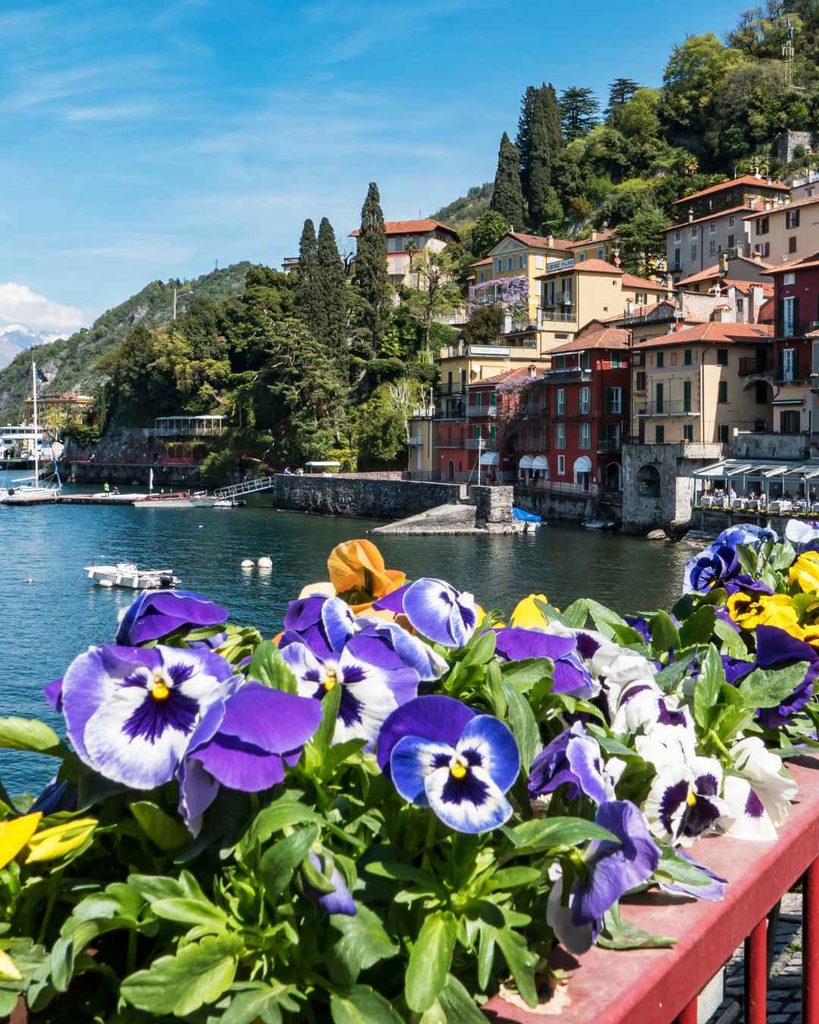
The experience of both towns changes dramatically with the season.
Summer is peak season on Lake Como, and both towns are crowded. Bellagio, being the more famous and more central, absorbs more of the day-tripper traffic. The stairways and waterfront can feel overwhelming in July and August. Varenna is quieter, but it still fills up, especially on weekends.
Spring and fall are the sweet spots. The weather is mild, the crowds are thinner, and the lake is at its most beautiful. April and May bring blooming gardens, while October offers autumn colors and clearer views of the snow-capped mountains. These are the seasons when both towns feel more like themselves.
Winter is the quietest season. Bellagio becomes intimate and peaceful, with the lake calm and the streets empty. Some restaurants and hotels close for the season, but enough remain open to make a winter visit feasible. Varenna is also quiet in winter, and the atmosphere is cozy and authentic.
Which Should You Choose?
There is no universal answer. The right choice depends on what kind of traveler you are and what kind of trip you want.
Choose Bellagio if you want a town with a genuine center, more dining and shopping options, and easy access to other parts of the lake.
It is the better choice for first-time visitors who want everything within reach, for travelers who value variety and convenience, and for anyone who wants a lively evening atmosphere.
It is also the better base if you plan to use ferries to explore the lake extensively, since it sits at the junction of the three branches.
Choose Varenna if you prioritize quiet, intimacy, and a more authentic village atmosphere. It is the better choice for travelers arriving by train, for couples seeking romance, and for anyone who wants to escape the crowds.
The Lover’s Walk, the gardens of Villa Monastero, and the small-scale charm of the town make it a memorable base. It is also slightly more affordable, especially for apartments.
For families, Bellagio has more to offer, including the Lido with its pool and water slides, and more restaurant options for picky eaters. The ferry connections also make it easier to plan day trips.
For couples, Varenna has the edge. The Lover’s Walk, the intimate restaurants, and the quieter atmosphere create a more romantic setting. The views of Bellagio across the water at sunset are unforgettable.
For solo travelers, both towns work, but Bellagio’s larger size makes it easier to blend in and find company. Varenna’s intimacy can feel isolating if you are looking for social interaction.
For budget travelers, Varenna is slightly better, with more apartment rentals and a few hostel options. But neither town is cheap, and you should expect to pay a premium for any lakeside accommodation.
Any Chance You Can Visit Both?
Here is the thing that makes this decision easier than it seems: you do not have to choose one and ignore the other. The ferry between Bellagio and Varenna takes ten to fifteen minutes and runs frequently throughout the day. You can stay in one and visit the other for lunch, for an afternoon, or for dinner.
If you stay in Bellagio, take the ferry across for a morning at Villa Monastero, a walk along the Lover’s Walk, and lunch at a lakeside restaurant in Varenna. If you stay in Varenna, take the ferry to Bellagio for the gardens of Villa Melzi, the climb to Punta Spartivento, and an evening passeggiata through the stairways.
The ferry ride itself is one of the best experiences on the lake. Sitting on the upper deck as the boat crosses the water, with Bellagio on one side and Varenna on the other and the mountains rising in the distance, is a moment that stays with you. It is worth doing more than once, at different times of day, in different light.
A Final Thought
Bellagio and Varenna are not competitors. They are two different expressions of the same landscape, each with its own character and its own appeal. Bellagio is the town, the center, the place where the lake comes together. Varenna is the village, the retreat, the place where the lake feels more personal.
The best choice depends on what you want from your trip. If you want convenience, variety, and a lively atmosphere, Bellagio is the answer. If you want quiet, intimacy, and a sense of discovery, Varenna is the answer. And if you are like most travelers, you will probably find yourself wishing you had more time in both.
The good news is that you can have both. The ferry is waiting. The lake is right there. And the ten minutes it takes to cross from one to the other is one of the best ten minutes you will spend in Italy.
Again, feel free to go through the list below of my Italy recommendations that I have crafted after years of travel to this beautiful country:
- Packing List: Things Not to Go to Italy Without
- Must-Do Things: Unforgettable Experiences
- Where to Stay: Best Hotels in Italy.
- Where to Stay in Rome: Rome’s Best Neighborhoods
- Where to Stay in Florence: Picking the Best Area
- Where to Stay in Venice: Venice’s Best Districts
- Italy’s Cobblestone Streets: Best Shoes For the Job
- Backpack or Suitcase?: Italy Luggage Guide
- Travel Insurance: Always Be Covered
- E-Sim: Be Connected At All Times