
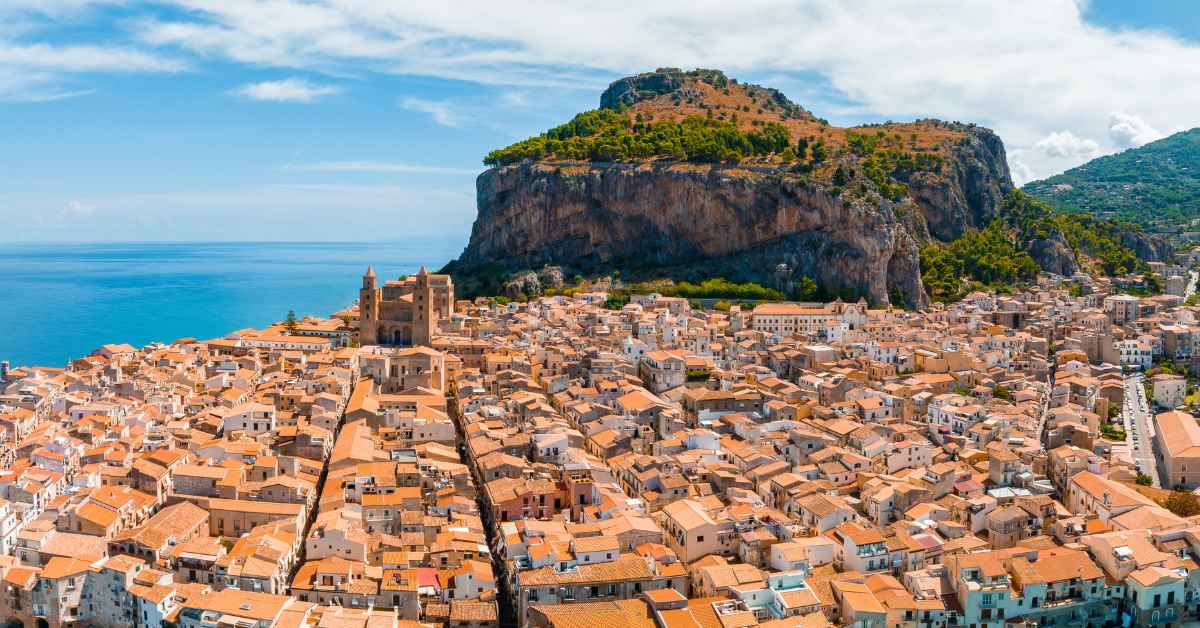
A medieval city is simply an urban center built in the Middle Ages (usually from the 5th to the 15th century). Medieval cities feature defensive walls, narrow winding streets, and a market square (a piazza in Italy).
Italy is home to more UNESCO World Heritage sites than any other nation, and a remarkable number of them are medieval city centers that never got around to modernizing. That’s not an accident. Wars, plagues, economic shifts, and simple geography conspired to freeze these places in amber while the rest of Europe rushed forward.
This is a guide to 11 cities that earned their place not just because they’re photogenic, but because they still function as living communities. People shop in piazzas designed in the thirteenth century. They gather for festivals rooted in medieval rivalries.
They argue about neighborhood pride the same way their ancestors did. You can visit these places as a tourist, or you can visit them as a traveler who understands what makes them tick.
I’ve organized this by city, with enough context to help you decide which ones fit your trip and enough practical detail to make the visit worthwhile. My wife and I have wandered through most of these, and the notes reflect what we learned from the trips.
Before you read further, remember that Italy rewards travelers who come prepared. I’ve found a few things especially useful on an Italy trip, and they’re worth having and/or knowing beforehand. See the checklist here
1. Siena, Tuscany
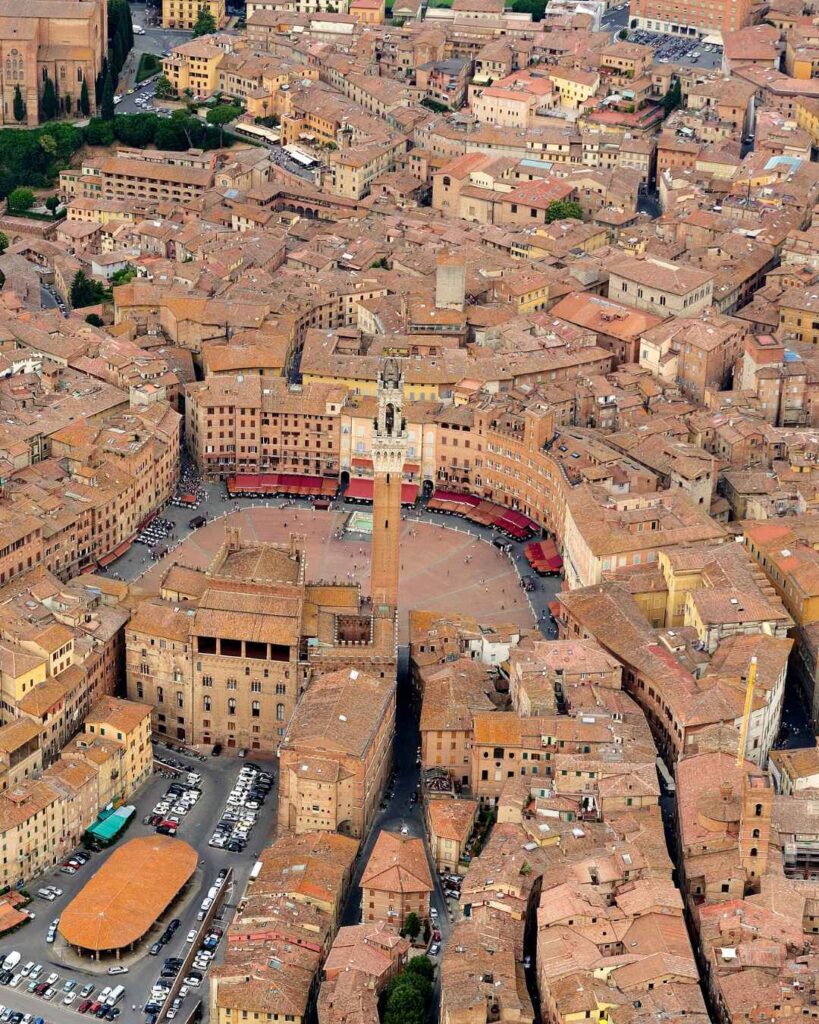
If you only have time for one medieval city in Italy, make it Siena. It’s the best-preserved medieval city in the country, and the reason is almost tragic. Siena was a major banking power in the thirteenth and fourteenth centuries, wealthy enough to rival Florence.
The city’s merchants and bankers lent money to popes and kings, and the Republic of Siena was a genuine political force in central Italy. Then the Black Death hit in 1348, killing a huge portion of the population. The city never fully recovered its economic dominance, and because it couldn’t afford to rebuild or modernize, its medieval fabric survived largely intact.
What Florence lost to Renaissance rebuilding and nineteenth-century urban renewal, Siena kept simply because it ran out of money.
The heart of Siena is Piazza del Campo, a shell-shaped square paved in red brick that slopes gently downward. The shape comes from its origin as a meeting point of streets, and by the end of the thirteenth century, the city had passed laws requiring buildings facing the square to have uniform windows.
The result is a space that feels intentionally designed even though it evolved organically over generations. The square is divided into nine sections, a nod to the Council of Nine who governed the Republic during its golden age.
The Fonte Gaia, a fountain at the upper end of the square, was originally built in the early fifteenth century and decorated with sculptures by Jacopo della Quercia. The current fountain is a nineteenth-century copy, but the original panels are preserved in the museum inside the Palazzo Pubblico.
The Palazzo Pubblico dominates one side of the Campo, and its tower, the Torre del Mangia, rises 102 meters above the city. Climb it if you have the legs for it. There are more than four hundred steps, and the staircase narrows near the top, but the view over Siena’s terracotta rooftops and the surrounding hills is one of the best in Tuscany.
Inside the palazzo, the Museo Civico houses Ambrogio Lorenzetti’s frescoes of good and bad government, painted between 1338 and 1339. They’re as much political philosophy as they are art, depicting the effects of wise and foolish rule on a medieval city.
The frescoes are in the Sala dei Nove, the room where the Council of Nine met, and they were intended as a constant reminder of the consequences of their decisions.
Siena’s cathedral, the Duomo, is a Gothic masterpiece with a black-and-white striped marble interior that sounds gaudy until you see it, at which point it becomes extraordinary. The stripes are made from alternating bands of white marble from Carrara and dark marble from the Siena area, and they cover the pillars, the walls, and the arches.
The floor features intricate mosaics, mostly depicting scenes from the Old Testament and classical mythology, and they’re only fully uncovered for a few weeks each year to protect them from wear. The Piccolomini Library, off the left nave, is covered in frescoes by Pinturicchio that depict the life of Pope Pius II.
The colors are so vivid they look like they were painted yesterday, and the illuminated choir books displayed in glass cases are works of art in their own right.
The Palio di Siena is the city’s defining event. Twice a year, on July 2 and August 16, the seventeen contrade compete in a bareback horse race around the Campo. The race itself lasts about ninety seconds. The preparation, the rivalries, the pageantry, and the celebrations last all year.
Each contrada has its own church, its own museum, its own colors and symbols, and its own deep-seated grudges against neighboring districts. The horses are assigned by lottery, which means a district with a good horse can win even if its jockey is mediocre, and a district with a bad horse can lose even with the best rider in the city.
The race is chaotic and occasionally dangerous, and the winning district celebrates for months. If you’re in Siena during the Palio, you’ll either love it or find it overwhelming. There’s not much middle ground. If you want to attend, book accommodation months in advance and be prepared for crowds that fill every street and square.
Practical notes: Siena is built across three hills, so you’ll walk uphill regardless of which direction you’re going. The historic center is closed to most traffic, and parking is available in lots outside the walls. Stay overnight if you can. Day-trippers see a crowded city; evening visitors see Siena at its best, when the streets empty and the light turns golden on the brick and stone.
I have written a separate guide for Siena. Read it here
2. San Gimignano, Tuscany
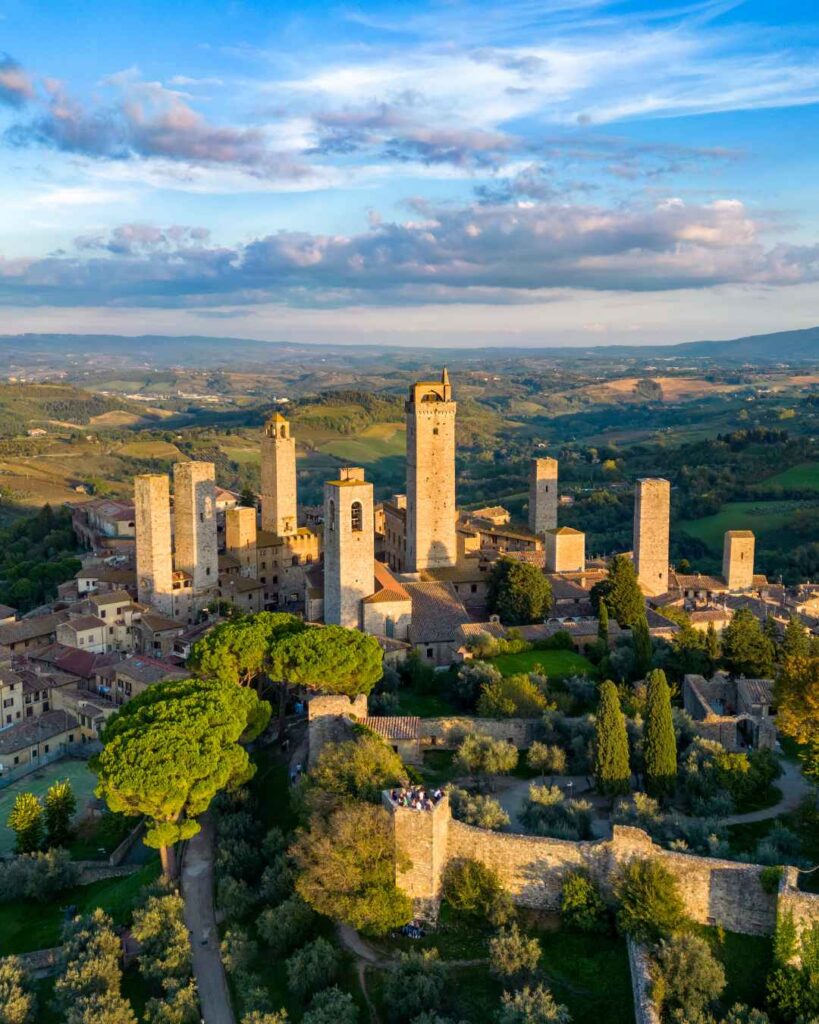
San Gimignano is the postcard version of medieval Italy, and that’s both its strength and its weakness. The town sits on a hilltop in the Val d’Elsa, surrounded by vineyards and olive groves, and its skyline is punctuated by stone towers that once numbered more than seventy.
Fourteen remain today, which is enough to earn it the nickname “Medieval Manhattan.” The towers are the reason San Gimignano survived as a tourist destination while other hill towns faded into obscurity, and they’re also the reason the town can feel overwhelmed by visitors in high season.
The towers were built by wealthy families competing for status. Height meant power, and the competition got so intense that the city eventually capped tower heights to prevent structural collapses and endless one-upmanship.
The tallest surviving tower, the Torre Grossa, stands177 feet high and was completed in 1311. Walking through the streets, you’ll see towers peeking out from between buildings in ways that feel almost accidental, which makes the experience feel more authentic than a perfectly staged skyline.
Some of the towers have been incorporated into later buildings, their stone bases now serving as foundations for houses and shops.
Piazza della Cisterna is the main square, named for the well at its center. It’s triangular, lined with medieval buildings, and a good place to sit with a coffee and watch people. The well dates to the thirteenth century and was the primary water source for the town for centuries.
The Palazzo del Popolo, on the adjoining Piazza del Duomo, houses the Museo Civico, which contains frescoes by Lippo Memmi and other Sienese artists. The Collegiate Church nearby has frescoes by Ghirlandaio and other Sienese masters, including a cycle depicting the life of Santa Fina, the town’s patron saint.
The chapel dedicated to her contains a reliquary and frescoes that tell her story, and the atmosphere inside the church is cool and quiet, a welcome relief from the crowded streets outside.
A word about gelato. Gelateria Dondoli in San Gimignano has won world championships and is one of the reasons people make the trip. The signature flavor, Crema di Santa Fina, combines saffron and pine nut, and it’s unlike anything you’ll find elsewhere.
The queue is usually long but moves quickly, and the gelato is genuinely worth it. There are other excellent gelaterias in town, but Dondoli is the one with the reputation, and it deserves it.
The town gets crowded during the day, especially in summer. Arrive early or stay late. The atmosphere changes completely when the tour buses leave, and you can walk the streets in something approaching solitude.
The surrounding countryside is also worth exploring. The Vernaccia di San Gimignano, Italy’s first white wine to receive DOCG status, is produced in the hills around the town, and several wineries offer tastings.
On our first trip to Italy, my wife and I did a day trip from Florence that allowed us to see both Siena and San Gimignano. If you would like that as well, this is the tour to book.
3. Orvieto, Umbria
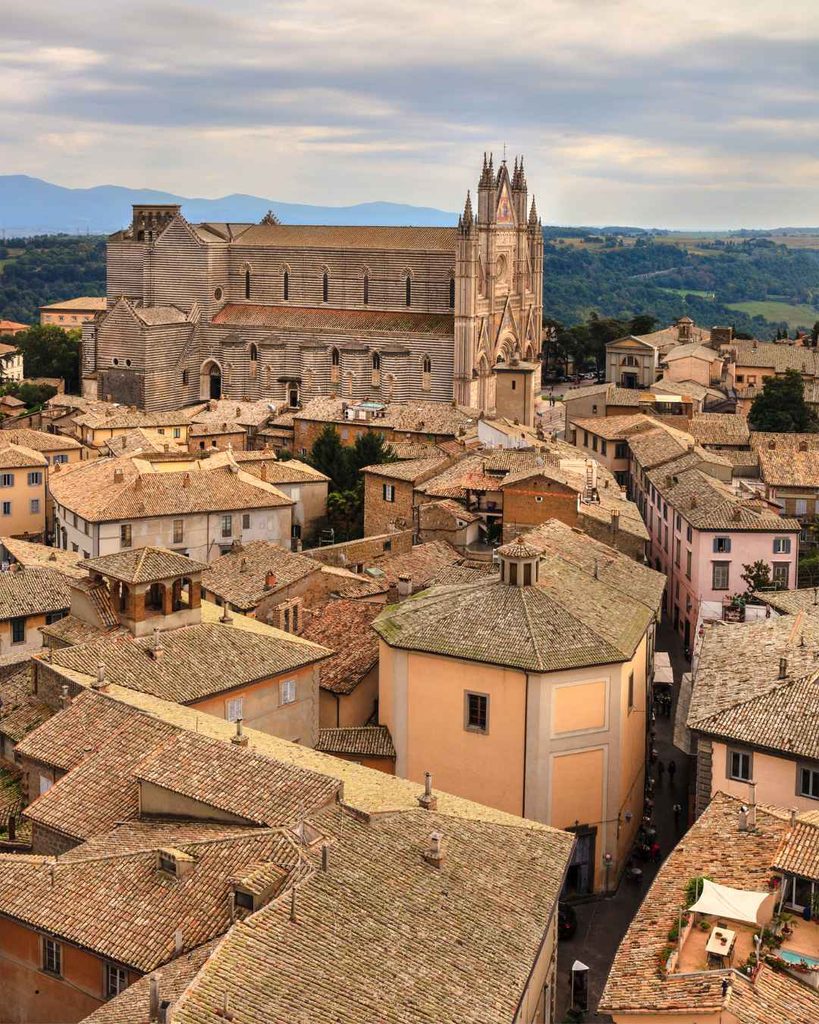
Orvieto sits on a volcanic plateau that rises dramatically from the Umbrian plains, and its cathedral is one of the most spectacular Gothic buildings in Italy. Construction began in 1290, and the facade is a dizzying combination of mosaics, sculptures, and relief carvings that tell biblical stories in stone.
The rose window alone is worth the trip. The facade took centuries to complete, and the different phases of construction are visible in the changing styles of the sculpture and the mosaics. The mosaics on the upper part of the facade were restored in the nineteenth century, but many of the originals are preserved inside the cathedral museum.
Inside, the Chapel of San Brizio contains Luca Signorelli’s frescoes of the Last Judgment. Michelangelo reportedly studied them before painting the Sistine Chapel. They’re dramatic, anatomically detailed, and slightly unsettling in the way great medieval and Renaissance art often is.
The frescoes cover the walls and ceiling of the chapel, and they depict the end of the world, the resurrection of the dead, and the damnation of the wicked. Signorelli’s figures are muscular and expressive, and his vision of hell is vivid enough to linger in your mind long after you leave. The chapel also contains frescoes by Fra Angelico, who began the decoration before Signorelli took over.
What makes Orvieto unusual is what’s underneath it. The town sits on tuff, a soft volcanic rock that’s easy to carve, and over centuries residents created a network of caves, wells, and tunnels beneath the streets. Guided underground tours reveal Etruscan wells, medieval cellars, and even World War II bomb shelters.
The Pozzo di San Patrizio, a sixteenth-century well with double spiral staircases, was designed so mules could carry water up and down without blocking each other. The well is sixty-two meters deep, and the staircases wind around the central shaft in opposite directions. It’s a remarkable piece of engineering, and climbing down to the bottom is an experience you won’t forget.
Orvieto Classico is the local white wine, and it’s excellent. The town is about an hour from Rome by train, making it an easy day trip, but it deserves more than a few hours. The cathedral alone requires at least an hour, and the underground tours take another hour or two.
The town also has a good archaeological museum, a well-preserved medieval quarter, and a funicular that connects the train station to the historic center.
4. Civita di Bagnoregio, Lazio

Civita di Bagnoregio is not an easy place to reach, and that’s part of what makes it special. The town sits on a tuff outcrop that’s slowly eroding into the valley below, and the only access is a narrow pedestrian footbridge.
It’s been called “the dying city” because the hill beneath it is literally disappearing, at a rate of about seven centimeters per year. The erosion is caused by wind and rain acting on the soft volcanic rock, and over centuries, entire sections of the plateau have collapsed into the valley.
Founded by the Etruscans more than 2,500 years ago, Civita was once a thriving settlement on a major route between the Tiber River and Lake Bolsena. Earthquakes and erosion gradually isolated it. An earthquake in 1695 destroyed much of the town and killed many residents, and another earthquake in 1965 prompted most remaining residents to leave.
Today only a handful of people live there year-round. The town has no permanent shops, and the few restaurants and cafés that operate are seasonal.
Walking across the footbridge is the experience. The bridge is about three hundred meters long and rises steeply, and the walk takes about ten minutes at a reasonable pace. The town itself is small, with a few restaurants, a Romanesque church, and streets that feel suspended in time.
The church of San Donato contains a wooden crucifix that is said to have spoken to the townspeople in the fifteenth century, and the building itself dates to the fifth century, though it was rebuilt in the twelfth and sixteenth centuries. The surrounding landscape of eroded gullies, called calanchi, looks like something from another planet.
There’s a small entry fee to cross the bridge, which funds preservation efforts. The mayor’s strategy of charging tourists has actually worked, generating enough revenue that residents of Civita and Bagnoregio no longer pay communal taxes.
Go before it disappears. That sounds dramatic, but it’s also accurate. The town is slowly dying, and while efforts are underway to slow the erosion, the long-term future is uncertain. Visiting Civita is a chance to see something that may not be there in the same form for future generations.
Again, if you are in Rome, you can do a guided tour that combines both Civita and Orvieto. This is the tour that I would recommend.
5. Monteriggioni, Tuscany
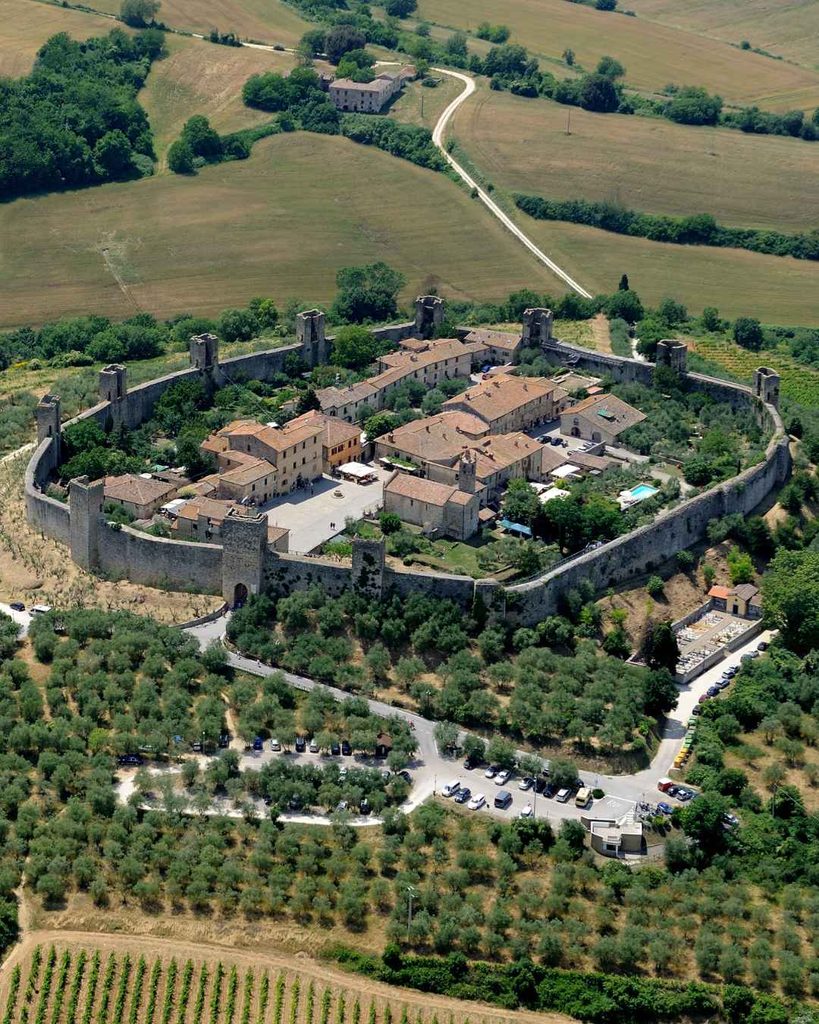
Monteriggioni is the most complete medieval fortress wall in Italy, and it’s small enough to walk through in about an hour. Siena built it in 1214 as a defensive outpost against Florence, and Dante mentioned its towers in the Divine Comedy.
The walls are almost perfectly preserved, with fourteen towers rising at regular intervals, and the town inside is compact and quiet.
The walls incorporate fourteen towers, and you can walk along the ramparts for views across the Chianti countryside. The walk takes about thirty minutes and offers a good perspective on the town’s defensive design. Inside, the town is compact and quiet, with a central piazza, a church, and a handful of cafés and restaurants.
The church of Santa Maria Assunta dates to the thirteenth century and contains a fresco by Taddeo di Bartolo. There’s no major cathedral or museum, and that’s the point. Monteriggioni doesn’t try to impress you. It just exists, authentically, in a way that larger tourist towns can’t quite manage.
The Festa Medievale in late July fills the town with costumed parades, music, and food stalls. It’s one of the better medieval festivals in Tuscany, partly because the setting makes the whole thing feel less like a performance and more like a continuation of something real. The festival includes archery competitions, flag throwers, and a market selling crafts and food made according to medieval recipes.
Park outside the walls and walk in. That’s how it was designed to be entered. The walk from the parking area to the main gate takes about five minutes, and the gate itself is a good spot for photographs.
6. Cortona, Tuscany
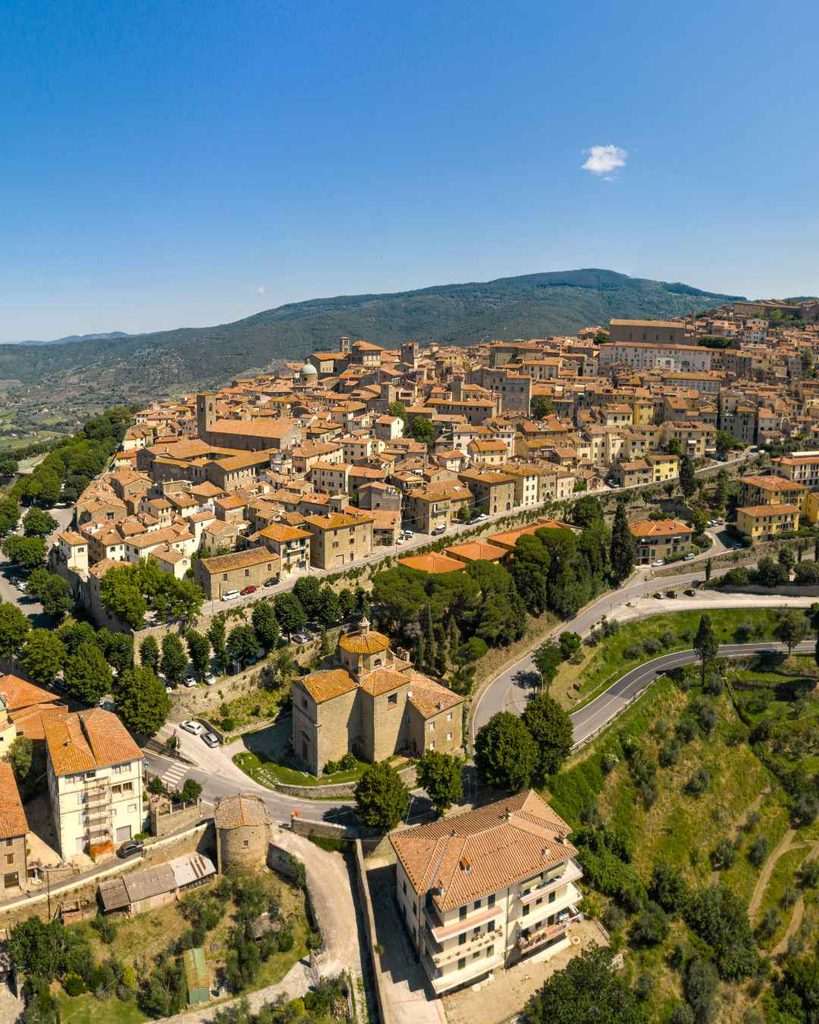
Cortona has Etruscan roots that go back further than most Italian towns can claim. The stone walls surrounding the historic center date to the fifth century BC, and the town was one of the twelve major Etruscan cities.
The Etruscan museum in town contains a collection of artifacts from the surrounding area, including bronze figurines, pottery, and jewelry.
The main square, Piazza della Repubblica, is dominated by the thirteenth-century Palazzo Comunale and its tower. The Diocesan Museum houses Fra Angelico’s Annunciation and works by Luca Signorelli, who was born in Cortona. The Church of San Domenico has more Signorelli, and the Sanctuary of Santa Margherita shelters the body of the town’s patron saint.
Santa Margherita was a thirteenth-century noblewoman who became a Franciscan tertiary and devoted her life to caring for the poor and sick. Her body is displayed in a glass case above the altar, and the sanctuary is a place of pilgrimage for Catholics from across Italy.
Cortona gained international fame from Under the Tuscan Sun, and tourism has increased accordingly. But the town still feels lived-in. Local artisans work in small workshops along the steep streets, and the food is genuinely good.
Try the pici, a thick handmade pasta typical of the region, and the Chianina beef, which comes from cattle raised in the nearby Val di Chiana. The Chianina is one of the oldest cattle breeds in the world and is prized for its lean, flavorful meat. A bistecca alla fiorentina made with Chianina is one of the great culinary experiences in Italy.
The walk up to the Fortress of Girifalco is worth the effort for the views alone. The fortress itself has been restored and now hosts cultural events and a small bistro. The climb takes about thirty minutes from the center of town, and the view from the top stretches across the Val di Chiana to Lake Trasimeno.
7. Gubbio, Umbria
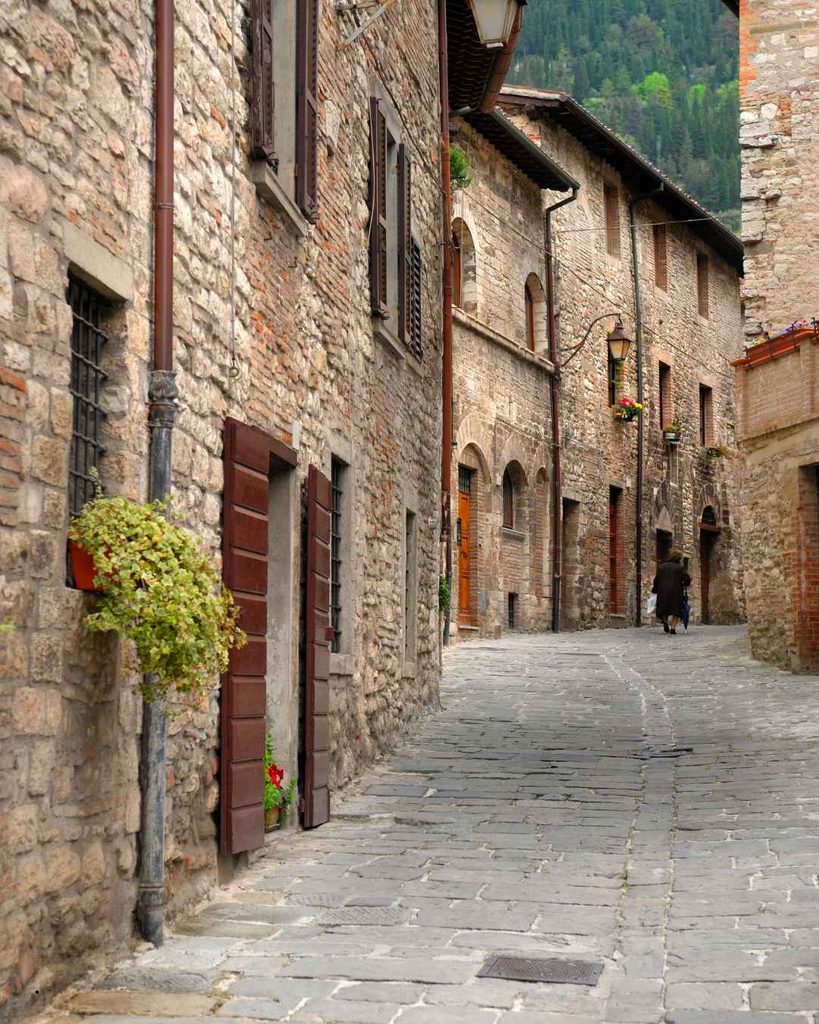
Gubbio is one of Umbria’s most dramatic medieval towns, and it’s less crowded than its Tuscan counterparts. The town climbs up the slopes of Mount Ingino, and its centerpiece is Piazza Grande, a massive terrace that seems to float above the lower town. The Palazzo dei Consoli, one of Italy’s finest medieval civic buildings, dominates the square.
The palace was built in the fourteenth century and houses the archaeological museum, which contains the Eugubine Tables, seven bronze tablets from the second century BC inscribed in the Umbrian language. They’re one of the most important archaeological finds in Italy and provide a detailed picture of pre-Roman religious practices.
The Festa dei Ceri on May 15 is one of the oldest continuous festivals in Italy, dating to the twelfth century. Teams carry three enormous wooden structures topped with statues of saints through the streets and up the mountain to the Basilica of Sant’Ubaldo.
The structures, called ceri, weigh several hundred kilograms each, and the teams race through the streets at breakneck speed. The race is chaotic, passionate, and deeply local. If you’re anywhere near Gubbio in mid-May, plan around it. The festival attracts visitors from across Italy, and accommodation books up months in advance.
Gubbio is also known for its ceramics. Maiolica a lustro, an iridescent glaze technique perfected here in the sixteenth century, is still practiced in local workshops. Watching a master apply the glaze is a quiet privilege, and you can buy pieces directly from the workshops at prices lower than you’d find in Florence or Rome.
The funivia, a basket-style cable car, takes you up to the basilica. It’s not for anyone afraid of heights, but the views are spectacular. The cable car has been operating since the 1970s and is the easiest way to reach the basilica, which sits at an elevation of about 800 meters.
8. Todi, Umbria
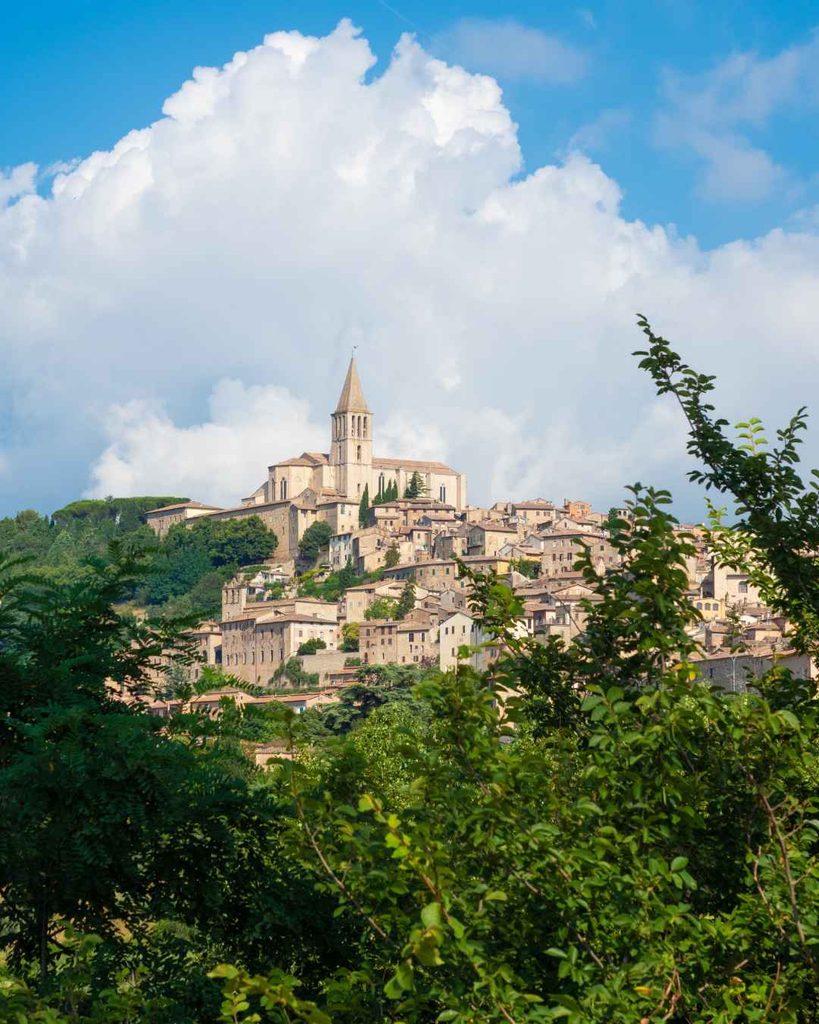
Todi is what happens when a medieval hill town gets everything right and no one notices. It sits between Rome and Florence, but it’s often overlooked by international tourists, which means you get the beauty without the crowds.
The town is built on two hills and retains its medieval street plan, with narrow lanes winding between stone buildings and occasional views over the Tiber Valley.
Piazza del Popolo is one of the best-preserved medieval squares in central Italy, lined with the Palazzo del Popolo, Palazzo del Capitano, and Palazzo dei Priori. The square is paved in stone and flanked by buildings that date to the thirteenth and fourteenth centuries.
The cathedral, the Cattedrale di Santa Maria Annunziata, has a rose window and frescoes inspired by Michelangelo’s Last Judgment. The cathedral was built in the twelfth century and rebuilt in the fourteenth, and its facade is a fine example of Umbrian Gothic architecture.
San Fortunato, a Gothic church dedicated to the town’s patron saint, has a campanile you can climb for panoramic views of the Tiber Valley. The church was begun in the thirteenth century and completed in the fifteenth, and its interior contains frescoes by Masolino da Panicale.
The crypt contains the tomb of Jacopone da Todi, a thirteenth-century Franciscan poet who wrote in the vernacular and was known for his passionate, often controversial religious verse.
Todi is a wine town. The local osterie pour excellent Umbrian wines, and the restaurants are cheaper than what you’d find in Tuscany by about fifteen to twenty-five percent. It’s a place to slow down, eat well, and wander without a plan. The town also has a good market on Saturdays, where local farmers sell produce, cheese, and cured meats.
9. Erice, Sicily
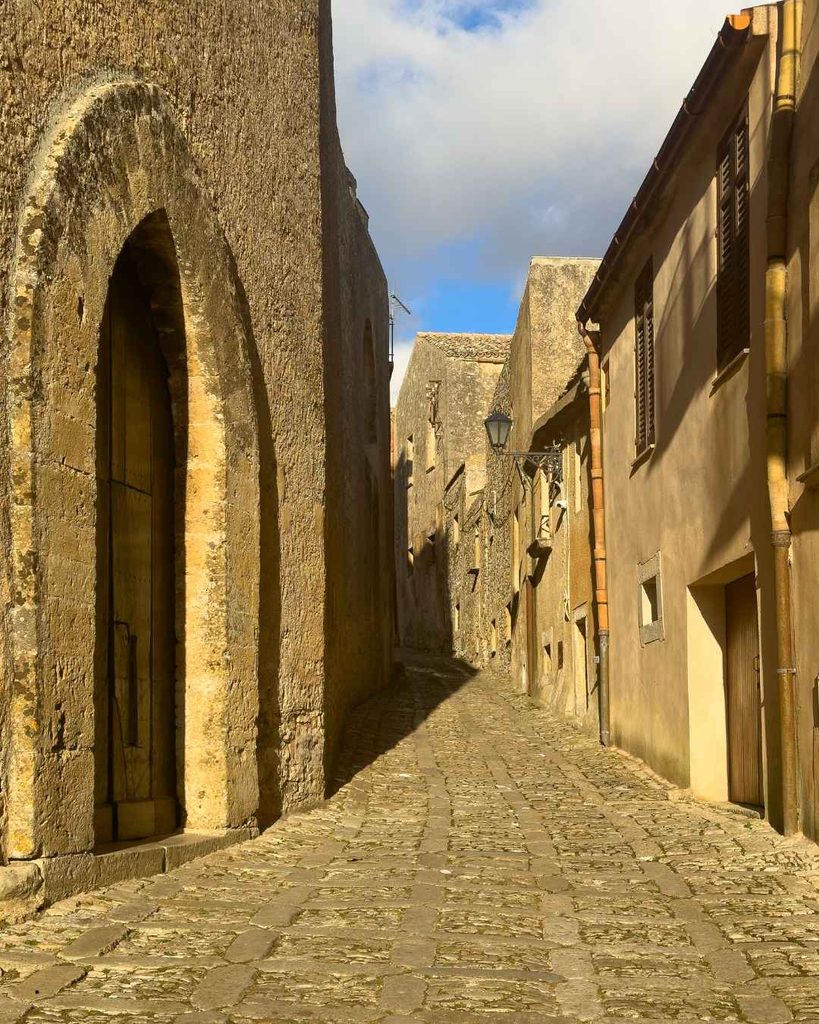
Erice sits on top of Mount Erice, 751 meters above the Sicilian coast, and the views from the town are extraordinary. On a clear day, you can see Trapani, the Egadi Islands, and the salt pans along the coast.
The cable car from Trapani is the best way to arrive, gliding over vineyards and ending with a dramatic approach to the mountaintop. The ride takes about ten minutes and offers views that are worth the ticket price on their own.
The Castello di Venere, a Norman castle built on the site of an ancient temple to Venus, offers the most dramatic views. The castle was built in the twelfth century and later expanded by the Aragonese, and its walls now enclose a small garden and a viewing terrace.
The temple of Venus that once stood on the site was famous throughout the ancient Mediterranean, and pilgrims came from across the region to worship there.
The town’s medieval streets are winding and quiet, and the almond pastries for which Erice is famous are worth seeking out. The genovesi and cassatelle are made with almond paste and have been a local tradition for centuries.
The pastries are sold in small bakeries throughout the town, and the recipes have been passed down through generations. The town is also known for its ceramics, and several workshops sell hand-painted pieces.
Erice is cooler than the coast even in summer, so bring a layer. The town is small and walkable, and a half-day is enough to see the highlights, though staying overnight lets you experience the atmosphere after day-trippers leave. The town has a handful of hotels and restaurants, and the evening light over the sea is spectacular.
10. Cefalù, Sicily
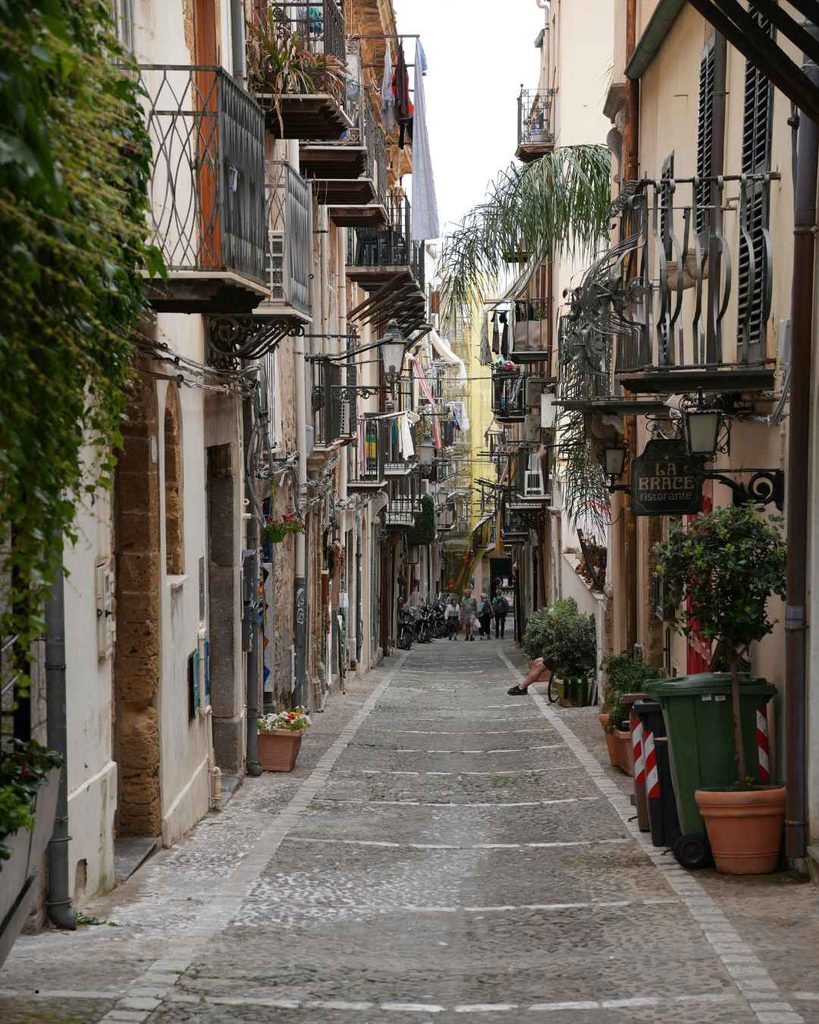
Cefalù is a coastal town where Arab-Norman architecture meets the Tyrrhenian Sea. The cathedral, begun by Roger II in 1131, is a UNESCO World Heritage site and contains stunning Byzantine mosaics in the apse.
The mosaics depict Christ Pantocrator, the Virgin Mary, and the apostles, and they’re among the best-preserved Byzantine mosaics in Italy. The cathedral was built as a dynastic mausoleum for Roger II, and his porphyry sarcophagus is still inside.
The town’s medieval fishermen’s quarter, with its tight streets and honey-colored buildings, leads down to a beautiful sandy beach right below the historic center. The Lavatoio Medievale, a medieval washhouse at sea level, is still fed by a freshwater spring.
It’s a small, quiet place that gives you a sense of how daily life functioned in the medieval town. The washhouse was used by local women until the 1960s, and the stone basins and steps are still intact.
Cefalù is easily reached by train from Palermo, about an hour away. It’s popular with Sicilians and international visitors alike, but it hasn’t lost its character. The seafood is excellent, the granita is essential, and the beach is one of the best in Sicily. The town also has a good market on weekday mornings, where you can buy fresh produce, cheese, and seafood.
11. Taormina, Sicily
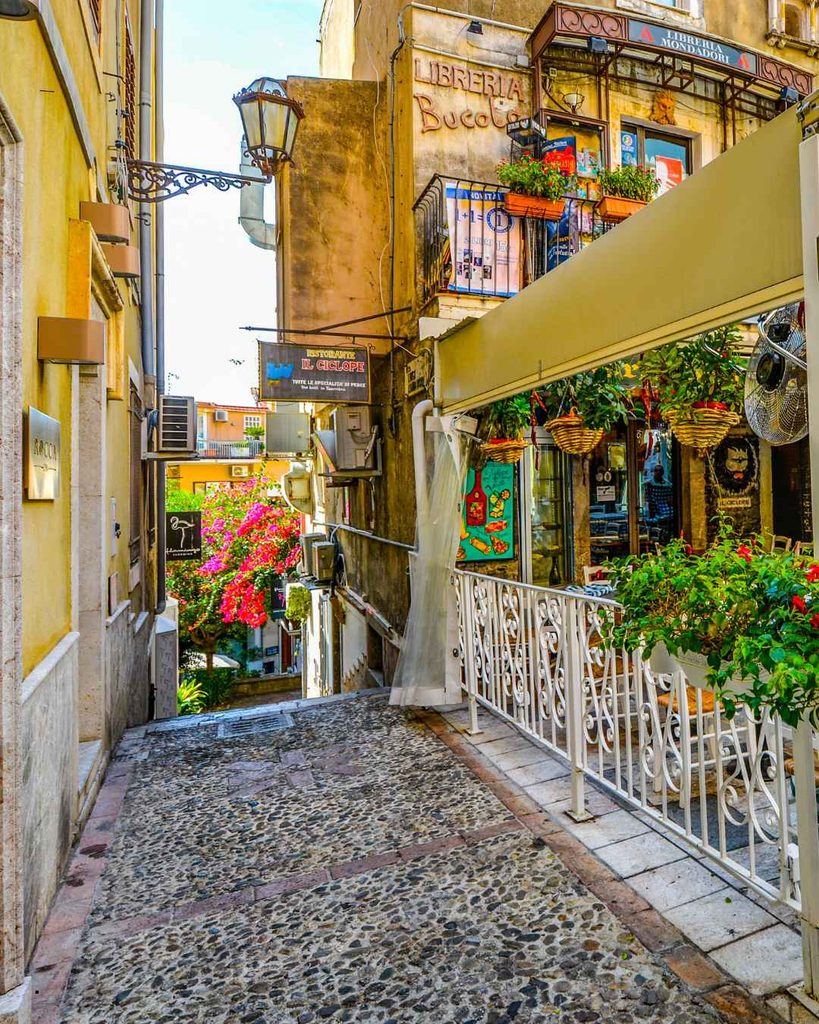
Taormina is the most glamorous town on this list, and it’s been a destination for centuries. The Greeks founded it in the fourth century BC, and the Teatro Antico, a Greco-Roman theater carved into the hillside, is one of the most spectacular ancient sites in the world.
Mount Etna rises in the background, and the sea stretches out below. The theater was built by the Greeks and later expanded by the Romans, and it’s still used for performances today.
The medieval town itself is centered on Corso Umberto, a pedestrian street lined with palaces, shops, and cafés. The Palazzo Corvaja, a fourteenth-century building, is one of the finest examples of Gothic architecture in Sicily.
The Villa Comunale, a lush public garden created by an Englishwoman in the late nineteenth century, offers shade and views. The garden contains a variety of Mediterranean plants, as well as several follies and small buildings that add to its charm.
Taormina is expensive and crowded in high season. Spring and fall are better. The cable car connects the town to the beaches below, and the Taormina Film Fest brings international cinema to the ancient theater each June. Book restaurants in advance, especially for dinner with a view. The town also has a good selection of hotels, from modest pensions to luxury resorts.
How to Choose
If you’re planning a trip and trying to narrow this down, here’s a rough guide.
For a first visit to medieval Italy, start with Siena and San Gimignano. They’re the most iconic and the logistics are manageable. For avoiding crowds, Gubbio and Todi offer similar beauty with far fewer people. For coastal settings, Cefalù and Taormina combine medieval architecture with stunning sea views. For something unforgettable and slightly melancholic, Civita di Bagnoregio is in a category of its own.
A few general notes. Spring and fall are the best times to visit. Summer is hot, crowded, and everything requires reservations. Winter is quiet and atmospheric, but some restaurants and attractions close. If you’re driving, be aware of ZTL zones in historic centers. If you’re using trains, Siena, Orvieto, Cefalù, and Taormina are easy; San Gimignano and the smaller hill towns require buses or a car.
Stay overnight when you can. These towns change character when the day-trippers leave. The streets empty, the light softens, and you remember why people have been living in these places for centuries.
The medieval Italian city is not a museum. It’s a reminder that beauty and community can endure when people value them enough to preserve them. Go see for yourself.
Again, feel free to go through the list below of my Italy recommendations that I have crafted after years of travel to this beautiful country:
- Packing List: Things Not to Go to Italy Without
- Must-Do Things: Unforgettable Experiences
- Where to Stay: Best Hotels in Italy.
- Where to Stay in Rome: Rome’s Best Neighborhoods
- Where to Stay in Florence: Picking the Best Area
- Where to Stay in Venice: Venice’s Best Districts
- Italy’s Cobblestone Streets: Best Shoes For the Job
- Backpack or Suitcase?: Italy Luggage Guide
- Travel Insurance: Always Be Covered
- E-Sim: Be Connected At All Times